The Soggy Reality of Paper Straws and the Drinks They Ruin


Paper straws were introduced with good intentions. They arrived as a visible symbol of environmental change, replacing plastic almost overnight in cafés, fast-food chains, and restaurants around the world. For many customers, the switch felt like a small but meaningful step toward reducing waste and reducing ocean pollution. Businesses promoted the move as proof of climate awareness and corporate responsibility, and the change was easy for customers to see and understand. Yet as the novelty wore off, a new conversation began one focused not on sustainability, but on sogginess, flavor changes, and drinks that simply didn’t taste the same after a few minutes of use.
What seemed like a simple material swap has revealed a more complicated reality. Paper interacts differently with liquids, absorbing moisture, softening over time, and subtly altering the drinking experience. From collapsing mid-sip to slowing carbonation flow in sodas, the modern paper straw has sparked frustration alongside praise. Texture, temperature, and flow rate all influence taste perception, and even minor mechanical changes can reshape how a beverage feels on the palate. The story behind this everyday item is less straightforward than it first appeared, blending environmental goals with practical performance tradeoffs that consumers experience with every sip.
The Paper Straw Push
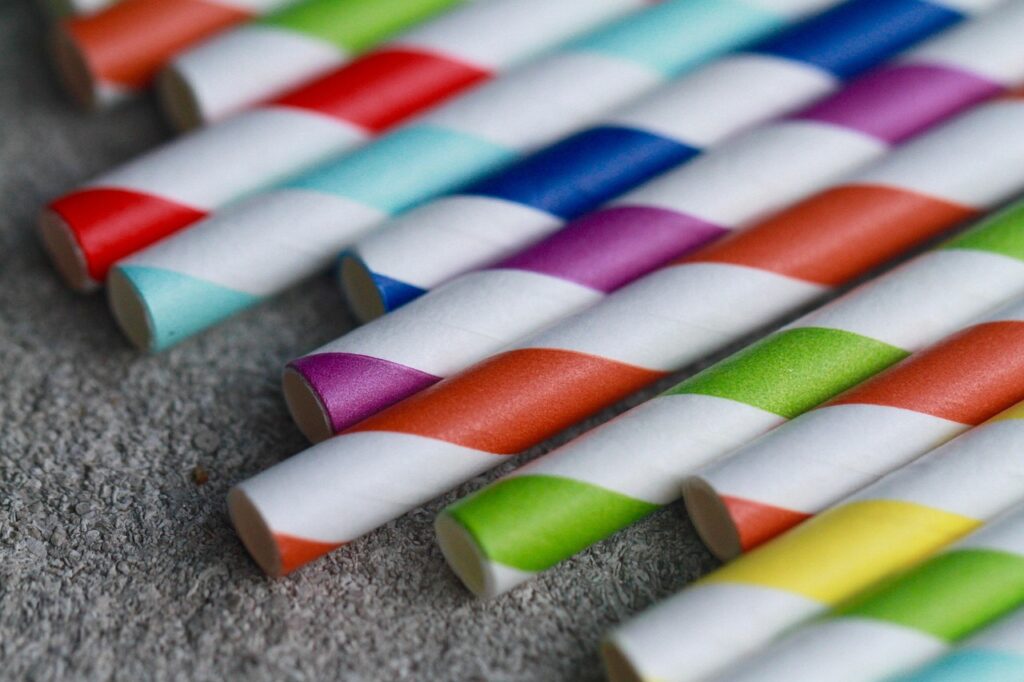
The shift to paper straws did not happen by accident. It followed rising public concern over plastic pollution, especially widely shared images of ocean waste that increased pressure on businesses to reduce single-use plastics. Large restaurant chains and coffee brands moved quickly, replacing plastic straws with paper versions to demonstrate environmental responsibility. In many regions, municipal bans and regulatory deadlines accelerated the change, making paper the standard option. Because straws are highly visible to customers, the transition offered companies a clear symbol of sustainability without requiring a redesign of cups or packaging systems.
For businesses, the move was both practical and strategic. Straws represent a small portion of total packaging waste, yet they are frequently handled and easily noticed, which made them an effective public signal of action. However, the rapid rollout left limited time for long-term performance testing across different beverage types, temperatures, and consumption patterns. Drinks vary widely in acidity, thickness, and carbonation, all of which affect how paper materials behave. As adoption spread, consumer feedback began to highlight durability concerns and changes in drinking experience that were not fully anticipated during the initial sustainability-driven push.
Why Do Drinks Taste Different
Many customers report that beverages taste subtly different when consumed through paper straws, and this perception is not simply psychological. Paper is porous, meaning it can absorb small amounts of liquid almost immediately. As the fibers take in moisture, the structure softens and slightly narrows, altering how the drink flows. That shift affects mouthfeel, which plays a significant role in how flavor is experienced. The speed at which liquid reaches the tongue influences how sweetness, acidity, and carbonation register. Even minor changes in flow rate can make sodas feel less crisp or iced coffees seem less smooth, reshaping the overall sensory experience.
In certain drinks, particularly carbonated sodas or acidic cocktails, the paper can begin to weaken more quickly. As the straw softens, suction pressure increases, changing how air mixes with the beverage during each sip. This can reduce carbonation intensity or alter temperature perception. In thicker drinks such as milkshakes, the added resistance may require stronger suction, accelerating breakdown and affecting texture. Even without visible fraying, softened fibers can create a faint pulpy sensation. These small mechanical shifts influence how flavor compounds reach taste receptors, leading some consumers to describe familiar drinks as flatter or less refreshing than before.
The Durability Problem
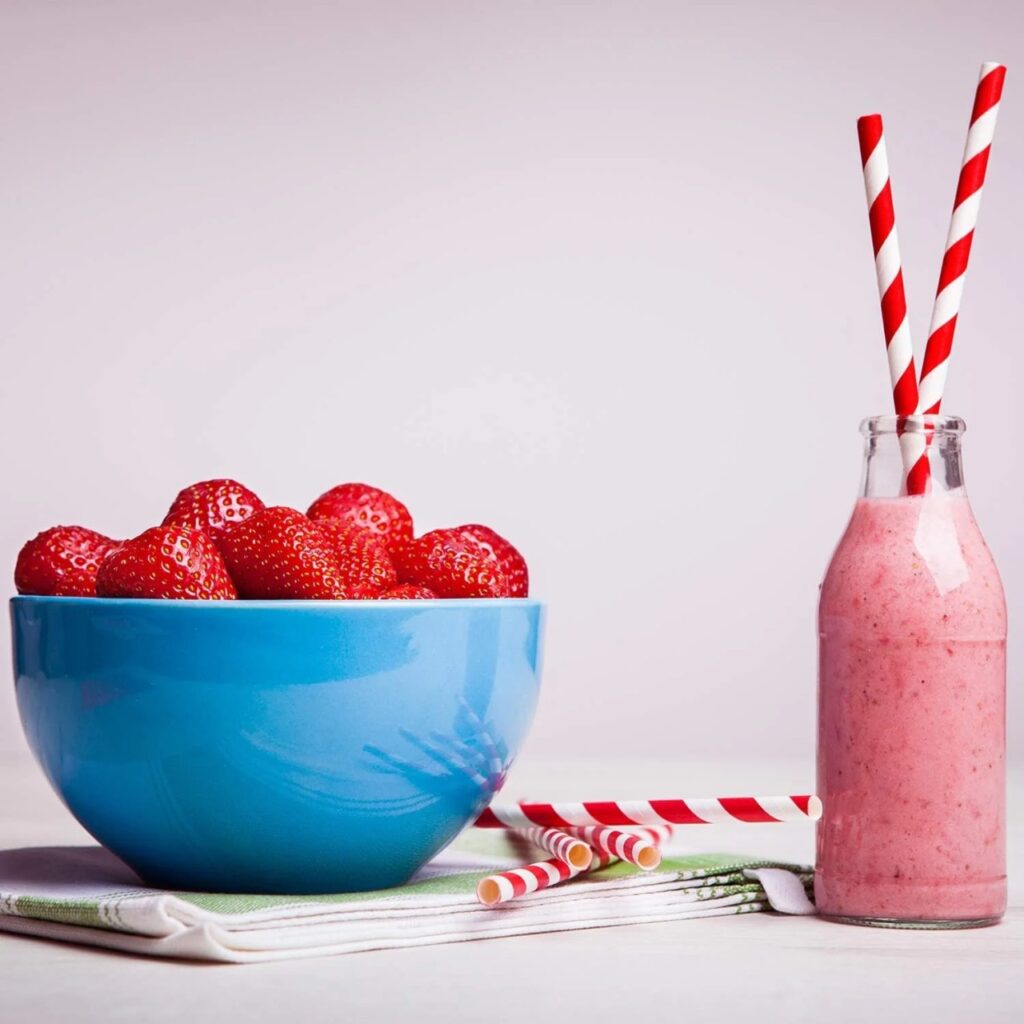
The most common complaint about paper straws is straightforward: they simply do not last long enough to finish a drink comfortably. When placed in cold beverages, the paper fibers begin absorbing moisture almost immediately. Over several minutes, that absorption weakens the structure, causing the straw to soften and lose rigidity. In thicker drinks such as milkshakes, smoothies, or blended coffees, the increased suction required to draw liquid upward accelerates the breakdown process. What starts as a firm, neatly rolled cylinder can quickly become pliable or partially flattened, forcing customers to either request a replacement or abandon the straw entirely and sip from the lid.
Manufacturers have worked to improve durability by layering paper more tightly, reinforcing seams with stronger adhesives, or adding moisture-resistant coatings. These modifications can extend performance, but they introduce tradeoffs. Additional layers increase material use and cost, while certain coatings complicate compostability or recycling. Stronger adhesives may enhance structure but raise questions about disposal processing. Achieving the right balance between strength and sustainability remains technically complex. Despite ongoing design refinements, many paper straws still struggle to match the stability and consistent performance that plastic versions delivered in everyday use.
Environmental Tradeoffs
Paper straws are widely viewed as an environmental upgrade, yet the sustainability equation is more nuanced than it appears. Producing paper requires harvesting wood pulp, consuming water, and using energy-intensive processing to convert fibers into finished products. Chemical treatments are often applied to strengthen the material and improve moisture resistance. When coatings are added to slow absorption, compostability can become more complicated. If these straws are discarded in regular trash rather than compost systems, they may end up in landfills where decomposition conditions differ, limiting some of the intended environmental benefits.
Lifecycle assessments highlight this complexity. While paper can reduce long-term plastic pollution, especially in marine environments, it still carries a measurable resource footprint. Manufacturing emissions, transportation weight, and raw material sourcing all factor into total environmental impact. Heavier paper products may increase shipping emissions compared to lighter plastics. Disposal pathways also matter; without proper composting infrastructure, environmental benefits shrink. The overall sustainability of paper straws depends not only on the material itself but on how responsibly they are produced, transported, and processed after use within local waste systems.
What Comes After Paper

The debate surrounding paper straws has prompted innovation in how beverages are served and consumed. Some companies are experimenting with compostable bioplastics made from plant-based materials designed to break down under industrial composting conditions. Others promote reusable options such as stainless steel, glass, or silicone straws that can withstand repeated use without degrading in drinks. Several large chains have redesigned cup lids to include sip openings, eliminating the need for a separate straw. These approaches aim to balance durability, user comfort, and environmental impact while addressing the performance complaints that paper alternatives revealed.
Future progress may depend less on swapping one disposable material for another and more on reducing single-use consumption overall. Encouraging customers to carry reusable drinkware, offering incentives for refillable containers, and improving waste sorting systems could deliver broader environmental benefits. Designers are also rethinking packaging to minimize accessory components. The challenges exposed by paper straws show that sustainability solutions rarely hinge on a single product change. Meaningful improvement often requires coordinated shifts in manufacturing, consumer behavior, and waste systems rather than isolated material substitutions.