8 Reasons California Burritos Are Just Fries Sandwiches

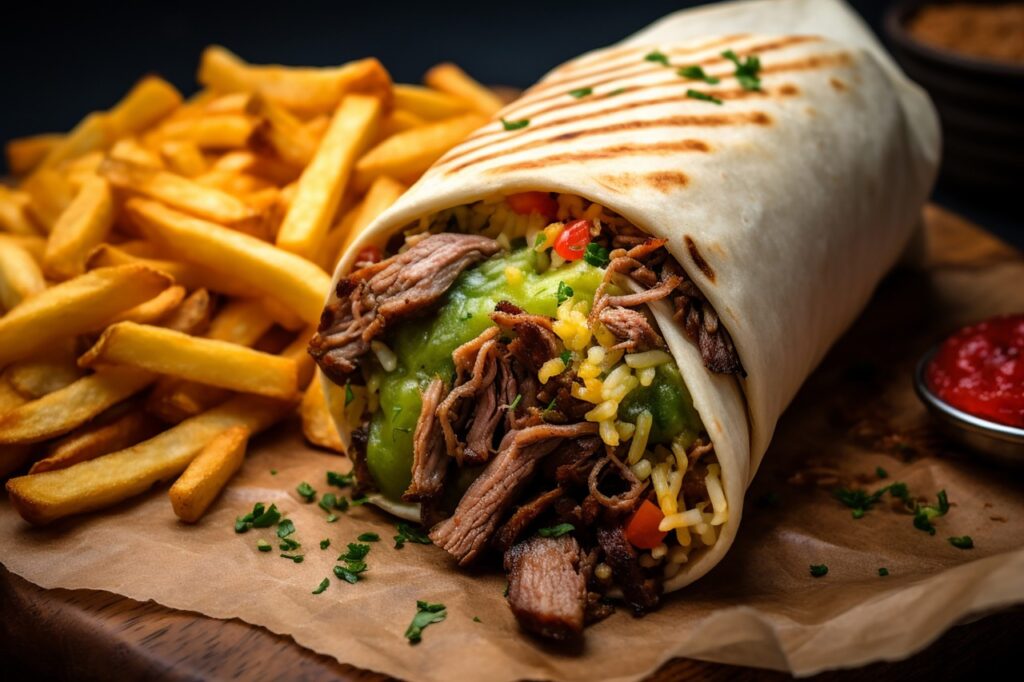
At first glance, it looks like a standard burrito. A warm flour tortilla, tightly wrapped, promising steak, cheese, and something satisfying inside. But take a bite and you quickly realize this is not business as usual.
Instead of rice quietly soaking up juices in the background, thick cut fries step forward and claim the spotlight. The texture shifts. The weight changes. Every bite feels heartier, saltier, and unmistakably indulgent.
The California burrito has earned loyal fans and skeptical critics for one simple reason. It blurs the line between tradition and fast food comfort. Is it a true burrito, or is it simply a clever way to carry a serving of fries?
1. French Fries Take Center Stage
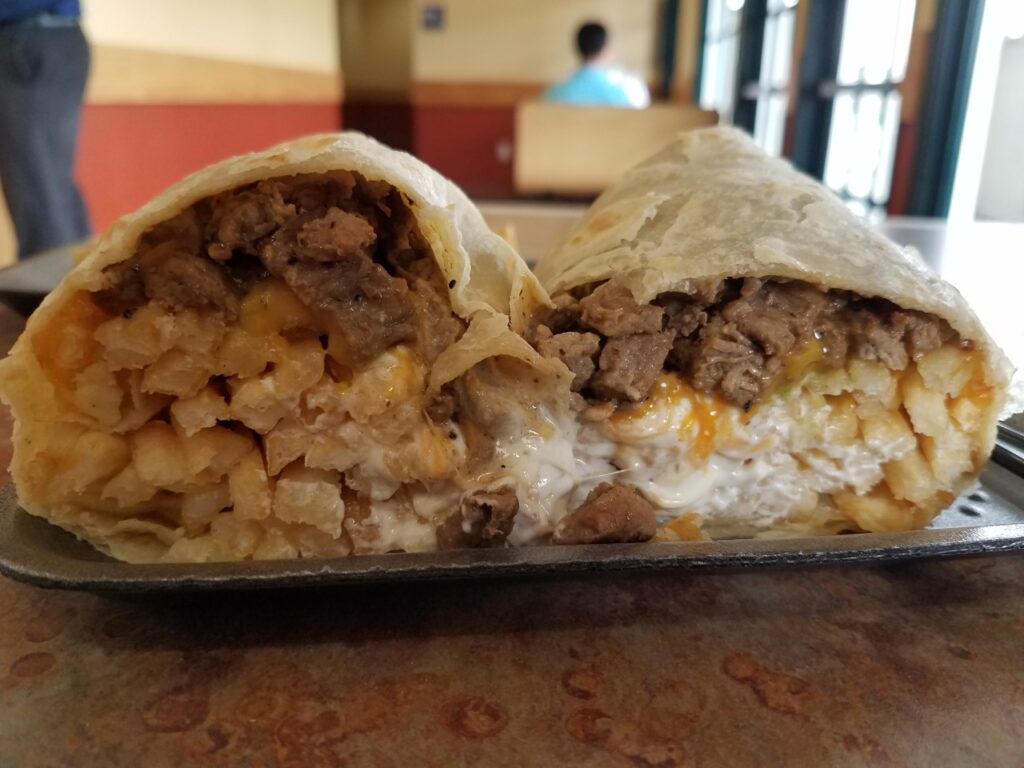
Take one look inside a California burrito and the hierarchy is obvious. Golden fries occupy prime space, often outnumbering the steak. They are not a garnish or surprise element. They define the structure of the dish.
Traditional burritos rely on beans and rice to create volume and absorb juices from meat and salsa. In this version, thick cut fries take over that job. They add starch, salt, and oil in every bite, shifting the balance from layered seasoning to potato density.
Because fries are bulky and uniform, they dominate texture. The meat becomes an accent rather than the anchor. When the main filler is deep fried potato, the burrito starts to resemble a wrapped serving of fries with supporting ingredients around them.
2. It Replaces Rice With Potatoes
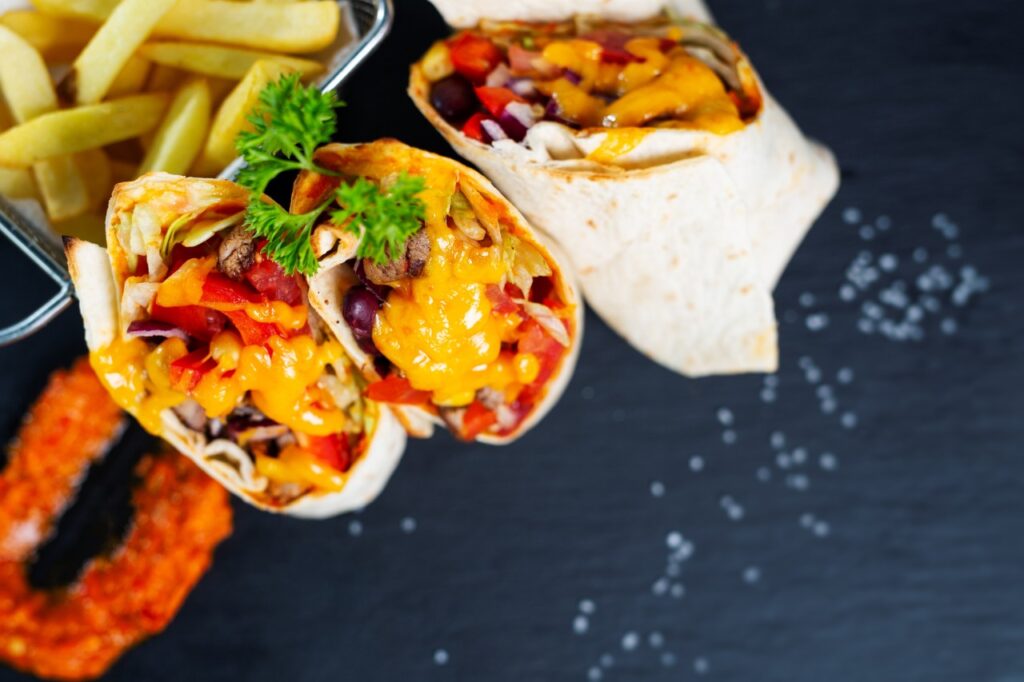
The absence of rice is not a small change. Rice traditionally acts as a neutral backbone in burritos, soaking up juices and distributing flavor evenly. It provides structure without overwhelming the other components.
Fries function differently. They arrive pre salted and fried, carrying a distinct taste and texture before they even meet the steak. Instead of absorbing flavor gently, they introduce their own bold presence. The burrito becomes heavier and more uniform in texture.
This swap transforms the overall character of the dish. Without rice to soften intensity, the filling leans toward fast food comfort. The tortilla holds together what is essentially steak and fries, a pairing more common to a plate than a traditional burrito.
3. Born in a Fast Food Culture
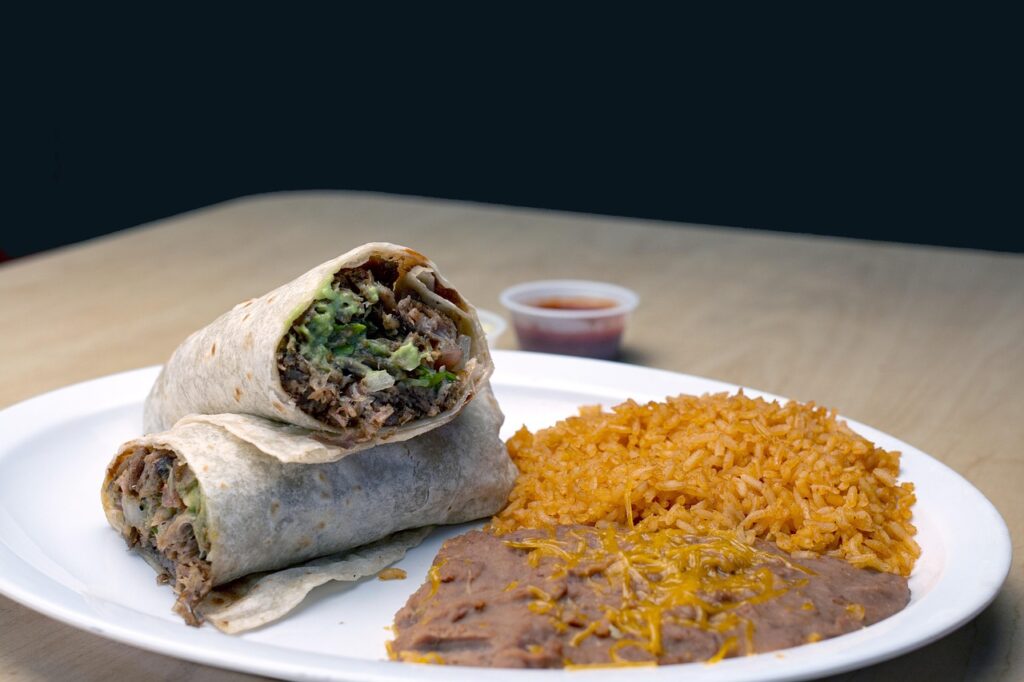
The California burrito is closely linked to taco shops in San Diego, where Mexican culinary roots meet American convenience. Its rise reflects a local appetite for hearty, late night meals.
By the 1990s, carne asada fries were already popular across Southern California. Wrapping those same ingredients in a tortilla made them portable and easier to eat on the go. The innovation was practical rather than traditional.
This origin story matters. The dish did not emerge from rural Mexican kitchens but from urban taco counters serving surfers, students, and night shift workers. That fast paced environment encouraged indulgence and efficiency, shaping a burrito that behaves more like a handheld diner special.
4. Texture Is Dominated by Crisp and Soft
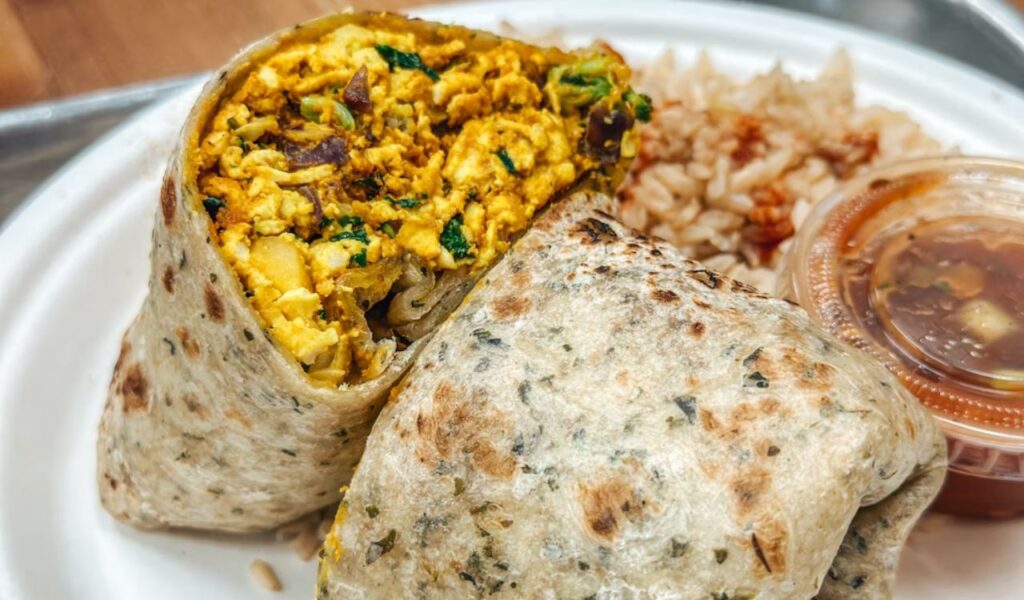
Burritos typically thrive on contrast. Creamy beans, fluffy rice, tender meat, and crisp vegetables create varied textures in each bite. The California version narrows that range.
Fresh fries begin crisp, but once wrapped tightly in foil, steam softens them quickly. They turn dense and starchy, blending into the melted cheese and sour cream. The result is a thick interior with limited variation from bite to bite.
Because potatoes occupy so much space, other elements struggle to stand out. The tortilla functions less as a delicate wrapper for balanced fillings and more as packaging for a compacted layer of fries and steak pressed together.
5. It Mirrors Carne Asada Fries
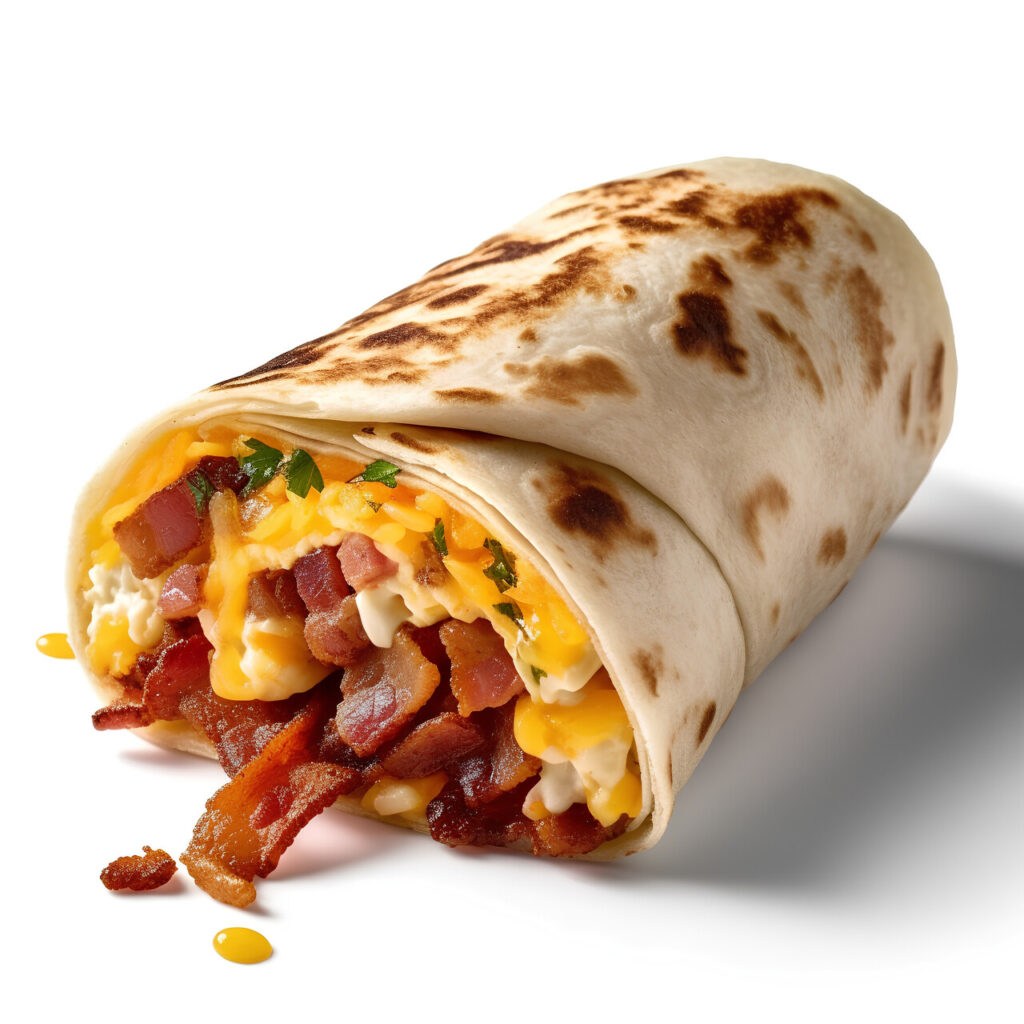
Place a California burrito next to a plate of carne asada fries and the resemblance is clear. The ingredient list is nearly identical. Grilled steak, fries, cheese, guacamole, and sour cream appear in both.
The difference lies mainly in format. One is served open on a tray. The other is rolled tightly in a flour tortilla. The core flavors remain unchanged, and the fries remain the dominant component.
Because the contents overlap so heavily, the burrito feels like a rearranged version of the plated dish. Instead of redefining the ingredients, the tortilla simply makes them portable, reinforcing the idea that it is fries first and burrito second.
6. The Tortilla Functions Like Bread
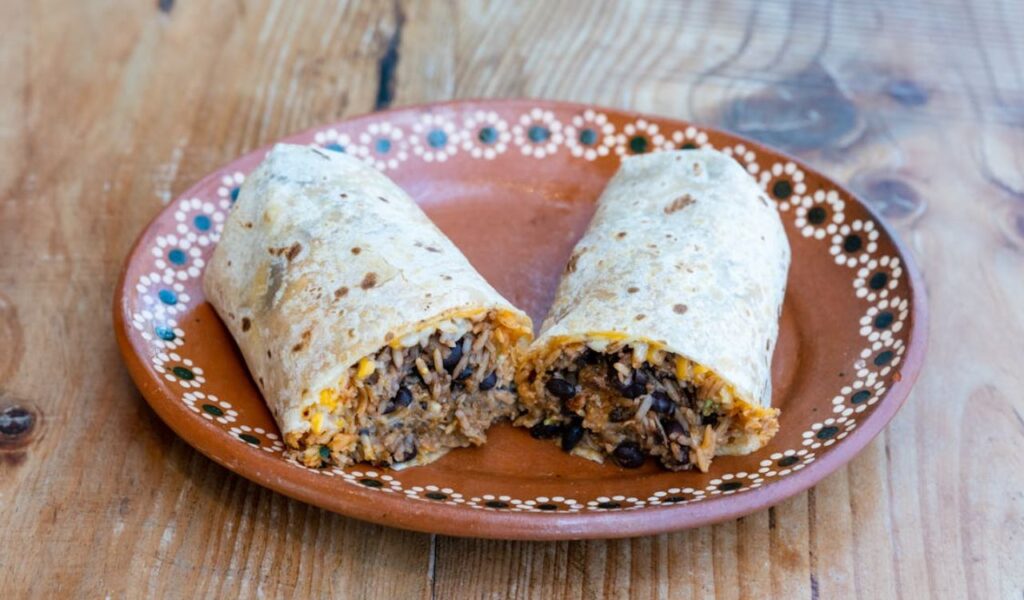
In many burritos, the tortilla supports a complex blend of grains, legumes, meat, and vegetables. It complements rather than competes with the filling. In the California burrito, its role shifts noticeably.
With fries forming the bulk of the interior, the tortilla becomes a containment tool. It wraps around steak and potatoes much like bread encloses a sandwich filling. Structurally, it holds together a dense mass rather than layered components.
When the primary ingredients resemble a classic steak and fries combination, the tortilla reads more like flatbread than traditional wrap. The experience edges closer to eating a fries sandwich than a rice based burrito.
7. It Prioritizes Indulgence Over Balance

Balance defines many traditional burritos. Protein, grains, beans, salsa, and fresh toppings create contrast in flavor and nutrition. The California burrito takes a different path.
Adding fries introduces extra starch and oil to an already hearty filling. Combined with melted cheese and creamy sauces, the overall profile leans heavily toward salt and fat. Fresh vegetables are minimal or absent.
This emphasis on richness makes the dish satisfying and filling, but it also shifts it away from balanced composition. The burrito becomes an indulgent bundle built around fried potatoes rather than a carefully layered meal.
8. Regional Identity Drives the Definition
Food often reflects place, and the California burrito is rooted in Southern California culture. In and around San Diego, it represents local pride and culinary creativity.
The region embraces mashups that blend Mexican techniques with American comfort food. Fries inside a burrito capture that spirit. They reflect a community comfortable with bending tradition in favor of bold flavor and convenience.
Outside the area, the concept can seem unconventional. Yet locally it feels authentic to its environment. Whether labeled a true burrito or a clever fries sandwich, its identity is inseparable from the place that popularized it.