Can Vodka Really Be Used as a Household Cleaner


Vodka might be best known as a staple for cocktails, but its chemical makeup gives it surprising cleaning potential around the home. At its core, vodka is a simple mixture of ethanol (the type of alcohol that dissolves oils and evaporates quickly) and water, and that alcohol content is what gives it real cleaning value. Most readily available vodkas are around 40 percent alcohol by volume, which is strong enough to dissolve greasy residues and help deodorize many surfaces without leaving chemical odors behind. This makes vodka a useful tool for lighter cleaning tasks, particularly when you want a neutral scent and gentle disinfecting action.
However, vodka’s cleaning strengths have limits. True disinfecting power that kills harmful bacteria and viruses most effectively generally requires a higher alcohol concentration, typically nearer to 60 or 70 percent. While vodka can help remove odors and break down some grime, it does not replace purpose-built disinfectants like rubbing alcohol or commercial cleaners when strong sanitization is needed. For everyday jobs like brightening glass or lifting sticky residue, though, vodka shines as a surprising pantry-solution alternative.
What Makes Vodka Effective for Cleaning
Many DIY cleaning enthusiasts are drawn to vodka because its ethanol dissolves grease and evaporates rapidly without harsh fumes. Alcohol is a solvent, which means it can break down oily residues that water alone cannot touch. This is why vodka is often suggested for messy spots where soap and water struggle. For example, removing the sticky leftovers from price tags or adhesive can be much easier when alcohol is involved because it softens the glue and allows it to be wiped away cleanly. Vodka is also pleasantly neutral in scent. This makes it particularly attractive for people with sensitivities to strong chemical odors.
It’s important to recognize that vodka’s typical 40 percent alcohol content, as it is not designed primarily for disinfecting. Because it doesn’t leave a lingering odor once it dries, vodka suits spaces where you want a clean smell without chemicals. True sanitizing usually requires at least 70 percent alcohol content. That’s why health experts recommend products like hand sanitizer or rubbing alcohol for serious disinfecting tasks. Vodka can clean and deodorize effectively, but it shouldn’t be relied on as a primary disinfectant in places like food preparation areas or during illness outbreaks.
How Alcohol Content Influences Cleaning Power
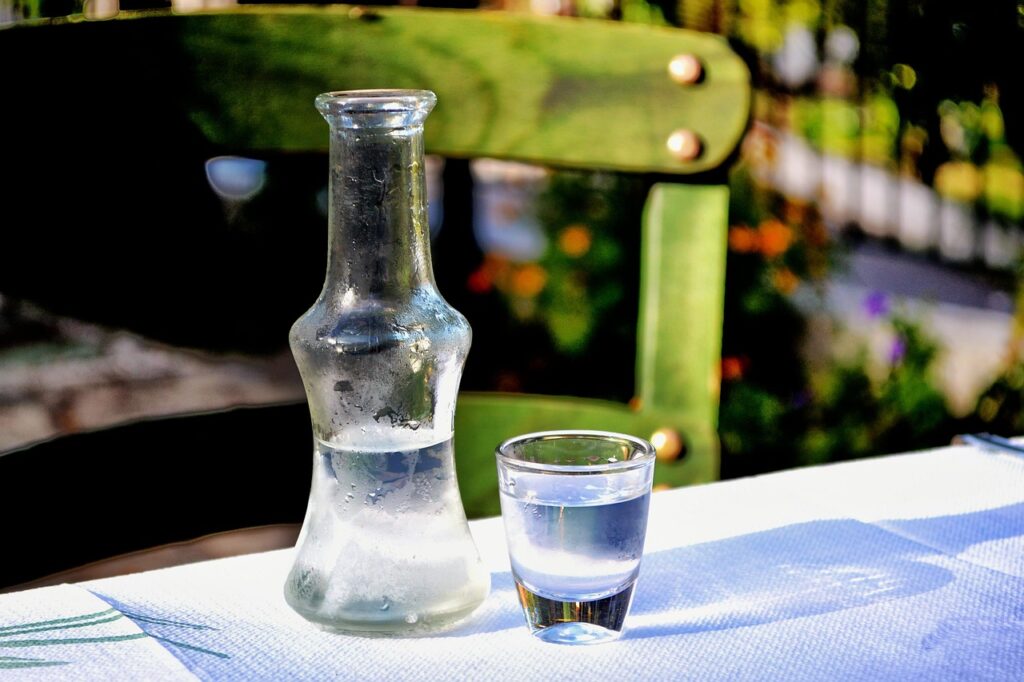
The cleaning properties of vodka stem directly from its alcohol concentration, but that also defines its limitations. Vodka made for drinking usually has around 40 percent alcohol by volume, a level high enough to dissolve oils and help remove grime. That alcohol evaporates quickly, which contributes to fast drying and less residue on cleaned surfaces. This quick evaporation also helps reduce the chance of streaks, especially on glass and mirrors, when vodka is mixed with water in the right proportions. Because it leaves little behind, vodka is useful for surfaces where clarity matters more than deep sanitizing.
Alcohol acts by breaking down cell membranes and proteins in microbes, effectively killing them. Research into cleaning products shows that alcohol concentrations of 60 to 70 percent are most effective for broad-spectrum antimicrobial activity on surfaces. That’s why rubbing alcohol and commercial sanitizers generally hover in that stronger range. Vodka simply doesn’t reach that threshold, so while it can reduce some microorganisms and odor-causing bacteria, it won’t fully sanitize in the same way professional products do. This means vodka is best seen as a light cleaner rather than a heavy-duty disinfectant.
Types of Vodka Best Suited for Household Use
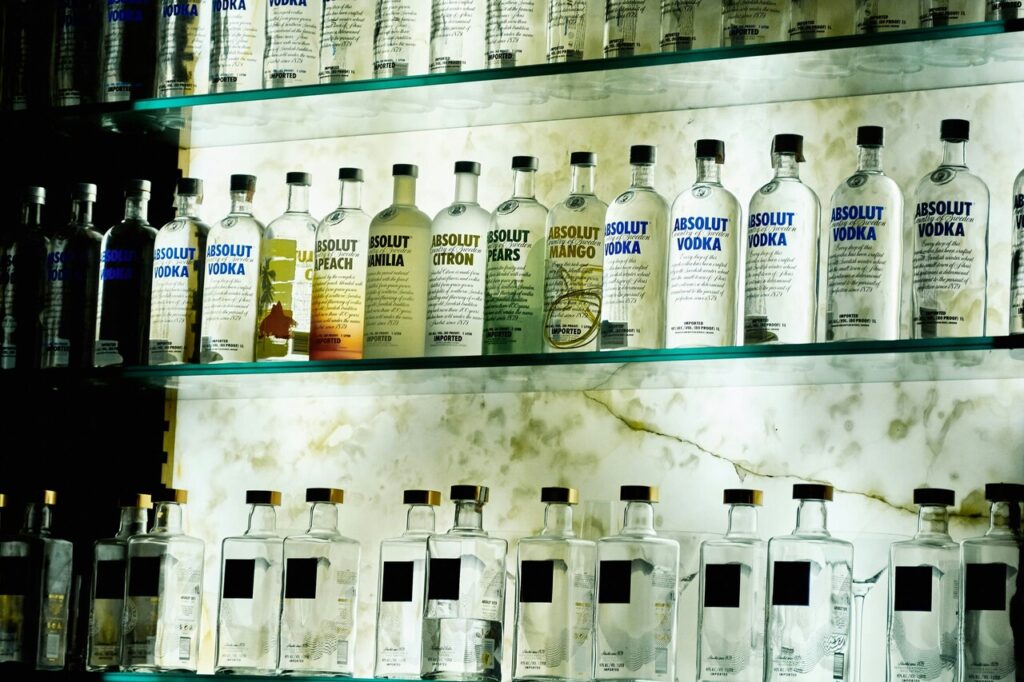
When using vodka around the house, cheaper bottles with standard alcohol content are not only sufficient, they’re preferable. There’s no need to use premium spirits meant for sipping when the goal is cleaning. A basic vodka with around 40 percent alcohol by volume delivers the solvent action needed to dissolve grease, lift sticky residue, and deodorize. Because ethanol is the ingredient responsible for cleaning power, higher proof bottles, closer to 50 percent or above, offer slightly stronger results, but still don’t match dedicated cleaning alcohol. Using inexpensive vodka also reduces waste if larger amounts are needed for repeated use.
Unflavored vodkas work best for cleaning because flavored options often contain sugars and additives that can leave behind sticky residues. The neutral formulation of plain vodka avoids this issue and reduces the chance of unwanted smells or sticky film after you wipe surfaces. Using inexpensive store brands also keeps costs down, especially if you plan to make vodka-based cleaning sprays for everyday tasks. This approach ensures consistent results without introducing substances that interfere with cleaning performance. It also simplifies rinsing, since fewer residues remain behind, thereby doing a great job in cleansing.
When choosing a bottle for cleaning, consider how you plan to use it. If your goal is to deodorize fabrics, remove window streaks, or dissolve light grime, a standard vodka bottle works fine. For tougher tasks involving grease or heavier residues, higher proof alcohol products like rubbing alcohol are more powerful and cost-effective. Vodka can fill gaps when those stronger products aren’t available, but it’s generally best as a supplementary cleaner. Understanding these limits helps set realistic expectations for what vodka can and cannot do. Used selectively, it remains a convenient option rather than an all-purpose solution.
Everyday Cleaning Tasks You Can Use Vodka For
Hard water stains on fixtures can dull the shine of chrome and stainless steel. Vodka helps because alcohol dissolves some mineral deposits and evaporates before water can leave additional marks. Spritzing vodka on faucets and wiping with a soft cloth often restores shine without streaks. For tougher buildup, letting vodka sit briefly before wiping can make the task easier. Vodka, when mixed with water in a spray bottle, can clean glass and mirrors without the harsh chemical smell of traditional cleaners. A microfiber cloth helps lift dirt and polish surfaces to a clear finish, making vodka a handy alternative for cleaning windows.
Spraying a diluted vodka solution onto fabric can neutralize odors at the microbial level. The alcohol kills odor-causing bacteria and viruses, all while evaporating quickly, leaving fabrics smelling fresher without a heavy fragrance. This method is especially useful for sofas, pillows, or curtains that can’t be washed frequently. Always test a hidden area first to ensure the fabric tolerates the solution. Light, even misting, works better than soaking and helps prevent damp spots from forming. Used occasionally, this approach can refresh fabrics between deeper cleanings without causing buildup.
Limitations and When Vodka Falls Short
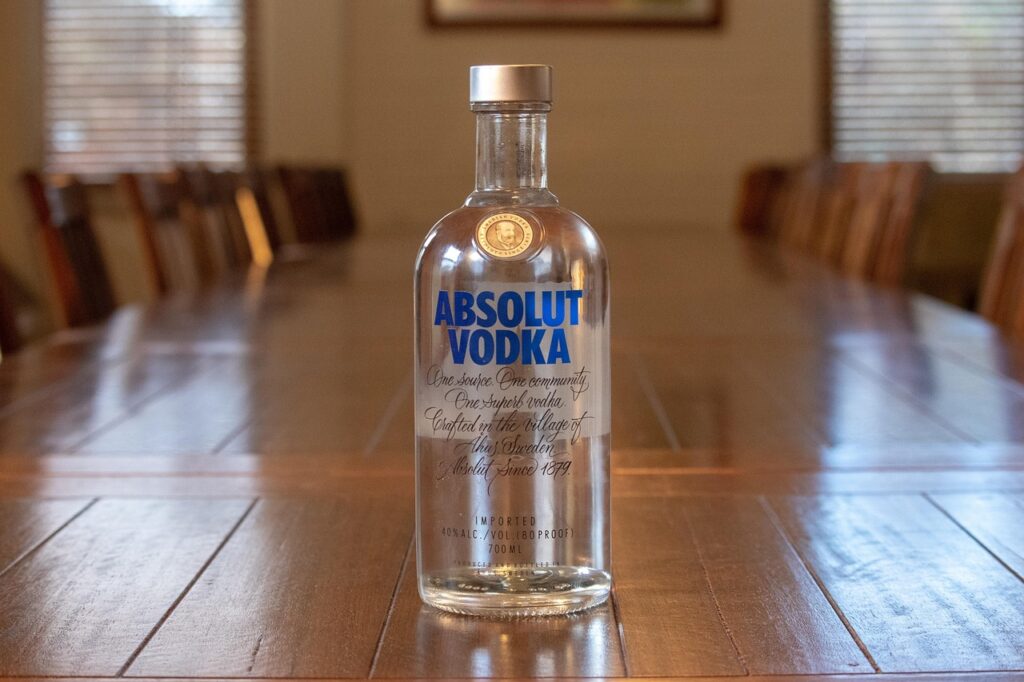
Vodka is not a miracle cleaning product, and there are clear limits to what it can handle. Because most vodkas are around 40 percent alcohol, they don’t reach the alcohol concentration needed for strong disinfection against viruses and many bacteria. For tasks that require certified sanitization, such as cleaning kitchen counters during illness outbreaks or sanitizing food prep zones, professionals recommend using products specifically formulated for disinfecting with higher alcohol content. Vodka is better viewed as a light-duty cleaner rather than a safety-critical solution. Understanding its limitations helps prevent overreliance.
Certain surfaces are also not ideal candidates for vodka cleaning. Porous and delicate materials, including suede, silk, and some types of leather, can be damaged by alcohol, which may strip natural oils or alter texture. Additionally, vodka’s flammability should always be considered, especially near open flames or heat sources. It’s best to avoid using vodka close to stoves, candles, or other potential ignition points. Using it in well-ventilated areas and allowing surfaces to fully dry reduces unnecessary risk. Treating vodka as an occasional, targeted cleaner rather than an all-purpose solution helps prevent accidental damage or safety issues.
Finally, while vodka can help dissolve light grease, it isn’t powerful enough to tackle heavy grime or thick soap scum. Commercial degreasers and specialty cleaners are designed for those tougher jobs and often include surfactants that break down stubborn deposits more efficiently. Vodka is best thought of as a gentle, versatile cleaner for everyday tasks rather than a full replacement for stronger solutions. Its value lies in convenience and accessibility, especially when traditional cleaners are unavailable. Used with realistic expectations, vodka can simplify small cleaning jobs without creating unnecessary frustration.
How to Use Vodka Safely and Effectively

To make vodka effective for household cleaning, it helps to mix it with water in a spray bottle. A common recipe uses equal parts vodka and water, creating a versatile cleaner that can be misted onto many surfaces. For glass and mirrors, a straight vodka-and-water mix followed by a microfiber wipe often yields a streak-free shine. For fabrics or deodorizing shoes, a lighter dilution prevents saturation while still delivering odor control. Using microfiber cloths or cotton pads helps reduce smearing and lift dirt efficiently. Always let vodka solutions air dry, allowing the alcohol to evaporate and take odor or residue with it.
Storage is another simple consideration. Keep any homemade vodka cleaning solution at room temperature and out of reach of children. Clearly label spray bottles to avoid confusion with other liquids. Because alcohol is flammable, store bottles away from heat or open flame. With these practices, vodka can be a safe and useful part of a household cleaning toolkit. Using small batches also helps ensure freshness and effectiveness over time. Treating vodka as a supplemental cleaner rather than a cure-all keeps expectations realistic and safety front of mind. This mindset allows vodka to remain helpful without encouraging misuse or overreliance.
Final Verdict on Vodka as a Household Cleaner

Vodka is more than a cocktail ingredient; it’s a versatile, smell-neutral cleaner with real value for certain household tasks. Its moderate alcohol content dissolves oils, helps remove sticky residue, deodorizes fabrics, and leaves glass and mirrors streak-free. Its neutral scent and rapid evaporation make it pleasant to use around the home. That said, vodka is not a silver bullet. In the end, vodka can complement your cleaning supplies, filling niches where its properties are well-suited. For everyday light cleaning, smell-neutral surface care, and odor removal, vodka is surprisingly effective.
Its alcohol concentration is too low for heavy-duty disinfecting or deep cleaning jobs that require professional-grade sanitizers. For deep cleaning, heavy degreasing, or high-level sanitizing, traditional products remain the go-to choice. For delicate fabrics and heat-sensitive areas, extra care is needed to avoid damage or fire risk. When used with awareness of these strengths and limitations, vodka earns a place in a thoughtful, fact-based cleaning arsenal. It works best as a support tool for light, everyday tasks rather than a primary cleaner. Understanding where it fits prevents both overuse and misplaced expectations.
References
- Chemical Disinfectants-CDC Infection Control
- Use of Disinfectants: alcohol and bleach-National Centre for Biotechnology Information