11 Foods Families Used to Make From Scratch That Are Now Mostly Store-Bought

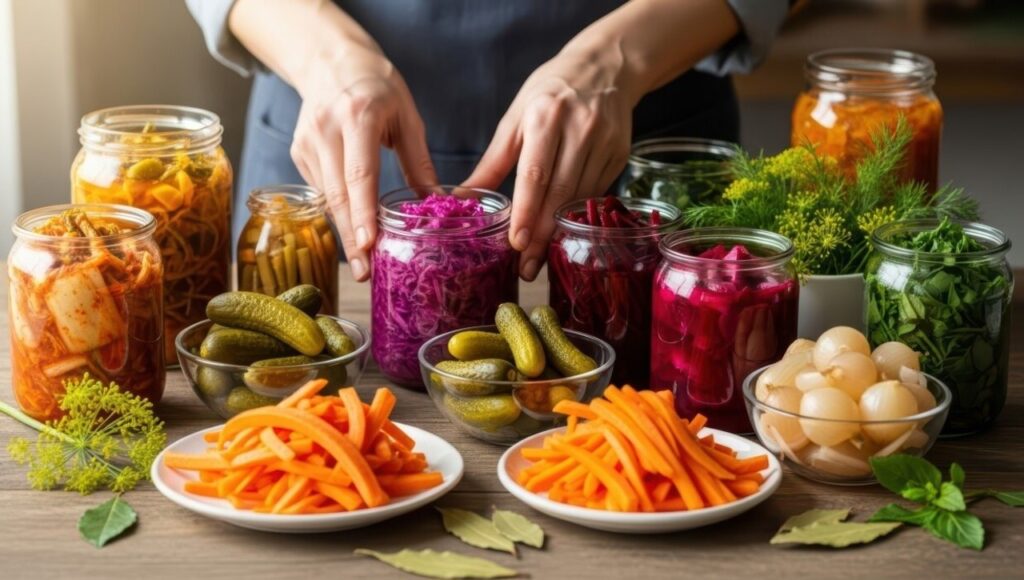
Not long ago, many everyday foods began in home kitchens rather than factory lines. Families mixed, stirred, simmered, and baked out of necessity, not nostalgia. These routines shaped meals, saved money, and passed down practical knowledge from one generation to the next. As technology advanced and schedules grew busier, store shelves slowly replaced home prep. What was gained was convenience and consistency. What faded was the habit of making certain staples by hand. This look back explores the foods families once made from scratch and the everyday reasons those traditions gradually gave way to store-bought versions.
1. Bread
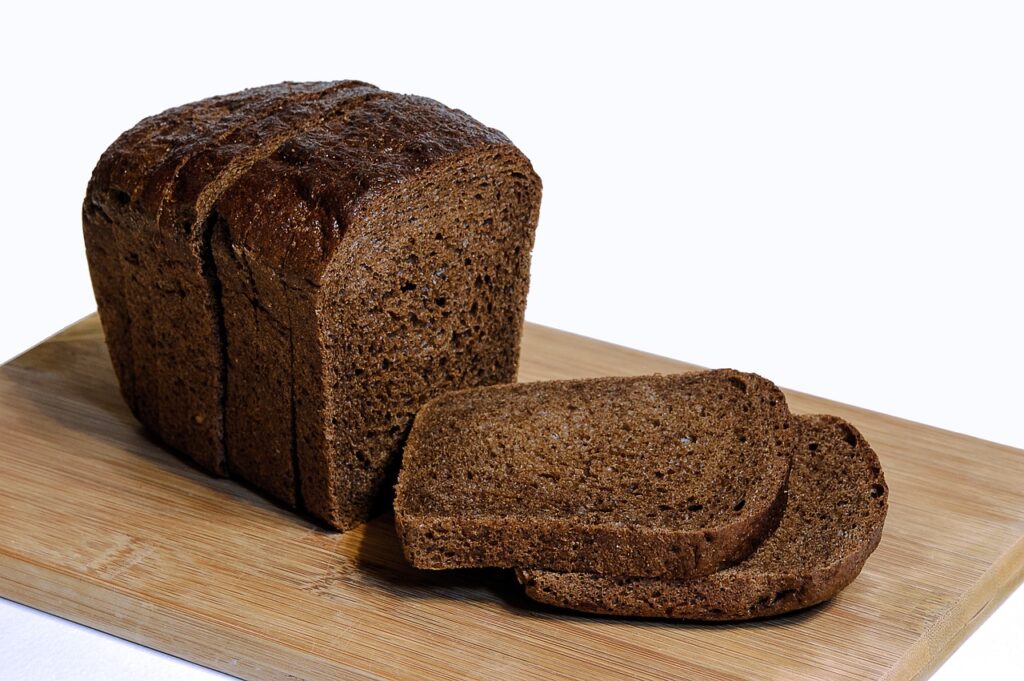
Bread once anchored the rhythm of family kitchens. Flour, yeast, water, and time were enough to create loaves meant to last the week. Making bread at home was economical and practical, especially when commercial bakeries were less accessible or expensive. The process also allowed families to control ingredients and freshness. As industrial baking expanded, store-bought bread became softer, cheaper, and longer-lasting thanks to preservatives and standardized methods. Busy schedules played a major role in the shift. Kneading, proofing, and baking require hours of attention that many households no longer had.
2. Pasta
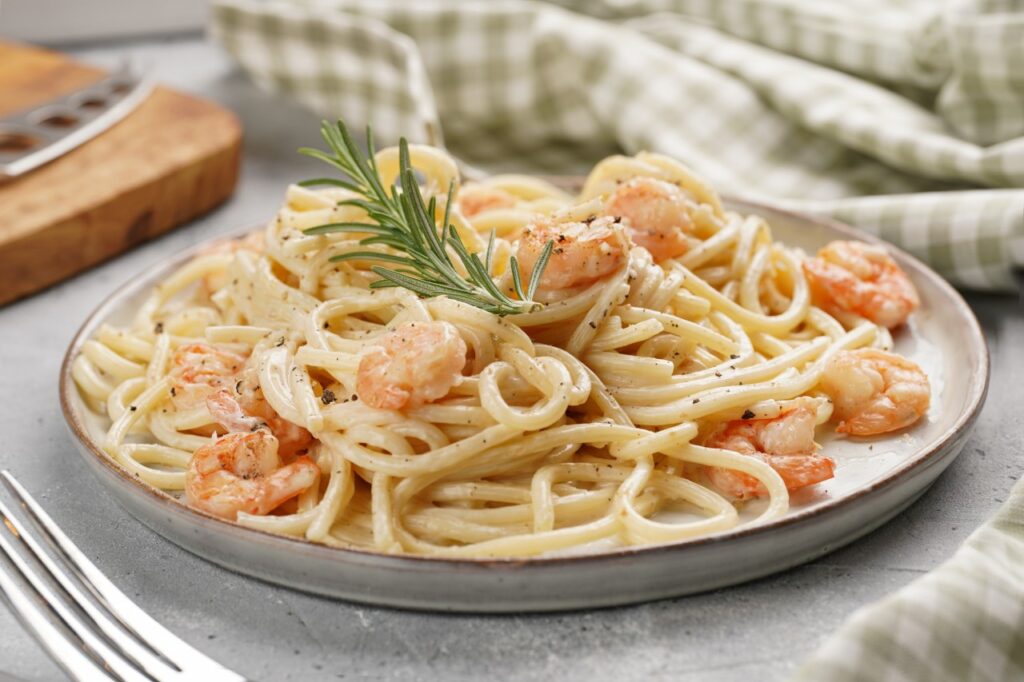
Fresh pasta was once closely tied to family meals, especially on weekends and holidays. Dough was mixed by hand, rolled thin, and cut into shapes meant to feed many people at once. This practice thrived because ingredients were inexpensive and the process brought families together. As dried pasta became widely available, it offered unmatched convenience. It stored easily, cooked quickly, and delivered consistent results. Refrigerated fresh pasta later bridged the gap by mimicking homemade texture without the labor. Changing work schedules also reduced the time available for rolling and drying dough.
3. Chicken Broth
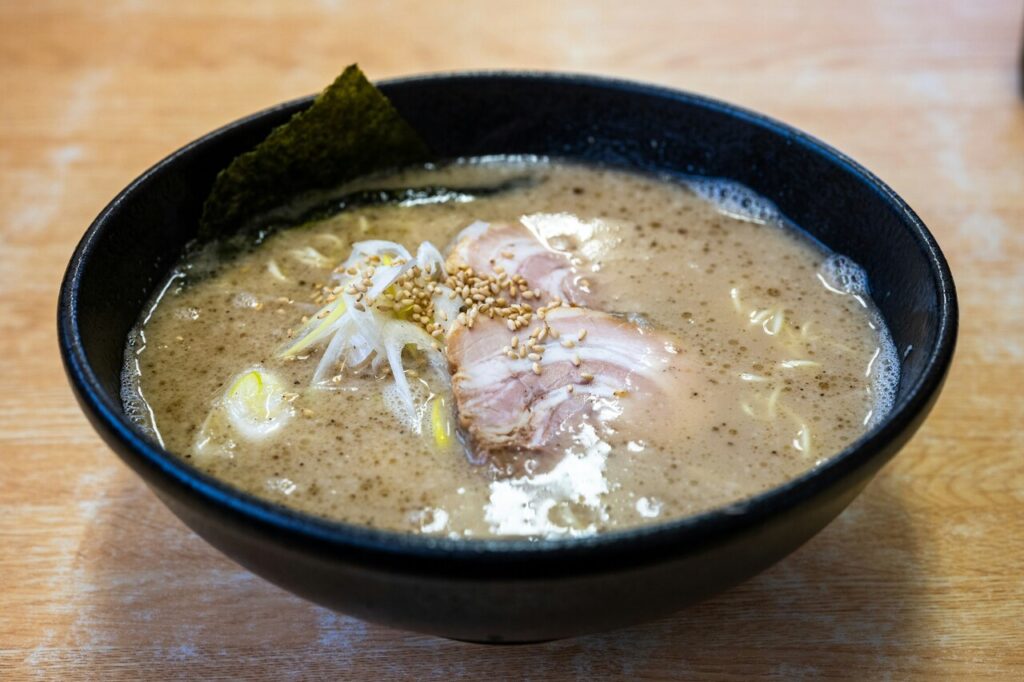
Chicken broth was once a cornerstone of home cooking. Families saved bones from roasted birds and simmered them with vegetables to stretch meals and reduce waste. The result was flavorful stock used in soups, sauces, and grains. This practice required time and planning, often involving hours on the stove. As food manufacturing improved, boxed and canned broths entered kitchens offering shelf stability and quick use. Refrigeration and packaging advances made broth widely accessible and affordable. While homemade stock allows control over salt and flavor, store-bought versions meet the needs of faster cooking routines.
4. Salad Dressing
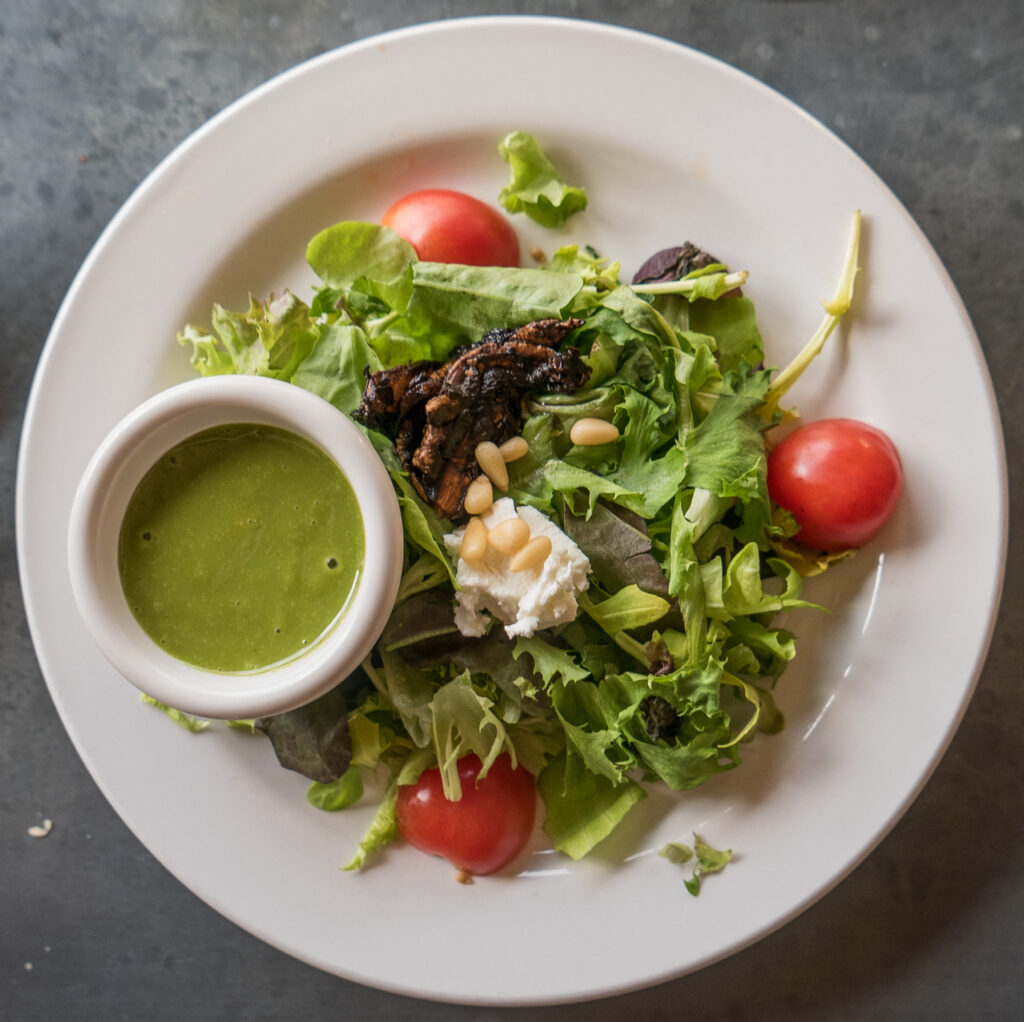
Salad dressing was once mixed moments before meals using pantry staples like oil, vinegar, and herbs. These simple dressings matched seasonal produce and personal taste. Bottled dressings rose in popularity by offering convenience, variety, and long shelf life. As supermarkets expanded, shelves filled with creamy, sweet, and globally inspired options that were difficult to replicate at home. Busy households valued consistency and speed over customization. Food safety also played a role, especially for dressings containing eggs. Over time, homemade dressing became less common as store-bought versions satisfied demand for flavor diversity without daily preparation.
5. Yogurt
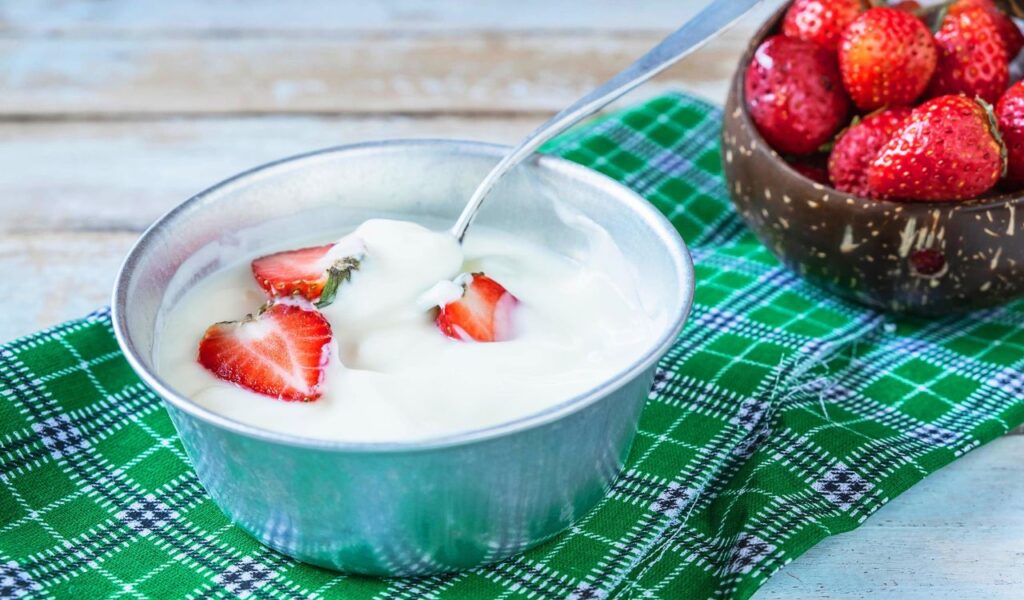
Yogurt making was once common in households focused on thrift or tradition. Milk was heated, cultured, and incubated to produce a fresh staple that could be eaten plain or sweetened at home. This practice required patience and careful temperature control. As refrigeration became standard and dairy processing scaled up, store-bought yogurt became affordable and widely available. Flavored varieties, single-serve containers, and longer shelf life made commercial yogurt appealing. Advances in food safety and consistency further reduced the need for home fermentation. While homemade yogurt still appeals to some, most families rely on store options for ease and predictability.
6. Jam and Preserves
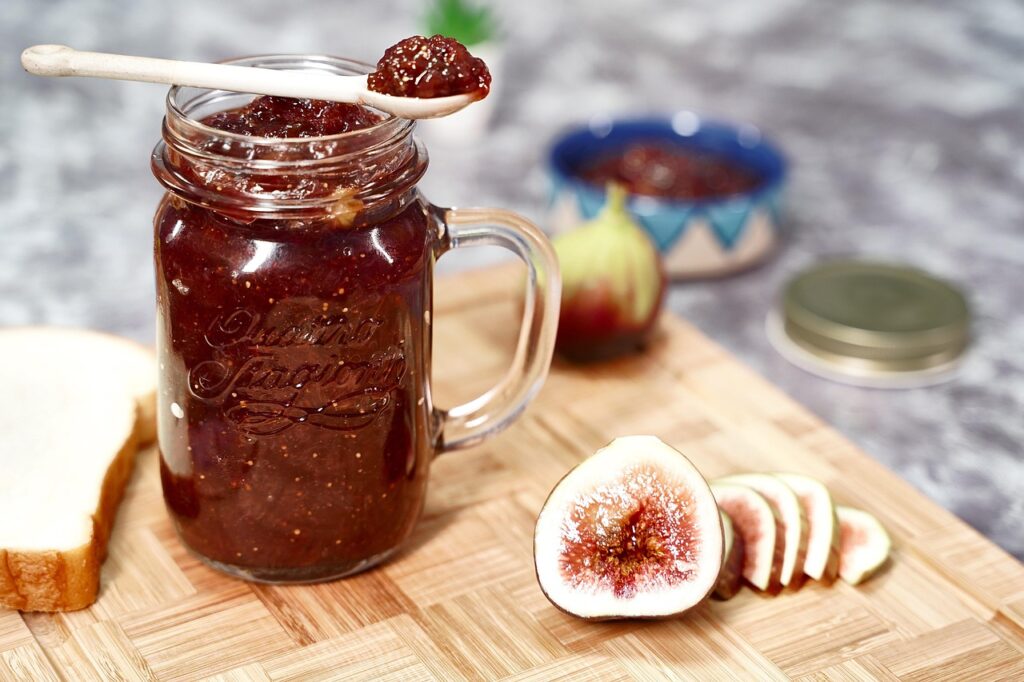
Canning fruit was once essential for preserving harvests and preventing waste. Families spent late summers boiling fruit with sugar and sealing jars to last through winter. This required equipment, space, and time, but ensured access to fruit year-round. As supermarkets began offering jams in every season, the necessity faded. Commercial preserves provided consistent texture, flavor, and safety without the labor or risk of spoilage. Modern households also have less storage space and fewer opportunities for large-scale canning. Homemade jam shifted from routine practice to occasional tradition as convenience replaced preservation needs.
7. Mayonnaise
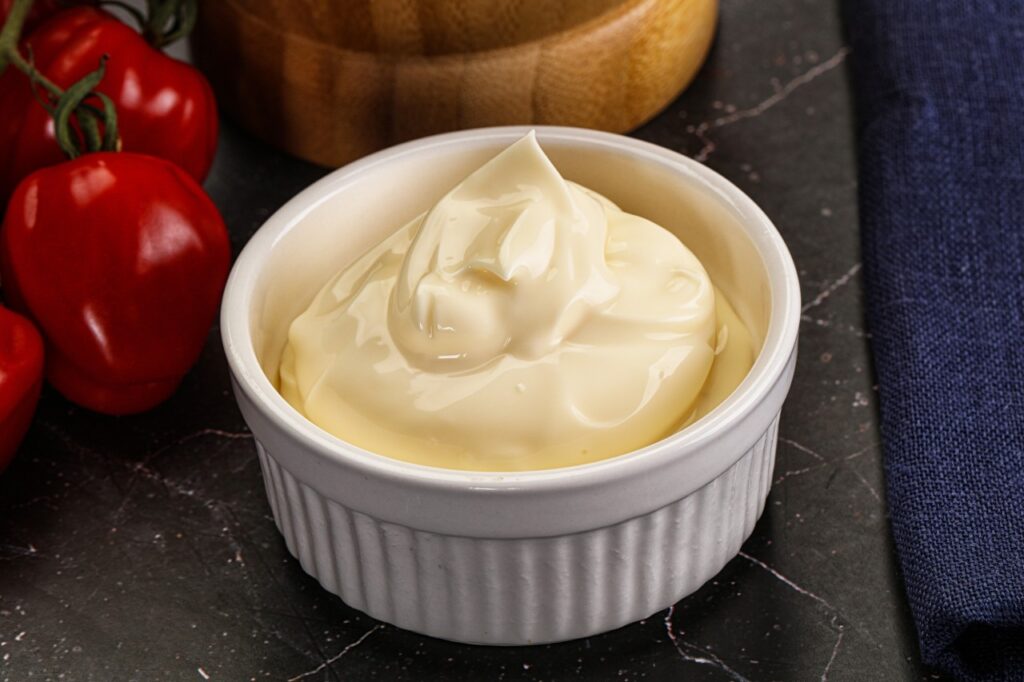
Mayonnaise was once mixed fresh using eggs, oil, and careful technique. It was valued for its flavor but required skill and carried food safety concerns. As commercial mayonnaise improved, it offered stable texture, long shelf life, and reduced risk. Refrigeration and emulsification technology made store-bought versions reliable and affordable. Busy kitchens favored ready-made mayonnaise that could be used instantly. Over time, the homemade version became rare outside of professional or specialty cooking, replaced by products that balanced safety, convenience, and consistent taste. Modern versions also removed the uncertainty that once made home cooks hesitant to prepare it themselves.
8. Cakes

Cakes were traditionally baked from scratch for birthdays and celebrations. Measuring ingredients and managing oven timing were part of the event itself. As boxed cake mixes entered the market, they simplified baking by reducing steps and errors. These mixes produced consistent results even for inexperienced bakers. Bakeries also expanded, offering decorated cakes that saved time and effort. With increasing time pressures, families often chose reliability over tradition. Scratch baking still holds emotional value, but store-bought cakes meet modern expectations for convenience and presentation. The shift reflects how celebrations became more about ease than time spent in the kitchen.
9. Pickles
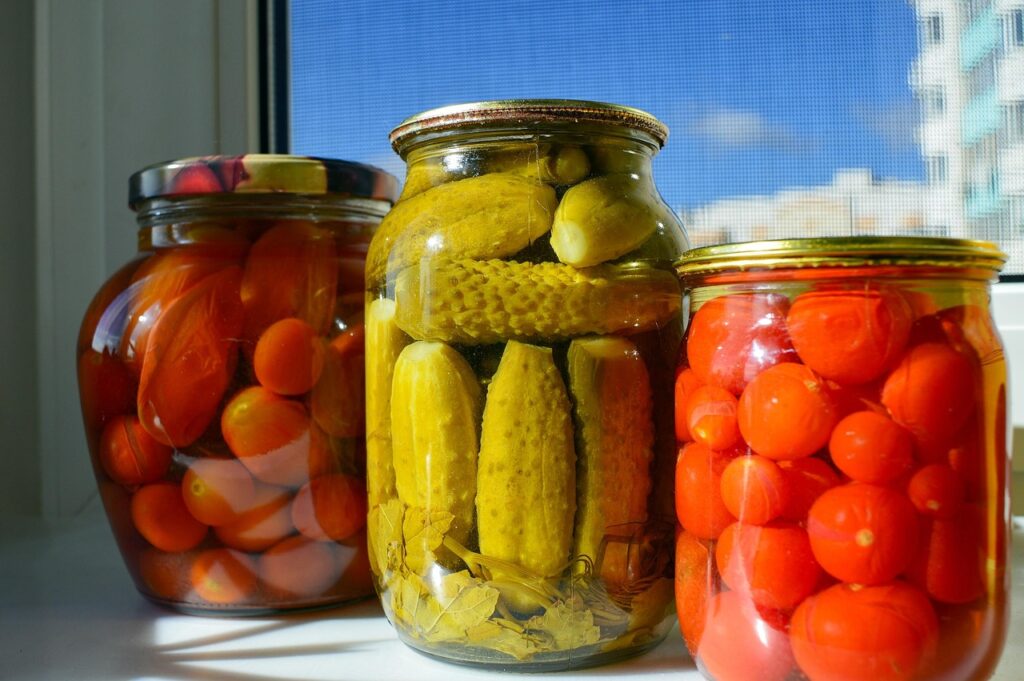
Pickling vegetables was once a practical way to preserve excess produce. Families relied on salt, vinegar, and fermentation to extend shelf life. This process required patience and storage space. As commercial pickles became inexpensive and widely available, home pickling declined. Store-bought pickles offered uniform flavor and immediate use. Food safety regulations and changing tastes also influenced the shift. While pickling has seen renewed interest as a hobby, most households now purchase pickles rather than making them regularly. What was once routine preservation slowly turned into an occasional weekend project.
10. Tortillas
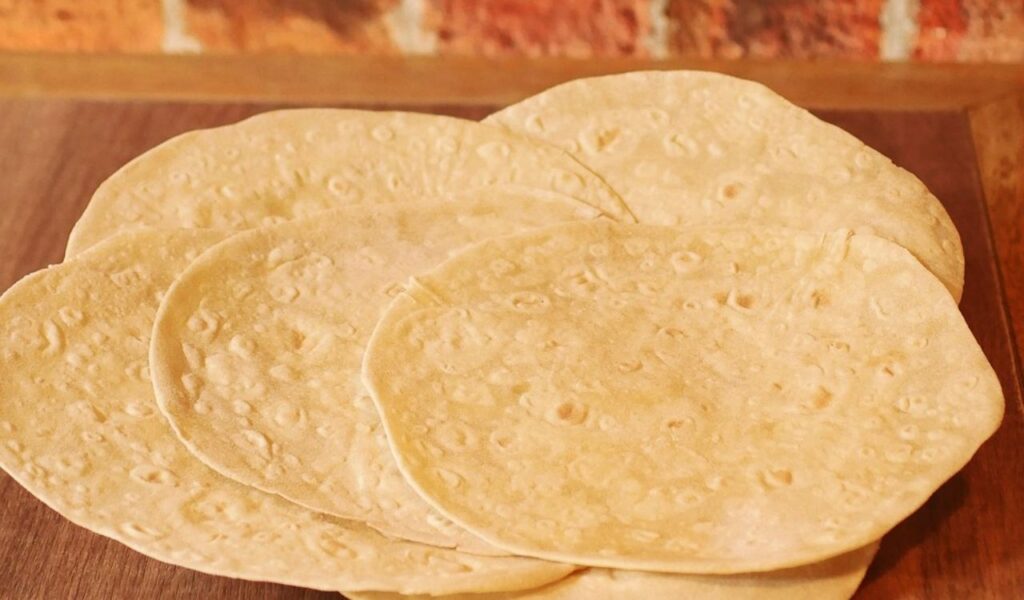
Fresh tortillas were once made daily in many homes. Dough was mixed, pressed, and cooked quickly, producing warm bread for each meal. This practice was labor-intensive but relied on simple ingredients. Packaged tortillas changed everything by extending shelf life and reducing daily work. Refrigeration and preservatives allowed tortillas to be stored for weeks. Busy households embraced the convenience. Homemade tortillas remain valued for taste, but store-bought versions dominate due to time savings and availability. The tradeoff favors speed over freshness in modern kitchens. What was once a daily cooking ritual has largely shifted into an occasional weekend effort or tradition.
11. Applesauce

Applesauce was often made to use up surplus apples. Families peeled, cooked, and mashed fruit into a simple sauce. This prevented waste and created a versatile food for all ages. As jarred applesauce became common, it offered consistent texture and long shelf life. Commercial production reduced labor and improved safety. Today, most families reach for store-bought applesauce because it fits modern schedules. Homemade versions survive mainly as seasonal projects or nostalgic traditions rather than everyday practice. Convenience ultimately replaced the need to cook fruit down by hand. What was once a practical way to stretch a harvest is now more likely to appear as a memory tied to routines.