14 Pantry Items to Clear Out for a More Organized Kitchen

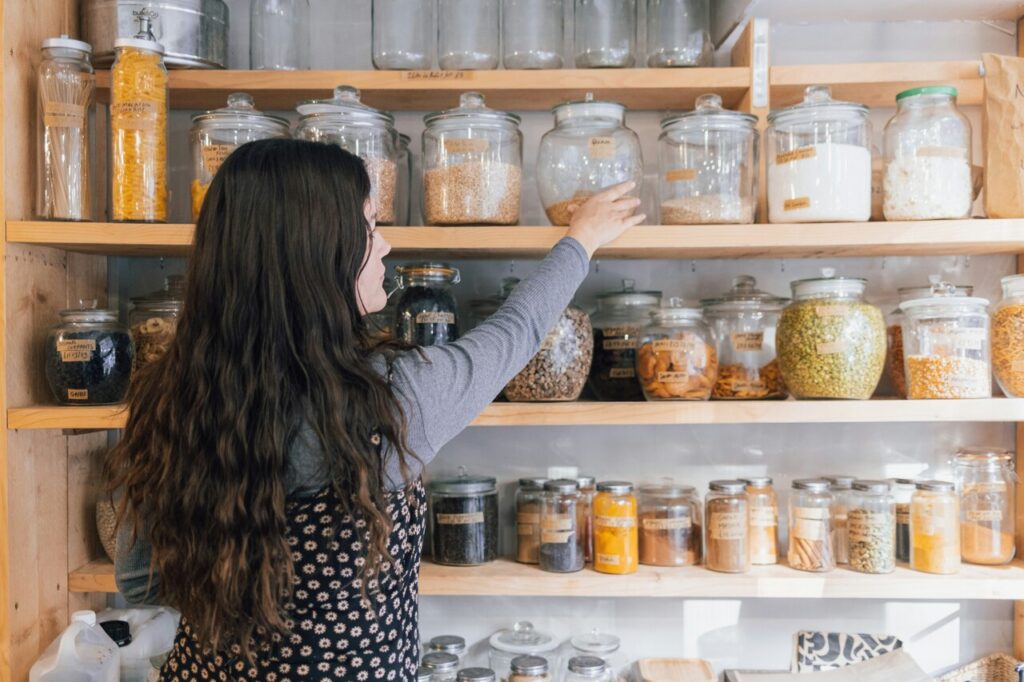
An organized pantry is not about matching containers or perfect labels. It begins by removing what no longer earns its place. Expired food, forgotten snacks, duplicate items, bulky packaging, and misplaced products quietly steal space and create stress every time you open the door. Clearing these first improves visibility, food safety, and daily meal planning without requiring a full kitchen overhaul. The result is a pantry that works with your habits, not against them, and stays organized longer.
1. Expired Food and Ingredients
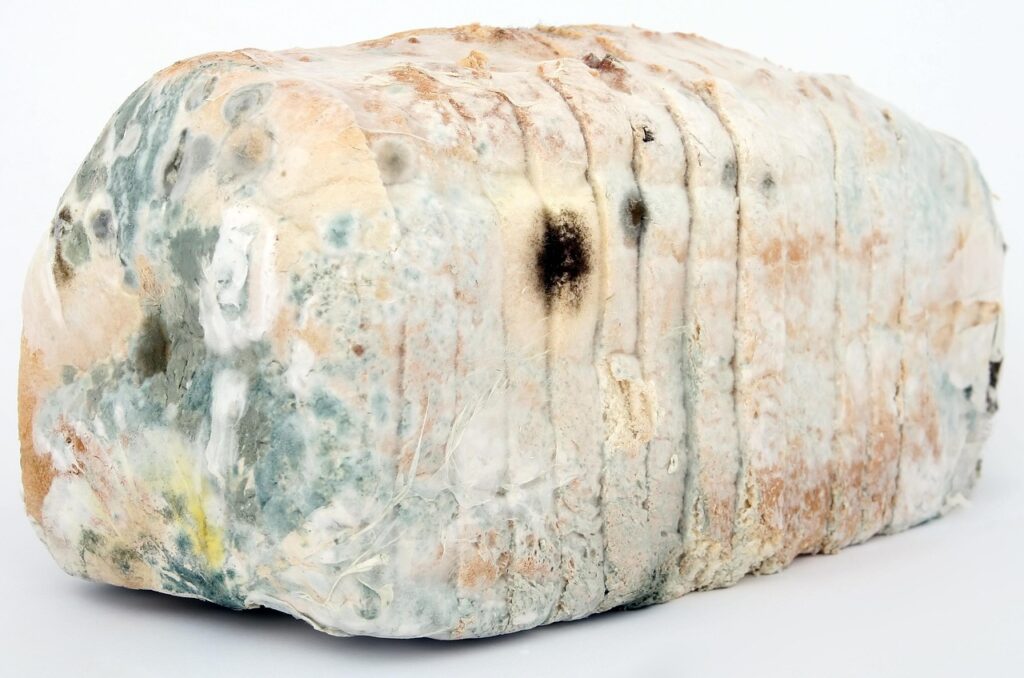
The fastest way to reclaim order in a pantry is to face expiration dates head-on. Food past its shelf life does more than take up space. It introduces risk, wastes money, and quietly pushes usable items to the back, where they are forgotten. Dry goods may look harmless, but oils go rancid, baking powder loses strength, and grains can attract pests once freshness slips. A well-organized pantry works only when every item earns its spot. Many households hold on to expired items because they appear fine or feel wasteful to toss, yet keeping them creates more waste in the long run through duplicates and spoiled meals.
2. Unused or Rarely Used Foods
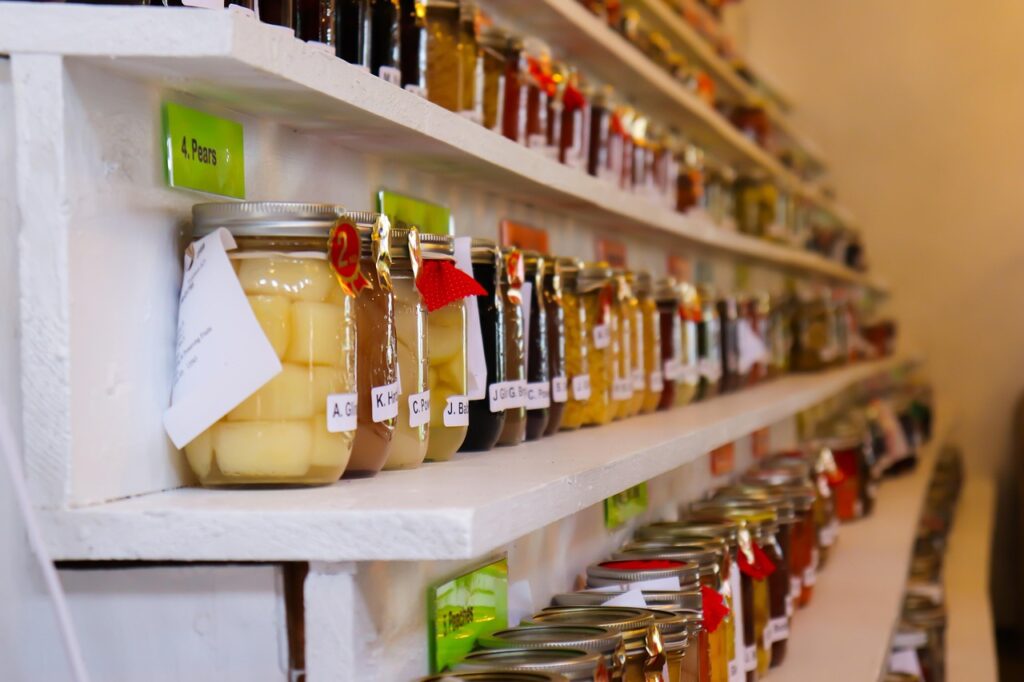
Every pantry hides items bought with good intentions that never turned into meals. These could be trendy ingredients, diet foods, or bulk purchases that simply did not fit your routine. When unused items linger, they crowd shelves and reduce access to foods you actually cook with. An organized pantry reflects real eating habits, not aspirational ones. Clearing rarely used foods creates breathing room and helps you design zones around what you truly need. If something has not been touched in months, it is likely not essential to daily cooking. Removing these items sharpens grocery planning, since you stop shopping for storage instead of purpose.
3. Duplicate Pantry Items
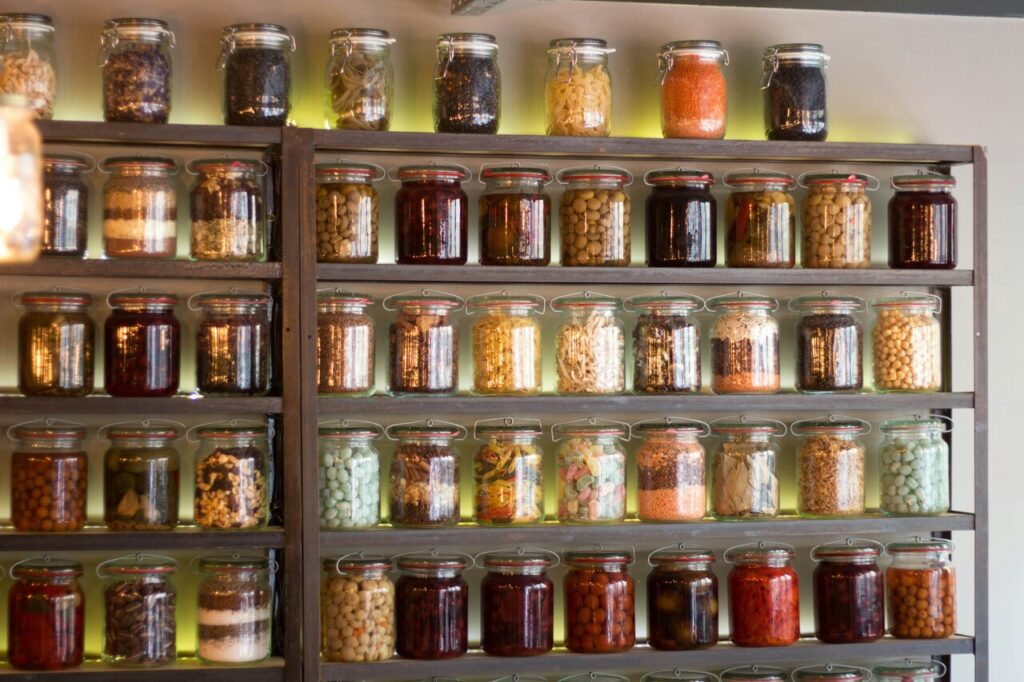
Duplicates often build up quietly. A second bag of rice, another jar of peanut butter, or three half-used pasta boxes all take up valuable shelf space. This usually happens when items are hidden behind clutter, causing accidental repurchases. Clearing duplicates immediately improves visibility and prevents future waste. Keeping only one open item per category encourages smarter restocking and better rotation. Extras that remain unopened can often be donated or relocated to overflow storage outside the pantry. A streamlined shelf reduces visual noise and helps you spot what is running low at a glance.
4. Single Use or Specialty Foods You Do Not Reach For
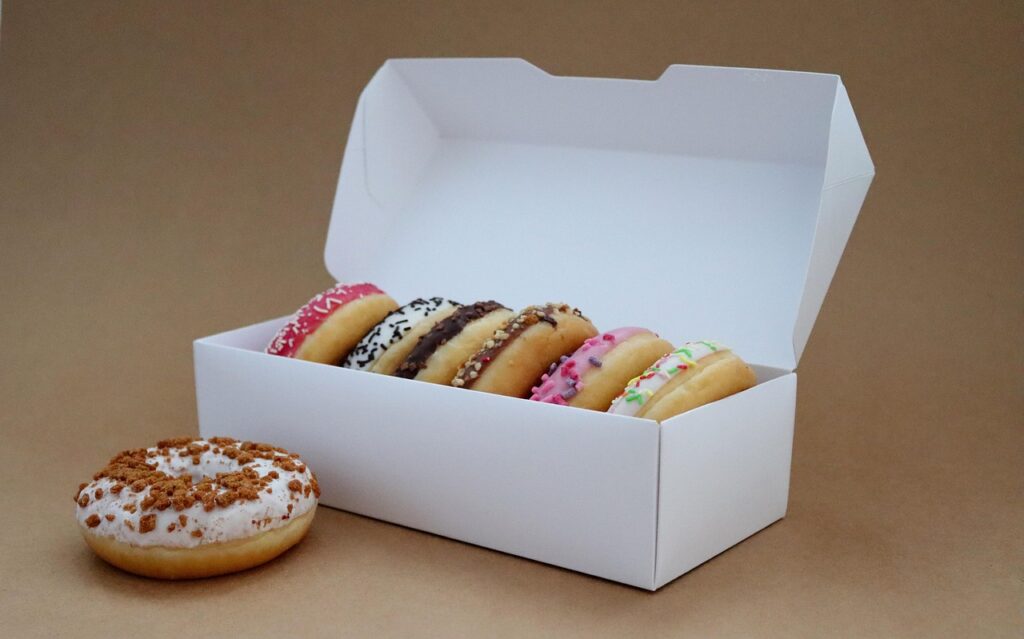
Specialty items are useful only when they align with how often you cook that cuisine or recipe. A pantry filled with one-time ingredients adds clutter without adding value. These items often sit untouched until they expire, blocking access to staples you need every week. Clearing them frees up prime shelf space for foods that support daily meals. Being honest about what you cook regularly leads to a pantry that feels lighter and easier to maintain. Specialty foods also complicate storage zones since they rarely fit into standard pantry categories, and clearing them simplifies shelf grouping while improving overall visual order.
5. Bulky Original Packaging
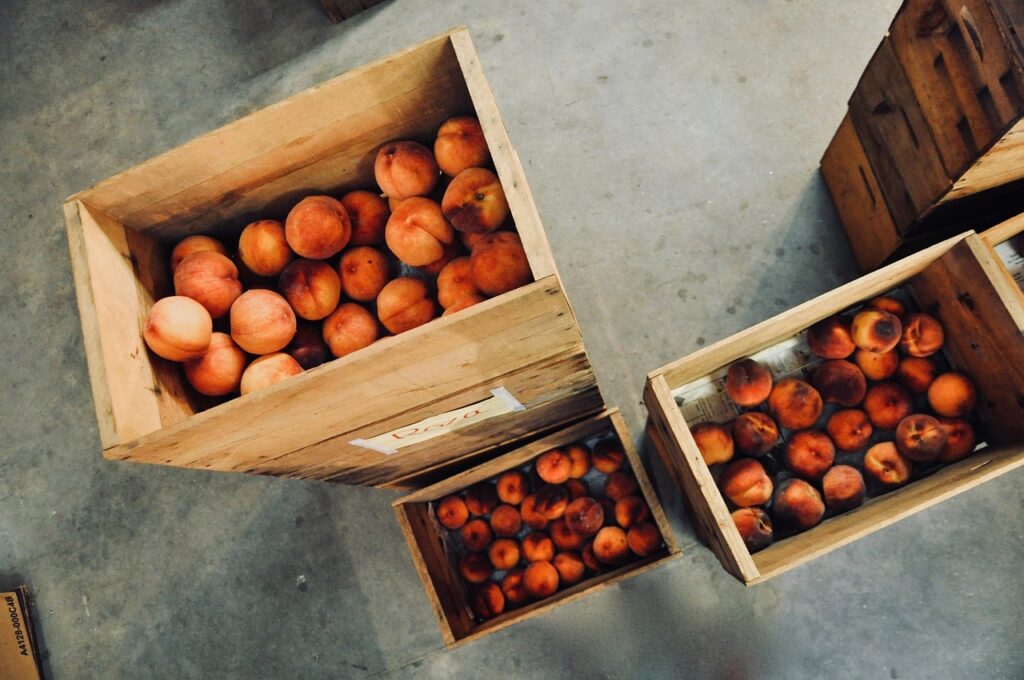
Oversized boxes and irregular packaging waste space and make shelves harder to stack efficiently. While the food inside may be useful, the container often is not. Tall cereal boxes, wide snack bags, and flimsy cardboard collapse or tip easily, creating visual chaos. Clearing these packages does not mean throwing food away. It means removing the packaging that works against the organization. Transferring contents into uniform containers or reducing bulk improves shelf flow and maximizes vertical space. A pantry with consistent shapes is easier to clean, organize, easier to scan, and easier to restock.
6. Outdated Spices and Herbs
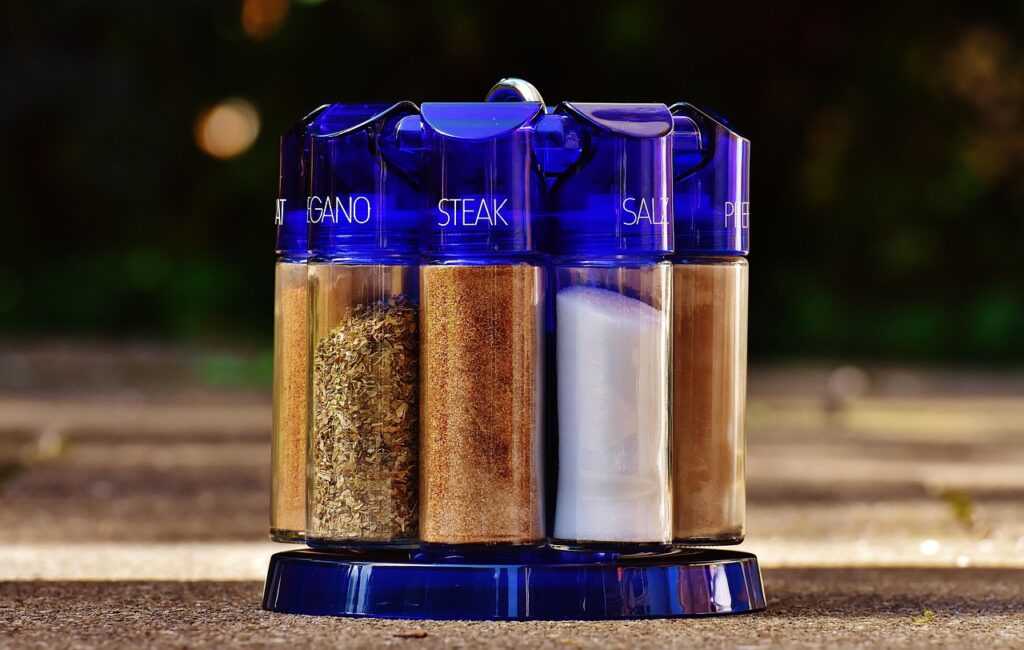
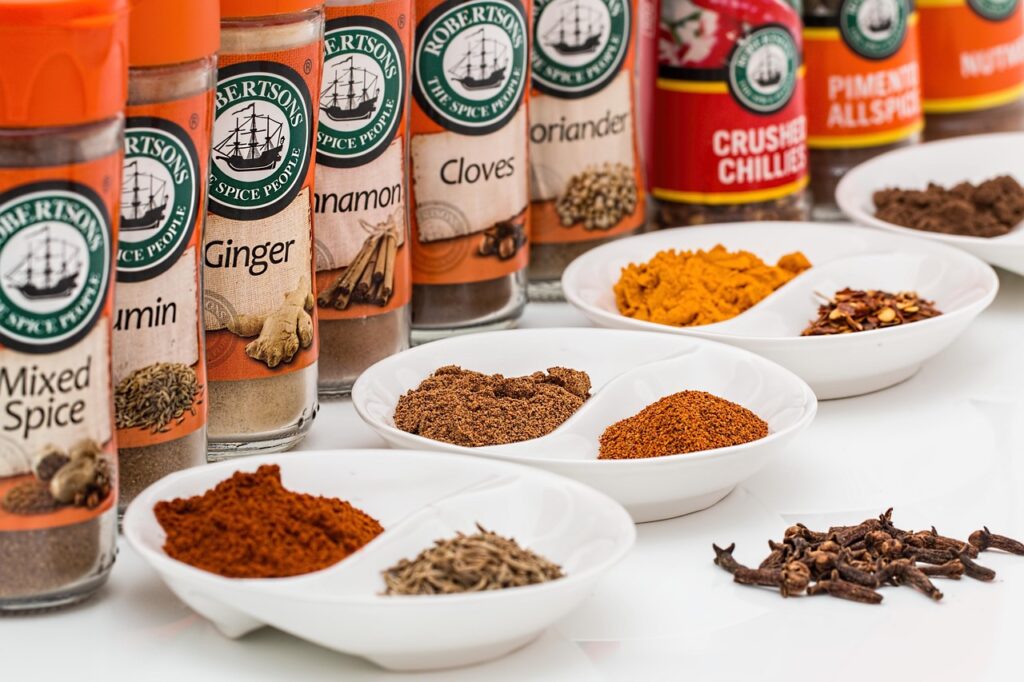
Spices rarely spoil in obvious ways, which makes them easy to overlook. Over time, however, they lose potency and flavor, making meals dull and inconsistent. Keeping outdated spices wastes space and compromises cooking results. Clearing old spices also helps you avoid cluttered spice collections where similar items repeat unnecessarily. When shelves are limited to spices you actually use and that still perform well, cooking becomes more predictable and enjoyable. Fresh spices take up the same amount of space but deliver far more value, and regular spice reviews prevent overcrowding in drawers and racks.
7. Excess Snack Packets and Loose Items
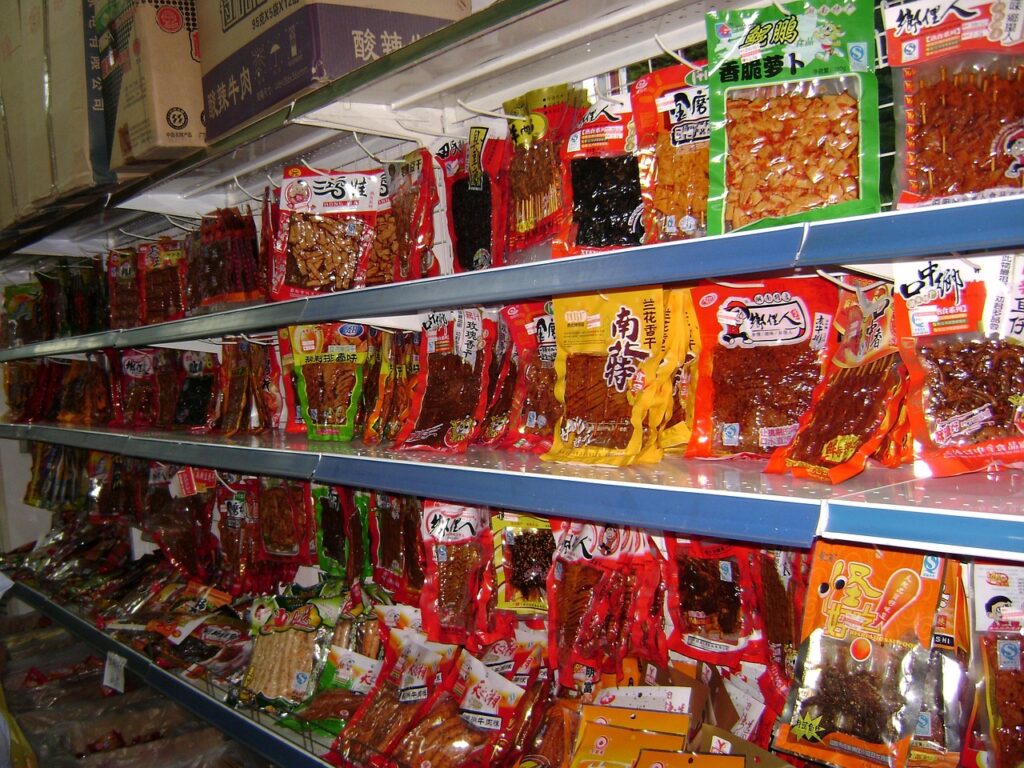
Snack clutter grows fast. Individual packets, loose bars, and half-opened bags tend to scatter across shelves and bins. Without control, they dominate the space meant for essentials. Clearing excess snacks helps restore balance and prevents overflow. This does not mean eliminating snacks altogether, but reducing them to what fits comfortably in a defined area. When snacks are contained intentionally, they stop spreading into every corner of the pantry. Excess snack packaging also makes cleaning harder and attracts crumbs, while tighter limits encourage more mindful purchasing and storage habits.
8. Oversized Bulk Purchases You Will Not Finish
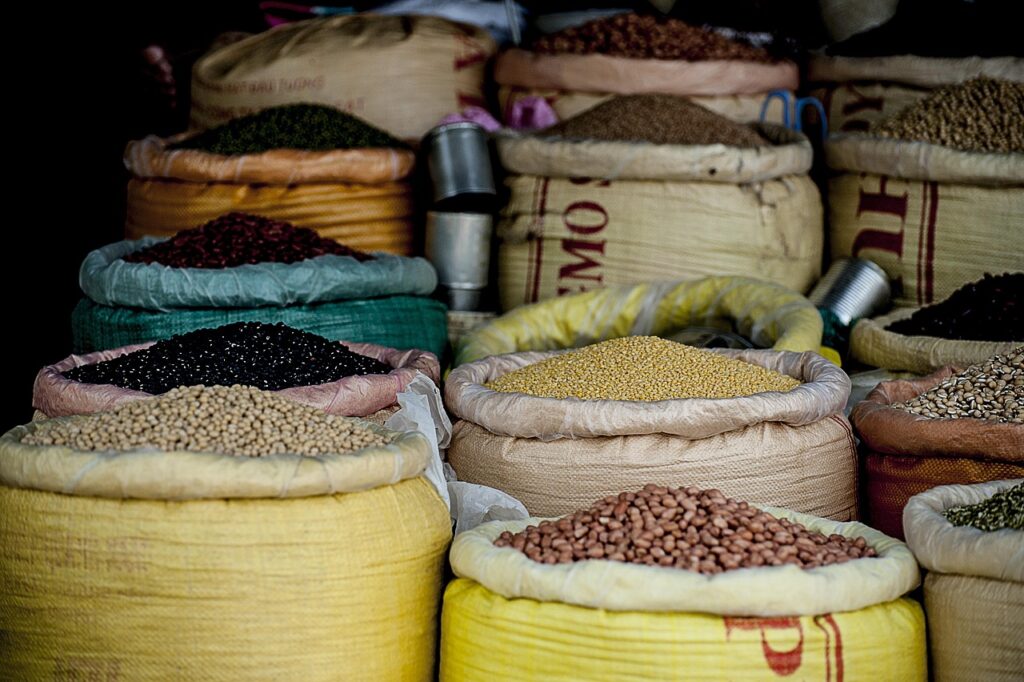
Buying in bulk saves money only if the food is used fully and stored well. Oversized items that linger too long create clutter and risk spoilage. When bulk goods overwhelm shelves, they crowd out everyday items and make access harder. A functional pantry supports steady rotation rather than long-term storage of forgotten goods. Evaluating bulk purchases honestly helps align storage with consumption and prevents wasted space as well as wasted food. It also improves shelf stability, since such large, heavy items are less likely to tip or block frequently used products when stored more intentionally.
9. Cleaning Products Stored With Food
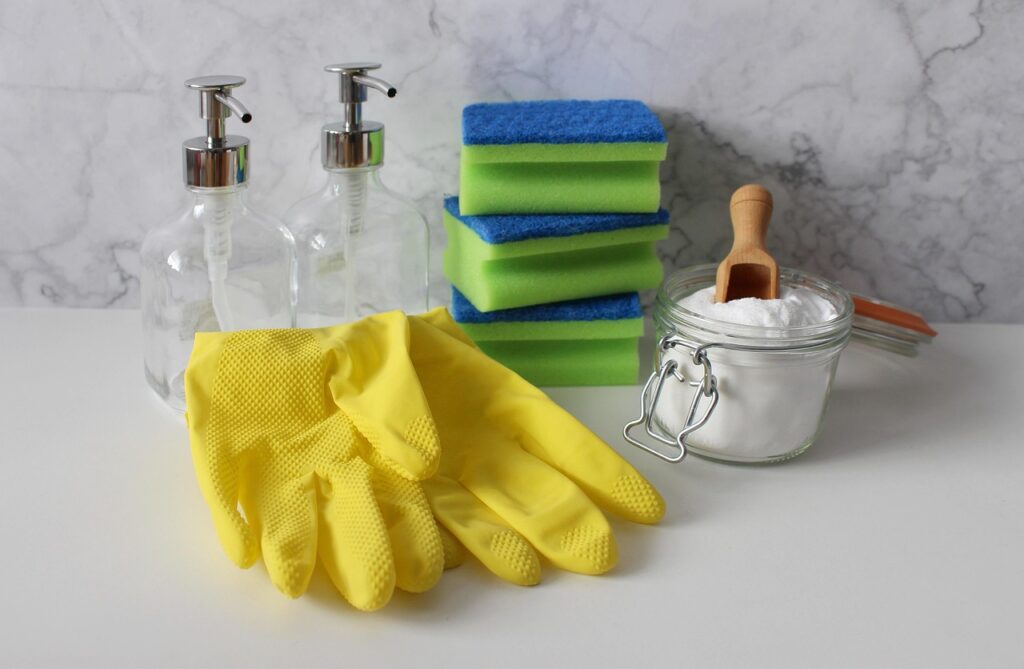
Food and cleaning supplies do not belong together. Storing them in the same space increases contamination risk and creates unnecessary clutter. Cleaning products also come in awkward shapes that disrupt pantry flow. Clearing these items immediately improves safety and organization. When the pantry is reserved strictly for food, it becomes easier to zone shelves by category and maintain hygiene. Removing non-food items also reduces visual confusion and reinforces the pantry’s primary purpose as a clean, accessible food storage area. Separating these products also prevents accidental spills near food packaging and makes both areas easier to clean.
10. Non-Pantry Kitchen Tools and Appliances
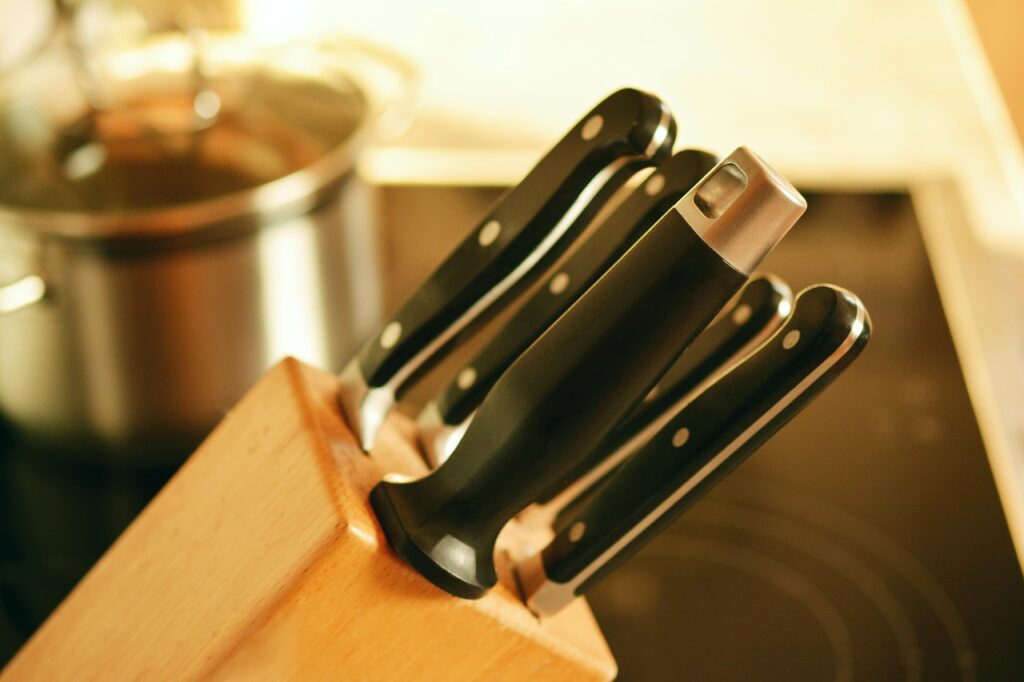
Pantries often become overflow storage for appliances and tools that do not have a dedicated home. While convenient at first, this habit steals space from food storage and complicates organization. Clearing these items restores the pantry’s role and improves accessibility. Appliances belong where they are used or in cabinets designed for weight and size. When the pantry is free of bulky tools, shelves stay lighter and easier to adjust, supporting faster meal prep and a more intentional kitchen layout. This also reduces the risk of items falling when shelves are accessed frequently. Removing them also improves overall shelf lifespan and safety.
11. Items Past Their Prime but Still Sitting Around

Some foods are not expired yet are clearly past their best quality. Stale crackers, hardened sugar, or dried-out baking ingredients no longer perform well. Keeping them adds clutter without benefit. Clearing these items improves cooking outcomes and shelf efficiency. A pantry should support reliable results, not compromise them. Removing low-quality items also sharpens awareness of how quickly foods are actually used, helping you shop smarter over time. Past prime items also make it harder to trust what is left in the pantry. Consistently removing them keeps quality standards clear and predictable.
12. Excess Condiments and Sauce Packets
Loose condiment packets and half-used bottles multiply quickly. They take up small but significant space and create a mess when uncontained. Clearing excess condiments streamlines storage and reduces spills. Keeping only favorites and regularly used sauces ensures shelves remain manageable. A reduced condiment collection also makes meal planning easier since options are clear and accessible, while intentional limits prevent clutter creep without sacrificing variety. It also helps prevent forgotten sauces from expiring and leaking in the back of shelves. Fewer items make regular wipe downs faster and more effective.
13. Worn or Poorly Sealing Storage Containers
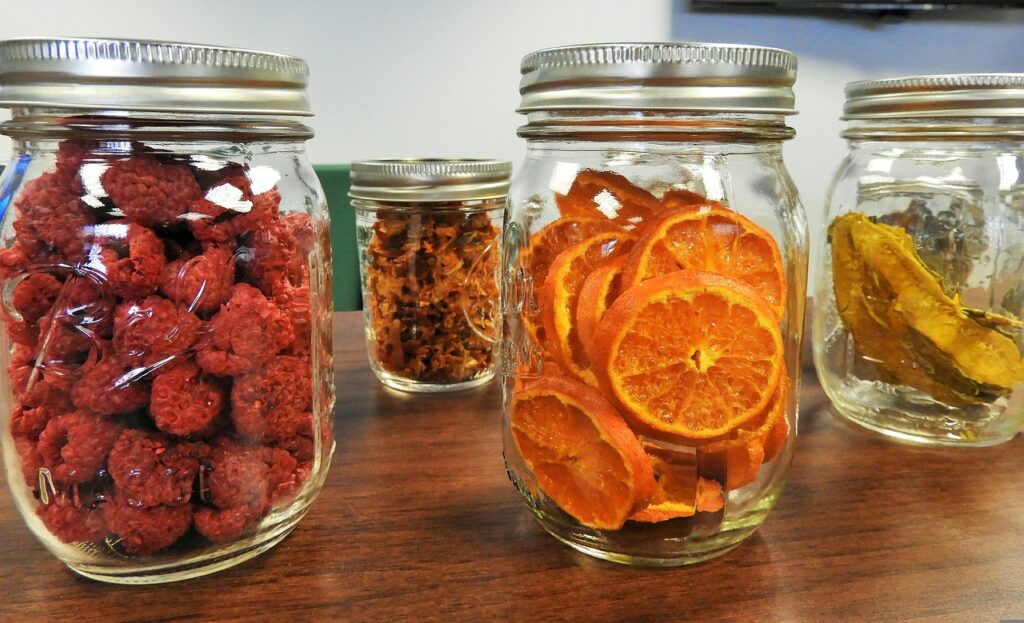
Old containers that do not seal properly undermine pantry organization. They allow air and pests in, shorten food life, and stack poorly. Keeping them adds frustration and risk. Clearing worn containers improves food safety and shelf efficiency. Good storage works quietly in the background, protecting contents and maximizing space. When every container seals well and stacks cleanly, the pantry becomes easier to maintain and far more functional. Reliable containers also make it easier to spot quantities at a glance and reduce unnecessary transfers. Faulty containers often cause spills that spread to surrounding items.
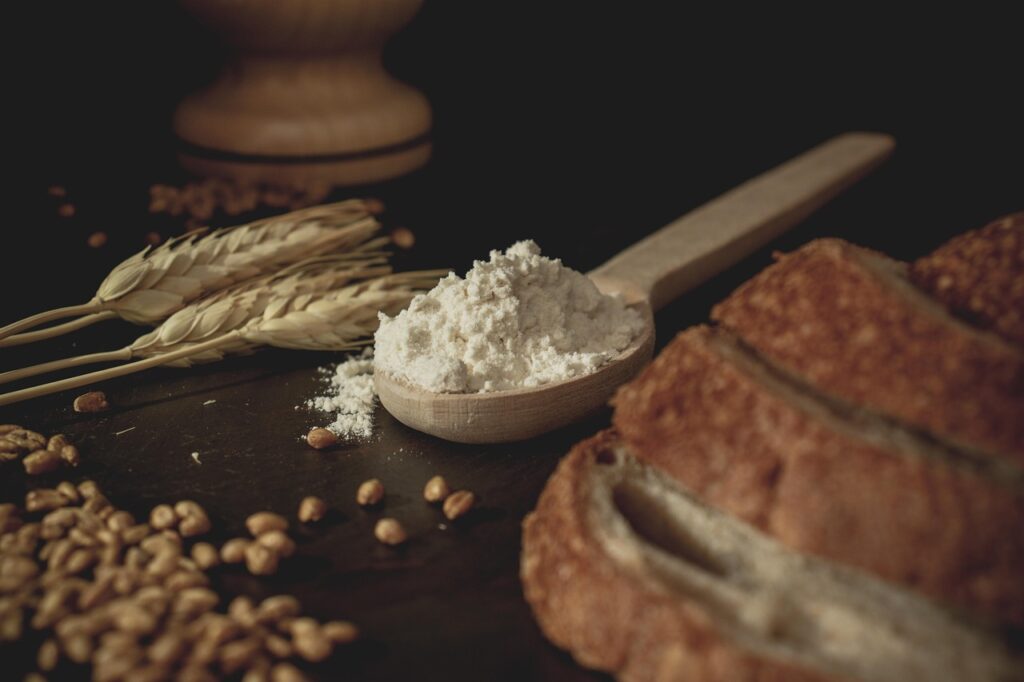
14. Items Bought for a Future That Never Came
Many pantry items exist for imagined routines rather than real ones. Special diet foods, ambitious baking supplies, or backup ingredients often sit untouched. Clearing these items is not a failure. It is an adjustment. An organized pantry reflects current habits, not past plans. Letting go creates room for foods that support how you actually eat today, reducing clutter, simplifying decisions, and keeping the pantry aligned with daily life rather than distant intentions. This shift also makes grocery shopping more intentional and prevents repeating the same overbuying cycle. Pantries function best when they support present behavior rather than idealized versions of it. Regular reassessment keeps storage practical and sustainable.