8 Latin American Cafes That Have Somehow Survived Every Trend and Still Pack the Tables

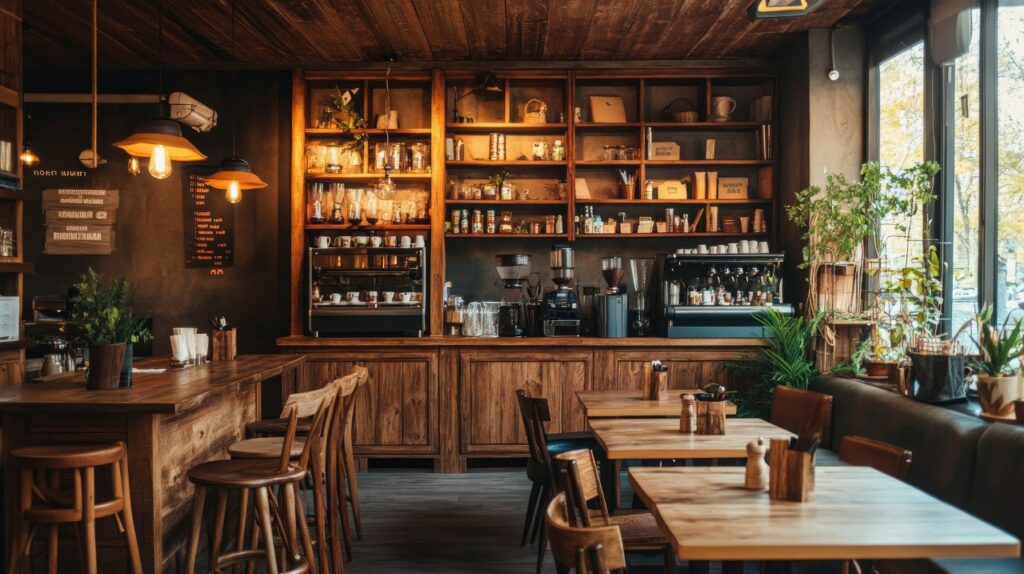
Trends come and go quickly in the café world. One decade favors espresso bars and standing counters, the next demands minimalist interiors, specialty beans, or elaborate menus. Yet across Latin America, a handful of cafés have quietly ignored these cycles and continued doing what they have always done. Their survival is not accidental. It comes from deep roots in daily life, dependable quality, and an understanding of how people actually use cafés as social spaces. These places did not chase reinvention or viral attention. Instead, they became part of routine, memory, and neighborhood rhythm. Office workers stop in without thinking, writers linger, and friends meet without planning.
1. Café Tortoni
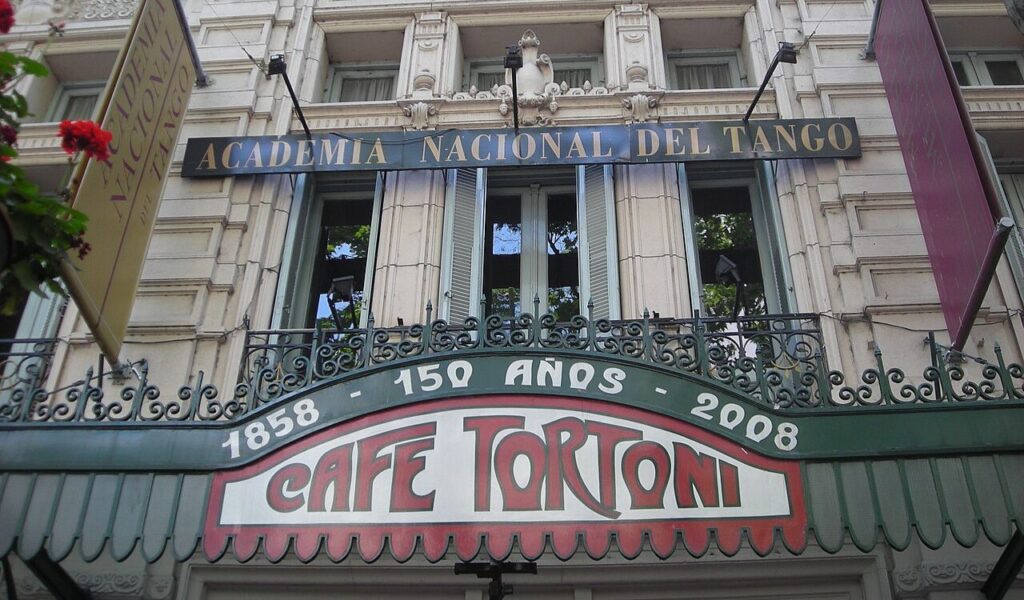
Café Tortoni survives because it never tried to compete with change. Opened in the 19th century, it positioned itself early as a cultural landmark rather than a trend-driven café. Writers, poets, and artists used it as a meeting place, and that role became more important than the menu itself. While coffee culture evolved around it, Tortoni kept its core offerings stable, focusing on traditional coffee service, classic pastries, and a setting that encourages lingering. The interior has changed little, which reinforces a sense of continuity for locals and curiosity for visitors. Tourists arrive for history, but locals return for familiarity.
2. Café Central
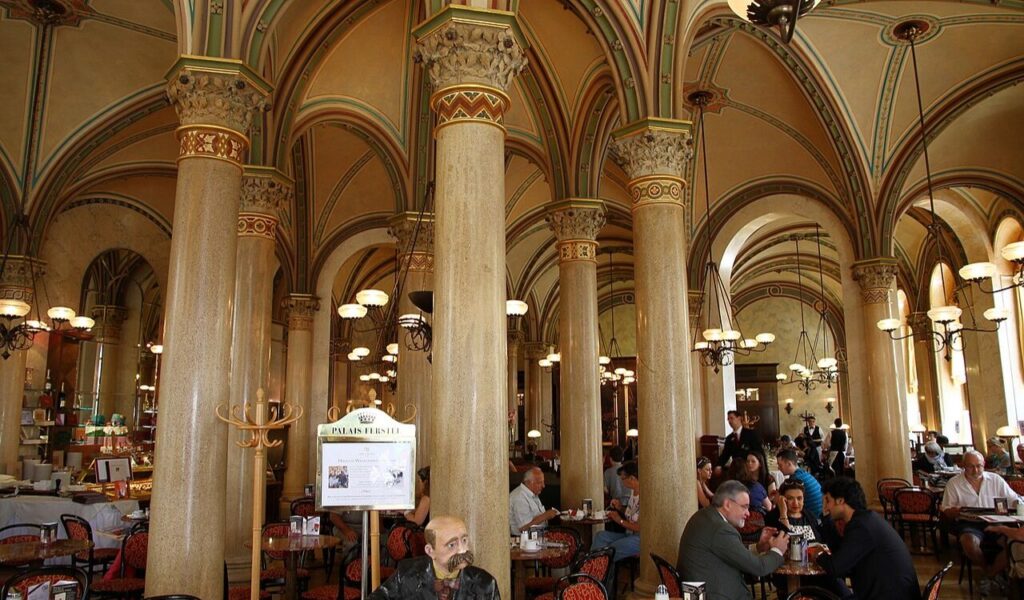
Café Central endures because it aligns itself with daily routine rather than destination dining. Located in the historic heart of Mexico City, it serves office workers, longtime residents, and passing visitors with equal ease. The menu avoids extremes, offering straightforward coffee, pastries, and light meals that suit repeat visits. Prices remain accessible, which matters in a neighborhood shaped by workday rhythms. Instead of reacting to specialty coffee movements or design trends, Café Central focused on reliability. Tables turn steadily throughout the day, not in waves driven by hype. That consistency has allowed it to remain relevant across generations.
3. Café São Braz

Café São Braz has lasted by anchoring itself firmly in regional pride. Founded in northern Brazil, it built its reputation around local coffee production rather than imported styles or global branding. The café evolved gradually, updating operations without discarding its identity. Seating is comfortable, service is unhurried, and pricing reflects local realities. São Braz became a place where generations formed habits, meeting friends or starting the day without ceremony. By focusing on dependable quality and community presence, it avoided the volatility that comes with chasing trends. Its longevity reflects a deeper connection to place.
4. Café Brasilero
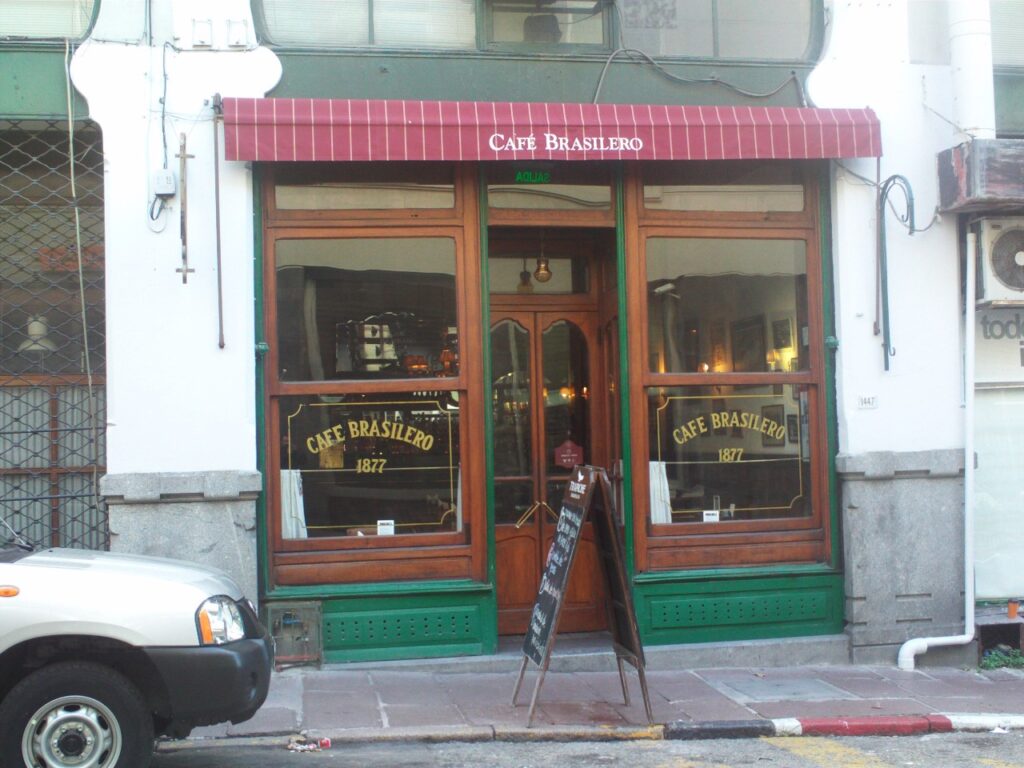
Café Brasilero remains full because it treats conversation as seriously as coffee. Long associated with writers and intellectuals, it positioned itself as a gathering place rather than a showcase. The menu is restrained, offering familiar drinks and simple food that support long stays. The atmosphere is calm, with little pressure to leave quickly. While many cafés shifted toward speed and turnover, Brasilero preserved slowness as a feature. Regulars return because the space encourages thought and connection. Newcomers sense that rhythm immediately. Its survival is tied to offering something trends cannot replicate, which is time and continuity within a changing city.
5. Café El Jarocho
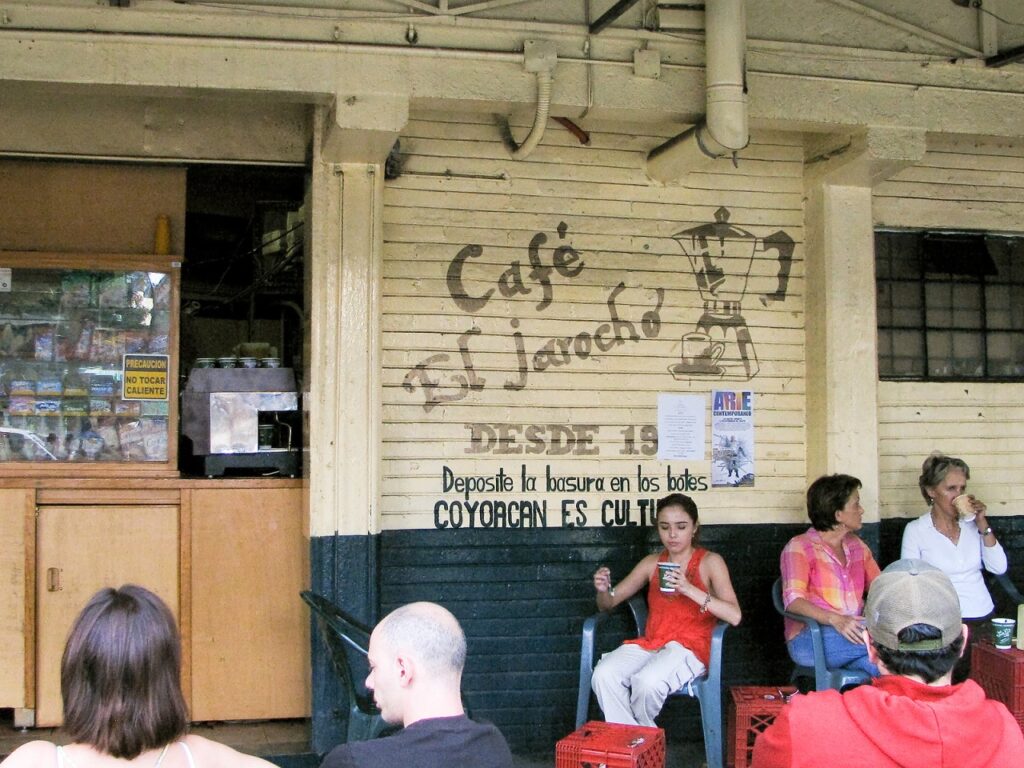
Café El Jarocho proves that longevity does not require expansion or reinvention. Operating primarily as a coffee stand, it focused entirely on strong, affordable coffee served quickly. There are no decorative distractions or extensive menus. That simplicity allowed it to become part of daily routines for students, workers, and neighbors. Over decades, generations built habits around stopping for coffee without planning or ceremony. When café culture elsewhere became tied to experience and aesthetics, El Jarocho stayed functional. Its tables, when present, are secondary to its purpose. Survival came from being essential rather than impressive.
6. Havana Central
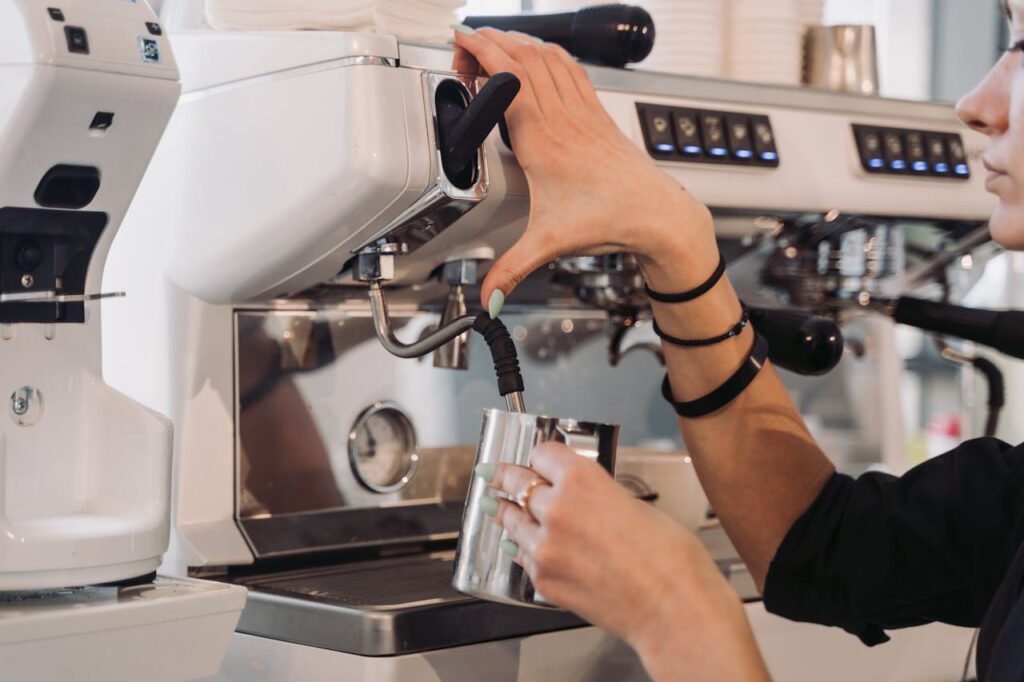
Havana Central survived because it remained embedded in everyday life despite political and economic shifts. Cuban café culture values ritual and social connection over novelty. Havana Central reflected that mindset by offering consistent service, familiar food, and a space for gathering. Rather than branding itself as special, it functioned as a dependable meeting point. Its endurance is tied to usefulness rather than popularity. When resources were limited, maintaining routine mattered more than innovation. The café’s role as a social anchor kept it relevant when trends were impossible to follow. That practicality preserved it through decades of change.
7. Café La Habana
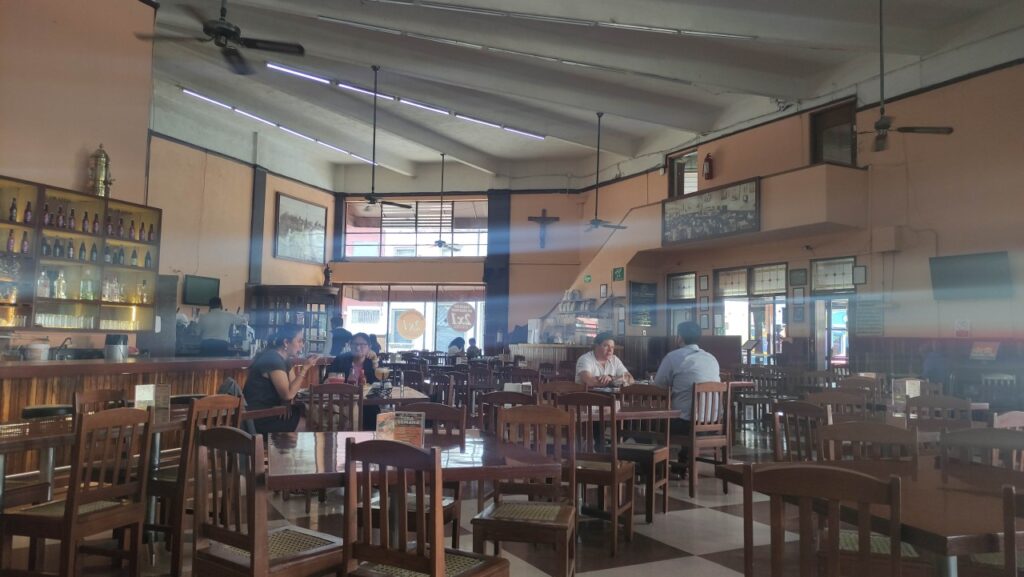
Café La Habana endured by remaining open, accessible, and socially central. Known for long conversations and late hours, it welcomed students, activists, writers, and everyday diners without distinction. The food stayed simple and affordable, avoiding barriers that limit repeat visits. Instead of rebranding itself for each generation, the café allowed new communities to claim the space naturally. That openness kept it woven into the city’s intellectual and social life. While trends demand reinvention, Café La Habana relied on inclusion and availability. Its tables stayed full because the café functioned as an extension of public space rather than a curated experience.
8. Café Paulista

Café Paulista survived by becoming a habit rather than a destination. Located in São Paulo, it caters to commuters, workers, and regulars who value speed and consistency. The menu is practical, focused on coffee and familiar snacks that fit short breaks. Service is efficient without being rushed. Paulista did not invest heavily in aesthetic reinvention or branding. Instead, it aligned itself with the daily pace of the city. When cafés elsewhere changed identities repeatedly, Paulista stayed predictable. That reliability made it part of the city’s rhythm, and habits, once formed, tend to endure longer than trends.