12 Pantry Staples from the 1950s That Would Raise Eyebrows Today

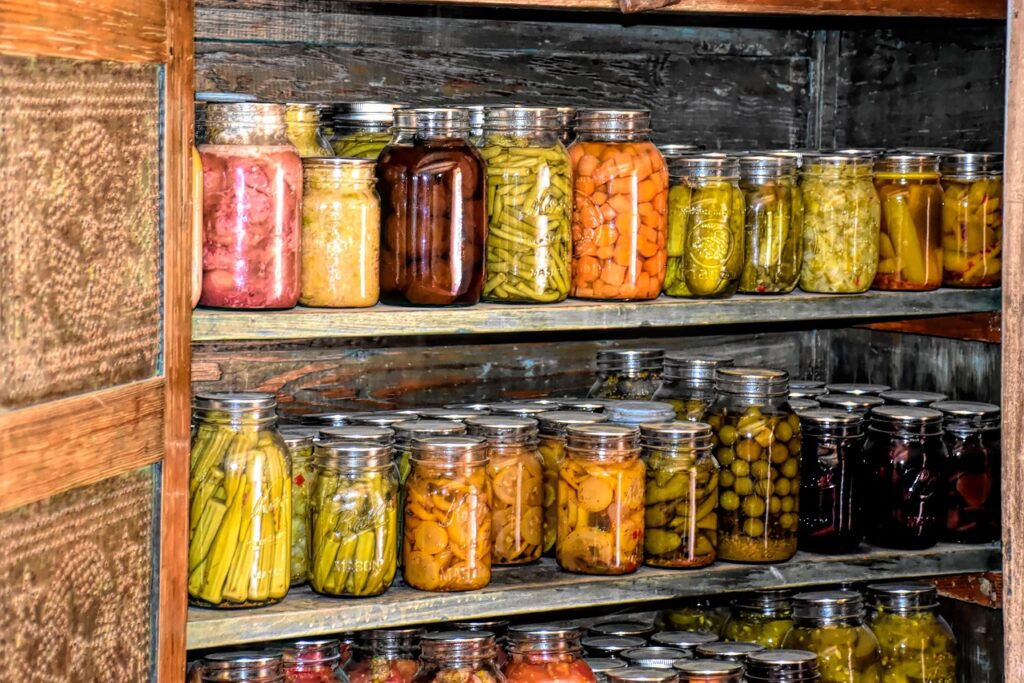
Pantries of the 1950s were filled with ingredients that reflected the values of the era: convenience, long shelf life, and resourcefulness in a time when refrigeration and fresh produce were far less reliable. Today, many of those same staples seem surprising, even unsettling, as modern nutrition research and shifts in taste raise new questions about their safety and appeal. Examining these once ordinary items reveals how dramatically food culture has evolved and how expectations for quality, freshness, and health continue to shape the way we stock our kitchens.
1. Canned Spam and Processed Luncheon Meats

Canned luncheon meats like Spam were valued in the 1950s for their affordability, long shelf life, and convenience during a period shaped by postwar frugality. Their salty, uniform texture fit the era’s preference for dependable, ready-to-heat foods. Today, however, these products raise concerns because they contain high sodium levels, preservatives, and curing agents that modern nutrition research associates with increased health risks. Their popularity has faded as fresh meats and minimally processed proteins have become more accessible. While still nostalgic for some, they reflect a time when practicality outweighed nutritional considerations.
2. Savory Aspics and Meat Gelatin Molds
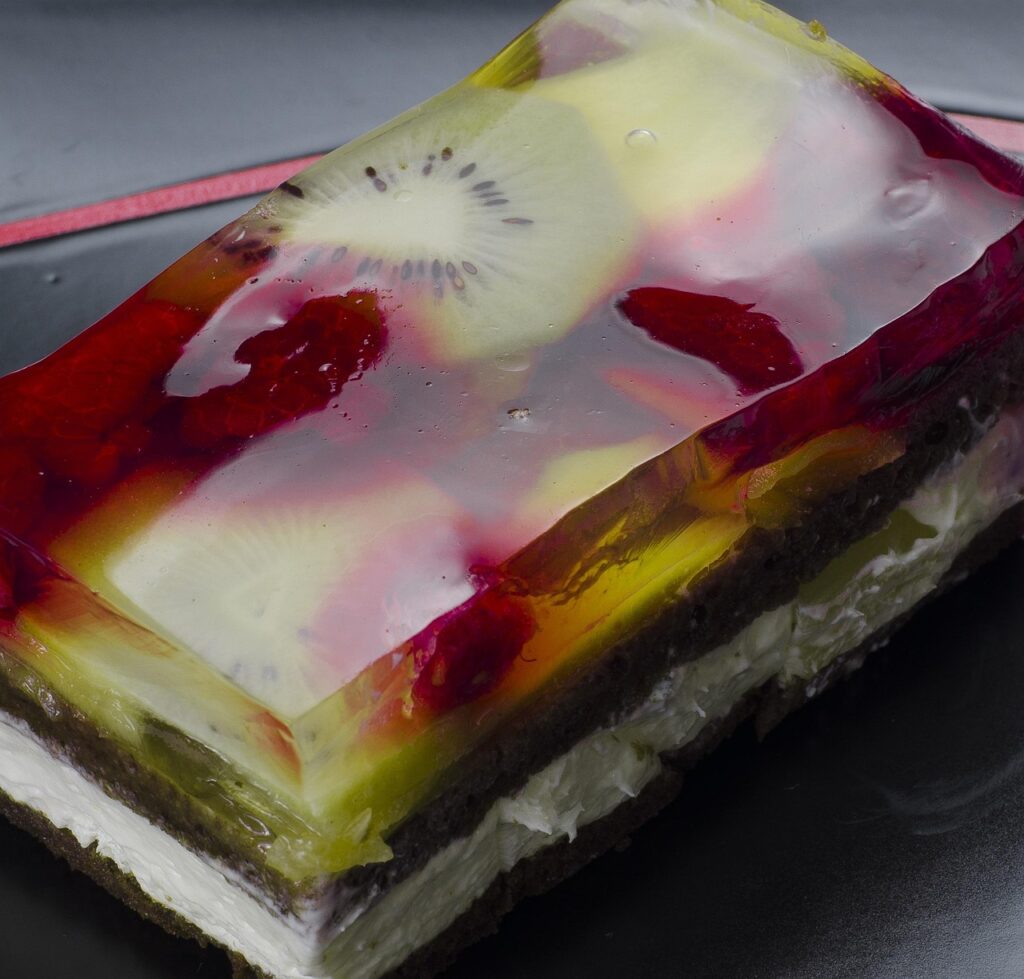
Savory aspics represented a kind of culinary creativity that relied on gelatin to transform meats, vegetables, and broths into decorative, molded dishes. In the 1950s, these glossy creations signaled refinement and mastery of a technique that stabilized food before refrigeration was widespread. Modern diners often find their textures unusual, and the flavors mismatched, especially since many recipes use canned vegetables or processed meats. Changing food safety standards and evolving tastes have pushed aspics into obscurity. Today, they are remembered more for their visual novelty than for their appeal at the table.
3. Jell-O Salads and Sweet Gelatin Creations

Jell O salads thrived because they offered vibrant color, playful shapes, and endless combinations of fruits, nuts, marshmallows, and cream. They fit perfectly into family gatherings where novelty mattered as much as taste. Over time, consumers became more aware of the artificial colors, high sugar content, and processed additives used in flavored gelatin. These concerns, combined with shifts toward fresher desserts, have made classic gelatin salads feel outdated. Although they still evoke nostalgia, their place in everyday cooking has diminished as food preferences lean toward natural ingredients and simpler preparations.
4. Condensed Soup Mixes as Cooking Bases
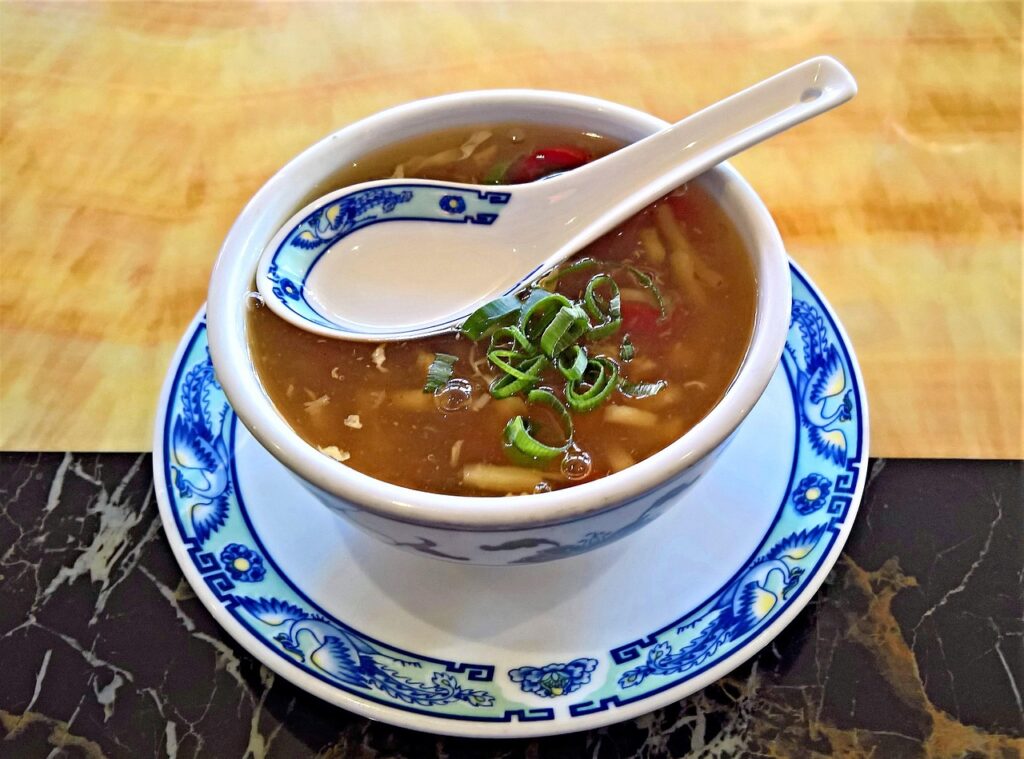
Condensed soups were cornerstones of mid-century cooking because they provided an instant base for casseroles, gravies, and sauces at a time when convenience was prized. They allowed home cooks to stretch ingredients and create filling meals from inexpensive pantry staples. Today, their high sodium content and heavily processed composition stand out more than their usefulness. As expectations for nutrition and flavor evolved, reliance on condensed soups declined in favor of fresh stocks and homemade sauces. Their legacy remains, but modern kitchens tend to treat them as occasional shortcuts rather than essential building blocks.
5. Canned Vegetables and Canned Fruit as Everyday Produce
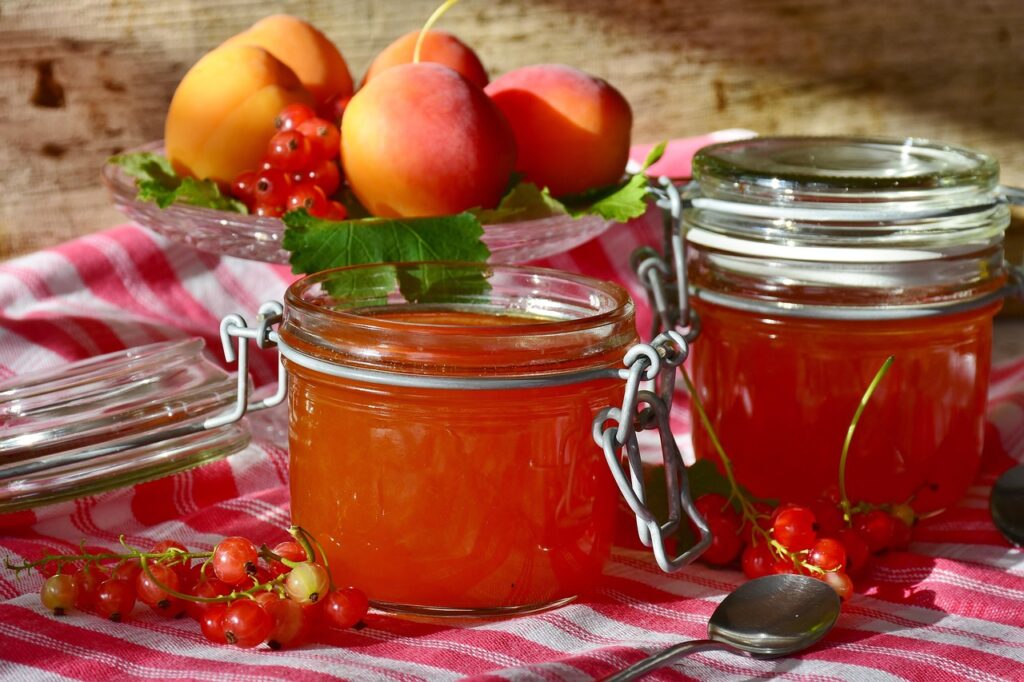
In the 1950s, canned produce made it possible for households to stock fruits and vegetables year-round, even in regions where fresh options were limited. Canning offered reliability and extended shelf life during a time when refrigeration and transportation were less advanced. Modern shoppers, however, often view canned produce as lacking in flavor, texture, and nutritional value compared to fresh or frozen alternatives. Concerns about added sugars, syrups, and preservatives also influence perceptions. While still practical in some situations, canned produce has lost its status as the primary source of fruits and vegetables in most homes.
6. Boxed Cake Mixes and Pre-Packaged Baking Mixes

Boxed cake mixes represented a breakthrough in convenience, allowing families to prepare desserts with minimal effort during an era eager to embrace modern shortcuts. These mixes delivered consistent results, which appealed to home bakers still learning to navigate evolving kitchen tools and appliances. Today’s consumers often critique them for using refined flours, stabilizers, and artificial flavors. With interest increasing in baking from scratch and using whole ingredients, boxed mixes no longer dominate pantry shelves the way they once did. Their decline reflects a broader movement toward authenticity and homemade quality in baking.
7. Salted and Nitrate Cured Meats
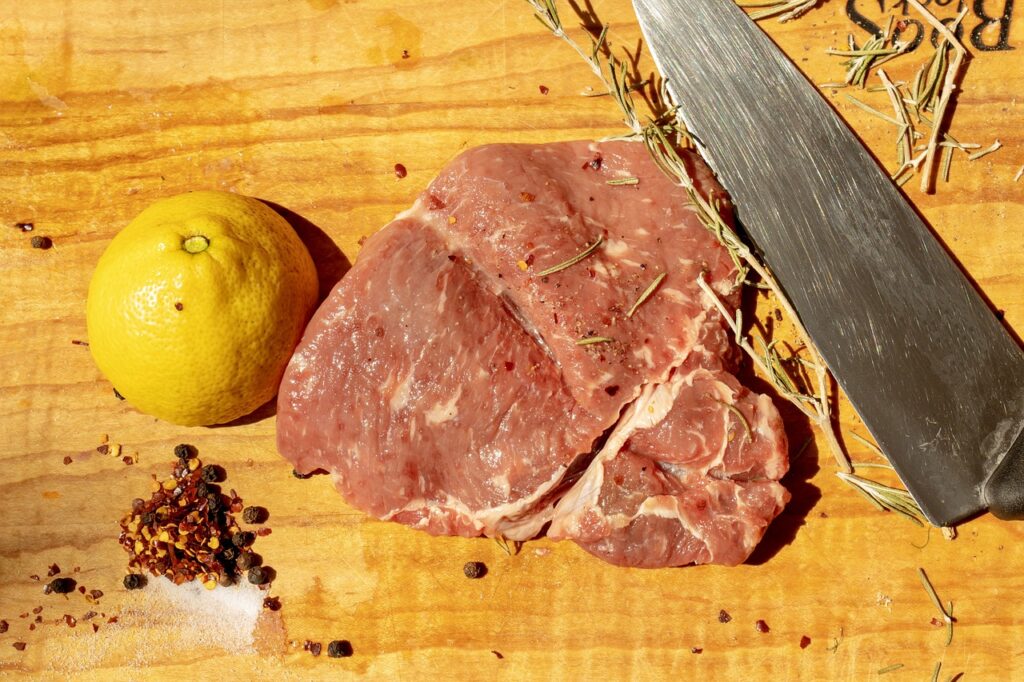
Salted and nitrate-cured meats, such as corned beef and salt pork, were pantry essentials when refrigeration was less reliable, and preservation was a priority. Their intense flavor and long shelf stability made them indispensable for hearty meals. Modern nutrition research, however, links frequent consumption of cured meats with increased risk of chronic illness due to high sodium and nitrate levels. As a result, these meats are no longer seen as everyday staples. Contemporary eaters lean toward fresher proteins and minimally cured options, making these once common ingredients far less prominent in home cooking.
7. Canned Fish as a Routine Protein Source

Canned fish like sardines and mackerel were considered economical, shelf-stable sources of protein in the 1950s and were widely used in both simple meals and entertaining. Their strong aroma and rich flavor were acceptable in an era of practical cooking. Today, many people associate canned fish with overly salty or intense profiles that don’t align with modern palates or cooking styles. Although nutritionally valuable, these products no longer hold the same cultural place in the kitchen. Their reduced popularity reflects changing expectations for freshness and lighter-tasting proteins.
9. Canned Creamed Soups as Sauce Alternatives
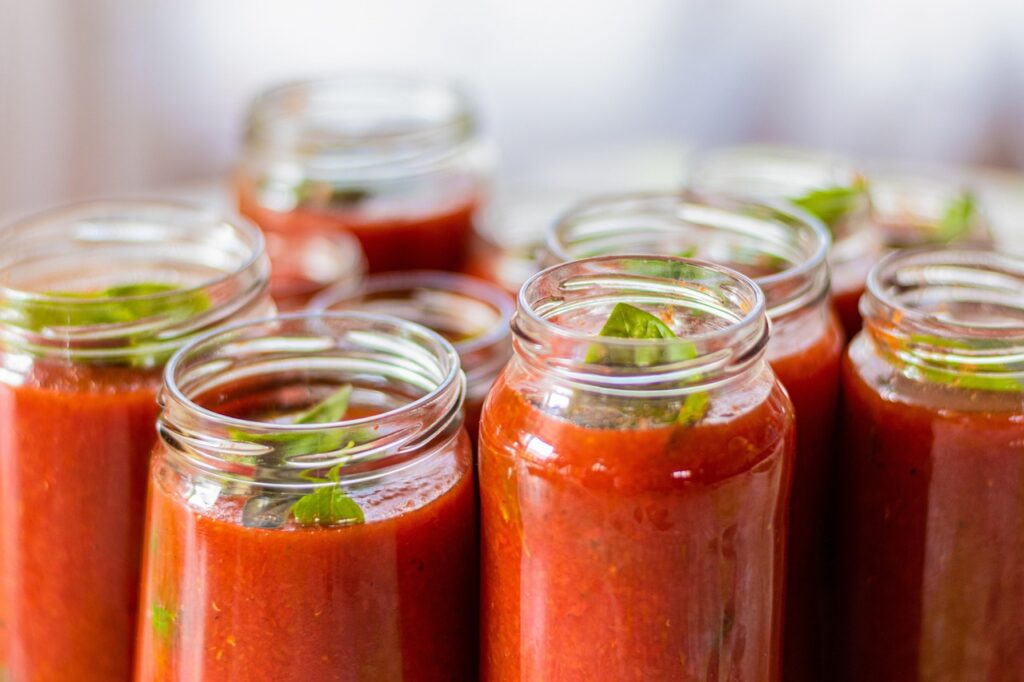
Canned creamed soups once served as the backbone for countless recipes, providing instant texture and flavor without the time or skill required to prepare roux-based sauces. Families embraced them for their dependability and low cost in a decade defined by efficiency. Modern scrutiny of processed foods has drawn attention to their additive content and heavy sodium levels. As cooks increasingly favor fresh ingredients and homemade sauces, canned creamed soups have shifted from everyday staples to niche conveniences. Their history remains tied to mid-century resourcefulness, even as culinary standards evolve.
10. Cream Cheese and Gelatin Fruit Desserts

Fruit desserts that combined gelatin with cream cheese, canned fruit, and sweet extras once symbolized creativity and hospitality. Their pastel colors and layered textures made them standouts on dessert tables across America. Today, these dishes seem overly processed, with multiple packaged ingredients contributing to artificial flavors and heavy sweetness. As preferences shifted toward simpler, fresher desserts, such gelatin creations became nostalgic artifacts rather than contemporary choices. They remind us how dramatically dessert trends change as ingredients and expectations evolve.
11. Canned Luncheon Meats and Vienna Sausages

Canned luncheon meats and Vienna sausages were prized for their portability, price, and versatility at a time when households sought dependable pantry proteins. Their uniform texture and long shelf life suited the needs of busy families and limited refrigeration. Modern consumers, however, are more aware of the health implications of preservatives, sodium, and mechanically processed meats. As a result, these items have become more associated with emergency supplies than daily meals. Their decline highlights shifting attitudes toward the quality and sourcing of proteins.
12. Tuna in Creamed Sauces or Casserole Mixes
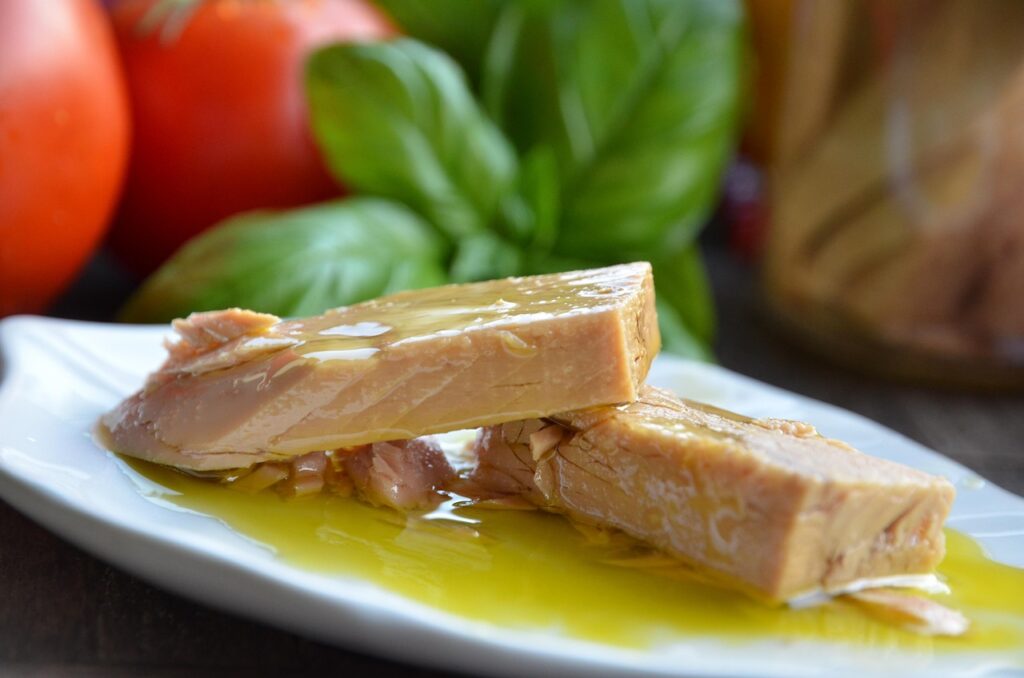
Tuna dishes that relied heavily on canned tuna and canned tuna soup bases embodied the frugality and creativity of mid-century cooking. These meals offered comfort and required minimal preparation, making them ideal for busy households. Over time, concerns about mercury exposure, sodium levels, and reliance on processed sauces have made such dishes less appealing. Modern cooks often prefer fresher fish or lighter preparations free of heavy canned components. Though still familiar, these varied tuna creations are now viewed through the lens of changing nutritional awareness and culinary preference.