12 Grocery Items Banned This Year That Shoppers Are Upset About


This year brought a wave of unexpected bans on familiar grocery ingredients, catching shoppers off guard as products quietly disappeared or returned with new formulas. These changes stem from evolving research, stronger safety standards, and growing pressure for cleaner labeling. While many of the banned items were long accepted in processed foods, updated science pushed regulators to take action. The result is a grocery landscape in transition, where consumer trust, product reformulation, and modern health priorities continue to reshape what ends up in the cart.
1. Red Dye No. 3

Red Dye No. 3 became one of the most significant food additives to be removed from shelves after years of scientific review highlighted concerns about its safety. Although it once appeared in candies, beverages, frostings, and bright decorative foods, research linking the dye to cancer in laboratory animals pushed regulators to take decisive action. The decision reflected a broader shift toward stricter oversight of artificial colors and the cumulative ways they may affect health when consumed regularly. Consumers had long questioned why the dye remained approved for foods even after it was prohibited for use in cosmetics. The absence of Red Dye No. 3 is now prompting companies to reformulate products with safer, naturally derived color sources.
2. Brominated Vegetable Oil

Brominated vegetable oil was once prized by major beverage manufacturers because it kept citrus flavors evenly dispersed in soft drinks, giving them a smooth and consistent taste. Over time, evidence mounted that bromine compounds could accumulate in the body, potentially affecting the nervous system, thyroid activity, and internal tissues. These findings led public health agencies and scientific panels to reconsider the additive’s safety profile, eventually prompting bans across multiple regions. Today’s beverages depend on newer emulsifiers that offer cleaner performance without the biological concerns once associated with this additive.
3. Potassium Bromate

Potassium bromate was an influential dough conditioner that transformed bread baking by giving loaves greater lift, elasticity, and structural reliability. Commercial bakeries favored it because it produced consistent results on a large scale. However, scientific findings associated bromate residues with carcinogenic potential when the additive failed to convert fully during baking. This raised serious concerns because even small amounts left in finished products could contribute to long-term health risks. Many governments responded with outright bans, while others introduced strict limitations, pushing manufacturers to find safer methods for strengthening dough.
4. Propylparaben and Similar Synthetic Preservatives
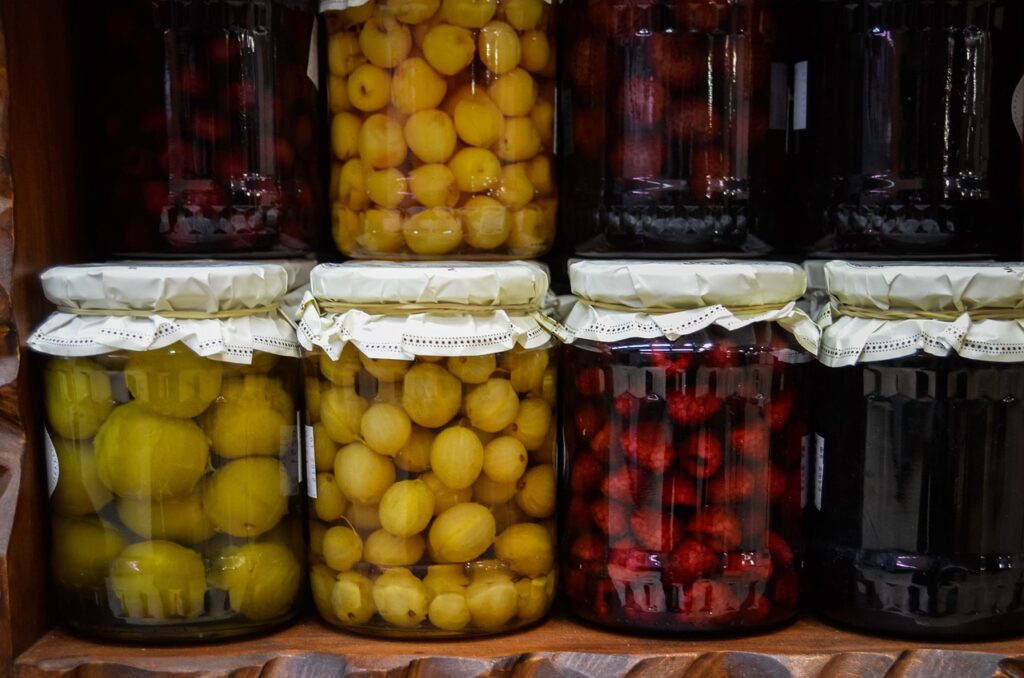
Propylparaben once appeared in many processed foods because it extended shelf life and prevented microbial growth with remarkable stability. As research advanced, concerns emerged about its possible effects on hormone regulation and endocrine activity, prompting scientists and health advocates to call for closer scrutiny. Regulators eventually responded by imposing restrictions and discouraging its use in food products, especially those consumed by children. Manufacturers began phasing out propylparaben in favor of natural or simpler preservatives that did not carry the same long-term questions. This shift illustrates how the food industry adapts when an additive’s reliability is overshadowed by potential biological implications.
5. Petroleum-Based Synthetic Dyes

Petroleum-based synthetic dyes defined the look of many twentieth-century foods by offering vivid, stable colors that natural extracts could not reliably achieve. Over time, growing scientific evidence suggested that some dyes might contribute to behavioral issues in sensitive individuals or carry potential carcinogenic risks when consumed consistently. These concerns prompted health officials to reconsider their approval and begin phasing them out in favor of safer alternatives. The transition required manufacturers to explore natural pigments derived from fruits, vegetables, and botanicals, many of which have improved dramatically in color intensity and stability.
6. Titanium Dioxide
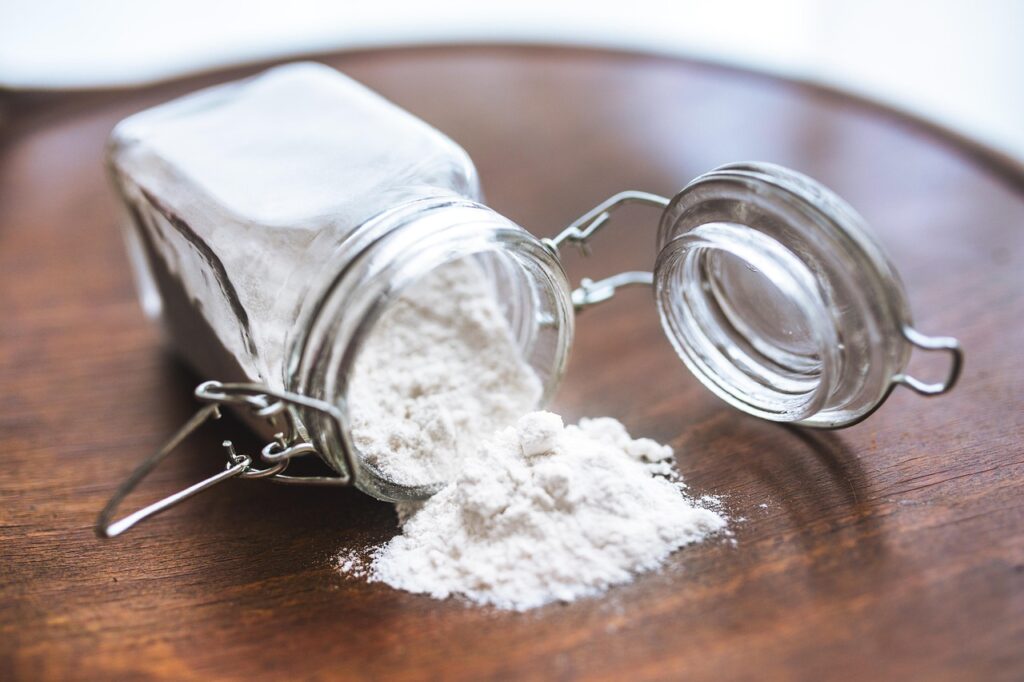
Titanium dioxide once served as a widely used whitening agent that gave candies, sauces, frostings, and powdered foods a uniform, opaque appearance. Advances in toxicology eventually raised concerns about how the smallest particles of this compound interacted with cells, particularly regarding inflammation and potential DNA damage. Europe’s decision to ban the ingredient accelerated worldwide discussion and encouraged many companies to evaluate whether its functional benefits justified the risks. It also underscores the broader move toward ingredient choices that align with long-term health research rather than visual convenience alone.
7. Formaldehyde-Based Preservatives

In the earliest days of commercial food production, some manufacturers relied on formaldehyde-based preservatives to keep milk, meat, and other perishables from spoiling during long transport or inadequate refrigeration. These compounds effectively extended shelf life, but as toxicology advanced, the dangers became undeniable. Formaldehyde exposure was linked to respiratory irritation, organ damage, and carcinogenic effects, making its use in food entirely incompatible with modern safety standards. As regulations matured, these preservatives were banned outright, and the industry shifted toward safer, transparent preservation techniques based on temperature control, proper sanitation, and natural ingredients.
8. Partially Hydrogenated Oils

Partially hydrogenated oils once shaped the texture and stability of countless packaged foods, from crackers to baked goods, because they resisted spoilage and handled heat well. As nutritional science evolved, it became clear that these oils produced artificial trans fats strongly associated with heart disease, raising bad cholesterol while lowering the protective kind. Regulators responded by phasing them out nationwide, forcing manufacturers to reformulate long-standing products.
9. Olestra

Olestra entered the market as a fat-free solution for snack lovers, promising the crispness of fried foods without added calories. Its unusual molecular structure prevented the body from absorbing it, which initially seemed like an innovation ahead of its time. Over months of consumer use, however, reports of digestive discomfort and poor nutrient absorption began to overshadow the benefits. Manufacturers gradually withdrew Olestra-based snacks as complaints mounted and public trust faded. Today, it stands as a reminder that technical breakthroughs in food require careful consideration of real-world experience.
10. Sulfites on Fresh Produce

Sulfites were once relied on to keep cut fruits and vegetables looking bright and fresh, a valuable advantage for large-scale food operations. Over time, regulators learned that sulfites could trigger severe reactions in sensitive individuals, including dangerous respiratory symptoms. This led to a ban on their use in produce intended for raw consumption, encouraging safer handling and storage methods instead. Freshness is now maintained through temperature control and natural acids rather than chemical shortcuts. The shift shows how food safety often prioritizes the needs of the most vulnerable consumers.
11. Azodicarbonamide

Azodicarbonamide served as a dough conditioner that strengthened gluten and improved the volume and texture of commercial bread. Its usefulness in industrial baking was unquestioned until researchers identified concerns about inhalation risks for workers and the formation of potentially harmful compounds during baking. Although not universally banned in the United States, mounting public pressure and global restrictions convinced many brands to remove it voluntarily. Its decline illustrates how consumer awareness can influence ingredient reformulation long before regulations catch up. The move away from azodicarbonamide reflects a growing interest in simpler, more transparent baking practices.
12. BHA and BHT
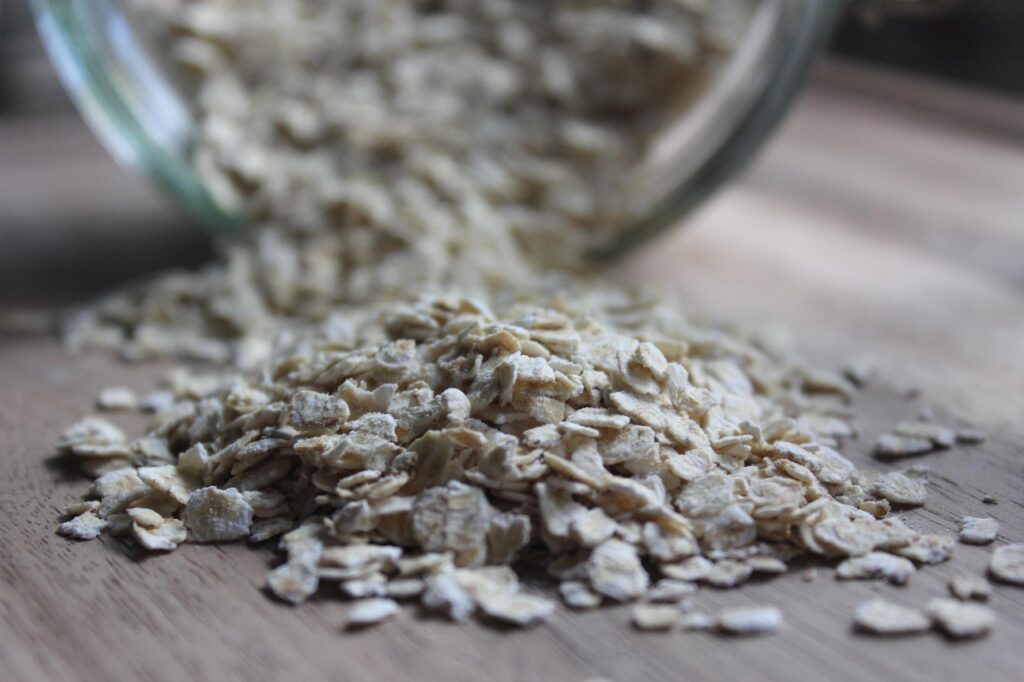
BHA and BHT have long appeared in cereals, snacks, and processed foods because they slow oxidation and protect flavors from degrading over time. As research advanced, both preservatives came under scrutiny for potential carcinogenic effects in animal studies, prompting heightened regulatory attention. While still permitted in limited amounts, many manufacturers have begun replacing them with natural antioxidants to meet consumer expectations for cleaner labels. Their gradual reduction across grocery shelves demonstrates how evolving science and public sentiment often work together to shift industry norms.