13 Restaurant Chains That Smell Weird for a Disturbing Reason

Every restaurant has a signature scent. Sometimes it is warm bread or sizzling meat that pulls you in from the parking lot. Other times, the smell is harder to define. It lingers in the air, clings to clothing, and leaves you wondering what exactly you are breathing in.
In busy chain restaurants, those aromas are not accidental. They are the result of nonstop fryers, open kitchens, powerful cleaning chemicals, and ventilation systems working overtime. When heat, oil, spices, and sanitizer share the same space, the air can turn surprisingly complex.
Before assuming something is wrong, it helps to understand the science behind those strange smells. Most of the time, the explanation is far more practical than it seems.
1. Subway
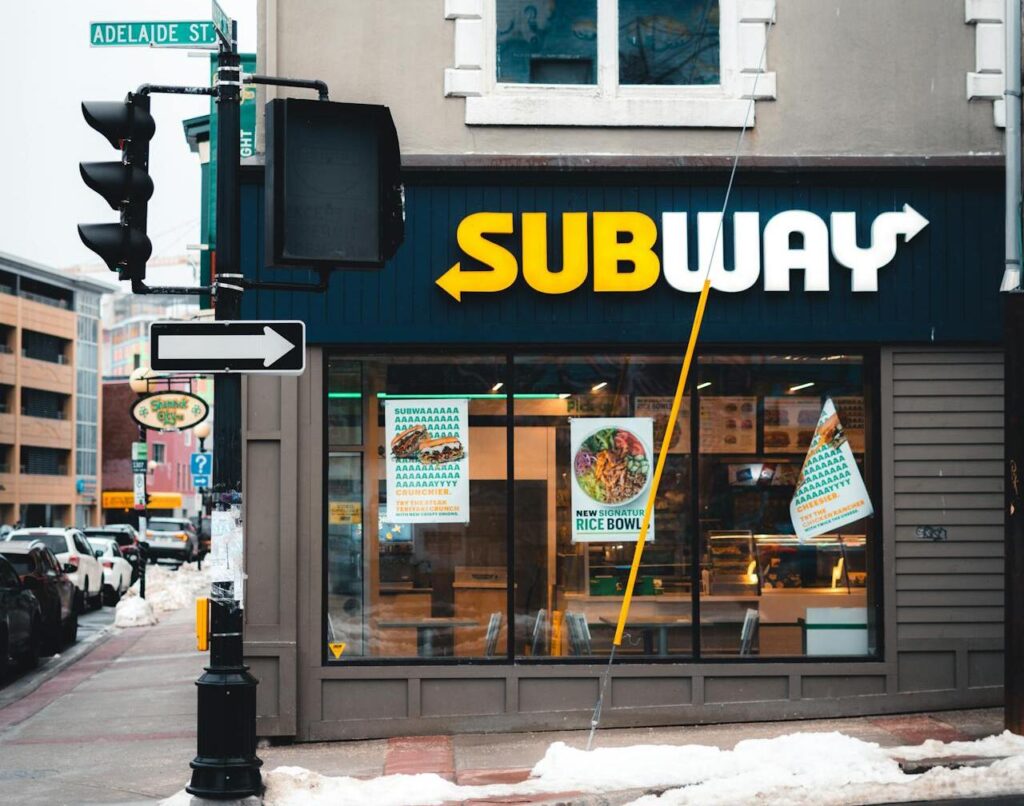
Walk into a Subway and the first thing you notice is not the sandwiches but the air. The smell is warm, slightly yeasty, and faintly sharp. Much of it comes from par baked bread finished in store ovens throughout the day. That baking releases strong fermentation aromas into a relatively small space.
Those scents do not stand alone. Sliced onions, green peppers, deli meats, and pickles sit in open prep rails for quick assembly. Even when fresh, cut vegetables release sulfur compounds that mingle with the bread aroma.
Add in frequent sanitizer use on counters and cutting boards, and the result is a layered scent profile. It is not harmful, but the combination can feel intense in compact locations with modest ventilation.
2. Buffalo Wild Wings
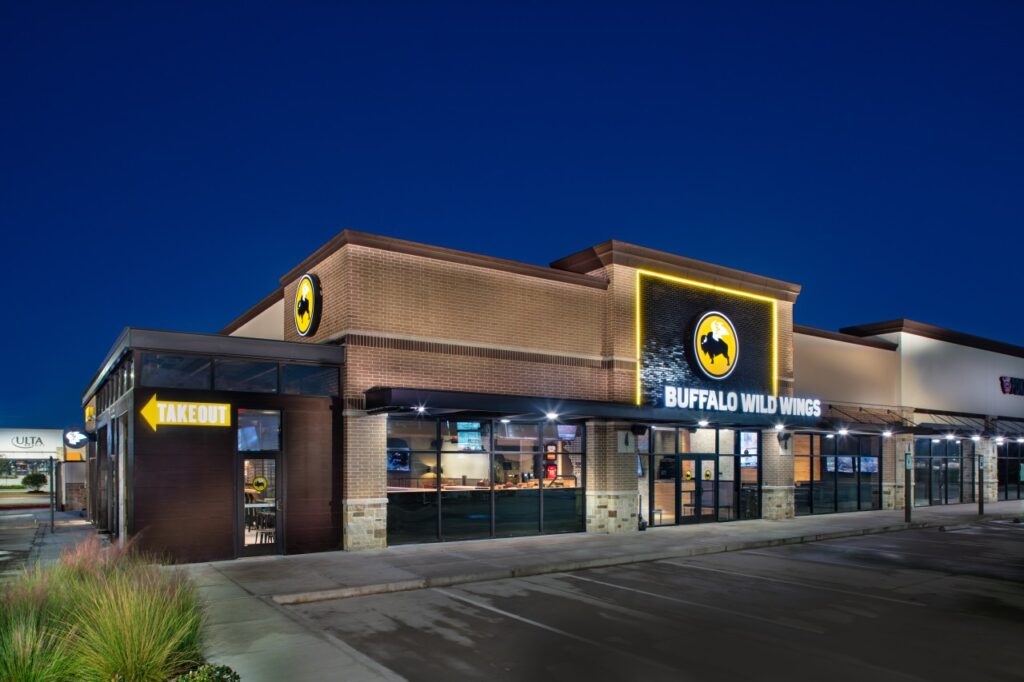
Heat defines the atmosphere here. Multiple deep fryers operate for hours, producing a steady release of hot oil vapor. When oil reaches high temperatures, it breaks down slightly and gives off a distinct fried scent that clings to fabric and hair.
Wing sauces add another dimension. Many are vinegar based and heavy on garlic and chili powder. As they warm, acetic acid and spice oils evaporate into the air. That sharp tang mixes with fryer output, creating a strong, unmistakable aroma.
Ventilation systems work constantly, but during peak times the volume of frying can overwhelm airflow. The smell feels heavy not because of poor practices, but because of nonstop high heat cooking.
3. Red Lobster
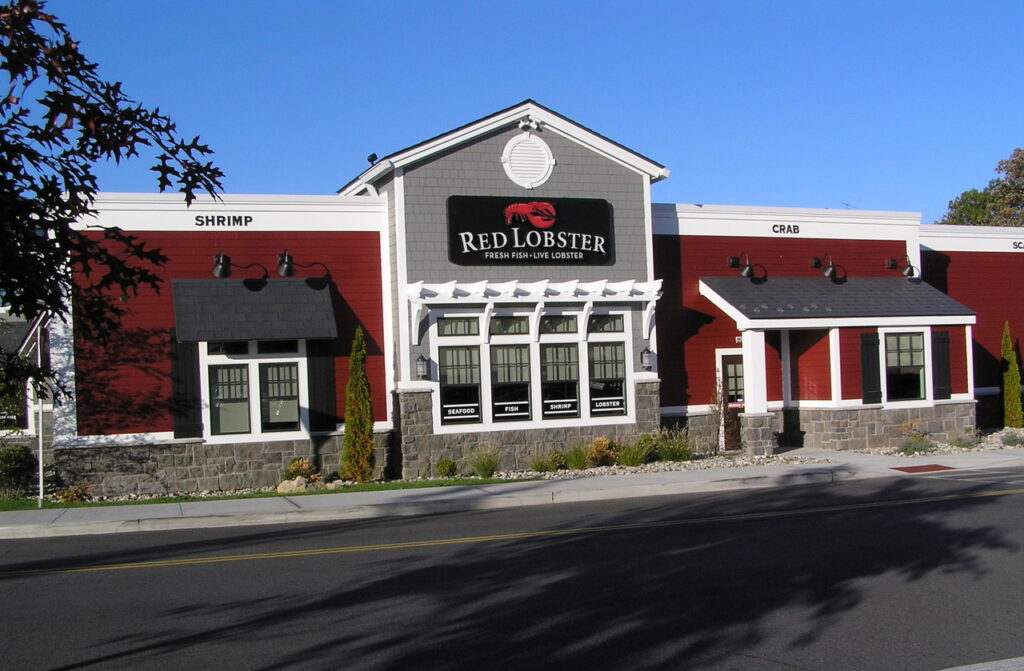
Seafood carries its own signature. Even when stored properly on ice and handled under strict temperature control, raw fish and shellfish release natural marine compounds. These give off a briny scent that some guests notice immediately.
Cooking amplifies it. Steaming shrimp, boiling lobster, and sautéing fish in butter release moisture and aroma simultaneously. The humid air traps those scents, especially in dining rooms connected closely to the kitchen.
It is important to note that a mild ocean smell does not indicate spoilage. In high-volume seafood restaurants, it simply reflects the scale of fresh product being prepared throughout the day.
4. Long John Silver’s
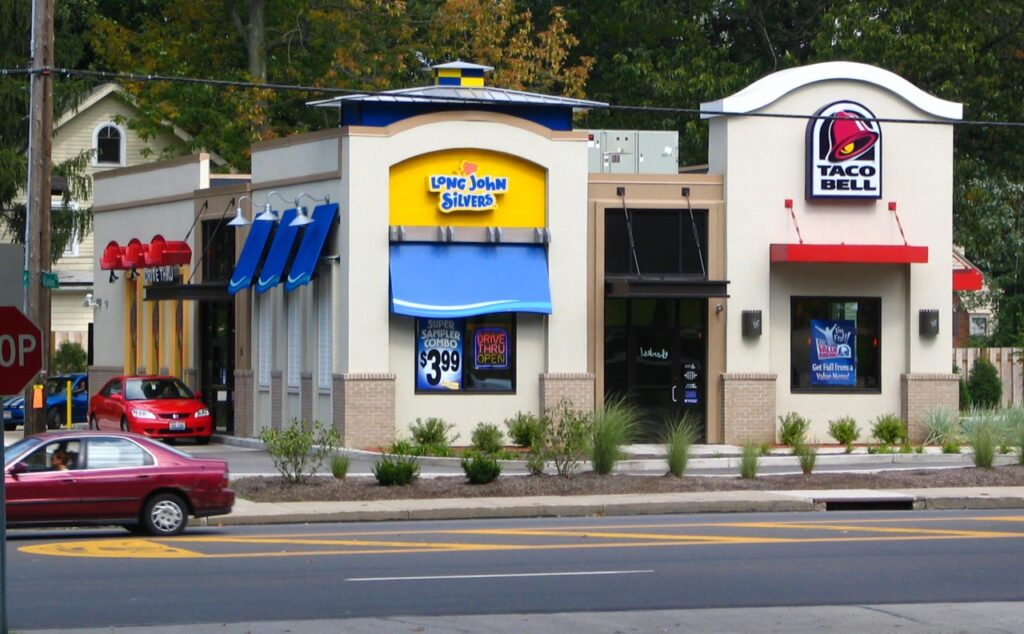
Frying fish all day creates a scent that lingers long after you leave. Breaded seafood releases moisture the moment it hits hot oil, producing vigorous bubbling and steady vapor. That vapor carries traces of oil and fish proteins upward into the air.
Because fryers operate continuously, microscopic oil droplets remain suspended before ventilation systems pull them away. In smaller dining rooms, that delay can make the aroma feel stronger and more persistent than expected.
Oil molecules cling easily to fabric and hair, which is why the smell follows guests outside. It reflects nonstop deep frying rather than poor food handling or unsafe practices.
5. Waffle House
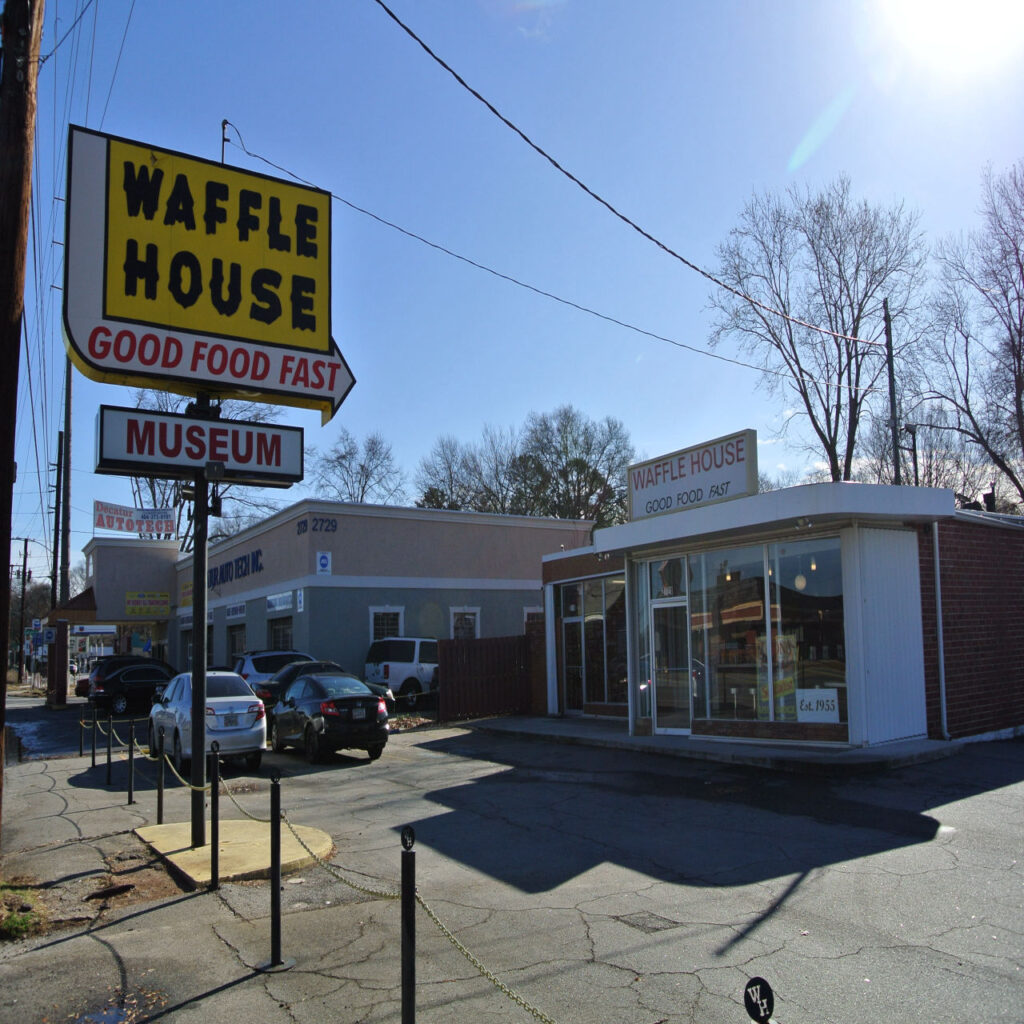
Open griddle cooking defines the air inside Waffle House. Bacon, sausage, hash browns, and onions cook side by side on a flat top, releasing steam and rendered fat at the same time. With no wall separating kitchen and counter, those aromas move directly into the dining space.
As proteins brown, the Maillard reaction forms savory compounds that smell rich and slightly smoky. Caramelizing onions contribute sweetness, while bacon fat deepens the overall scent. Each item adds a distinct layer.
Because everything cooks in full view, nothing is filtered or masked. What feels intense is simply the concentrated result of high heat breakfast cooking happening continuously.
6. IHOP
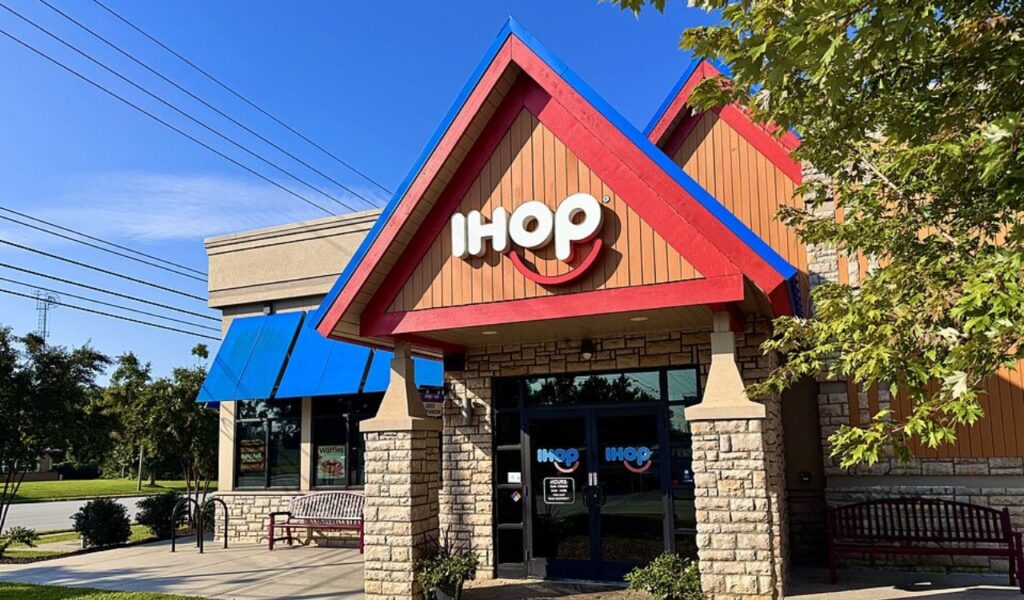
Morning volume defines the air inside IHOP. Pancake batter spreads across wide griddles while syrup warmers release sweet steam nearby. At the same time, bacon and sausage render fat, sending savory vapor upward. With nearly every burner active during peak hours, the dining room quickly fills with layered breakfast aromas.
As sugars in the batter caramelize, they create toasted notes that blend with hot grease and meat drippings. The combination of sweet and savory compounds intensifies as moisture builds in the air. Compact layouts can make that mix feel heavier than expected.
Ventilation systems run continuously, yet sheer output shapes perception. The scent reflects nonstop griddle cooking rather than any unusual ingredient or hidden issue.
7. Five Guys
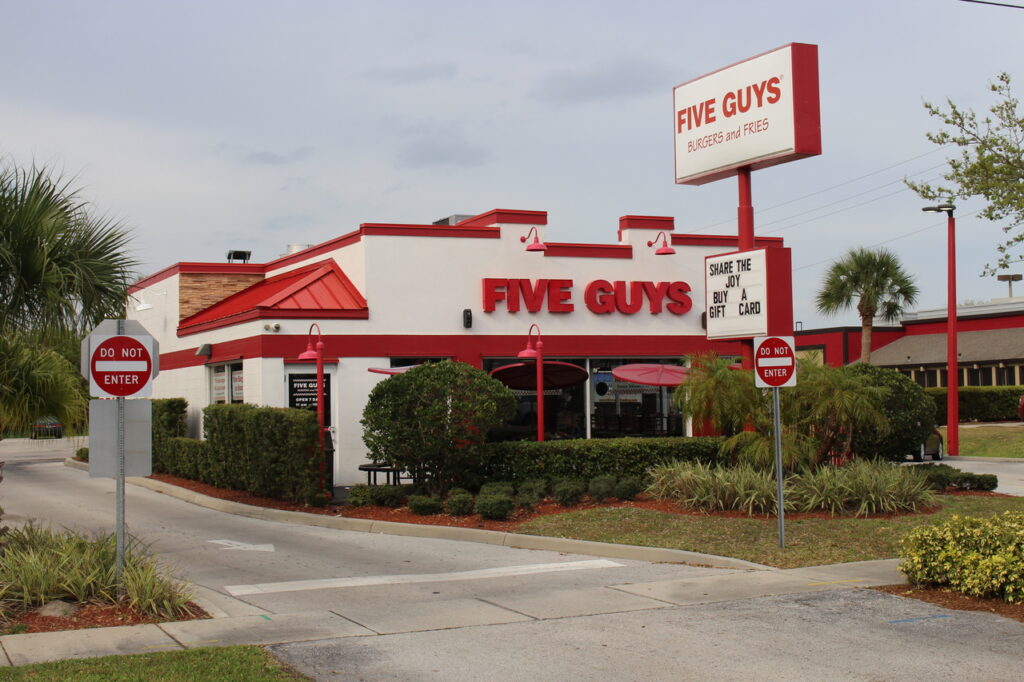
The first impression at Five Guys is unmistakably nutty. Peanut oil, used for frying, releases a stronger fragrance than many neutral oils when heated. Because fries cook in steady batches throughout the day, that aroma remains constant from opening to closing.
Fresh potatoes are stacked in visible sacks inside many locations. Raw potatoes carry a mild earthy scent that blends with warm oil vapor rising from the fryers. The pairing creates a distinctive, slightly sweet undertone.
Open kitchen design means little separation between cooking and seating. Guests experience the full effect of active frying, not a filtered version softened by enclosed walls.
8. Popeyes
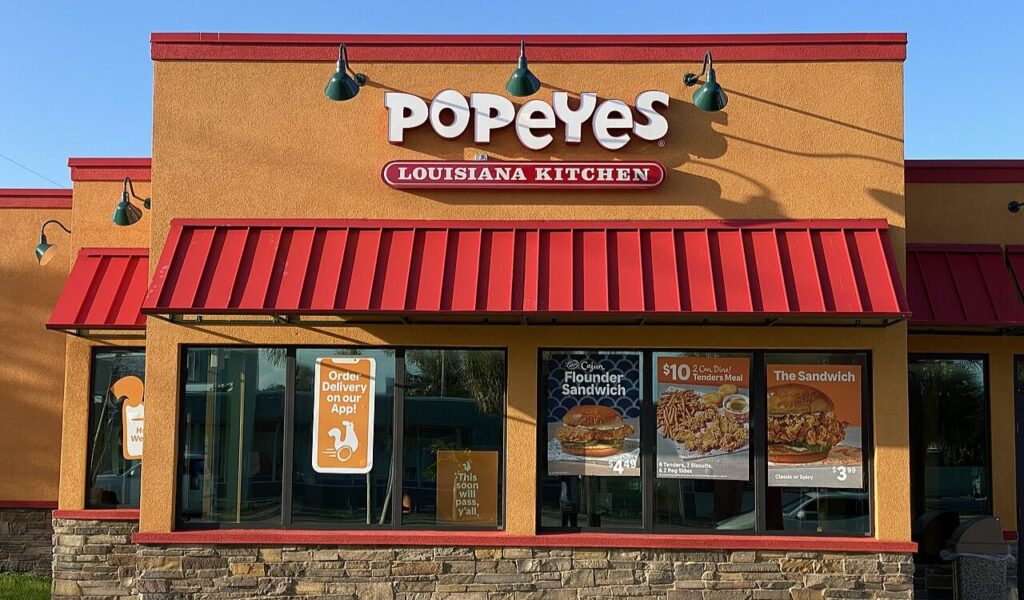
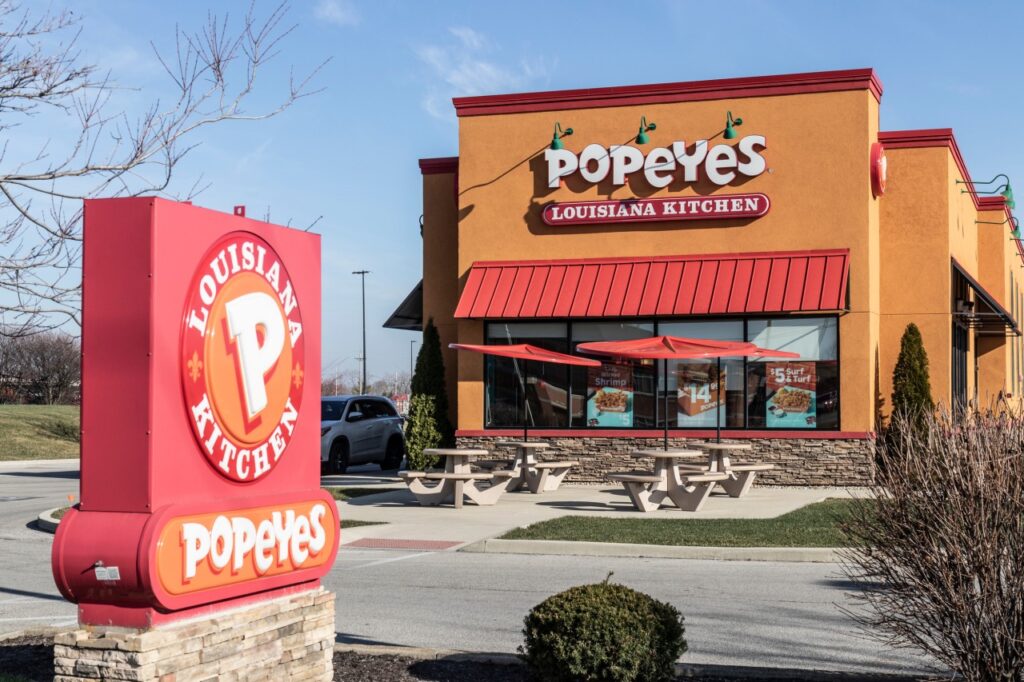
Bold seasoning drives the atmosphere inside Popeyes. Chicken is coated in spice blends that include garlic, onion powder, paprika, and pepper. When lowered into hot oil, those spices release volatile aromatic compounds that rise quickly into the room.
Frying oil acts as a vehicle, carrying spice particles upward with each batch. During busy periods, constant frying increases the density of those aromas in the air. Smaller dining spaces can amplify the effect.
The strong scent is a byproduct of concentrated seasoning and sustained high-heat cooking. It reflects recipe intensity rather than anything behind the counter.
9. Chipotle
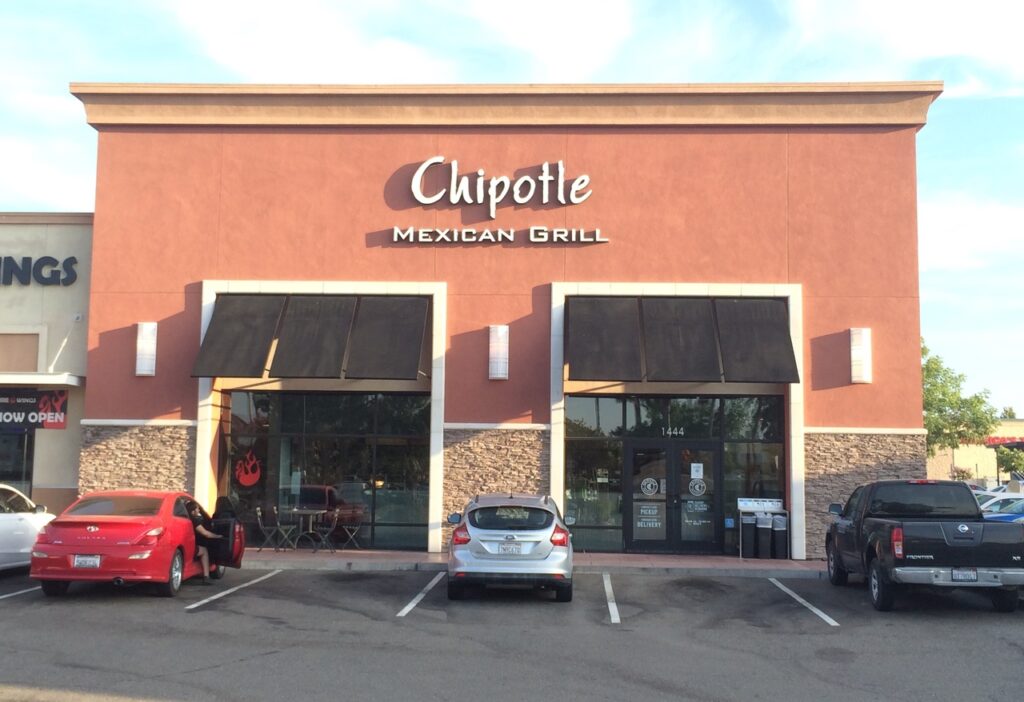
Fire and steel define the atmosphere inside Chipotle. Steak, chicken, onions, and peppers cook openly on flat tops within view of guests. As proteins sear, they release steam and light smoke that travel directly into the dining area without passing through kitchen barriers.
The Maillard reaction produces savory, browned compounds that carry a slightly charred scent. Fresh lime juice squeezed over hot ingredients releases citrus oils, adding brightness that blends with smoke. Cilantro and grilled vegetables contribute herbal notes.
During peak hours, ventilation systems must clear moisture and char particles quickly. If airflow slows slightly, the smoky profile intensifies, reflecting open grilling rather than anything unusual.
10. McDonald’s
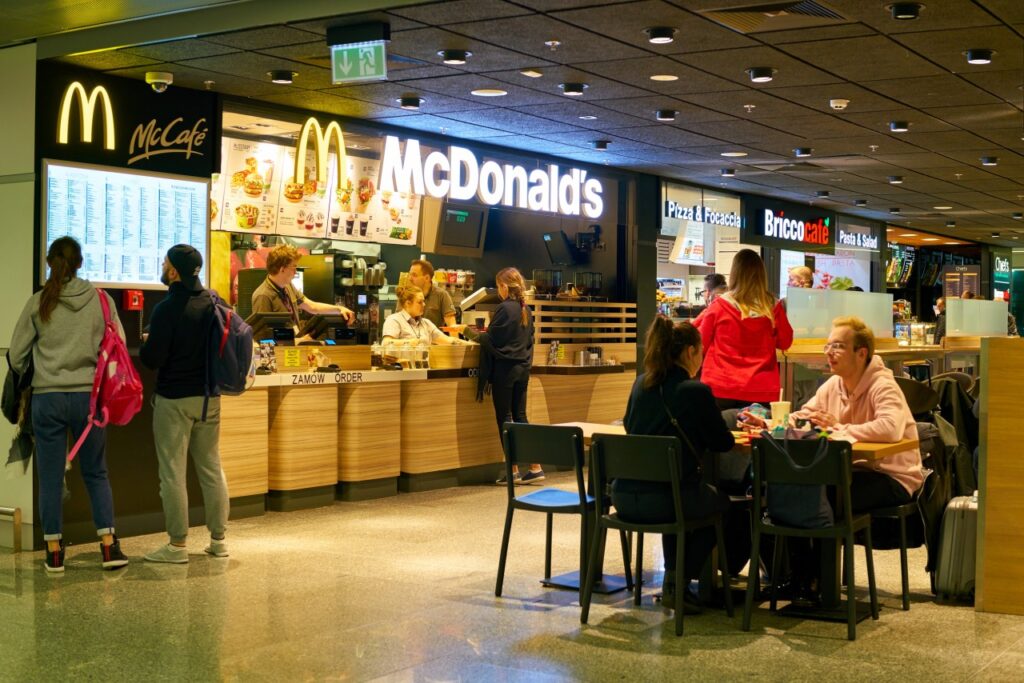
Volume shapes the air inside McDonald’s more than any single ingredient. French fries cook almost continuously in large fryers, releasing steady oil vapor. At the same time, burgers sear on hot surfaces, generating browned meat aromas that accumulate in enclosed spaces.
These compounds build gradually during busy periods. High throughput means fresh batches are constantly entering the oil or grill, preventing the scent from ever fully dissipating. The repetition creates a familiar, layered smell.
Overnight cleaning agents can add faint chemical notes that linger briefly into early service. Combined with fresh frying, the result can feel sharper, yet it reflects scale and routine rather than poor practice.
11. Taco Bell
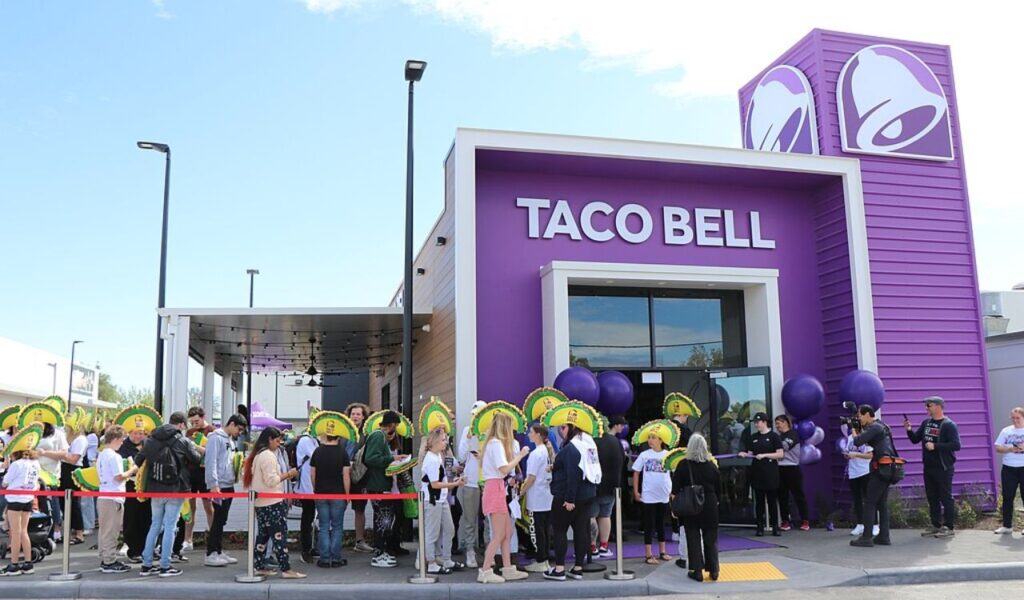
Seasoning drives the scent profile at Taco Bell. Ground beef seasoned with cumin, chili powder, garlic, and paprika warms in holding pans, releasing aromatic oils into the air. Refried beans and melted cheese add thicker, savory undertones.
Because many locations operate in compact storefronts, air circulates within a limited footprint. Spice particles and oil vapor remain noticeable until ventilation systems fully exchange the air. The density can make the aroma feel stronger than expected.
The bold smell comes from concentrated seasoning and steady warming cycles. It signals high flavor intensity and continuous preparation, not questionable ingredients or unsafe handling.
12. Cracker Barrel
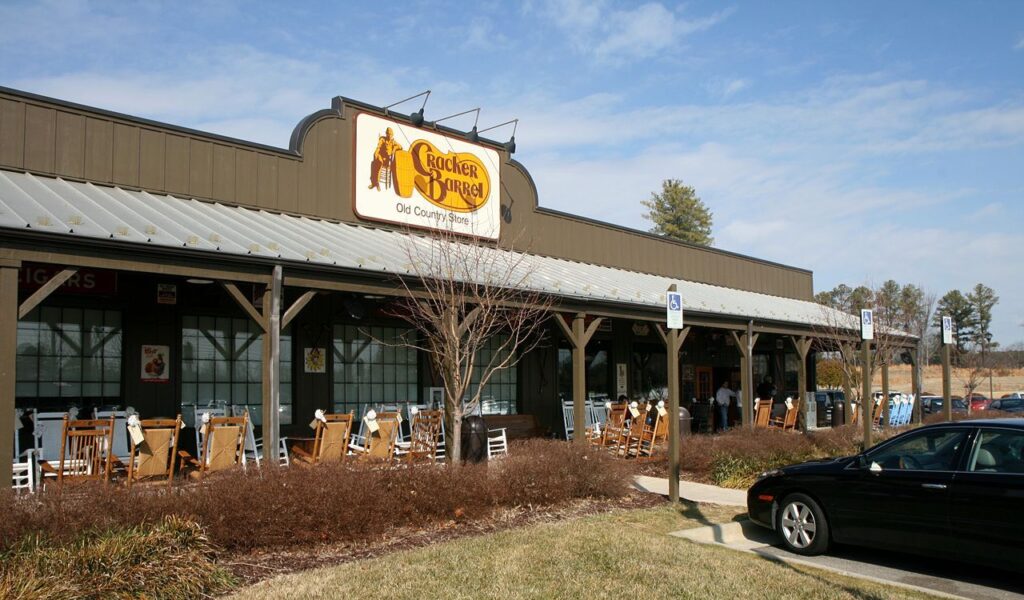
Slow simmering sets the tone inside Cracker Barrel. Bacon renders in batches, gravy cooks over low heat, and starch heavy sides remain warm for extended periods. Warm fat and flour based sauces release a dense, comforting fragrance.
Steam from simmering dishes carries savory compounds outward into dining areas and adjacent retail spaces. The attached gift shops can hold warm air longer, allowing aroma to accumulate gradually throughout the day.
Because many comfort foods cook simultaneously, scents overlap and linger. The heaviness reflects traditional preparation and sustained heat rather than ventilation failure or hidden concerns.
13. Cheesecake Factory
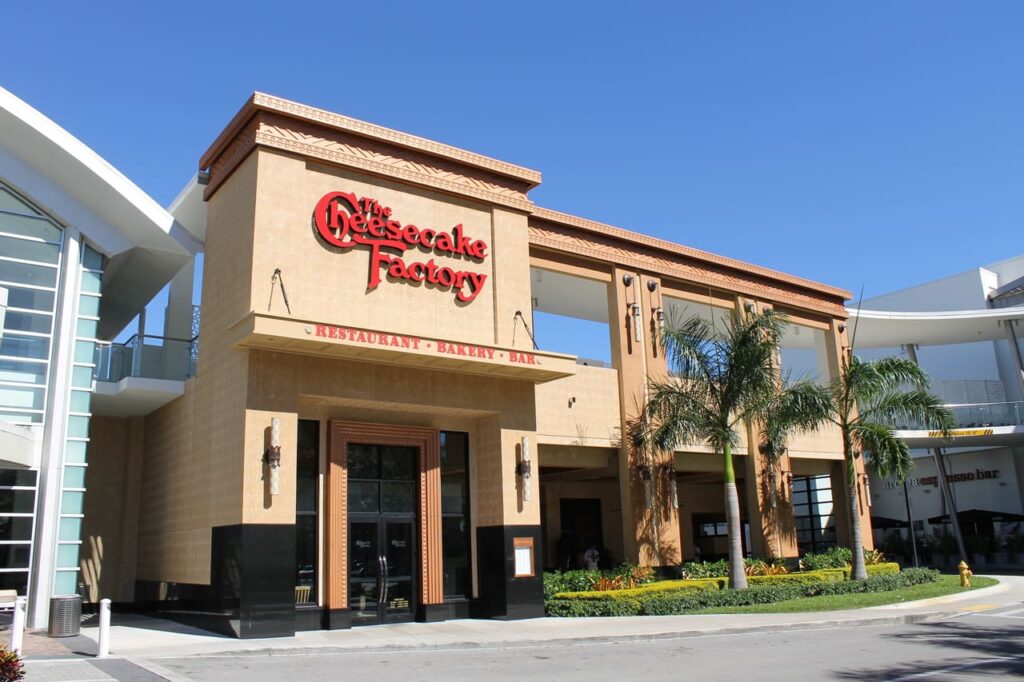
Scale and variety shape the air inside Cheesecake Factory. With a large menu, fryers, sauté stations, ovens, and grills operate at once. Each station releases steam, oil vapor, and heat into a shared environment.
Cream based sauces add dairy richness, while fried appetizers contribute crisp oil notes. Cheesecakes baking in ovens introduce subtle sweetness that blends with savory aromas from the kitchen floor.
When dozens of dishes are prepared simultaneously, scent layers build naturally. The dining room can feel intense, but the effect comes from constant activity and menu breadth rather than any disturbing cause.