9 Meat Cuts That Will Ruin Cheap Steak for You Forever

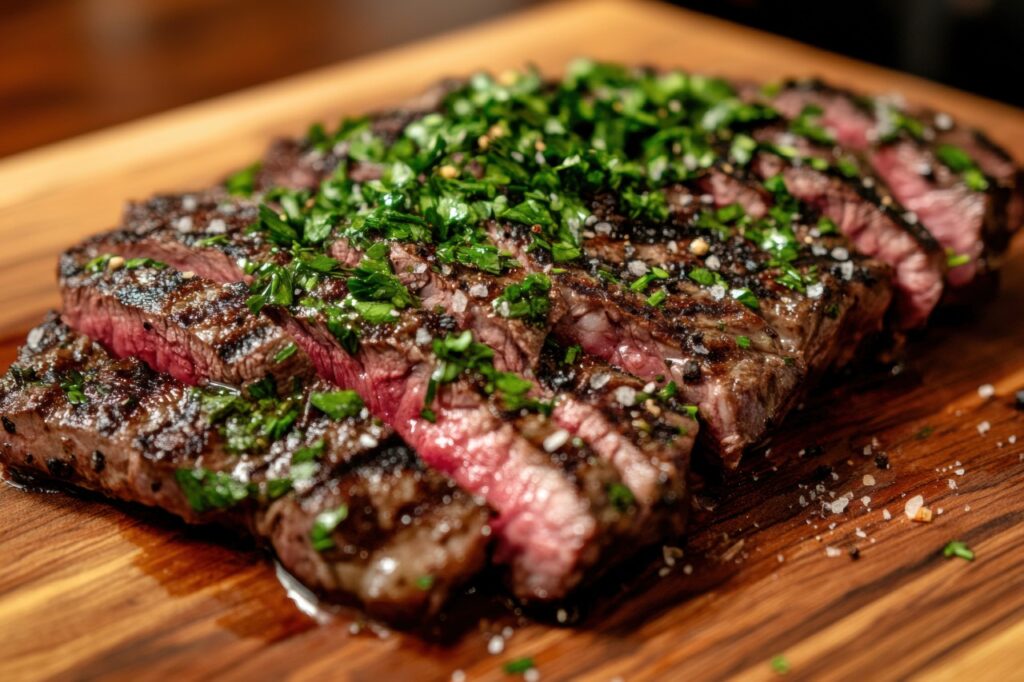
Some steaks quietly reset your expectations the first time you taste them. They reveal how much flavor, tenderness, and richness can come from the right muscle, the right balance of fat, and the right structure. After that moment, cheap steak never quite tastes the same. What once seemed acceptable suddenly feels dry, tight, or oddly hollow. These cuts do not rely on tricks, heavy marinades, or perfect timing. They perform because they are built differently at the muscle level. Understanding why they work explains why bargain steaks so often disappoint. Once you experience these cuts, you stop chasing price and start chasing structure, marbling, and balance instead.
1. Ribeye
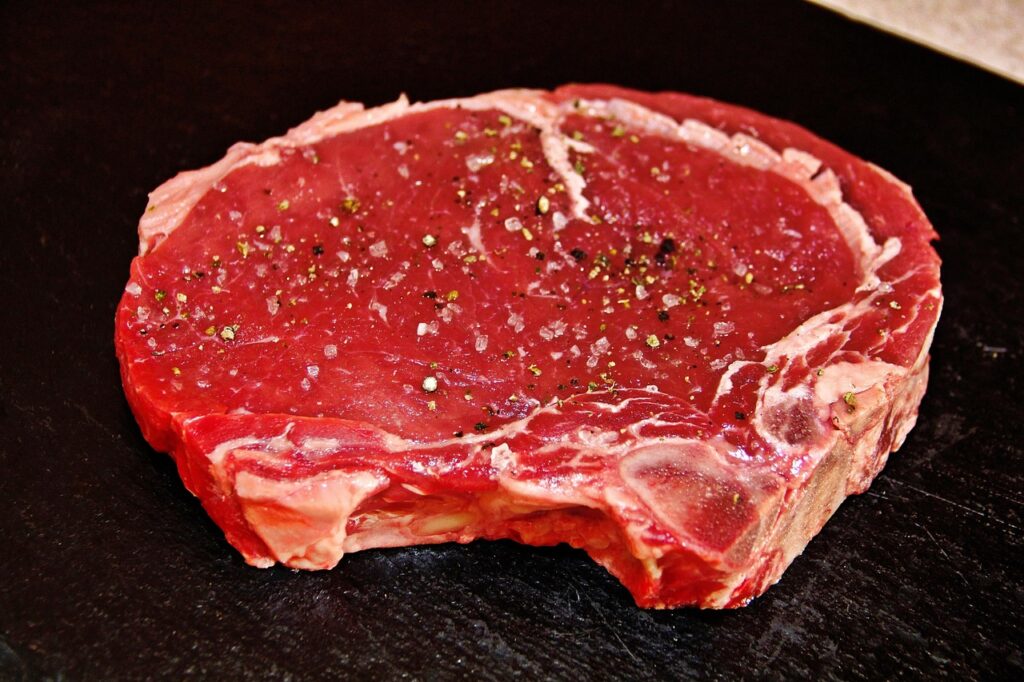
Ribeye is often the cut that permanently changes how people judge steak because it demonstrates what proper fat distribution actually does. Taken from the rib section, this cut contains abundant intramuscular fat that melts slowly during cooking. That fat does not just add flavor. It actively protects the muscle fibers from drying out, which is why ribeye stays juicy even when cooked past medium rare. The texture feels soft and rich without being mushy, and the beef flavor remains intense without needing marinades or sauces. Ribeye also responds well to simple cooking methods like high-heat grilling or pan searing, where the exterior develops a deep crust while the interior remains tender.
2. Hanger Steak
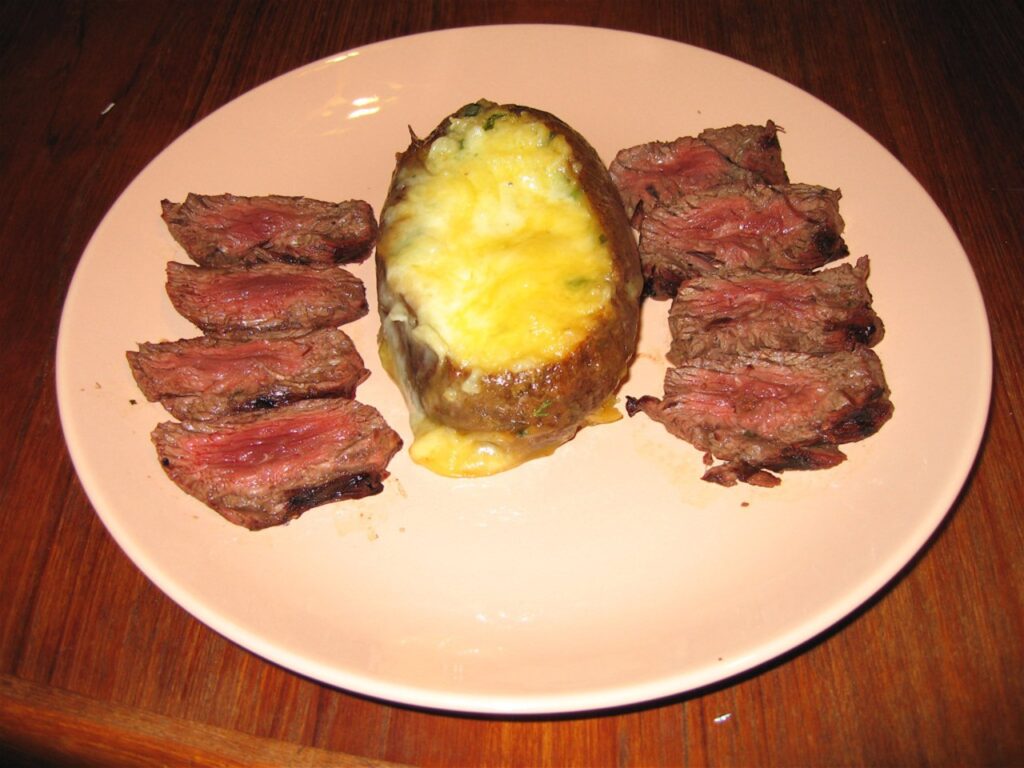
Hanger steak changes expectations by delivering powerful flavor in a way that budget steaks simply cannot replicate. This cut comes from a muscle that supports the diaphragm, which gives it a bold, mineral-rich beef taste. While it looks coarse and uneven, proper cooking transforms it. When cooked hot and sliced against the grain, hanger steak becomes surprisingly tender while retaining a deep chew that feels intentional rather than tough. Its flavor concentration means it tastes beefy even without heavy seasoning. Cheaper steaks often lack this intensity and feel diluted by comparison. Hanger steak also highlights how muscle use affects taste.
3. Flat Iron
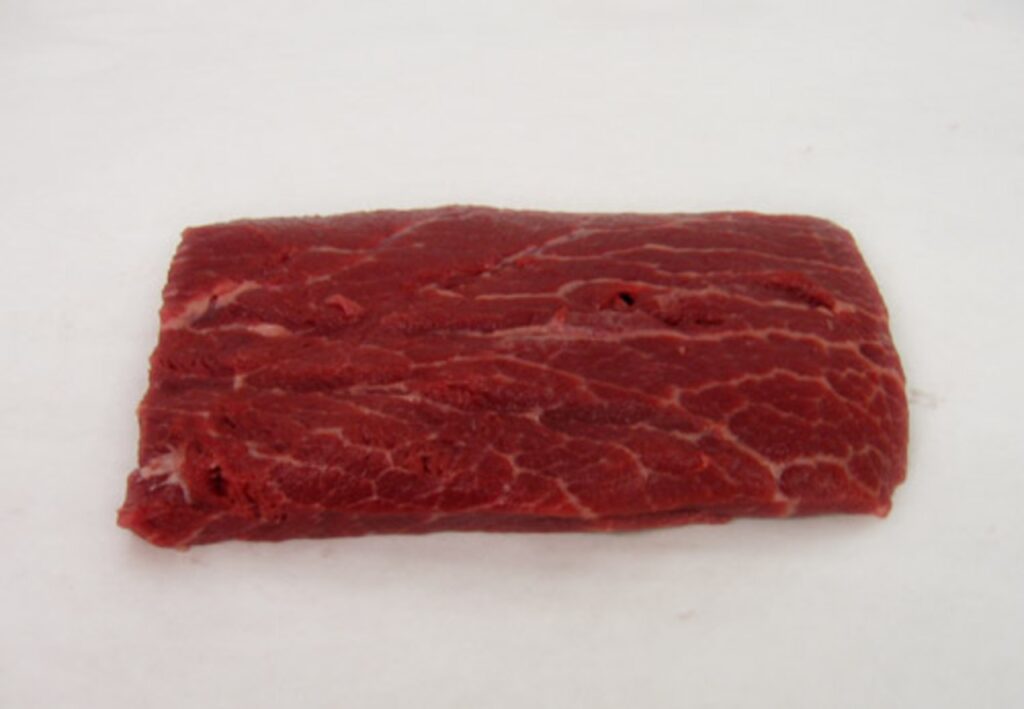
Flat iron ruins cheap steak by revealing how much tenderness can exist without excessive fat. Cut from the shoulder blade, this steak becomes tender only after a tough sinew is removed. Once trimmed, what remains is evenly grained and soft. It cooks predictably and resists drying out better than most inexpensive cuts. The flavor is clean and beef-forward, without bitterness or metallic notes. Flat iron shows that precision cutting matters as much as the animal itself. When compared to cheaper steaks that contain random connective tissue and uneven grain, the difference becomes obvious. Flat iron does not require tricks or long resting periods to feel good in the mouth.
4. Picanha
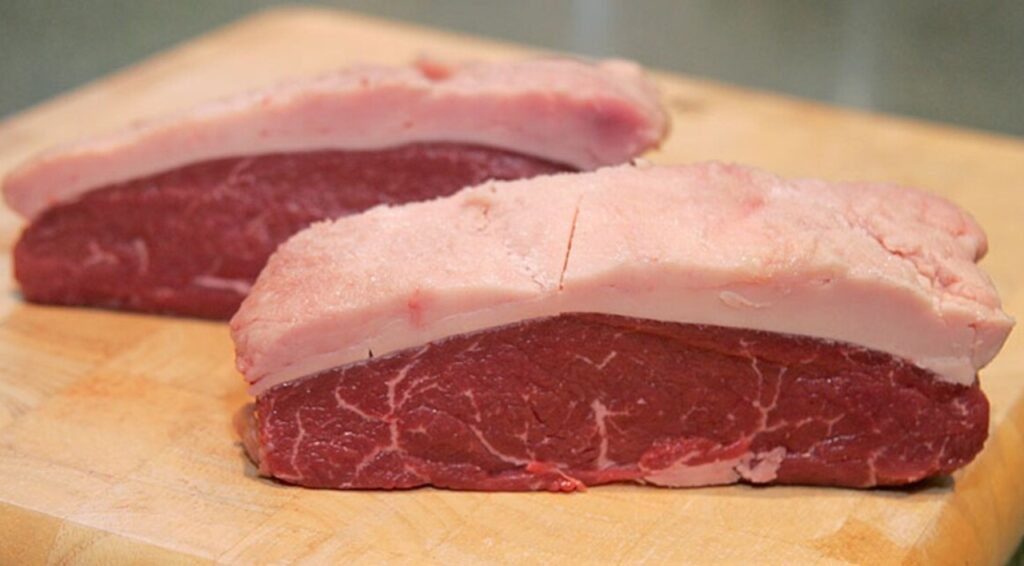
Picanha changes everything by proving how important a fat cap can be. This cut comes from the top of the sirloin and is traditionally cooked with the fat left fully intact. As it renders, that fat slowly bastes the meat and enhances flavor without soaking it in grease. The interior stays tender and juicy while the exterior develops crispness. Picanha also rewards simple seasoning, usually just salt, because the beef itself carries flavor. Many cheap steaks are aggressively trimmed, stripping away what makes meat satisfying. After tasting picanha, those lean cuts feel incomplete. They rely on marinades to compensate for what was removed.
5. Denver Steak
Denver steak surprises people because it comes from the chuck, a section often associated with toughness. What makes it special is its fine marbling and balanced muscle structure. When cooked properly, Denver steak delivers tenderness close to premium cuts while retaining a rich, beefy profile. It holds moisture well and responds beautifully to quick, hot cooking. This cut exposes how misleading price can be. Many cheap steaks feel chewy not because of cooking mistakes, but because the muscle itself lacks balance. After a Denver steak, budget cuts feel harsh and tiring to chew. The difference lies in internal structure rather than thickness or appearance.
6. Skirt Steak
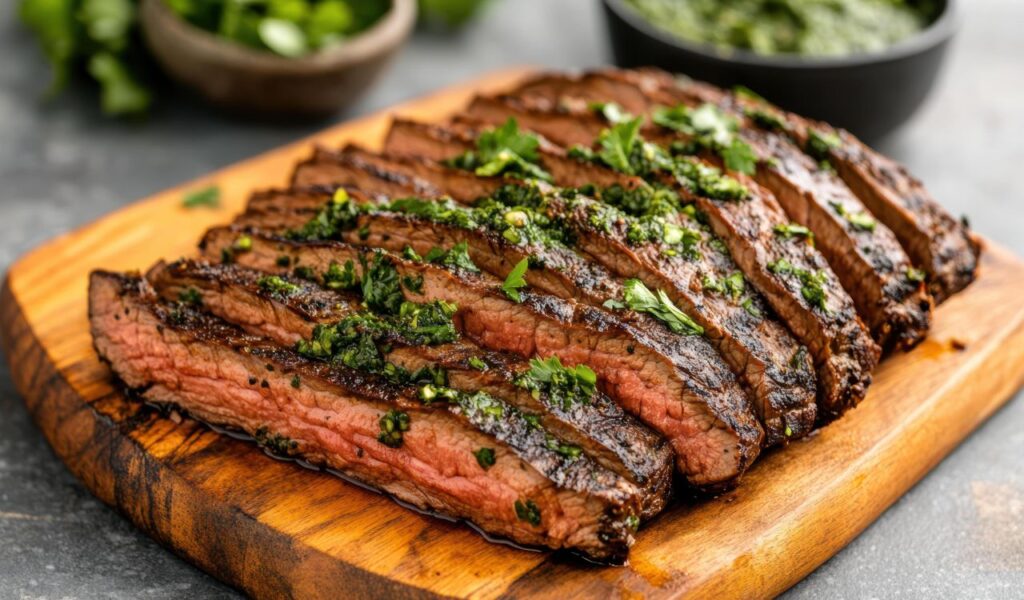
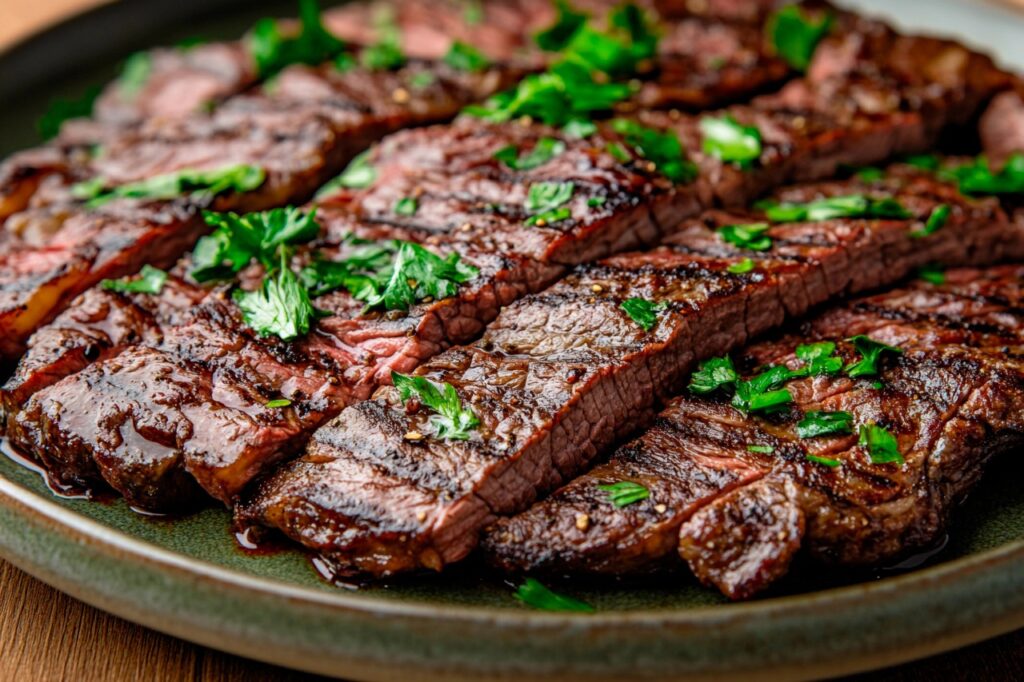
Skirt steak redefines flavor expectations through intensity rather than tenderness alone. This thin, loose-grained cut absorbs marinades deeply and cooks extremely fast. When sliced correctly, it offers a satisfying chew paired with explosive beef flavor. Skirt steak thrives on high heat and short cook times, developing char while staying juicy. Cheaper steaks often lack this responsiveness. They neither absorb seasoning well nor reward aggressive cooking. After skirt steak, those cuts taste flat and muted. Skirt teaches that flavor density matters more than size. It also shows how understanding grain direction transforms eating quality.
7. Bavette
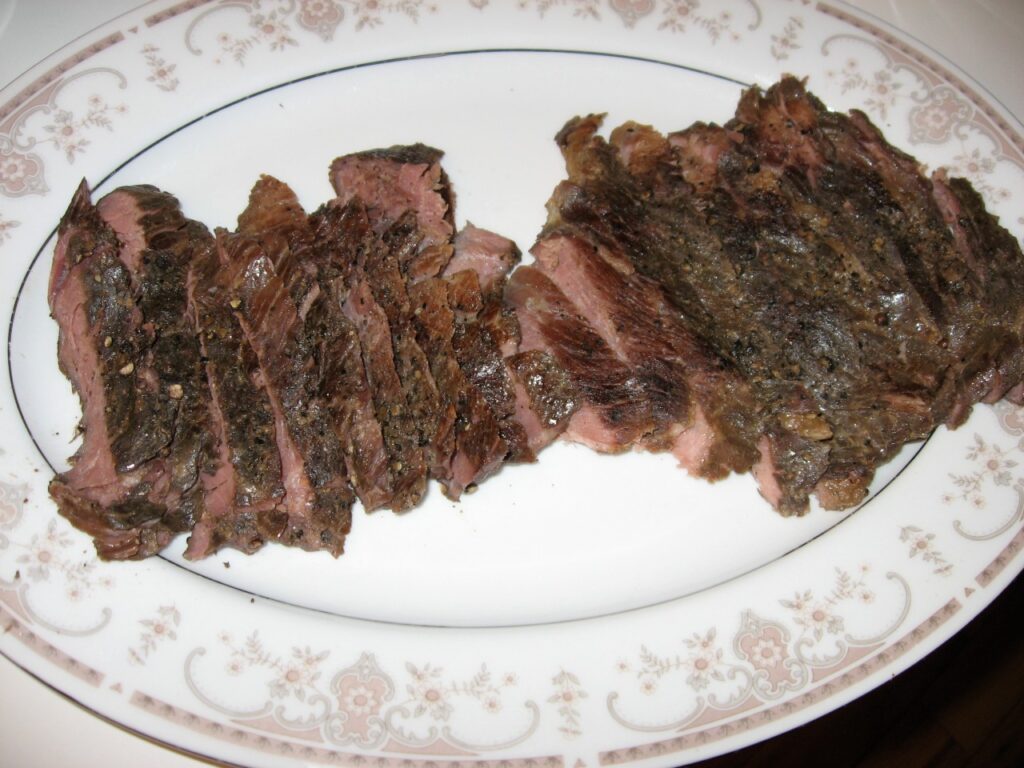
Bavette bridges rustic and refined eating in a way that ruins cheaper alternatives. Similar to flank but more forgiving, bavette has a loose grain that retains moisture and softness even when cooked slightly longer. The flavor is strong without being overpowering, and the texture feels natural rather than processed. Bavette works well with simple cooking and minimal seasoning, revealing how much character the muscle holds on its own. Cheaper steaks often feel tight and dry once cooled. Bavette stays supple and satisfying even as it rests. After experiencing that resilience, budget cuts feel fragile and disappointing.
8. Tri-Tip
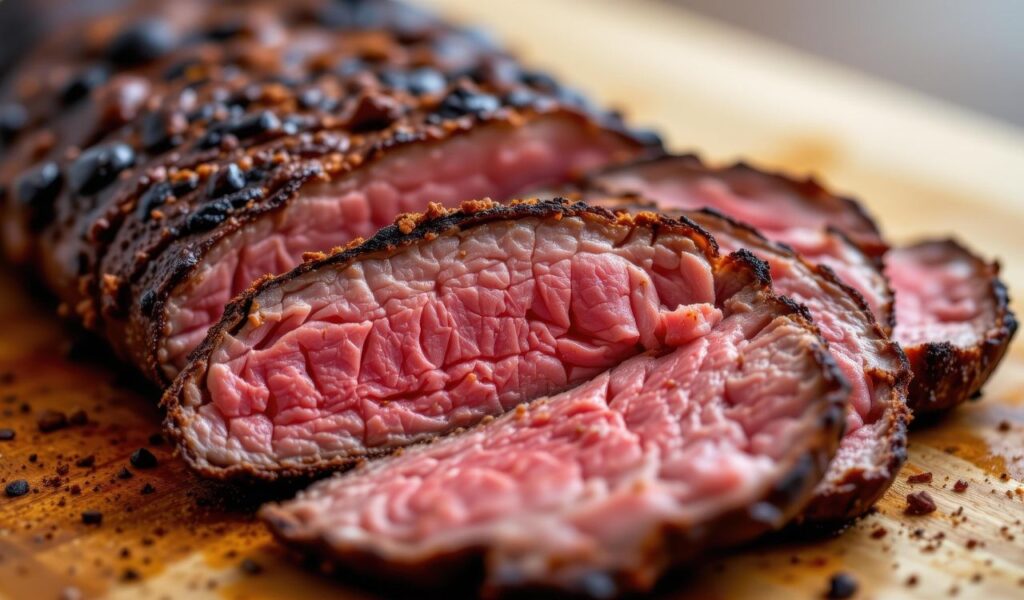
Tri-tip resets expectations by rewarding attention rather than shortcuts. This triangular cut contains varied grain directions, which means slicing matters. When handled properly, tri-tip delivers deep flavor and impressive juiciness with a firm yet tender bite. It benefits from thoughtful cooking, often roasted or grilled slowly before finishing hot. Cheap steaks usually offer no such payoff. They remain dull regardless of effort. Tri-tip shows that steak can be engaging rather than convenient. Once people understand its complexity, uniform budget cuts feel simplistic and underwhelming. It turns steak from a quick meal into a craft worth respecting.
9. Porterhouse
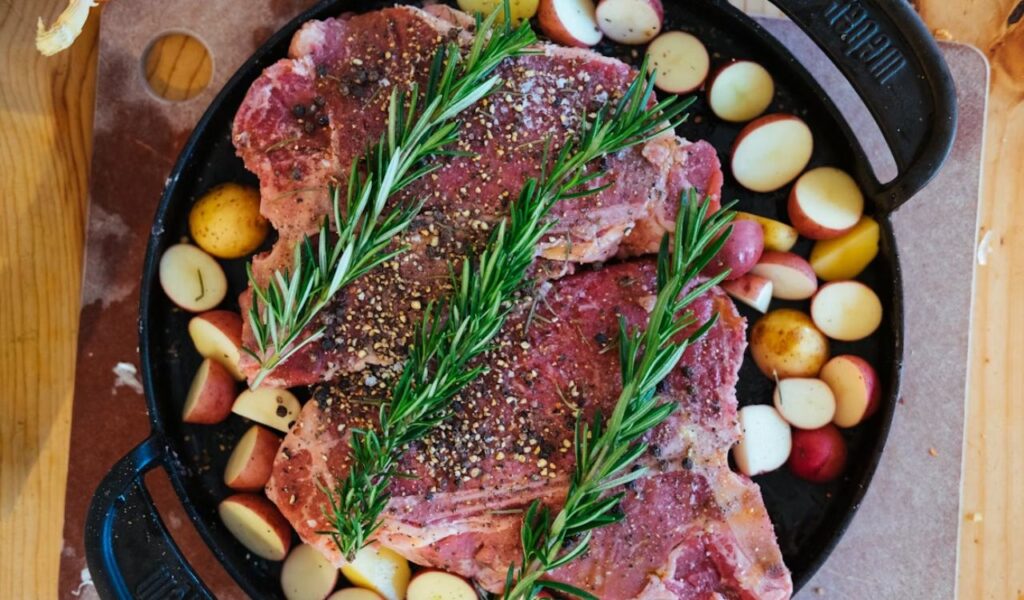
Porterhouse permanently spoils cheap steak by offering contrast and abundance in one cut. It includes both a tenderloin side that melts in the mouth and a strip side that delivers bold beef flavor. This dual experience highlights what cheap steaks lack, which is dimension. Porterhouse also benefits from thickness, allowing proper crust formation without overcooking the interior. The eating experience feels complete rather than compromised. After a porterhouse, thin discount steaks feel narrow in both flavor and satisfaction. They fill space on the plate but not expectations. Porterhouse teaches that steak can offer variety, richness, and balance all at once.