9 Depression Meals Grandma Skipped for Good Reason

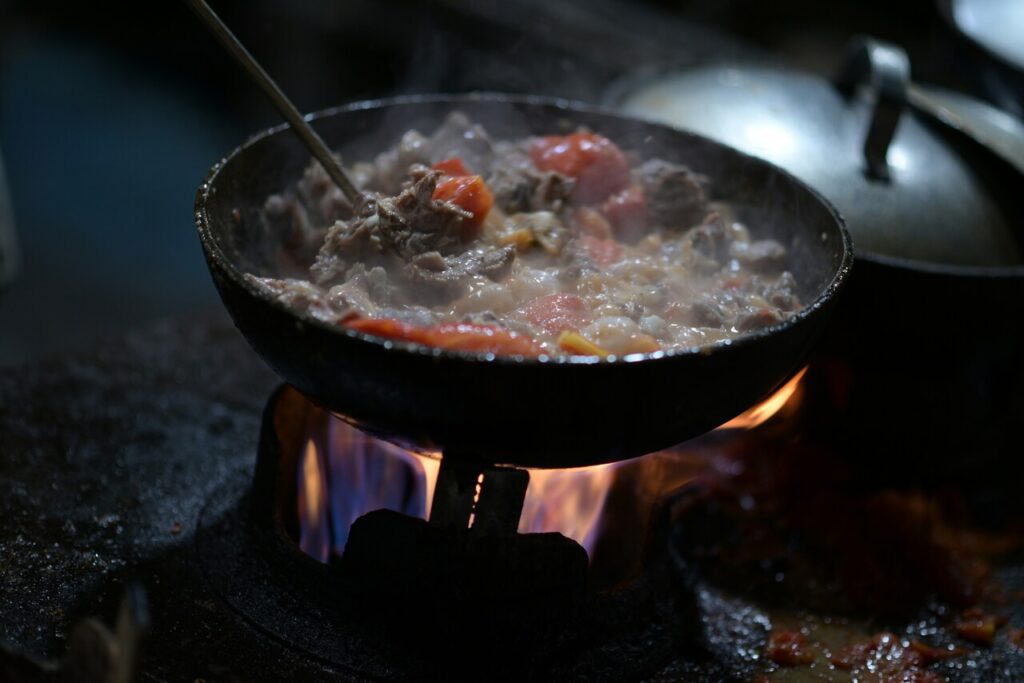
Depression-era meals were built around survival, not enjoyment, forcing families to rely on cheap, filling ingredients and creative substitutions to get through hard times. Grandmothers cooked these dishes out of necessity, stretching bread, water, and scraps into meals that delivered calories when little else was available. While these recipes reflect resilience and resourcefulness, many were tied so closely to scarcity that they vanished once food became plentiful again, remembered more as lessons in endurance than as comfort foods worth repeating.
1. Peanut Butter Stuffed Onions
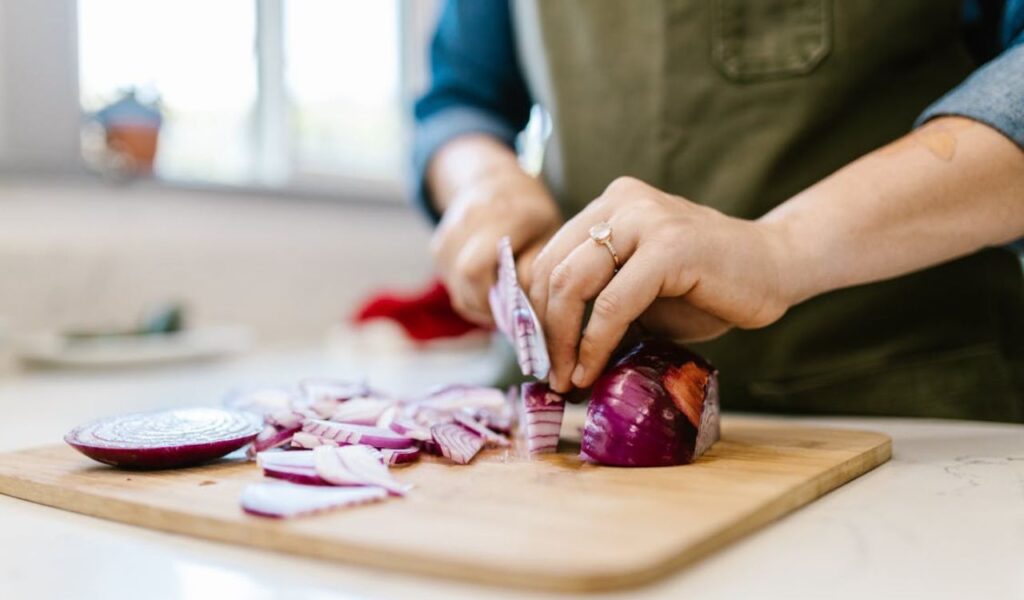
Few Depression recipes capture desperation more clearly than baked onions filled with peanut butter, a combination created when households had to rely on whatever ingredients remained affordable or already stored at home. Onions were cheap, peanut butter lasted long on pantry shelves, and together they produced a filling if unusual meal.
Preparation involved hollowing out onions, packing them with peanut butter, and baking until softened. Heat mellowed the onion’s sharpness while warming the peanut butter into a savory filling.
The pairing reminds modern cooks how survival cooking sometimes prioritized calories and fullness over pleasure, making it a recipe remembered more for necessity than for taste or comfort.
2. Bulldog Gravy with Bread and Lard
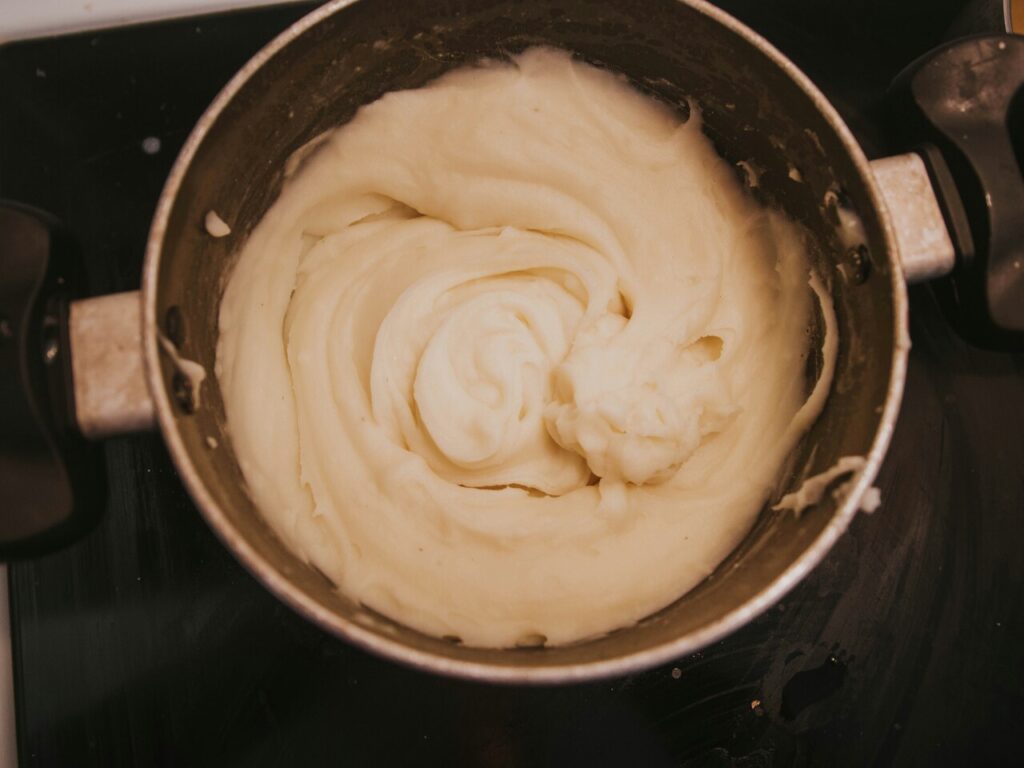
Bulldog gravy, often poured over bread, relied on little more than leftover grease, flour, and water or milk, creating a sauce meant to stretch tiny amounts of fat into a filling meal. Many families served it when meat was unavailable, but hunger still demanded something warm and heavy.
The gravy thickened quickly but lacked real depth, delivering calories rather than flavor. Bread soaked up the sauce, helping portions feel larger, though the texture often turned gummy and greasy without much nutritional value.
Families remembered the dish as survival food rather than comfort food. Once meat and dairy became affordable again, richer gravies and proper breakfasts replaced bulldog gravy.
3. Poorman’s Meal
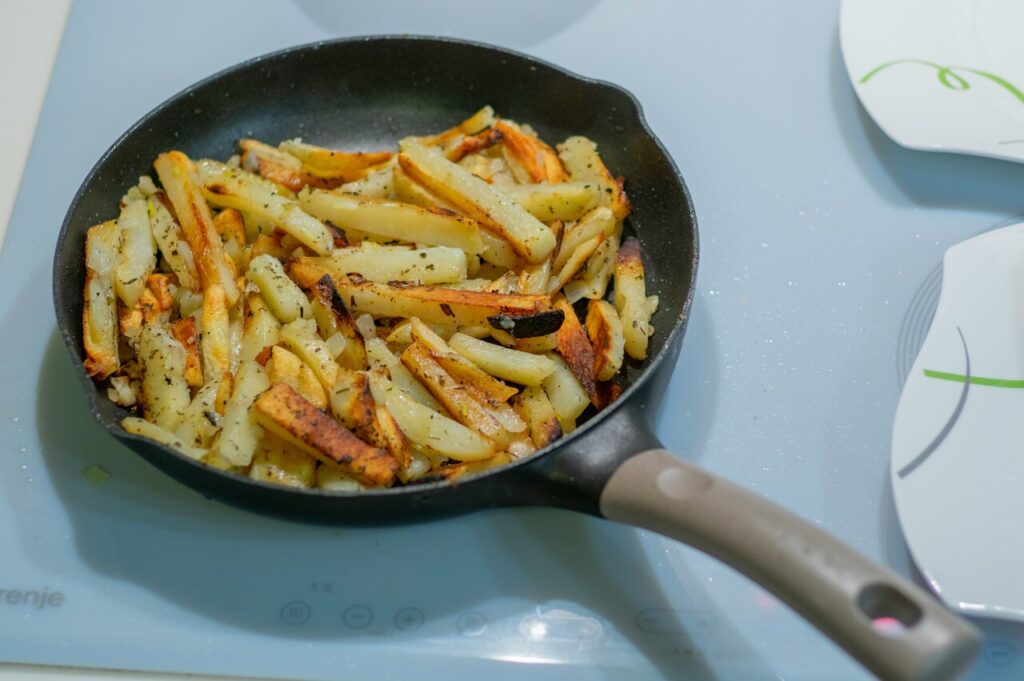
Poorman’s Meal mixed sliced potatoes, onions, and inexpensive hot dogs cooked together in a skillet, creating a cheap, filling dish that could feed families without stretching budgets too far. It appeared often because ingredients stayed affordable and widely available.
The dish relied heavily on starch and minimal protein, with flavor coming mainly from salt and fat released during cooking. Though satisfying when fresh, repetition made the meal feel monotonous for families who ate it frequently during tough years.
When economic conditions improved, households moved toward meals offering greater variety and nutrition. Poorman’s Meal remains nostalgic for some, yet many grandparents preferred not to revisit dishes associated with financial struggle.
4. Water Pie
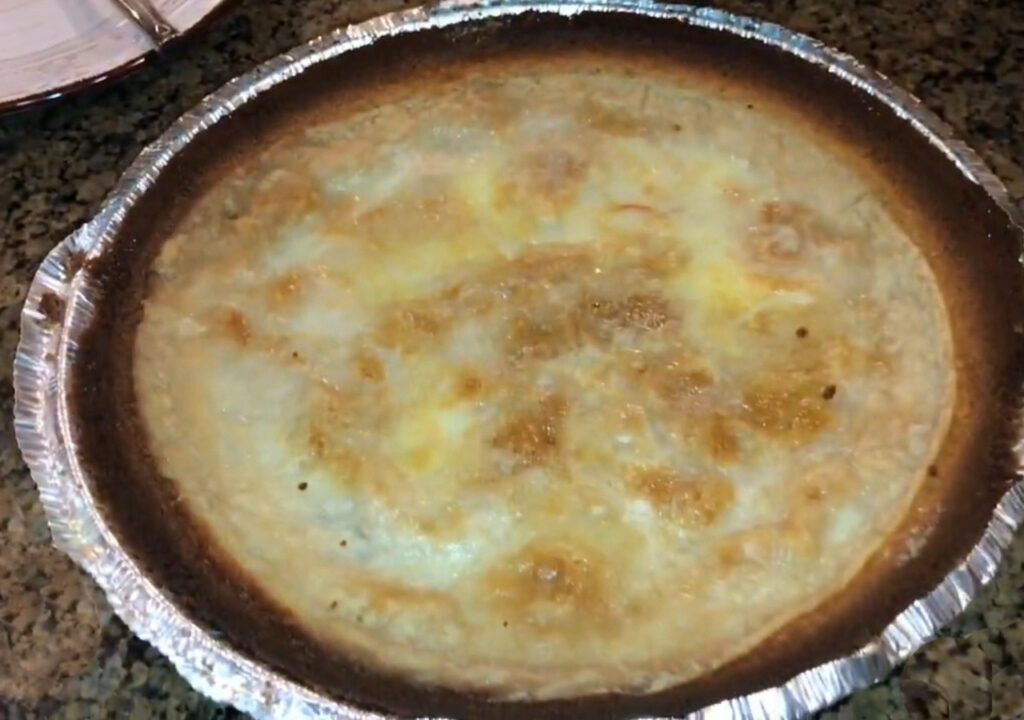
Water pie stands as one of the strangest desserts born from Depression-era ingenuity, built from flour, sugar, butter, and mostly water poured into a pie crust to create something resembling custard after baking. It allowed families to enjoy dessert when eggs or milk were scarce.
During baking, flour and sugar thickened the water into a translucent filling that mimicked richer pies. Though sweet enough to satisfy cravings, the texture and simplicity made it feel more like survival baking than indulgence.
As ingredients became accessible again, cooks gladly returned to fruit pies and custards. Water pie remains historically fascinating, yet few modern families choose it when genuine dessert ingredients are readily available.
5. Bread Soup
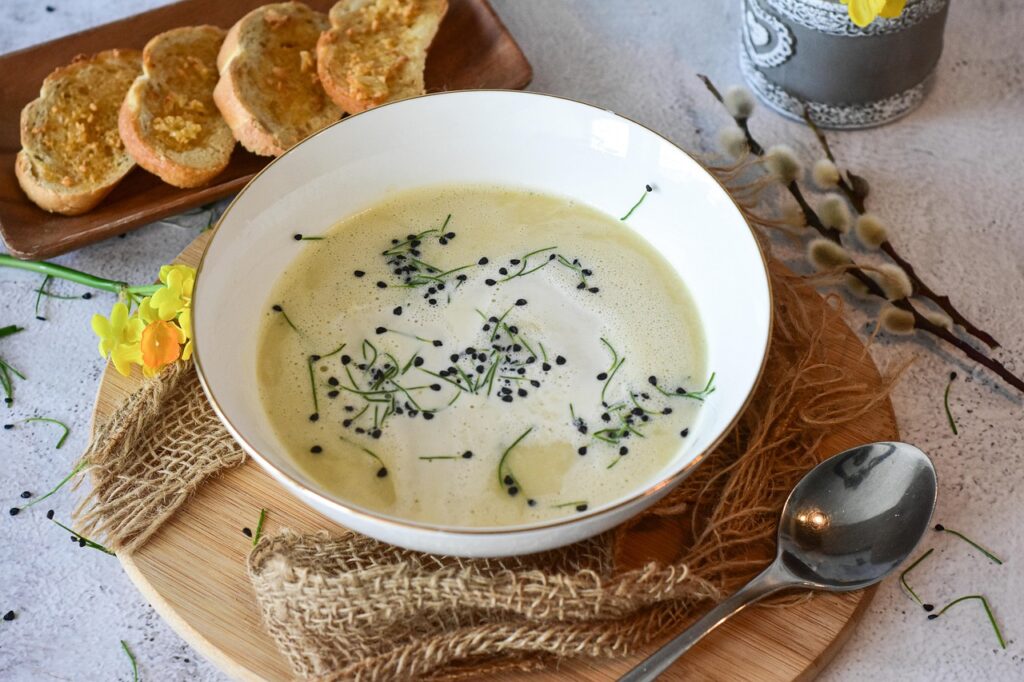
Bread soup developed as a practical solution to avoid wasting stale loaves, turning hardened bread into something edible by soaking and boiling it into thick porridge-like meals. This allowed families to stretch supplies without discarding precious calories.
The dish varied widely depending on available ingredients, sometimes including onions or leftover vegetables, yet the texture often remained heavy and soft. For families eating it frequently, monotony became unavoidable.
Once food shortages eased, families preferred fresh bread or proper soups with vegetables and meat. Bread soup illustrates Depression ingenuity, yet its heavy texture and limited flavor explain why many grandparents happily left it behind.
6. Cold Milk Soup
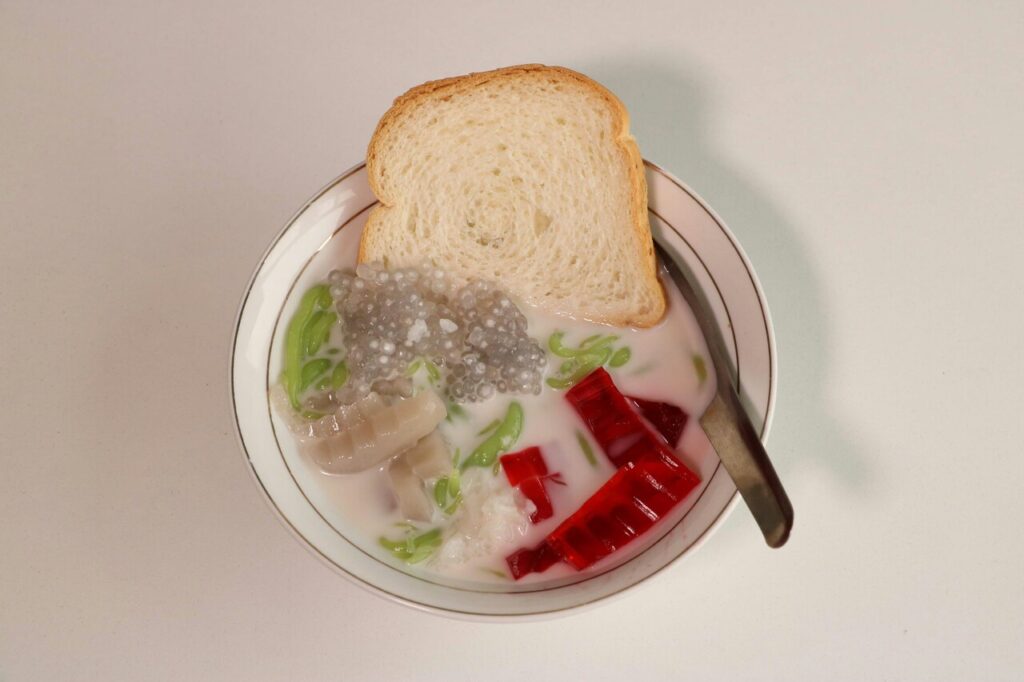
Cold milk soup, sometimes sweetened or paired with sliced bananas or bread, functioned as a quick meal requiring almost no cooking. It provided energy when kitchens lacked ingredients or fuel for elaborate preparation.
While refreshing in warm weather, the dish lacked complexity, often serving more as sustenance than satisfaction. Sugar sometimes improved the taste, yet the meal still felt basic and repetitive.
Modern breakfasts offer countless alternatives, so milk soup faded quickly once economic pressures eased. Its memory survives mostly as proof of how families made do, not as a meal anyone eagerly anticipates today.
7. Cornmeal Porridge
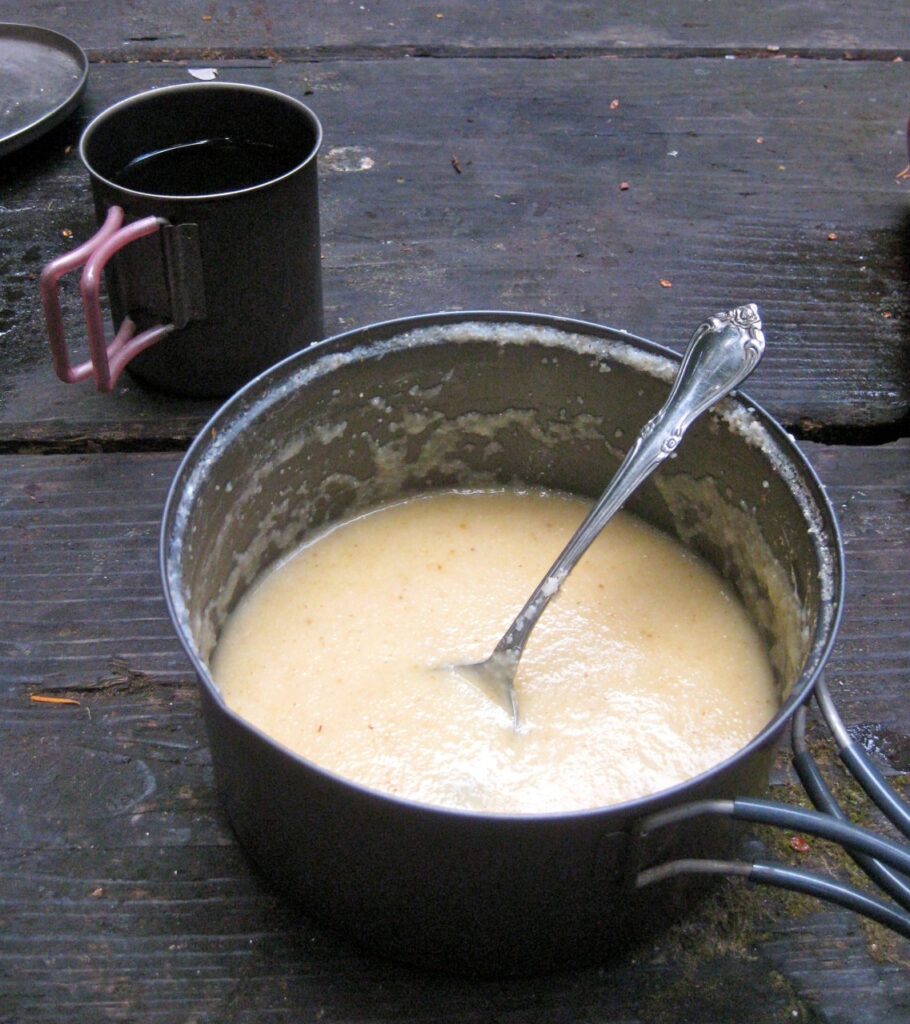
Cornmeal porridge served as a dependable breakfast or supper because cornmeal stayed cheap and widely available. Cooking it with water or milk created a thick, filling bowl that helped families stretch limited food supplies.
The simplicity that made porridge practical also made it dull over time. Without butter or sweeteners, flavor remained minimal, and repeated meals of the same texture wore down enthusiasm even during difficult periods.
As grocery options expanded, families embraced cereals, eggs, and breads, offering variety and richer flavor. Cornmeal porridge remains culturally important in some regions, yet many households welcomed alternatives once they became affordable again.
8. Mock Apple Pie
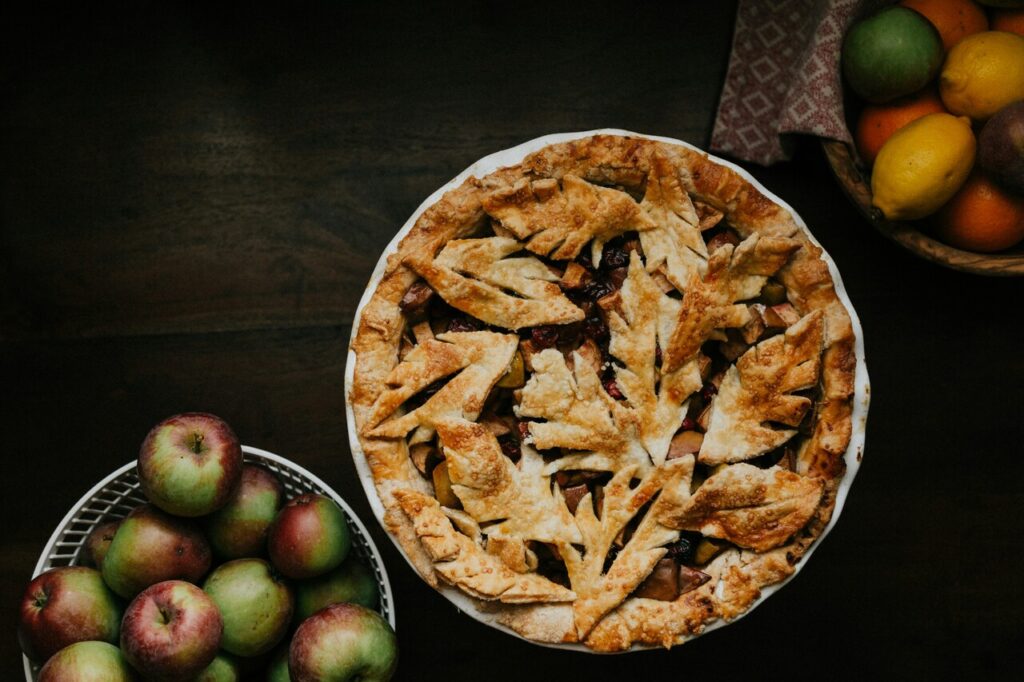
Mock apple pie famously replaced apples with crackers, sugar, and spices, allowing families to enjoy pie even when fruit proved too expensive or unavailable. The spices tricked taste buds into sensing apple-like flavors despite the absence of real fruit.
Texture, however, revealed the difference. Crackers softened differently than apples, creating a filling that felt unusual, even if the sweetness and spices offered some comfort during lean times.
Once apples became affordable again, bakers abandoned the imitation version. Mock apple pie showcases Depression creativity, yet it also proves that substitutes rarely match the real thing when genuine ingredients return.
9. Mulligan Stew
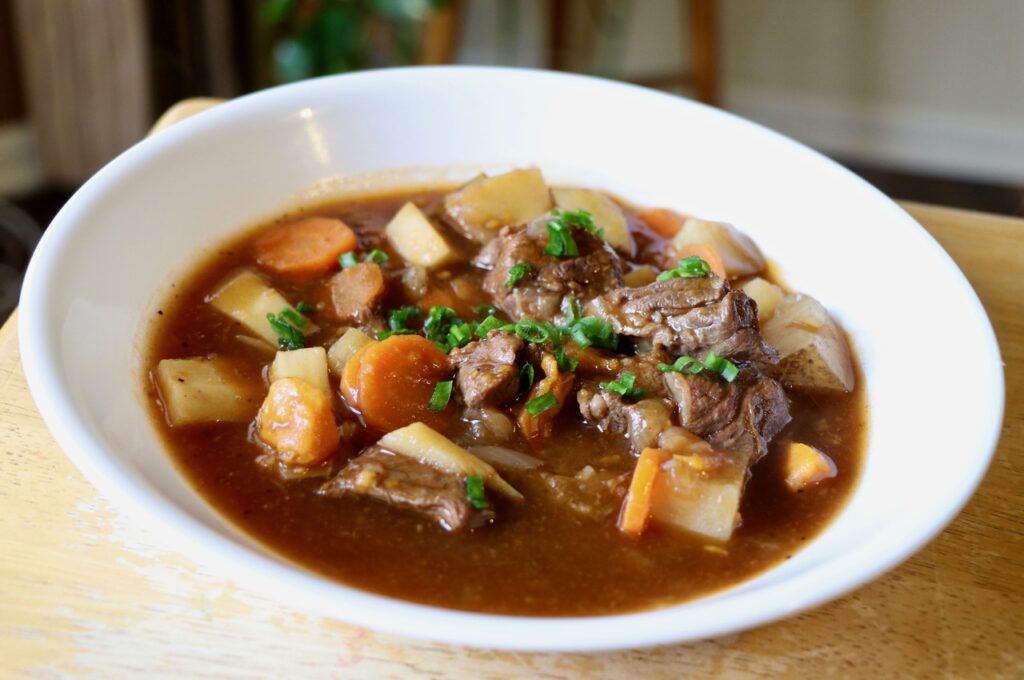
Mulligan stew embodied communal survival cooking, combining whatever vegetables, scraps, or small meat portions households could gather into one pot meant to feed many people. No strict recipe existed because ingredients changed constantly.
The stew’s success depended entirely on what went into it. Some batches tasted hearty, while others felt thin or inconsistent, reflecting scarcity more than culinary planning.
When food security improved, families preferred predictable meals with planned ingredients. Mulligan stew remains part of folklore and memory, yet many grandparents gladly retired it once they no longer needed to rely on uncertain mixtures to fill plates.