12 80s TV Dinners Tasting Worse Than You Remember

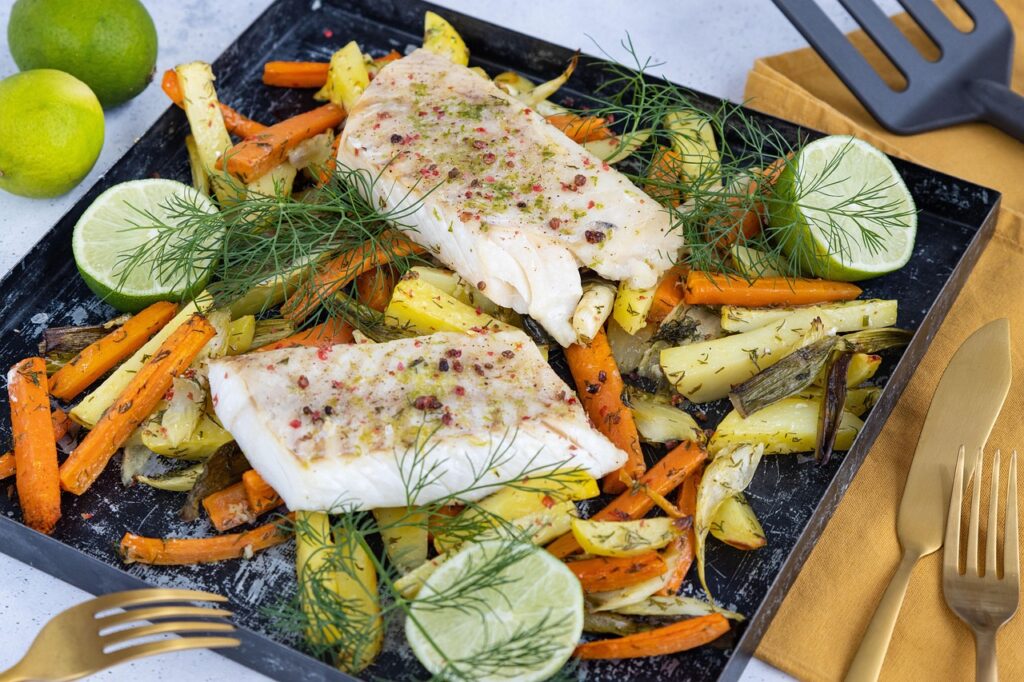
For many families, 80s TV dinners meant freedom from cooking and the fun of eating in front of the television, turning ordinary evenings into small events built around frozen trays and favorite shows. Yet revisiting these meals today reveals how much nostalgia shaped their appeal, since freezing and reheating often dulled flavors and softened textures. What once felt exciting now shows the tradeoff between convenience and quality, reminding diners how dramatically expectations around flavor, freshness, and comfort food have changed over time.
1. Salisbury Steak TV Dinner
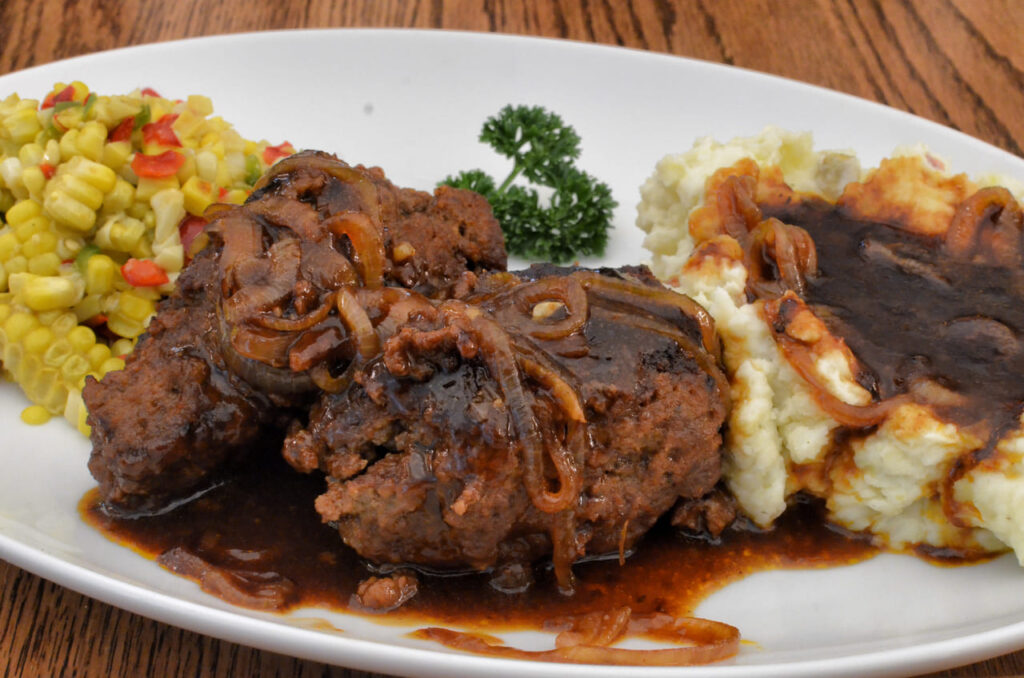
Few meals defined the classic TV dinner era more than Salisbury steak swimming in brown gravy, usually paired with mashed potatoes and a small vegetable portion.
Revisiting the meal now often reveals a softer, processed texture where the meat patty feels dense rather than juicy. Freezing and reheating tend to separate the gravy while flattening the seasoning, leaving a salty yet muted flavor that struggles to match memories shaped by childhood expectations.
Modern tastes lean toward fresher ingredients and better meat quality, so the once comforting dish can feel bland or overly soft. What once seemed hearty now highlights how frozen processing changes texture and flavor over time.
2. Turkey with Stuffing and Peas Dinner

Holiday-style turkey dinners in frozen trays once felt like miniature celebrations, offering slices of turkey, stuffing, gravy, and vegetables in convenient portions. Families embraced the idea of enjoying festive flavors without cooking an entire meal from scratch.
Reheating often leaves slices dry while stuffing becomes dense and peas turn soft and watery, stripping away the comforting textures people associate with home-cooked holiday meals.
Compared with freshly roasted turkey, these trays reveal how freezing dulls subtle flavors and alters moisture levels. The memory remains comforting, but the experience today often reminds diners how much real holiday meals depend on freshness and careful preparation.
3. Fried Chicken TV Dinner
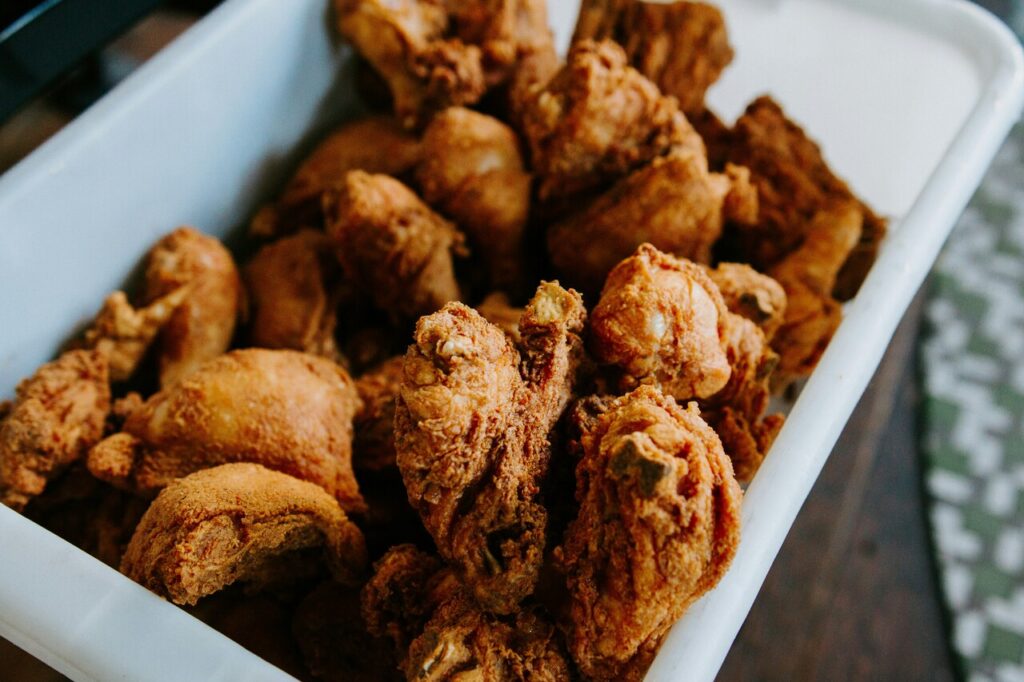
Frozen fried chicken promised crispy comfort in a convenient format, making it one of the most exciting compartments in classic dinner trays. The appeal relied heavily on the idea of crunchy coating paired with tender meat.
The challenge appears during reheating, when crisp breading absorbs moisture and becomes soft instead of crunchy. Microwaving worsens this effect, leaving the chicken coating limp and sometimes greasy while meat loses juiciness.
As modern diners expect crisp fried chicken, revisiting frozen versions often disappoints. What once passed as convenient comfort now highlights how difficult it is to preserve fried textures through freezing and reheating processes.
4. Beef Pot Roast Dinner
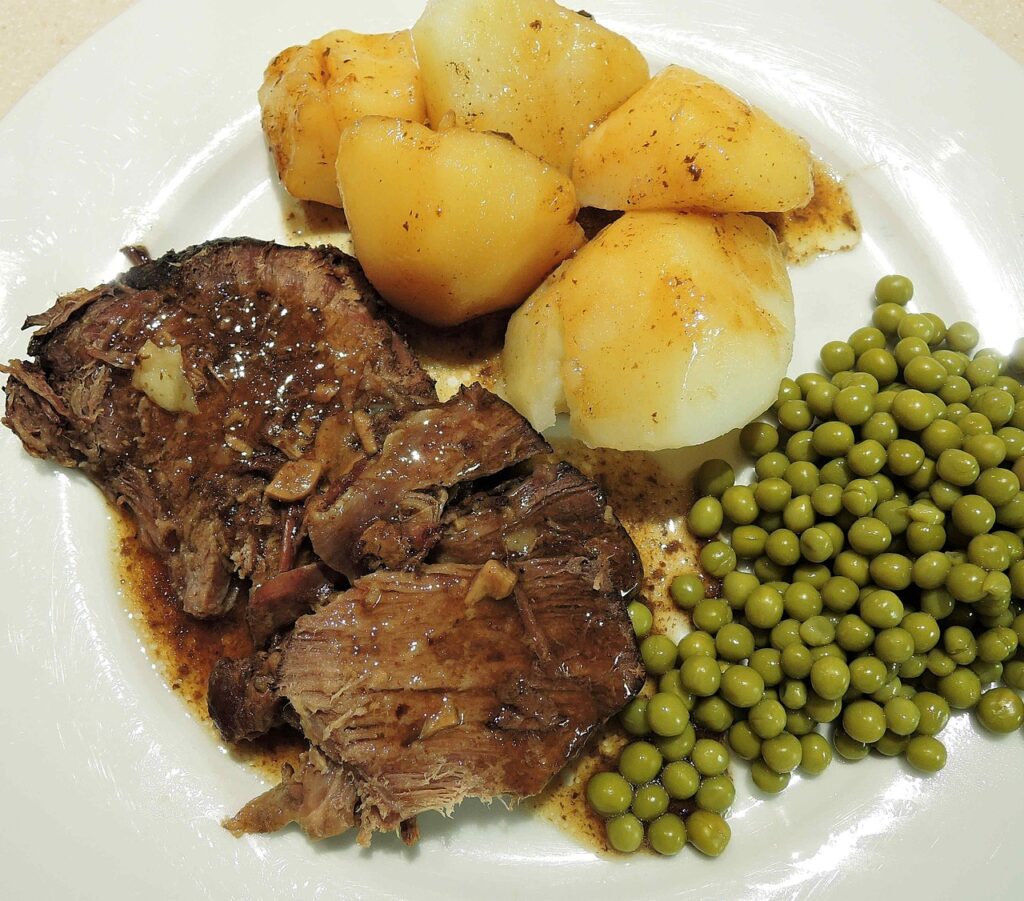
Pot roast dinners aimed to recreate slow-cooked comfort food with tender beef and vegetables in gravy. Families enjoyed the idea of hearty home cooking without the hours required to prepare it traditionally.
In practice, frozen pot roast often develops rubbery meat and overly soft vegetables. Carrots and potatoes absorb excess moisture during reheating, losing the firm texture that makes fresh pot roast satisfying.
Comparisons with real slow-cooked meals expose the limitations of frozen versions. The dish still evokes comforting memories, yet modern palates quickly notice how freezing alters both flavor and mouthfeel, making the meal less satisfying than remembered.
5. Mashed Potatoes and Gravy Compartment
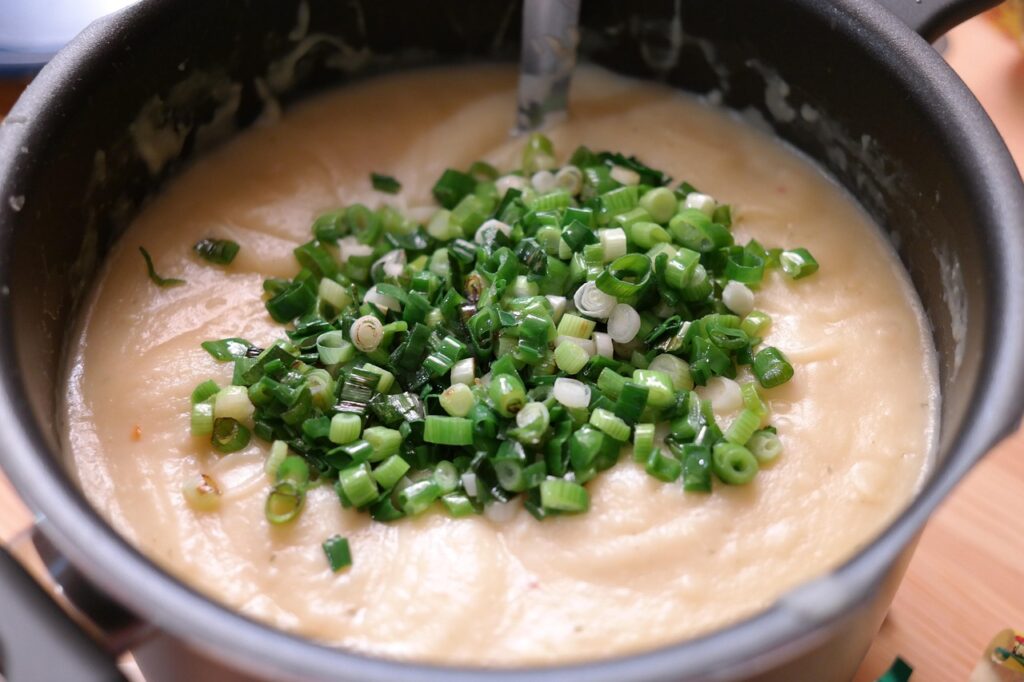
Mashed potatoes and gravy frequently served as the comfort anchor in TV dinners, filling trays with creamy familiarity. As kids, many diners focused more on the gravy-covered potatoes than the main entrée itself.
After freezing and reheating, however, potatoes often become pasty or grainy rather than smooth. Gravy can separate or taste overly salty, masking rather than enhancing flavor.
With fresh mashed potatoes widely accessible today, returning to frozen versions highlights how texture matters. The nostalgic comfort remains, yet the eating experience often falls short compared with real mashed potatoes prepared fresh at home.
6. Hamburger Steak Dinner
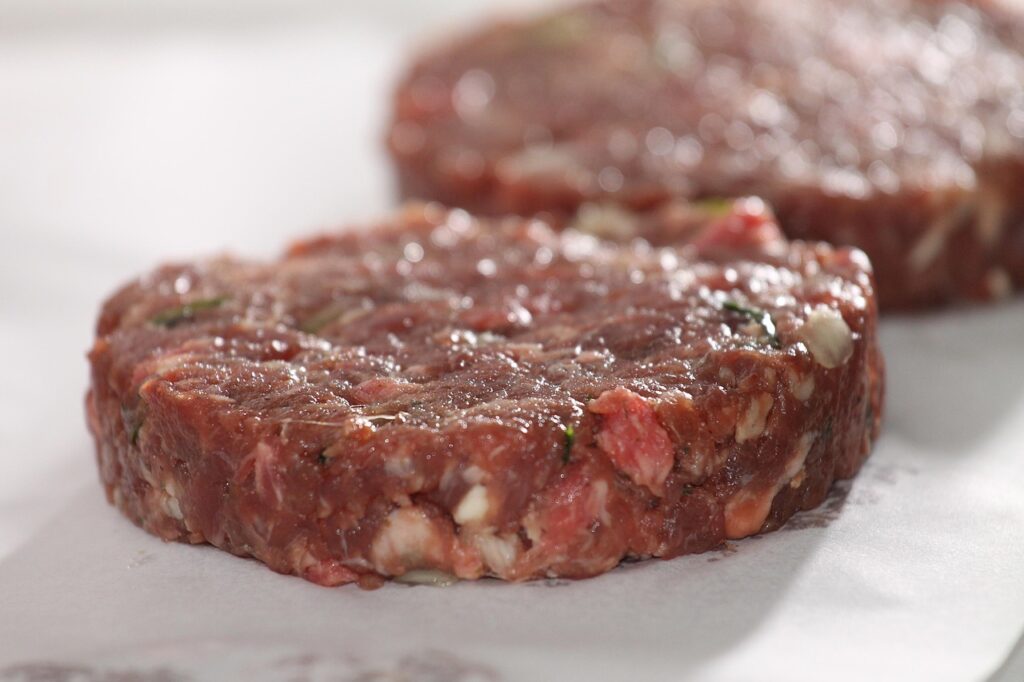
Hamburger steak trays attempted to deliver classic diner-style meals with beef patties, gravy, and sides in convenient frozen form. For busy families, it offered a fast alternative to cooking burgers from scratch.
Frozen processing compresses meat texture, and reheating sometimes results in dense patties lacking juiciness. Gravy adds moisture but cannot fully restore freshness lost during freezing.
As burger expectations have evolved toward fresh-ground beef and bold seasoning, revisiting frozen hamburger dinners reveals how much flavor and texture convenience foods once sacrificed for speed and affordability.
7. Meatloaf TV Dinner
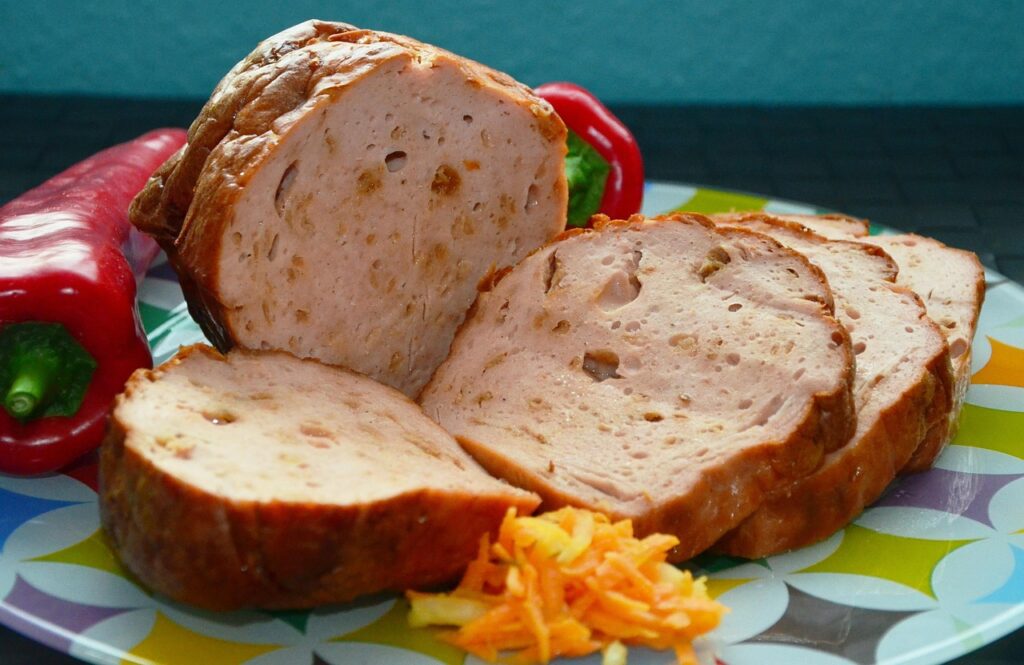
Frozen meatloaf dinners brought comfort food into busy households, pairing sliced meatloaf with potatoes and vegetables for easy weeknight meals. The dish carried familiar flavors that felt homey despite commercial preparation.
Yet meatloaf loses moisture during freezing and reheating, often becoming firm and crumbly instead of tender. Sauce helps, but reheating can create uneven warmth and muted seasoning.
Modern cooks often prefer homemade versions that retain moisture and flavor balance. Revisiting frozen meatloaf shows how texture shifts can transform a once comforting dish into something less enjoyable with adult expectations.
8. Pork Chop TV Dinner
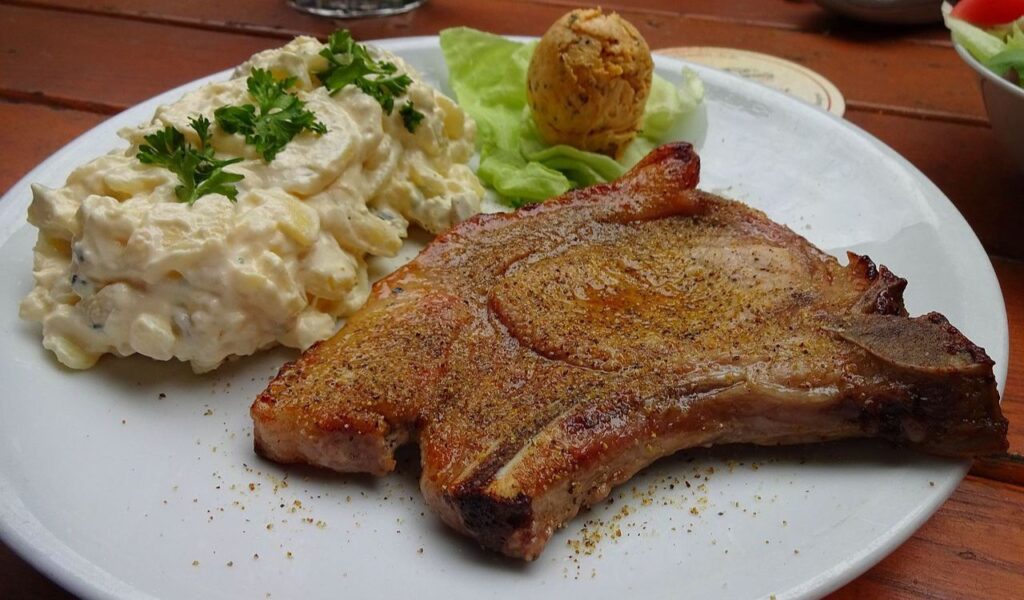
Pork chop dinners once seemed like premium options among frozen trays, promising hearty portions without kitchen effort. They appealed to families seeking variety beyond beef and chicken options.
However, pork becomes tough easily when reheated from frozen. Thin chops often dry out, while sauces fail to restore juiciness, leaving meat chewy and less flavorful than expected. Reheating slowly with added moisture can help, but texture rarely returns fully once overcooked.
As fresh pork dishes improved over time, frozen versions began to feel less satisfying. Memories of hearty dinners often fade when confronted with the reality of reheated pork lacking tenderness.
9. Frozen Vegetable Side Compartments
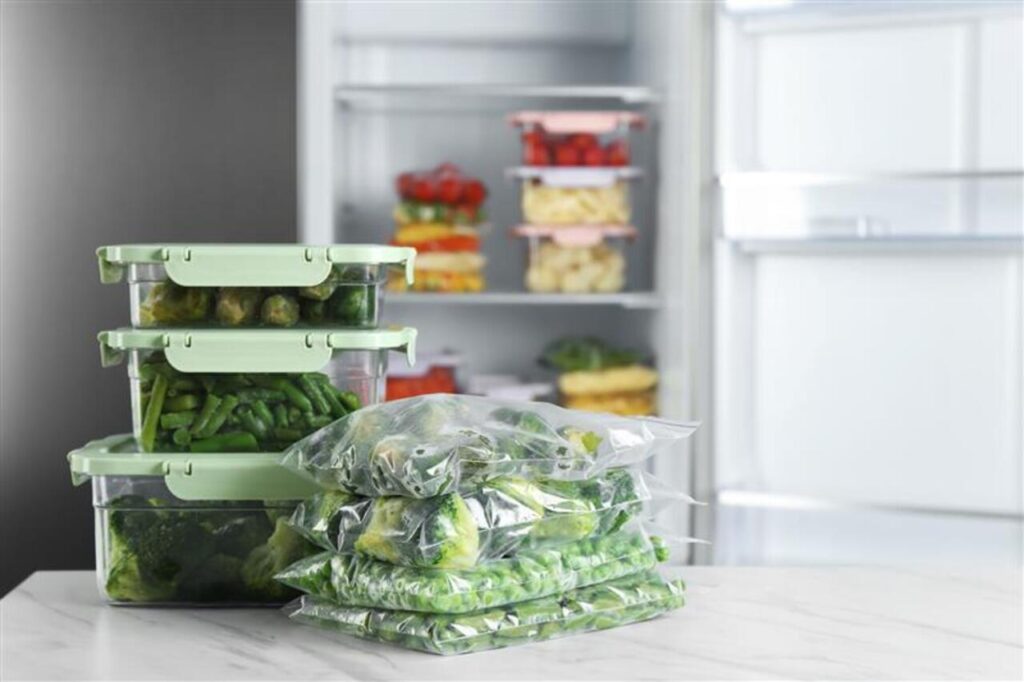
Vegetable sides in TV dinners offered color and balance, typically including peas, carrots, or corn to complete the meal visually. At the time, simply having vegetables present seemed enough.
Freezing and reheating soften vegetables significantly, causing peas and carrots to become mushy and lose natural sweetness. Excess moisture dulls both texture and flavor. Ice crystals formed during freezing break down cell structure, which leads to softer results after reheating.
Fresh vegetables now set higher expectations, making frozen sides seem bland by comparison. Revisiting these compartments highlights how much vegetable quality influences meal satisfaction.
10. Macaroni and Cheese Dinner Section
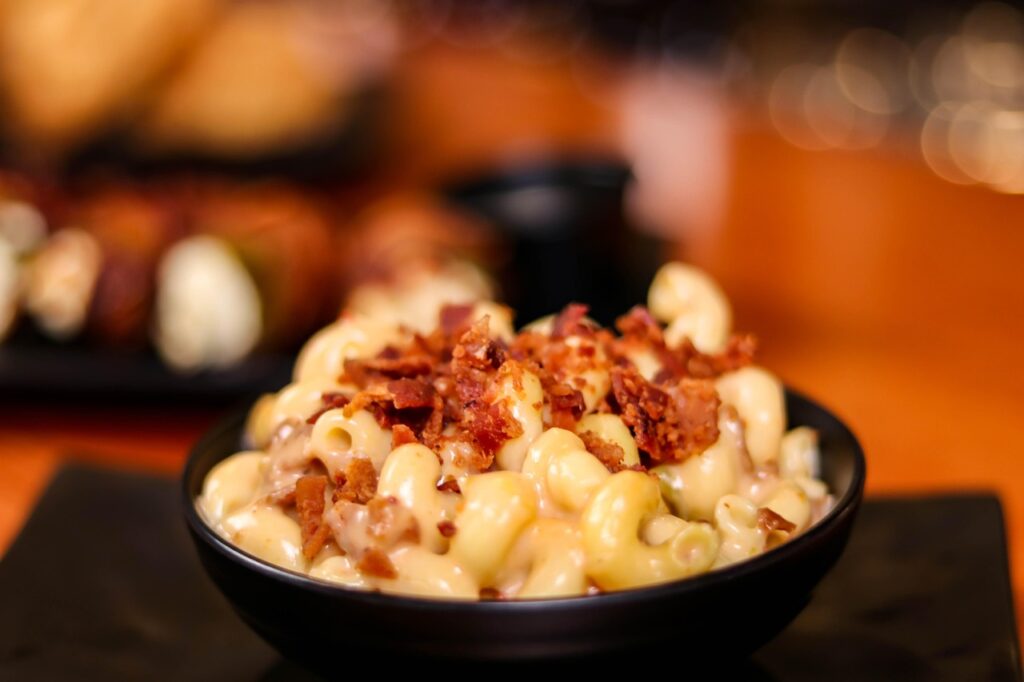
Macaroni and cheese compartments often stole attention from main dishes, offering creamy comfort in bright orange hues that appealed strongly to kids. The simplicity made it a favorite part of many trays.
Reheated versions sometimes lose creaminess, with sauce separating or becoming thin. Pasta can turn soft, removing the satisfying bite associated with freshly prepared macaroni dishes. Adding a small splash of milk or cream during reheating can help restore some smoothness.
With countless fresh and boxed alternatives now available, frozen versions reveal their limitations. Nostalgia remains strong, yet texture and flavor often feel weaker compared with modern expectations.
11. Fish Stick or Fried Shrimp Dinner
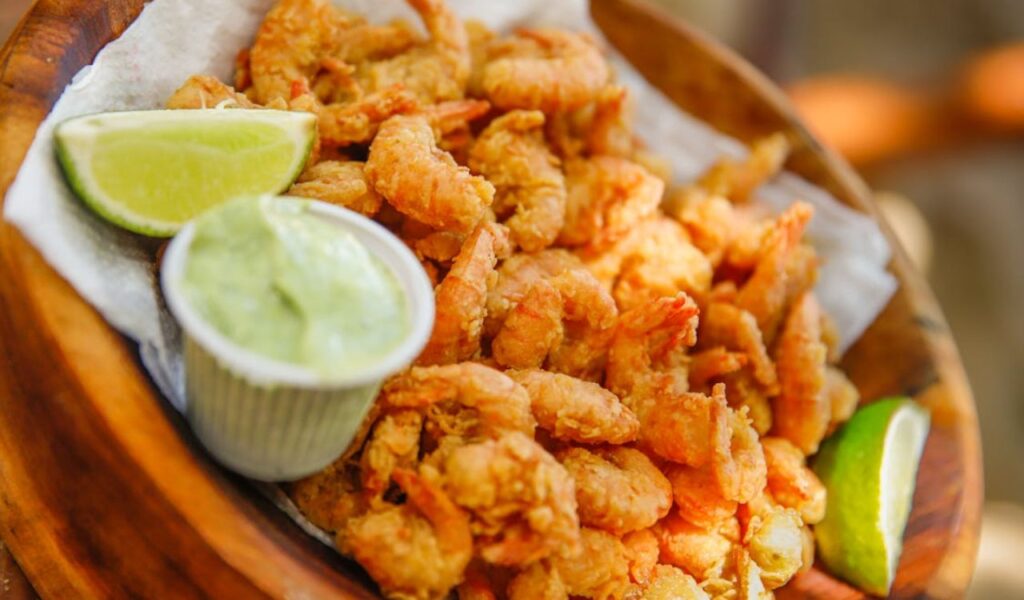
Seafood compartments promised variety in frozen dinners, delivering breaded fish sticks or shrimp with fries or vegetables. Kids especially enjoyed these sections due to familiar flavors.
Reheating presents challenges, as breading absorbs moisture while seafood becomes rubbery or overly fishy. Crunch disappears quickly, altering the entire eating experience. Using an oven or air fryer can help restore some crispness compared with microwaving.
Modern frozen seafood products improved, yet older versions show how freezing once compromised delicate proteins. Revisiting these trays often reveals how much texture influences enjoyment.
12. Chicken and Dumplings TV Dinner
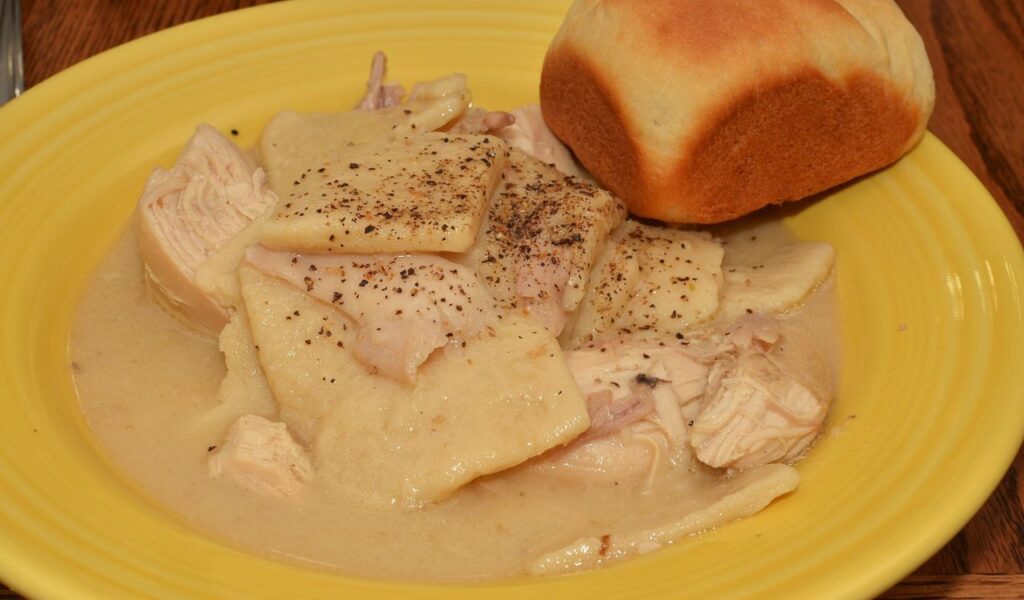
Few frozen meals promised comfort quite like chicken and dumplings, offering tender chicken pieces in thick gravy with soft dumplings meant to recreate slow-cooked home meals. Families often choose this option, expecting warmth and heartiness without spending hours cooking on busy weeknights.
Reheating, however, frequently exposed weaknesses in texture. Dumplings often turned overly soft while the gravy separated or thinned, leaving chicken pieces tasting bland rather than rich and savory. The delicate balance that makes fresh chicken and dumplings satisfying rarely survives freezing and microwave reheating.
Returning to these dinners today often highlights how much the dish depended on freshness and slow cooking to succeed. Nostalgia may recall cozy evenings, yet modern tastes quickly notice the difference between homemade versions and frozen trays that struggled to capture the comforting depth people remembered.