6 Asian Dishes Packed With Ingredients Most People Would Never Expect

Some of the most surprising meals are the ones that look completely familiar. Across Asia, everyday dishes often rely on ingredients most diners would never guess are hiding inside them. These additions are not meant to shock or impress. They exist because they deepen flavor, improve texture, and reflect generations of practical cooking wisdom. What seems simple at first bite slowly reveals layers shaped by fermentation, preservation, and balance. These dishes invite curiosity, reward an open mind, and show how unexpected ingredients can quietly transform comfort food into something memorable.
1. Thai Green Papaya Salad With Fermented Crab
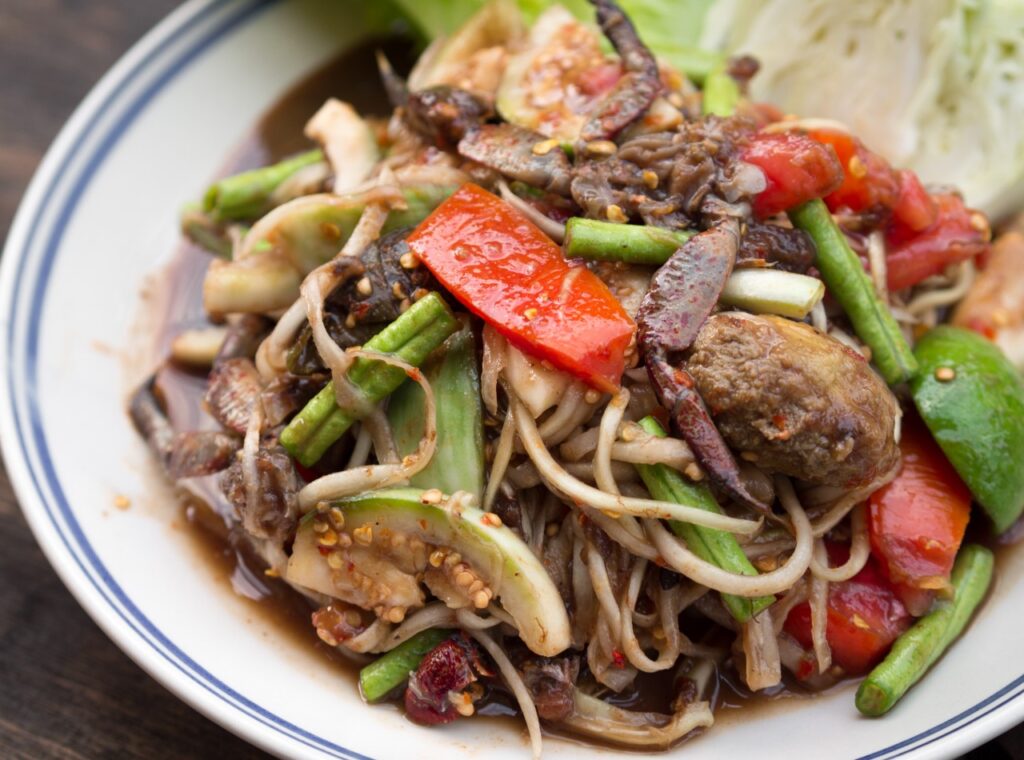
This salad often looks light, fresh, and harmless, but in parts of Thailand and Laos it carries a deeply fermented surprise. Fermented field crab is crushed directly into the dressing, where it dissolves rather than standing out. The crab adds saltiness, funk, and umami that balance the sharp lime juice and heat from chilies. It reflects a preservation tradition shaped by rural life, where fermentation allowed protein to last without refrigeration. To newcomers, the ingredient sounds intense, yet the final dish tastes complex rather than fishy. For locals, this version is not extreme. It is considered complete, satisfying, and rooted in everyday food culture rather than novelty.
2. Japanese Curry Rice With Chocolate
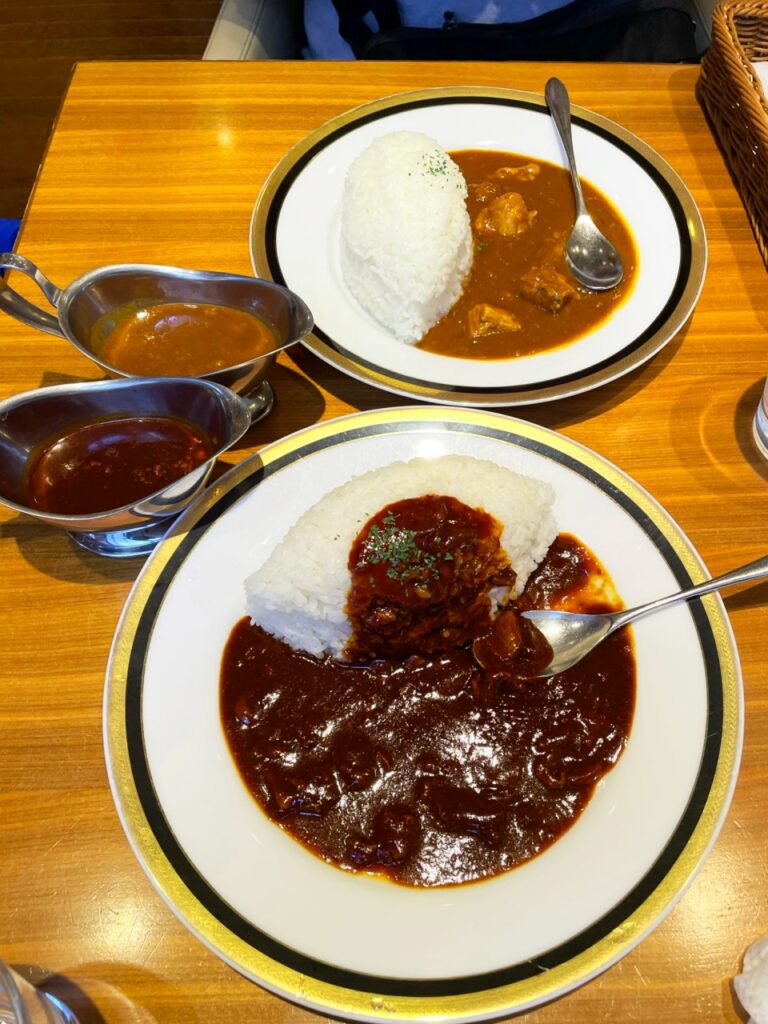
Japanese curry is famous for being smooth, mild, and comforting, but its depth often comes from an ingredient most people never expect to find in a savory dish. Small amounts of chocolate or cocoa are commonly added during cooking. The goal is not sweetness. Chocolate deepens color, softens sharp spice edges, and adds subtle bitterness that makes the sauce feel round and cohesive. This technique mirrors the use of coffee in stews elsewhere. Diners rarely detect chocolate itself, but they notice the curry tastes fuller and more balanced. Once people learn this secret, many home cooks adopt it because the difference is unmistakable.
3. Filipino Chocolate Rice Porridge With Ginger
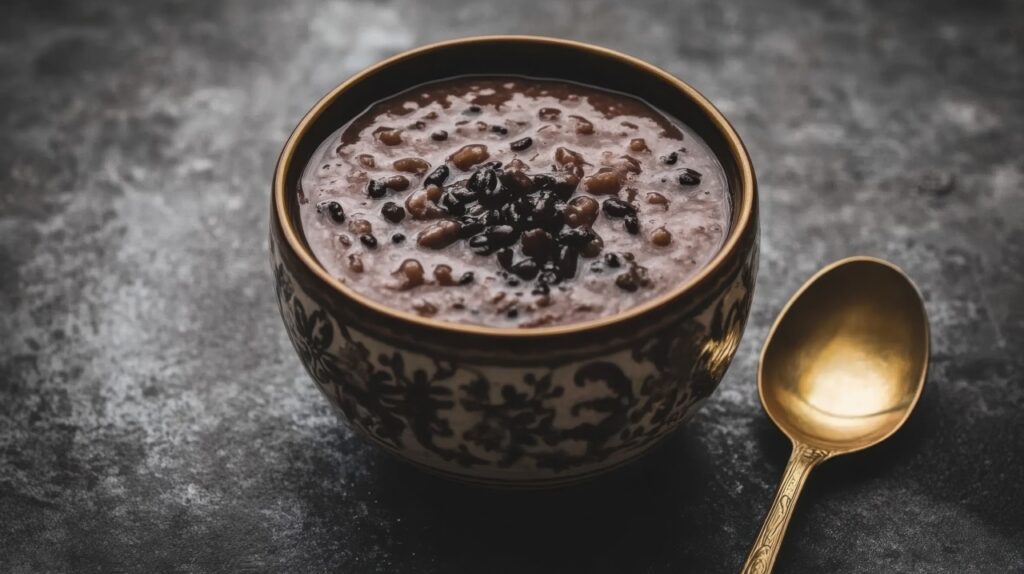
Champorado looks like dessert, but it behaves very differently once you taste it. Made with local cocoa tablets rather than sweet chocolate, the porridge is earthy and only lightly sweet. Ginger is often added to warm the body and balance the richness of the cocoa. Traditionally eaten with salty dried fish, the dish plays on contrast rather than indulgence. Chocolate becomes savory, rice becomes creamy, and ginger keeps the porridge from feeling heavy. This combination reflects how Filipino cuisine treats chocolate as a serious ingredient rather than a sugary topping. The result is comforting, filling, and quietly surprising.
4. Chinese Century Egg Porridge
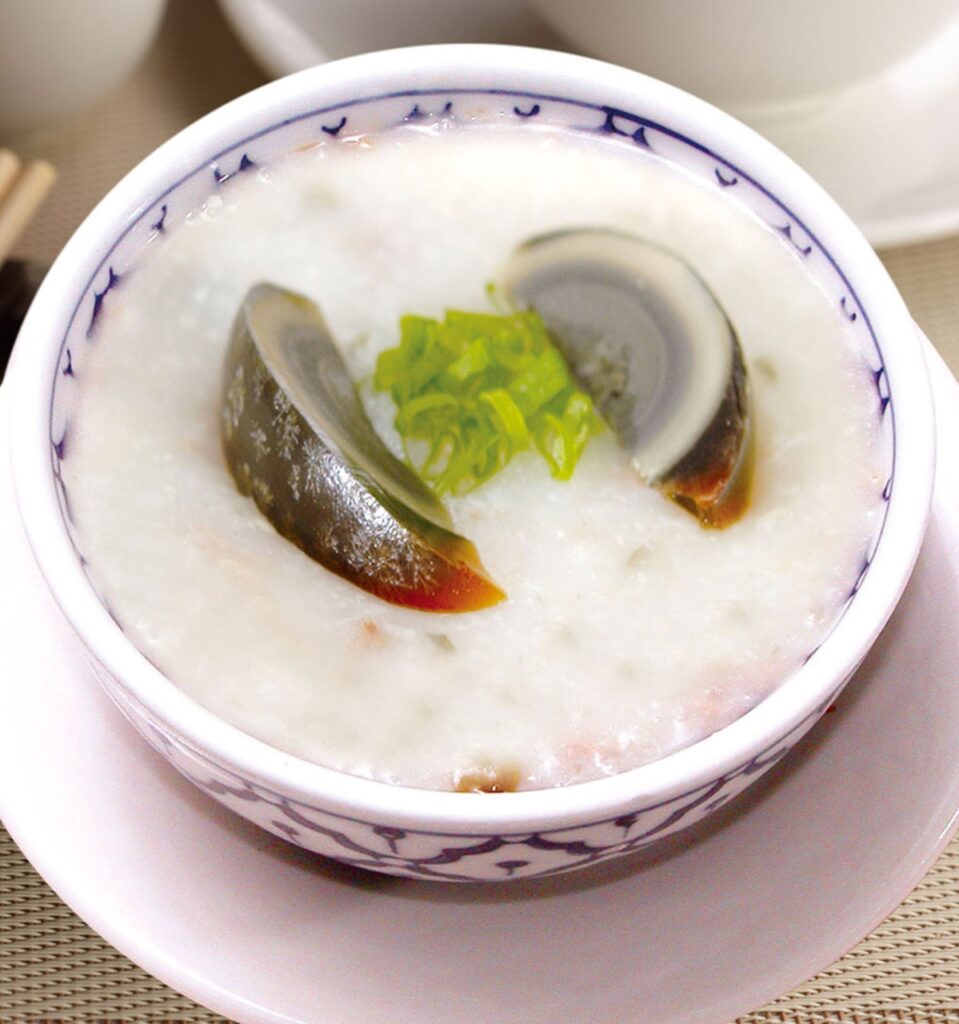
Century eggs have a reputation that often scares people away before tasting them. Preserved through an alkaline curing process, they look dramatic on their own. When added to hot rice porridge, however, they dissolve into the dish, lending umami and creaminess rather than sharp flavor. The egg enriches the congee much like aged cheese enriches a sauce. This pairing developed as a practical way to preserve food and stretch ingredients, but it remains popular because of its soothing texture and depth. Most first-time diners are surprised by how mild and comforting the porridge tastes. Once mixed in, the egg’s bold appearance disappears entirely, leaving only richness behind.
5. Indonesian Beef Rendang With Toasted Coconut
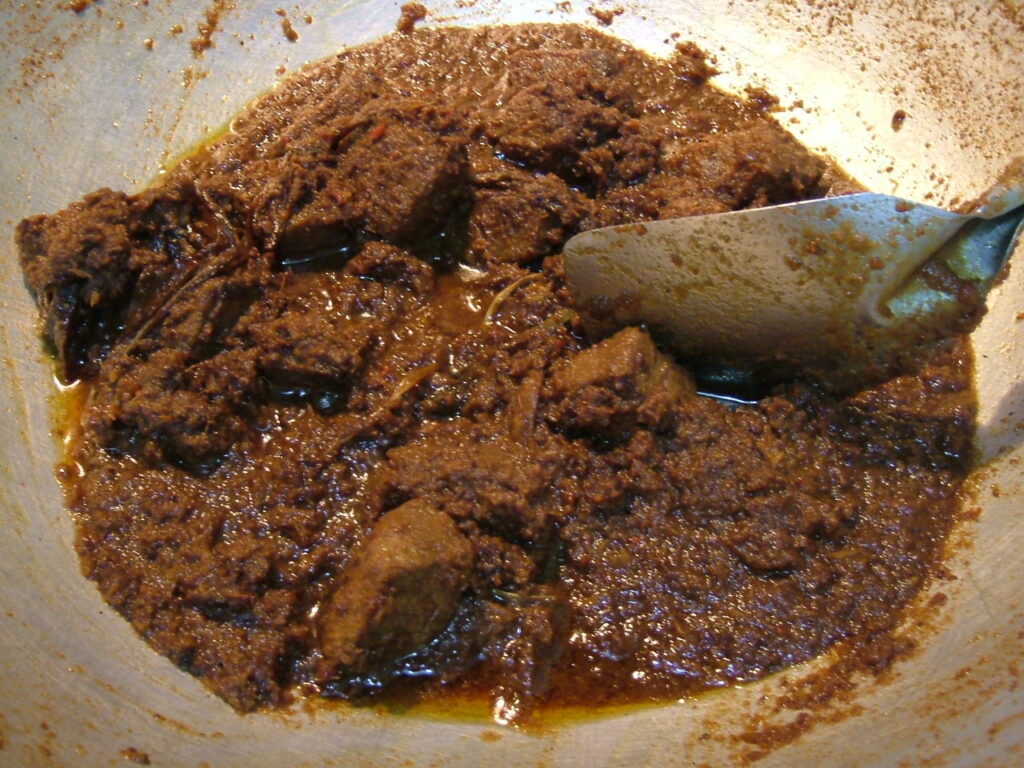
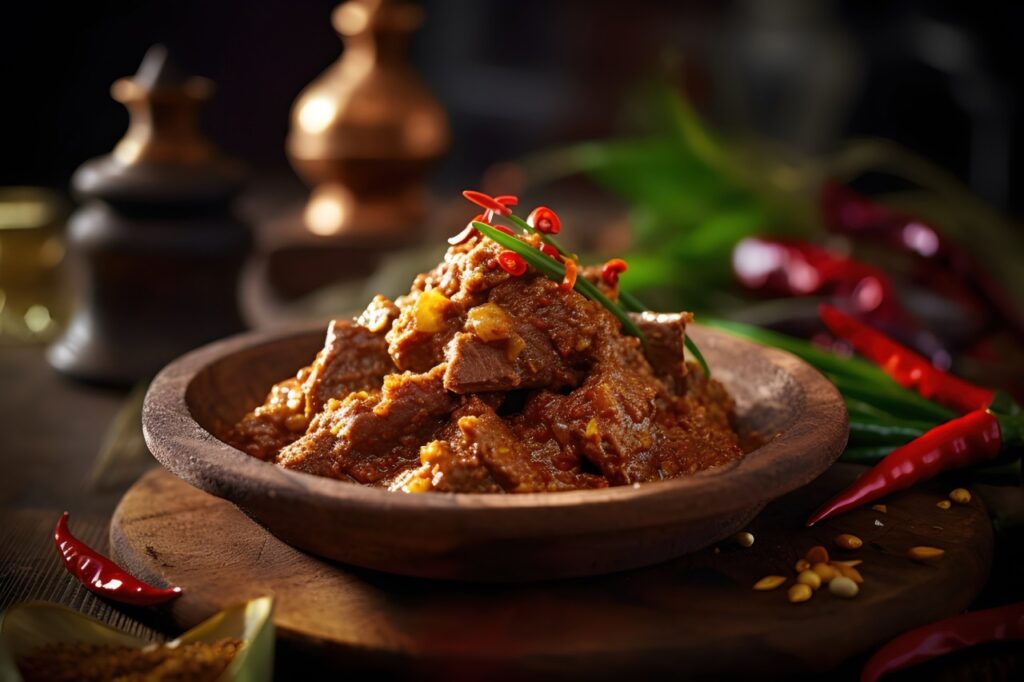
Rendang is often assumed to be rich because of coconut milk alone, but toasted grated coconut plays a critical role. Slowly cooked until its oils release and solids darken, the coconut thickens the sauce as the beef simmers for hours. It adds nutty depth and helps spices cling to the meat as moisture evaporates. This technique allowed rendang to last longer without refrigeration, making it practical as well as celebratory. Without toasted coconut, rendang would lose its dense texture and intense flavor. It also creates the dry, caramelized finish that defines authentic rendang rather than a typical coconut curry.
6. Vietnamese Snail Soup With Green Banana
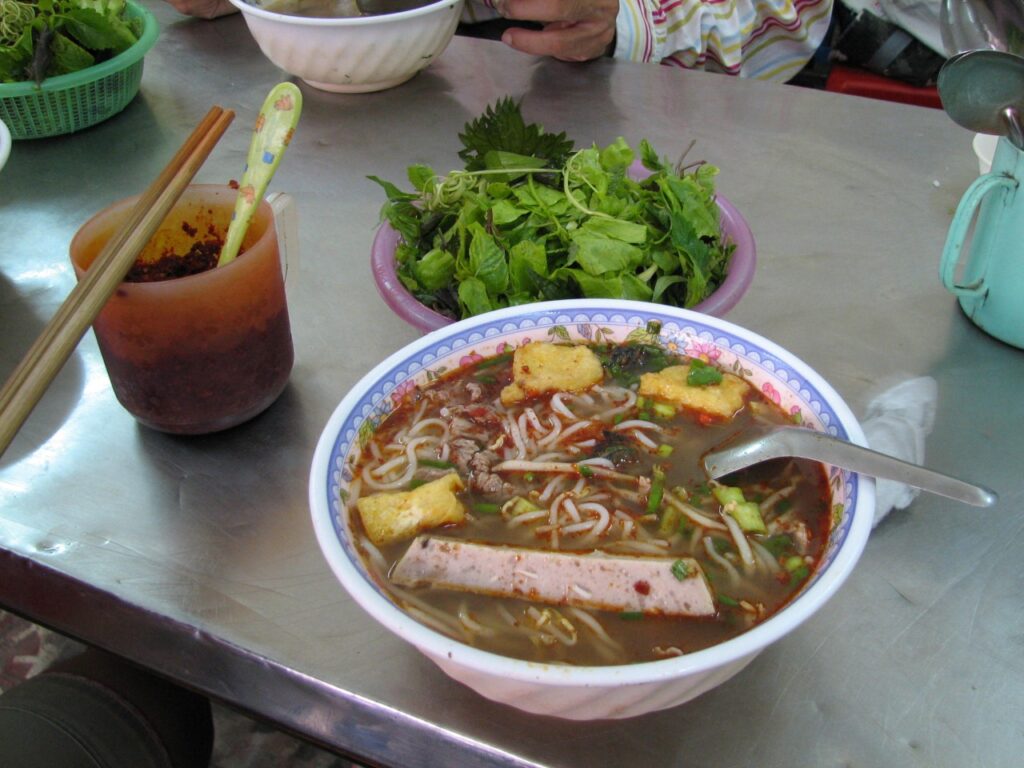
In Vietnamese cooking, bananas are not always sweet. Unripe green bananas are treated as vegetables, especially in snail soup. They hold their shape during cooking and absorb broth, adding substance without overpowering the dish. Paired with freshwater snails, fermented shrimp paste, and herbs, the bananas balance briny flavors while making the soup filling. Their mild starchiness keeps the dish grounded and comforting. Many diners never realize bananas are involved because the soup tastes savory and herbal. This pairing shows how familiar foods can take on unexpected roles when used thoughtfully.