7 Italian Appetizers That Look Fancy but Are Shockingly Easy to Make

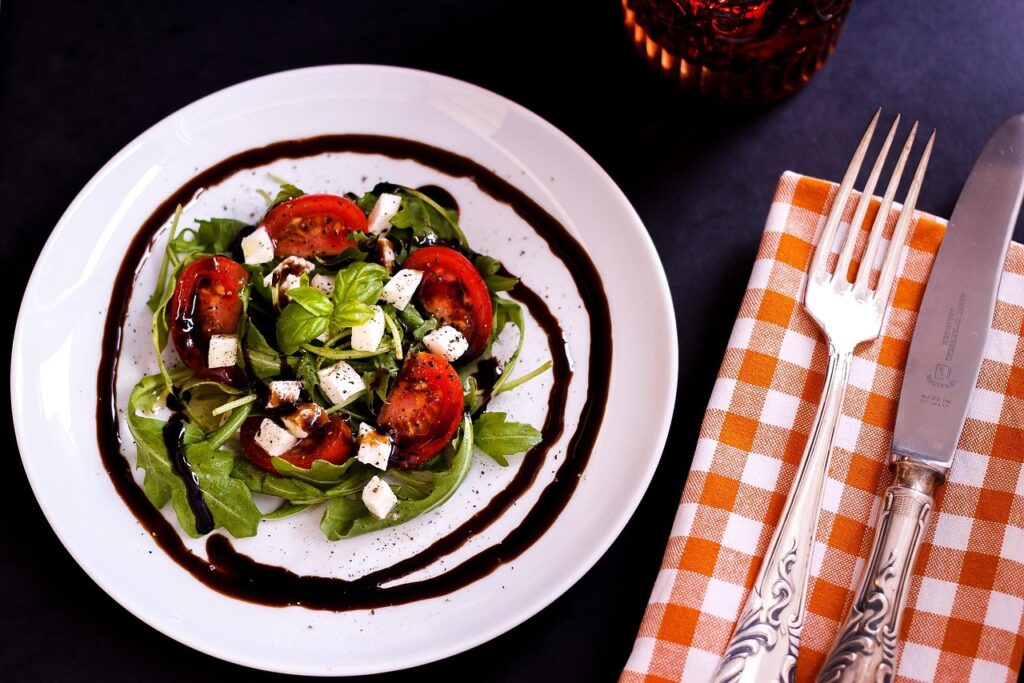
Italian appetizers often look expensive because they rely on clean plating, strong ingredients, and smart contrast rather than complicated cooking. Crisp toast, creamy cheeses, cured meats, bright herbs, and briny olives deliver big flavor with minimal effort when assembled with care. Many of these starters are make-ahead friendly and require little more than slicing, roasting, or quick pan crisping. The payoff is visual polish and balanced bites that taste intentional. With a few pantry staples and fresh add-ons, a table can feel party-ready in minutes, without fussy techniques or hard-to-find tools.
1. Bruschetta

Bruschetta looks fancy because it has the clean, intentional look of restaurant food, but the method is almost effortless. The foundation is toasted bread, ideally sturdy slices that can handle juicy toppings without collapsing. Rubbing warm toast with garlic builds aroma immediately, and a drizzle of good olive oil adds richness without cooking. The classic topping uses chopped tomato, basil, salt, and a little acid, which can come from balsamic or a squeeze of lemon. Letting the tomato mixture sit briefly helps the flavors blend, creating a natural “sauce” that soaks in just enough. The biggest trick is texture control.
2. Caprese Salad
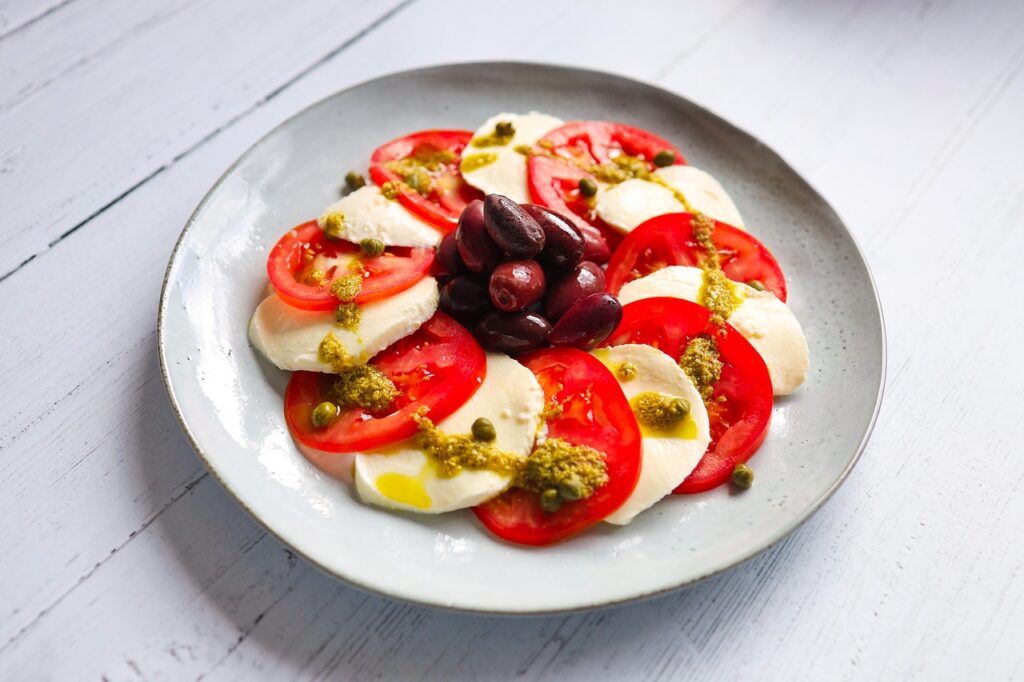
Caprese feels elegant because it is minimal and perfectly balanced. Slices of ripe tomato and fresh mozzarella arranged with basil look polished even before any dressing is added. The flavor works because each element plays a clear role. Tomato brings sweetness and acidity, mozzarella adds milky richness, basil adds freshness, and olive oil ties everything together. Salt is not optional here because it pulls out tomato flavor and prevents the salad from tasting flat. A small amount of balsamic can add sweetness and depth, but the core is simplicity and quality. The reason it is easy is that there is no cooking and very little prep.
3. Antipasto Skewers
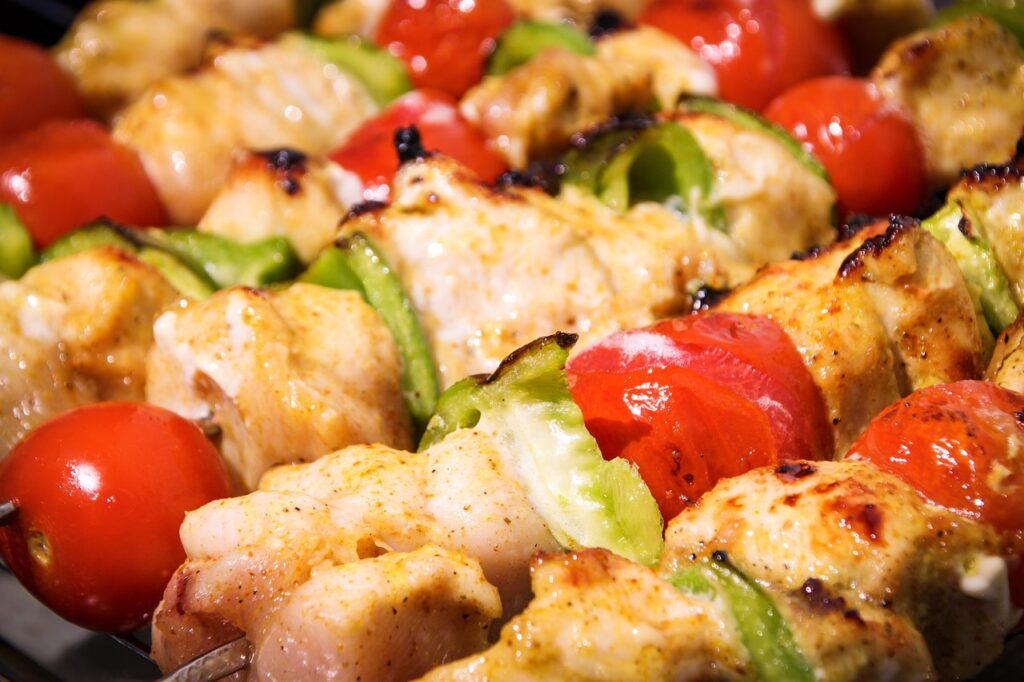
Antipasto skewers look like catered food, yet they are essentially assembly. The secret is that the ingredients already carry strong flavor. Cured meats, marinated artichokes, olives, roasted peppers, and small mozzarella balls are designed to taste good straight from the package. Skewers work because they create structure and portion control. Each bite includes salty, tangy, and rich elements, which keep the flavor balanced without needing a sauce. Presentation is the main advantage. Color contrast from olives, peppers, and herbs makes the tray look abundant and planned. To keep them easy and successful, focus on variety and texture.
4. Olive all’Ascolana
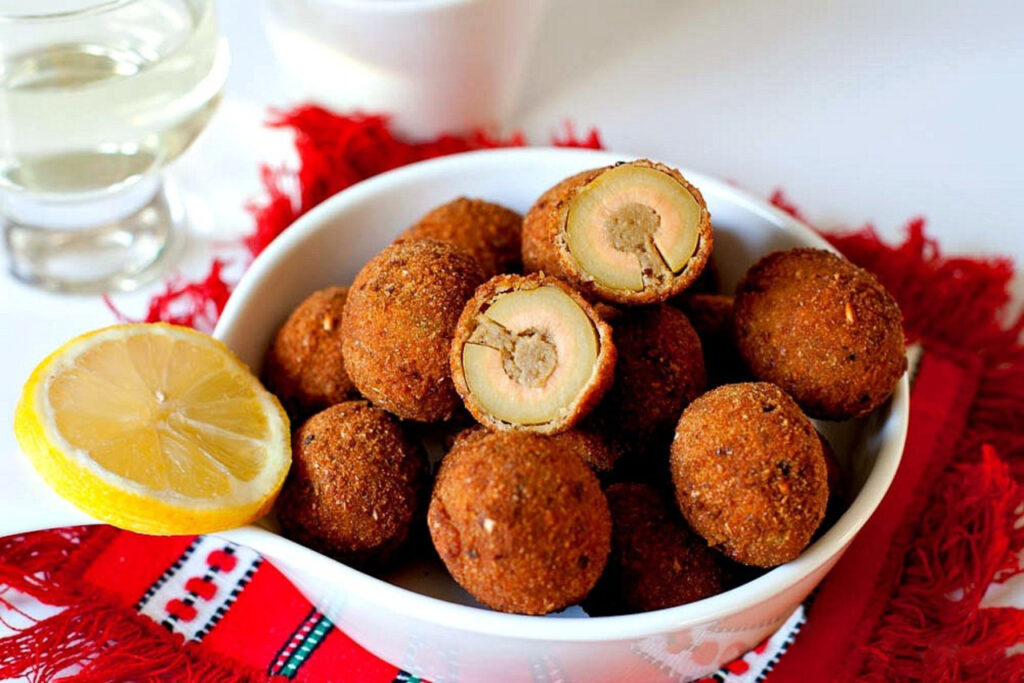
Stuffed fried olives sound like a project, but they are more approachable than they seem because the steps are repetitive and straightforward. Large green olives are filled, breaded, and fried until crisp. The result tastes far more sophisticated than the effort suggests because it combines briny olive flavor with a savory filling and a crunchy outer layer. The most important factor is choosing the right olives. The filling is typically seasoned meat, but the technique works with other savory mixtures as well. Breadcrumbs create the golden shell, and frying is quick because the olives are small.
5. Ricotta and Roasted Tomato Bruschetta with Pancetta

This bruschetta variation looks like a chef’s special because it layers textures and flavors in a way that feels deliberate. Ricotta provides a smooth, creamy base that softens the bite of toasted bread. Roasted tomatoes bring deeper sweetness than raw tomatoes because heat concentrates their flavor and reduces excess moisture. Pancetta adds salty, cured richness and a crisp edge when cooked properly. The method stays simple because each component is easy on its own. Tomatoes roast hands-off in the oven. Ricotta needs only seasoning, often salt, pepper, and a touch of olive oil. Assembly takes seconds, but the result tastes complex.
6. Antipasto Platter
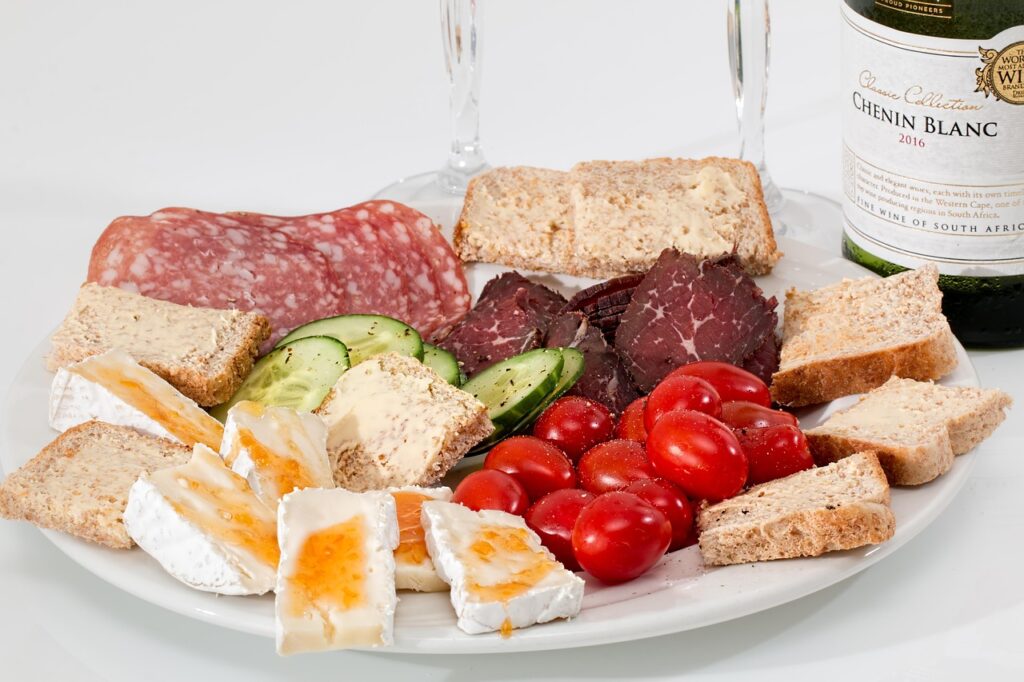
An antipasto platter is the easiest way to look like a host who planned everything, because the platter itself does the work. There is no cooking required if the selection is smart. Cured meats bring salt and richness, cheeses add creaminess, olives and pickles add acidity, and vegetables add freshness and crunch. The secret to a fancy look is structure. Group items in clusters, vary colors, and leave small gaps so the board feels abundant rather than crowded. Bread or crackers create a base that encourages mixing flavors, and a drizzle of olive oil or a few herbs can make the whole platter look polished.
7. Fresh Mozzarella with Olive Oil and Herbs
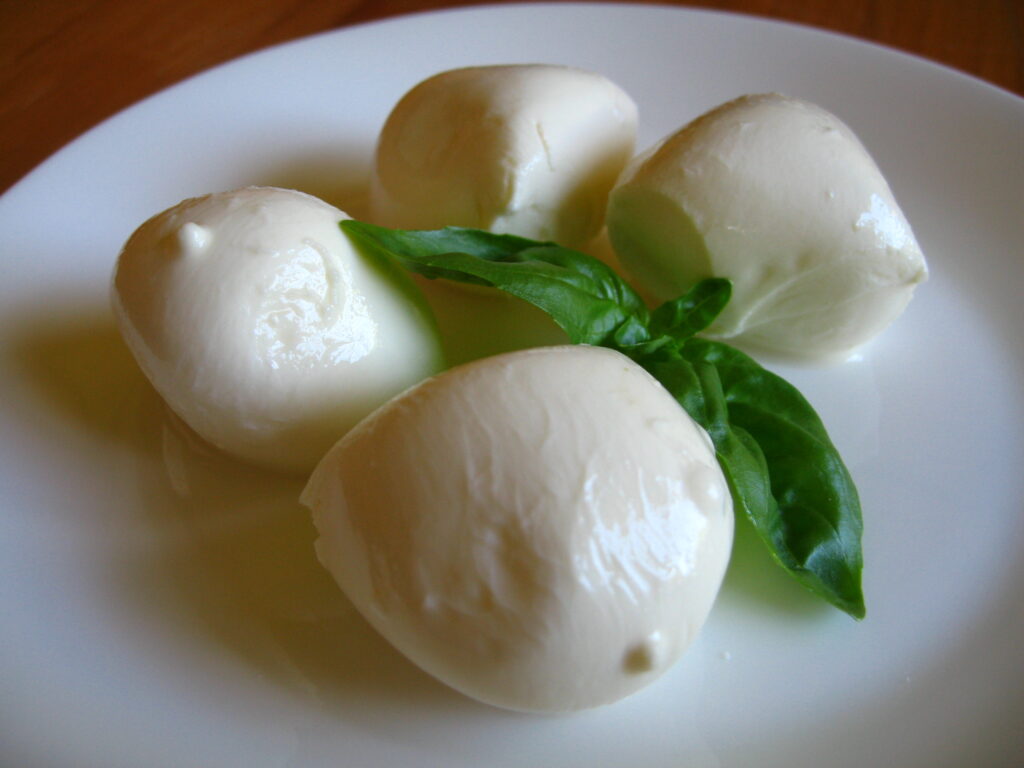
This appetizer proves that fancy does not have to mean complicated. Fresh mozzarella becomes impressive when treated like a featured ingredient instead of an afterthought. Sliced or torn mozzarella has a soft, creamy texture that pairs perfectly with bold olive oil, flaky salt, and fresh herbs. Herbs like basil, oregano, or parsley add aroma and make the plate look vibrant. A pinch of pepper or chili flakes can add gentle heat, and a squeeze of lemon can brighten the richness. The key is ingredient temperature and seasoning. Mozzarella should be slightly cool, not ice cold, so the flavor is more noticeable.