11 Smoothie Add-Ins That Can Quietly Ruin a Good Blend

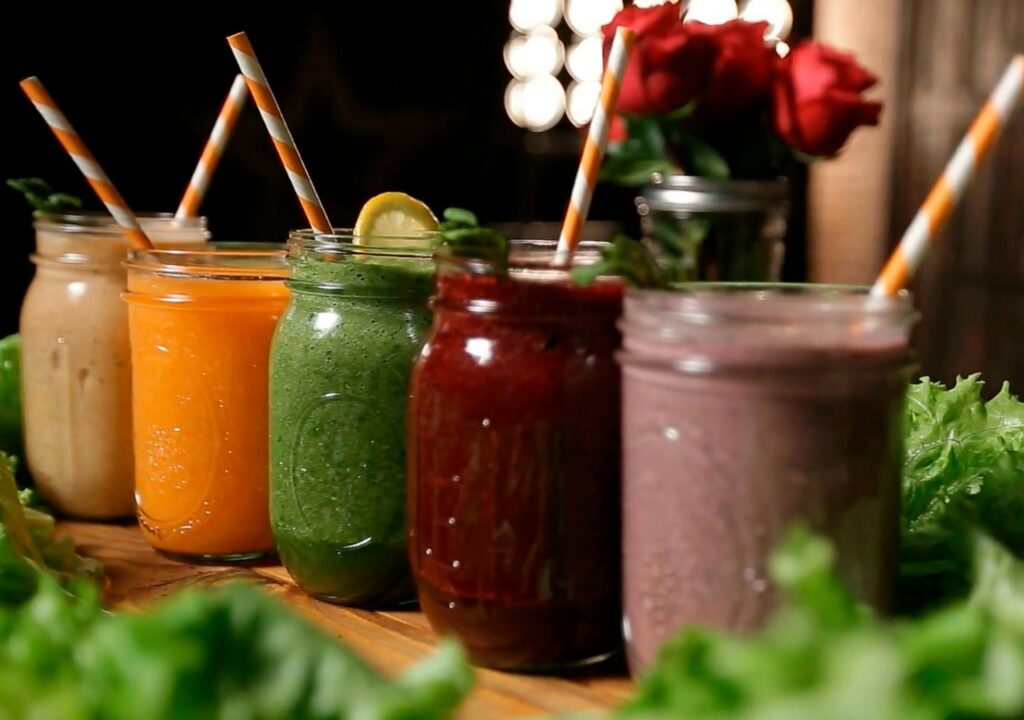
Smoothies have become one of the easiest ways to combine fruits, vegetables, and nutritious ingredients into a quick drink. With endless combinations available, many people enjoy experimenting with different add-ins to improve flavor, texture, or nutritional value. However, not every ingredient works well once it enters the blender. Some additions can overpower the natural taste of fruit, while others change the texture or add unexpected calories. What starts as a healthy blend can quickly lose its balance when too many extras are included. Understanding these common smoothie mistakes can help keep every blend fresh and satisfying.
1. Fruit Juice
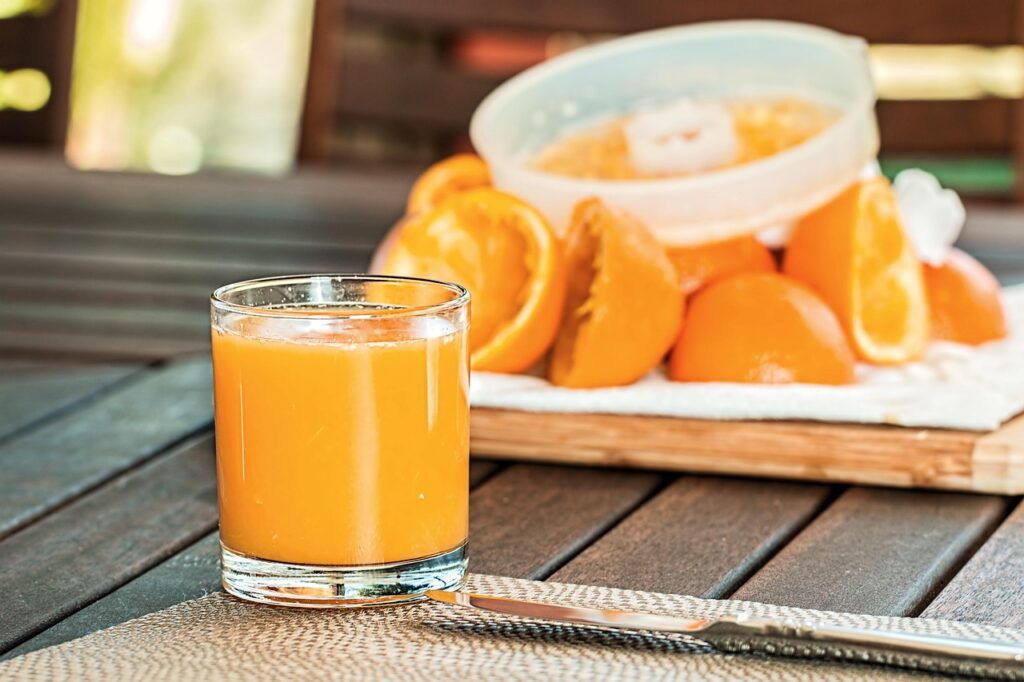
Fruit juice often seems like a natural choice for smoothies. Many people add it to improve sweetness and create a thinner texture that blends easily with frozen fruit.
However, juice behaves differently from whole fruit in a blended drink. Most fruit juices contain very little fiber because the pulp has been removed during processing. Without that fiber, the sugar in the juice enters the bloodstream more quickly.
When large amounts of juice are used, the smoothie can become much sweeter and higher in calories than expected. The natural fruit flavors already present in the smoothie may also become overshadowed by the strong sweetness of the juice.
2. Flavored Yogurt
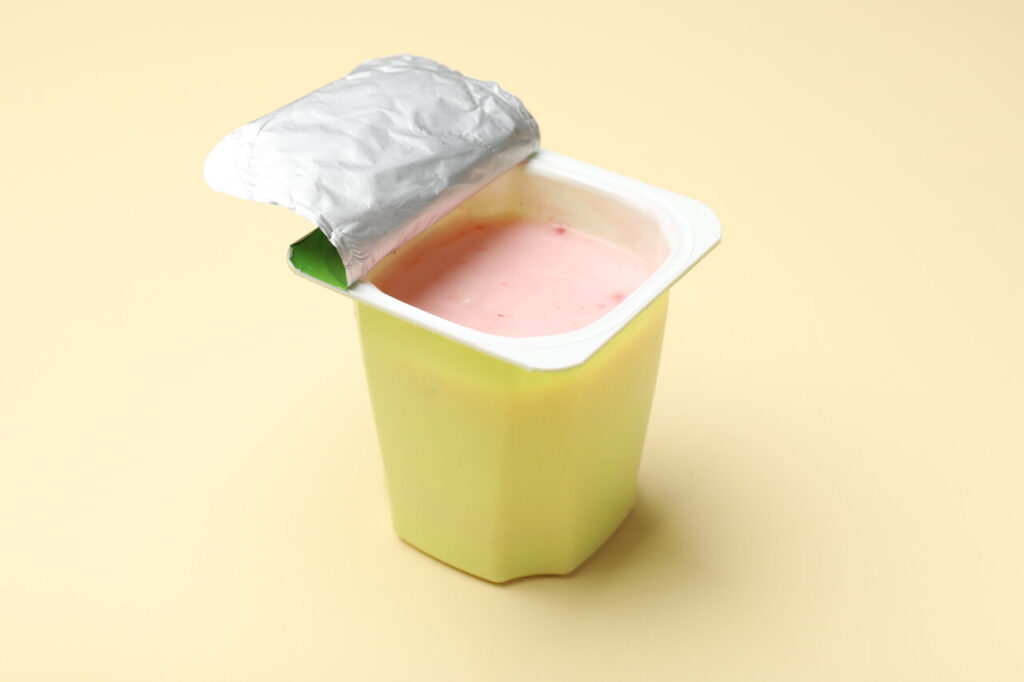
Flavored yogurt is another ingredient that many people add to smoothies for creaminess. The thick texture helps create a smooth drink, and the fruit flavors appear to complement ingredients such as berries or bananas.
The challenge lies in the ingredients used to create that flavor. Many flavored yogurts contain added sugar, syrups, or sweeteners that raise the total sugar content significantly.
When blended with fruit, these sweeteners can make the smoothie taste overly sugary. Plain yogurt often provides the same creamy texture while allowing the natural flavors of the fruit to stand out more clearly.
3. Too Much Ice

Ice is often added to smoothies to make them colder and thicker. Many people rely on it to give their drink the texture of a frozen beverage without needing frozen fruit.
The difficulty begins when ice becomes the main ingredient in the blender. As it breaks apart and melts, it releases water that slowly dilutes the rest of the mixture.
This extra water weakens the flavor of the fruit and other ingredients. Instead of tasting vibrant, the smoothie may end up thin and watered down. Using frozen fruit instead of large amounts of ice usually keeps both texture and flavor stronger. It also helps maintain the natural sweetness of the fruit.
4. Sweetened Plant-Based Milks
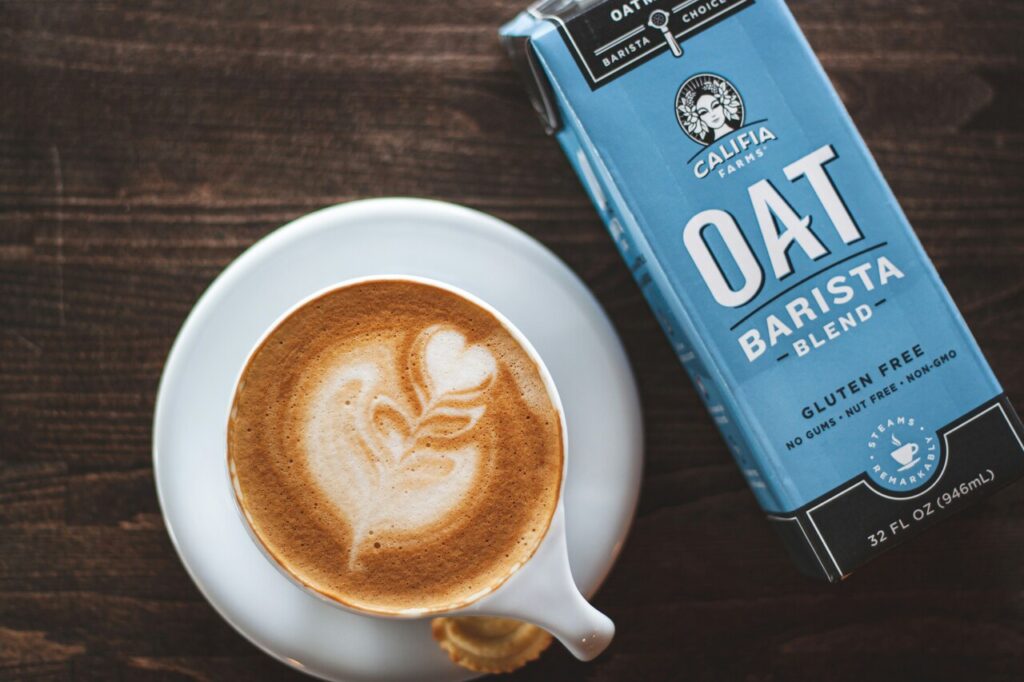
Plant-based milks such as almond, oat, and soy milk are widely used in smoothies. They help ingredients blend smoothly and add a creamy texture without relying on dairy.
Wide store-bought varieties include added sugar or flavorings. These ingredients improve the taste when the milk is consumed on its own.
Once blended with fruit, the sweetness can become stronger than expected. The smoothie may taste overly sweet instead of fresh and balanced. Choosing unsweetened versions usually keeps the drink lighter and allows the fruit to remain the main flavor. It also makes it easier to control the overall sweetness of the blend.
5. Protein Powder With Additives
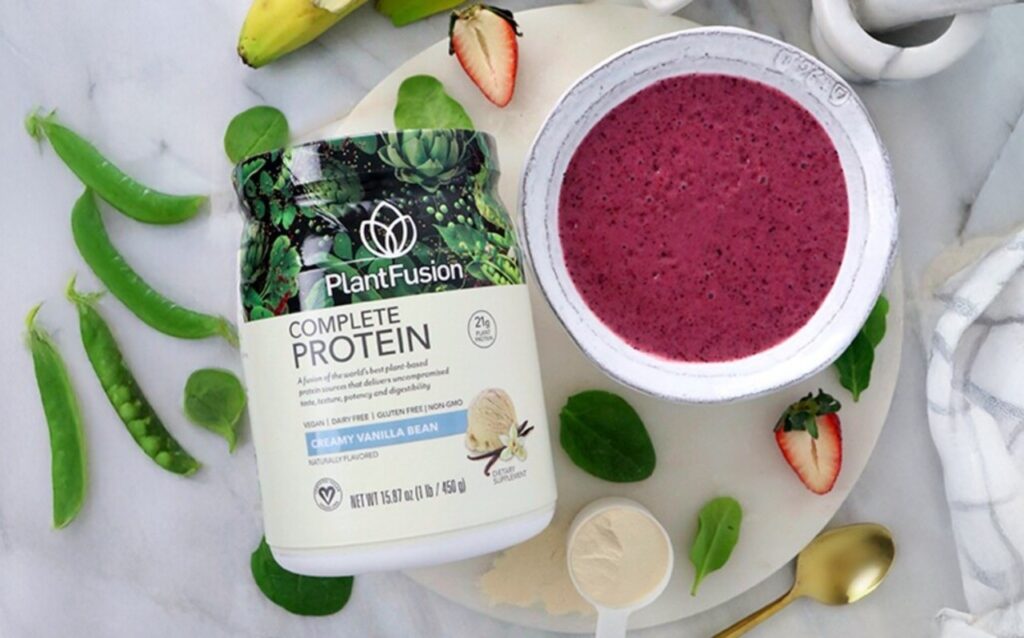
Protein powder is frequently used in smoothies to increase their nutritional value. It can help make the drink more filling and turn it into a quick breakfast or snack.
Some powders contain artificial flavors, sweeteners, or stabilizers. These ingredients are meant to improve shelf life and taste, but can affect smoothies in unexpected ways.
Instead of blending smoothly with fruit, the powder may create a chalky texture or strong aftertaste. Some blends can also become overly thick once mixed. Simpler formulas usually blend better and taste more natural. They also allow the flavor of the fruit to remain noticeable.
6. Excess Nut Butter
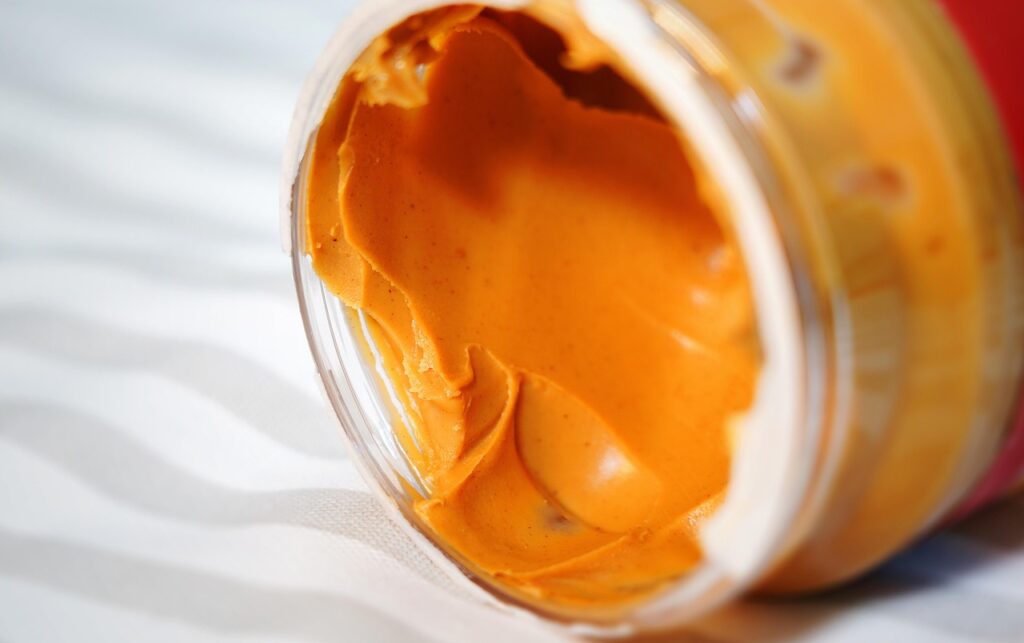
Nut butters like peanut butter or almond butter are popular smoothie ingredients because they add richness and healthy fats. A small spoonful can create a creamy texture while adding depth of flavor.
The challenge appears when the portion becomes too large. Nut butter has a strong flavor that can easily dominate the rest of the ingredients.
When that happens, the smoothie may taste more like a nut spread than a fruit drink. The blend stays creamy, but the freshness of the fruit becomes less noticeable. Using a small amount keeps the balance between richness and brightness. It also prevents the smoothie from becoming too heavy.
7. Too Many High Fiber Add-Ins
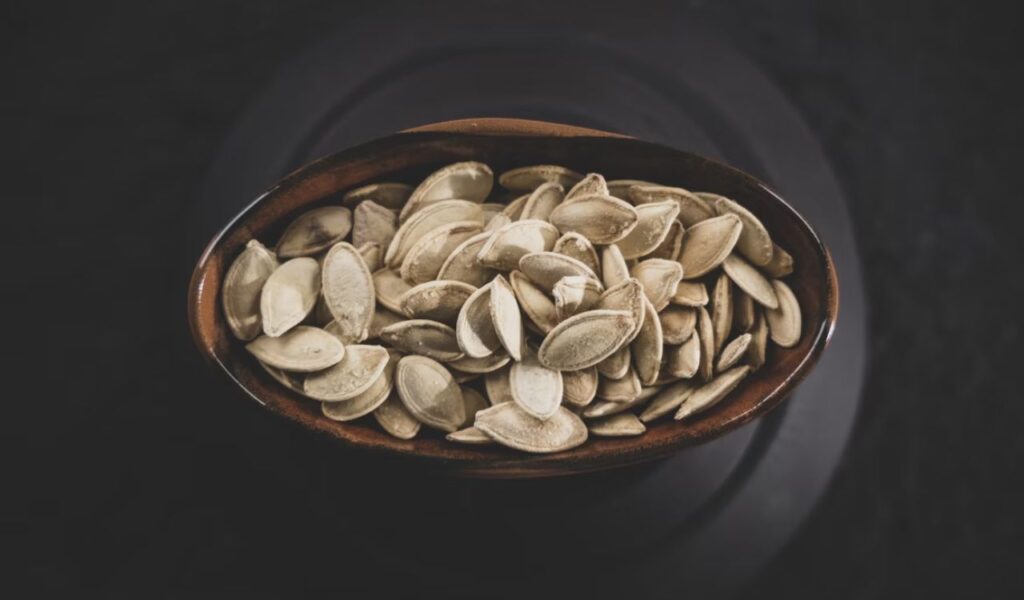
Ingredients such as chia seeds, flaxseeds, oats, and bran are often added to smoothies for extra fiber. These foods can make the drink more filling and support digestion.
Trouble begins when several of these ingredients are used together. Each one absorbs liquid and expands after blending. As they hydrate, the mixture thickens far more than expected.
This can make the smoothie much thicker than intended. Instead of a refreshing drink, the mixture may become dense and difficult to sip comfortably. Adding fiber gradually often keeps the texture more enjoyable. It also allows the body to adjust more comfortably to the increase.
8. Sweetened Granola or Oatmeal
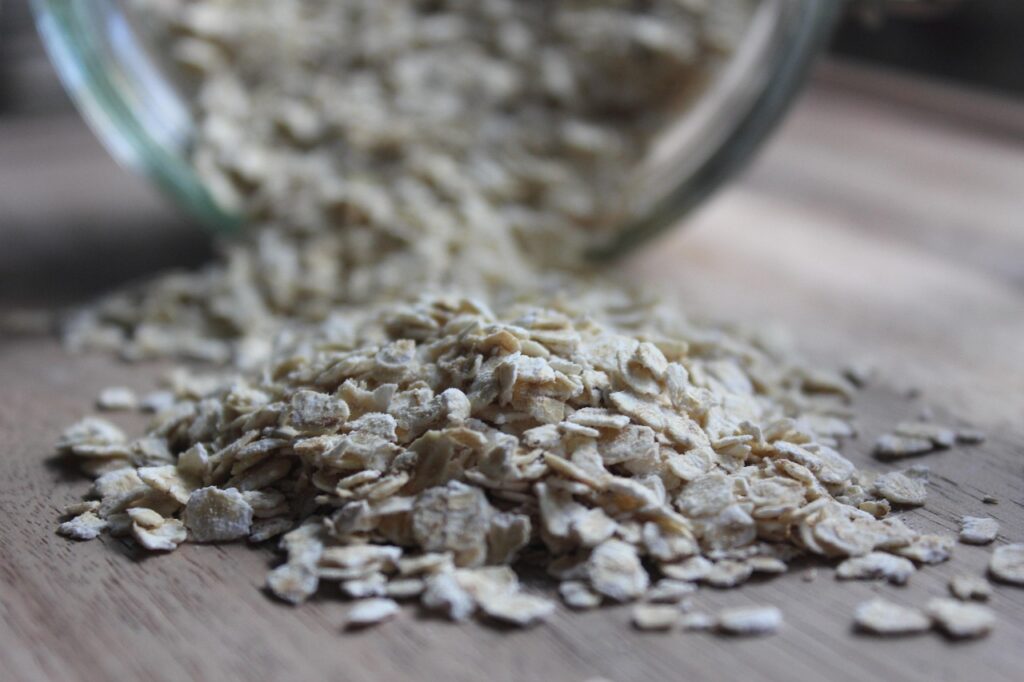
Granola and oats sometimes appear in smoothies to increase fiber and create a more substantial drink. They can help turn a smoothie into something closer to a small meal.
Many packaged granolas contain added sugar, oils, and syrups. These ingredients improve crunch and flavor but also increase sweetness. The added fats help clusters form and keep the texture crisp after baking.
When blended into a smoothie, the extra sugar can dominate the drink. The result may taste more like dessert than a balanced breakfast. Plain oats are usually a simpler option that keeps the sweetness under control. They also blend more smoothly into the drink.
9. Too Many Ingredients
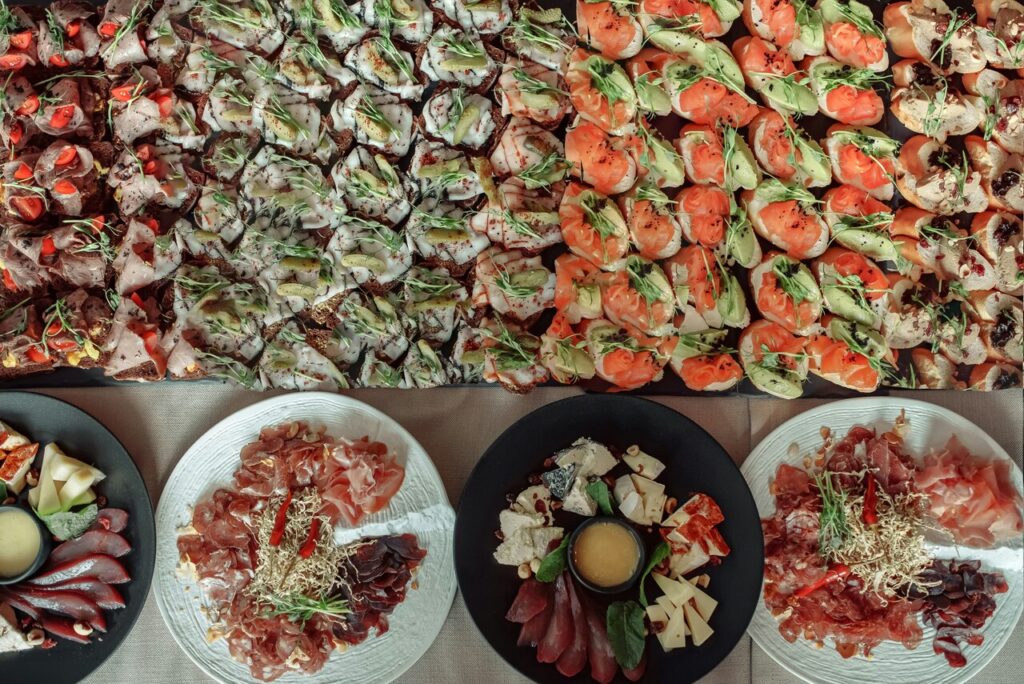
Smoothies are flexible by nature, which encourages people to experiment with many ingredients. Fruits, vegetables, seeds, powders, and liquids can all be combined in different ways.
When too many components are added to a single blend, the flavors begin to compete with each other. Instead of highlighting a few key ingredients, the smoothie may taste muddled.
Texture can also become unpredictable. Some ingredients thicken the mixture while others dilute it, creating a drink that feels uneven from the first sip to the last. Simpler combinations usually create a clearer and more satisfying flavor. They also make the smoothie easier to adjust if needed.
10. Excess Liquid
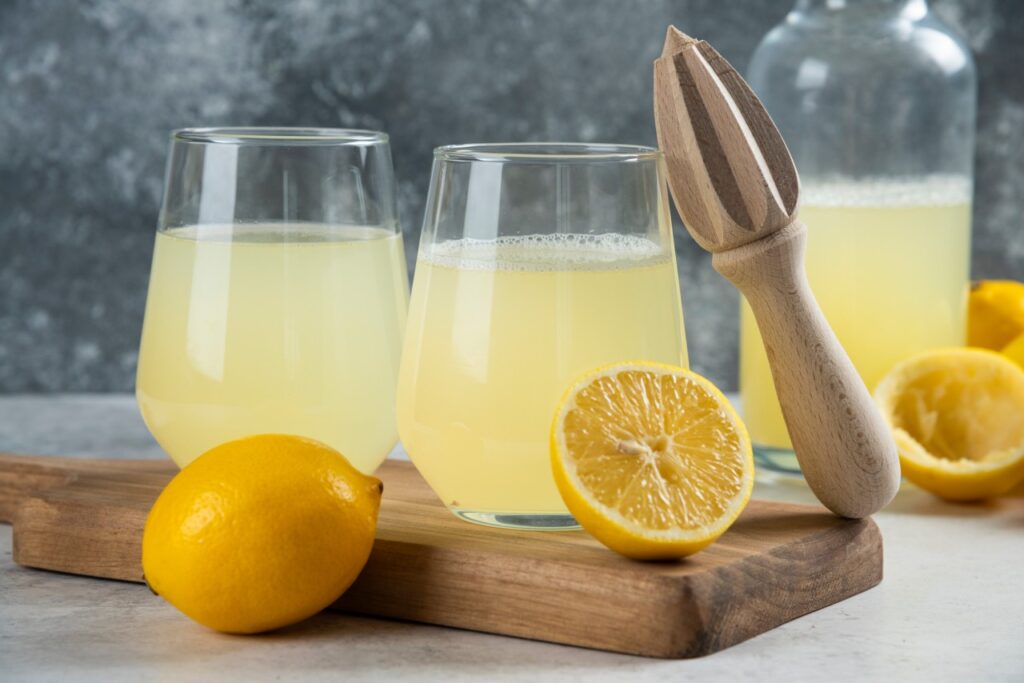
Liquid is necessary to help smoothies blend properly. Milk, plant-based milk, water, or juice allow the blender to move ingredients smoothly and create the drinkable texture people expect.
If too much liquid is added, the smoothie quickly loses its structure. Instead of a creamy drink, the result may resemble flavored juice.
This change also affects the flavor. When the mixture becomes too thin, the taste of fruit and other ingredients becomes weaker and less satisfying. Using less liquid at first and adjusting slowly often produces better results. This approach helps maintain the smoothie’s thickness.
11. Sweet Syrups or Added Sugars
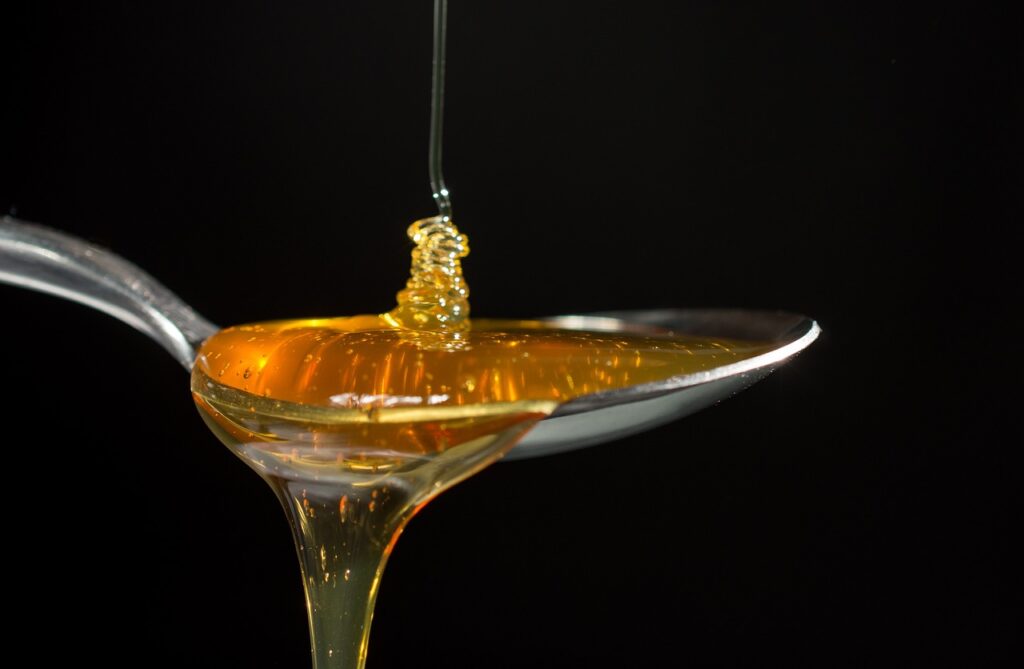
Sweeteners such as honey, agave, maple syrup, or flavored syrups are often added to adjust the taste of a smoothie. In small amounts, they can balance tart fruits.
The difficulty is that smoothies already contain natural sugar from fruit. Adding additional sweeteners can raise the sugar level much higher than expected.
When that happens, the smoothie loses its fresh fruit character. Instead of tasting naturally sweet, the drink can feel overly sugary and less refreshing. Relying on ripe fruit usually provides enough sweetness on its own. It also keeps the flavor closer to the ingredients themselves.