10 Modern Cooking Trends That Add Steps Without Adding Flavor

Modern cooking continues to evolve as chefs experiment with new tools, ingredients, and scientific techniques. Many of these ideas promise precision, creativity, or dramatic presentation. While some innovations genuinely improve how food is prepared, others introduce extra steps that do little for the final flavor. From laboratory-style techniques to equipment-heavy processes, certain trends focus more on appearance or novelty than on taste. Understanding which methods truly enhance food can help cooks decide when simplicity works best in the kitchen.
1. Sous-Vide Cooking
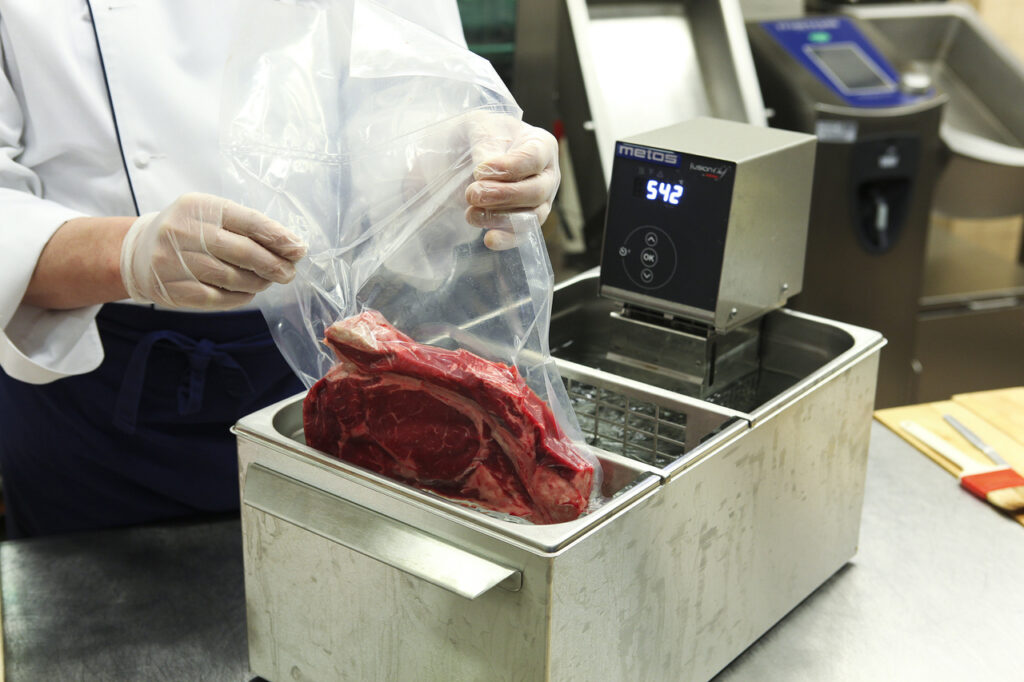
Precision is the main selling point of sous vide cooking. The method involves sealing ingredients in vacuum bags and cooking them slowly in water held at a carefully controlled temperature.
The issue is that the technique adds several preparation steps without always improving flavor. Vacuum sealing, setting up temperature equipment, and waiting through long cooking times can make the process far more complicated than traditional cooking methods.
Much of the flavor people enjoy in cooked food actually comes from high-heat reactions like browning and caramelization. Since sous vide happens at relatively low temperatures in sealed bags, these reactions rarely occur during the main cooking stage, which is why many dishes still need to be seared afterward.
2. Spherification
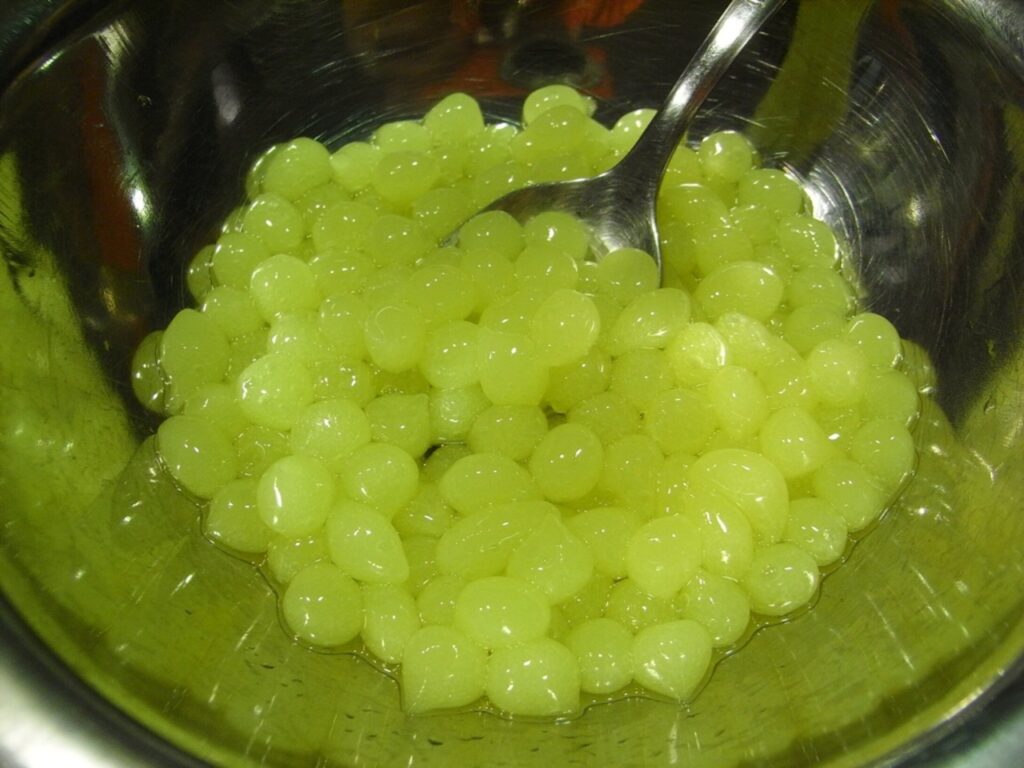
Spherification is one of the most eye-catching techniques to emerge from modern experimental kitchens. Chefs often use it to transform juices, sauces, or flavored liquids into decorative toppings.
The process, however, involves several extra steps and specialized ingredients. Liquids must be mixed with gelling agents and then dropped carefully into mineral solutions to form the thin membrane that holds the sphere together.
What makes the technique less useful for everyday cooking is that it mostly changes the texture of the ingredient rather than the taste. The flavor inside the sphere is usually identical to the original liquid, meaning the effort mainly affects presentation rather than improving the overall dish.
3. Culinary Foams and Airs
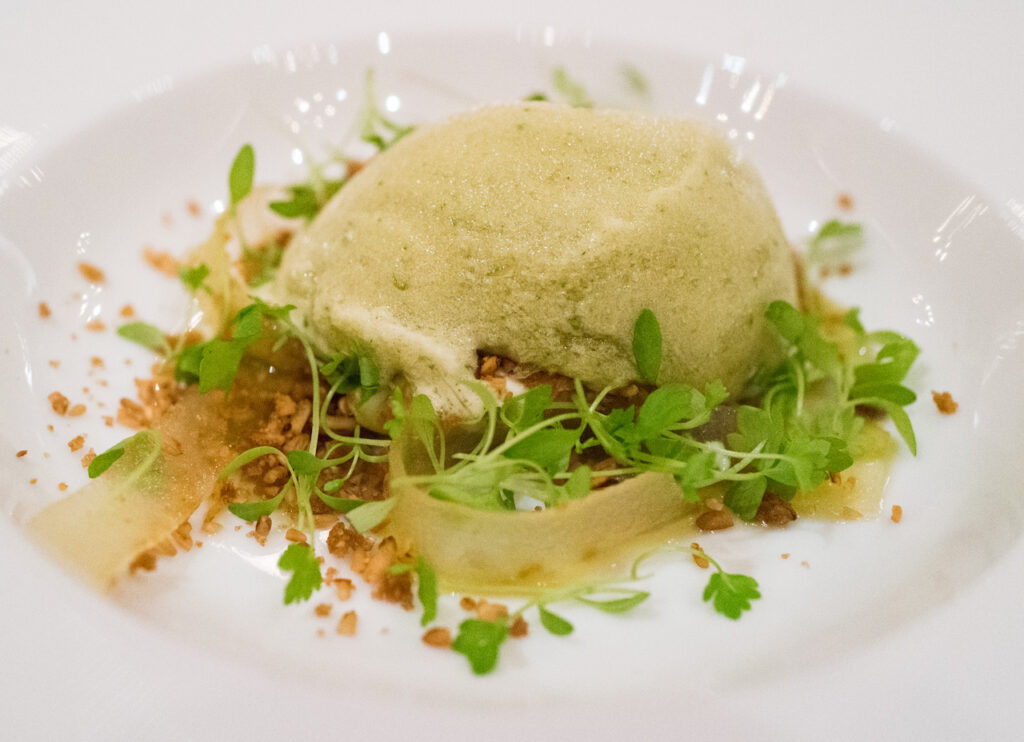
Light foams and airy sauces became popular when chefs began experimenting with modern plating styles. These foams are created by whipping air into liquids using tools such as siphons or immersion blenders. The result is a soft layer of bubbles that sits gently on top of a dish.
The problem is that creating stable foams requires equipment, emulsifiers, and careful timing. Even after the effort, the foam often collapses quickly, leaving behind a thin liquid that could have been served more simply as a sauce.
Because foam is mostly air suspended in liquid, it tends to dilute flavor intensity rather than strengthen it. The dish may look visually striking, but the taste itself is often lighter and less concentrated than the original ingredient.
4. Gelification
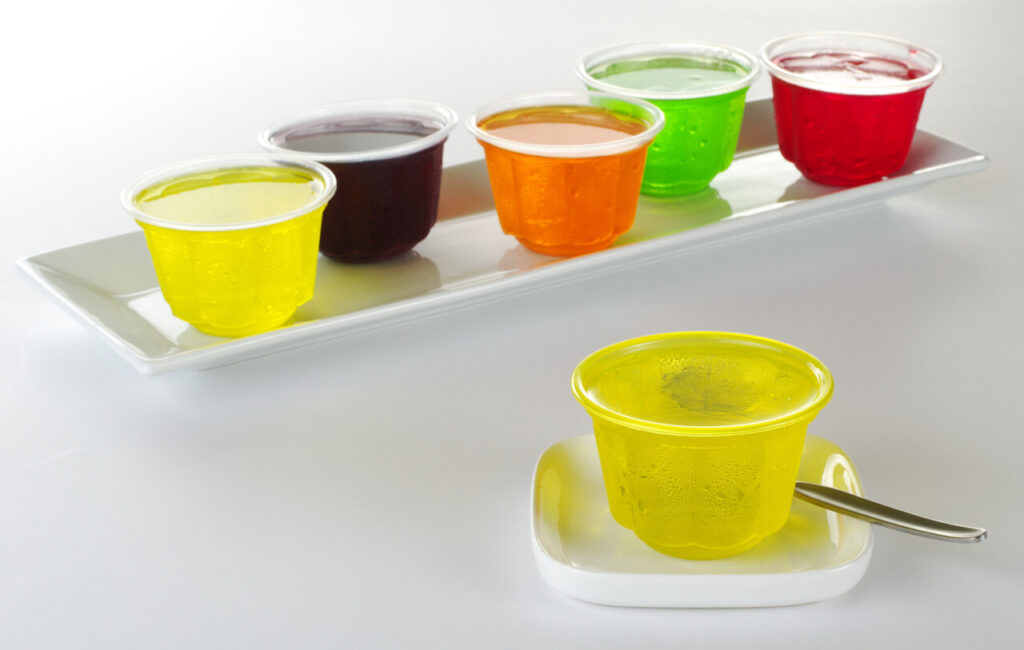
Gelification allows chefs to turn liquids into soft or firm gels using ingredients like agar or gelatin. The technique makes it possible to shape sauces, broths, or juices into cubes, sheets, or molded forms that hold their structure on the plate.
Preparing these gels requires careful measurements and controlled heating before the mixture is cooled and set. While the result can look impressive, the process often adds several steps that are not necessary for most everyday dishes.
The main reason is that gelling agents primarily change the structure of the liquid rather than its flavor. The taste usually remains the same as the original ingredient, which means the technique alters texture and appearance without adding much new depth to the dish.
5. Dehydrated Garnishes and Powders

Dehydrating ingredients has become a popular way to create decorative garnishes and flavored powders. Herbs, fruits, and vegetables are dried until brittle and then crushed into fine dust that can be sprinkled over plates for color and presentation.
The technique often requires special equipment, such as dehydrators or long oven drying times. After the drying process, the ingredients must be ground and carefully stored to prevent moisture from returning.
While the powders look attractive, they rarely add much flavor compared with the fresh ingredients they came from. Drying removes much of the aroma and moisture that carries taste, which means the garnish often functions more as decoration than as a meaningful addition to the dish.
6. Liquid Nitrogen Flash Freezing

Liquid nitrogen cooking gained attention because of its dramatic visual effect. The extremely cold liquid freezes ingredients almost instantly, creating clouds of vapor and allowing chefs to make ice cream or frozen desserts within seconds.
Despite the spectacle, the method requires specialized equipment and careful safety handling. Liquid nitrogen must be stored and used properly, which makes the process far more complex than traditional freezing methods.
The technique freezes ingredients quickly but does not change the underlying flavor of the food. It mainly affects texture by producing smaller ice crystals, which can improve smoothness in desserts but does not necessarily make the dish taste richer or more complex.
7. Molecular Gastronomy Plating
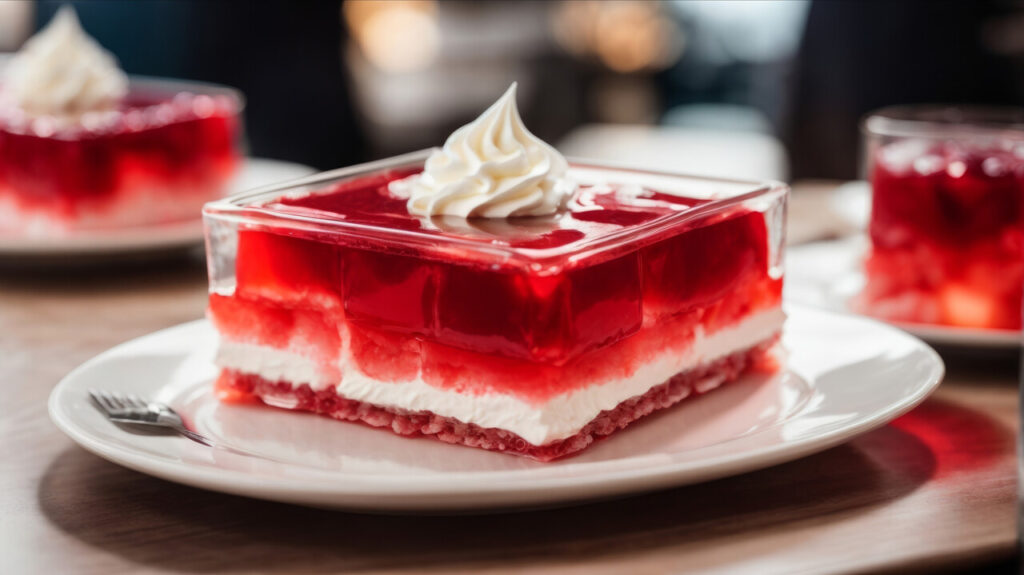
Molecular gastronomy focuses on transforming familiar ingredients into unusual forms through scientific techniques. Chefs may reshape liquids into gels, powders, or foams while presenting dishes in ways that resemble laboratory experiments.
Many of these preparations require measuring chemicals, preparing solutions, and assembling multiple components before the plate is ready. For home cooks or casual kitchens, the process can become unnecessarily complicated.
In many cases, the techniques mainly change appearance rather than flavor. The ingredients remain the same, but the extra steps emphasize novelty and presentation more than improving the taste or balance of the dish.
8. Functional Ingredient Add-Ins
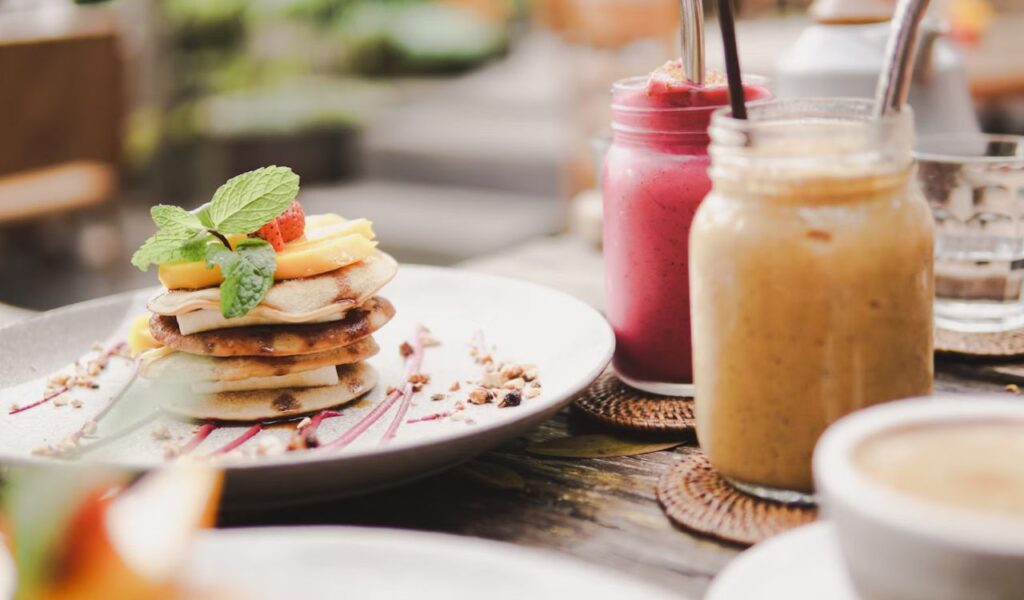
Functional ingredients such as collagen powders, protein isolates, or fortified blends have become increasingly common in modern cooking trends. These additives are often mixed into smoothies, baked goods, and sauces to boost nutritional value.
The downside is that incorporating these ingredients usually requires adjustments to recipes and extra mixing steps. Some powders also change texture, making foods thicker or slightly grainy.
Because the focus is on nutrition rather than taste, these additions rarely improve flavor. In some cases, they can even mute existing flavors in a recipe, which means the final dish may feel less balanced than the original version.
9. Fermentation for Trend Appeal
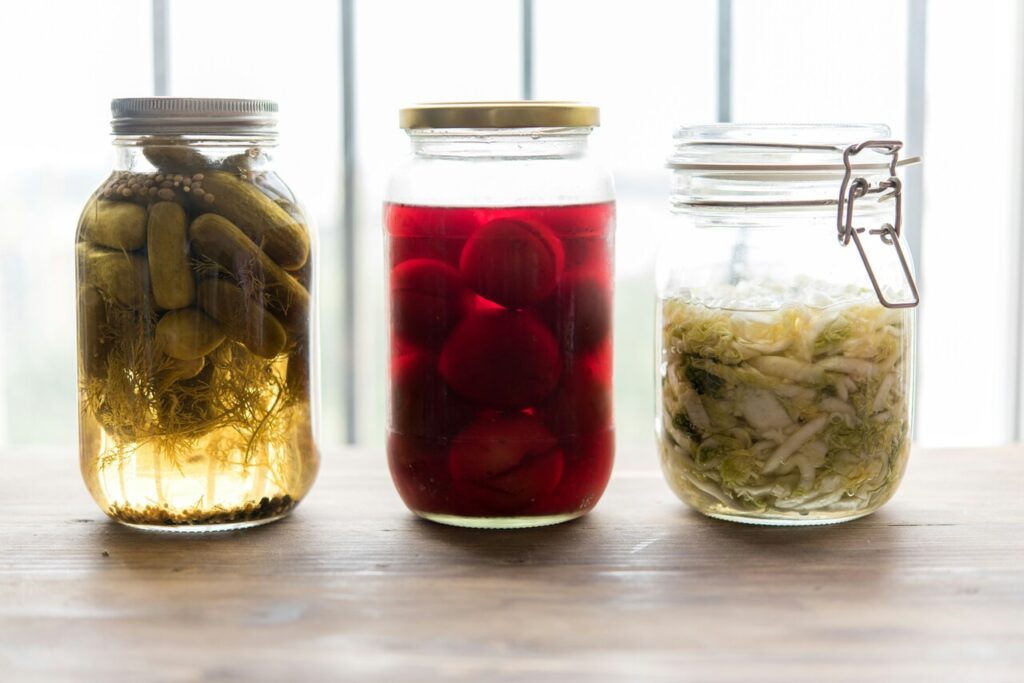
Fermentation has long been part of traditional cooking around the world. Recently, however, it has become a popular trend in modern kitchens where chefs ferment everything from vegetables to sauces in an effort to create bold flavors.
The challenge appears when fermentation is used mainly because it is fashionable rather than necessary. Preparing fermented foods requires time, controlled environments, and careful monitoring to ensure the process develops safely.
When used thoughtfully, fermentation can add complexity, but not every ingredient benefits from it. Some foods already have balanced flavors on their own, and fermenting them can introduce sourness that overwhelms the original taste.
10. Precision Equipment Cooking
Modern kitchens increasingly rely on specialized devices such as immersion circulators, smart thermometers, and automated cooking appliances. These tools promise accuracy and consistency in temperature control.
Using them often adds setup steps, calibration, and monitoring that were never part of traditional cooking methods. Preparing a simple dish can suddenly involve assembling equipment before any actual cooking begins.
While precision tools can help in certain situations, they do not automatically improve flavor. Many dishes rely more on seasoning, ingredient quality, and proper heat than on exact measurements, which means the equipment sometimes complicates a process that could remain simple.