How Online Food Trends Influence Everyday Grocery Choices


Online food trends are no longer just entertainment; they quietly shape what ends up in shopping carts and daily kitchen routines in ways many people do not fully notice. A quick scroll through viral recipes, visually pleasing meal prep clips, or influencer grocery hauls can spark immediate curiosity and a desire to try something new. What begins as casual inspiration often turns into action, guiding not only what people plan to cook but also the specific ingredients they feel encouraged to purchase on their next visit to the store, even when those items were not originally on their list, influencing habits over time.
As digital content continues to blur the line between discovery and real-world decision making, everyday grocery choices are becoming more flexible and influenced by what people see online. Trending ingredients, globally inspired dishes, and visually appealing food ideas are reshaping how shoppers think about meals. At the same time, people are balancing curiosity with convenience, cost, and ease of preparation. This shift highlights how online culture is not just inspiring ideas but also actively influencing routine food-buying decisions in everyday life, shaping long-term consumer behavior.
The Lasting Impact of Digital Trends on Grocery Habits

What once shaped food choices through family habits or local market availability is now steadily influenced by what people encounter online each day. Social media platforms have transformed everyday users into powerful trend drivers, where a single viral recipe or food video can spark widespread interest almost overnight. Ingredients that appear repeatedly in engaging content quickly gain attention, prompting shoppers to seek them out. As a result, grocery lists are no longer guided purely by routine. Still, they are increasingly shaped by what feels relevant, appealing, and worth trying after a few moments of digital exposure.
Over time, these repeated influences begin to form consistent shopping patterns that feel natural rather than forced. Ingredients that once seemed unfamiliar, such as plant-based options or globally inspired spices, gradually find a regular place in household kitchens. Retailers respond by adjusting their offerings, ensuring shelves reflect what customers are currently interested in. This ongoing interaction between digital content and retail supply creates a steady cycle, where trends are reinforced through availability, allowing them to blend seamlessly into everyday grocery decisions and long-term consumer habits.
Balancing Viral Inspiration With Practical Choices
Scrolling through online food content can make even the most basic meals appear exciting and worth trying, but bringing that inspiration into everyday grocery decisions often requires careful thought. Many viral recipes highlight unique ingredients, detailed preparation methods, or specialized tools that are not always easy to find or practical for regular use. While the presentation feels simple on screen, the reality behind these dishes can involve extra cost, time, or effort, leading shoppers to pause and rethink whether the trend truly fits their routine, especially given busy schedules, limited resources, and personal preferences that influence choices.
Because of this gap between online appeal and real-life convenience, most consumers choose to adapt rather than fully recreate what they see. They swap out hard-to-find ingredients, simplify cooking steps, or pick alternatives that suit their budget and availability. This approach allows them to stay inspired without feeling overwhelmed. Over time, this balance between curiosity and practicality shapes grocery habits, as people become more mindful and choose only those trends that comfortably align with their lifestyle and everyday cooking needs, ensuring consistency and long-term ease while reducing unnecessary spending.
How Consumers Are Becoming More Trend-Aware Shoppers
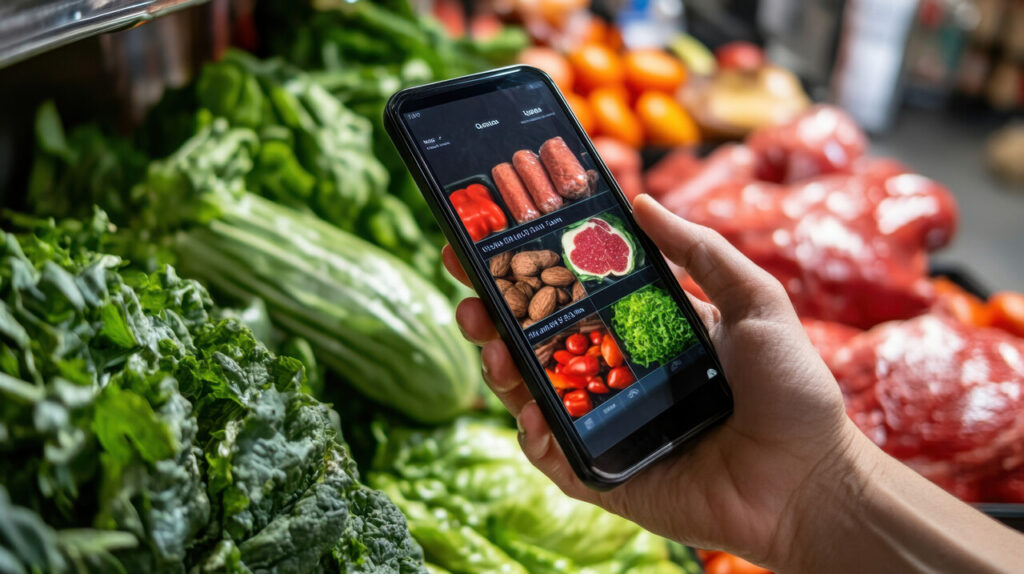
Constant exposure to online food content has made today’s shoppers far more informed than before, but it has also made them more careful about what they choose to follow. People are beginning to understand that not every trending recipe or ingredient is practical, healthy, or worth the attention it receives. This growing awareness encourages more thoughtful decision-making, where individuals take a moment to consider whether a trend truly fits their dietary needs, cooking style, and long-term habits before adding items to their grocery list or trying something new, helping them avoid unnecessary purchases and wasted effort.
Alongside this awareness, shoppers are also becoming better at recognizing patterns in trends that recur across platforms. They notice familiar themes such as protein-focused meals, quick-preparation ideas, or dishes designed mainly for visual appeal. This recognition helps simplify decision-making in stores, allowing them to filter choices more efficiently. Rather than feeling overwhelmed by endless options, many now shop with clearer intent, selecting trends that feel relevant while confidently ignoring those that do not suit their everyday needs, leading to smarter and more efficient grocery decisions overall.
The Ongoing Evolution of Food Culture Through Technology
Technology has not only changed how people discover food, but it has gradually reshaped food culture into something far more connected and fast-moving. Traditional recipes are now being adapted with modern twists, often influenced by techniques and ideas shared online. At the same time, global cuisines have become easier to explore thanks to digital platforms that introduce audiences to dishes from different regions. A meal that once felt unfamiliar can quickly become a regular part of someone’s routine, simply because it gained attention and visibility through online sharing, encouraging more frequent experimentation at home.
This shift continues to evolve as platforms introduce new ways for people to engage with food content daily. Short videos, live cooking sessions, and user-driven reviews have made food culture more interactive and participatory than ever before. People are not just watching, they are trying, adapting, and sharing their own versions. Grocery choices naturally follow this pattern, as shoppers look for ingredients that help them recreate or personalize what they see, turning online inspiration into everyday habits in a consistent, practical way, while also shaping long-term preferences.
What the Future Holds for Everyday Grocery Decisions

As digital platforms continue to refine how content is delivered, the connection between online food trends and everyday grocery decisions is expected to deepen even further. Personalized recommendations driven by algorithms are becoming more precise, showing users recipes, ingredients, and meal ideas that closely match their preferences and past behavior. This creates a more curated experience, where shoppers feel guided rather than overwhelmed. Over time, this level of personalization can influence not just occasional purchases but also routine buying patterns, making grocery choices feel more intentional and closely aligned with individual lifestyles and evolving tastes.
At the same time, the rapid pace at which trends emerge will likely encourage consumers to become more selective and thoughtful in their decisions. Instead of chasing every new idea, shoppers may prioritize value, sustainability, and long-term practicality when choosing what to buy. This means focusing on ingredients that can be used in multiple ways, reducing waste, and aligning purchases with health goals. As a result, future grocery habits are expected to reflect a careful balance in which digital inspiration meets mindful selection, ensuring that everyday choices remain both relevant and sustainable.