9 New Items at Whole Foods Market Are Quietly Getting Attention

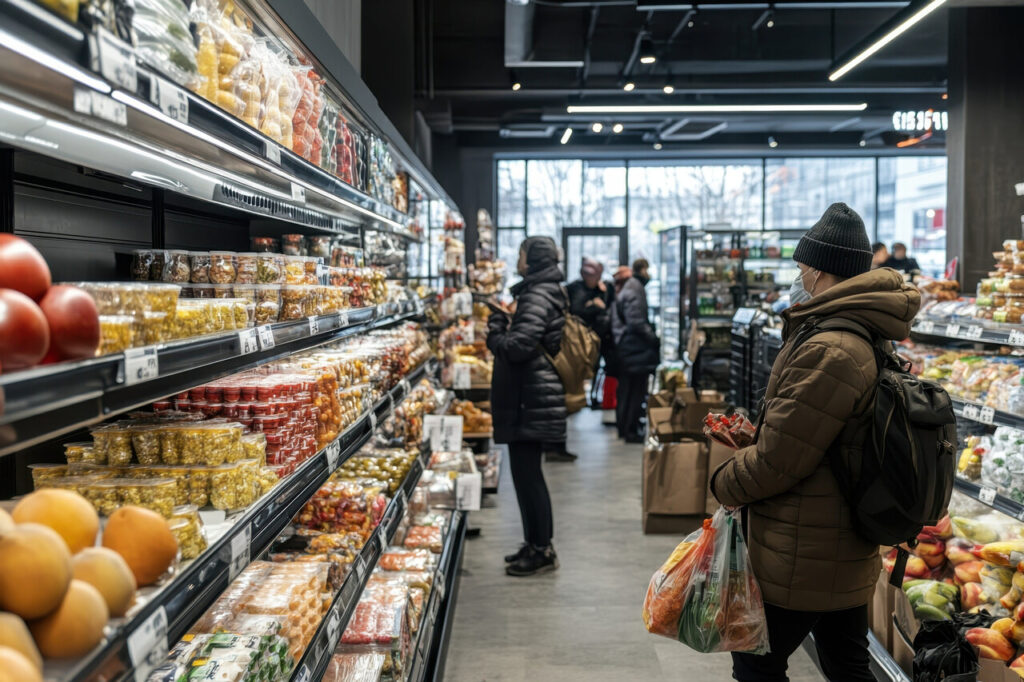
Whole Foods Market has always been a place where small shifts in food trends tend to show up early. What feels different right now is how quietly those changes are happening. There are no big headline items or flashy launches. Instead, new products are slipping onto shelves that look familiar at first glance but carry subtle upgrades in function, ingredients, or purpose.
Across categories, the pattern is clear. Everyday foods are being reworked to do more, whether that means added fiber, functional ingredients, or better sourcing. Convenience is also evolving, with frozen meals and instant options aiming for higher quality rather than just speed. Even packaging and storytelling are playing a bigger role in how products stand out.
These items are not drawing attention through hype. They are gaining it through small, consistent shifts that align with how people want to eat now.
1. Prebiotic Sodas That Turn a Simple Drink Into a Functional Choice
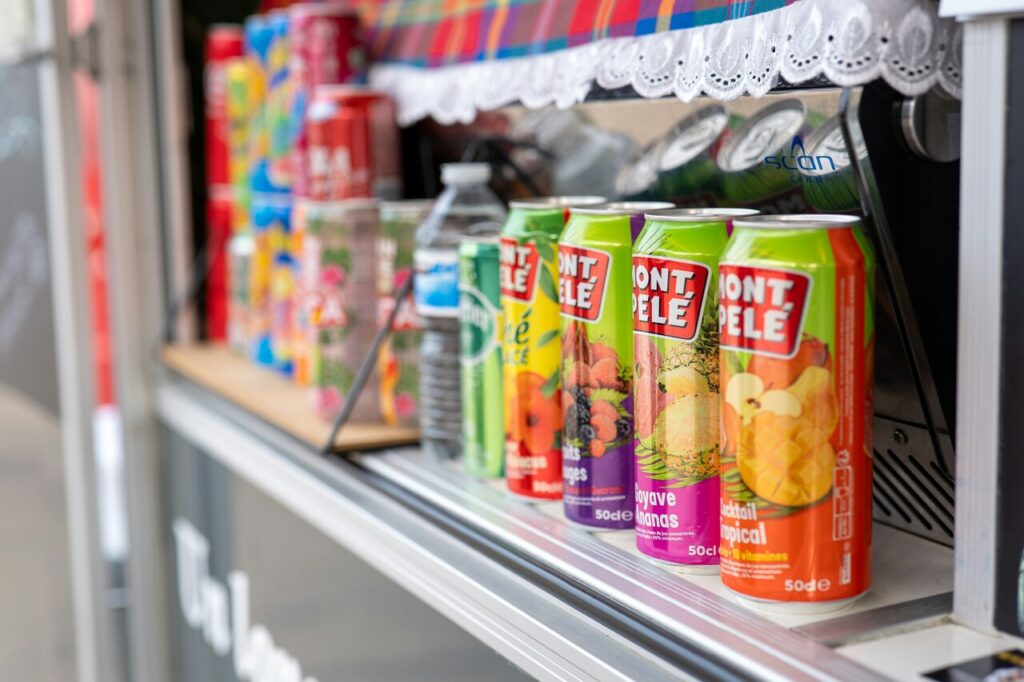
Soda used to be a straightforward category built around sweetness and carbonation. The newer prebiotic versions at Whole Foods shift that expectation by adding ingredients meant to support digestive health. These drinks still look and taste like soda, but their purpose is framed differently.
Prebiotics are fibers that help feed beneficial gut bacteria. Including them in beverages allows brands to position soda as something more than a treat. This aligns with a broader movement where everyday foods are expected to offer added benefits, even in categories that were once purely indulgent.
The change feels subtle but meaningful. Shoppers are not just choosing flavor anymore. They are also considering function. That dual role is what gives these sodas quiet momentum, especially among those looking to make small, consistent adjustments to their diets.
2. Fiber Enriched Pasta That Quietly Rewrites Pantry Staples

Pasta has always been a staple for its simplicity and versatility. The newer fiber enriched versions take that familiar base and adjust its nutritional profile without changing how it is used in cooking. The result is a product that fits seamlessly into existing routines.
Fiber intake has become a larger focus in recent years. Many diets fall short in this area, and adding fiber to commonly used foods helps address that gap without requiring major dietary changes. Pasta is an ideal vehicle because it is already a regular part of many meals.
What stands out is how little needs to change for the consumer. The cooking process remains the same, and the flavor stays close to traditional pasta. Yet the nutritional benefit is higher. That ease of adoption is what drives attention toward these kinds of products.
3. Premium Frozen Entrées That Feel Closer to Restaurant Meals

Frozen meals have long been associated with convenience over quality. Newer offerings at Whole Foods aim to change that perception by focusing on more complex dishes and higher ingredient standards. Items like arancini or globally inspired entrées bring variety that was not common in traditional frozen aisles.
Advances in freezing technology allow better preservation of texture and flavor. This makes it possible to deliver meals that feel more complete and less processed. Ingredients are often chosen with more care, which contributes to the overall experience.
The appeal comes from the balance between effort and outcome. These meals require minimal preparation but deliver results that feel closer to freshly cooked dishes. That combination is what makes them stand out quietly rather than through bold marketing.
4. Naturally Sweetened Snacks That Rethink Sugar Without Removing Flavor

Sweet snacks are being reformulated to rely less on refined sugar and more on alternatives like fruit concentrates or natural sweeteners. This shift reflects growing awareness around sugar intake and its impact on overall health.
Reducing sugar while maintaining taste is not simple. It requires careful balancing of ingredients to avoid compromising flavor or texture. Products that manage to do this successfully tend to gain attention because they offer a middle ground between indulgence and restraint.
The difference lies in perception. These snacks still satisfy cravings, but they feel less like a compromise. Shoppers see them as a smarter option rather than a strict alternative, which makes them easier to incorporate into everyday habits.
5. Vinegar Based Drinks and Condiments That Emphasize Flavor and Function

Vinegar has moved beyond its traditional role as a cooking ingredient. New products use it as a central flavor component in drinks and condiments, often highlighting its tangy profile alongside potential health associations.
Acidity plays an important role in flavor balance. Vinegar based products add brightness and complexity, which can make dishes or beverages feel more dynamic. At the same time, some consumers associate vinegar with digestive benefits, which adds another layer of appeal.
This trend stands out because it challenges expectations. Instead of sweetness dominating beverages and sauces, acidity takes the lead. That shift creates a different kind of flavor experience that feels both refreshing and slightly unconventional.
6. Tallow Based Products That Bring Traditional Fats Back Into Focus

For years, vegetable oils dominated packaged foods. Recently, there has been renewed interest in traditional fats like tallow. Whole Foods has seen products that incorporate these fats as part of a broader clean label movement.
Tallow, rendered from animal fat, has a high smoke point and was widely used before the rise of industrial seed oils. Its return reflects changing attitudes toward fat and a desire for less processed ingredients. Some consumers view it as a more traditional and straightforward option.
The attention comes from contrast. These products go against the grain of previous dietary trends. They feel rooted in older cooking practices, which appeals to shoppers looking for simplicity and familiarity in ingredient lists.
7. Gourmet Instant Meals That Elevate a Quick Fix
Instant meals have traditionally been about speed and affordability. Newer versions aim to improve both flavor and ingredient quality, turning them into something closer to a legitimate meal rather than a last resort.
Products like premium ramen or upgraded instant bowls focus on better broths, higher quality noodles, and more balanced seasoning. This raises expectations for what instant food can deliver. It also reflects a demand for convenience without sacrificing taste.
The shift is noticeable in how these items are used. Instead of being reserved for emergencies, they become part of regular meal rotation. That change in role is what gives them growing attention among shoppers.
8. Aesthetic Packaged Foods That Prioritize Visual Appeal
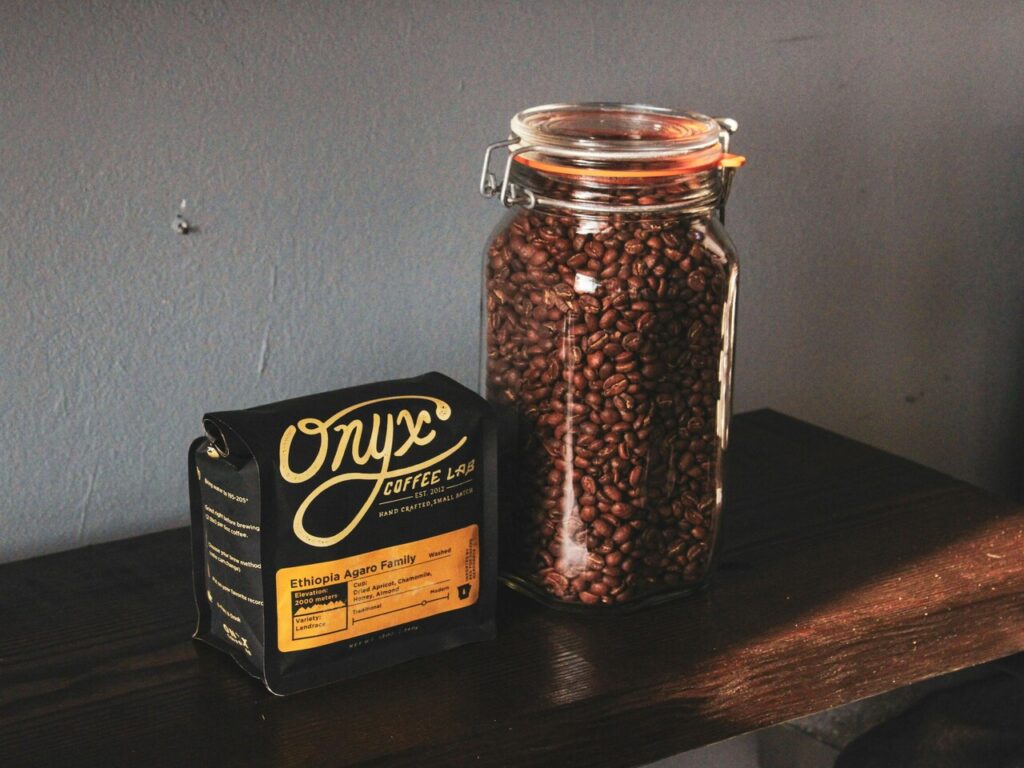
Packaging has become a major factor in how products are perceived. Some newer Whole Foods items focus heavily on design, using clean layouts, muted colors, and modern typography to create a sense of quality.
This approach reflects the influence of social media, where visual presentation matters. Products that look appealing are more likely to be shared or noticed, which can drive interest even before taste is considered.
The difference is not just cosmetic. Packaging communicates brand identity and values. When done well, it suggests care and attention to detail. That impression can influence purchasing decisions in subtle but meaningful ways.
9. Products Highlighting Ethical Sourcing and Producer Stories
More products are emphasizing where ingredients come from and who produces them. Labels that highlight ethical sourcing or specific farming practices add context that goes beyond the food itself.
Consumers are increasingly interested in transparency. Knowing how a product is made or who is behind it can influence trust and loyalty. This is especially true in stores like Whole Foods, where sourcing standards are part of the brand identity.
The attention these products receive is not driven by flavor alone. It comes from the story attached to them. When shoppers feel connected to the origin of their food, it adds value that goes beyond the ingredient list.