13 Fancy Ingredients People Buy Once and Rarely Reach for Again

Grocery stores and specialty markets are filled with ingredients that promise to elevate home cooking. From rare spices to luxury oils, these products often carry an air of sophistication that makes them hard to resist. Many home cooks buy them with the intention of experimenting with new recipes or recreating restaurant-style dishes. Sometimes they are too expensive to use often, while other times they simply do not fit into everyday meals. Over time, they become reminders of culinary curiosity that rarely get revisited.
1. Truffle Oil
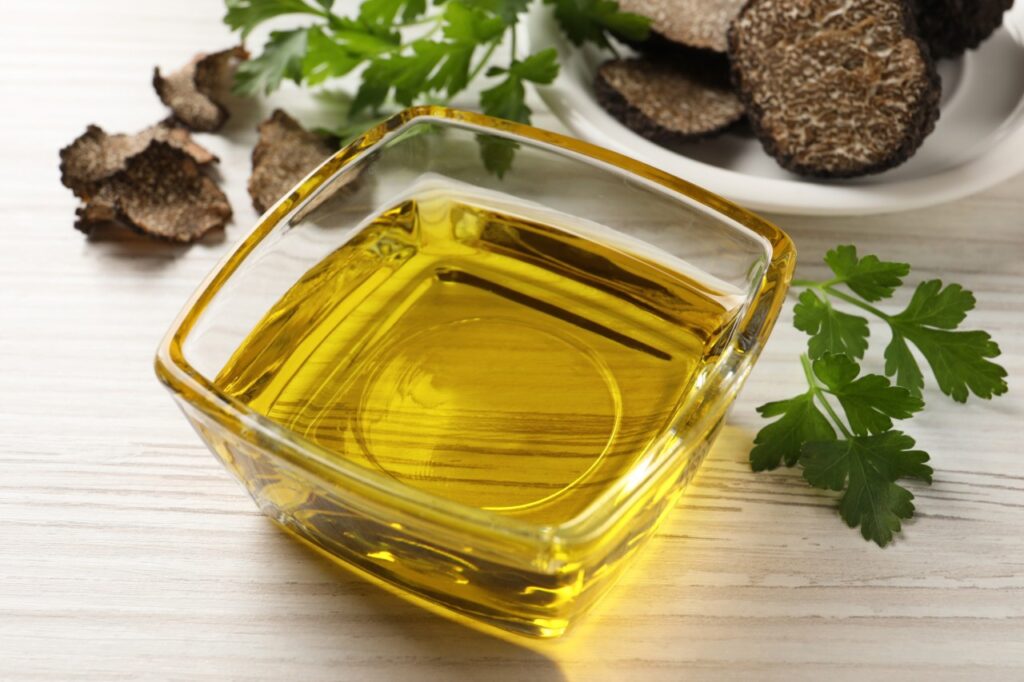
Few ingredients feel as luxurious at first glance as truffle oil. Bottles often promise the earthy aroma associated with real truffles, which are among the most prized ingredients in fine dining. For home cooks browsing specialty aisles, the idea of adding a gourmet touch to pasta, fries, or risotto can be very tempting.
Instead, it usually relies on synthetic flavor compounds designed to mimic the scent of truffles. These compounds create a very strong aroma that can easily overpower other ingredients in a dish.
Because of this intensity, the oil is typically used in extremely small amounts. The flavor works best as a finishing drizzle rather than a daily cooking ingredient.
2. Saffron
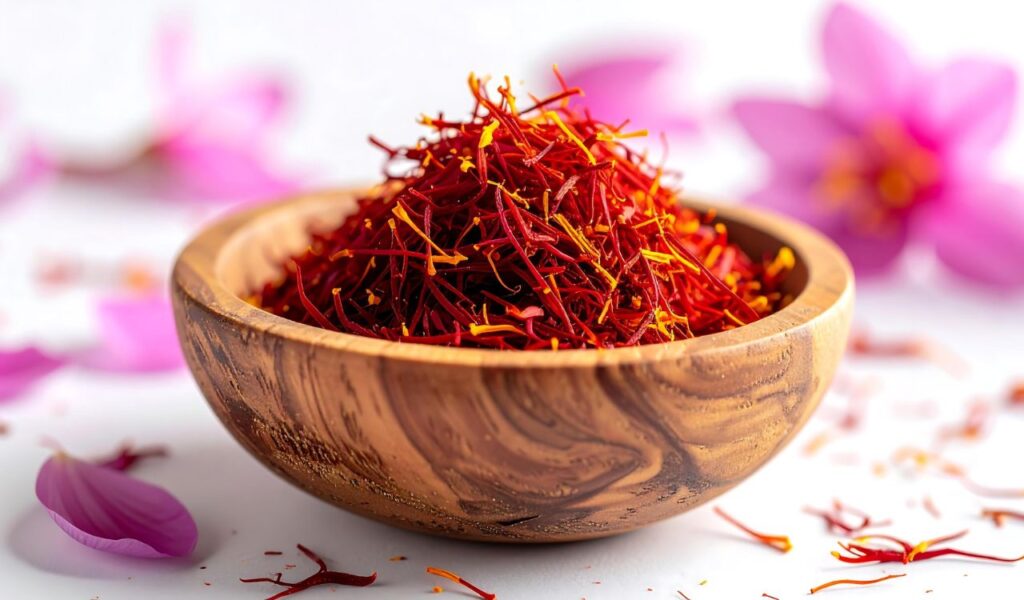
Saffron has a reputation as one of the most expensive spices in the world. The delicate red threads come from the saffron crocus flower and must be harvested by hand, which explains their high cost. Even a small jar can feel like a significant investment for a home kitchen.
The spice delivers a distinctive golden color and subtle floral flavor that appears in dishes such as paella, risotto, and certain desserts. While these recipes showcase saffron beautifully, they are not meals most people prepare every week.
Because only a few strands are used at a time, the jar can sit in a pantry for years. Many home cooks purchase saffron for a special recipe and then struggle to find regular opportunities to use it again.
3. Vanilla Beans
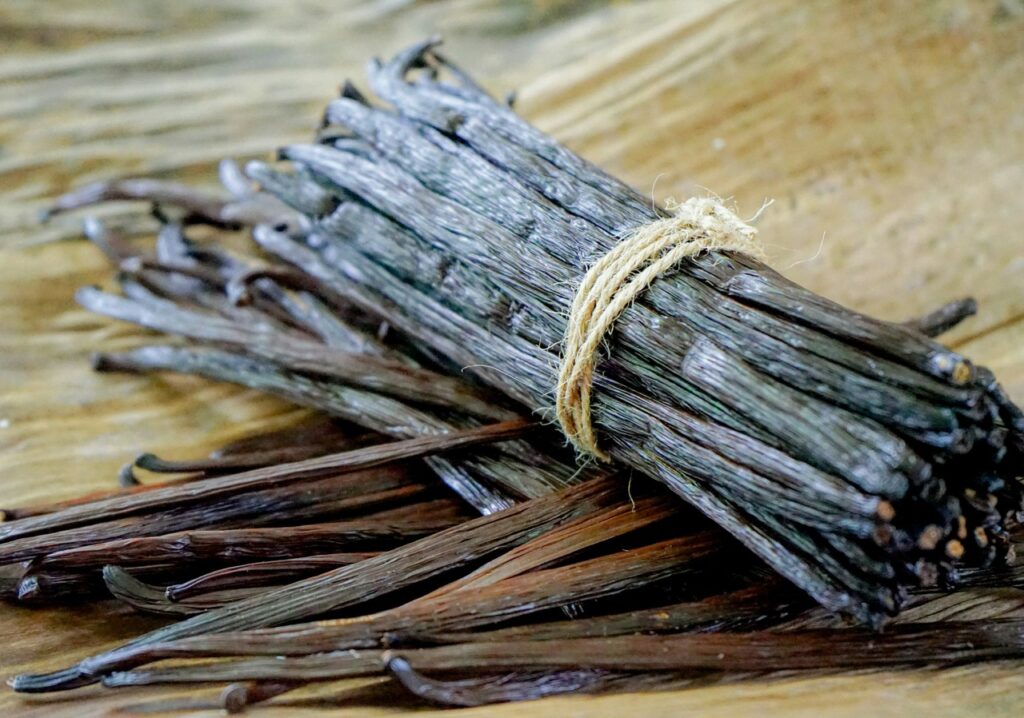
Vanilla beans look elegant and professional compared with standard bottles of vanilla extract. Many bakers buy them expecting a richer flavor in desserts such as custards, cakes, and ice cream.
The beans do provide a complex aroma and beautiful black specks of vanilla seeds that enhance presentation. However, extracting those seeds requires slicing the bean open and scraping out the interior, which takes more effort than simply adding liquid extract.
Because of the higher price and preparation time, vanilla beans are usually reserved for special baking projects. For everyday recipes, most people return to vanilla extract, leaving the remaining beans unused in the pantry.
4. Edible Gold Leaf

Edible gold leaf is one of the most visually striking ingredients available. The thin sheets of gold can be placed on desserts, chocolates, or drinks to create a dramatic and luxurious appearance.
Despite the glamorous effect, gold leaf does not add flavor to food. Its purpose is purely decorative, which means it contributes more to presentation than taste. The thin sheets are tasteless and odorless, allowing them to sit on desserts or drinks without altering the underlying flavor.
This limits how often it is used in a home kitchen. Many people buy it for a single celebration or special dessert and then realize they rarely have another reason to reach for it again.
5. Matcha Powder
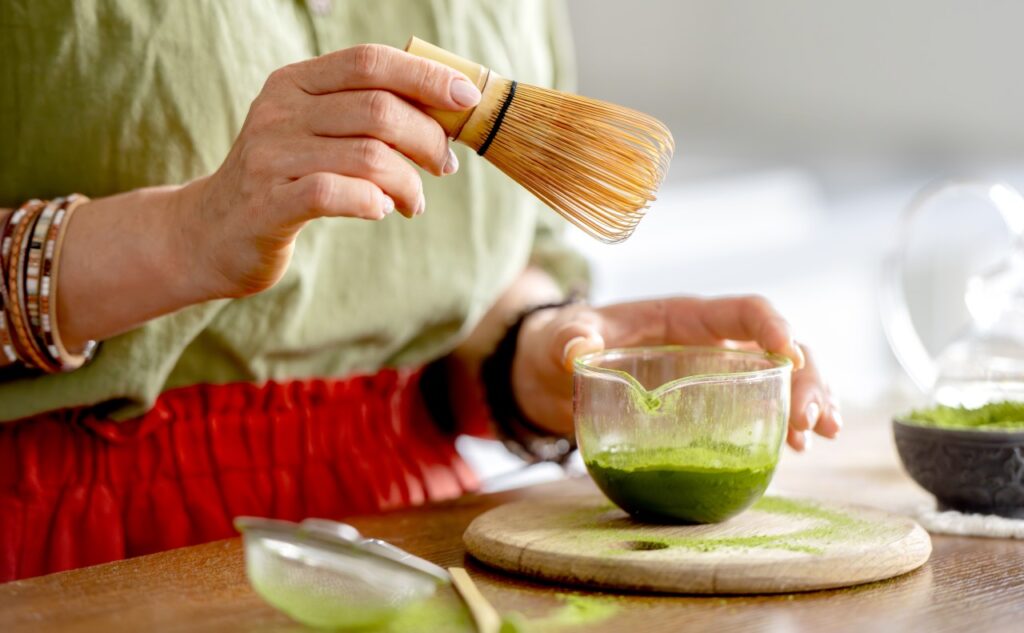
Matcha powder has gained enormous popularity in recent years. Made from finely ground green tea leaves, it appears in lattes, desserts, and smoothies. Its vibrant green color and reputation for antioxidants have made it a trendy ingredient.
The flavor of matcha is distinct and slightly grassy with a hint of bitterness. For people who are unfamiliar with traditional Japanese tea, the taste can be surprising at first.
Many home cooks purchase matcha during periods of curiosity or trend-driven experimentation. After making a few drinks or desserts, they may find that the flavor is not something they crave often, leaving the container unused.
6. Black Garlic
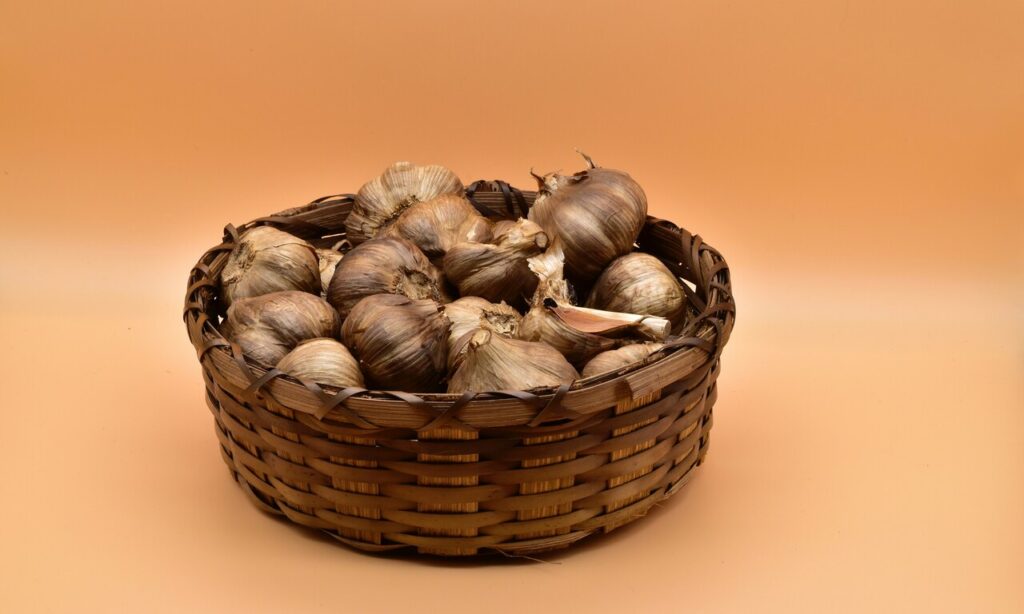
Black garlic begins as ordinary garlic that has been slowly fermented under controlled heat and humidity. This process transforms the cloves into soft, dark pieces with a sweet and slightly tangy flavor.
Chefs appreciate black garlic because it adds depth and complexity to sauces, meats, and spreads. However, its unique taste can feel unfamiliar to home cooks who are used to fresh garlic. During the aging process, garlic develops a sweeter and more mellow flavor that resembles balsamic, molasses, or dried fruit.
Because only a small amount is needed in most recipes, the ingredient is often used sparingly. Many people try it once out of curiosity, but struggle to incorporate it regularly into everyday cooking.
7. Pink Himalayan Salt
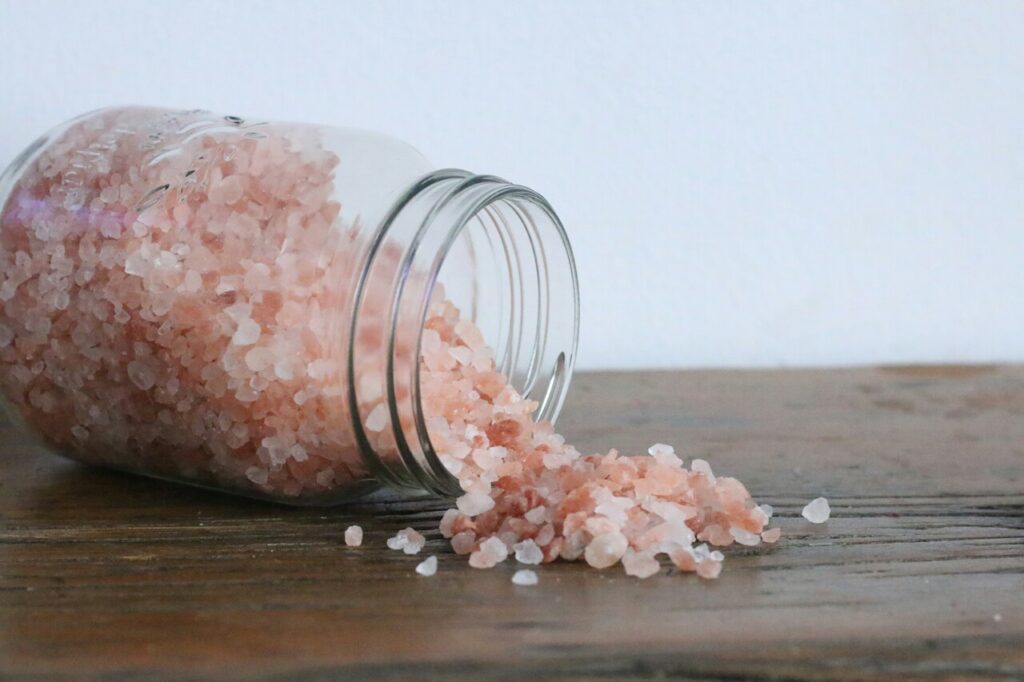
Pink Himalayan salt often appears in clear grinders or decorative jars that highlight its rosy color. Marketing frequently suggests that it offers special mineral content or culinary advantages over standard table salt.
In practice, the difference in flavor between this salt and other coarse salts is quite subtle. For most cooking purposes, salt performs the same basic role of enhancing flavor regardless of its source.
Because of this, many home cooks find that they reach for simpler and less expensive salts during everyday cooking. The pink crystals may remain in the pantry mainly for presentation or occasional finishing touches.
8. Specialty Finishing Olive Oil
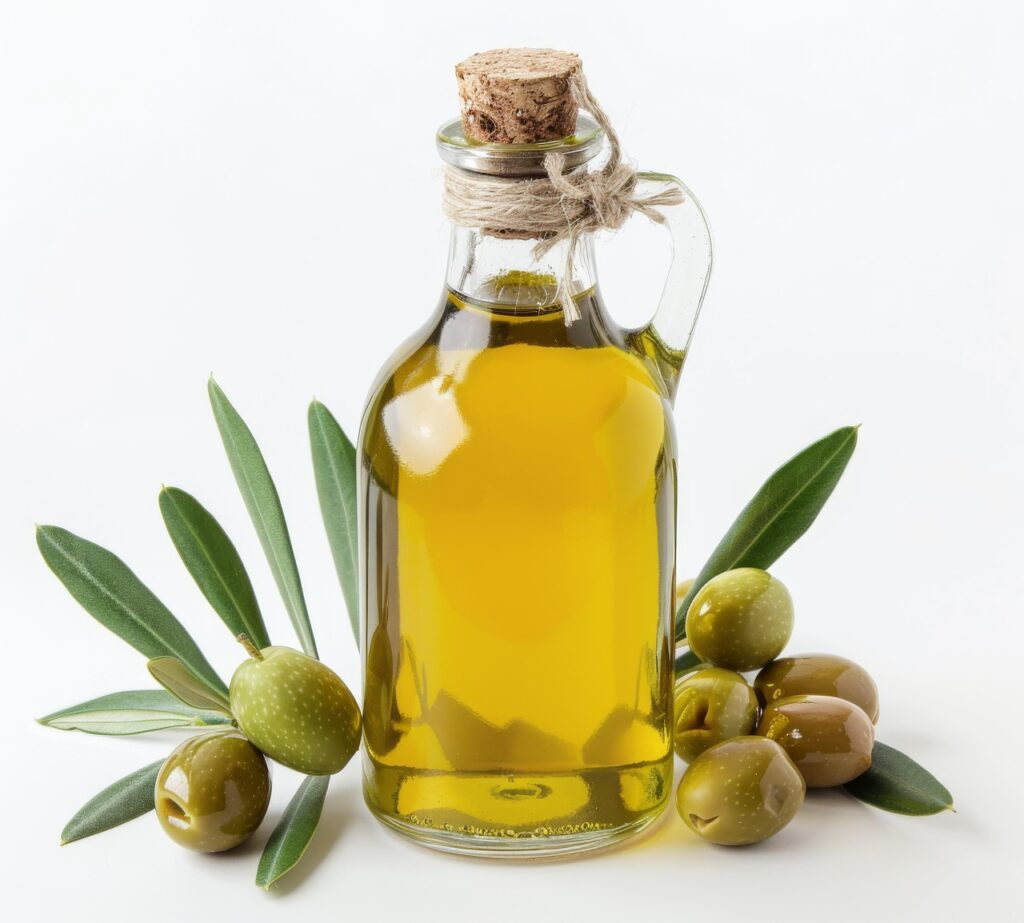
Specialty olive oils are often sold as finishing oils rather than everyday cooking oils. These products are usually made from high-quality olives and are designed to be drizzled over dishes just before serving.
The flavor of a good finishing oil can be vibrant and slightly peppery, adding depth to salads, roasted vegetables, or grilled meats. However, using it for cooking can diminish those qualities.
Since the oil is meant to be used sparingly, many bottles last a long time in the kitchen. Home cooks may purchase one with enthusiasm but discover that their everyday recipes rarely call for it.
9. Sumac
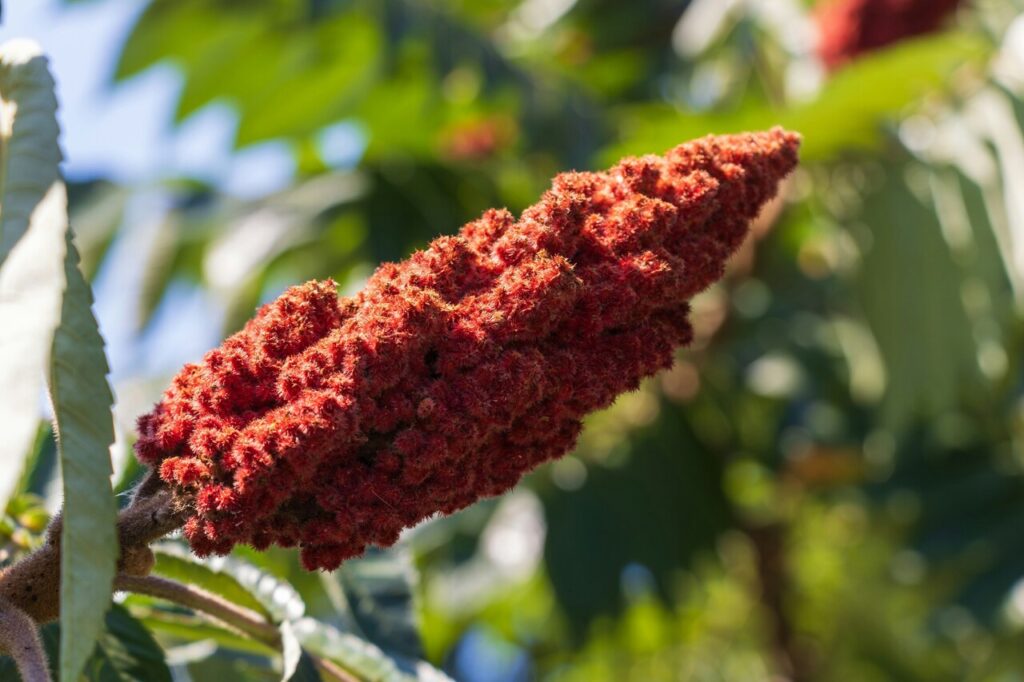
Sumac is a deep red spice commonly used in Middle Eastern cooking. It provides a bright, tangy flavor that resembles lemon without adding liquid to a dish.
The spice works beautifully on grilled meats, salads, and rice dishes. In regions where those cuisines are common, sumac is a pantry staple. Its bright, citrus-like tang adds acidity without the need for lemon juice or vinegar.
For many home cooks outside those traditions, however, it can be unfamiliar. Without recipes that regularly use it, the spice may remain in the cabinet long after the first experiment.
10. Aged Balsamic Vinegar
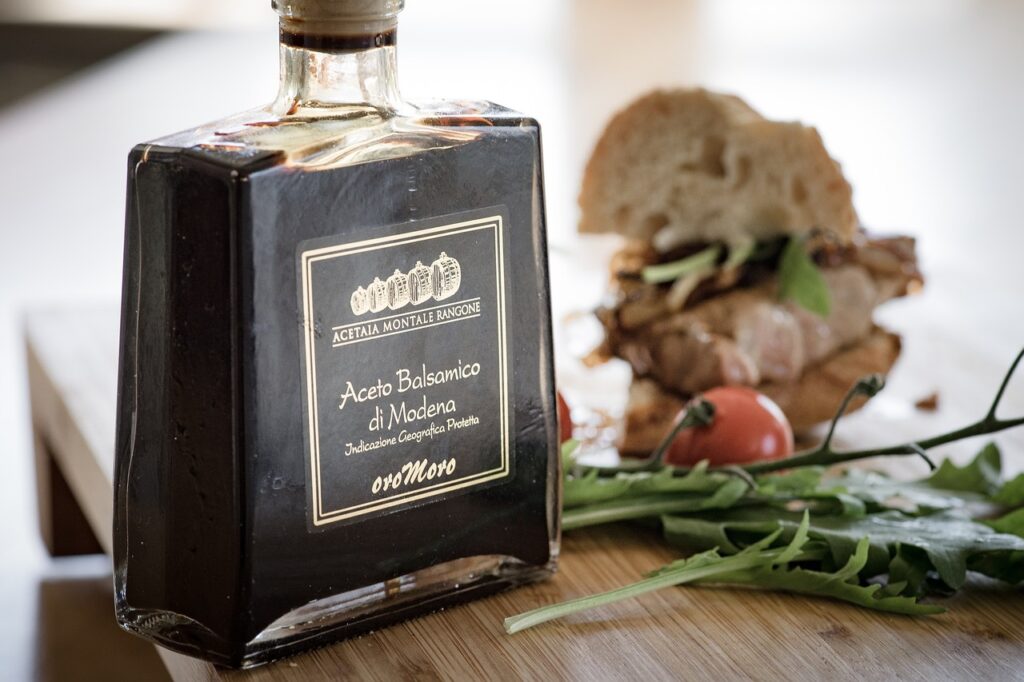
Aged balsamic vinegar is known for its thick texture and concentrated sweetness. Produced through long aging processes, high-quality bottles can become quite expensive.
Unlike standard vinegar, aged balsamic is typically used as a finishing ingredient. A few drops can enhance dishes such as roasted vegetables, cheese, or strawberries. The thick texture and concentrated sweetness come from long aging in wooden barrels.
Because it is used so sparingly, a bottle may last for years. Many people purchase it for a special meal and then hesitate to use it often because of its price.
11. Exotic Mushroom
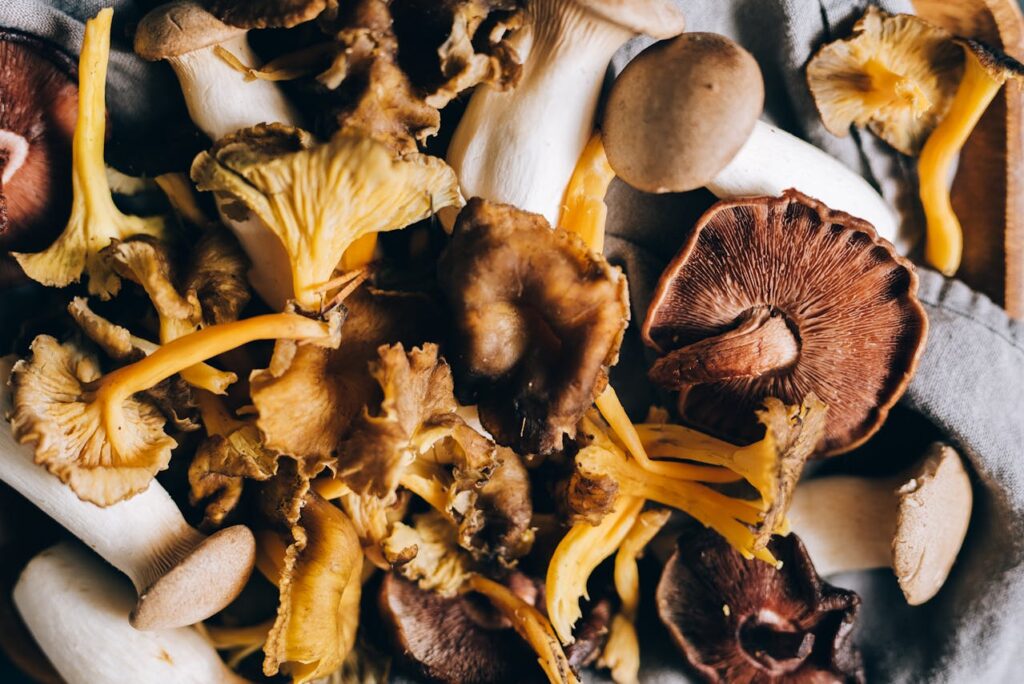
Mushroom powders made from varieties such as porcini or shiitake are often marketed as flavor boosters. They can add a deep savory taste known as umami to soups, sauces, and marinades. The powder dissolves easily, allowing cooks to enhance flavor without adding visible ingredients.
Professional chefs sometimes rely on these powders to intensify flavor without adding extra liquid or salt. The ingredient can be surprisingly powerful in small amounts.
However, the powders are not commonly included in everyday home recipes. Many people buy them with the intention of experimenting, but eventually forget they are in the pantry.
12. Flavored Sea Salt
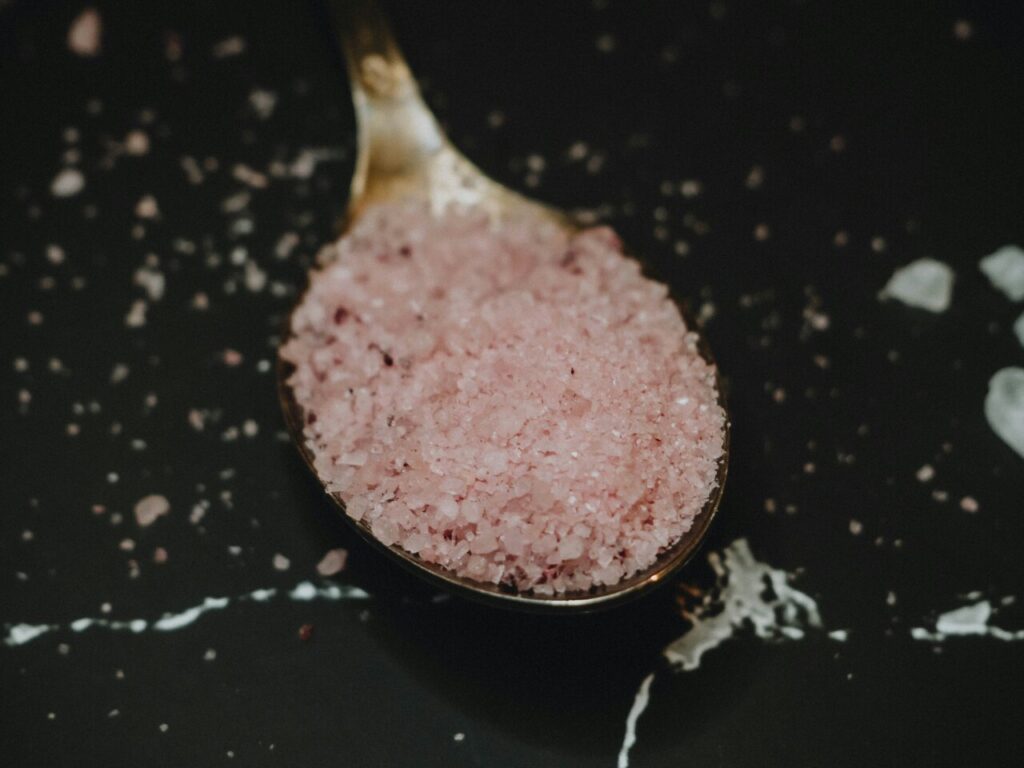
Flavored sea salts combine salt crystals with ingredients such as herbs, citrus zest, or smoked spices. The idea is to add a finishing touch that enhances the aroma of a dish. When sprinkled just before serving, the crystals deliver both seasoning and bursts of fragrance.
These salts can be enjoyable on roasted vegetables, grilled meats, or even chocolate desserts. Because the flavors are already blended, they are meant to be sprinkled lightly just before serving.
The challenge is that they overlap with seasonings many cooks already own. When herbs and spices are available separately, flavored salts can feel redundant. As a result, the jar may be used only occasionally.
13. Gourmet Chili Oils
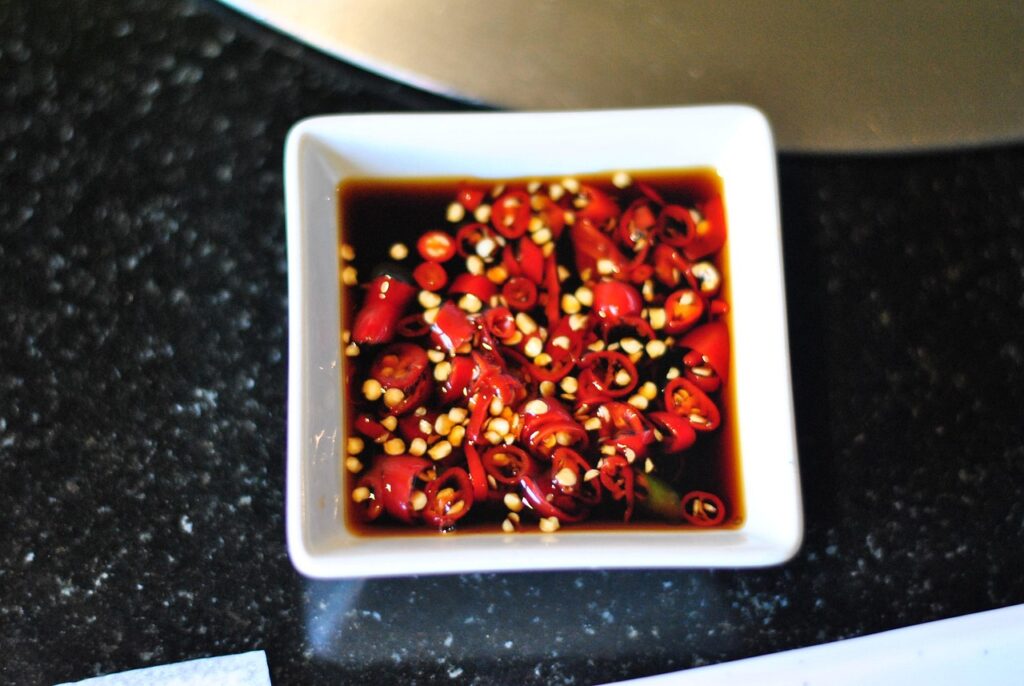
Gourmet chili oils have become increasingly popular thanks to their bold flavor and appealing color. They usually combine oil with dried chilies, garlic, and spices to create a spicy condiment.
The oils work well as a drizzle over noodles, dumplings, or stir-fried dishes. In restaurants and specialty kitchens, they add heat and aroma with just a spoonful.
At home, the intensity of the spice can limit how often the oil is used. Some cooks enjoy the flavor occasionally but do not reach for it during everyday meals. Over time, the bottle may sit in the pantry waiting for the next spicy craving.