9 New Walmart Grocery Items Are Getting Noticed and It’s Not Random

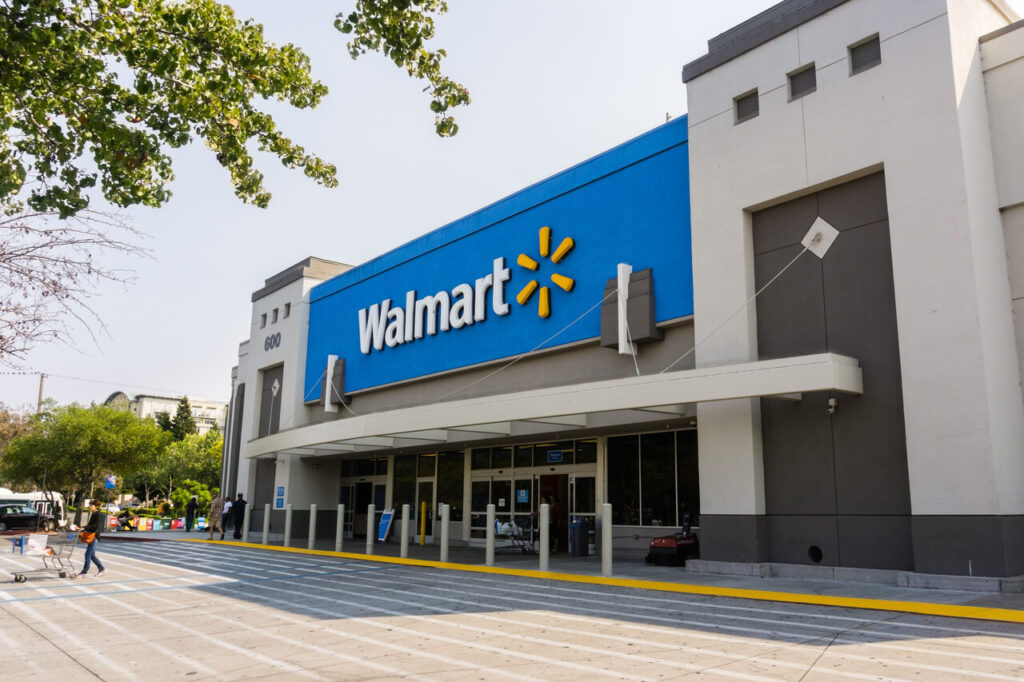
Walk through a Walmart grocery aisle and certain products seem to stand out almost immediately. Some feel familiar, others look new, and a few just catch your attention without you quite knowing why. It can feel random at first, like certain items are simply getting lucky.
But there’s a pattern behind it. From where products are placed to how they are packaged and even which trends they tap into, a lot of thought goes into what shoppers notice first. These items are not just appearing in the spotlight by chance; they are positioned there on purpose.
1. Familiar Restaurant Brands Are Quietly Showing Up on Grocery Shelves
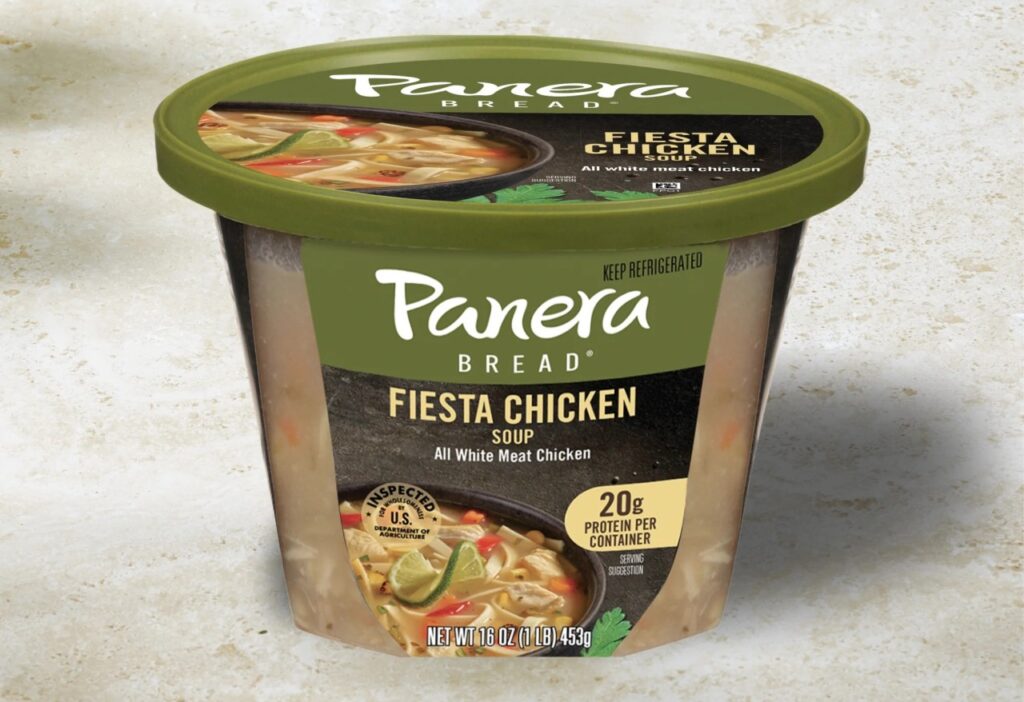
Seeing a well-known restaurant name in a grocery aisle immediately changes how a product is perceived. Items like packaged soups and mac and cheese tied to recognizable brands tap into existing trust. Shoppers already associate these names with a certain flavor or experience, which makes the decision to try them feel easier.
This strategy is built on brand recognition. Instead of introducing something completely new, it brings a familiar identity into a different setting. That reduces hesitation and creates instant visibility, especially in crowded aisles where attention is limited.
The result is not accidental. These products are placed where they can be easily seen and quickly understood. They bridge the gap between dining out and eating at home, which is why they tend to stand out without needing much explanation.
2. Store Brands Are Starting to Feel Less Like a Compromise
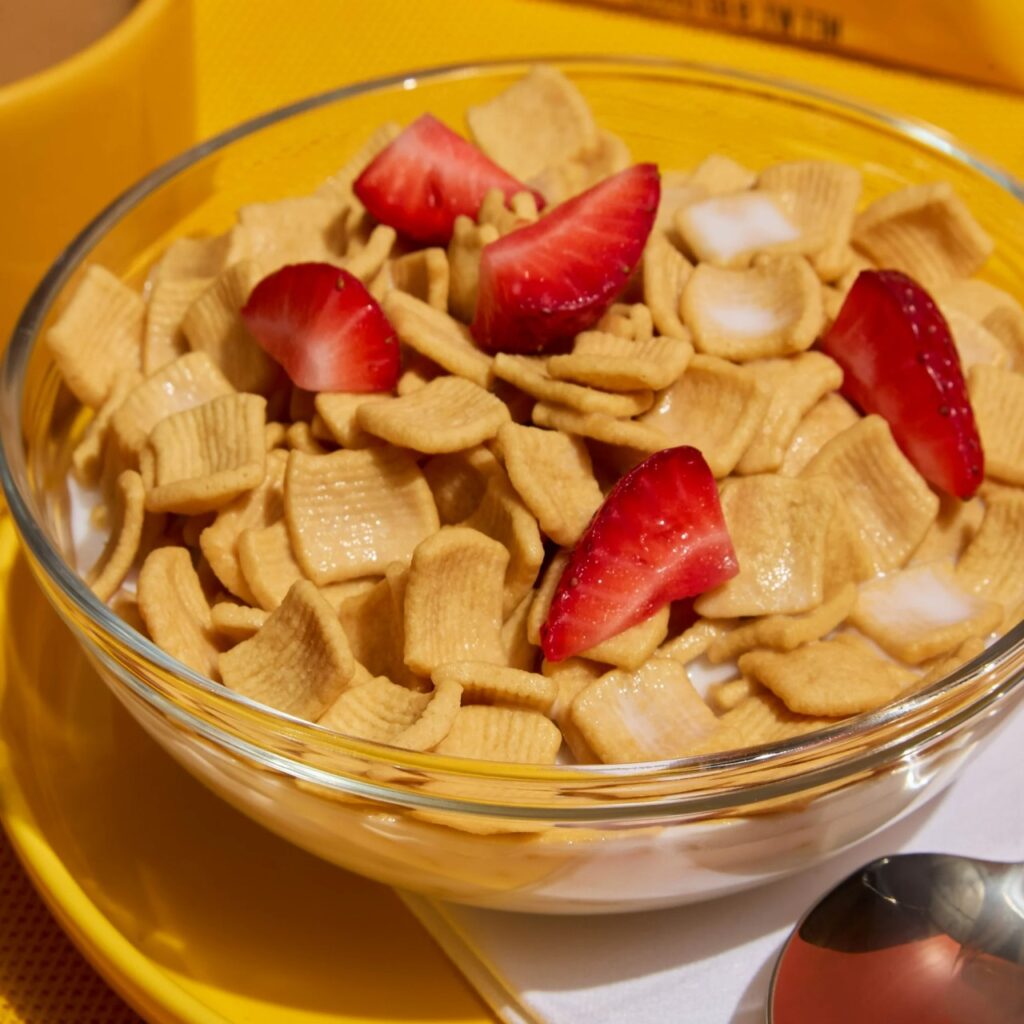
Private label products have changed significantly in recent years. What was once seen as a lower-cost alternative is now being repositioned as a competitive option in both quality and presentation. Packaging, ingredient choices, and variety have all improved.
This shift is intentional. Retailers are investing in their own brands to offer better margins while still appealing to shoppers who want value. By improving quality, they reduce the gap between store brands and national brands.
As a result, these items are getting more attention. Shoppers who might have skipped them before are now willing to try them. The change is gradual, but it is noticeable once people start comparing options more closely.
3. Ready-to-Heat Meals Are Filling the Gap Between Cooking and Takeout
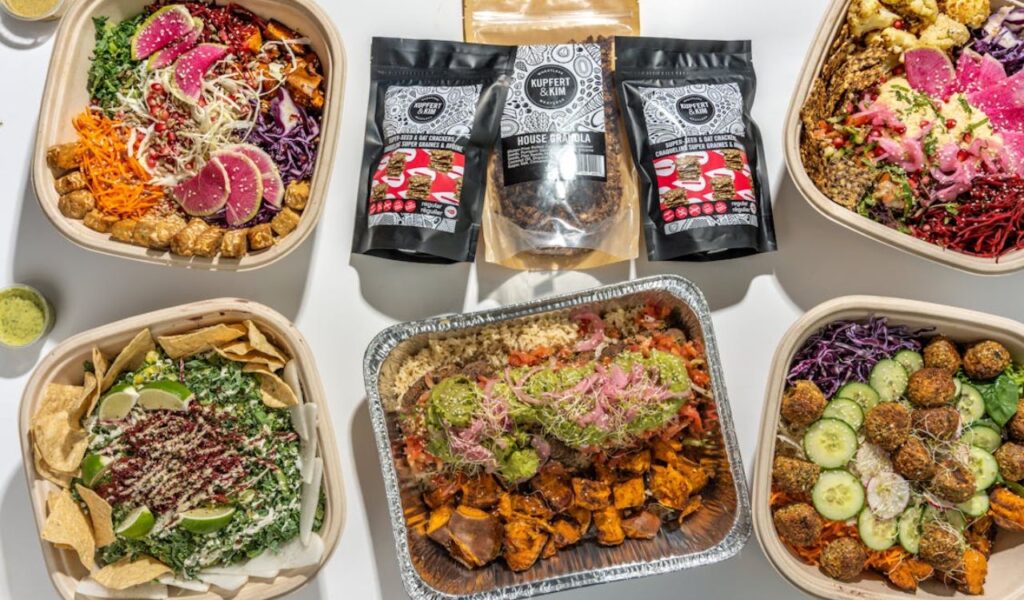
Prepared meal kits and ready-to-heat dishes are becoming more visible because they address a clear need. Many people want something quick but still prefer eating at home rather than ordering out. These products sit right in the middle.
They are designed for convenience without requiring full preparation. Minimal cooking, simple instructions, and quick turnaround times make them practical for busy routines. This balance is what drives their growing presence.
Their placement in stores also plays a role. Positioned in high-traffic areas, they are easy to spot and often presented as solutions rather than just products. That framing makes them more appealing in the moment.
4. Seasonal Items Are Built to Create Urgency
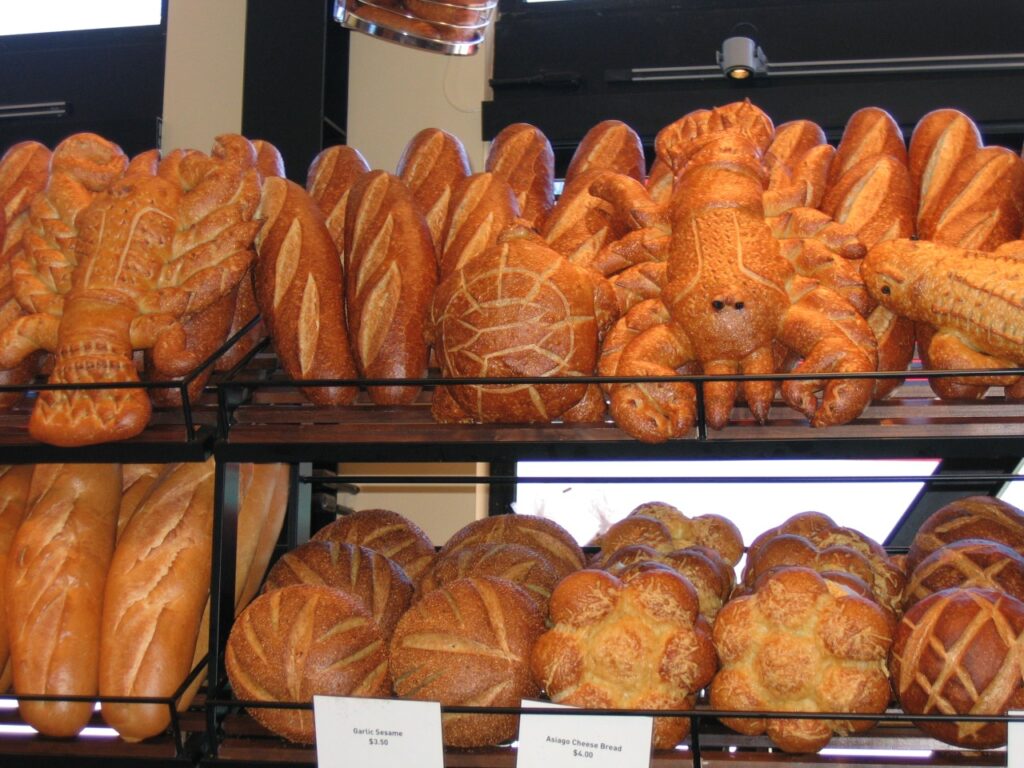
Limited-time bakery goods and snacks are not just about variety. They are designed to encourage quick decisions. When shoppers know an item will not be around for long, they are more likely to try it without overthinking.
This sense of urgency is a key part of retail strategy. Seasonal flavors and rotating products keep the shopping experience fresh and unpredictable. It gives people a reason to look for something new each time they visit.
The visibility of these items is carefully managed. They are often placed in prominent locations where they can catch attention quickly. That combination of scarcity and placement is what makes them stand out.
5. Health-Focused Snacks Are Meeting a Growing Expectation
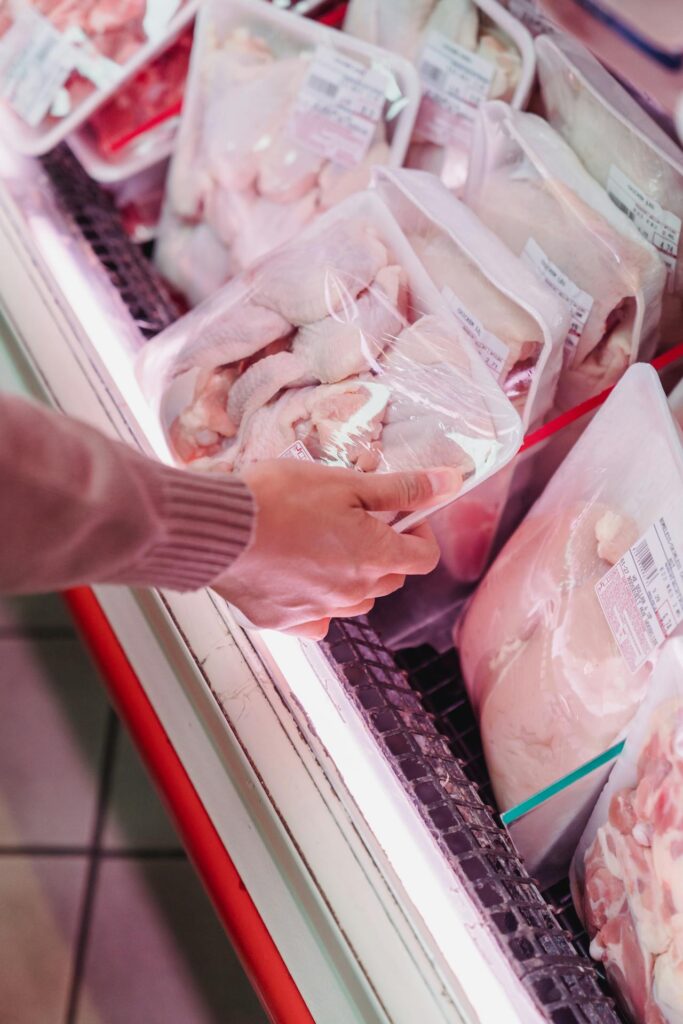
Products labeled as high protein, low sugar, or functional are becoming more common because they align with changing priorities. Shoppers are paying closer attention to what they eat, even when choosing snacks.
These items are designed to signal benefits clearly. Packaging highlights key features, making it easy to understand what sets the product apart. This clarity helps them stand out among more traditional options.
Their rise is not random. It reflects a shift in demand toward foods that offer more than just taste. Convenience is still important, but there is also an expectation of added value in terms of nutrition.
6. Global Flavors Are Expanding What Feels Familiar
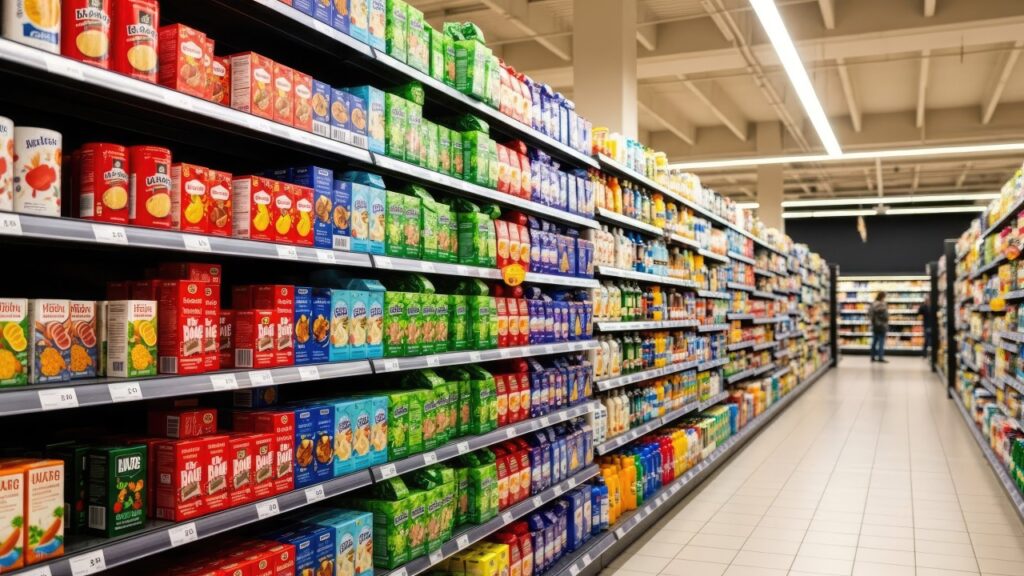
International food products are gaining visibility as shoppers become more open to trying new flavors. Exposure through travel, media, and online content has made global cuisines more accessible and less intimidating.
Retailers are responding by introducing items that reflect these influences. Sauces, snacks, and ready meals inspired by different regions bring variety into everyday shopping. They offer a way to experiment without leaving the grocery store.
Placement plays a role here as well. These products are often grouped or highlighted to encourage exploration. The goal is to turn curiosity into a purchase, making global flavors part of regular routines.
7. Prepped Produce Is Making Convenience More Visible
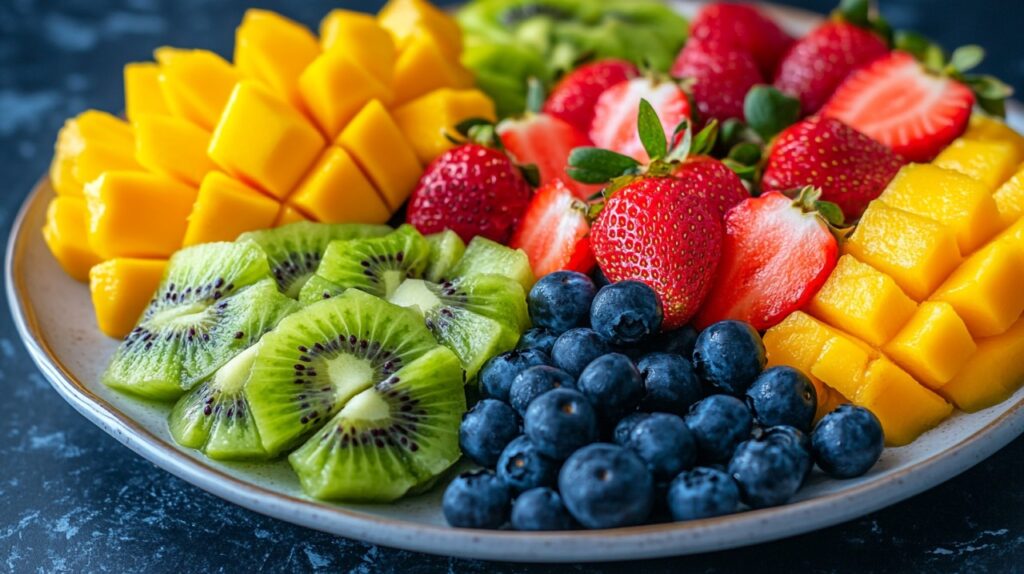
Cut fruits, packaged vegetables, and ready-to-use produce are becoming more prominent because they reduce preparation time. For many shoppers, this convenience makes a noticeable difference in daily routines.
These items are positioned as solutions rather than just ingredients. They appeal to people who want to eat fresh food but have limited time for washing, cutting, and storing. That practicality drives their visibility.
The growth of this category reflects changing habits. As schedules become busier, the value of saving time increases. Prepped produce meets that need while still aligning with health-focused choices.
8. Frozen Foods Are Getting a Visual Upgrade
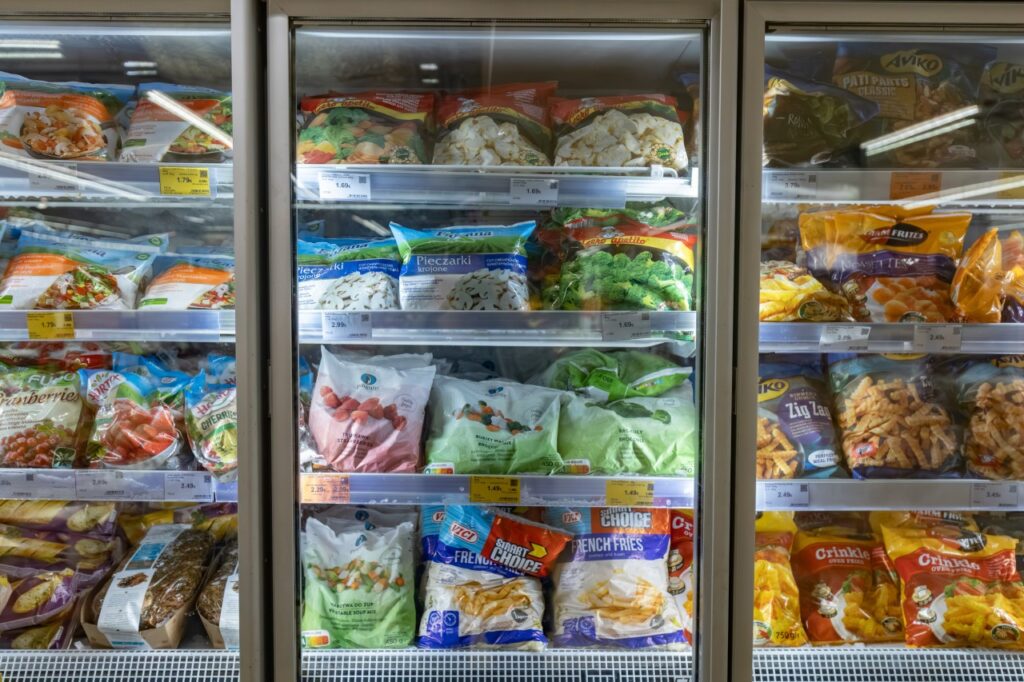
Frozen sections are evolving, and packaging plays a major role in that change. Updated designs, clearer labeling, and improved imagery make these products feel more modern and appealing.
This visual shift affects perception. Items that might have been overlooked before now stand out because they look more refined. It changes how shoppers think about frozen food as a category.
The improvement is not just cosmetic. It often reflects changes in ingredients and variety as well. Together, these updates make frozen foods more competitive with fresh and ready-made options.
9. Strategic Placement Is Doing More Work Than Most People Realize
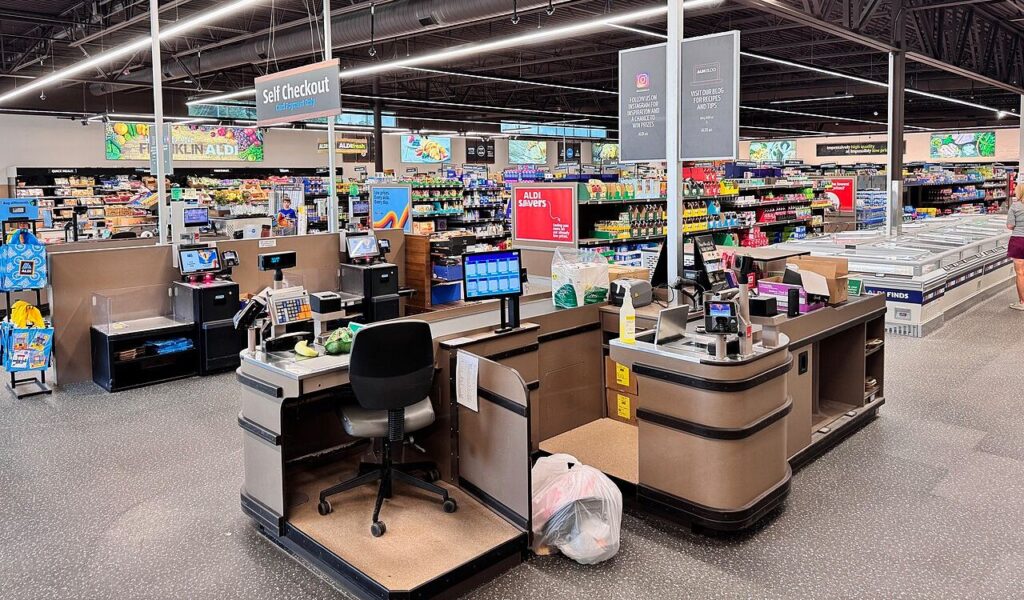
Where a product is placed in a store can be just as important as what it is. End caps, checkout areas, and eye-level shelves are all designed to capture attention quickly. These spots are not random, they are chosen carefully.
Products placed in these locations benefit from higher visibility. Shoppers are more likely to notice and consider them, even if they were not part of the original plan. This increases the chances of impulse purchases.
This strategy explains why certain items seem to stand out more than others. It is not always about demand alone. Placement shapes what people see first, and what they see first often shapes what they buy.