12 Grocery Store Favorites That Taste Very Different Once You Get Them Home


Grocery stores are designed to make food look as appealing as possible. Bright packaging, carefully arranged displays, and tempting product descriptions can easily convince shoppers to try something new. In many cases, these items seem even more exciting when seen under store lighting or alongside other fresh products. Factors such as storage conditions, reheating, preparation methods, and expectations all play a role in how these foods ultimately taste in a home kitchen.
1. Blue Bell Ice Cream

Few grocery store treats inspire loyalty quite like Blue Bell ice cream. Many shoppers associate the brand with rich flavors and smooth texture, which is why it often feels like a safe choice in the freezer aisle.
Once the container makes the trip home, the experience can sometimes feel slightly different. Ice cream is very sensitive to temperature changes, and even a short ride from the store can begin to soften the product.
In grocery stores, samples or freshly stocked cartons may be kept at ideal conditions for scooping. Allowing the container to sit briefly before serving often brings back the creamy texture people expect.
2. Buttermilk

Buttermilk is one of those ingredients that quietly appears in many traditional recipes. In the grocery store, it often sits beside milk and cream, suggesting it can be used just as easily.
When tasted on its own, the flavor can surprise people who have never tried it before. Modern buttermilk is cultured, which gives it a tangy and slightly thick character. This acidity works beautifully in baked goods because it reacts with baking soda to create a lighter texture.
The challenge is that most recipes only call for small amounts. After the first dish is finished, a large portion of the carton may remain unused in the refrigerator. Without a clear plan for additional recipes, the ingredient can easily be forgotten until the next baking project.
3. Packaged Dinner Rolls

Warm dinner rolls displayed in grocery store bakeries can be difficult to resist. Their golden color and soft texture suggest they have just come out of the oven. Many shoppers imagine them alongside family dinners or holiday meals.
At home, however, the experience may shift slightly. Packaged rolls begin cooling and settling once they leave the store bakery. As they sit in their packaging, the steam that once kept them soft slowly escapes.
Reheating can help restore some of that freshness, but the texture may not feel quite the same as it did when they were first baked. A brief warm-up in the oven often improves the flavor and brings back some of the softness that made them appealing in the store.
4. Mayonnaise

Mayonnaise is a pantry staple that often feels familiar and dependable. Many grocery stores carry several regional brands that loyal customers swear by. The jars promise a creamy spread that enhances sandwiches, salads, and sauces.
What many shoppers discover is that different brands vary widely in flavor. Some versions are tangy and sharp, while others lean toward a milder and sweeter taste. These subtle differences become noticeable once the mayonnaise is used at home.
Expectations also influence perception. Restaurant versions of sandwiches often rely on carefully balanced sauces, which can make store-bought mayonnaise taste different by comparison. Finding the right brand usually requires a little experimentation.
5. Frozen Creamed Corn
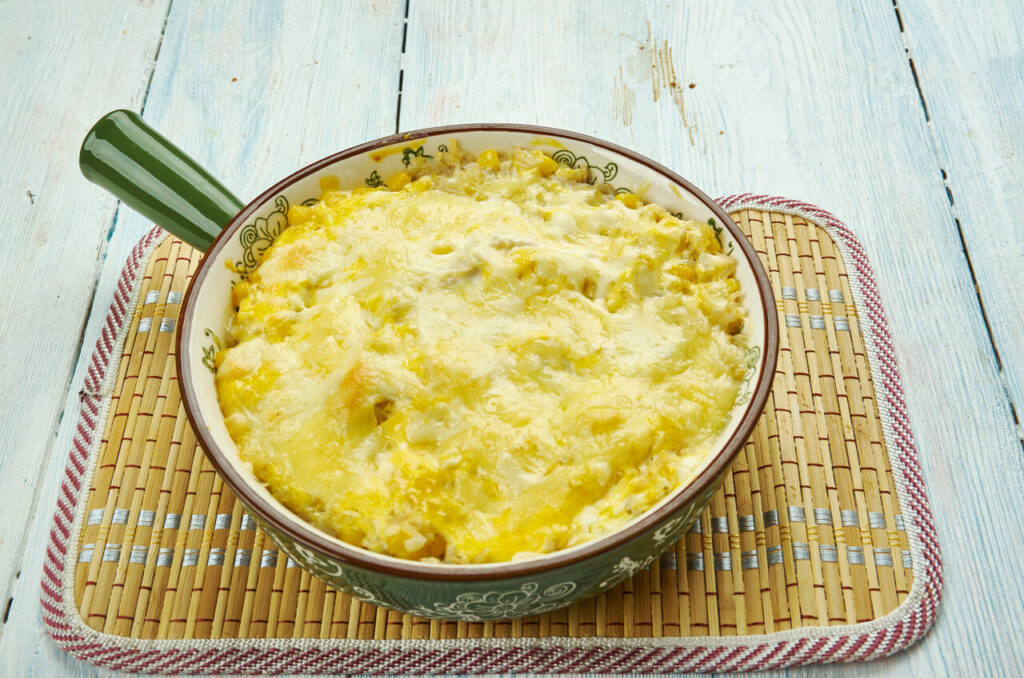
Frozen creamed corn offers a convenient shortcut for a dish that traditionally requires careful cooking. The packaging usually shows a rich mixture of sweet corn and creamy sauce that looks ready to serve with almost any meal.
After heating it at home, the texture can sometimes feel lighter than expected. Freezing and reheating change the way starches behave, which may affect how thick the sauce becomes.
Seasoning can also play a role. Many frozen vegetable dishes are prepared with mild seasoning, so they appeal to a wide range of tastes. Adding butter, salt, or herbs during reheating often helps bring out the sweetness of the corn.
6. Bottled Chutneys and Sauces
Bottled chutneys and specialty sauces often promise bold flavor in a convenient form. Their labels highlight ingredients such as fruit, spices, and vinegar, suggesting the complexity of a homemade condiment.
The difference becomes noticeable when compared with fresh versions. Packaged sauces must remain stable on store shelves, which means they are cooked and preserved in ways that maintain safety but can slightly soften the flavor.
Once opened, these condiments can still add variety to many dishes. However, the depth of flavor found in freshly prepared chutney often comes from ingredients that have been cooked and seasoned more dynamically.
7. Packaged Pimiento Cheese
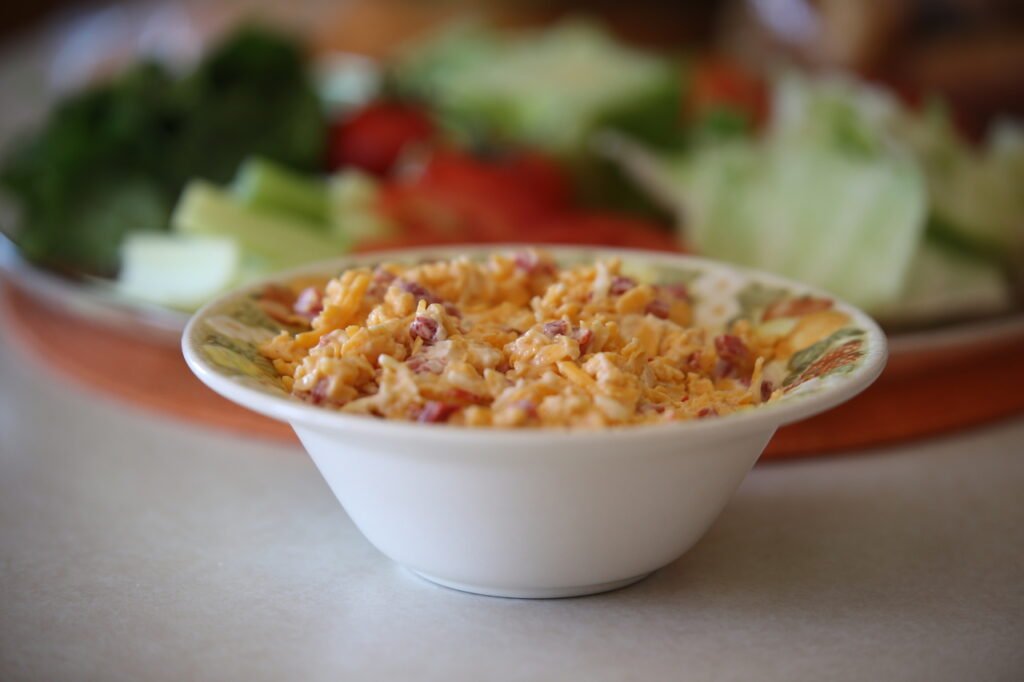
Pimiento cheese has a strong reputation as a classic Southern spread. Grocery store versions promise a creamy blend of shredded cheese, peppers, and mayonnaise that can be enjoyed on crackers or sandwiches.
The flavor sometimes changes once the container is opened. Many packaged versions rely on stabilizers to maintain texture during storage, which can slightly alter the richness of the mixture.
Homemade versions tend to taste sharper because they use freshly grated cheese and fewer additives. While the store-bought option remains convenient, the difference in preparation can make the flavor feel milder than expected.
8. Flavored Soda

Flavored sodas often appear colorful and exciting in grocery store displays. Unique fruit varieties or regional recipes can attract shoppers who are curious to try something new.
When the drink is opened at home, the sweetness can sometimes feel stronger than expected. Carbonated beverages rely on sugar or sweeteners to balance acidity, which can become more noticeable outside a restaurant setting.
Temperature and carbonation also affect the taste. Drinks that are served very cold tend to feel crisper and less sweet. Allowing a soda to warm slightly may make the flavor seem more intense. This difference often surprises people who expected the drink to taste exactly like it did when they first picked it up.
9. Self-Rising Cornmeal Mix
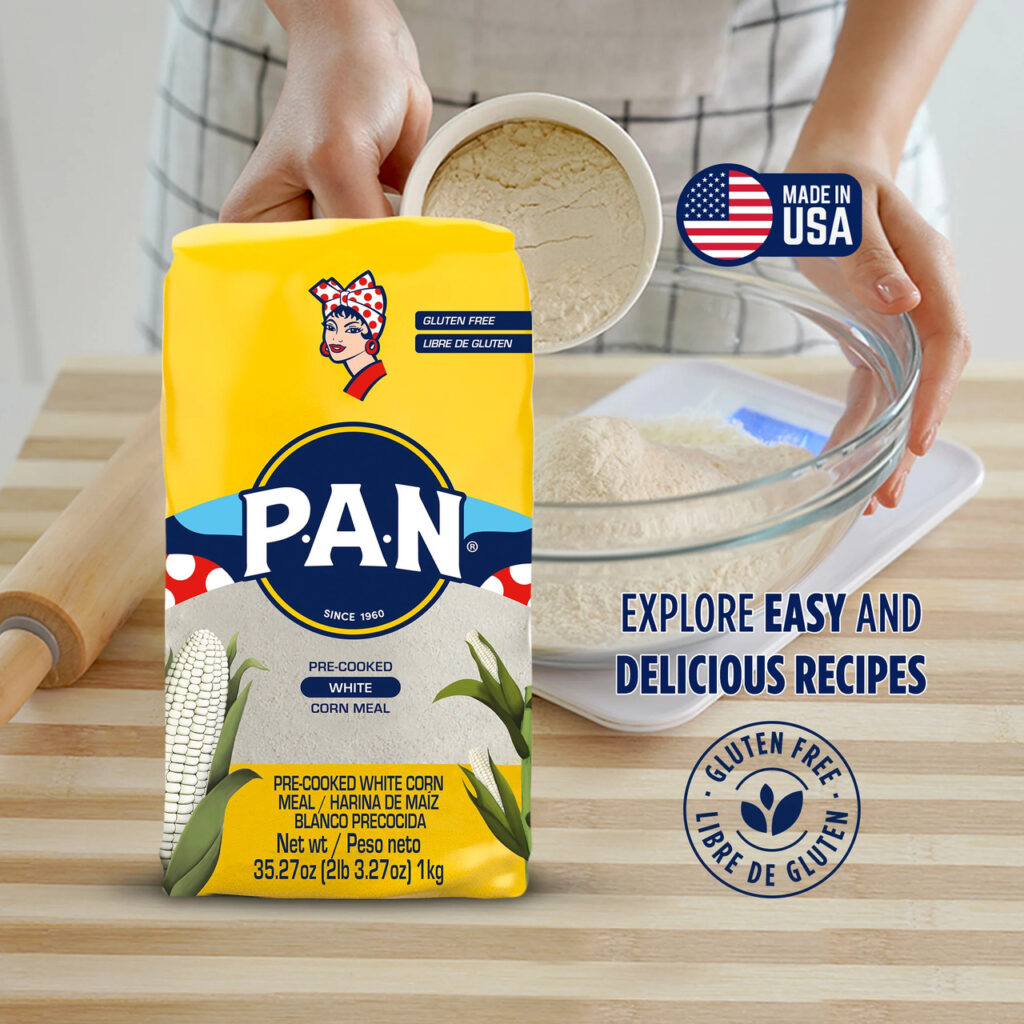
Self-rising cornmeal mix simplifies the process of making cornbread. Instead of measuring multiple ingredients, cooks can combine the mix with a few liquids and quickly create batter for baking.
The convenience comes from the added leavening agents already blended into the mix. These ingredients help the bread rise but can also influence flavor and texture.
For some cooks, the result may taste slightly different from cornbread made entirely from scratch. Fresh recipes often allow more control over sweetness and texture, which can produce a richer final result. That small difference becomes noticeable once the bread comes out of the oven.
10. Specialty Beans
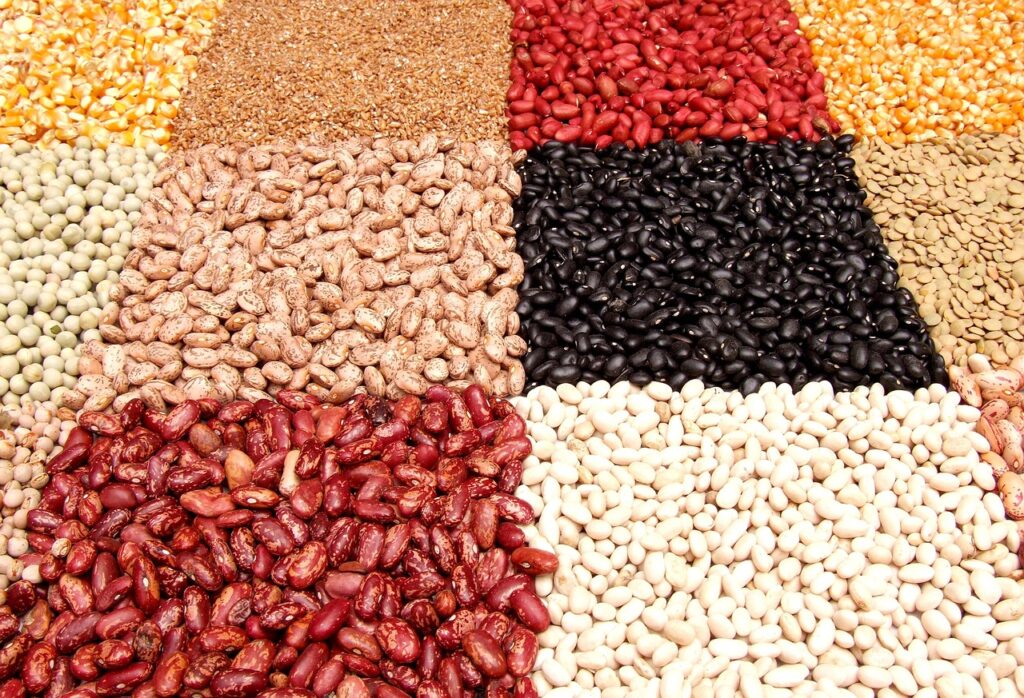
Specialty beans often look appealing when displayed in grocery stores. Their colors and shapes promise hearty soups or flavorful side dishes that feel comforting and wholesome.
The cooking process can surprise people who are unfamiliar with dried beans. Proper preparation usually requires soaking and long simmering times to achieve the desired texture.
Without enough seasoning or cooking time, the beans may taste milder than expected. When prepared carefully with herbs, salt, and slow cooking, however, they develop the rich flavor that shoppers imagine when they first see them in the store. Patience in the cooking process makes a significant difference.
11. Packaged Ice Cream Desserts

Packaged ice cream desserts often feature dramatic images of layered chocolate, caramel, or cookie pieces. These visuals can make the dessert appear similar to something served in a restaurant.
Transport and storage can affect the final experience. Even brief temperature changes during the trip home may alter the texture slightly.
Serving conditions also matter. Allowing the dessert to soften for a few minutes before slicing can improve its consistency. This small step helps recreate the creamy texture suggested by the packaging. A slightly softened texture also allows the flavors to stand out more clearly.
12. Prepared Deli Sauces
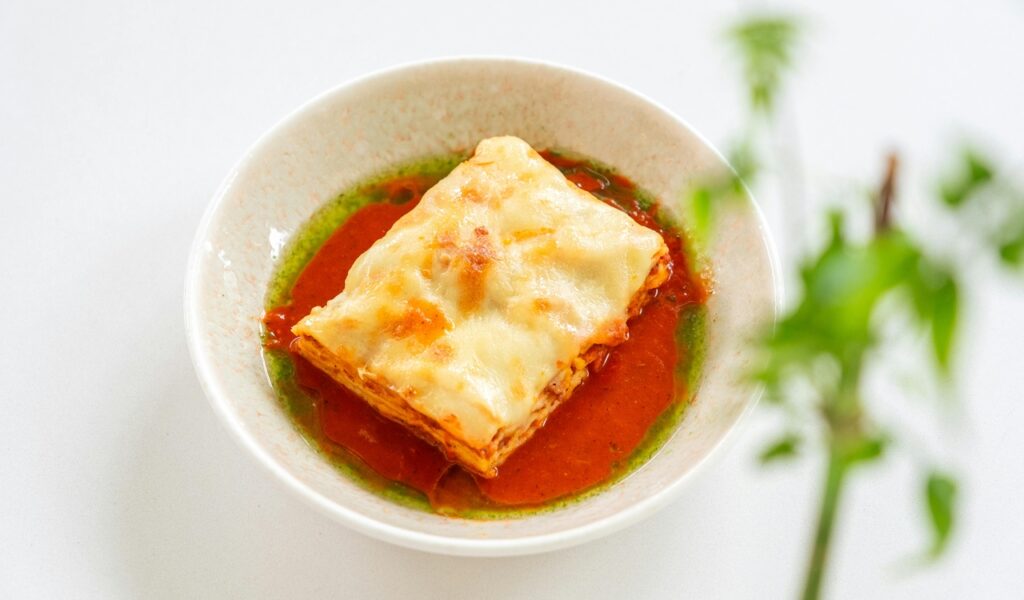
Prepared sauces from the deli section promise convenience and bold flavor. They are often marketed as ready-made additions to sandwiches, salads, or grilled foods.
The taste can differ slightly from fresh sauces made in small batches. Large-scale preparation often requires balancing flavors so the sauce remains consistent across many servings.
Once at home, the sauce may benefit from small adjustments. Adding a squeeze of lemon, fresh herbs, or a pinch of salt can help brighten the flavor and bring it closer to the freshness many people expect. These simple additions often restore the balance people were hoping to taste.