10 Asian Desserts People End Up Loving More Than Classic Sweets

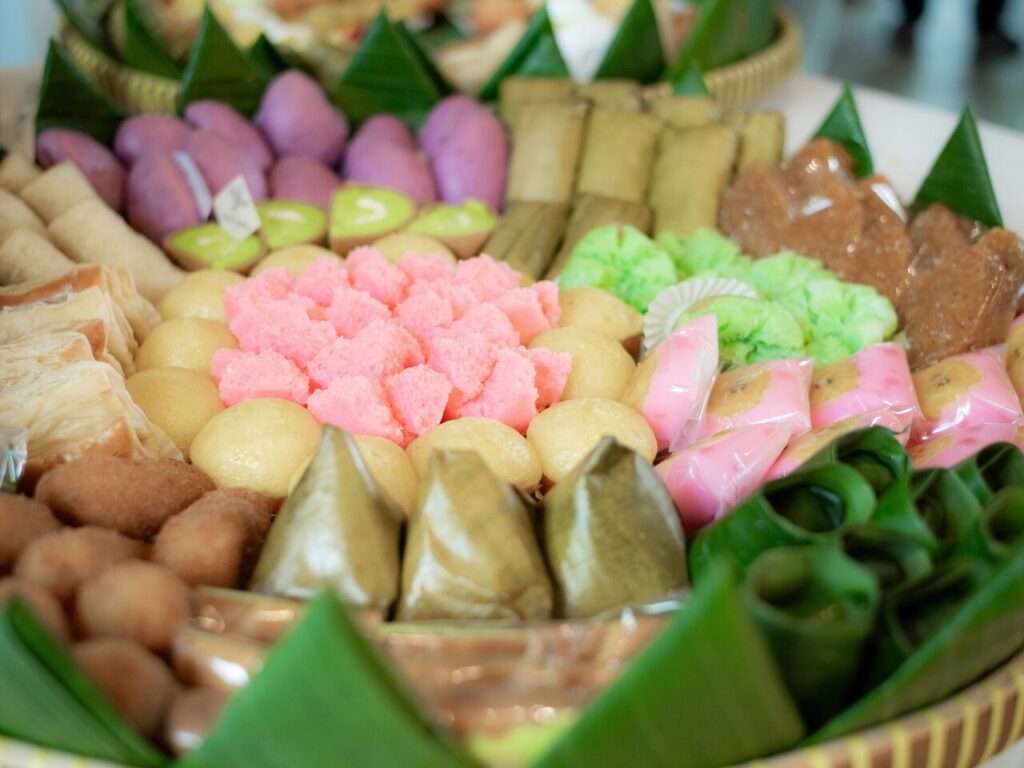
Asian desserts often surprise people who expect sweets to be heavy or intensely sugary. Instead, many rely on balance, using fruit, rice, coconut, and gentle sweetness to create flavor without excess. Texture plays a major role, from chewy and creamy to icy and soft, keeping each bite engaging. These desserts feel intentional rather than overwhelming, offering comfort without heaviness. For many, that restraint is exactly what makes them more enjoyable than classic cakes, cookies, or pastries they grew up with.
1. Mango Sticky Rice
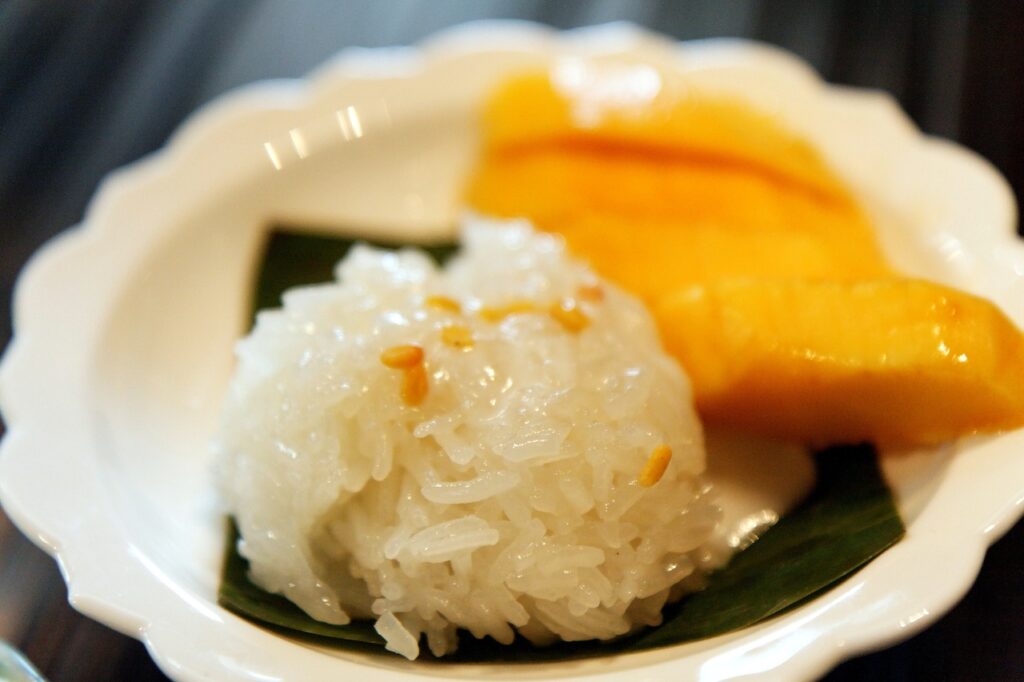
Mango sticky rice is often the dessert that convinces people they enjoy Asian sweets more than familiar Western ones. The dish works because every element serves a purpose. The sticky rice is gently cooked and soaked in coconut milk, giving it richness without heaviness. A small amount of salt balances the sweetness, preventing the dish from tasting flat. Fresh ripe mango adds brightness and acidity, cutting through the creaminess of the rice. Soft grains of rice contrast with juicy slices of fruit, keeping each bite interesting. Many people find it satisfying without feeling overly full, which makes it memorable and easy to crave again.
2. Klepon
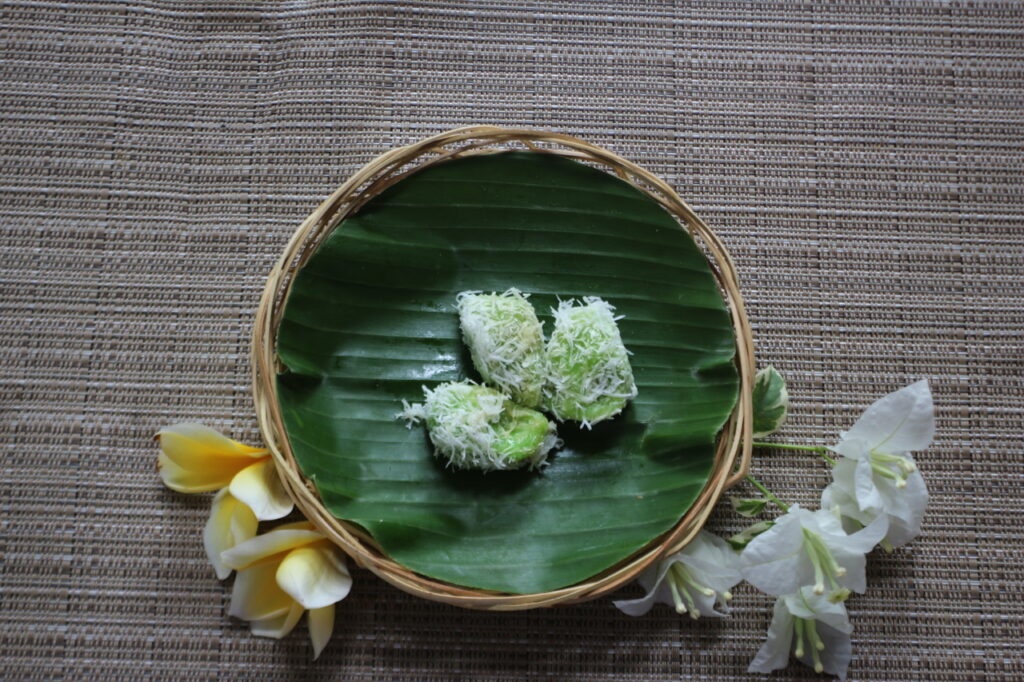
Klepon leaves a strong impression because it delivers surprise in a single bite. These small rice balls look simple, but biting into them releases warm palm sugar that flows from the center. The outer layer is chewy and mild, allowing the sweetness inside to stand out without becoming overwhelming. Rolled in fresh grated coconut, klepon gains a lightly savory finish that keeps the dessert from feeling one-dimensional. The contrast between chewiness, liquid sugar, and soft coconut creates complexity that many classic desserts lack. Klepon also feels playful and interactive, which adds to its appeal.
3. Khanom Khrok
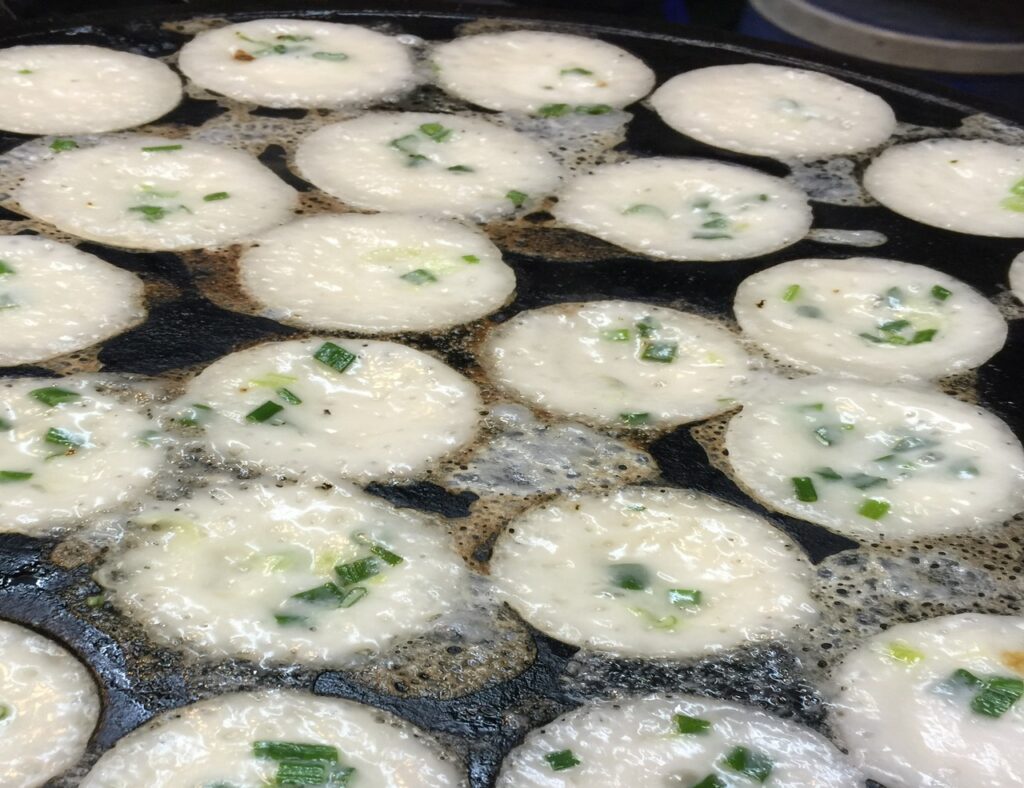
Khanom khrok shows how restraint can produce a deeply comforting dessert. Made from rice flour and coconut milk, these small rounds are cooked until the outside develops a light crust while the inside remains creamy. The contrast between crisp edges and soft centers makes them especially enjoyable to eat warm. The coconut flavor is natural and aromatic, supported by a subtle balance of sweetness and salt. Rather than overwhelming the palate, khanom khrok invites slow eating and attention. Many people who try it find that its gentle flavor and comforting warmth are more appealing than heavy baked desserts that rely on sugar and butter for impact.
4. Taiwanese Shaved Ice
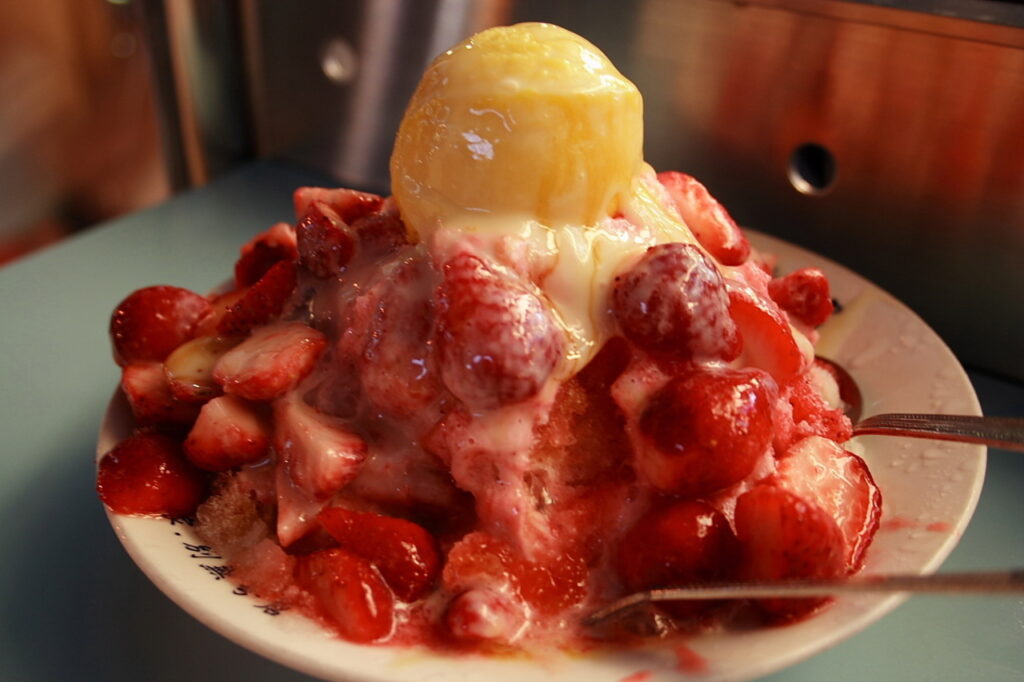
Taiwanese shaved ice stands apart because it focuses on refreshment and variety rather than richness. Finely shaved ice forms a soft base that melts easily on the tongue. Toppings like fresh fruit, sweet beans, condensed milk, or chewy starch balls add flavor and texture without weighing the dessert down. Each spoonful can taste different depending on how the ingredients mix. The ice keeps sweetness in check, making the dessert feel light even when generously topped. Taiwanese shaved ice succeeds by letting ingredients shine individually while still coming together as a cohesive dessert experience.
5. Ais Kacang
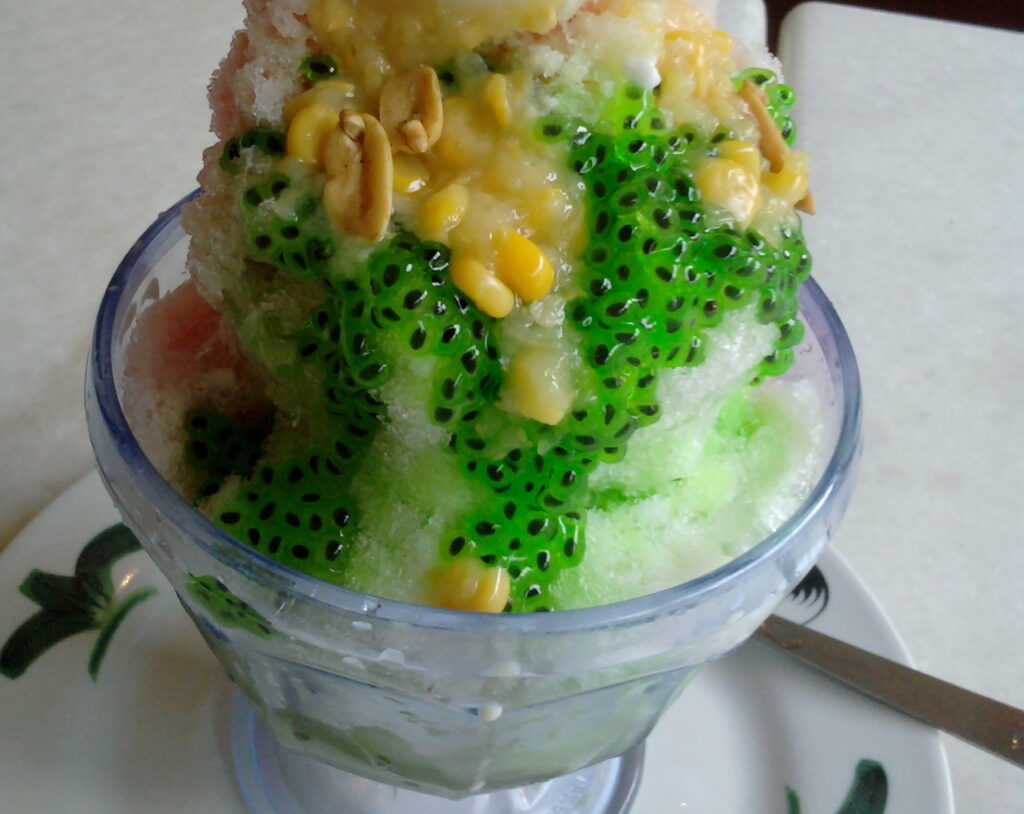
Ais kacang is a layered dessert that rewards curiosity. Shaved ice forms the foundation, but the character comes from the mix-ins. Sweet red beans add earthiness, creamed corn adds subtle sweetness, and grass jelly contributes a smooth contrast. Syrups and milk bring everything together without dominating. As the ice melts, flavors blend gradually, changing the taste over time. Unlike cakes or cookies that taste the same from first bite to last, ais kacang feels dynamic. Many people discover they enjoy this complexity more than predictable Western sweets because it offers contrast rather than uniform sweetness.
6. Bánh Flan
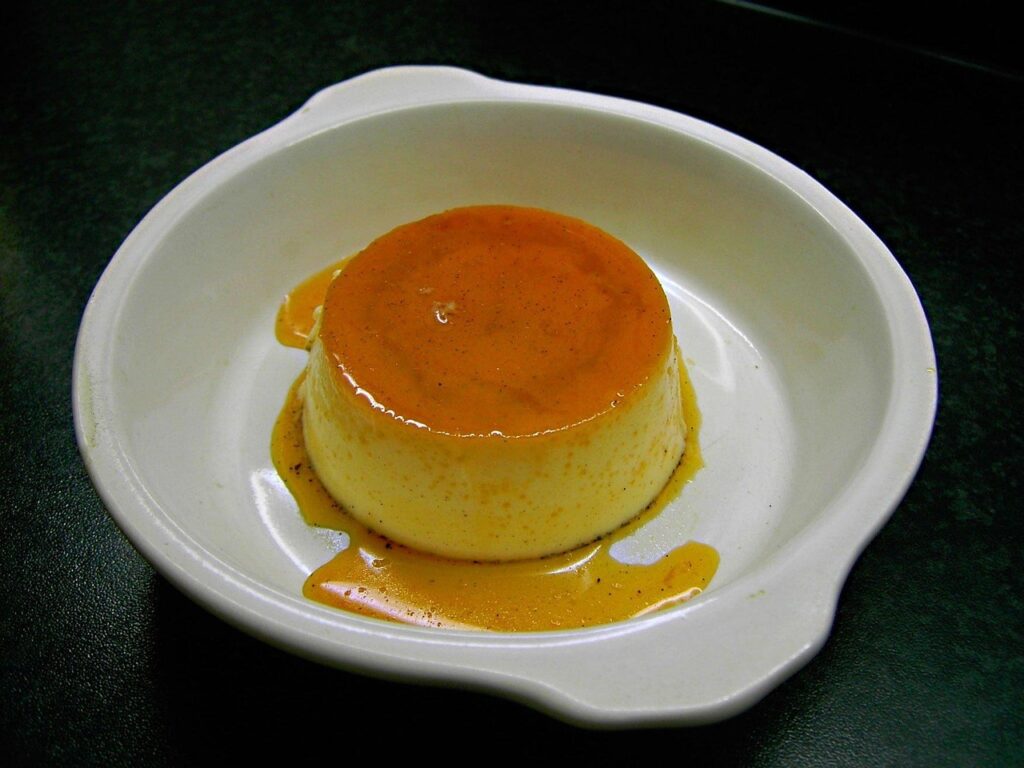
Bánh flan feels familiar at first glance, but its flavor and texture set it apart from classic custards. It is smoother and lighter, with sweetness that feels controlled rather than intense. The caramel layer is thin and gently bitter, adding depth without overpowering the custard beneath. Often made with condensed milk, bánh flan gains creaminess without heaviness. It finishes clean on the palate, making it especially appealing after a rich meal. People who find Western custards too dense or sugary often prefer bánh flan for its balance and elegance. It proves that refinement can be more satisfying than richness.
7. Tang Yuan
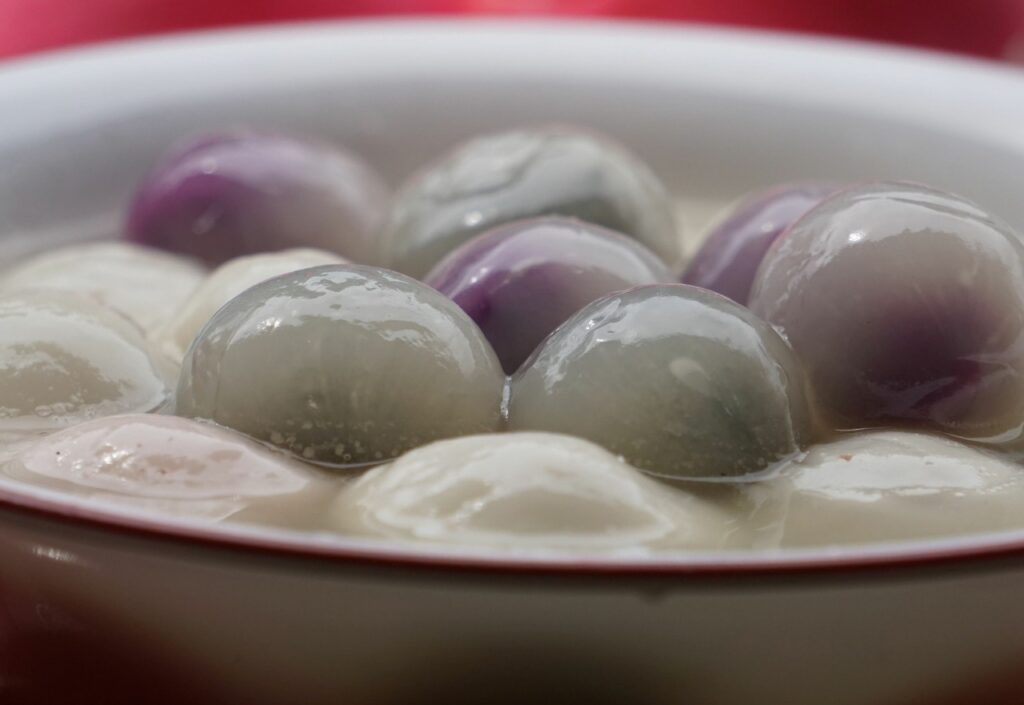
Tang yuan offers comfort through texture and warmth. These glutinous rice balls are chewy on the outside and filled with sweet sesame or peanut paste that melts when bitten into. Served in warm syrup or light broth, the dessert feels soothing rather than indulgent. The chewiness slows eating, encouraging mindfulness and appreciation of each bite. Tang yuan is often associated with family gatherings and celebrations, which adds emotional depth to the experience. Many people find that this emotional connection makes the dessert more satisfying than standalone sweets. It feels nourishing in both body and spirit.
8. Mango Pomelo Sago
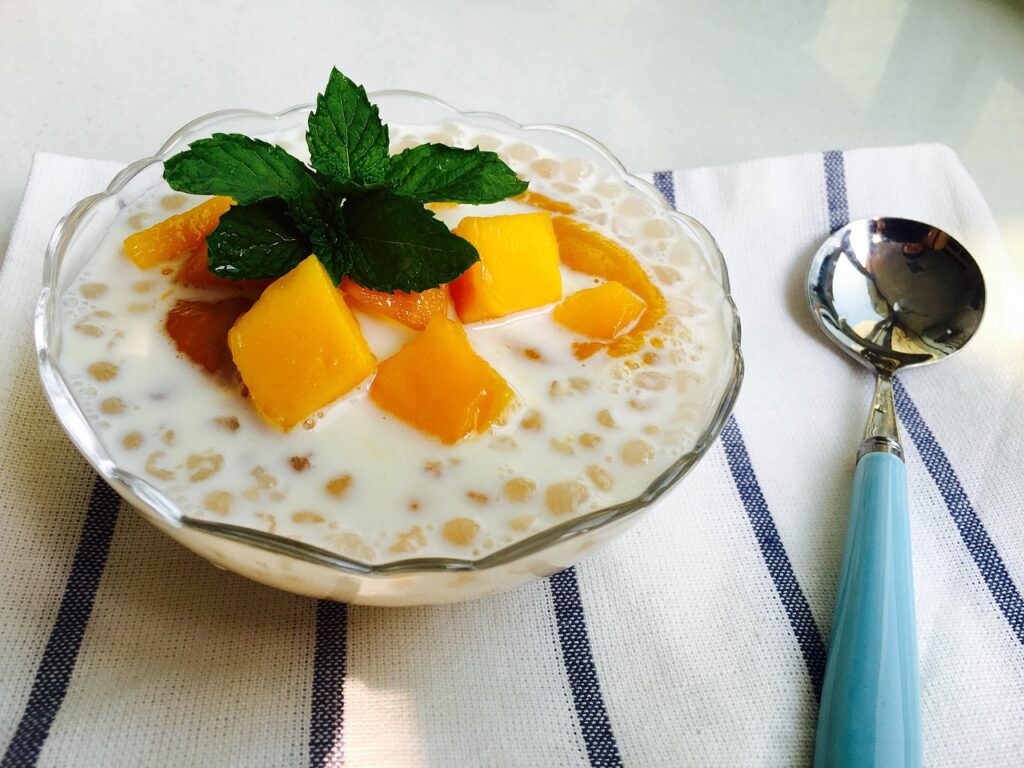
Mango pomelo sago succeeds because it balances sweetness with freshness. Ripe mango provides natural sugar and aroma, while pomelo adds brightness and gentle bitterness. Coconut milk ties the ingredients together, and sago pearls add chewiness that keeps the texture lively. Each spoonful offers contrast between creamy, juicy, and chewy elements. The dessert feels indulgent without being heavy, which makes it easy to enjoy even in warm weather. Many people prefer it to milk-based desserts because it feels refreshing while still delivering richness. The thoughtful combination of fruit and texture is what makes it memorable.
9. Japanese Mochi and Daifuku
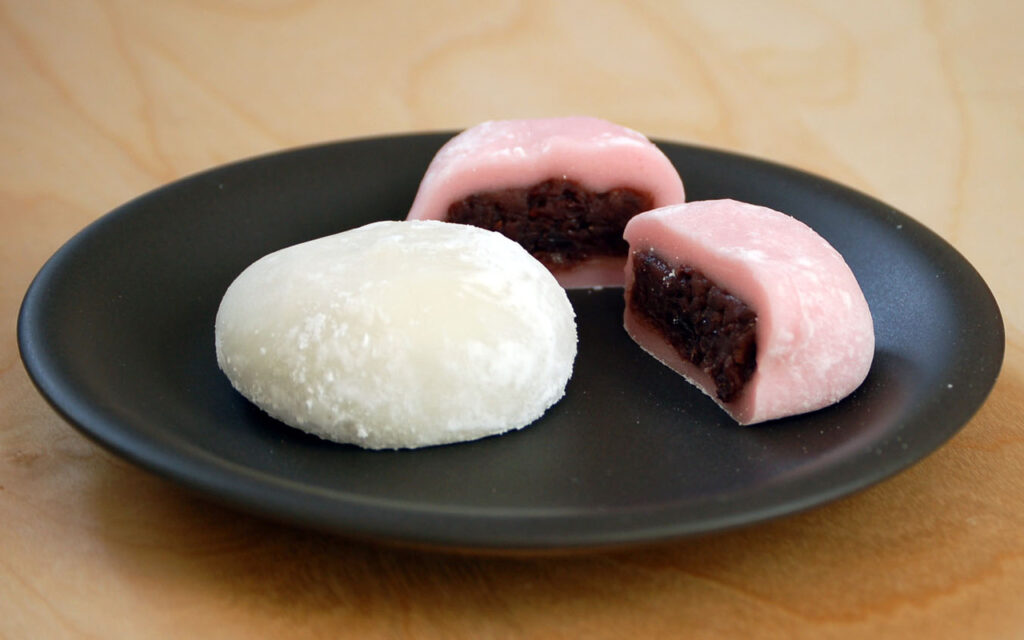
Mochi and daifuku appeal to people because their texture is unlike anything found in most Western desserts. The rice dough is soft, stretchy, and slightly sticky, creating a tactile experience that draws attention. Fillings like red bean paste, matcha cream, or fruit add sweetness without overpowering the dough. Because mochi itself is mildly flavored, it allows fillings to shine. The balance between chew and softness makes each bite feel intentional. Many people discover they enjoy mochi more than cakes or cookies because it feels playful, light, and satisfying without relying on heavy sugar or fat.
10. Japanese Cheesecake
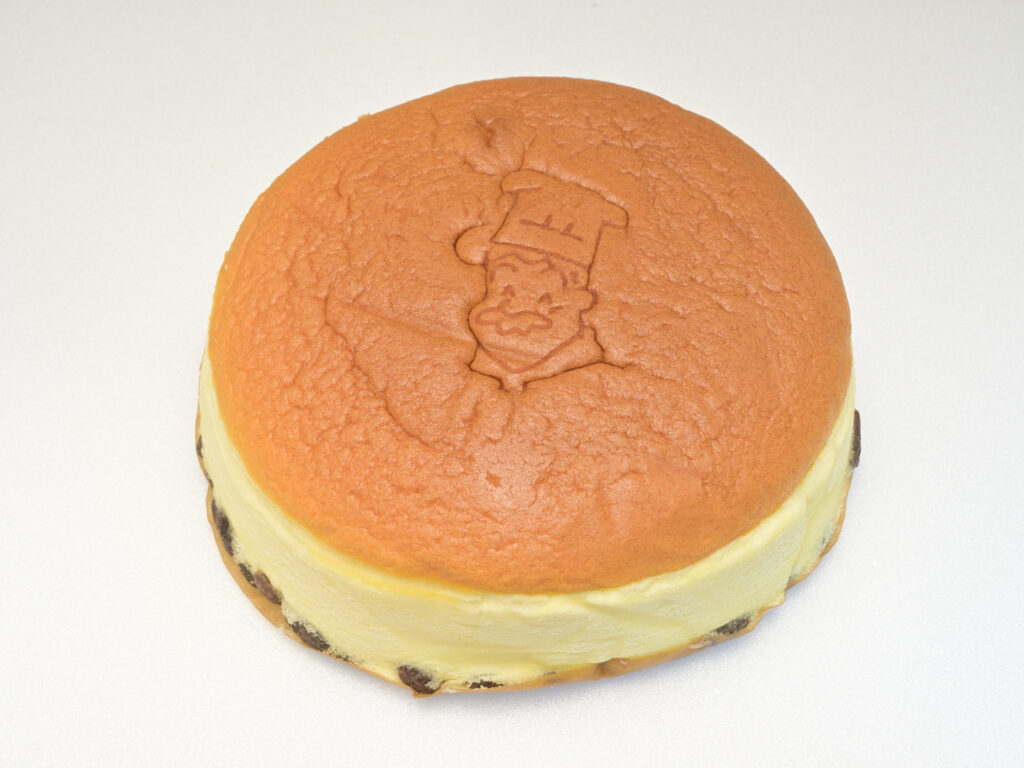
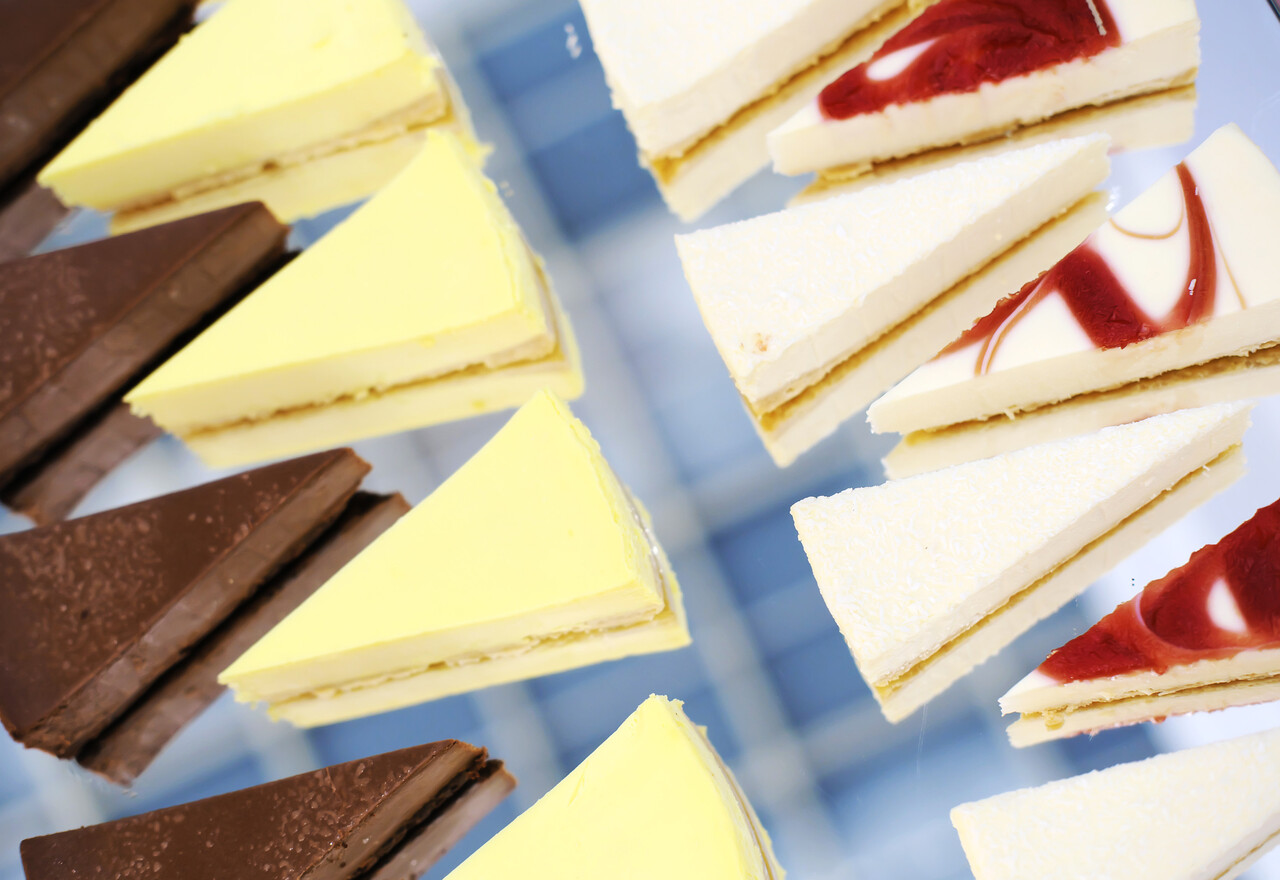
Japanese cheesecake surprises people with its lightness. Whipped egg whites give the cake an airy structure that feels delicate rather than dense. The sweetness is restrained, allowing the cheese flavor to remain subtle and clean. When eaten, the cake dissolves quickly, leaving a gentle richness rather than heaviness. This makes it appealing to those who find traditional cheesecake too rich. Japanese cheesecake pairs well with tea or fruit because it does not dominate the palate. Many people come to prefer it because it feels indulgent yet easy to finish, striking a balance that classic versions often miss.