Delivery First Restaurants Are Quietly Reshaping Menu Design Across the Industry

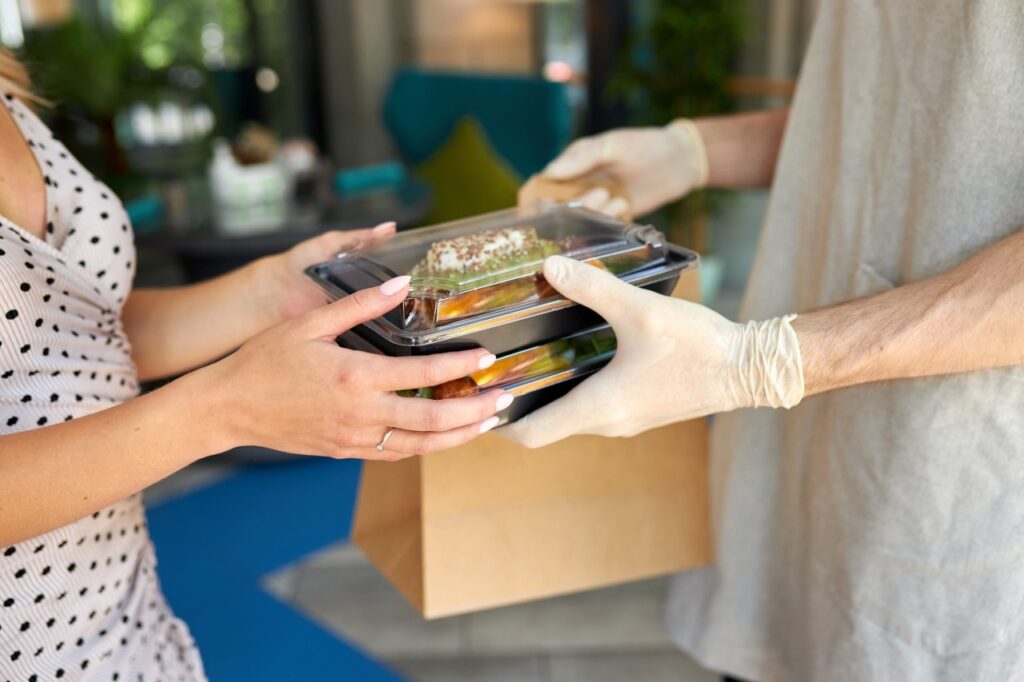
Restaurant dining has changed quietly but noticeably in recent years as technology reshapes how people order meals. While dining rooms still welcome guests, a growing share of restaurant orders now begins with a tap on a smartphone screen. Delivery apps and digital ordering platforms have made it easier than ever for customers to browse menus, place orders, and have meals arrive at their doorstep. This convenience has gradually changed consumer habits, encouraging many restaurants to rethink how their kitchens operate and how menus are designed for food that may travel several miles before reaching the customer.
Behind the scenes, a new type of restaurant model is steadily influencing the broader food industry. Delivery-first concepts are designed specifically to serve takeout and app-based orders rather than relying mainly on traditional dining room service. Some operate from compact kitchens with minimal seating, while others function entirely as delivery kitchens without a public storefront. As these models expand, they are shaping everything from menu selection to packaging design and kitchen layout, quietly transforming how restaurants prepare meals that must stay appealing during the journey from kitchen to doorstep.
The Rise of Delivery First Restaurants
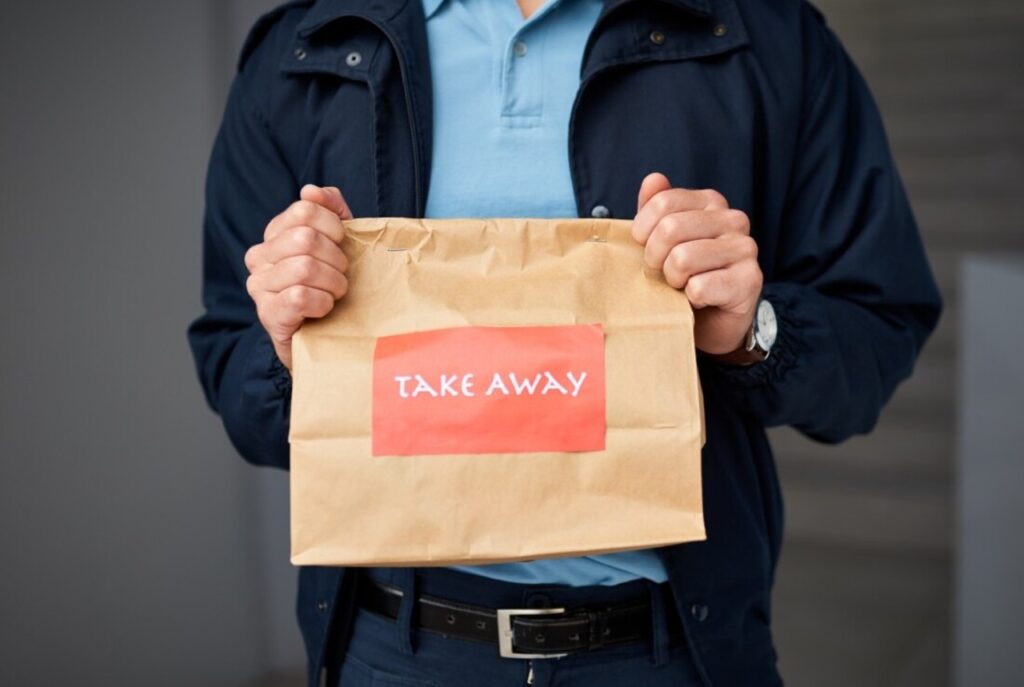
A growing number of restaurants are now being designed with delivery in mind from the very beginning, rather than treating it as a secondary service. Instead of building their concept around dining rooms, table service, and traditional seating layouts, these businesses focus primarily on preparing meals that will be ordered through delivery apps and takeout platforms. Some operate from kitchens with only a few seats for guests, while others run entirely as “ghost kitchens,” producing food solely for customers who order online and receive their meals through delivery drivers across busy urban neighborhoods and suburban delivery zones.
This shift reflects the steady growth of digital food ordering over the past decade as mobile apps become a routine part of everyday dining habits. Ordering a restaurant meal now often requires nothing more than a few taps on a phone screen. Because of this convenience, many restaurant operators are discovering that delivery can represent a significant share of daily revenue. By building their operations around this demand, restaurants can organize kitchens more efficiently, streamline menus, and concentrate on dishes that remain appealing after traveling several minutes in delivery packaging while still maintaining flavor and presentation.
How Delivery Is Changing Menu Design
Menus created specifically for delivery often look noticeably different from those designed for traditional dine-in service. Restaurants must now think carefully about how a dish will perform during the time it takes to package, transport, and deliver the order to a customer’s door. A meal that tastes perfect when served immediately at a table may lose heat, texture, or visual appeal during a fifteen or twenty-minute trip. Because of this, chefs and menu planners increasingly design dishes with travel time in mind rather than focusing only on how they appear when plated in the dining room for immediate service and presentation.
For this reason, many restaurants now select menu items that maintain their quality after several minutes in transit. Ingredients and cooking techniques are sometimes adjusted to prevent sogginess, condensation, or flavor loss while food sits inside a container. Some meals are packed in separate compartments so sauces, toppings, or crispy elements can be combined only when the customer is ready to eat. These practical decisions help preserve texture and flavor, ensuring that the delivered meal arrives tasting close to how the kitchen originally prepared it, even after the journey to the customer.
Why Some Dishes Work Better for Takeout
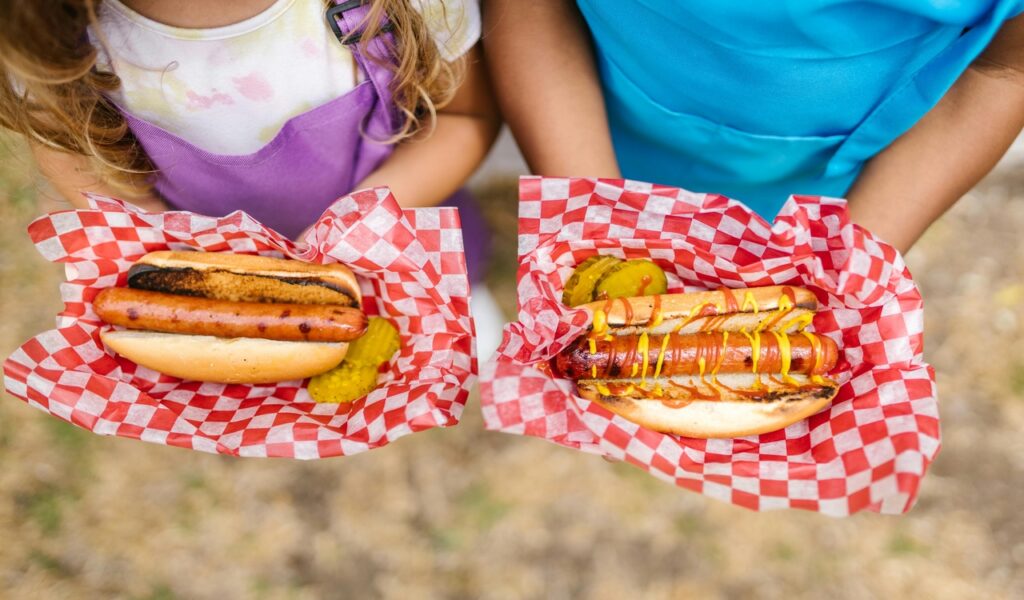
Not every restaurant dish adapts well to delivery, and this reality has pushed chefs to rethink what belongs on a takeout menu. Meals that depend on crisp textures, delicate garnishes, or careful plating often struggle during transport. Fried foods may lose their crunch as steam collects inside containers, while salads and sauced dishes can become soggy by the time they arrive. Because of this, restaurants that prioritize delivery often redesign their menus around dishes that remain stable, flavorful, and visually appealing even after spending time in packaging and traveling several minutes across the city.
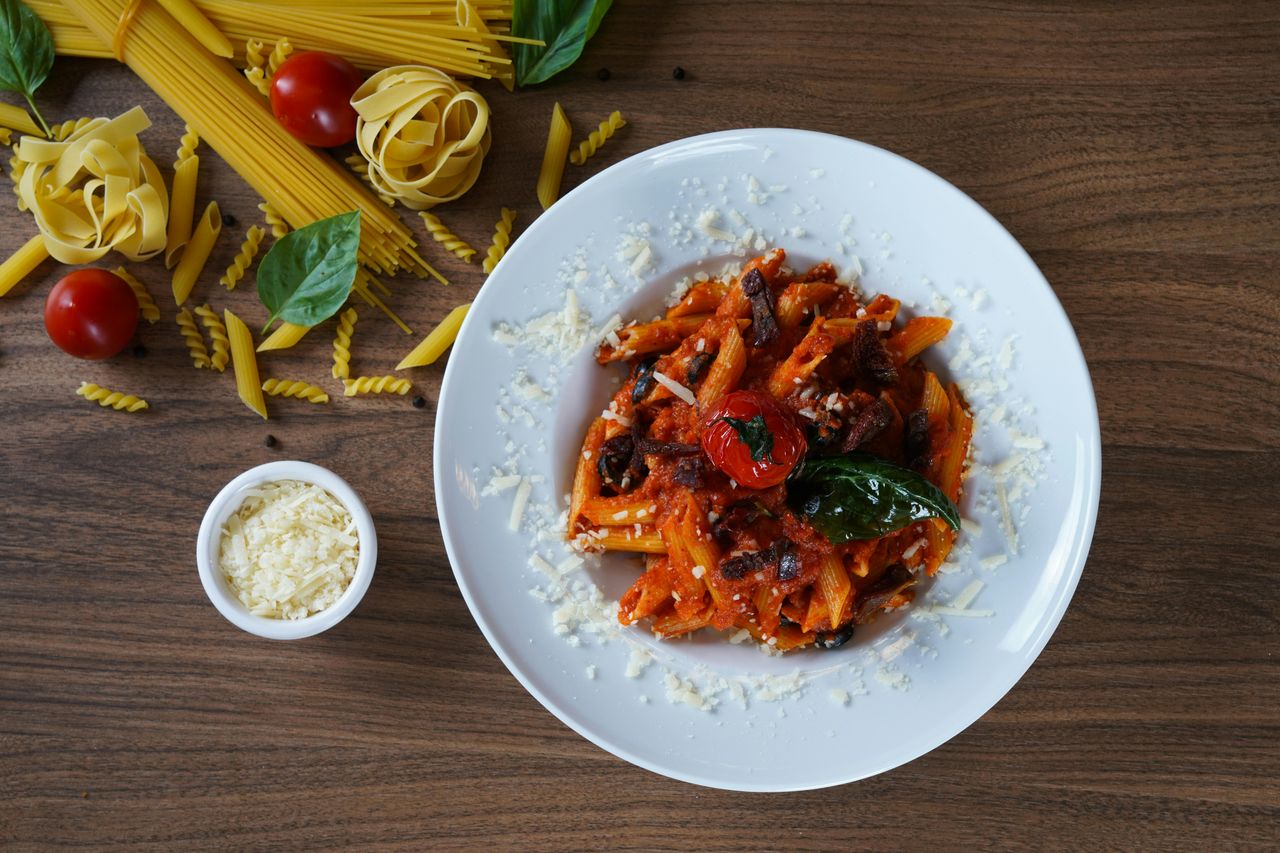
Foods such as grain bowls, pasta dishes, burritos, sandwiches, and rice-based meals tend to perform better during delivery because their structure holds together during transport. These dishes retain heat more easily and usually keep their texture without falling apart inside a container. Restaurants also pay close attention to portion size, ingredient placement, and packaging materials so meals stay appealing when opened at home. By choosing items that travel well and adjusting recipes where necessary, restaurants can maintain consistent food quality and protect their reputation across growing delivery orders.
Restaurants Are Rethinking Kitchen Operations
The growth of delivery has pushed many restaurants to rethink how their kitchens are organized and how food moves through the preparation process. Instead of relying on a single workflow designed mainly for dine-in guests, many restaurants now create dedicated stations specifically for delivery orders. These areas focus on assembling, packing, and staging meals quickly so drivers can collect them without disrupting other kitchen activity. In some cases, restaurants even operate multiple virtual brands from the same kitchen, producing different styles of cuisine for delivery platforms while using the same staff and equipment behind the scenes each day.
Technology now plays a central role in keeping these operations running smoothly during busy periods. Digital order management systems allow kitchens to receive and organize requests from several delivery apps at once, helping staff track preparation times and prioritize orders efficiently. Electronic tickets guide cooks through each step of the process, from cooking to packaging and pickup coordination. By streamlining communication and timing, these systems allow restaurants to handle large volumes of delivery orders without overwhelming kitchen teams or slowing down service for customers and delivery drivers.
The Future of Menus in a Delivery-Driven Industry
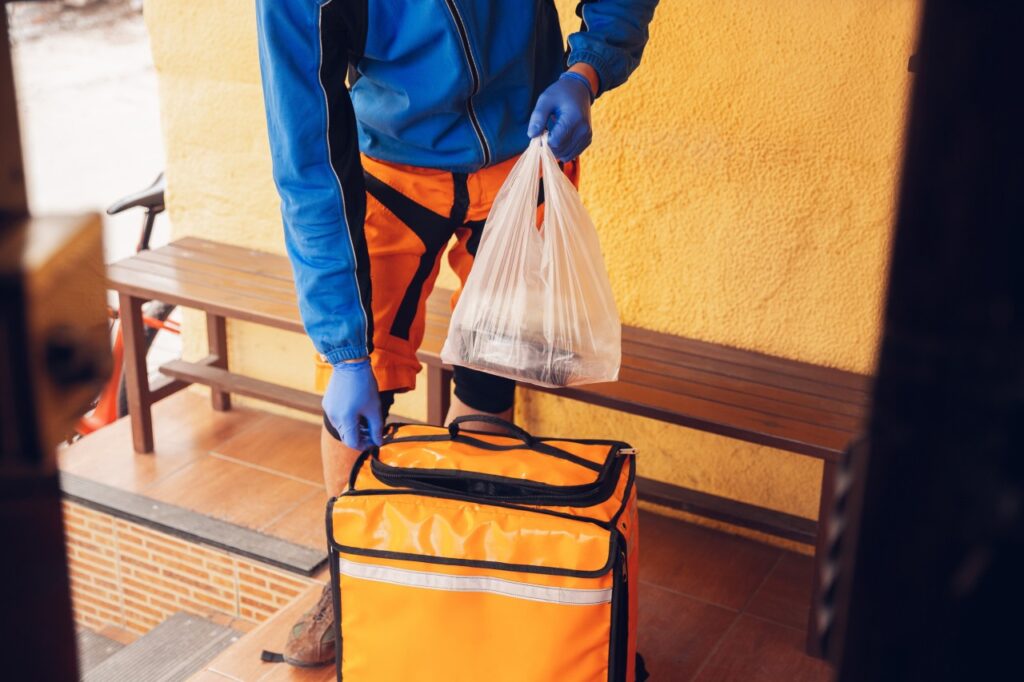
As delivery continues to grow, many restaurants are beginning to design menus specifically with off-premise dining in mind. Chefs and operators now think carefully about how meals will travel, how long they will remain in packaging, and how customers will experience them once they arrive at home. This has encouraged restaurants to experiment with dishes that maintain strong flavor, temperature, and structure during delivery. At the same time, improvements in packaging materials and container design are helping restaurants protect food quality, allowing meals to remain appealing even after spending several minutes on the road.
This gradual shift is encouraging restaurants to balance both dine-in and delivery experiences within the same menu strategy. Some businesses now create slightly different versions of dishes depending on whether the meal will be served at a table or packed for delivery. Portions, ingredients, and assembly methods may change to ensure the dish travels well. Over time, the growing influence of delivery platforms is expected to shape how restaurants develop recipes, portion sizes, and packaging solutions, quietly transforming menu design throughout the entire food service industry and influencing future restaurant concepts.