Pre Cut and Pre Washed Produce Is Booming but Shoppers Rarely See the Trade Offs

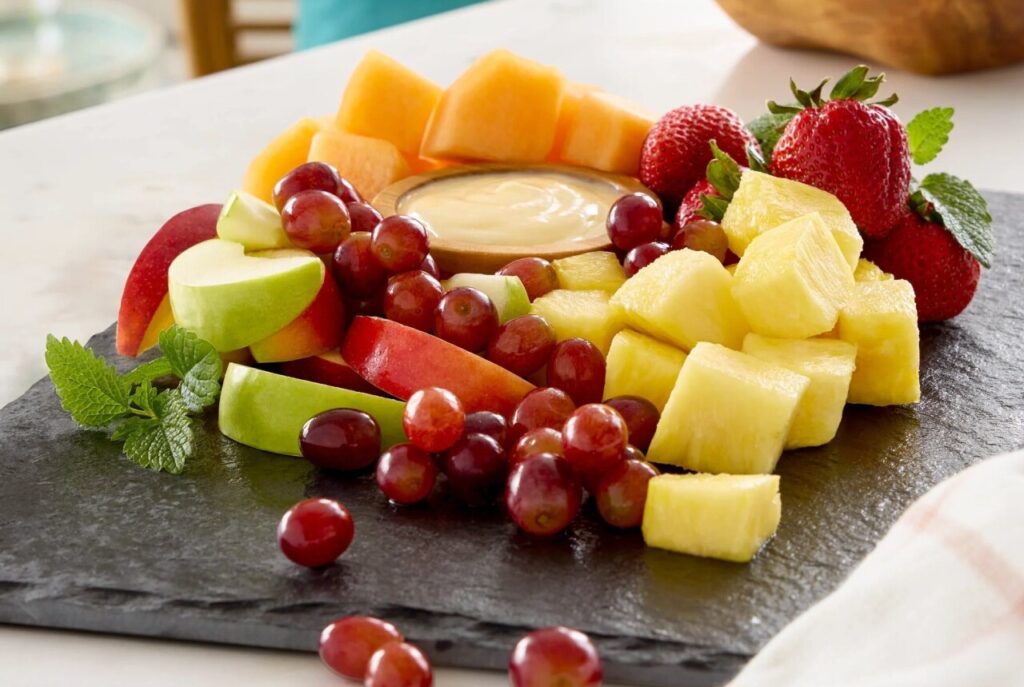
Grocery stores have quietly transformed the way fresh produce is presented and purchased. Not long ago, shoppers filled their carts with whole melons, lettuce heads, and uncut vegetables that needed washing, peeling, and chopping at home. Today, many shoppers head straight to refrigerated cases packed with containers of sliced fruit, chopped vegetables, and ready-to-eat salad kits. These convenient options promise something modern lifestyles value deeply: fresh food without the extra preparation. With a quick grab from the shelf, a snack, side dish, or cooking ingredient is already cleaned and portioned, making it easier for busy households to add fruits and vegetables to everyday meals.
Yet the growing popularity of these products comes with trade-offs that are rarely obvious at first glance. Behind the clear lids and colorful displays sits a complex process involving cutting facilities, cold storage, packaging technology, and rapid transportation to keep everything fresh. While pre-cut produce removes time-consuming kitchen tasks, it often carries a higher price, shorter shelf life, and reliance on packaging materials. Many shoppers focus on convenience without seeing the extra steps required before those fruit cups and vegetable trays reach store shelves. A closer look at this category shows how modern grocery shopping balances speed, freshness, and hidden costs.
The Surge of Ready-to-Eat Produce

Step into a modern grocery store, and the produce section tells a very different story than it did a decade ago. Alongside whole apples, melons, and leafy greens now sit rows of ready-to-eat options like sliced mango, diced onions, chopped stir-fry vegetables, and salad kits. These items have quickly moved from niche convenience products to a centerpiece of the produce department. For shoppers juggling work, family, and packed schedules, the appeal is obvious. Instead of spending time washing, peeling, and cutting ingredients at home, the preparation is already done. With one quick stop at the refrigerated case, fresh fruits and vegetables become instant snacks or easy meal additions.
The rapid growth of this category shows how strongly convenience now shapes grocery habits. Fresh-cut fruits and vegetables have become one of the fastest-expanding segments in produce, generating billions in annual sales and claiming more shelf space in supermarkets. Retailers see these products as a powerful way to encourage produce purchases while meeting modern expectations for speed and simplicity. By offering ingredients that are washed, trimmed, and ready to use, stores make it easier for customers to add fresh foods to daily meals. This shift has quietly reshaped the produce aisle, turning preparation once done in home kitchens into a managed part of the grocery supply chain.
Why Busy Shoppers Are Choosing Pre-Cut Fruits and Vegetables
For many households today, time has quietly become one of the most valuable ingredients in the kitchen. Longer workdays, commuting, and packed schedules often leave little room for peeling, chopping, or preparing produce from scratch. As a result, convenience plays a much larger role in how people shop for food. Pre-cut fruits and vegetables fit perfectly into this shift. Instead of spending time preparing ingredients, shoppers can pick up items that are already washed, trimmed, and ready to eat or cook. This simple change makes fresh foods far easier to include in everyday meals, even on the busiest days.
Pre-cut produce also removes several small tasks that often discourage people from buying fresh ingredients. Peeling a pineapple, slicing onions, or trimming green beans can take time and create extra mess in the kitchen. When these steps are already handled before the product reaches the store, shoppers are more likely to choose fresh fruits and vegetables over packaged alternatives. Smaller portions also add to the appeal. Snack-sized fruit cups, vegetable packs, and meal-ready mixes allow individuals and small families to buy only what they need without worrying about unused produce spoiling in the refrigerator.
The Convenience That Comes With a Premium Price
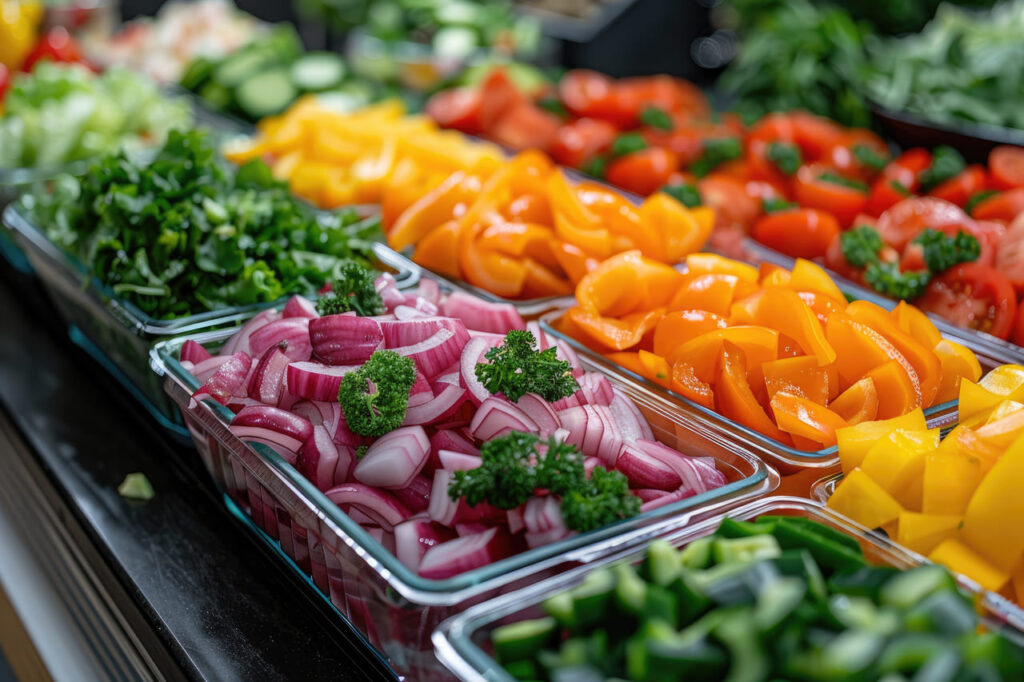
Saving time in the kitchen is appealing, but that convenience often shows up clearly on the price tag. Pre-cut fruits and vegetables almost always cost more than their whole counterparts, sometimes by a wide margin. A whole pineapple, for example, may cost only a few dollars, while a small container of neatly cut pineapple chunks can sell for several times that price when compared by weight. The difference surprises many shoppers who do not always notice the higher cost per pound. What looks like a simple container of fruit actually reflects a series of steps that happen long before the product reaches the produce aisle.
Preparing fresh-cut produce involves far more work than placing whole fruits and vegetables on store shelves. After harvesting, the produce is sent to specialized facilities where it must be washed, peeled, sliced, and carefully sorted in clean processing environments. The products are then packaged quickly and kept under strict refrigeration to protect freshness and safety during transport. Labor, equipment, sanitation procedures, and cold storage all add to the cost. Even the packaging plays a role, since sealed containers and freshness-preserving systems are needed to slow spoilage. By the time the product arrives in stores, those extra steps are reflected in the final price.
The Hidden Trade-Offs Behind Fresh-Cut Produce
Cutting fruits and vegetables may make them easier to eat, but the process also changes how the food behaves after it is prepared. When produce is peeled or sliced, the protective outer layer is removed, and the inner tissues become exposed to air, moisture, and naturally occurring microbes. This exposure speeds up the breakdown process that causes fruits and vegetables to soften, lose flavor, or change color. Even when stored in refrigeration, fresh-cut produce often deteriorates faster than whole items because the damaged plant cells release enzymes that accelerate spoilage and reduce overall shelf life.
Handling and processing also introduce food safety considerations that retailers and suppliers must manage carefully. Fresh-cut fruits and vegetables pass through stages of washing, slicing, and packaging before reaching store shelves. Each step increases the need for strict sanitation controls to prevent contamination. Processing facilities rely on controlled temperatures, antimicrobial rinses, and monitored equipment to maintain safety. Most fresh-cut items also require sealed plastic packaging to preserve freshness and prevent damage. While these containers help protect delicate pieces and extend usability, they also raise concerns about growing single-use packaging in grocery stores.
What the Future Looks Like for Pre-Cut Grocery Aisles
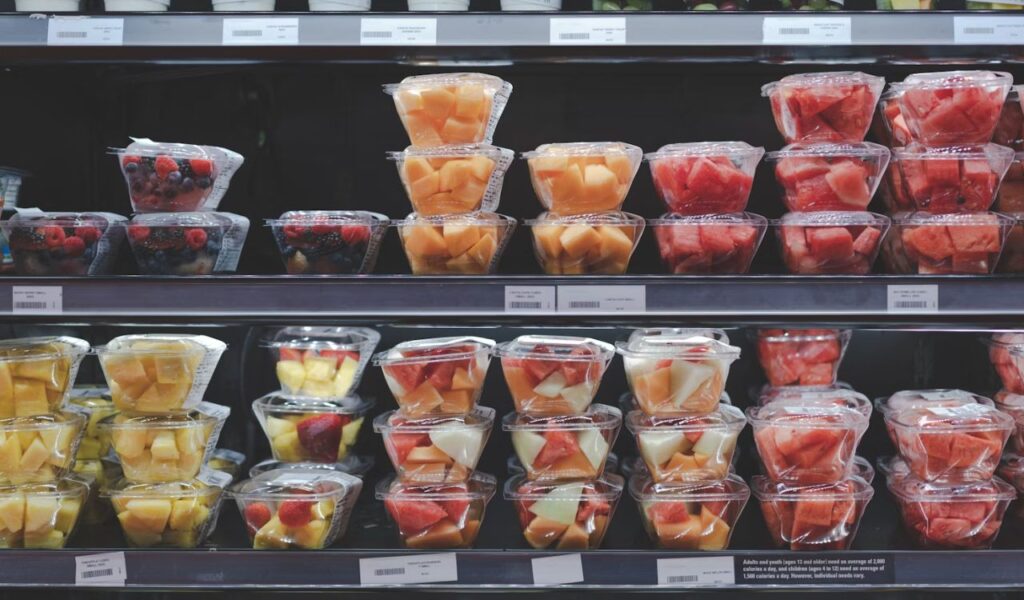
Despite the challenges surrounding cost, shelf life, and packaging, the fresh-cut produce sector continues to expand. Supermarkets are devoting more refrigerated space to ready-to-eat fruits and vegetables as demand rises among shoppers who want freshness and convenience. Retailers are also experimenting with new offerings such as snack-size fruit packs, seasoned vegetable blends, and meal-prep kits that simplify cooking. These products make it easier for customers to include produce in quick lunches, snacks, and weeknight meals. As grocery habits evolve, stores increasingly see fresh-cut items as a way to boost produce sales while meeting the needs of busy households.
Technology is quietly shaping the next phase of this category. Improved packaging systems regulate oxygen and moisture levels inside containers, slowing the natural deterioration that begins once produce is cut. These controlled environments help maintain color, texture, and freshness longer while reducing food waste in stores. At the same time, better refrigeration and distribution networks allow retailers to move delicate products quickly from processing facilities to store shelves. As these innovations continue to develop, the future of pre-cut produce will likely focus on balancing convenience with sustainability and maintaining the quality shoppers expect.