Should You Pour Off the Liquid on Top of Yogurt


That thin layer of liquid floating on your yogurt often triggers uncertainty, even for people who eat yogurt regularly. It looks out of place, as if something has separated that shouldn’t have. Many assume it means the yogurt is watered down or starting to spoil, so the instinct is to pour it out without a second thought. In reality, that reaction is driven more by appearance than by science. Yogurt is a living, fermented food, and the changes inside the container continue long after it leaves the factory. The liquid forms naturally as the yogurt rests, especially when it hasn’t been stirred or contains fewer stabilizers.
Once you understand why that liquid appears, yogurt starts to make a lot more sense. The separation happens because the solid structure of yogurt slowly relaxes over time, allowing moisture to rise to the surface. This doesn’t strip the yogurt of quality. In fact, the liquid carries nutrients that belong with the rest of the yogurt. Pouring it away changes the balance of protein, minerals, and texture the yogurt was meant to have. Stirring it back in restores that balance and keeps the yogurt creamy and nourishing. A small shift in perspective turns a moment of hesitation into a simple step that preserves both flavor and nutrition.
What That Liquid on Yogurt Really Is
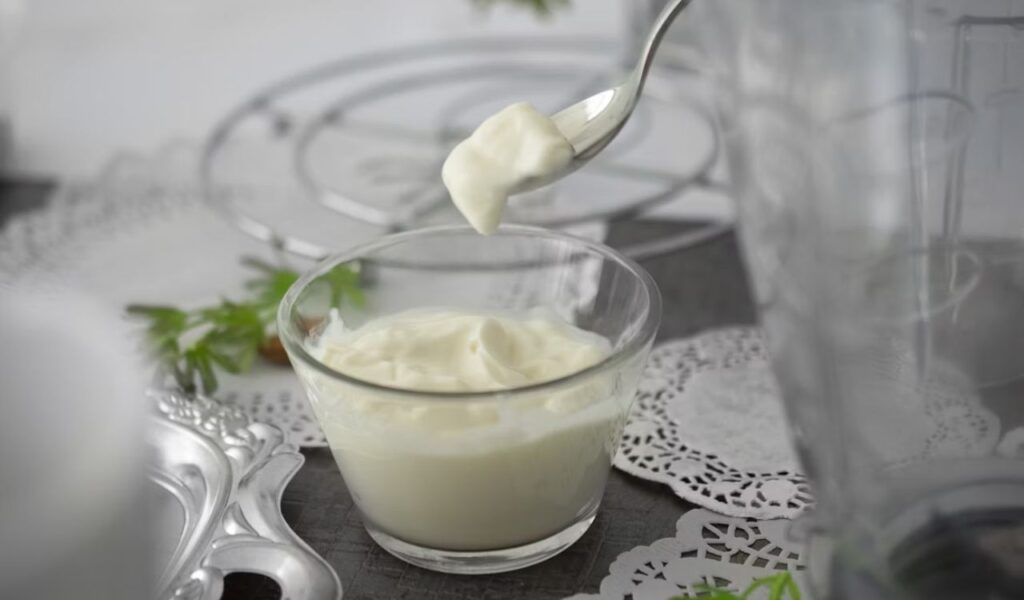
The thin, watery layer that sometimes appears when you open a yogurt container often feels unexpected, but it is a natural part of how yogurt behaves. That liquid is whey, a portion of milk that stays fluid during fermentation while the thicker yogurt forms. As milk ferments, proteins called casein bond together, creating the familiar creamy texture. Whey remains lighter and gradually rises to the top as the yogurt sits still. This process happens even when yogurt is properly sealed and refrigerated. It is more noticeable in yogurts made with minimal stabilizers because nothing is added to hold the liquid in place.
Knowing what whey actually contains helps explain why its presence matters. Whey is mostly water, but it also carries dissolved proteins, minerals like calcium and potassium, and small amounts of vitamins. It is the same liquid produced during cheese making and reflects the original structure of fermented milk. As yogurt rests, the protein network slowly relaxes, allowing whey to migrate upward. This does not mean the yogurt is breaking down or losing quality. Instead, it shows that the yogurt is behaving as a living, fermented food. The liquid is part of the product’s original makeup, simply redistributing itself naturally after fermentation is complete.
Why Whey Isn’t a Sign of Spoilage
Liquid collecting on the surface of yogurt often triggers concern because it looks like separation that shouldn’t happen, but this reaction is mostly visual. Whey separation is a natural process called syneresis, which occurs when the protein network formed during fermentation slowly releases liquid as the yogurt rests. This can happen in unopened containers and fresh yogurt alike. It is influenced by time, gravity, and how tightly the proteins are bound together, not by harmful bacteria. Yogurts made with fewer stabilizers show this more clearly, which is often a sign of simpler ingredients rather than a flaw.
True spoilage looks and smells very different from normal whey separation. When yogurt goes bad, the bacteria balance shifts in ways that produce strong, unpleasant odors rather than the clean tang associated with fermentation. Visual cues are also important. Mold growth, fuzzy spots, or unusual colors such as pink, green, or orange indicate contamination and mean the yogurt should be discarded. Texture can change as well, becoming slimy or excessively curdled beyond simple liquid pooling. If the yogurt smells normal and looks consistent aside from the liquid on top, it is behaving as expected and remains safe to eat.
The Nutritional Value of Whey
The liquid that gathers on top of yogurt is often dismissed as excess water, but nutritionally, it plays an important role. This liquid is whey, and it contains a concentrated portion of yogurt’s naturally occurring nutrients. Whey provides high-quality protein that includes all nine essential amino acids, which the body cannot produce on its own. These proteins are involved in muscle maintenance, tissue repair, and enzyme function. Whey also carries minerals such as calcium, potassium, and phosphorus, which support bone strength, nerve signaling, and fluid balance. Depending on how the yogurt is made, whey may also contain live cultures that contribute to gut health.
Because whey proteins are easily digested, they are often used in supplements designed to promote fullness and muscle recovery. When whey is poured off, those benefits are reduced, even if the change seems small. Removing the liquid lowers the overall protein content and alters the yogurt’s mineral balance. This can change both texture and nutritional impact. Stirring the whey back into the yogurt restores what was originally there, keeping the food closer to its intended composition. Instead of diluting the yogurt, the liquid enhances it. Keeping the whey means retaining more nutrition, better texture, and the full benefit of the fermentation process that makes yogurt nourishing.
How Different Yogurts Behave
Greek yogurt behaves differently from regular yogurt because of how it is made. During production, Greek yogurt is strained to remove a large portion of its liquid whey, which concentrates the remaining proteins and fats. This extra straining creates a thicker, denser texture and explains why Greek yogurt rarely has much liquid on top. When some separation does appear, it is usually minimal and happens after extended storage or temperature changes. Regular yogurt, by contrast, retains more whey from the start. Its looser protein structure allows liquid to migrate upward more easily over time, making separation more visible.
Plant-based yogurts follow a similar pattern of separation, but the liquid involved is usually water rather than dairy whey. These yogurts rely on plant proteins, starches, or gums to create thickness, and those components do not bind liquid as tightly as milk proteins do. As a result, water can rise to the surface more noticeably, especially in products with fewer stabilizers. Almond, coconut, soy, and oat yogurts each behave slightly differently depending on their base ingredients. While the separation can look dramatic, it is typically harmless. A quick stir restores consistency, and as long as there are no signs of spoilage, the yogurt remains safe to eat.
When Yogurt Is Truly Bad

Yogurt rarely spoils quietly, and the signs are usually clear once you know what to look for. A sour smell alone is not enough, since yogurt is naturally tangy, but an odor that is sharp, unpleasant, or almost rotten signals trouble. Visual changes are another strong indicator. Colors that don’t belong, such as pink, green, blue, or orange, suggest unwanted microbial growth. Fuzzy patches or spots on the surface are a clear sign of mold and mean the yogurt should be thrown away immediately. These changes are very different from harmless whey separation, which appears clear and watery without altering color or smell.
Texture provides additional clues when yogurt has gone bad. While some separation is normal, yogurt that becomes slimy, overly stringy, or curdled beyond gentle clumps may indicate bacterial imbalance. This texture often feels sticky or elastic rather than creamy when stirred. Excess gas buildup, causing a swollen container or a burst of odor when opened, is another warning sign. Best-by dates are helpful for guidance, but they are not absolute. Yogurt can spoil earlier if stored improperly or last longer if kept cold and sealed. When the appearance, smell, or texture feels wrong beyond simple liquid separation, it is safest to discard it.
Reference
- Should You Pour Out the Liquid on Top of Yogurt? Dietitians Reveal the Truth – health.com
- My Yogurt Is Watery. Should I Pour It Out or Stir It In? – americastestkitchen.com
- Why You Should Stop Dumping Out the Watery Liquid on Top of Your Yogurt – self.com