Why You Might Be Using Your Crisper Drawer Wrong for Vegetables

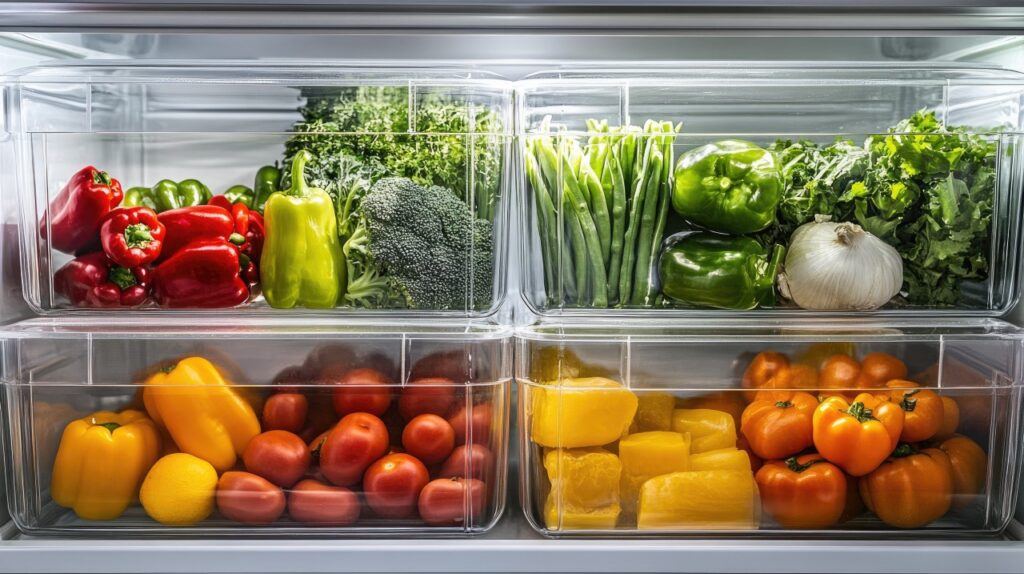
Your refrigerator is meant to slow time for vegetables, yet many age faster once they go inside. The issue is rarely poor-quality produce and more often how the crisper drawer is used. This compartment is engineered as a controlled zone where moisture, airflow, and temperature behave differently than open shelves. When those controls are ignored, vegetables lose water, soften, and break down early. Humidity settings left untouched, overcrowding, and improper packaging quietly undo the drawer’s purpose. By understanding how vegetables respire after harvest and why moisture balance matters, it becomes clear why crisp greens turn limp and sturdy vegetables lose flavor sooner than expected.
The crisper drawer can be one of the most effective tools in the kitchen when it is used with intention. Vegetables continue living after harvest, releasing moisture and reacting to gases around them. If airflow is too strong, they dry out. If moisture is trapped incorrectly, rot and mold spread faster. Many people store everything together, wash produce too soon, or leave humidity vents untouched for years. These habits disrupt the balance the drawer was designed to maintain. Learning which vegetables need moisture, which prefer dryness, and how space and airflow affect freshness helps transform the crisper from a forgotten bin into a reliable way to extend texture, flavor, and shelf life.
The Purpose of the Crisper Drawer
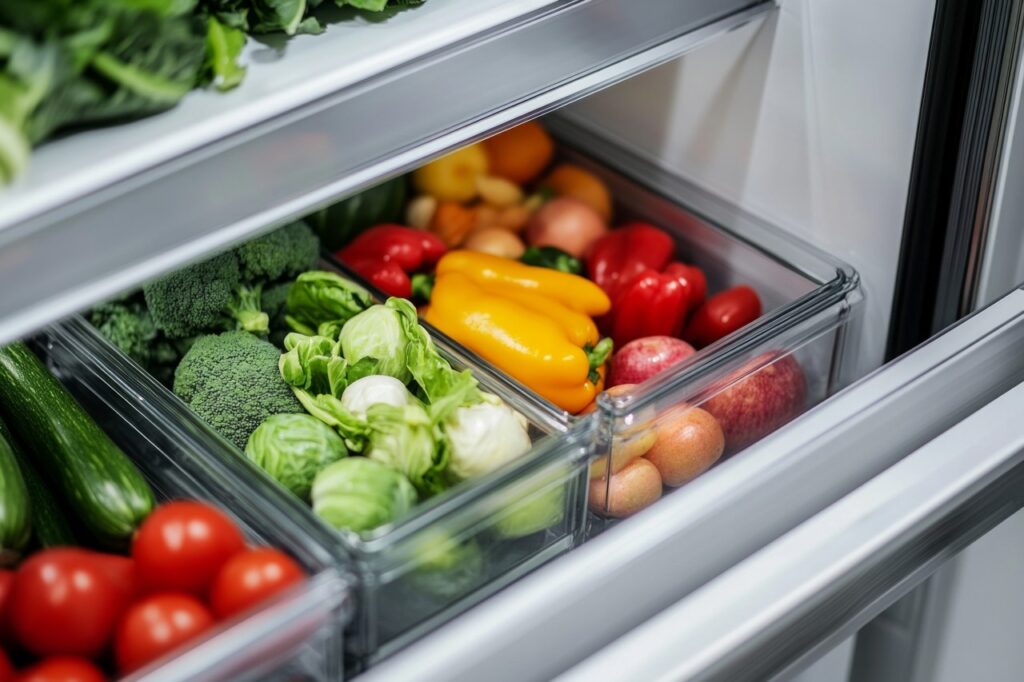
The crisper drawer was never meant to be a simple storage bin tucked at the bottom of the refrigerator. It was designed as a controlled environment that slows the natural aging of vegetables after harvest. Unlike open shelves where cold air constantly circulates, the crisper limits airflow to reduce moisture loss. Vegetables continue to respire once picked, releasing water vapor and gases that affect texture and freshness. By enclosing them, the drawer helps regulate these processes instead of allowing dehydration to happen rapidly. This controlled space keeps cell walls intact longer, preserving crunch, color, and flavor.
Manufacturers separate produce storage because vegetables deteriorate differently than meat, dairy, or cooked foods. Cold air blowing freely across vegetables pulls moisture from their cells, causing wilting, rubbery skins, and faster spoilage. The crisper creates a buffer zone where temperature stays more stable, and dehydration slows significantly. This matters most for vegetables with high water content like leafy greens, cucumbers, peppers, and herbs. When the crisper is treated like a catch-all drawer, its purpose disappears. Mixing incompatible items or ignoring humidity settings prevents it from doing its job. Used properly, the crisper does more than keep vegetables cold.
How Humidity Controls Freshness
Humidity is the quiet force that determines whether vegetables stay crisp or decline quickly, yet it is often overlooked. Fresh vegetables lose quality mainly through moisture loss after harvest. As water escapes from their cells, structure weakens and texture suffers, resulting in limp leaves, wrinkled skins, and muted flavors. A high-humidity environment slows this process by keeping moisture close to the vegetable surface. This helps cells remain firm and hydrated, which is essential for leafy greens, celery, and similar produce with delicate structures. Without enough humidity, dehydration happens faster than most people expect, even in a cold refrigerator, shortening freshness by days.
Low humidity plays an equally important role but for different vegetables. Some items deteriorate faster when moisture lingers, because damp surfaces encourage mold, slime, and bacterial growth. Lower humidity allows excess moisture to escape, keeping surfaces dry and slowing decay. Crisper drawers are designed with vents to manage this balance by controlling airflow. Closing the vent raises humidity, while opening it lowers it. Many people never touch these settings, leaving vegetables in unsuitable conditions. A drawer that is too dry wilts greens early, while one that is too moist accelerates rot in onions or mushrooms. Proper humidity is about biological needs, not convenience.
The Role of Ethylene Gas
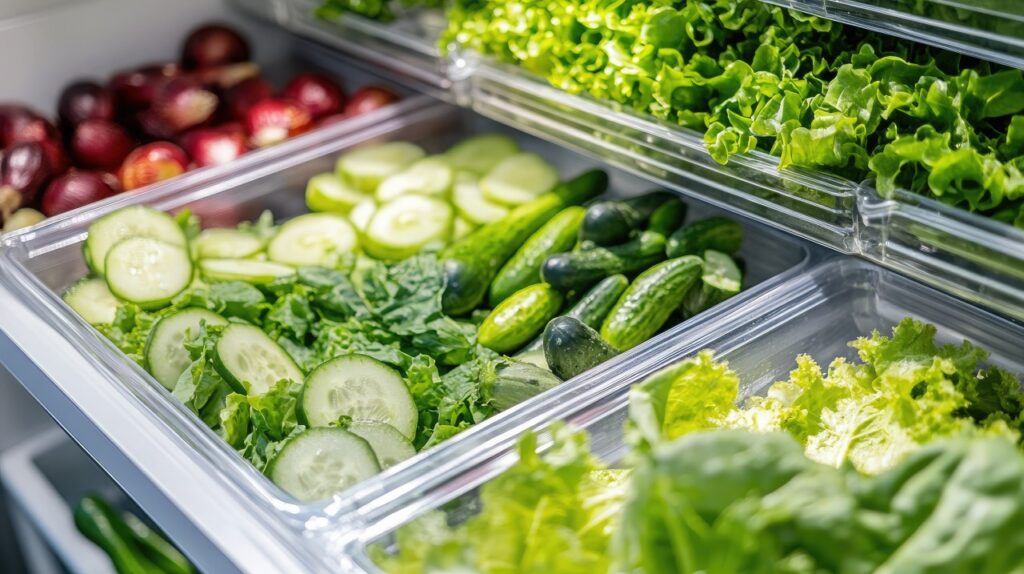
Vegetables don’t only spoil because they dry out. Many deteriorate because of ethylene, an invisible plant hormone released as produce continues to age after harvest. Ethylene triggers ripening, but in vegetables it often speeds decline instead of improving flavor. When this gas accumulates in enclosed spaces, tissues soften faster and natural defenses weaken. Leafy greens, broccoli, carrots, cucumbers, and green beans are especially sensitive. Exposure leads to yellowing leaves, bitterness, surface pitting, and rapid texture loss. In a crisper drawer, ethylene can either be minimized or trapped.
Vent settings strongly influence how ethylene behaves inside the crisper drawer. A tightly closed vent increases humidity, which benefits certain vegetables, but it also traps gases inside the compartment. If ethylene-producing produce is present nearby, gas concentrations rise quickly. This accelerates aging even when vegetables look fine from the outside. An open vent allows gases to escape but also lowers humidity, which can dry sensitive produce. The key is separation, not guesswork. Keeping ethylene producers outside the drawer while using the correct vent setting prevents buildup and sudden spoilage.
Mistakes That Ruin Vegetables Faster
Most vegetable waste comes from habits that seem harmless but quietly work against freshness. Overcrowding the crisper drawer is one of the most common mistakes. When vegetables are packed tightly, airflow slows or stops entirely, causing moisture to collect in pockets instead of dispersing evenly. This trapped moisture softens skins and encourages decay. At the same time, pressure from stacking bruises delicate produce like tomatoes, greens, and peppers. Bruised areas break down faster and release moisture and gases that affect nearby vegetables. What looks like efficient storage often turns the drawer into a cramped space where spoilage spreads quickly instead of slowing down.
Another frequent mistake is washing vegetables before storing them. While it feels hygienic, excess surface moisture creates ideal conditions for mold and bacteria. Even a small amount of lingering water speeds decay when vegetables sit for days. Storing produce in sealed plastic bags makes the problem worse by trapping moisture with no airflow. Ignoring humidity settings compounds these errors. Leafy greens dry out in low humidity, while onions and mushrooms rot faster in high humidity. Each mistake alone shortens freshness slightly, but together they dramatically reduce shelf life and increase food waste.
Using the Crisper the Right Way
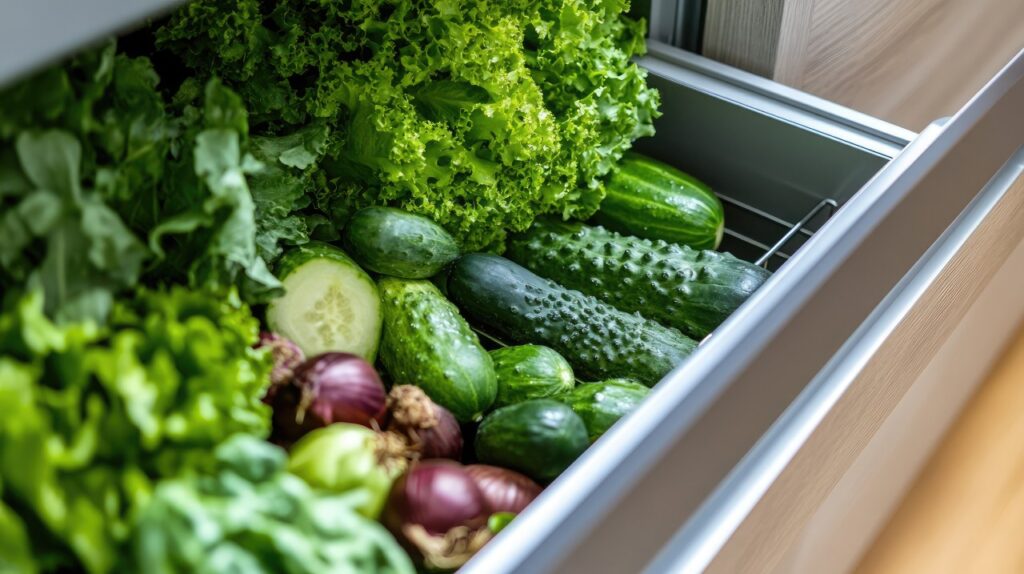
Using the crisper the right way starts with intention rather than routine. Vegetables that lose firmness quickly rely on moisture to stay alive after harvest. Leafy greens, spinach, lettuce, fresh herbs, celery, and asparagus all benefit from a high-humidity environment because it slows water loss from their cells. Closing the crisper vent traps moisture inside, helping these vegetables remain crisp instead of wilting within days. Breathable produce bags or loosely wrapped paper towels can help manage moisture without sealing it in completely. When hydration is maintained properly, leaves stay firm, colors remain bright, and flavors fade more slowly, helping everyday produce last longer.
Vegetables with thicker skins or porous surfaces need the opposite approach. Onions, mushrooms, peppers, squash, and similar items break down faster when moisture clings to them. Opening the crisper vent lowers humidity, allowing excess moisture to escape and reducing the risk of slime, mold, or soft spots. These vegetables last longest when surfaces stay dry and airflow remains steady. Keeping ethylene-producing produce outside the drawer also matters, since trapped gases accelerate aging. A lightly filled drawer performs better than a packed one, allowing air to circulate and preventing pressure damage. Small adjustments turn the crisper into a true freshness tool.
Reference
- You’re Using the Crisper Drawer Wrong—Stop Doing This With Your Vegetables – foodrepublic.com
- How Your Crisper’s Humidity Setting Could Be Sabotaging Your Produce – foodrepublic.com
- Does That Crisper Drawer Even Do Anything? – bonappetit.com