12 Sneaky Produce Tricks Stores Use to Sell You Rotting Fruit

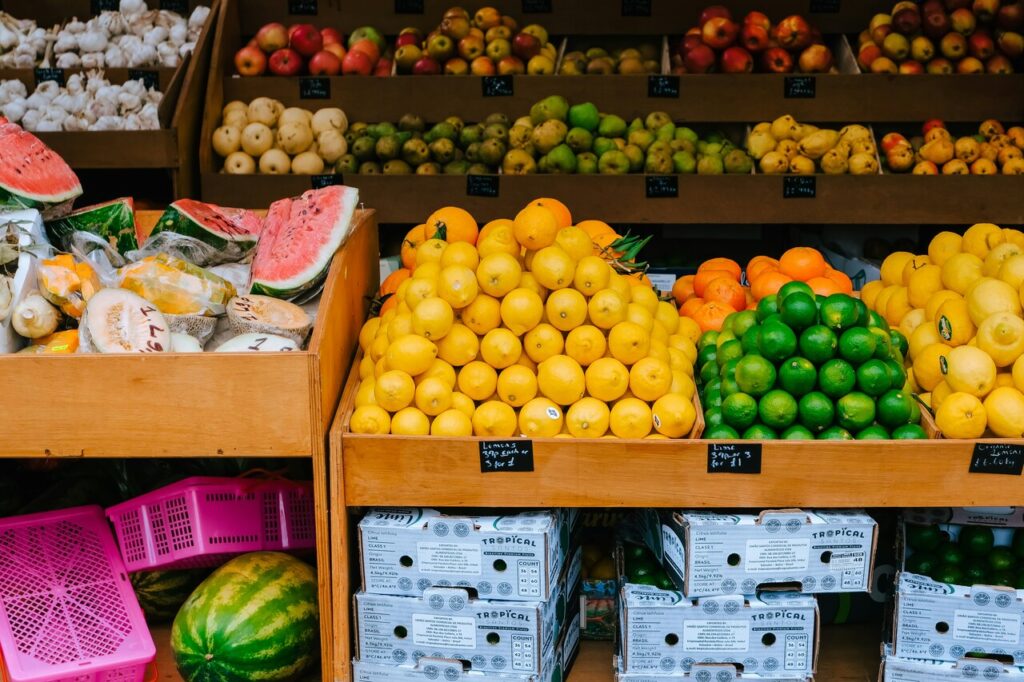
Supermarket produce sections are carefully designed to make fruits and vegetables appear fresh, vibrant, and recently stocked. Behind attractive lighting, misting systems, and neatly arranged displays, stores often use subtle techniques to move aging inventory before spoilage forces disposal. Many shoppers unknowingly purchase items already nearing the end of their freshness simply because presentation hides warning signs. Understanding these practices helps reveal how appearance sometimes matters more than true produce quality.
1. Bright Lighting Makes Produce Look Fresher
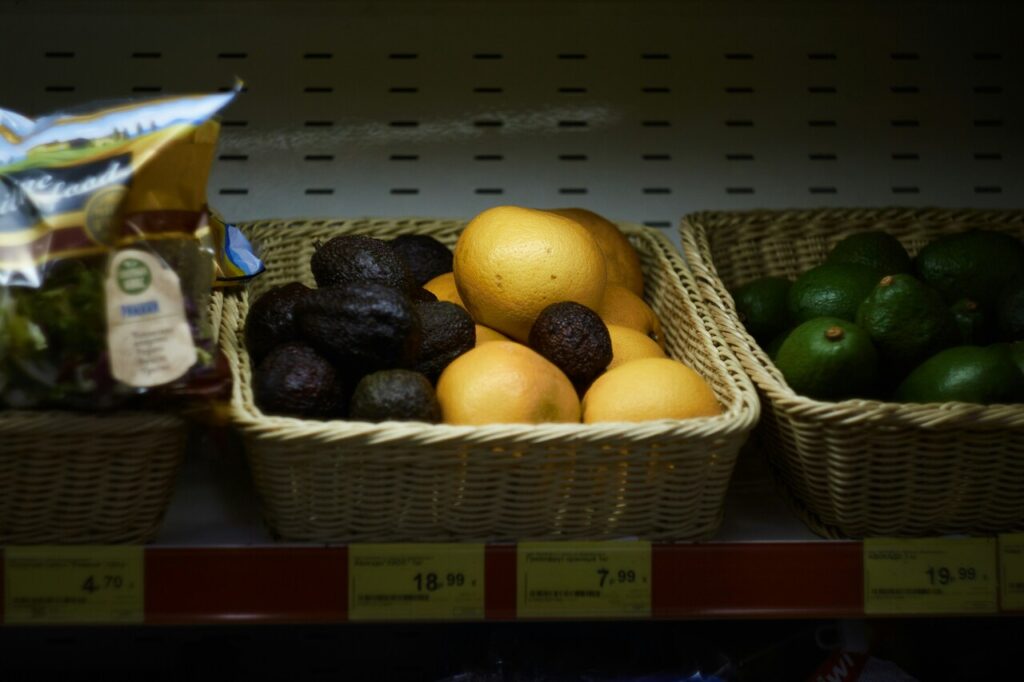
Produce sections rarely rely on ordinary store lighting. Supermarkets often install specialized lights designed to enhance reds, greens, and yellows, making fruits and vegetables appear brighter and more vibrant than they might look under normal kitchen lighting at home.
These lighting systems reduce visible dullness or minor discoloration that naturally occurs as produce ages. Items that might appear slightly tired in natural light suddenly seem fresh under enhanced store illumination.
Shoppers frequently discover produce looks less attractive once brought home, not realizing that lighting played a major role in purchase decisions. An attractive presentation helps stores move inventory quickly, even when items may already be nearing the end of their freshness.
2. Water Misting Hides Aging Vegetables
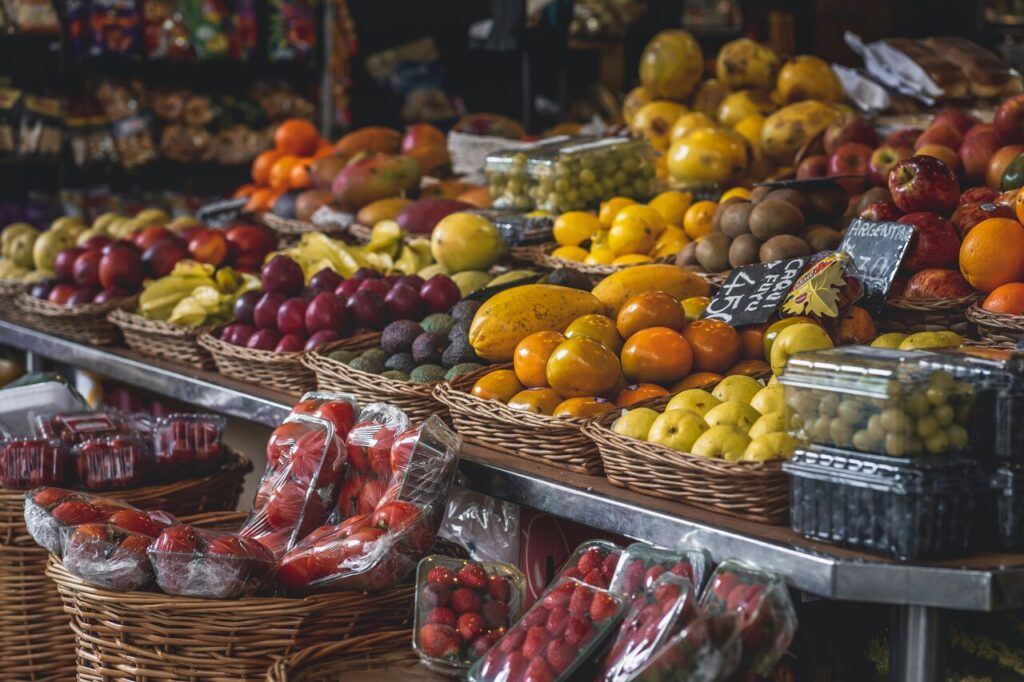
Vegetable displays often release periodic mist to keep leafy greens and herbs hydrated, creating visual impressions of freshness. The water droplets give produce a crisp, recently harvested appearance attractive to shoppers.
However, misting sometimes masks aging leaves or slight wilting, temporarily reviving appearance without restoring freshness. Excess moisture can even accelerate spoilage after purchase if the produce remains damp inside packaging.
Customers selecting freshly misted vegetables may assume they are newly stocked, yet the underlying age remains unchanged. Moisture improves visual appeal but does not always guarantee longer shelf life once produce leaves the store.
3. Rotated Stock Places Older Produce at the Front
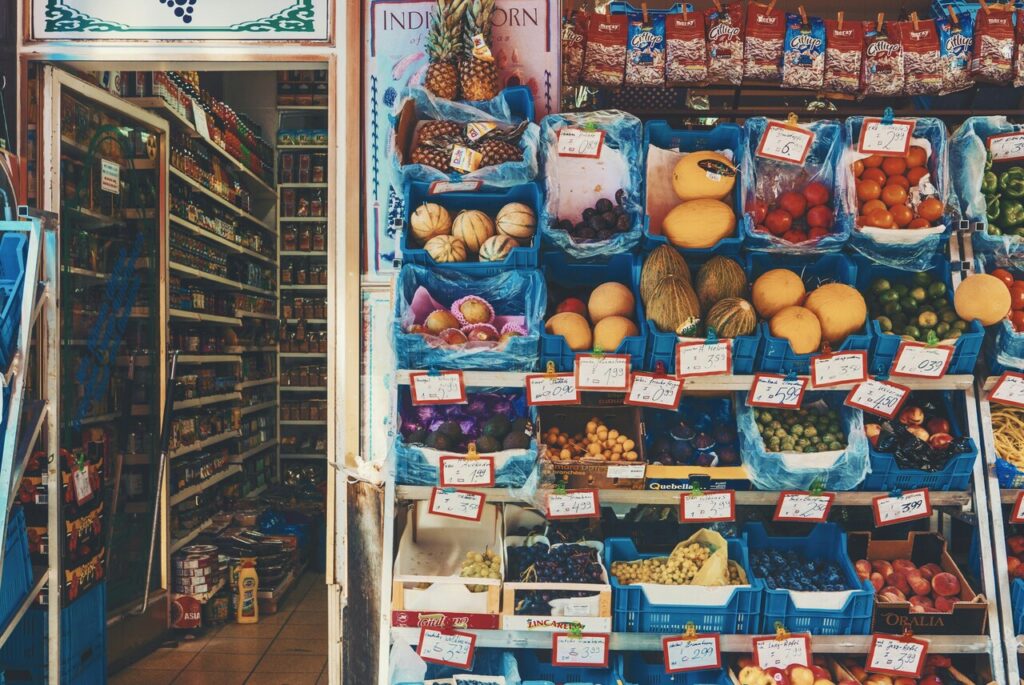
Grocery staff commonly rotate produce by placing older items at the front while moving newer shipments behind them. This system reduces waste by encouraging customers to buy items nearing sell-by dates first.
While efficient for stores, shoppers naturally pick items at the front without digging deeper for fresher options. Older produce, therefore, sells faster, even when newer stock remains available behind displays.
Customers willing to reach further into displays often find fresher selections. Without knowing rotation practices, many shoppers unknowingly purchase produce that will spoil more quickly at home.
4. Pre-Bagged Fruit Hides Damaged Pieces
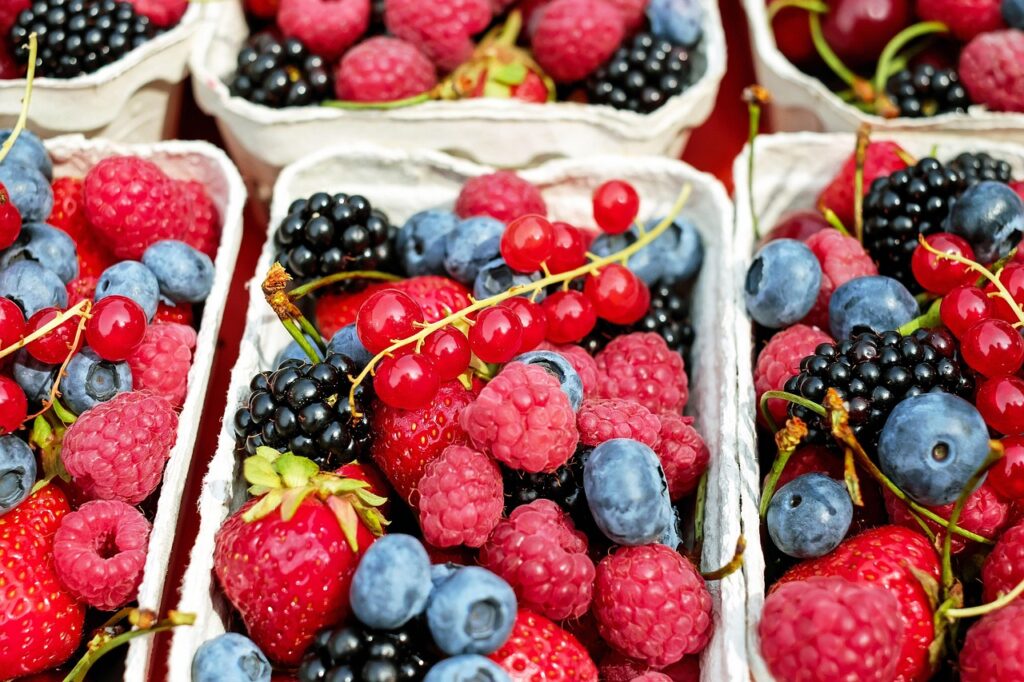
Pre-packaged fruit bags offer convenience, but they also make it harder to inspect each piece individually. Damaged or bruised items often sit hidden within sealed packaging.
A few imperfect pieces mixed among good fruit reduce store waste while allowing packaging to appear full and appealing. Shoppers frequently notice spoilage only after opening packages at home. Because packages are often sealed, customers cannot easily inspect every piece before purchase, increasing the chance of hidden damage.
Because bags prevent thorough inspection, customers sometimes discard damaged portions later. Convenience packaging speeds sales while quietly shifting quality inspection responsibility onto buyers after purchase.
5. Cut or Packaged Fruit Masks Aging Inventory
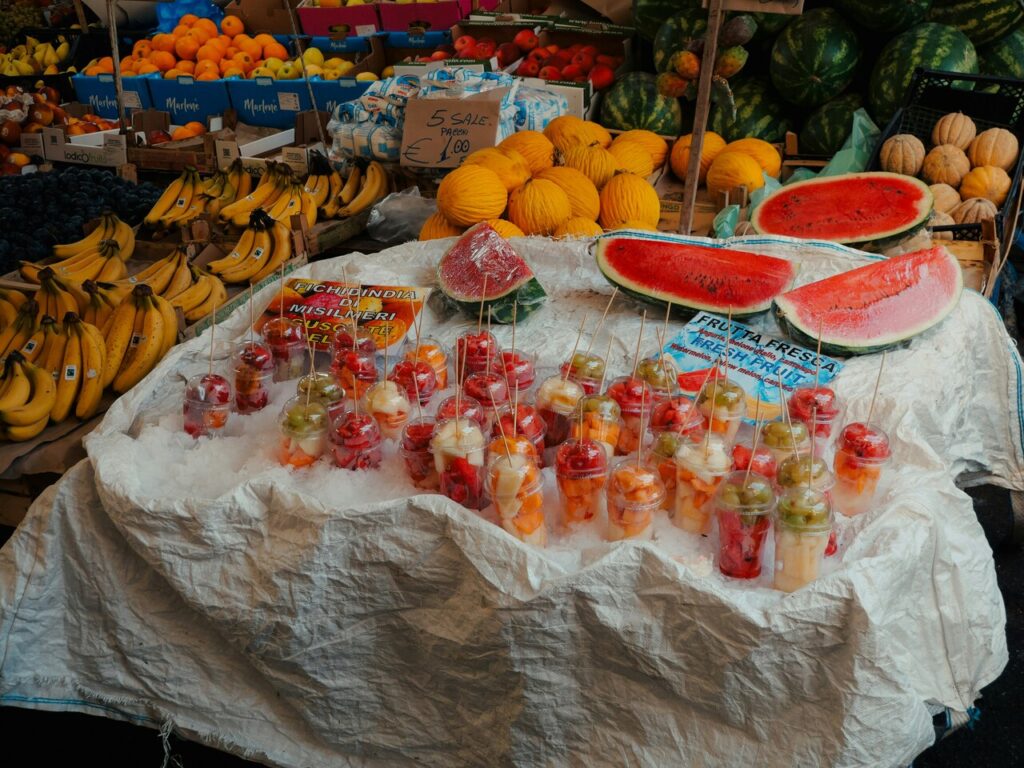
Stores often convert produce nearing peak freshness into pre-cut fruit containers or prepared snack packs. Cutting fruit removes visible imperfections while extending shelf appeal slightly through refrigeration.
While convenient, cut fruit usually originates from items that require quick sale. Exposure to air after cutting also shortens fthe reshness compared with whole produce.
Customers seeking convenience may unknowingly purchase fruit already several days old before cutting. Packaged presentation improves the overall appearance while masking original aging that would otherwise discourage purchase.
6. Mixing Fresh Produce With Old Stock
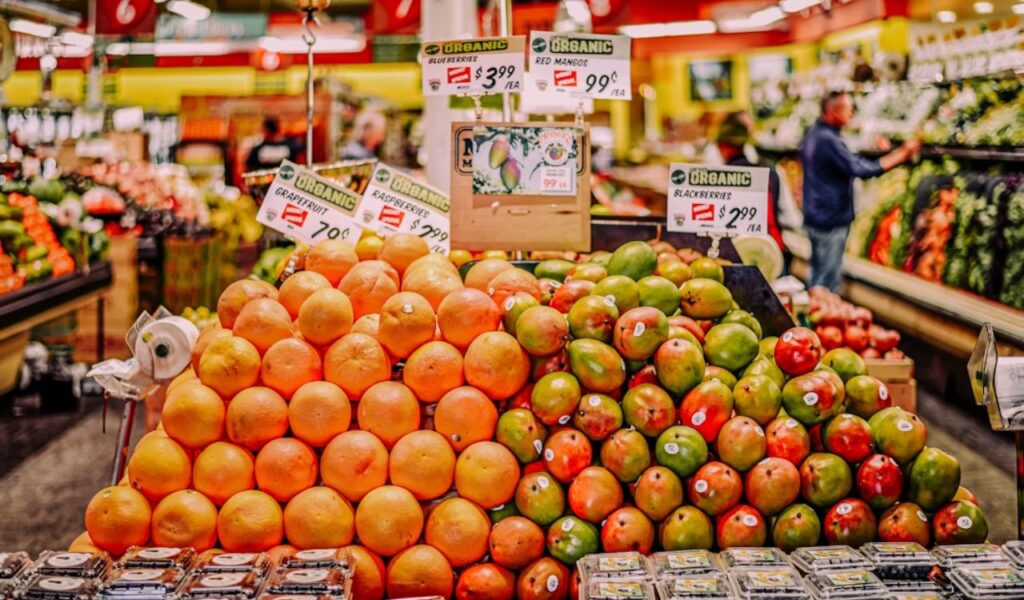
Produce displays frequently mix newly delivered items with older stock, creating uniform-looking piles that hide differences in freshness. Customers rarely notice which items arrived most recently.
Blending inventory helps stores move aging products while maintaining display fullness. Shoppers often select items randomly, unknowingly choosing pieces with shorter remaining shelf life.
Careful inspection sometimes reveals freshness differences, but most buyers rely on visual impression rather than checking each piece. Mixed displays, therefore, help produce sales before spoilage forces disposal.
7. Wax Coatings Make Old Fruit Shine
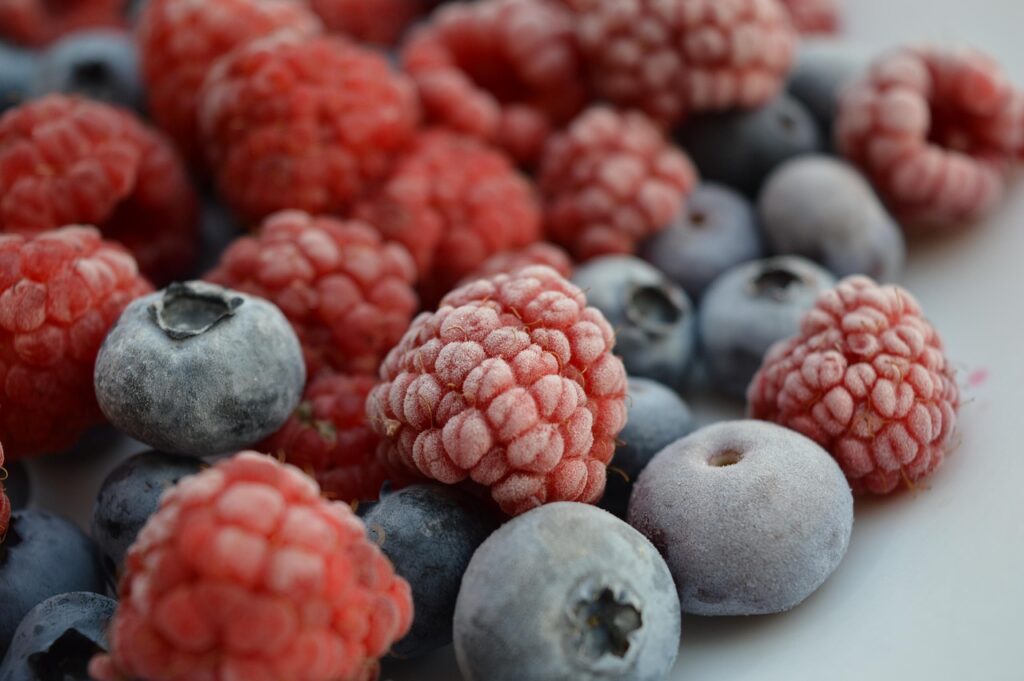
Many fruits receive thin wax coatings to preserve moisture and extend shelf life during transportation. These coatings also produce glossy appearances that make fruit look freshly harvested.
While coatings help reduce dehydration, they also mask early signs of aging by creating artificial shine. Fruit may look vibrant despite spending extended time in storage. Shoppers often associate shine with freshness, even when flavor and texture have already begun declining.
Shoppers frequently associate shine with freshness, even though internal quality may already decline. Visual appeal remains strong while flavor and texture sometimes fall short after purchase.
8. Strategic Placement Moves Aging Produce Quickly
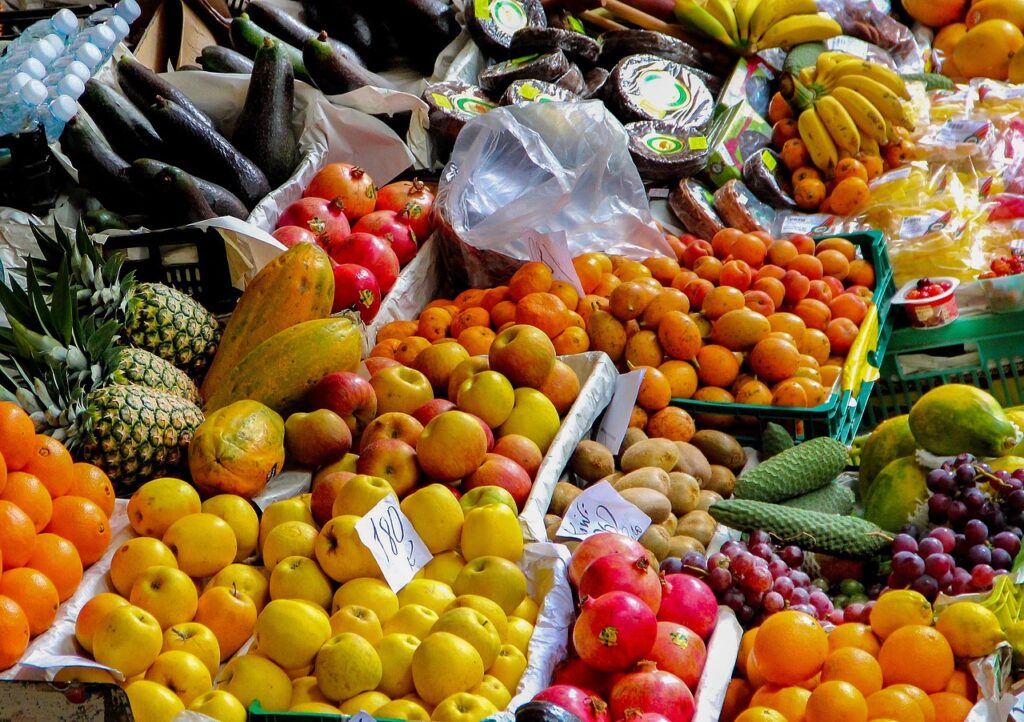
Stores often place produce needing quick sale in high-traffic display areas or at eye-catching locations within produce sections. Visibility increases the chances of a rapid purchase.
Customers naturally grab items placed prominently without realizing that positioning influences selection. Aging produce often receives prime placement to prevent waste through quicker turnover.
Without intentional searching, shoppers rarely compare multiple displays. Placement strategy quietly guides buying decisions toward items stores need to sell first, rather than those offering the longest freshness at home.
9. Discount Bins Encourage Quick Purchase of Spoiling Produce
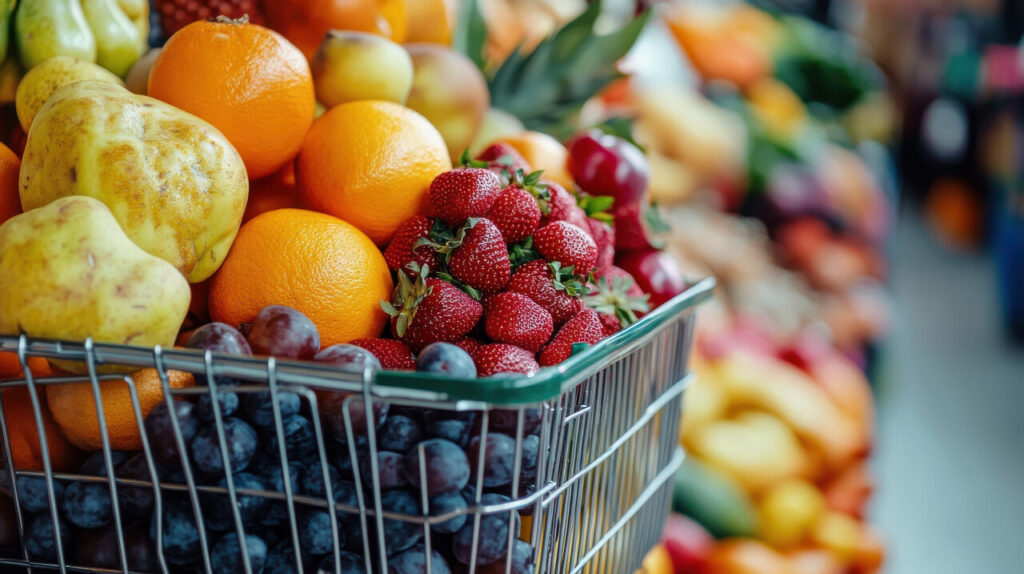
Reduced-price bins gather produce approaching spoilage, offering noticeable discounts, encouraging quick purchases. Bargain hunters often feel excited about securing lower prices.
However, discounted produce typically requires immediate use because freshness declines rapidly. Savings disappear if items spoil before cooking or consumption occurs. Shoppers sometimes overestimate how quickly they can use marked-down items, leading to additional waste despite initial savings.
Customers sometimes purchase more than they can use, attracted by low prices. Discount bins help stores minimize losses while transferring the risk of spoilage onto buyers after checkout.
10. Repackaging Damaged Produce Into New Containers
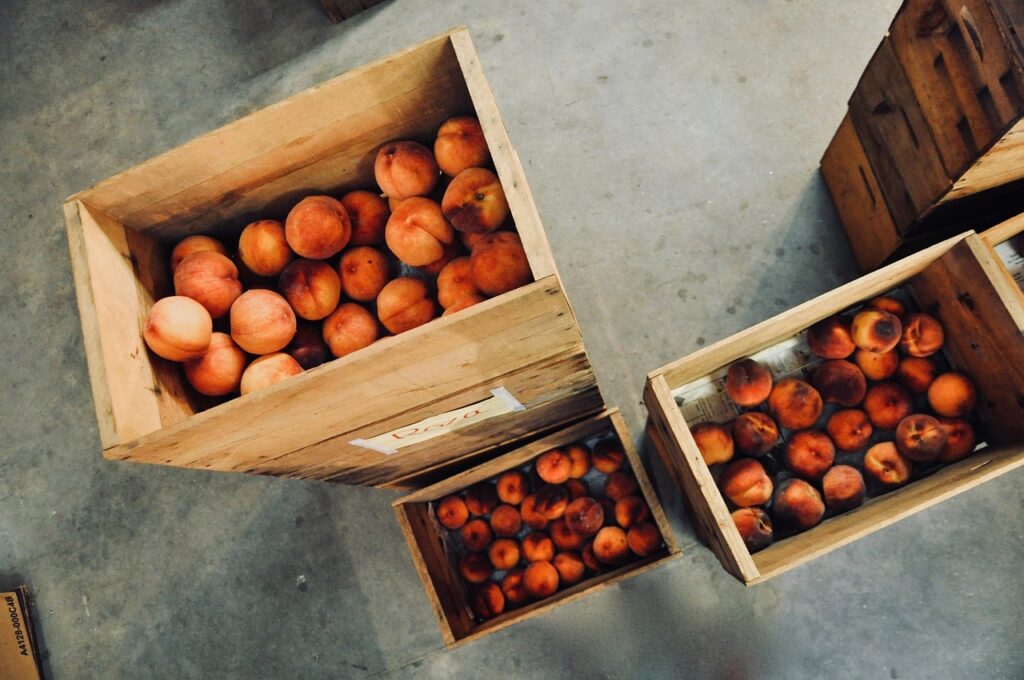
Produce showing minor bruising or cosmetic flaws sometimes gets sorted, trimmed, or repackaged into containers that look cleaner and more appealing than loose displays.
This practice helps stores salvage usable portions while maintaining attractive presentation. However, customers cannot easily see which items were previously damaged before repackaging. Without clear labeling, shoppers may assume all contents meet standard freshness expectations, only noticing quality differences after purchase
Although still edible, such produce often has a shorter remaining shelf life. Attractive packaging helps sell items quickly, but buyers may find quality declines sooner than expected once home.
11. Using Sprays or Oils to Improve Appearance
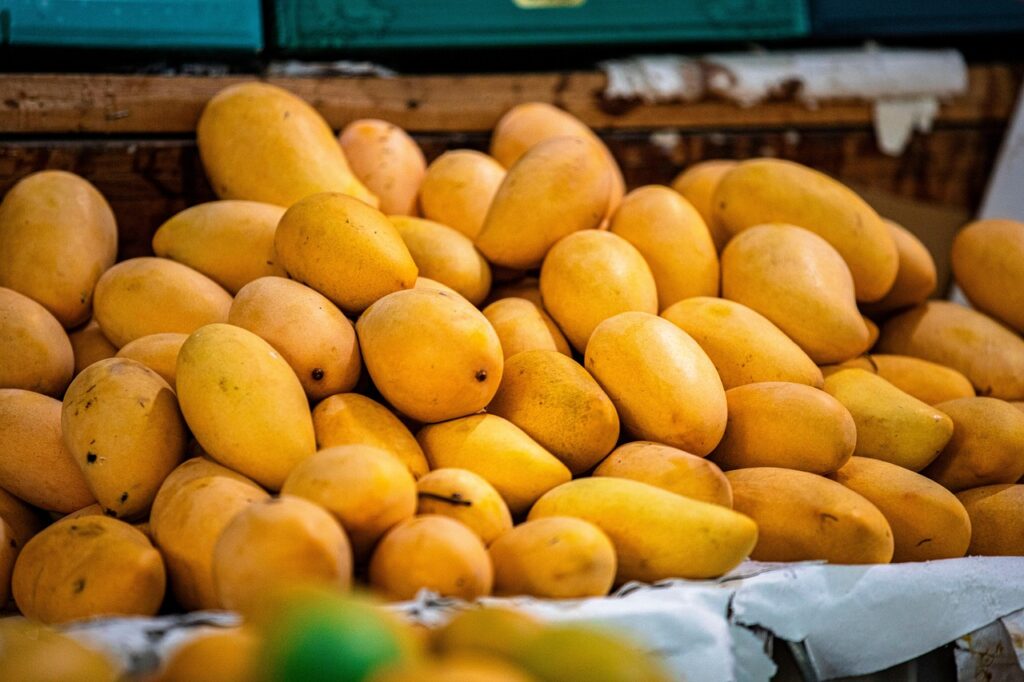
Certain produce receives light sprays or food-safe treatments, enhancing color and shine, making items appear freshly stocked. These treatments improve shelf appeal without changing internal quality.
Surface treatments help vegetables and fruits maintain visual attractiveness under store lighting, masking minor dryness or aging that might otherwise discourage buyers. These treatments slow moisture loss, allowing produce to remain display-ready for longer periods.
Shoppers relying solely on appearance may mistake cosmetic enhancement for freshness. While safe, such treatments prioritize visual appeal over true quality indicators like firmness or aroma.
12. Hiding Bruised Produce Underneath Displays
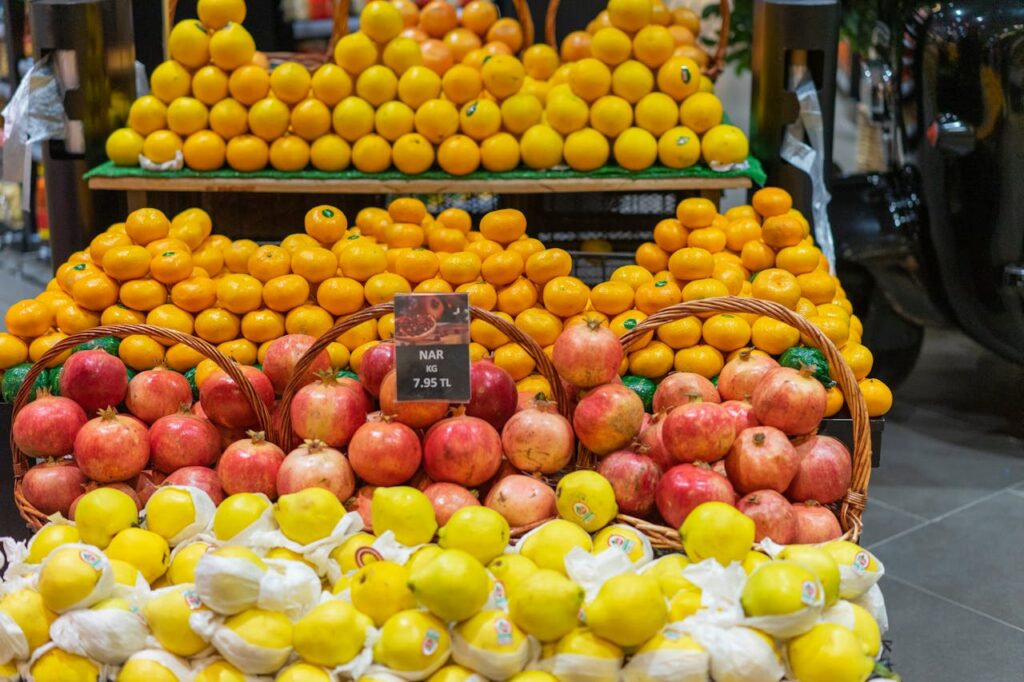
Produce displays often stack items in deep piles where bruised or aging pieces remain hidden beneath visually attractive top layers. Shoppers typically select items from the upper portions only.
This stacking approach helps stores avoid discarding imperfect items immediately while encouraging quick sales of more appealing produce on display surfaces. Customers often select items from the top layers without realizing that older stock sits beneath, moving more slowly through inventory.
Customers digging deeper occasionally uncover less desirable pieces. Without inspecting thoroughly, shoppers often assume entire displays match the quality of top layers, unknowingly purchasing items nearing spoilage.