10 Luxury Groceries That Are Identical to Dollar Store Brands

Shoppers often assume higher grocery prices signal better quality, yet many everyday staples remain nearly identical across luxury and discount brands. Products like sugar, flour, canned goods, and even bottled water frequently come from the same production systems, differing mainly in packaging and marketing. Dollar store shelves often carry versions that cook, taste, and perform just as well as premium options. Looking closer at labels reveals how branding often drives cost far more than actual product differences.
1. Bottled Water

Shoppers often assume premium bottled water offers superior purity or taste, yet many brands draw water from municipal sources that undergo standard filtration before packaging. Differences between expensive and budget bottles frequently lie in branding and packaging rather than actual water quality.
Dollar store options often meet the same safety regulations governing larger brands, meaning the water itself is frequently processed using similar purification methods.
Because hydration depends more on drinking water regularly than on packaging prestige, many shoppers discover affordable options deliver identical results. Paying extra often covers marketing and branding rather than meaningful differences in what fills the bottle.
2. Table Salt
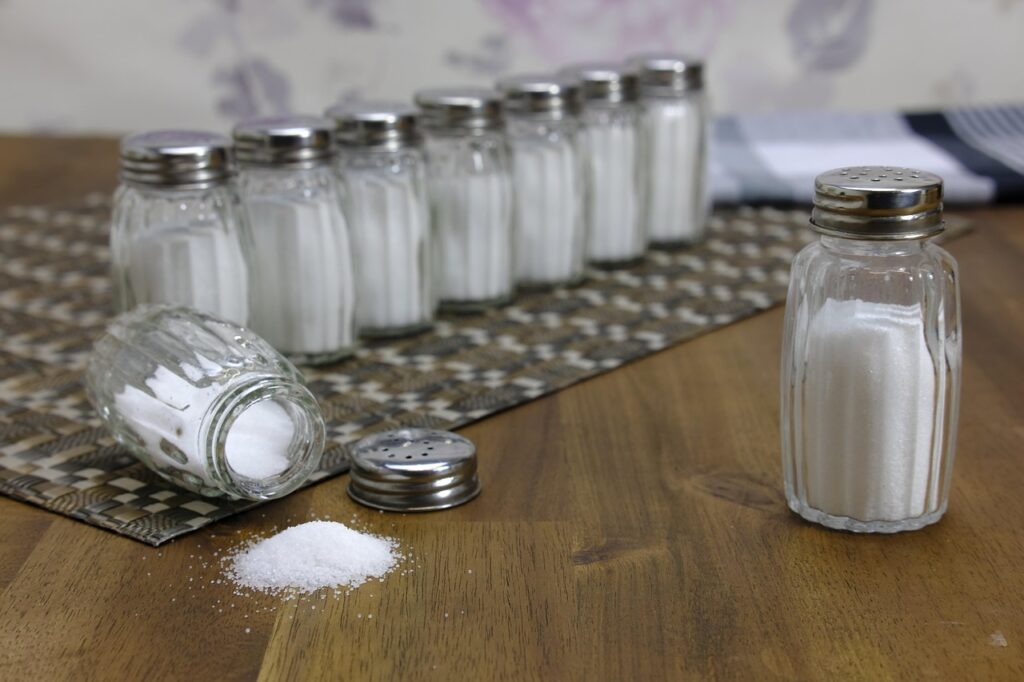
Table salt remains one of the simplest grocery items, consisting mainly of sodium chloride regardless of packaging. Whether purchased from premium brands or discount stores, chemical composition remains nearly identical across most products.
Luxury packaging may highlight purity or harvesting methods, yet refined table salt typically undergoes similar industrial processing regardless of brand. Anti-caking agents added to maintain flow appear in both premium and budget versions.
For everyday cooking, most shoppers cannot detect differences between salts beyond branding or packaging style. Expensive options rarely change flavor significantly, making inexpensive versions just as effective for seasoning and food preparation.
3. Granulated Sugar

Granulated sugar appears uniform across brands because it undergoes standardized refining processes that remove impurities and create consistent crystals. Whether packaged by luxury labels or budget stores, sugar composition remains the same.
Manufacturers often source sugar from large refining facilities supplying multiple brands simultaneously. Packaging and branding distinguish products more than differences in taste or performance during cooking or baking.
In recipes, sugar behaves identically regardless of label, dissolving and caramelizing the same way. Many home cooks discover that paying premium prices rarely improves results, since sweetness and texture remain unchanged across brands.
4. All-Purpose Flour

All-purpose flour follows strict milling standards that produce consistent protein content and texture across brands. Large mills frequently supply multiple labels, meaning luxury and discount packages may originate from identical facilities.
Performance differences between brands often prove minimal in everyday cooking. Whether baking bread, cakes, or sauces, flour behaves similarly so long as protein levels fall within expected ranges.
Shoppers sometimes assume higher-priced flour yields better results, yet many bakers find budget options perform equally well. Brand reputation influences perception more than actual cooking performance in most household recipes.
5. Pasta
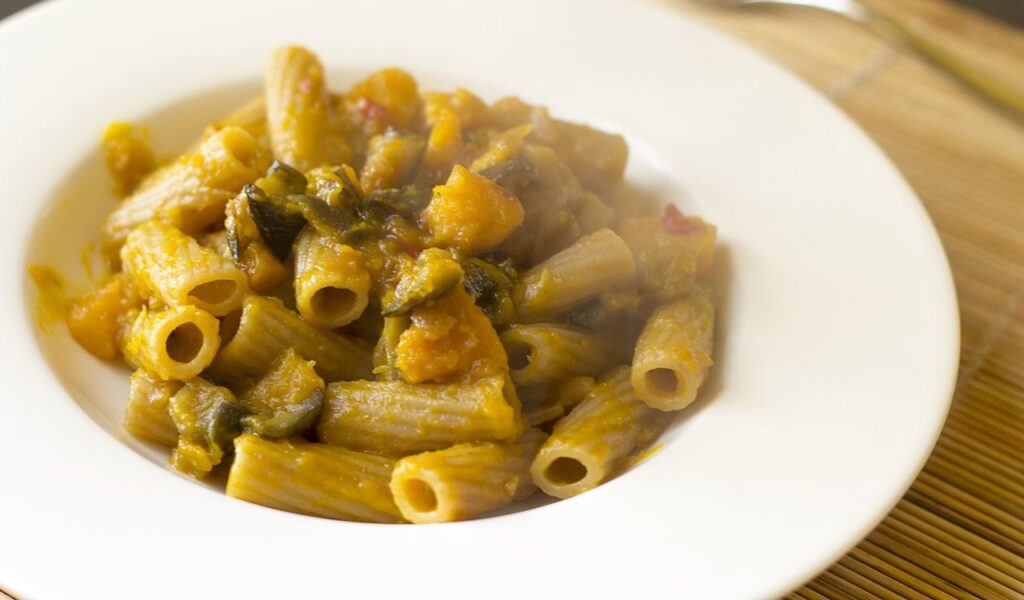
Dried pasta consists mainly of semolina flour and water, with production processes standardized across manufacturers. Many store brands and premium labels share similar ingredients and cooking characteristics despite price differences.
Luxury packaging may emphasize Italian origins or artisanal imagery, yet cooking performance often remains similar between brands. Texture differences usually stem from shape or cooking method rather than price.
For everyday meals, budget pasta delivers nearly identical results when cooked properly. Many shoppers discover that paying more rarely improves flavor, as sauces and preparation methods influence taste far more than brand choice.
6. Canned Vegetables
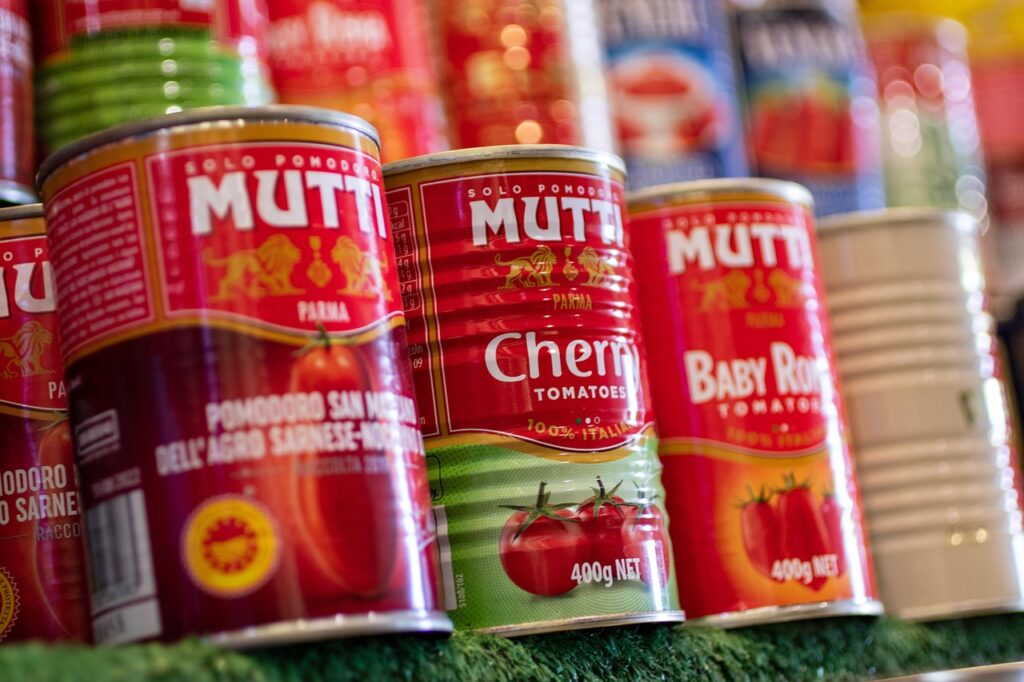
Canned vegetables follow strict preservation processes, ensuring safety and shelf stability across brands. Whether purchased from premium supermarkets or dollar stores, vegetables often come from the same agricultural sources.
Taste differences usually arise from seasoning or packaging style rather than vegetable quality. Once heated or mixed into recipes, distinctions between premium and budget canned vegetables become difficult to detect.
Because canning preserves produce at peak freshness, shoppers often find affordable options perform equally well in soups and casseroles. Higher prices often reflect branding and packaging rather than noticeable quality improvements.
7. Peanut Butter
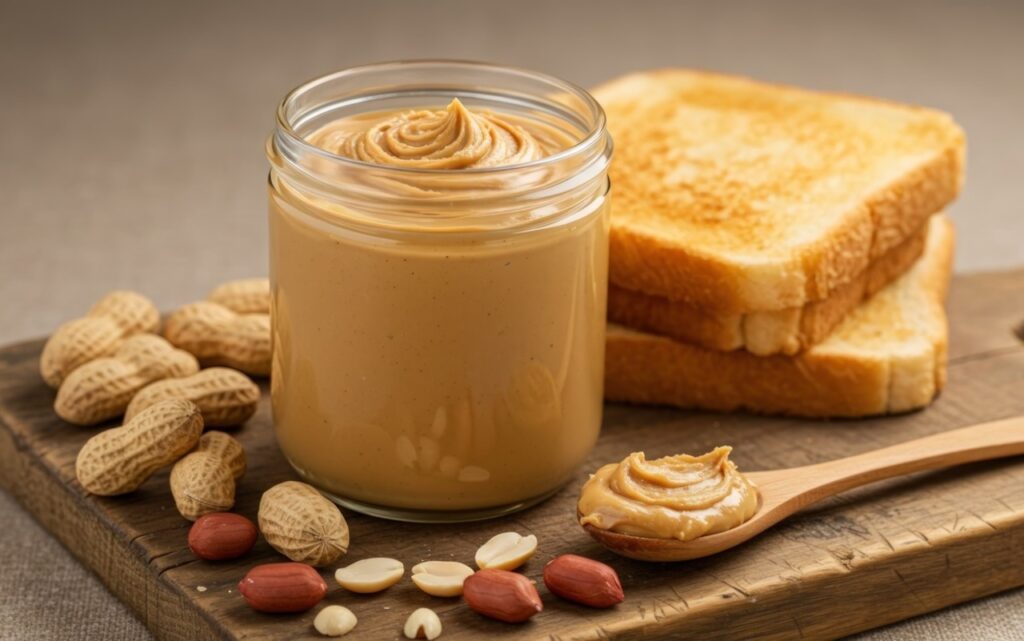
Peanut butter primarily consists of ground peanuts, oil, and salt, with variations across brands usually minimal. Many budget and premium versions rely on similar roasting and grinding processes.
Luxury branding sometimes highlights texture or ingredient sourcing, yet the everyday peanut butter flavor remains largely consistent across price points. Differences often stem from added sugar or oil quantities rather than peanut quality.
In sandwiches and recipes, most consumers struggle to distinguish between brands without labels present. Budget options often deliver the same creamy or crunchy experience without requiring premium spending.
8. Boxed Mac and Cheese
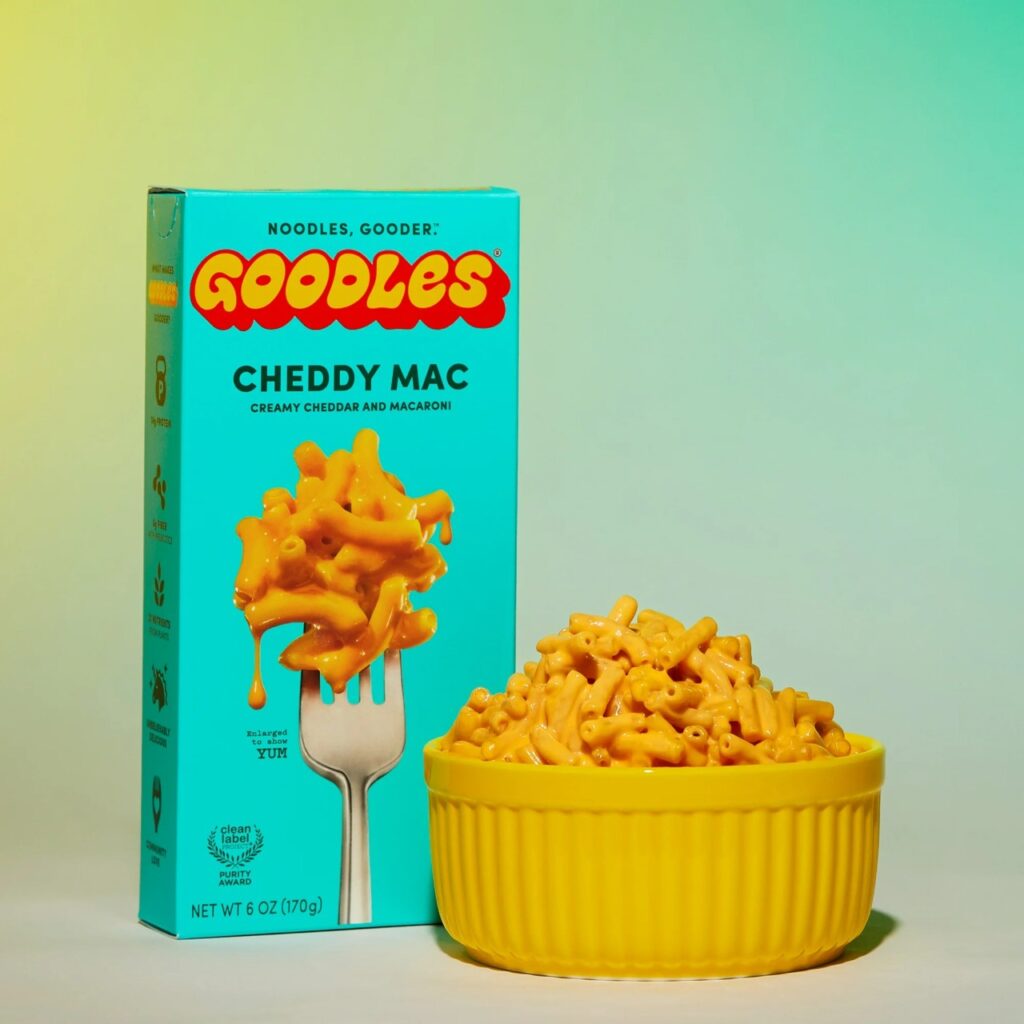
Boxed macaroni and cheese relies on dried pasta combined with powdered cheese sauce, with ingredient lists across brands often looking remarkably similar. Flavor differences typically remain subtle when prepared.
Premium brands may promote richer taste, yet cooking instructions and added butter or milk influence final flavor more than packaging labels. Many shoppers discover budget options satisfy cravings equally well.
When mixed with additional ingredients or served alongside meals, differences between brands become even harder to notice. Affordable versions frequently match comfort expectations without requiring extra grocery spending.
9. Breakfast Cereal
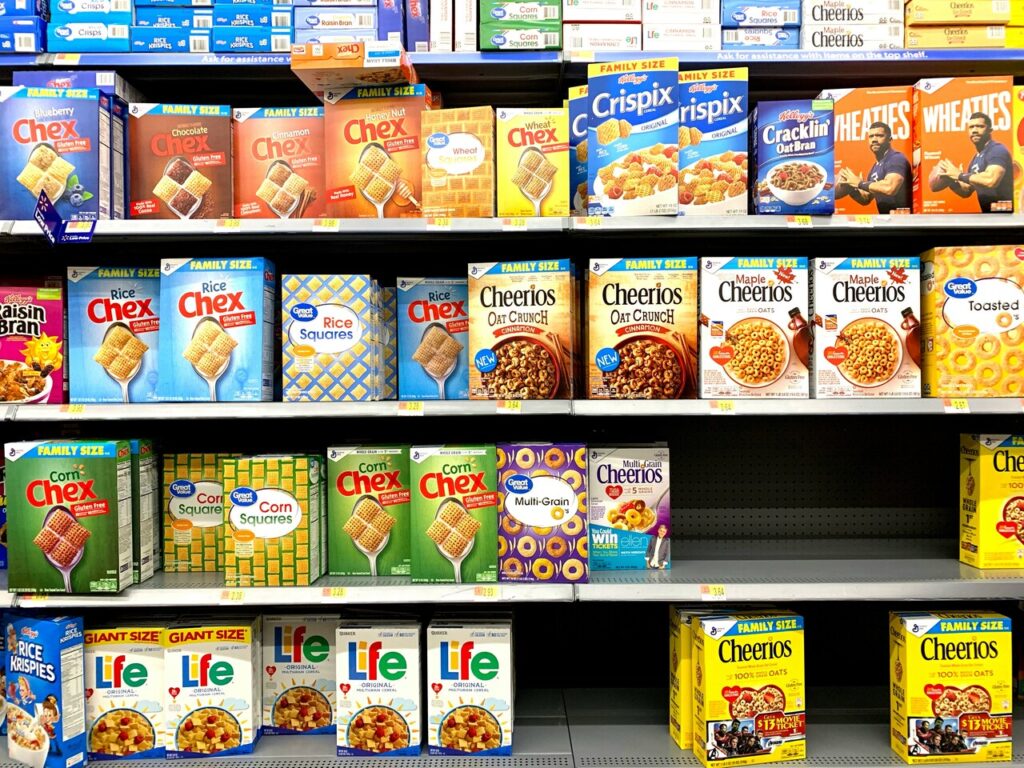
Basic breakfast cereals, especially flakes or oat-based varieties, often contain similar grains and fortifications regardless of branding. Processing methods remain standardized to achieve consistent texture and shelf life.
Luxury cereals may feature appealing packaging or added flavor variations, yet nutritional profiles often remain comparable across price ranges. Taste differences usually remain mild in simpler cereal types.
Because milk and toppings influence flavor significantly, many shoppers find budget cereals satisfy morning routines just as effectively. Paying more often covers branding rather than improvements in taste or nutrition.
10. Spices and Seasonings
Spices derive from dried plant materials processed and packaged by suppliers serving multiple brands. Differences between luxury and budget spices often involve packaging style rather than core flavor components.
Freshness and storage conditions influence flavor far more than brand reputation. Many discount spices originate from the same growing regions supplying these premium labels worldwide.
For everyday cooking, affordable spices often perform equally well when replaced regularly. Shoppers paying extra frequently cover branding costs rather than significant improvements in seasoning quality.