12 Reasons Gen Z Obsession with Winter Iced Coffee Is Ridiculous


Few small habits spark bigger generational debates than the drink in your hand. On icy sidewalks and wind cut mornings, a clear cup packed with ice has become a quiet badge of routine for many young coffee drinkers. To some, that choice feels bold. To others, it feels baffling.
Winter has long been tied to warmth. Steaming mugs, spiced aromas, and hands wrapped around paper cups are part of the seasonal rhythm. Choosing an iced coffee in freezing weather challenges that instinctive pairing of cold days and hot drinks.
Yet the conversation is not really about temperature alone. It touches on habit, identity, aesthetics, and consumer culture. When you look closer, the debate says as much about how we live as it does about what we sip.
1. It’s Literally Freezing Outside
Winter reshapes daily habits for a reason. When temperatures drop below freezing, the body works harder to conserve heat. Cold air draws warmth away from exposed skin, and most people instinctively reach for layers, scarves, and hot drinks to counter the chill.
Choosing an iced beverage in those conditions can feel counterintuitive. Ice lowers the drink’s temperature far below ambient air, delivering an extra burst of cold with every sip. The sensation contrasts sharply with the surrounding environment.
Critics see this as unnecessary discomfort. While personal preference always matters, pairing freezing weather with a cup full of ice challenges the basic logic of seasonal adaptation, which is why it sparks such strong reactions.
2. Hot Coffee Actually Helps Warm You Up

Warm drinks provide more than comfort. When consumed, they slightly raise the temperature of the stomach and surrounding tissues. The effect is modest, but it contributes to the feeling of warmth spreading through the body.
In cold weather, that sensation can be practical. Holding a hot cup also warms the hands, improving circulation in fingers exposed to low temperatures. The ritual aligns with how humans naturally seek heat in winter.
Choosing iced coffee removes that small but real benefit. The caffeine content remains the same, but the physical warmth is lost. Critics argue that ignoring this seasonal advantage seems impractical rather than refreshing.
3. It’s Often Just Habit, Not Preference
Routine shapes consumption more than climate does. Many coffee drinkers develop a preferred order and repeat it daily without reconsidering seasonal shifts. Iced coffee becomes part of identity rather than a situational choice.
Habit can override sensory cues. Even when breath fogs in the air, some people stick with what feels familiar. The brain values consistency, and ordering the same drink year round simplifies decision making.
Critics question whether winter iced coffee reflects genuine comfort or simple repetition. If the choice remains unchanged regardless of temperature, it may reveal more about routine than about what actually suits the season.
4. Cold Drinks Can Feel Harsher in Winter

Winter air is typically colder and drier, which can irritate the throat, lips, and nasal passages. In those conditions, an ice cold beverage intensifies the cooling effect inside the mouth and chest, creating a sharper contrast between internal and external temperature.
For some people, cold liquids during winter can increase tooth sensitivity or cause a brief throat sting. The body is already working to conserve heat, so adding extra chill can feel physically uncomfortable rather than refreshing.
Hot drinks, by comparison, soothe tissues and provide gentle warmth. Critics argue that choosing iced coffee in this setting works against basic seasonal comfort, making the habit seem stubborn instead of practical.
5. It’s More About Aesthetic Than Comfort

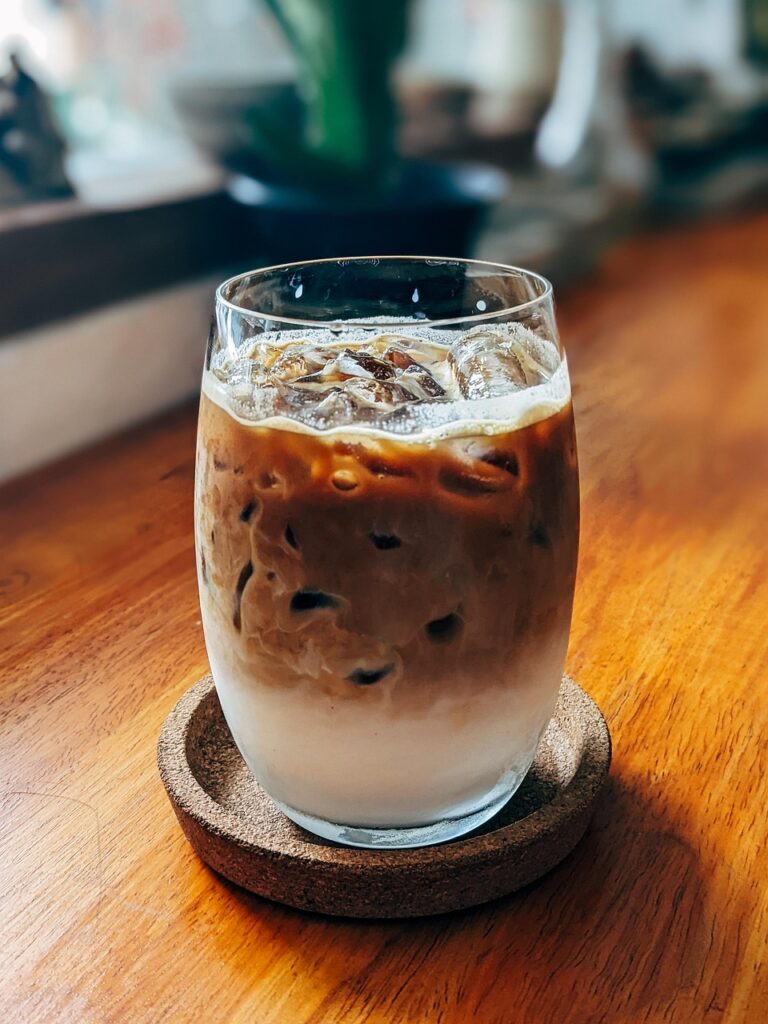
Iced coffee has a strong visual identity. Clear cups, visible ice, and layered milk and espresso create contrast that photographs well. The swirling patterns and condensation add texture that stands out on social media feeds.
In modern lifestyle culture, beverages often double as visual cues of routine and productivity. A cold brew in hand can signal consistency and personal branding as much as taste preference.
Critics suggest that winter iced coffee sometimes functions as an accessory. When presentation carries equal weight with comfort, the choice can appear image driven rather than climate driven, which fuels ongoing commentary.
6. Ice Dilution in Cold Weather Feels Wasteful

Ice inevitably melts, gradually diluting the coffee beneath it. In summer, that tradeoff can feel worthwhile because the extra chill offsets heat. In winter, the benefit is less obvious.
As the drink sits, flavor intensity decreases. The coffee can taste thinner and less robust, especially in already cold conditions where warmth might be preferred.
Critics argue that using ice during winter sacrifices strength without providing seasonal advantage. When external temperatures are low, dilution becomes more noticeable, reinforcing the idea that the choice feels inefficient rather than refreshing.
7. It Ignores Seasonal Traditions

Food and drink have long followed the rhythm of the calendar. Winter menus lean into warmth, offering spiced lattes, hot cocoa, and mulled beverages designed to counter cold air and shorter days. These traditions developed from both climate and comfort.
Warm drinks serve a practical purpose in colder months. They provide heat, aroma, and a sense of ritual that matches heavy coats and early sunsets. Seasonal shifts in cafes reflect this pattern year after year.
Choosing iced coffee throughout winter steps outside that rhythm. Critics see it as bypassing seasonal adaptation, where choices once aligned with weather and tradition but now remain unchanged regardless of temperature.
8. Caffeine Effects Don’t Change with Temperature

At a chemical level, caffeine works the same whether it is dissolved in a steaming latte or poured over ice. Once consumed, it is absorbed through the digestive system and enters the bloodstream, where it blocks adenosine receptors and promotes alertness. Temperature does not change that pathway.
An iced coffee and a hot coffee with equal caffeine content deliver the same stimulant effect. Heart rate, focus, and wakefulness depend on dosage, not on whether the drink feels warm or cold in your hand.
Critics argue that if energy is the main objective, climate could influence format. Choosing iced coffee in winter does not enhance caffeine’s function, making the decision appear rooted in preference or image rather than necessity.
9. It Can Feel Like Performance Consumption

Beverages often act as subtle signals of identity. The cup someone carries can communicate routine, taste, and even generational belonging. An iced coffee held in freezing weather stands out visually, creating contrast that draws attention.
In an era shaped by social media, everyday items can double as symbols. The clear cup, visible ice, and consistent year round order may project reliability or trend awareness as much as flavor preference.
Critics interpret this as performative consumption. When a drink appears chosen for what it communicates rather than how it feels in the moment, it seems less about comfort and more about maintaining a personal brand.
10. Hot Drinks Are Easier to Hold in the Cold

Winter changes how the body interacts with objects. In low temperatures, blood flow to fingers decreases, making hands feel stiff or numb. A hot cup provides gentle external warmth that can briefly improve comfort.
Holding a warm drink transfers heat through the container, offering a small but noticeable benefit during outdoor commutes. The cup functions as both beverage and hand warmer.
An iced drink does the opposite. It absorbs warmth from the hands and can intensify the chill without gloves. Critics point to this practical contrast as one reason hot drinks feel better suited to winter conditions.
11. It’s Not Always Environmentally Efficient

Packaging is part of the winter iced coffee debate. Cold beverages are often served in rigid plastic cups with domed lids and separate straws. Even when labeled recyclable, these materials require sorting, cleaning, and proper facilities to avoid landfills.
Hot coffee is often poured into paper cups with sleeves, which may contain a thin plastic lining but usually use fewer rigid components. The material footprint varies by brand and location, yet cold drink packaging often involves more plastic overall.
Critics argue that choosing iced drinks year round can increase reliance on single use plastics. In colder months, when hot options align with the weather, the extra packaging can seem less practical than necessary.
12. It Sparks Debate for No Real Reason
For all the commentary, coffee temperature remains a personal preference. Nutritionally, iced and hot coffee are nearly identical when prepared with similar ingredients. Caffeine content, calorie count, and basic effects do not hinge on temperature.
The strong reactions often stem from symbolism rather than substance. A cup of iced coffee in snowfall becomes a visual contradiction that invites humor and criticism, even though it has little real impact.
Much of the debate reflects generational tone and online culture. What starts as playful teasing about seasonal logic evolves into broader commentary about habits and identity, even though the choice itself is minor and harmless.