13 American Eating Habits That Surprise International Visitors


American food culture is more than just what’s on the plate. It is shaped by speed, convenience, comfort, and a deep sense of abundance that influences how people eat every day. For international visitors, these habits can feel both fascinating and unexpected from the very first meal.
From oversized portions to endless refills, small details quickly add up to a very different dining experience. What locals see as normal often stands out immediately to those used to slower meals, smaller servings, and fewer choices.
This list explores the everyday eating habits that quietly define life in the United States, offering a closer look at the routines that surprise visitors the most and the reasons behind them.
1. Huge Portion Sizes
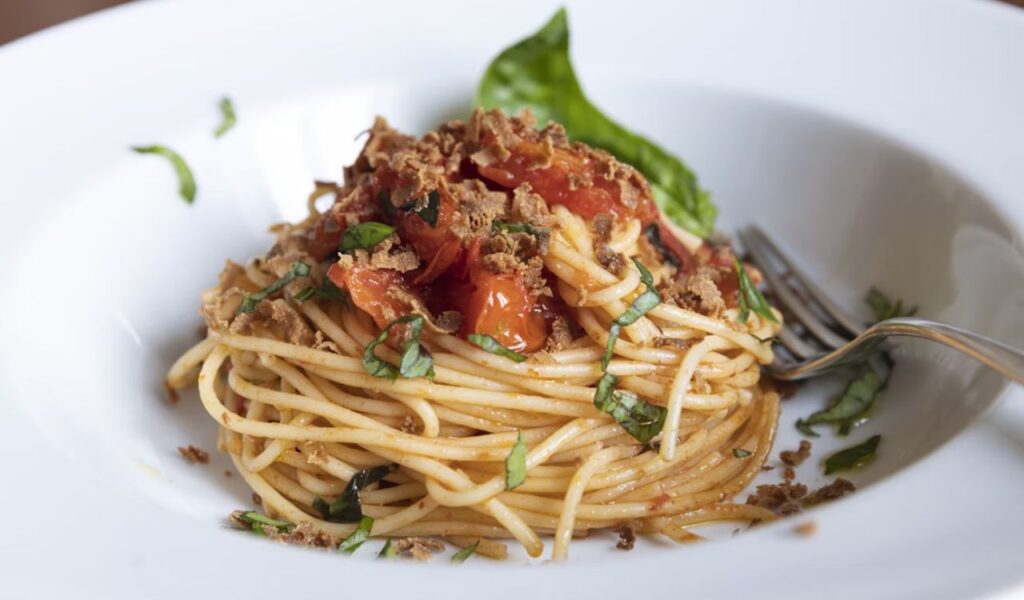
Walk into an American restaurant, and the surprise often arrives before the first bite. Plates are designed to feel abundant, sometimes noticeably larger than what many visitors are used to, with meals that look full and generous at a glance.
This style reflects a strong idea of value. Diners expect to feel satisfied, and portion size plays a big role in that perception. Restaurants respond by serving meals that appear hearty and filling, even in everyday dining settings.
Because of this, leftovers are completely normal. Asking for a box to take food home is common and widely accepted. For many visitors, adjusting to these portion sizes becomes one of the first noticeable changes in their dining experience.
2. Free Refills on Drinks
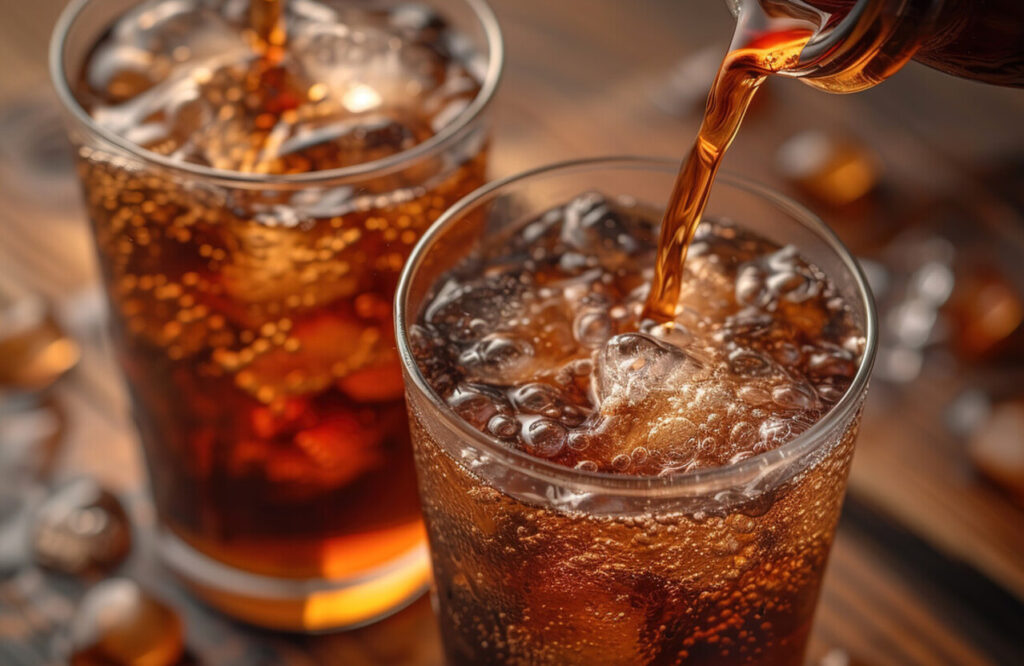
One of the most quietly surprising parts of dining in the United States is how often drinks seem endless. In many casual restaurants, ordering a soda, iced tea, or coffee means your glass will be refilled without an extra charge.
This system is built into the dining experience. Servers are trained to keep drinks topped up, and customers often expect it as part of good service. It also reflects the relatively low cost of fountain beverages compared to their selling price.
For visitors, the surprise is not just the refill itself but how automatic it feels. You may not even realize how much you have consumed until the meal is over, making this a small but memorable difference in eating habits.
3. Ice in Almost Every Drink
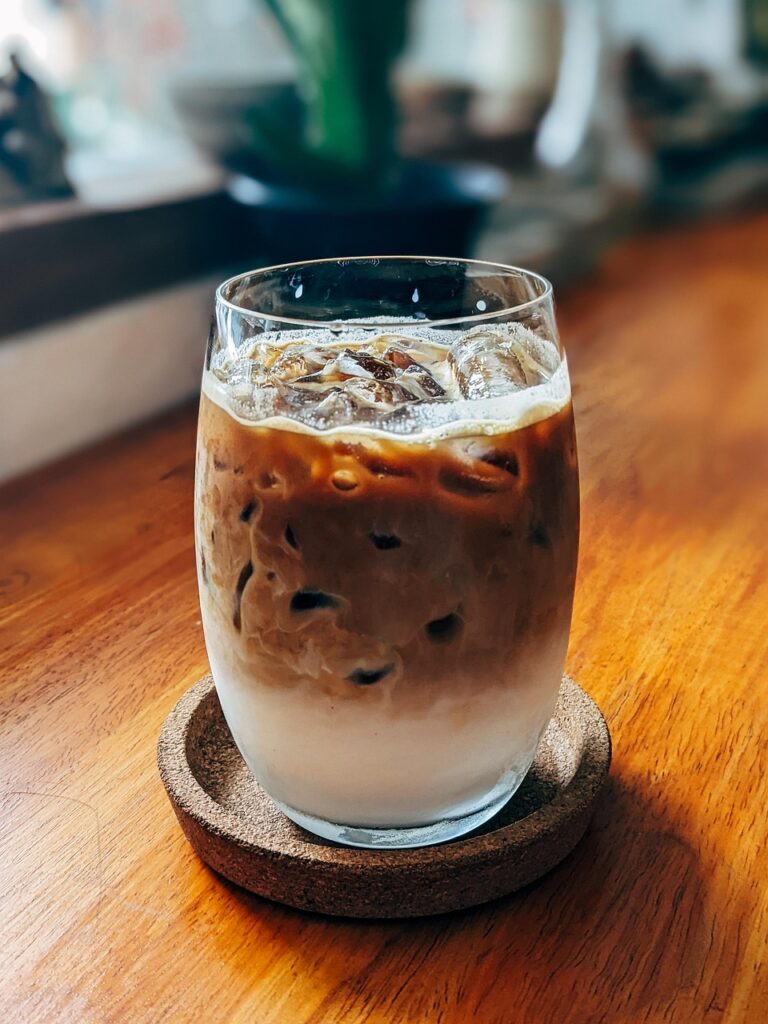
Before the drink even reaches the table, the glass is often filled with ice. In the United States, serving beverages cold is the default, and ice is used generously to achieve that effect.
This preference is tied to both climate and habit. Many regions experience warm weather, and chilled drinks are seen as more refreshing. Over time, this has become a standard expectation across the country, regardless of season.
For visitors from places where drinks are served at room temperature or only lightly chilled, this can feel excessive. Asking for less ice or no ice is perfectly acceptable, but it is something many first-time visitors do not realize right away.
4. Eating on the Go
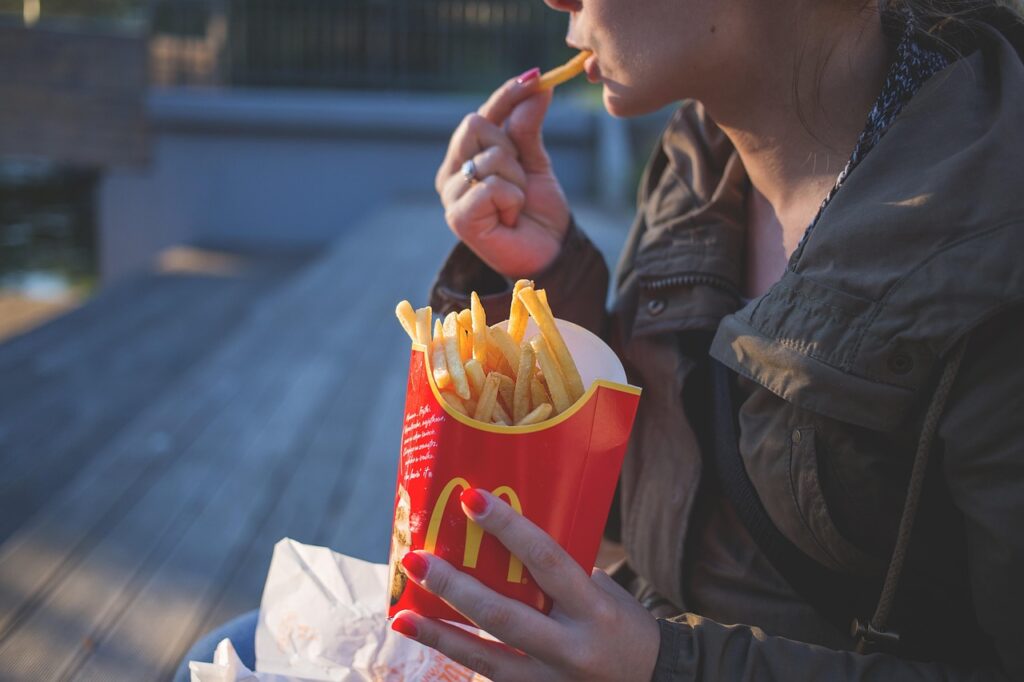
In many parts of the United States, meals are shaped by speed. It is common to see people eating breakfast during a commute or having lunch at their desk rather than sitting down for a long break.
This habit is closely linked to busy work schedules and long travel times. Convenience often takes priority, leading to foods that are easy to carry and eat quickly without much preparation.
For visitors, this can feel like a shift away from the idea of meals as a social or relaxed activity. Instead, eating becomes something that fits into the day wherever there is time, rather than something the day is built around.
5. Tipping Culture
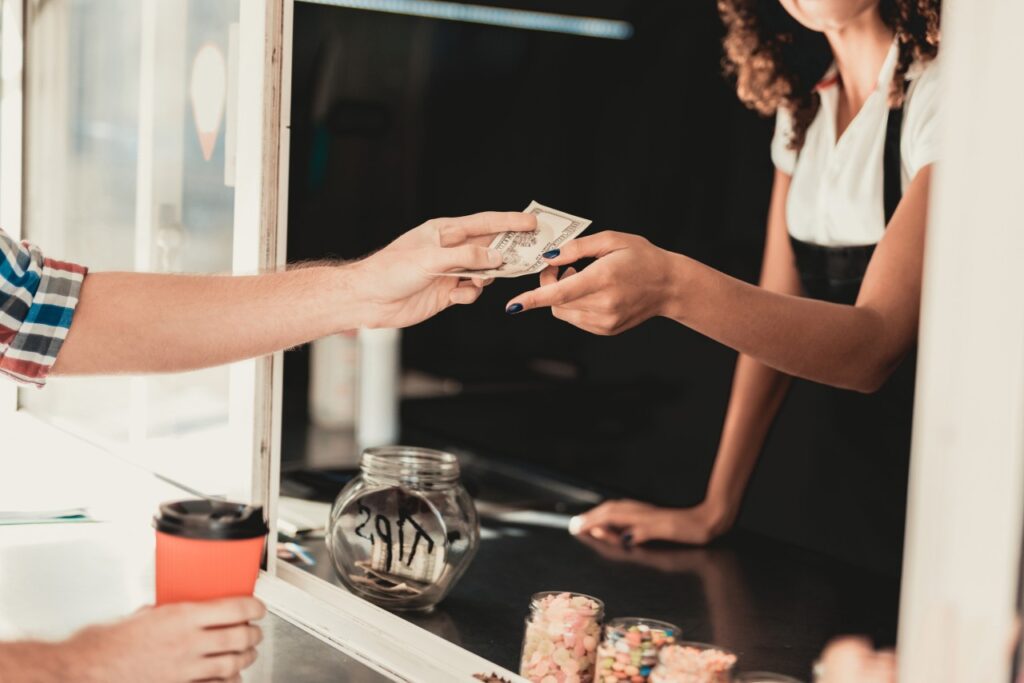
Dining out in the United States comes with an expectation that is not always obvious at first. Tipping is a standard part of the bill, especially in sit-down restaurants where service is provided.
Workers in the service industry often earn lower base wages, with tips making up a significant portion of their income. Because of this, leaving around fifteen to twenty percent is considered normal and part of respectful dining behavior.
For international visitors, this system can feel unfamiliar and sometimes confusing. Understanding when and how much to tip becomes an important part of navigating the dining experience, rather than an optional gesture.
6. Breakfast Can Be Sweet
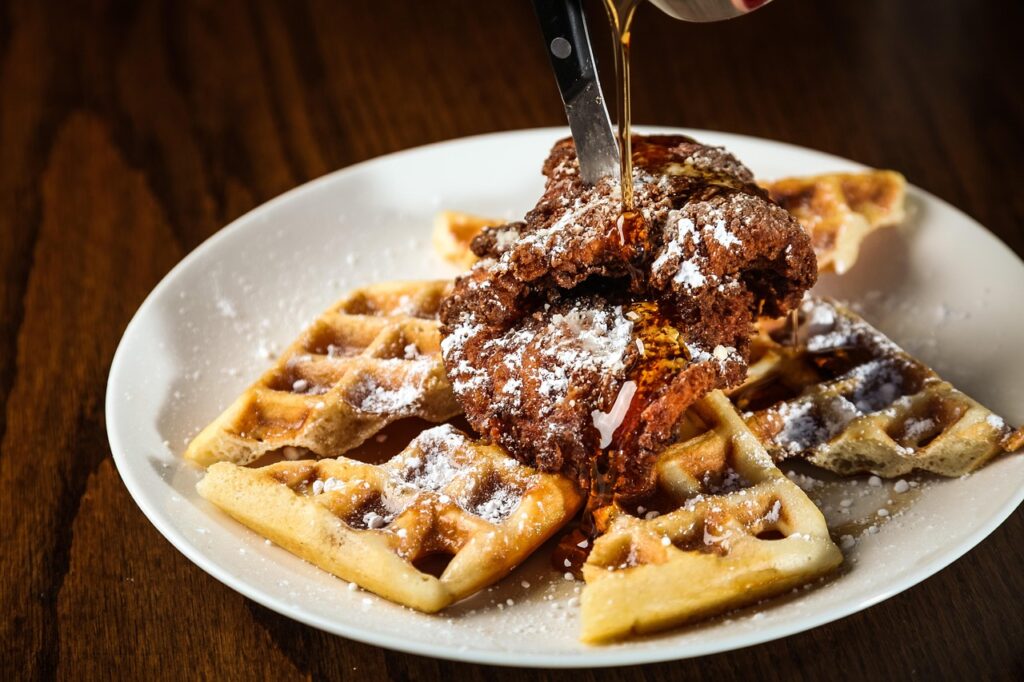
Morning meals in the United States often lean toward sweetness rather than savory flavors. Pancakes, waffles, pastries, and cereals are common choices, many of them paired with syrups or added sugars.
This preference has grown over time through convenience foods and changing lifestyles. Packaged breakfast options and quick-service meals have made sweet choices easy and widely available.
For visitors, the contrast can be striking, especially if they are used to starting the day with savory dishes. While savory options do exist, the prominence of sweet breakfasts remains one of the more noticeable differences in eating habits.
7. Everything Comes With Sauce or Dressing
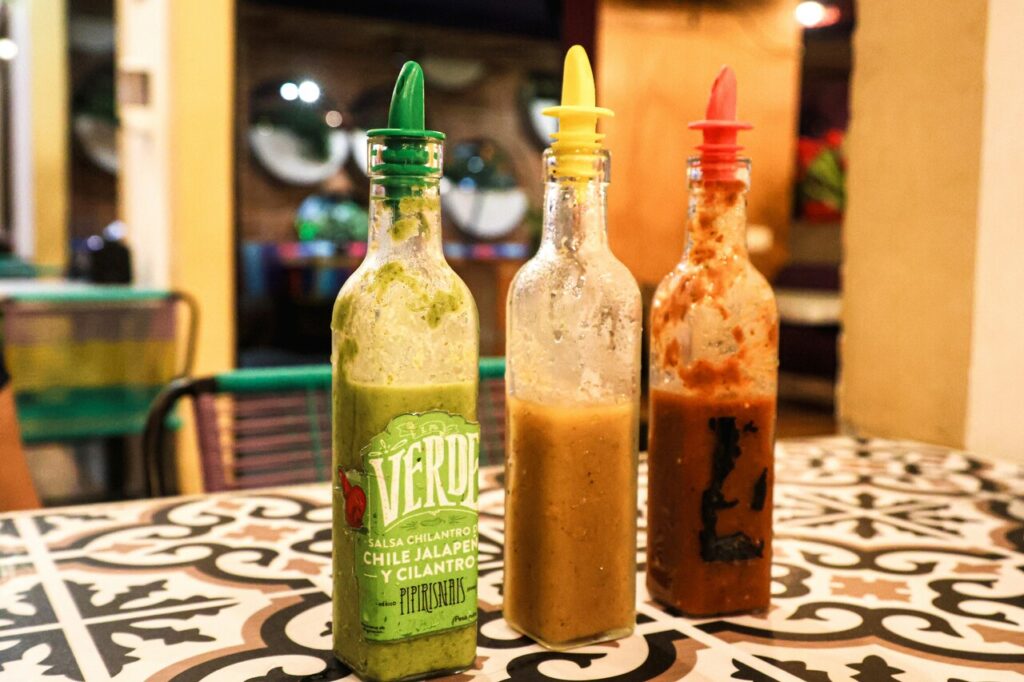
Flavor in American meals is often enhanced with sauces, dips, and dressings. It is common for dishes to arrive with condiments already added or served on the side for dipping, giving diners immediate control over taste and texture.
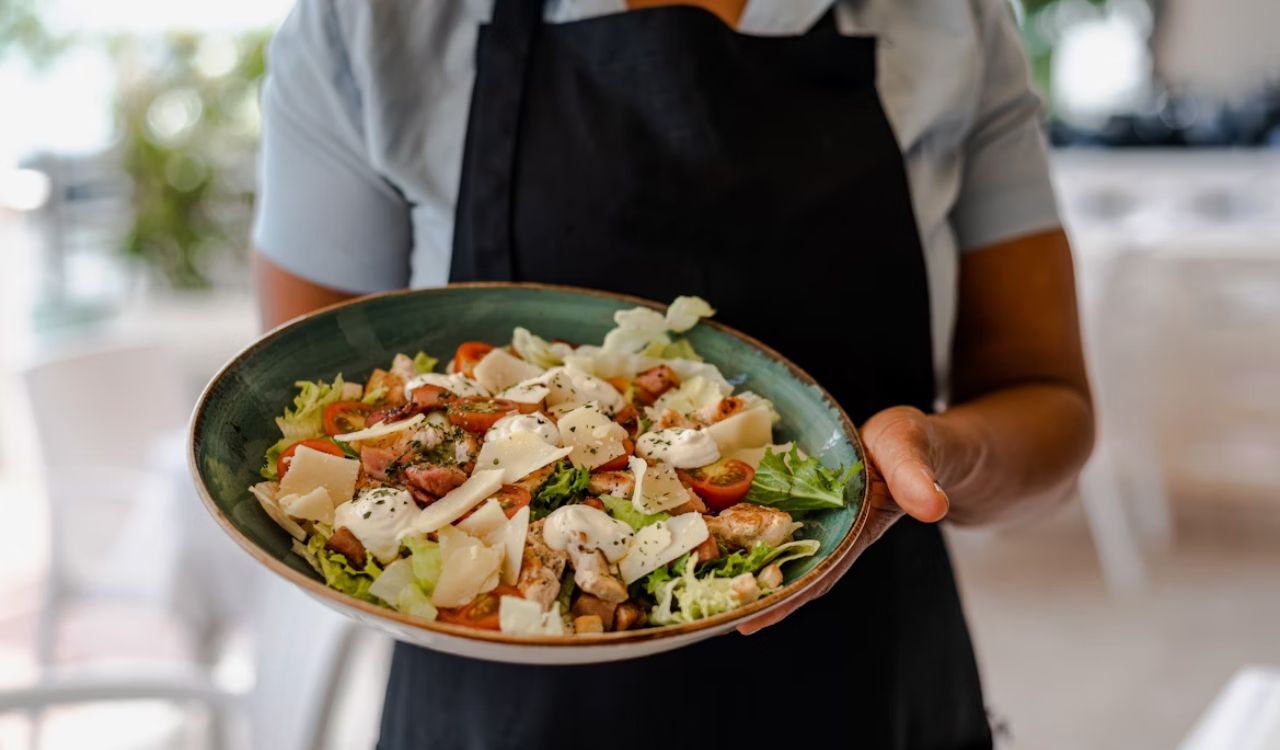
This habit reflects a preference for bold and customizable flavors. Dressings can transform simple salads, while sauces add variety to familiar foods like fries or sandwiches, making even basic meals feel more layered and satisfying.
Visitors often notice how frequently condiments appear and how generously they are used. It is not unusual to see multiple options offered with a single dish, making sauces a central part of the eating experience rather than a small addition or afterthought in most meals.
8. Fast Food Is Everywhere
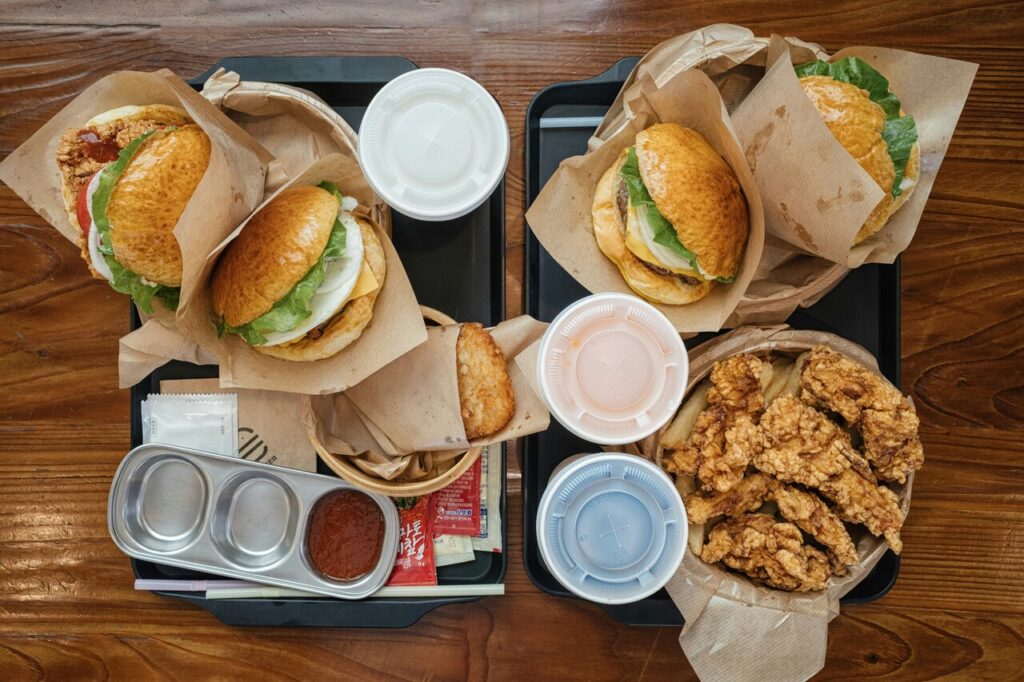
Across cities and highways, fast food outlets are a constant presence. They are designed for speed, consistency, and convenience, making them a reliable option for many people on busy schedules who need quick, predictable meals.
The widespread availability is supported by drive-thru systems, extended hours, and standardized menus. This allows customers to access familiar meals almost anywhere, often within minutes, regardless of time or location.
For visitors, the sheer number of options and their visibility can be surprising. Fast food is not just occasional but deeply integrated into everyday life, reflecting both demand and the pace of modern routines in urban and suburban areas.
9. Customization Is Encouraged
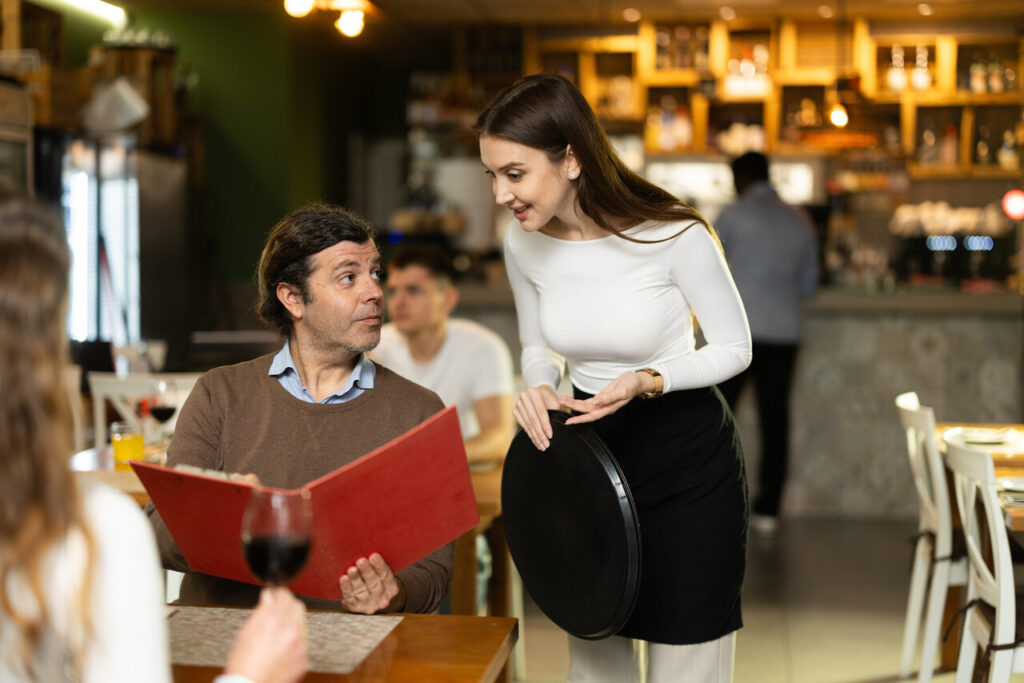
Ordering food in the United States often comes with choices. Customers are encouraged to adjust meals to their liking, whether that means adding ingredients, removing items, or changing preparation styles based on personal preference.
This flexibility is built into many menus and ordering systems. It reflects a broader emphasis on personal preference and individual choice, even in routine dining situations where speed and convenience still matter.
For visitors, this level of customization can feel unusual at first. In some cultures, dishes are served as designed, but in the United States, making a meal your own is not only accepted but expected and often welcomed by staff.
10. Snacking Is Constant
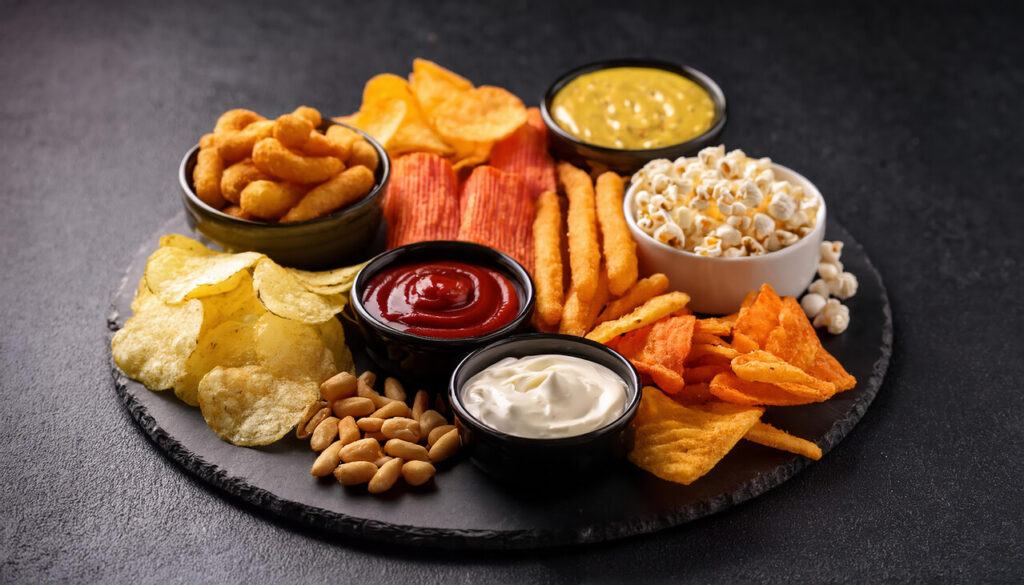
Eating in the United States is not limited to traditional meal times. Snacks are a regular part of the day, filling gaps between breakfast, lunch, and dinner while keeping energy levels steady during busy routines.
This habit is supported by easy access to packaged foods, vending machines, and convenience stores. Busy schedules also play a role, encouraging smaller, more frequent eating instead of structured meals at fixed times.
Visitors often notice how normalized this pattern is. Snacking becomes less about hunger and more about availability and routine, shaping how people approach food throughout the day in both work and leisure settings.
11. Drinking Coffee All Day
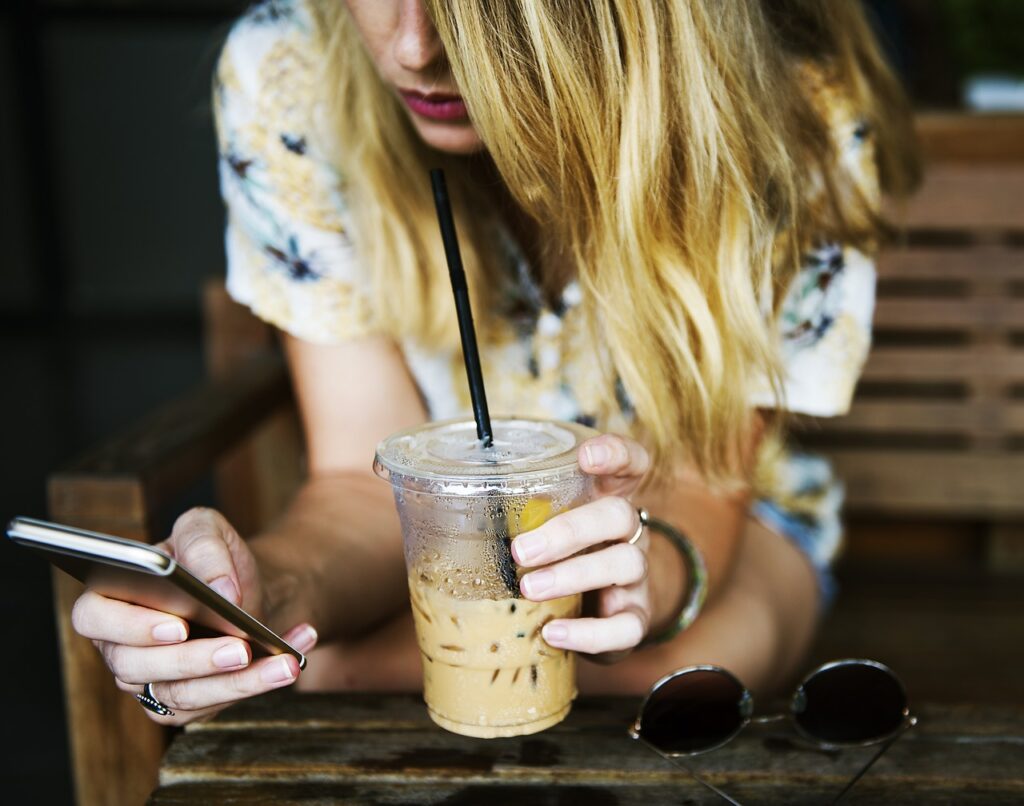
Coffee culture in the United States extends far beyond the morning. Many people continue drinking it throughout the day, often in large takeaway cups that are easy to carry and designed for convenience.
This habit is tied to work routines and long hours. Coffee becomes both a source of energy and a daily ritual, with refills and repeat purchases being common across offices, cafes, and restaurants.
For visitors, the quantity and frequency can stand out. Unlike places where coffee is a short, occasional break, it often becomes a constant companion during the day, woven into daily habits and routines.
12. Drive-Thru Everything
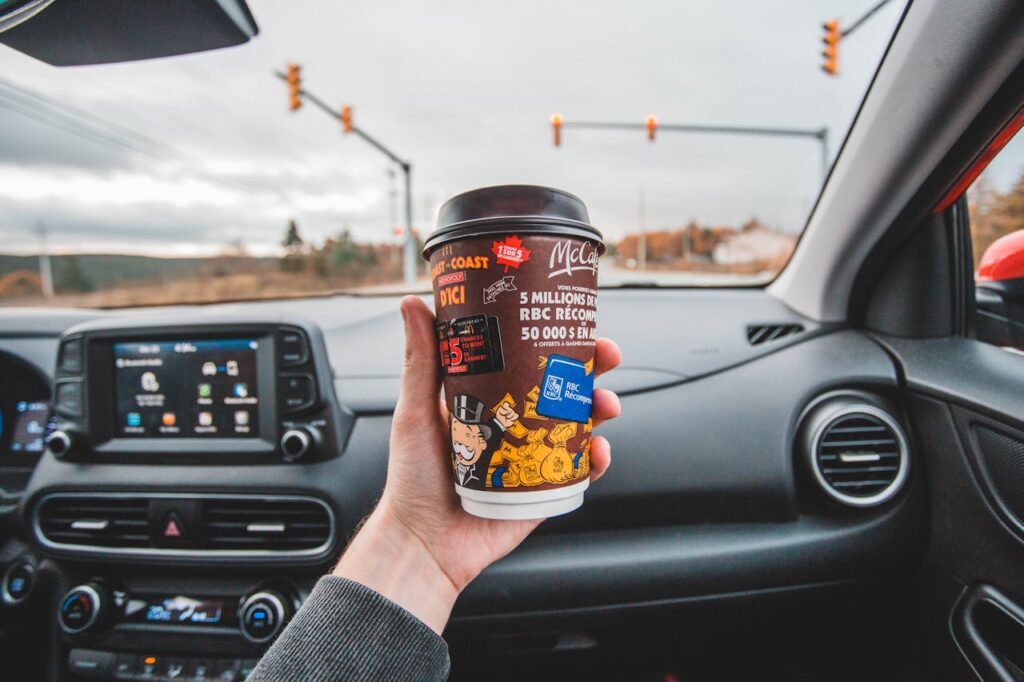
Convenience in the United States often means staying in your car. Drive-thru services are available not only for food but also for coffee, banking, and even pharmacy needs, making errands quicker and more efficient.
This system is built around car-centered infrastructure. It allows people to complete tasks quickly without leaving their vehicle, saving time in busy schedules and reducing the need for parking or waiting in lines.
For visitors from more walkable cities, this can feel unusual. The idea of accessing so many services without stepping outside highlights how transportation shapes daily habits and influences how people interact with their environment.
13. Food Is Often Highly Processed
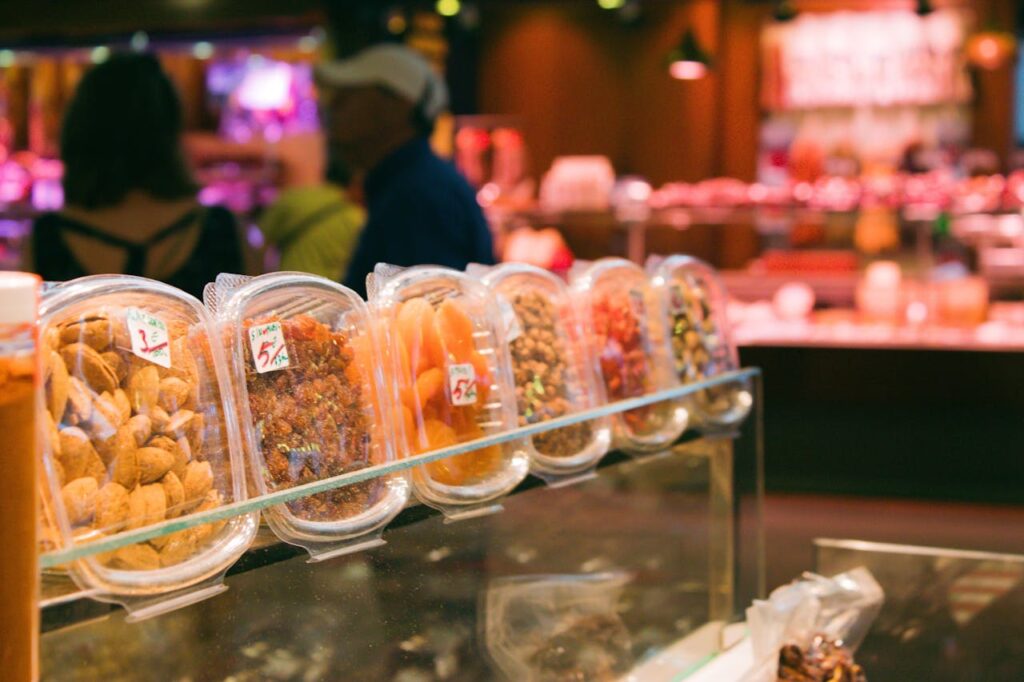
A walk through an American supermarket reveals shelves filled with ready-to-eat and packaged foods. These items are designed for convenience, long shelf life, and quick preparation, appealing to fast-paced lifestyles.
Processed foods have become a practical solution for busy households. They reduce cooking time and offer consistent results, making them a popular choice for everyday meals across different age groups and income levels.
Visitors often notice how prominent these products are compared to fresh ingredients. While fresh options are available, the strong presence of processed foods reflects a broader focus on efficiency, accessibility, and ease in modern eating habits.