Grocery Loyalty Trends Reveal a Subtle Shift in How Americans Trust Food Brands

Brand loyalty has long shaped how Americans shop for groceries. Many households returned to the same trusted products week after week because they believed those brands delivered consistent quality and reliability. Recently, however, a subtle shift has begun to emerge in grocery aisles across the country. As food prices rise and budgets tighten, shoppers are paying closer attention to value and exploring alternative options. This growing willingness to compare, experiment, and switch products is gradually changing how trust in food brands is formed.
The Loyalty Shift
Brand loyalty in the grocery aisle has begun to change in subtle but meaningful ways. For many years, shoppers tended to stick with familiar food brands because they trusted the taste, quality, and consistency. These habits often develop through routine shopping and long exposure to certain products. Recently, however, economic pressure has encouraged more consumers to reconsider those habits. Rising grocery costs have forced shoppers to evaluate whether brand familiarity is worth the higher price. This reflection happens during routine shopping trips when customers compare items more carefully.
This shift does not necessarily mean that trust in major brands has disappeared. Instead, consumers are becoming more flexible about what they place in their carts. If a similar product appears at a lower price, many shoppers are now willing to try it. Once they discover that the alternative performs just as well, the original brand may lose its automatic advantage. This gradual willingness to experiment reflects a broader change in shopping behavior. Consumers increasingly rely on personal experience rather than reputation alone. Each successful trial strengthens confidence in alternative brands.
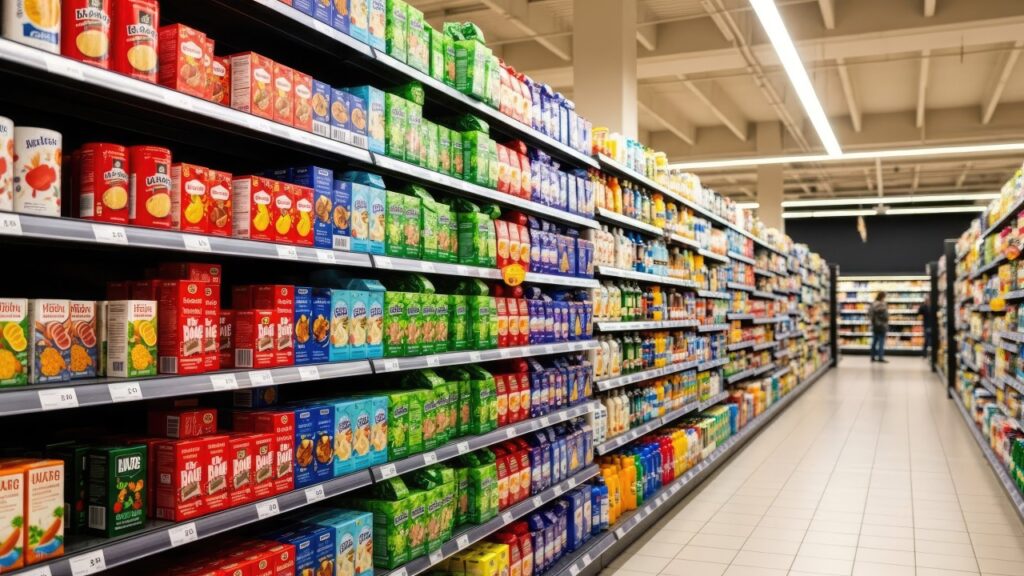
Over time, these small decisions accumulate into larger patterns. When thousands of shoppers begin switching brands across different categories, loyalty becomes less predictable. Food companies that once depended on repeat purchases now face a more competitive environment. Trust remains important, but price and value are increasingly shaping how loyalty develops. Brands must now work harder to maintain customer attention. Marketing messages alone may no longer guarantee repeat purchases. Retail shelves, therefore, become more competitive each year. This evolving environment reflects a gradual transformation in how trust operates within grocery shopping.
The Price Awareness Era
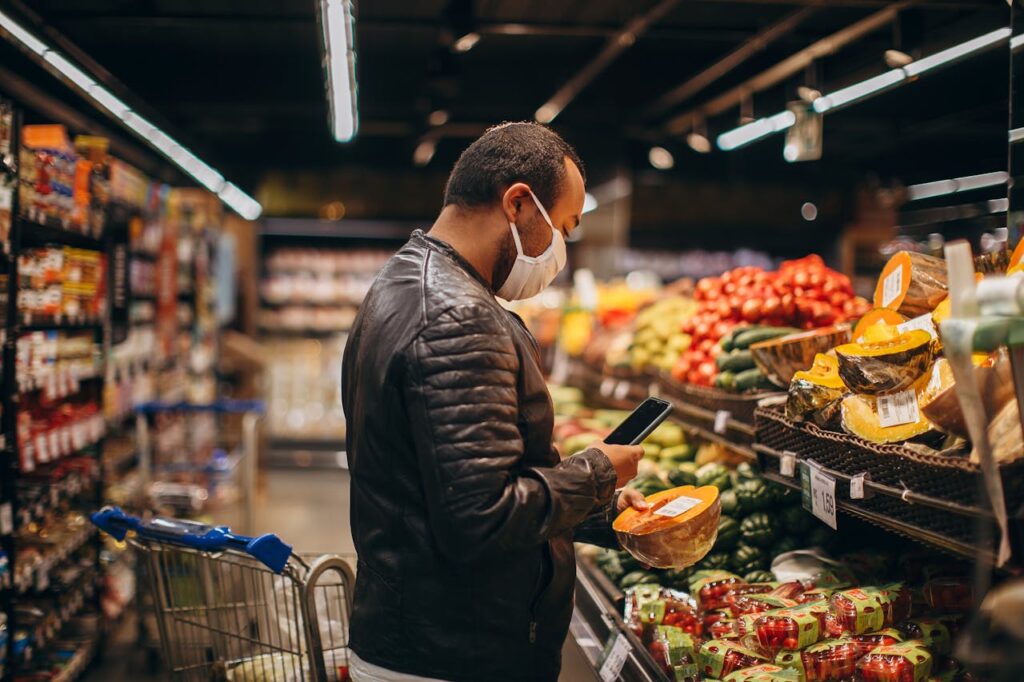
One of the most noticeable changes in grocery shopping today is the growing awareness of price. Consumers are paying closer attention to how much they spend each time they visit the store. Many households now track food costs more carefully than they did in the past. This awareness often begins with comparing prices between different brands sitting on the same shelf. Shoppers may pause longer in aisles to evaluate labels and price tags. Budget planning has become a regular part of the grocery routine. Families often review receipts after each trip. This awareness gradually changes the way people approach shopping decisions.
Technology has made this comparison easier than ever. Shoppers can quickly check prices through digital store apps, loyalty programs, or online grocery platforms. Some customers even review weekly deals before entering the store so they know which products offer the best value. These small habits help shoppers feel more in control of their budgets. Mobile apps often highlight discounted items and personalized offers. Digital coupons allow shoppers to save without extra effort. Price tracking tools provide immediate feedback during shopping. Many consumers feel empowered by this access to information.
This heightened focus on cost has changed how brands compete for attention. Companies can no longer rely solely on reputation or long-standing recognition. Instead, they must show that their products provide meaningful value compared with alternatives. As consumers continue paying close attention to prices, grocery brands are adapting their strategies to remain competitive. Some companies adjust package sizes or introduce new value lines. Others emphasize ingredient quality to justify their pricing. Retailers may reorganize shelves to highlight competitive products. Promotions also become more frequent as brands attempt to attract attention.
The Brand Switching Habit
Trying a different brand used to feel like a risk for many grocery shoppers. People often assumed that unfamiliar products might not taste as good or meet the same quality standards. Today, that hesitation is fading. Rising prices have encouraged consumers to test new options that promise similar quality at a lower cost. Shoppers now approach unfamiliar products with more curiosity than caution. A lower price tag can serve as an invitation to experiment. Many people view this process as a practical financial decision. Each successful experience builds confidence in switching again. Gradually, the habit becomes part of normal shopping behavior.
Interestingly, many shoppers discover that these alternatives meet their expectations. Once a replacement product performs well, it becomes easier to purchase it again. Over time, this experience reduces the psychological barrier to switching brands. The more people experiment with new products, the more comfortable they become with doing so. Satisfaction with alternatives encourages repeat purchases. Word-of-mouth recommendations also influence other shoppers. Families may adopt a new brand after a single successful purchase. This process spreads across multiple product categories. Brand loyalty, therefore, becomes more fluid over time.
This habit is especially noticeable in categories where multiple brands offer nearly identical items. Pantry staples, dairy products, and packaged snacks often fall into this category. When the difference between brands is minimal, price becomes a stronger deciding factor. As a result, switching between brands has become a normal part of the shopping process for many households. Consumers often rotate between brands depending on weekly promotions. The decision becomes practical rather than emotional. Price tags often carry more weight than brand history. This shift highlights how everyday products face intense competition.
The Private Label Rise

Store brands have benefited significantly from these changes in consumer behavior. Many supermarkets have invested heavily in developing private-label products that compete directly with national brands. These items often appear at lower prices while offering similar ingredients and packaging. For shoppers focused on value, this combination can be very appealing. Private labels now appear across almost every grocery category. Retailers dedicate entire shelf sections to their own brands. Shoppers often notice these products placed strategically beside national brands. The visibility encourages direct comparison.
Retailers have also improved the quality and presentation of their private label lines. Packaging has become more modern, and product development has expanded into new categories. Instead of offering only basic items, store brands now include premium selections and specialty products. This variety allows retailers to compete across a wider range of grocery categories. Some private label products emphasize organic or natural ingredients. Others focus on gourmet flavors or specialty recipes. These innovations make store brands more appealing. Shoppers may even view certain private labels as premium options.
As consumers experiment with these options, many discover that store brands meet their expectations. Positive experiences encourage repeat purchases and strengthen trust in the retailer itself. Over time, this trust can reshape how shoppers evaluate brand value. The grocery store becomes not just a place to buy food, but also a brand in its own right. Retailers build loyalty through consistent product quality. Shoppers begin associating value with the store name. Retailers benefit from stronger relationships with their customers. The shift strengthens the role of retailers in shaping grocery loyalty.
The Trust Recalibration
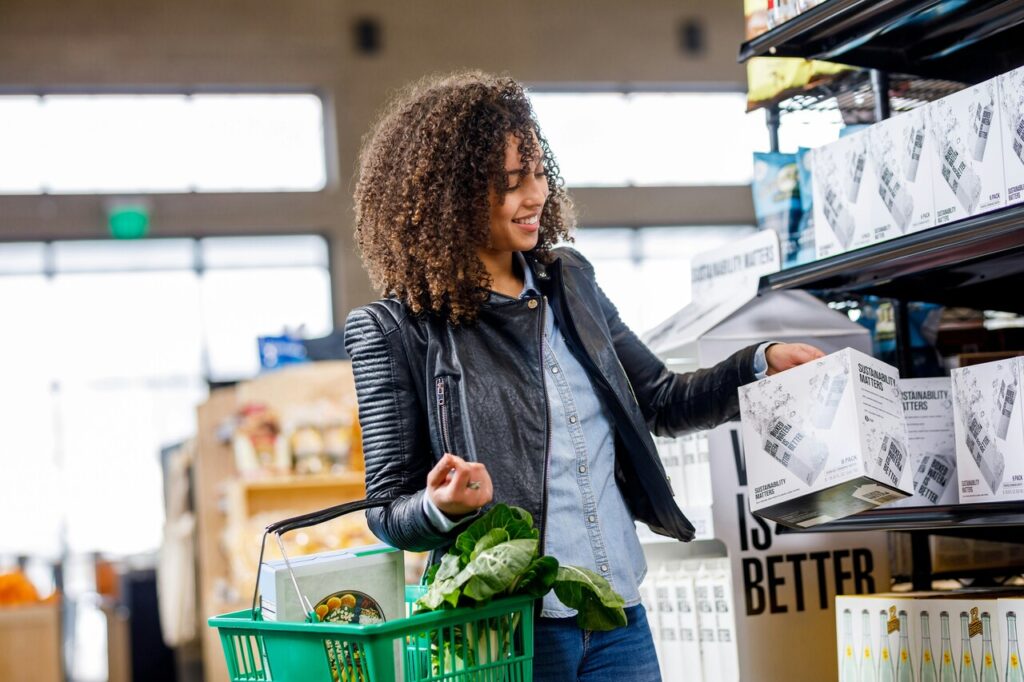
Trust remains one of the most important factors in food purchasing decisions. However, the way consumers define trust is evolving. In the past, trust was often tied to long-established brands that had been present in the market for decades. These brands built reputations through consistent quality and strong advertising. Consumers often purchased them automatically without questioning their value. Today, that automatic trust is becoming more conditional. Shoppers want clear evidence of quality and fairness. Trust must now be demonstrated through everyday performance. This evolving expectation reshapes how brands communicate with customers.
Today, trust is being recalibrated to include additional factors. Price fairness, ingredient transparency, and product reliability all contribute to how shoppers evaluate a brand. Consumers increasingly expect companies to demonstrate value in clear and measurable ways. When a product meets these expectations, it can earn trust even if the brand is relatively new. Clear labeling helps shoppers understand what they are buying. Transparent sourcing information builds additional confidence. Brands that communicate openly often gain credibility quickly. Trust, therefore, becomes linked to both quality and transparency.
This recalibration reflects a more analytical approach to grocery shopping. Consumers are no longer relying solely on brand familiarity. Instead, they evaluate products based on practical considerations such as cost and quality. This shift creates opportunities for both new brands and private labels to compete effectively with established companies. Detailed product comparisons are now common in store aisles. Consumers read ingredient lists more carefully than before. Price per unit calculations also influence decisions. This careful evaluation strengthens consumer control. The balance of power between shoppers and brands continues shifting.
The Deal Driven Shopper
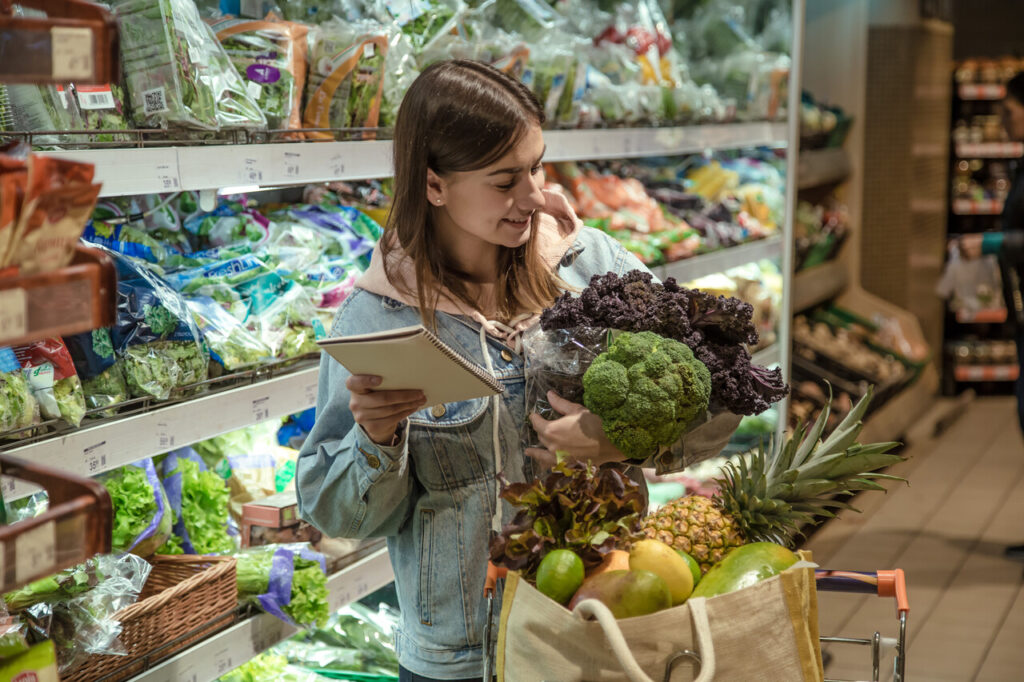
Promotions and discounts have always played a role in grocery shopping, but their influence has grown stronger in recent years. Many consumers now plan purchases around weekly deals or promotional offers. Instead of choosing the same product every time, they look for whichever brand provides the best price during that particular week. Store flyers and digital coupons attract significant attention. Some shoppers organize lists around promotional items. Discounts often determine which brand enters the cart. Savings become a clear motivation for switching. Deal hunting gradually becomes part of the shopping routine.
Loyalty programs have become important tools in this environment. Retailers use these programs to provide personalized discounts and reward repeat purchases. Shoppers often check store apps to see which items are on sale before making a decision. These digital tools make it easier to identify savings opportunities. Many apps track purchase history to generate relevant deals. Customers appreciate receiving offers that match their habits. Rewards points add another incentive to remain engaged. Personalized discounts feel more valuable to shoppers. These programs strengthen the connection between retailers and customers.
This deal-driven approach creates a dynamic shopping pattern. Customers may rotate between brands depending on which one offers the best promotion at a given moment. For manufacturers, this behavior introduces new challenges in maintaining consistent customer loyalty. Brands must find ways to remain appealing even when promotions are not active. Marketing strategies often include limited-time discounts. Product improvements become more important in competitive categories. Companies must constantly adapt to shifting customer priorities. Promotions, therefore, play a central role in modern grocery competition.
The Younger Consumer Influence

Younger shoppers are playing a significant role in shaping these changes. Many members of younger generations approach grocery shopping with fewer long-standing brand attachments. They are more willing to experiment with different products and explore unfamiliar options. This openness naturally leads to greater brand switching. Younger consumers often value discovery and variety. Trying new products can feel exciting rather than risky. Social media recommendations may influence their choices. Exposure to different cuisines encourages experimentation. These habits make younger shoppers more flexible in the grocery aisle.
Price sensitivity also tends to be higher among younger consumers. Students and early career professionals often operate within tighter budgets. As a result, they are especially attentive to price differences between brands. When a lower-priced option appears comparable in quality, they are more likely to try it. Budget planning becomes an important part of their shopping routine. Many track expenses carefully to manage living costs. Discounts and promotions receive close attention. Lower prices often motivate immediate product trials. These financial realities shape how younger shoppers evaluate brands.
This willingness to explore has broader implications for the food industry. Brands can no longer rely on generational loyalty to maintain their customer base. Instead, they must continually demonstrate value and relevance to younger audiences. As these shoppers gain purchasing power, their habits will continue influencing the future of grocery brand loyalty. Companies may introduce new product lines to attract them. Marketing campaigns increasingly target younger lifestyles. Brands also emphasize transparency and authenticity. These strategies reflect the expectations of a new generation of shoppers.