Can You Safely Reheat Food in a Slow Cooker Without Losing Flavor or Texture

The Reheat Urge
A slow cooker feels like the ultimate low-effort solution because it’s built for long, hands-off cooking. When leftovers are on the table, and dinner needs to take care of itself, the idea of dropping food into the insert and walking away is incredibly tempting. There’s no stovetop mess, no microwave splatter, and no need to babysit a pot. For gatherings, it seems even more logical since the appliance already lives in the “keep food warm” category in many people’s minds. Convenience often becomes the main selling point. The slow cooker also frees up burners for other dishes. Aroma builds slowly, which can make food feel freshly cooked.
The catch is that leftovers behave differently than raw ingredients. When cooking from raw in a slow cooker, the recipe is designed around a long heating curve, and the food stays hot for hours once it reaches safe temperatures. Leftovers start cold, and they need to get hot quickly. That gap between cold and hot is where safety problems can appear. The slow cooker’s strength, slow heat, becomes a weakness when reheating food that has already been cooked and cooled. Cold centers warm slowly in dense dishes. Surface steam can create a misleading sense of readiness. Long warm-up times increase exposure to unsafe temperatures.
The Safety Baseline
Food safety is mostly about staying out of the temperature danger zone, which is the range where bacteria can multiply quickly. A slow cooker heats gradually, so cold leftovers can spend too long warming up through that risky range before they become truly hot. This is especially concerning with thicker foods like chili, stew, pulled meat, or creamy casseroles because the center can stay cool long after the edges feel hot. In practice, that means a pot can look like it’s warming, even steaming at the sides, while the middle is still not safely reheated. Temperature rises unevenly in heavy mixtures. Cold pockets can persist near the center.
Another problem is false confidence. People often assume “warm” equals safe, but warm is not the same as hot enough. Slow cookers heat from the sides and bottom, so without stirring, pockets of food can remain cooler than the rest. That can trick the senses into thinking the food is hot enough because the surface bubbles, even if the middle hasn’t reached a safe temperature. This is why major food safety guidance generally discourages using slow cookers as a primary reheating method for leftovers. Visual cues can be unreliable with thick foods. “Warm” settings are designed for holding, not reheating. Verification requires internal temperature, not appearance.
The Clear Guidance
The most consistent expert advice is simple: do not rely on a slow cooker to reheat leftovers from cold. Reheating should be done using a method that brings food to a safe temperature quickly, such as a stovetop pot, an oven, or a microwave. The key number for leftovers is that they should reach a safe internal temperature before being treated as ready to serve. A thermometer is the easiest way to avoid guessing, especially for dense foods. Fast reheating reduces time in risky ranges. Even heating improves both safety and texture. Thick foods benefit from stirring during reheating. Clear temperature goals remove uncertainty.
Slow cookers are better suited for hot holding, not reheating. Once food is properly reheated, a slow cooker can keep it hot for serving, which is useful for parties and long meals. But the holding stage only works safely when starting with food that is already hot. If cold food goes into a slow cooker and slowly warms over hours, the risk window stays open longer. Think of it as a two-step process: reheat fast, then hold hot. Hot holding maintains temperature rather than raising it. The lid helps trap heat once food is hot. Stirring during holding can prevent hot and cool zones. Holding should be limited to serving needs, not prolonged storage.
The Only Safe Way to Use It
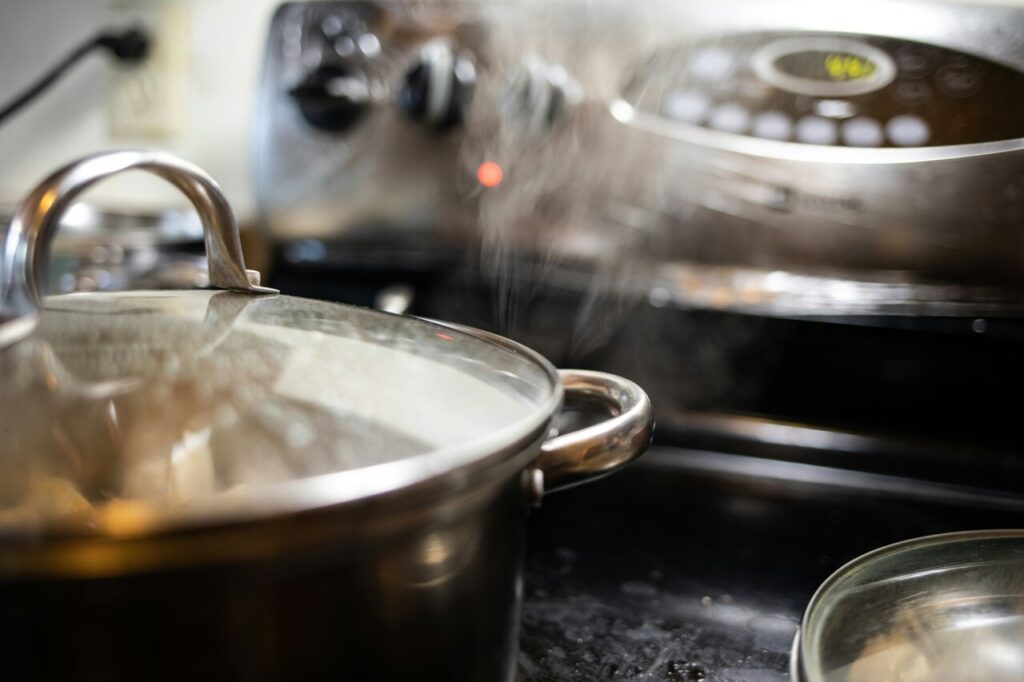
If a slow cooker is part of the plan, it works best as a serving tool, not a heating tool. Food can be reheated first on the stovetop, in the oven, or in the microwave until it is steaming hot throughout. Then it can be transferred into the slow cooker for holding. This approach keeps the food out of risky temperatures for too long and helps serve a crowd without juggling burners. It also prevents the slow cooker from doing the job it is worst at, which is raising cold food to a safe heat quickly. A pre-warmed slow cooker base can help maintain temperature. Stirring after transfer evens out the heat distribution.
Preheating the slow cooker insert can also matter for practical reasons, but it should be done carefully. Ceramic inserts are vulnerable to thermal shock, meaning they can crack if exposed to sudden temperature changes. Putting a chilled insert onto a preheated base is a known risk. If the slow cooker is used for holding, warming the appliance gradually helps protect the insert. The goal is steady, safe holding of heat after the food is already reheated properly. Stoneware retains heat and changes temperature slowly. Sudden hot-cold transitions stress the material. Cracks can appear along the base or sides.
The Food Types That Struggle
Even when safety is handled correctly, quality can fall apart in a slow cooker because the appliance keeps applying heat. Starches are the first to suffer. Pasta keeps absorbing liquid and can turn mushy. Rice can become gluey, gummy, or oddly dry depending on the moisture balance. Potatoes can break down and lose their structure, especially in soups or creamy dishes. If the dish relies on distinct texture, long holding tends to blur it. Starch granules continue to swell with heat. Sauces thicken as water evaporates under the lid. Over-softening reduces contrast between ingredients. Reheated grains can lose separation and become dense.
Meats and sauces also struggle with extended heat. Lean meats dry out faster, and shredded meats can go from tender to stringy if they sit too long. Creamy sauces and dairy-based dishes can separate, turning slightly grainy or oily. Vegetables often go limp and lose their bite, especially those that were already fully cooked the first time. This is why the slow cooker can be safe as a holder but still disappointing as a quality-preserving method if food stays in it too long. Extended heat drives moisture out of proteins. Fat and water can split in cream-based sauces. Bright vegetable flavors can dull with prolonged holding.
The Texture-Saving Method
The best way to keep flavor and texture is to choose the reheating method that matches the food. Soups, stews, and sauces typically reheat best on the stovetop because stirring and heat control are easy. Casseroles and baked pasta do better in the oven because the heat is even and the structure stays intact. Single portions work well in the microwave, but stirring or rotating is needed to avoid cold spots. The point is to use a method that heats quickly enough to protect both safety and texture. Oven reheating reduces sogginess in many baked dishes. Stovetop reheating allows gradual adjustment of thickness.
Moisture management is the second key. Many leftovers dry out because reheating drives off water, and the dish is already thicker the second day. Adding a small splash of broth, water, or sauce can revive texture without diluting flavor. Stirring matters more than most people realize because it redistributes heat and prevents overcooked edges. If a slow cooker is used after reheating, time should be kept short and consistency monitored so food does not silently overcook while it sits. Covered reheating reduces moisture loss. Gentle stirring keeps sauces smooth and stable. Small liquid additions prevent scorched edges and thick clumps.
The Common Mistakes
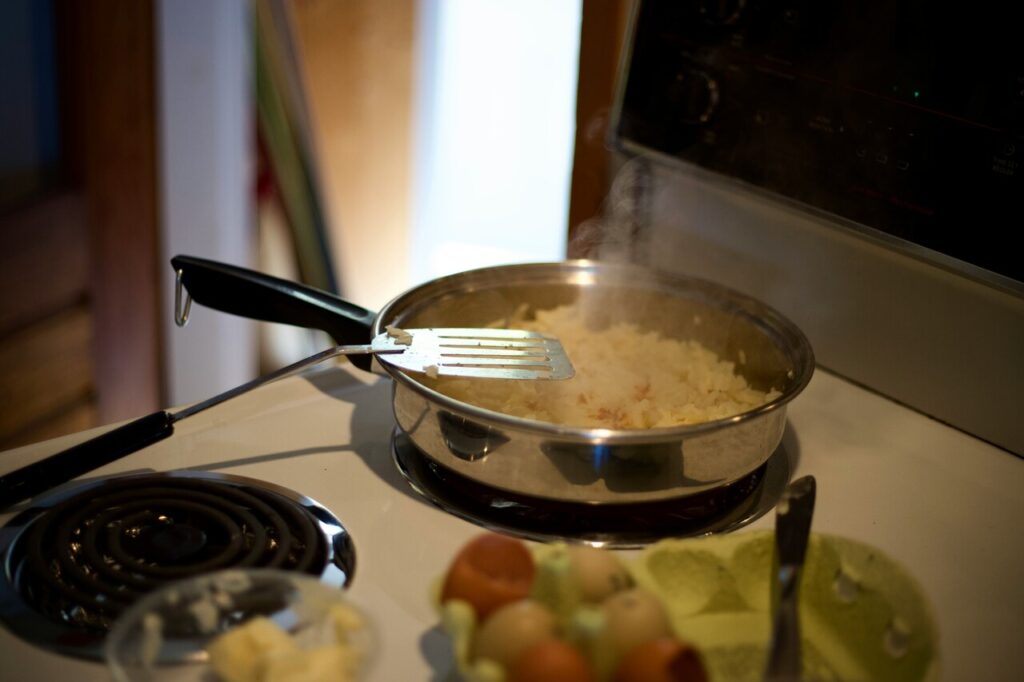
The most common mistake is starting with cold leftovers in the slow cooker and assuming time will solve everything. Time can solve temperature, but it can also create risk if the food spends too long warming slowly. Another mistake is relying on the warm setting as if it is a reheating mode. Warm is meant for holding food that is already hot. It is not designed to pull cold food up to a safe temperature in a reasonable time. This is where many reheating attempts go wrong. Warm settings can keep food in the danger zone longer. Thick foods warm unevenly under warm mode. Food may feel hot at the edges but remain cool inside.
Volume mistakes are also common. Overfilling means it takes longer for the center to heat through. Underfilling can cause scorching at the edges, which ruins flavor and texture. Lifting the lid too often also slows heating because slow cookers rely on trapped heat and steam. Each lift drops the temperature and extends the time food spends in risky ranges. These mistakes make the process both less safe and less tasty, which is why people end up with dry edges, separated sauces, and unevenly warmed food. Fill level affects circulation and heating rate. Crowded contents trap cooler zones in the middle.
The Equipment Risks
Slow cooker inserts are tough, but they are not immune to cracking. Thermal shock is a real issue with stoneware. Putting a cold insert onto a hot base can crack it. The same risk appears when the insert is stored in the fridge and then placed directly back onto a preheated cooker. That hot-cold jump is exactly what manufacturers caution against. Equipment damage is a practical reason, alongside food safety, that reheating in the slow cooker is discouraged. Cracks can leak liquid into the base and create hazards. Small hairline fractures can worsen over time. Sudden temperature shifts are the most common trigger.
Storage habits also affect safety. Cooling food directly in the insert can keep it warm for longer than it should be, because the insert holds heat. Food should cool promptly and be stored properly in containers that help it chill faster. Shallow containers cool more efficiently than deep ones, which reduces the time food sits in risky temperatures. When cooling and storage are managed well, reheating becomes safer no matter which method is used. Rapid cooling limits bacterial growth after cooking. Shallow storage speeds refrigeration and improves quality. Dividing large batches prevents slow cooling in the center.
The Smart Workarounds
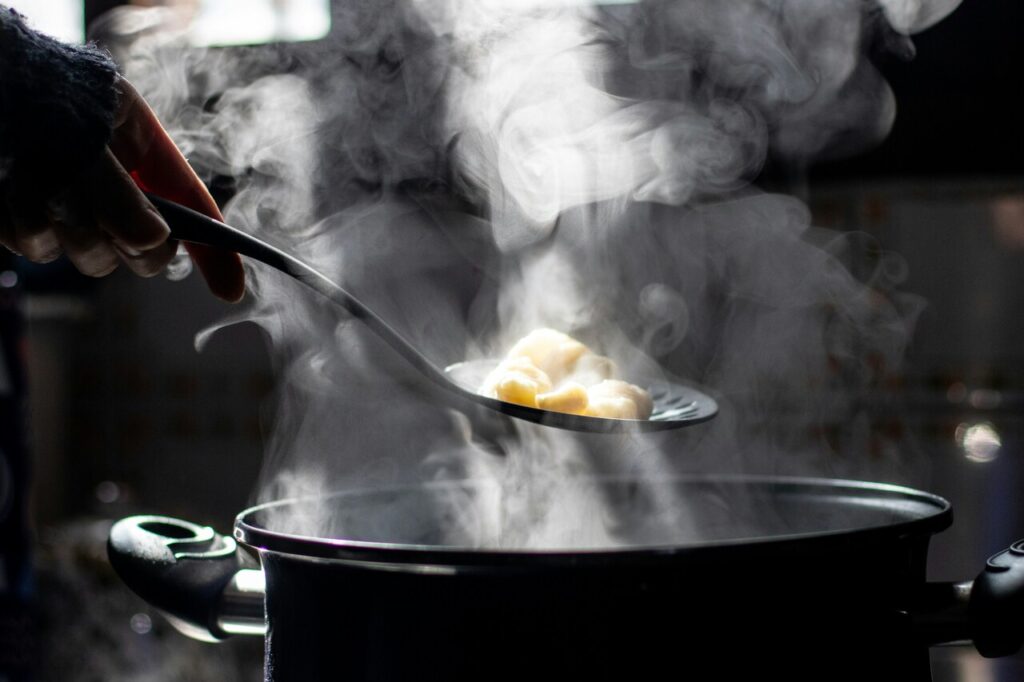
If cooking happens in big batches, portioning becomes the simplest protection for safety and quality. Smaller portions cool faster, reheat faster, and make it easier to heat only what will be eaten. That reduces repeated reheating cycles, which improves both safety and texture. Another smart move is separating components before storing. Keeping pasta separate from soup, rice separate from sauce, and toppings separate from the base dish prevents the texture damage that happens when everything sits together. Portioning also improves flavor consistency from serving to serving. Smaller containers reheat more evenly without hot and cold pockets.
For serving a crowd, timing can be planned so the slow cooker does what it does best: hold hot food at serving temperature. Food can be reheated quickly first, transferred while hot, and then kept on low or warm only as long as needed. Stirring occasionally helps even the heat and protects sauces from separating at the edges. This approach delivers convenience without forcing a slow, risky temperature climb from cold. Serving windows matter more than long holding periods. Short holding preserves texture and keeps flavors brighter. Occasional stirring prevents crusting at the sides. A lid kept closed maintains a stable temperature.
The Bottom Line
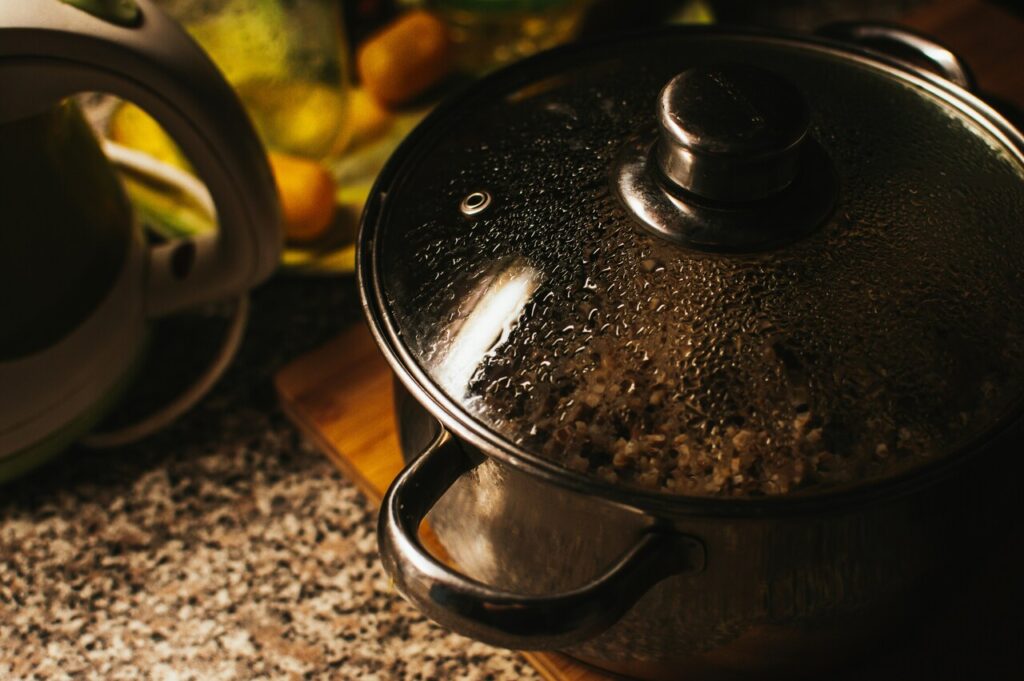
A slow cooker is not the best tool for reheating food from cold, and it can compromise both safety and texture. The safest approach is reheating leftovers quickly using a stovetop, oven, or microwave until they are hot throughout. After that, a slow cooker can be useful for holding food hot for serving, especially at gatherings. This method avoids long slow warm-up periods and keeps food out of risky temperatures. It also prevents overcooking that comes from hours of extra heat. Faster reheating preserves moisture in meats and sauces. Even heating reduces the risk of cold pockets. Holding hot food becomes safer once reheating is complete.
The one rule worth remembering is simple: reheat fast, hold hot. If that rule is followed, safety improves and texture holds up better because the food spends less time under heat. Slow cookers are great at maintaining warmth once food is hot. They are not built to safely raise cold leftovers to serving temperature as the main plan. This rule also simplifies decision-making in busy kitchens. It reduces reliance on guesswork and surface cues. It keeps food above safe holding temperatures during service. It limits the mushiness that comes from long holding. It protects both quality and safety with one clear approach.
References
- The Slow Cooker Rules-Westonaprice.org
- Warm Up with a Safely Slow-Cooked Meal-Foodsafety.org
- Nutrition and healthy eating-Mayoclinic.org