Why More Americans Are Choosing Mexican Food Over Pizza

For decades, pizza held a near untouchable place in American eating habits. It was affordable, familiar, and easy to order on short notice. That relationship is changing. Recent restaurant industry data shows Americans are slowly pulling away from pizza while embracing Mexican food at a growing pace. From fast casual burrito chains to local taquerias, Mexican cuisine is gaining ground as pizza sales flatten and consumer preferences shift toward variety, value, and customization.
Pizza’s Popularity Is Slowing After Decades of Growth
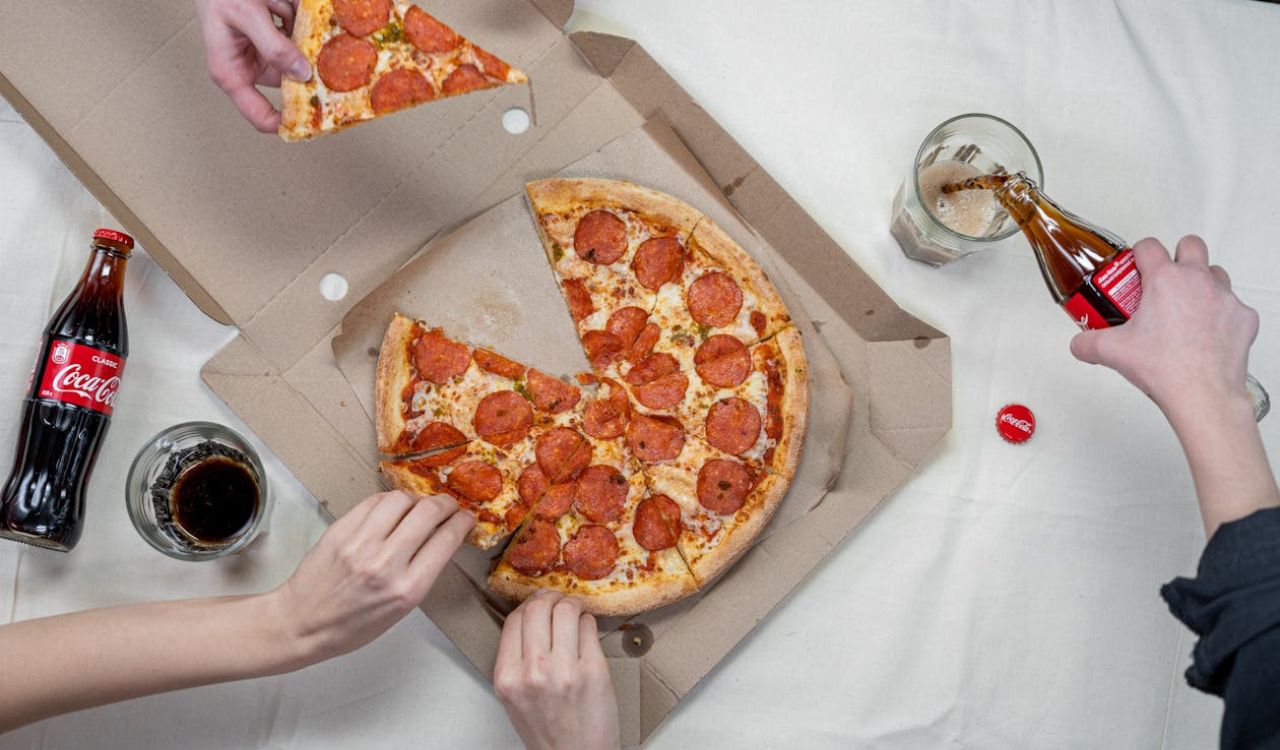
Pizza remains widely consumed in the United States, but its dominance has weakened. Industry data cited by The Wall Street Journal showed that pizza chains generated about $31 billion in restaurant sales in 2024. The U.S. Department of Agriculture estimates that roughly one in ten Americans eats pizza on any given day. Despite that scale, growth has stalled. Pizza sales growth has lagged the broader fast food market for several years. It once ranked second among U.S. restaurant cuisines during the 1990s. By 2024, it had fallen to sixth place among restaurant chain sales. Data shows the number of pizza restaurants peaked in 2019 and has declined since, with both independent shops and chains closing locations.
Mexican Food Has Expanded While Pizza Has Contracted
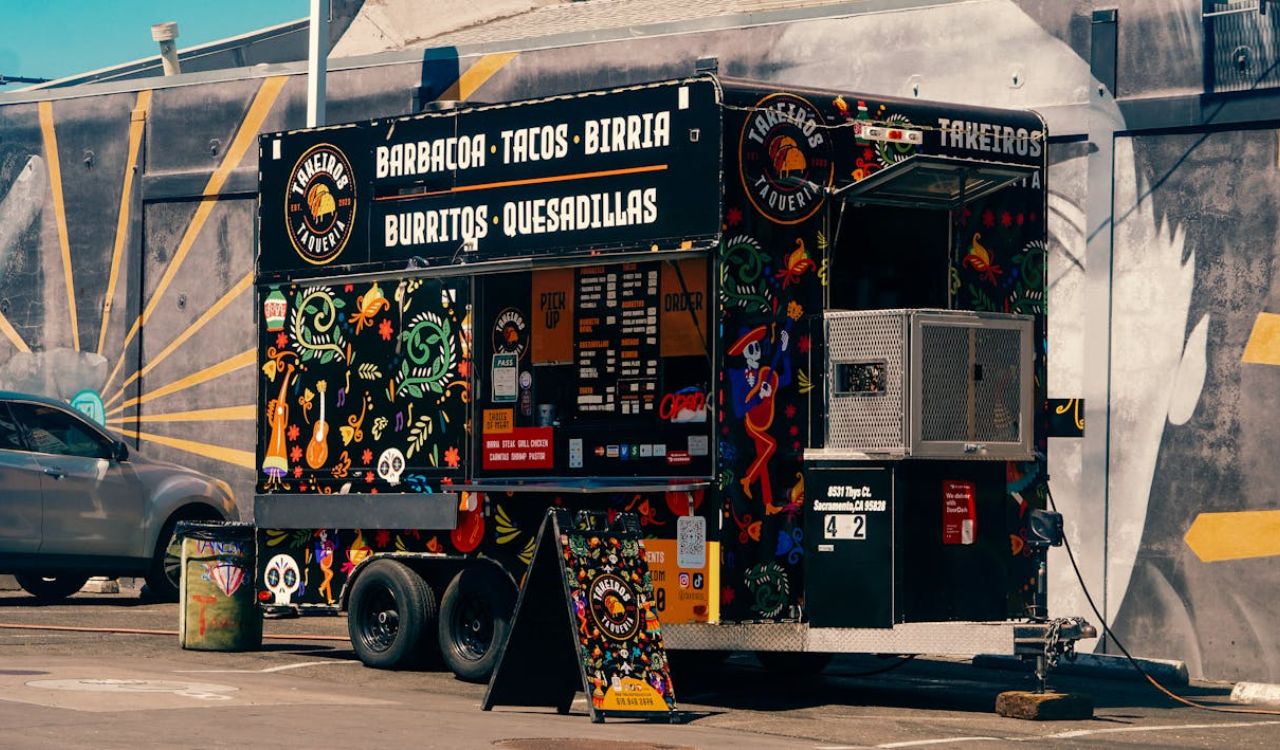
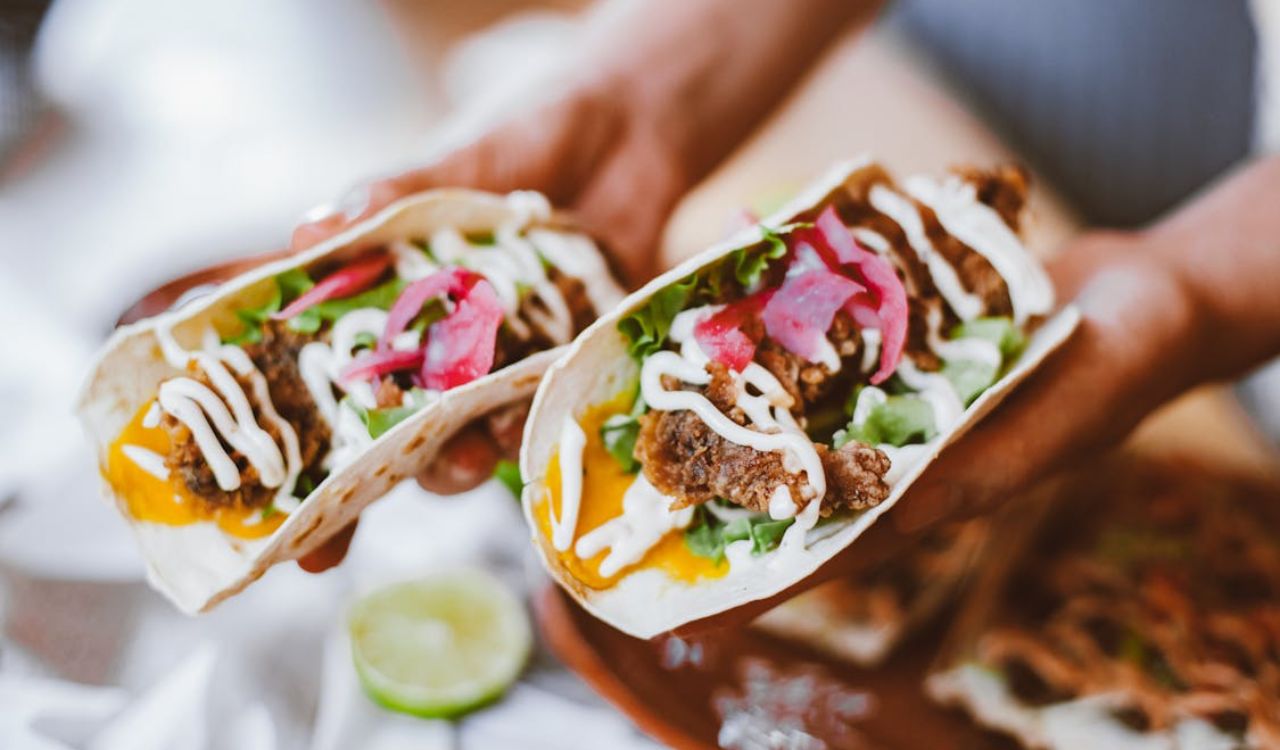
While pizza locations decline, Mexican food outlets continue to grow. Data referenced by The Wall Street Journal shows Mexican-inspired eateries now outnumber pizzerias in the United States. Over the past several years, Mexican cuisine has expanded at a faster pace than pizza, coffee, and many traditional American restaurant categories. The rise includes both national chains and independent operators. Fast casual brands such as Chipotle and Qdoba helped normalize customizable Mexican meals, while local taquerias benefited from delivery platforms and lower entry costs compared with full-scale pizzerias. Mexican food also adapts well across formats, from quick service to sit-down dining.
Value and Price Sensitivity Are Shaping Choices

Cost plays a major role in the shift. The Wall Street Journal reports that a single pizza can now cost $20 or more, which feels expensive compared with fast food deals, frozen pizzas, or home-cooked meals. Consumers have become more price sensitive as inflation affected grocery and restaurant budgets. Mexican food often feels like a better value. Burritos, tacos, and bowls allow portion control and customization without pushing prices into premium territory. Pizza chains have responded with aggressive discounting. Domino’s has leaned heavily into value promotions, including $9.99 large pizza deals.
Changing Tastes Favor Customization and Variety
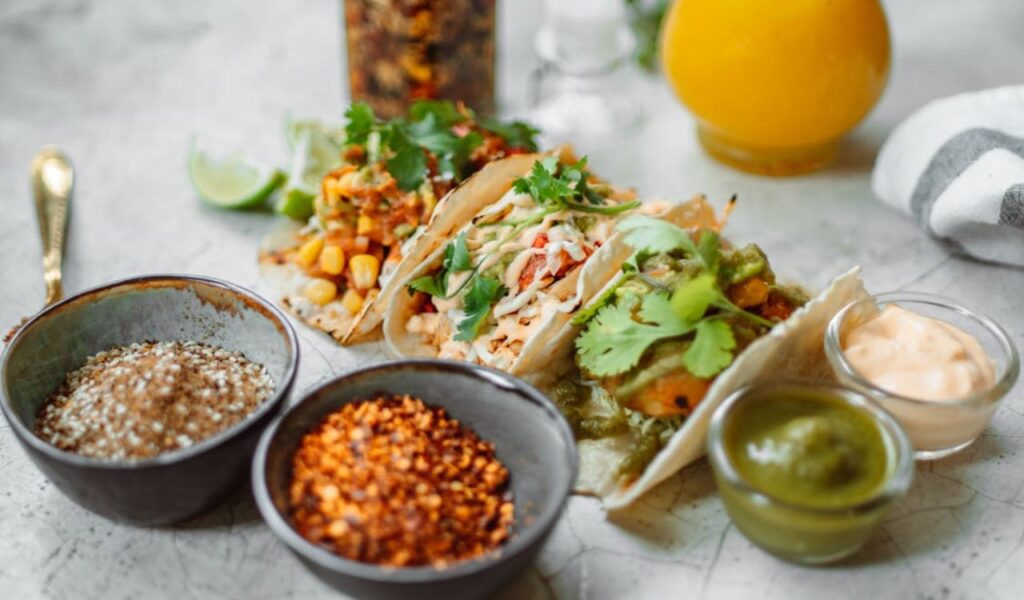
American diners increasingly want meals that feel personalized. Mexican cuisine excels in this area. Building your own menus allows customers to select ingredients, portion sizes, and dietary preferences. Pizza offers customization, too, but the format is less flexible once baked and harder to tailor for individual eaters in a group. Mexican food also fits modern eating patterns. Bowls, tacos, and salads align with lighter meals, shared plates, and perceived freshness. Ingredients such as beans, rice, vegetables, and grilled proteins appeal to consumers seeking balance without giving up flavor.
Operational Challenges Are Weighing on Pizza Chains
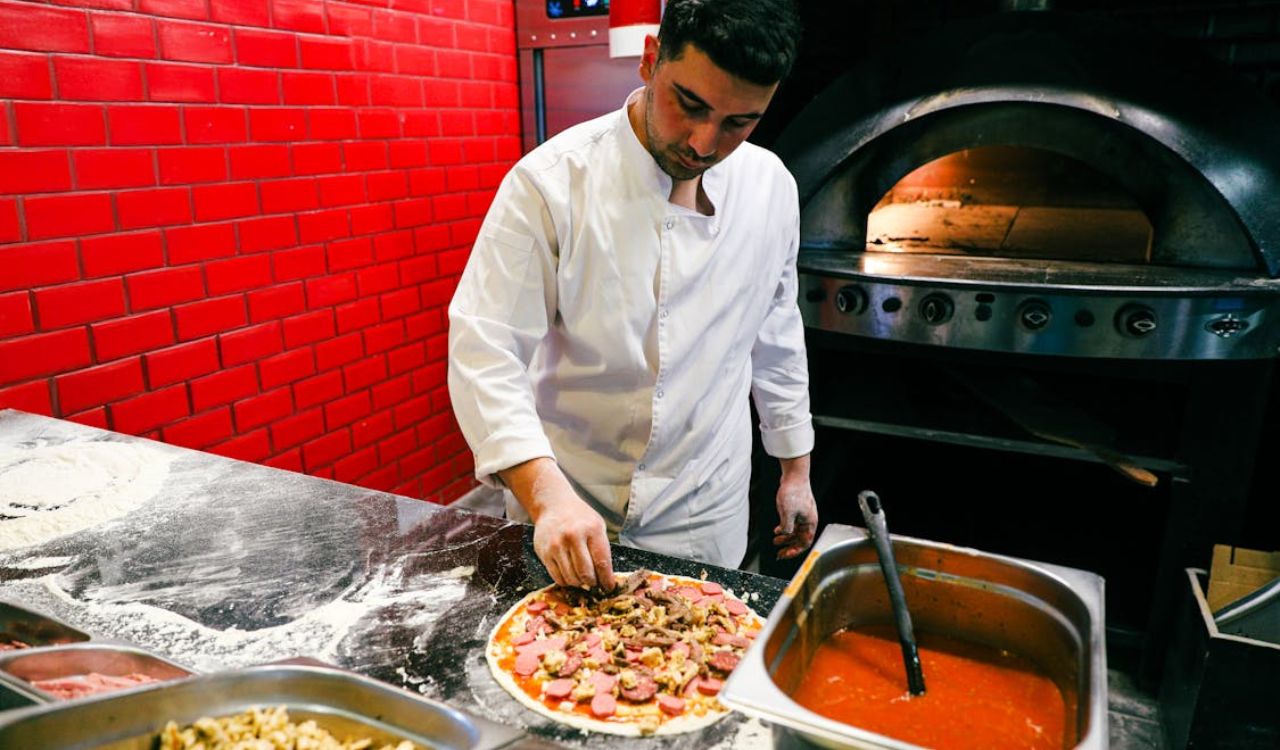
Pizza’s business model carries higher operational risk than it once did. Many chains built large dine-in locations that are now costly to operate as dine-in traffic declines. Pizza Hut, for example, still operates hundreds of dine-in restaurants that require more labor and real estate than modern fast casual concepts. Consistency has also become an issue. Papa John’s executives told The Wall Street Journal that inconsistent cooking temperatures across franchises affected pizza quality. The company has begun recalibrating ovens and reworking pizza builds to improve reliability.
Mexican Food Fits Today’s Restaurant Economics
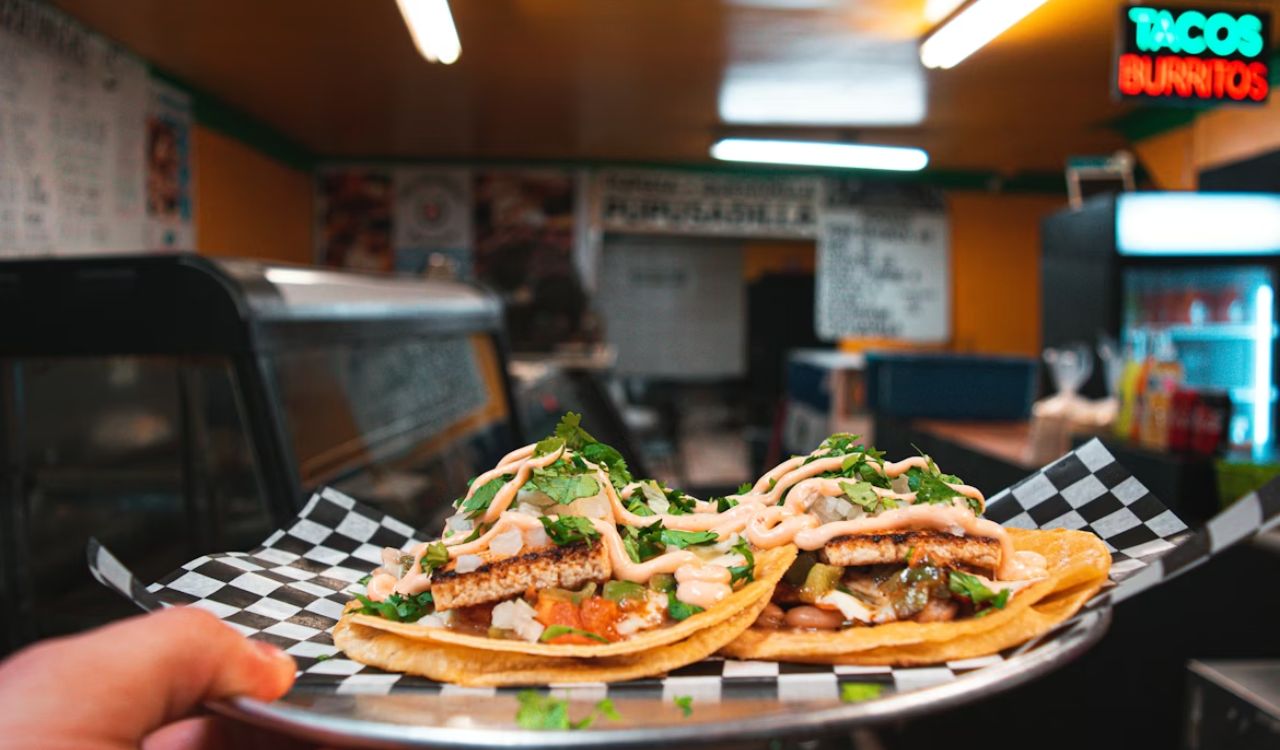
Mexican restaurants benefit from simpler kitchen setups and faster service models. Many operate with smaller footprints and lower equipment costs. Ingredients overlap across menu items, making inventory management more efficient. These advantages help Mexican concepts scale quickly and adapt to delivery and takeout demand. Mexican cuisine also supports menu expansion. Breakfast burritos, late-night tacos, and family platters allow brands to serve multiple dayparts. Pizza largely remains a dinner-focused category, limiting growth opportunities. While pizza is not disappearing, its role has shifted.
What This Shift Means for the Future of Dining
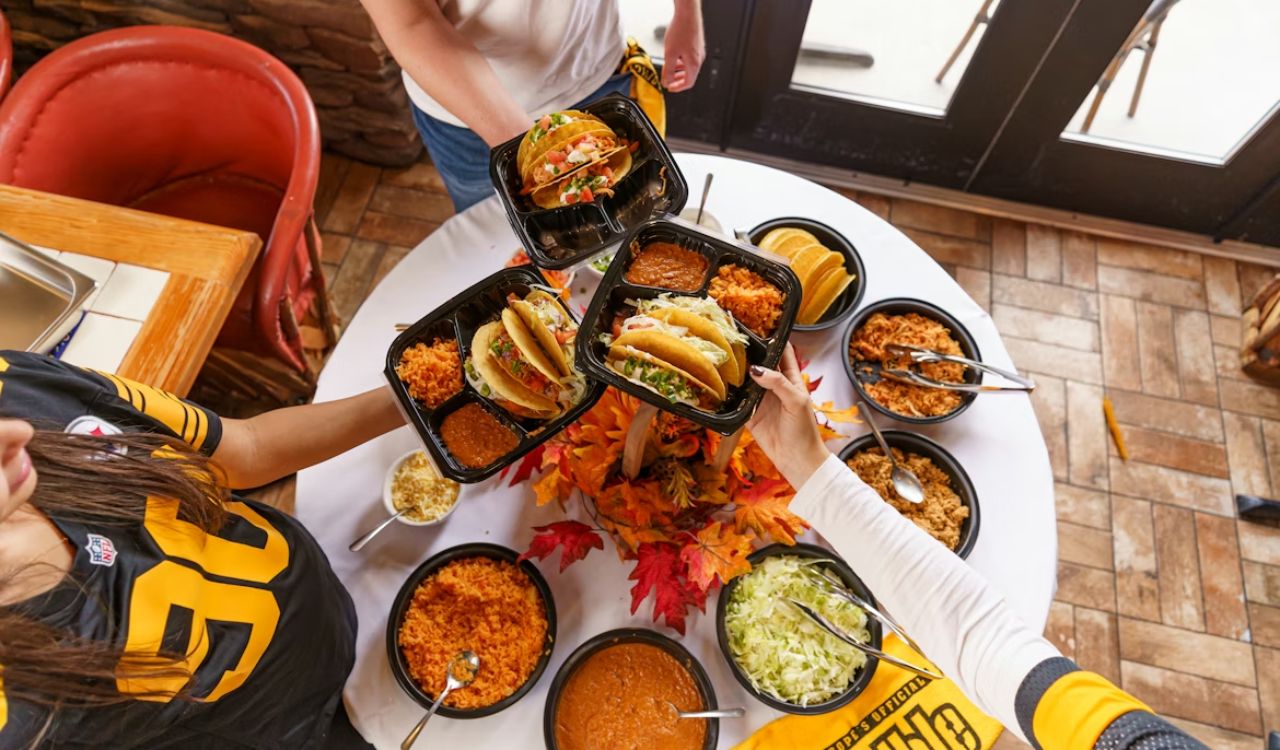
The shift away from pizza reflects broader changes in American dining habits. Consumers want value, variety, and control. They are more willing to explore different cuisines and less loyal to traditional defaults. Pizza chains are responding by improving quality, refreshing locations, and expanding side offerings. Mexican restaurants continue to grow by meeting current expectations around customization and convenience. As long as food delivery platforms expand choice and consumers remain price conscious, Mexican food’s momentum is likely to continue. Pizza will remain a staple, but its era of unquestioned dominance appears to be over.
References
- America Is Falling Out of Love With Pizza- WSJ.com
- Pizza Consumption in the U.S. – ARS.USDA.gov
- Pizza declines in the U.S.- FlowingData.com