9 Store Bought Breads That Are Basically Cake With a Label

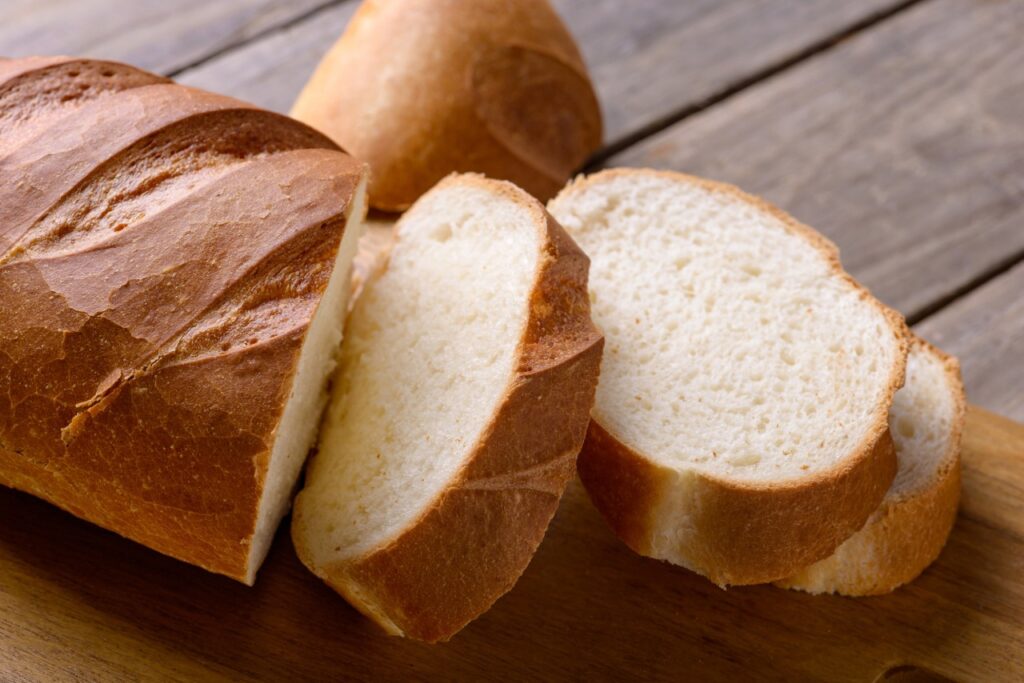
Walk down any bread aisle, and you will see labels promising farmhouse comfort, honeyed wholesomeness, or artisan charm. The packaging feels nostalgic and familiar, hinting at simple ingredients and time-honored baking traditions.
But flip the bag over, and the story often shifts. Refined flour, added sugars, and conditioners designed for softness quietly shape many of today’s best-selling loaves. What looks like everyday sandwich bread can share surprising similarities with cake.
This list takes a closer look at store-bought breads that blur the line between staple and sweet treat. Not to shame your sandwich, but to help you read the label with clearer eyes and smarter choices.
1. Wonder Bread Classic White Bread
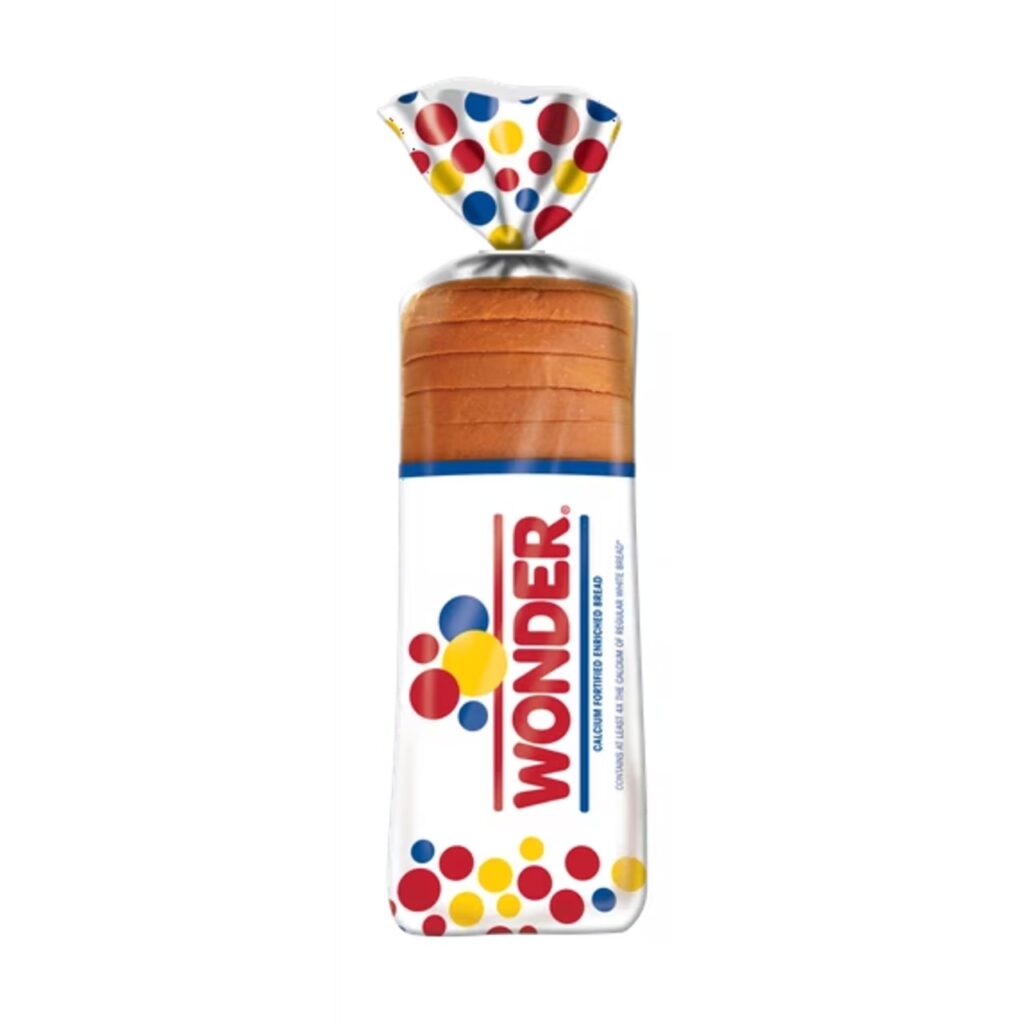
Few loaves are as soft and springy as this one. Press a slice and it compresses like sponge cake before bouncing back. That texture comes from refined white flour, added sugars, and dough conditioners built for uniform softness and longer shelf life.
Each slice offers little fiber and several grams of simple carbohydrates. Without the bran and germ, digestion happens quickly and blood sugar can rise fast.
Traditional bread depends on flour, water, yeast, and salt. This formula leans sweeter and softer, browning easily when toasted. In both structure and metabolic effect, it behaves more like a cake with a crust than classic bread.
2. Pepperidge Farm Farmhouse Butter Bread
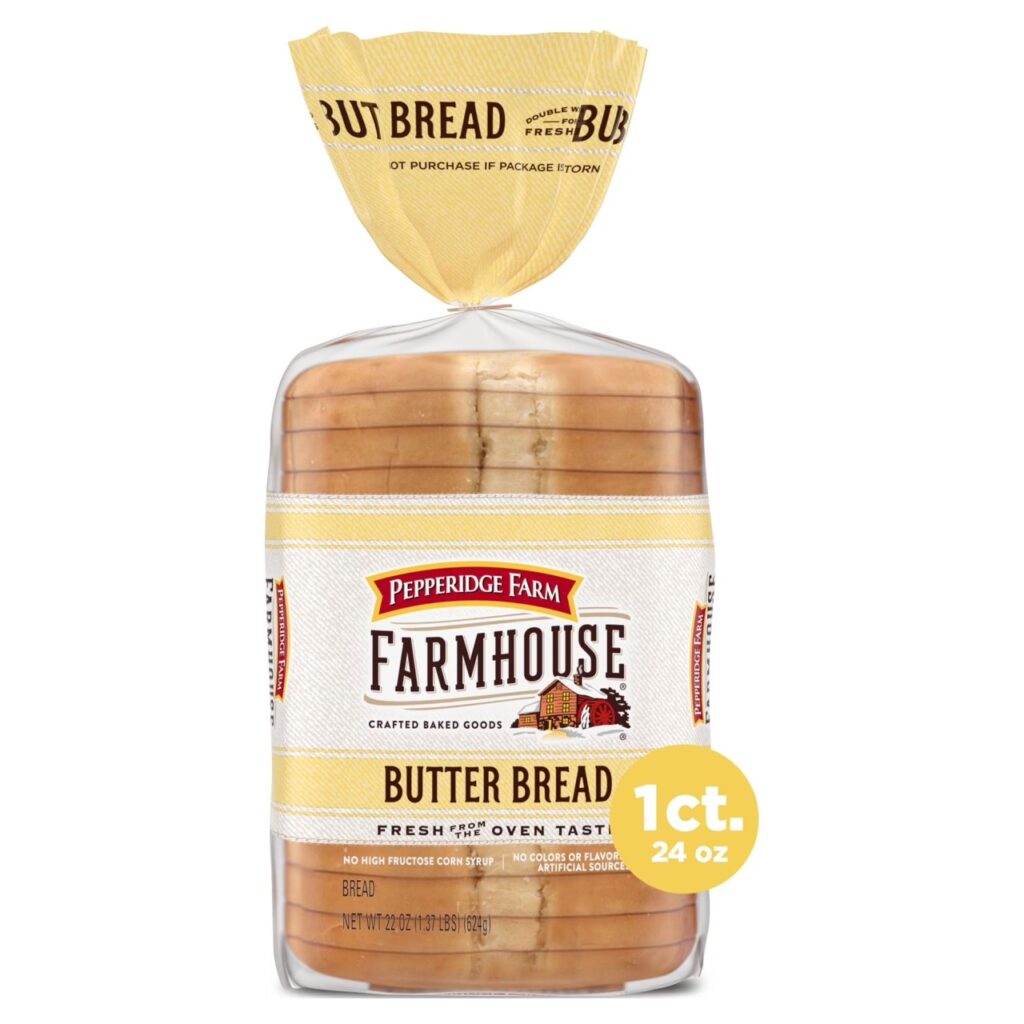
This loaf signals indulgence from the start. Enriched wheat flour anchors the formula, with sugar and sweeteners added to create a soft, tender crumb that feels closer to pound cake than rustic bread.
Butter flavor deepens that dessert-leaning profile. The texture is tight and velvety, built for softness rather than chew, and fiber levels stay modest compared to whole-grain loaves.
The sweetness is steady and noticeable, even plain. Sugar aids browning and adds a light caramel note when toasted. Designed for comfort and shelf life, it delivers more refinement and sweetness than traditional bread, placing it closer to bakery-style cake than to a farmhouse staple.
3. Sara Lee Artesano Bakery Bread
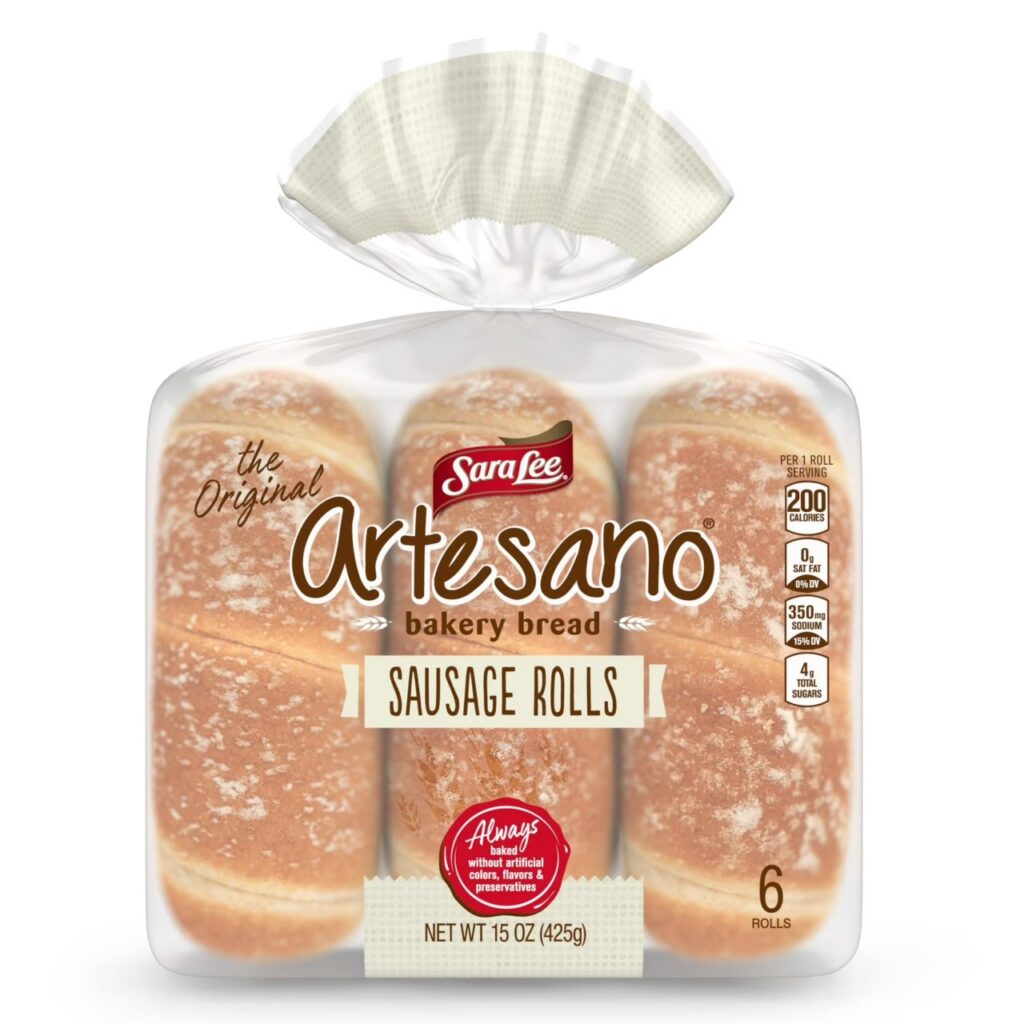
Thickness defines this loaf at first glance. The slices are wide and tall, echoing brioche more than standard sandwich bread. Enriched flour, added sugar, and oils create a moist, cake-like crumb that stays soft for days.
Despite the bakery-inspired image, refined white flour remains the base. Fiber is limited, and the carbohydrates are digested quickly compared to whole-grain options.
Its mild sweetness helps it brown and caramelize easily, especially in grilled cheese or French toast. The structure lacks the chew of slow fermented loaves, offering tenderness instead. In both texture and effect, it leans closer to sweet bread than an everyday staple.
4. Martin’s Sandwich Potato Bread
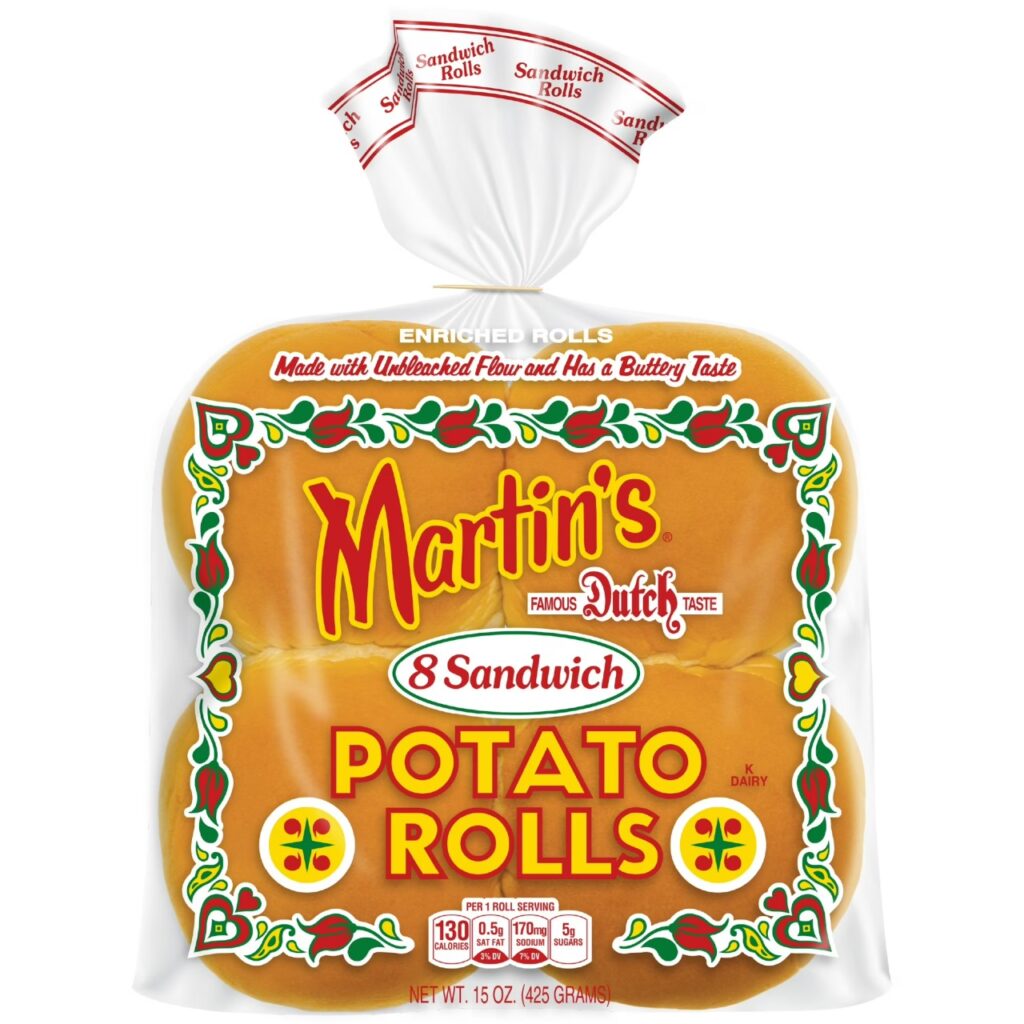
Potato bread feels plush in the hand. The addition of potato flour or flakes increases moisture retention, giving slices a tender, almost creamy crumb. That formula usually includes added sugar to balance flavor and enhance browning.
The starch from potatoes blends with refined wheat flour, creating a structure that is soft and slightly sweet. Fiber stays low unless whole-grain flour is included, which many commercial versions skip.
Because of its sugar and starch combination, potato bread toasts with a glossy, caramelized finish similar to sweet rolls. It works well for soft sandwiches but, nutritionally, behaves more like enriched buns than whole-grain bread. The texture and flavor lean toward dessert territory.
5. King’s Hawaiian Original Hawaiian Sweet Rolls
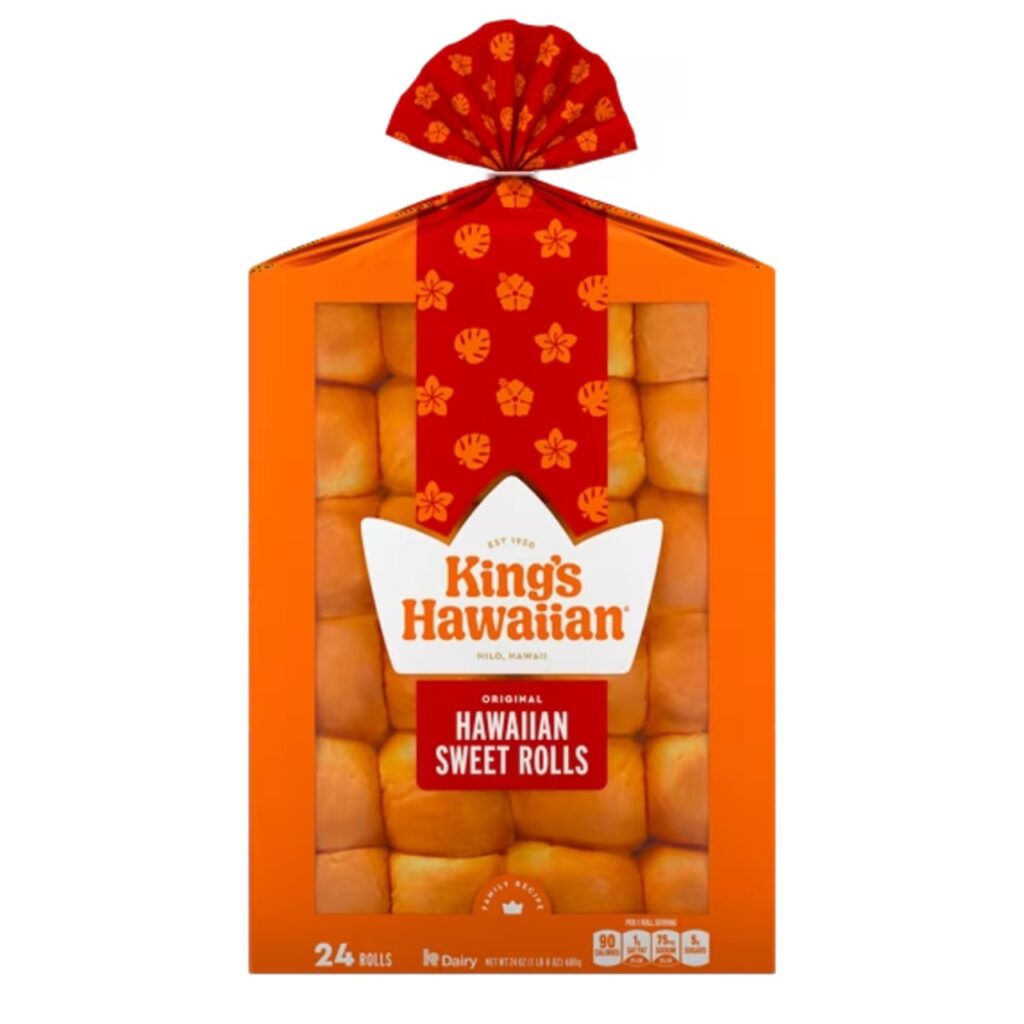
These rolls never pretend to be neutral. From the first bite, the sweetness is clear and intentional. Sugar appears prominently in the ingredient list, and each roll rivals many breakfast pastries.
Enriched flour, eggs, and fats create a soft, fluffy interior similar to brioche. The crumb pulls apart in strands, a sign of enriched dough rather than lean bread. Fiber remains minimal, while simple carbohydrates dominate.
Despite their place in the bread aisle, their formulation aligns closely with sweet bakery goods. The high sugar content encourages browning and gives them a glossy finish. Used for sliders or dinner sides, they taste indulgent. Structurally and nutritionally, they sit much closer to cake than classic bread.
6. Nature’s Own Honey Wheat Bread
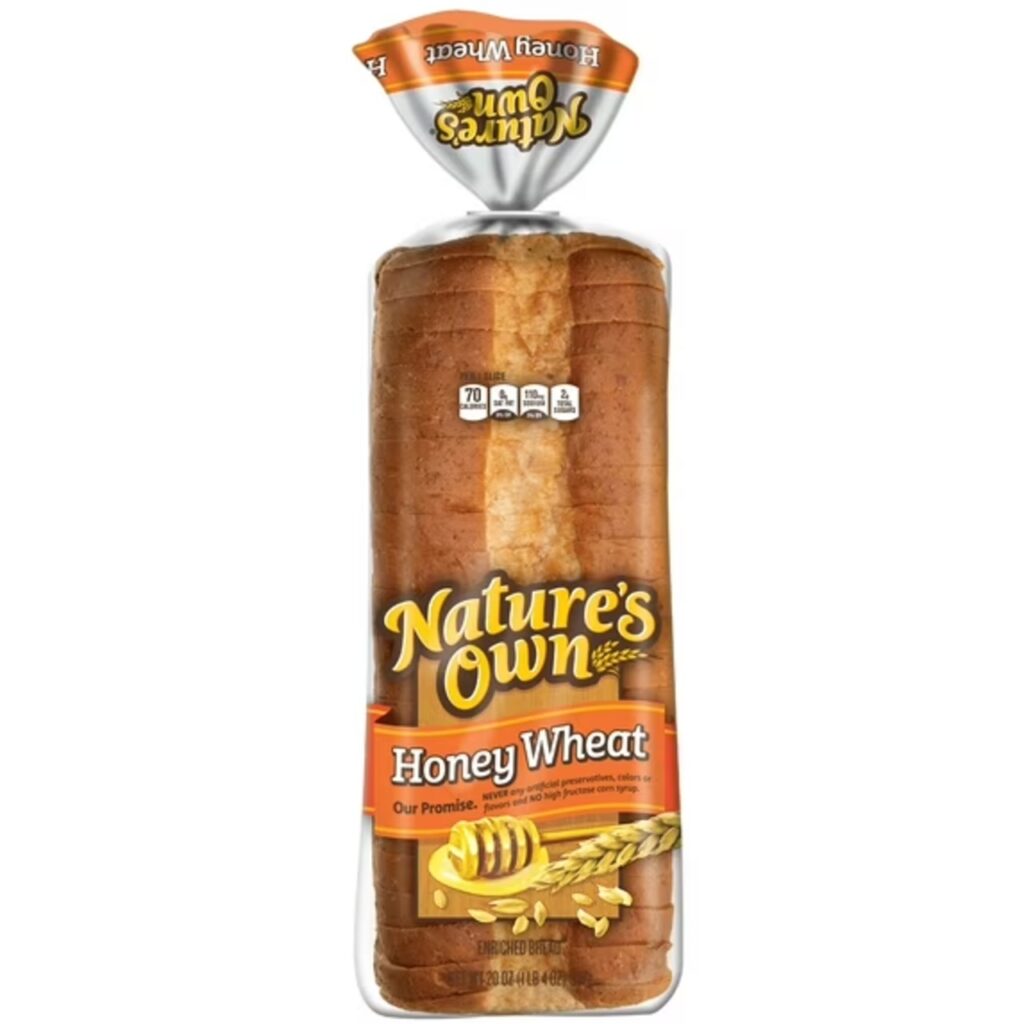
The word honey creates a healthy glow, but the formula tells a fuller story. Many honey wheat loaves use enriched white flour as the first ingredient, with a smaller portion of whole wheat blended in for color and marketing appeal.
Added sugars, including honey and other sweeteners, raise the carbohydrate load and create a distinctly sweet taste. The softness comes from conditioners and oils that maintain moisture for days.
True whole-grain bread is dense and fiber-rich. This version is lighter, sweeter, and lower in fiber than many shoppers expect. It behaves more like sweet sandwich bread than a hearty wheat loaf. The flavor profile and glycemic impact reflect that difference, making it closer to mild cake than robust whole-grain bread.
7. Bimbo Bakeries USA Soft White Bread
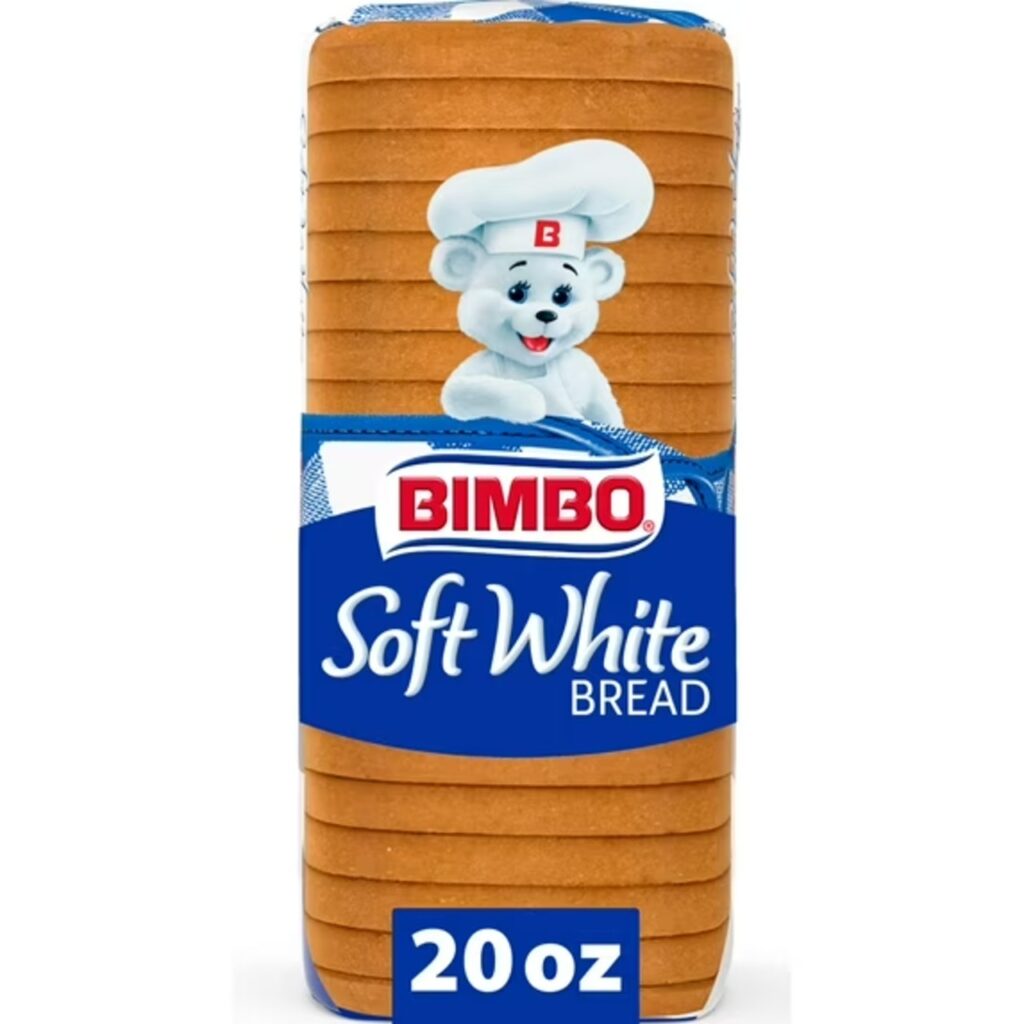
Mass-produced white bread is engineered for universal appeal. The crumb is fine and airy, almost like sponge cake, thanks to refined flour, added sugar, and emulsifiers that create a uniform texture.
Each slice contains minimal fiber and several grams of simple carbohydrates. Without the natural structure of whole grains, digestion happens quickly, similar to other sweet baked goods.
Preservatives and conditioners extend shelf life and keep slices soft longer than traditional bread. The flavor remains mildly sweet even without spreads. It is convenient and familiar, but nutritionally mirrors cake more than crusty bakery bread, shifting it toward dessert territory.
8. Oroweat Country Buttermilk Bread
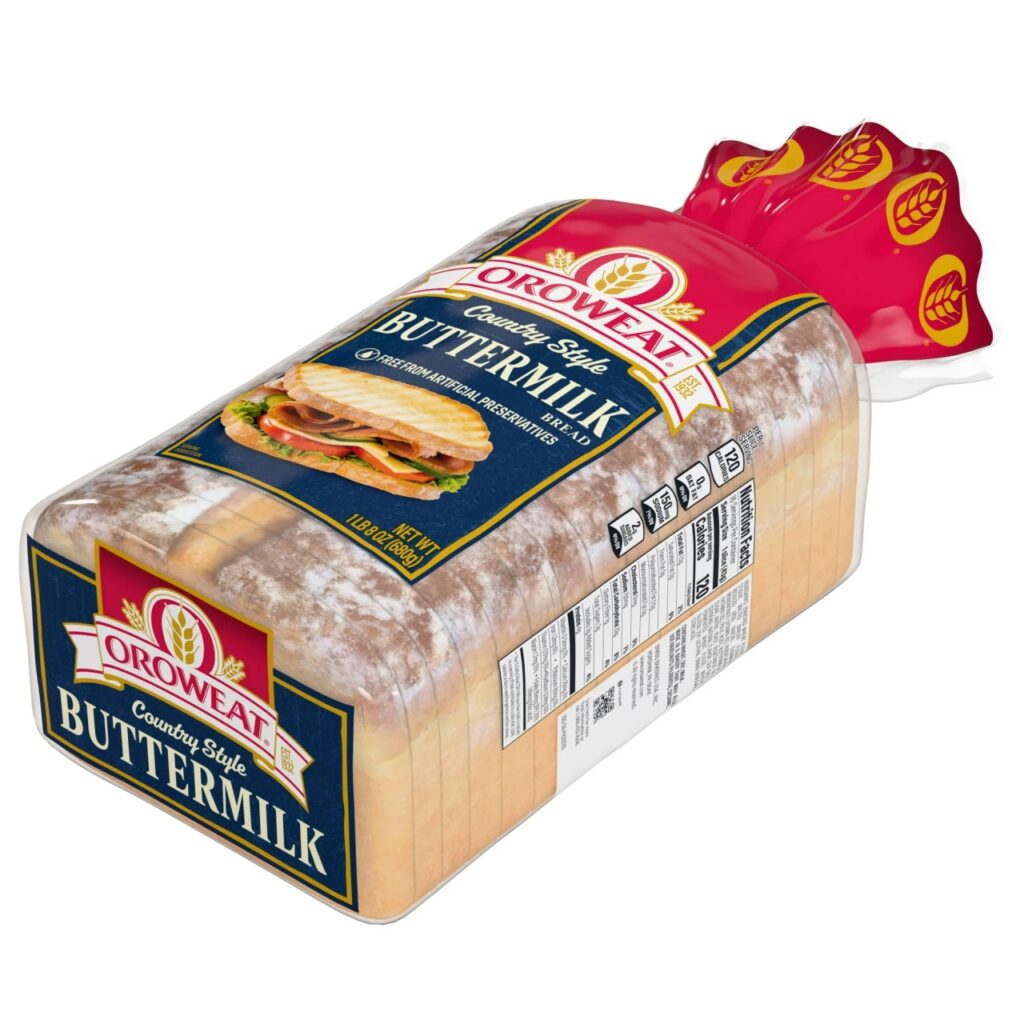
Buttermilk suggests tang and tradition, yet commercial versions often lean sweet. Enriched white flour forms the base, while added sugars balance the mild acidity and enhance browning during baking.
The crumb is tender and uniform, lacking the chew of fermented artisan loaves. Fiber content stays relatively low compared to whole grain alternatives.
Because sugar assists caramelization, this bread toasts with a golden, almost glazed surface. The slight sweetness is noticeable even when eaten plain. It works beautifully for sandwiches, but its structure and ingredient profile resemble sweet quick breads more than rustic country loaves. In everyday use, it functions closer to cake with a savory label.
9. Dave’s Killer Bread Cinnamon Raisin Remix
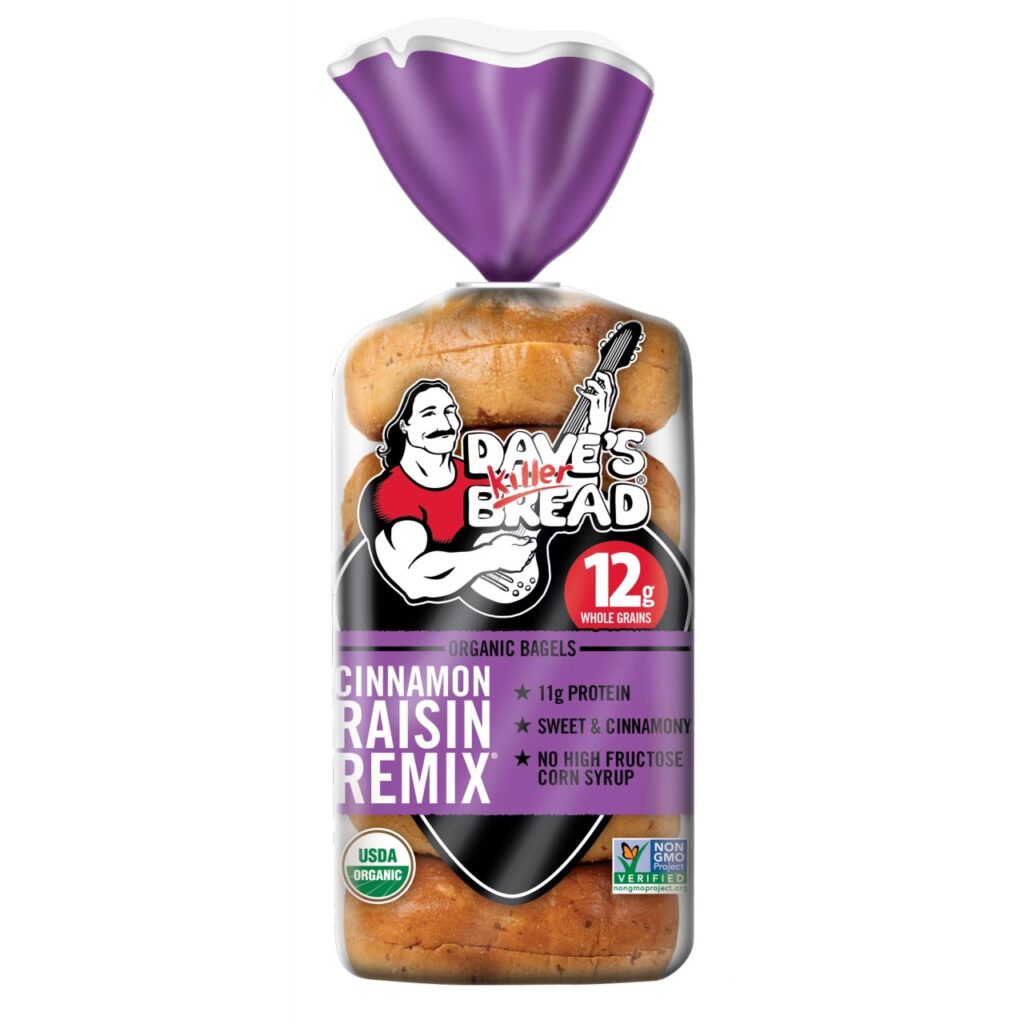
Whole grains give this loaf a wholesome image, but the sweetness shifts the balance. Raisins concentrate natural sugars, and additional sweeteners amplify the flavor, pushing total sugar higher than standard sandwich bread.
The crumb is soft and lightly spiced, resembling breakfast quick bread more than savory loaf. Even with whole grains present, the sugar load is significant per slice.
Cinnamon raisin bread browns quickly and tastes sweet enough to eat plain. While it offers more fiber than white bread, its overall formulation leans toward snack territory. The combination of fruit sugars and added sweeteners gives it a cake like profile that blurs the line between bread aisle staple and morning treat.