11 Nontraditional New Year’s Dinner Ideas Worth Trying

New Year’s Eve dinner doesn’t have to follow the same old script. In fact, breaking tradition can make the night feel more memorable and personal. Nontraditional meals invite curiosity, spark conversation, and keep the energy flowing long past the first course. From interactive tables to globally inspired spreads, these dinner ideas focus on shared experiences rather than formal rules. They allow guests to move, taste, build their own plates, and stay engaged instead of sitting through a fixed menu. If you want your celebration to feel relaxed, lively, and a little unexpected, these dinners offer a fresh way to welcome the year ahead.
1. Korean BBQ–Style Table Grill
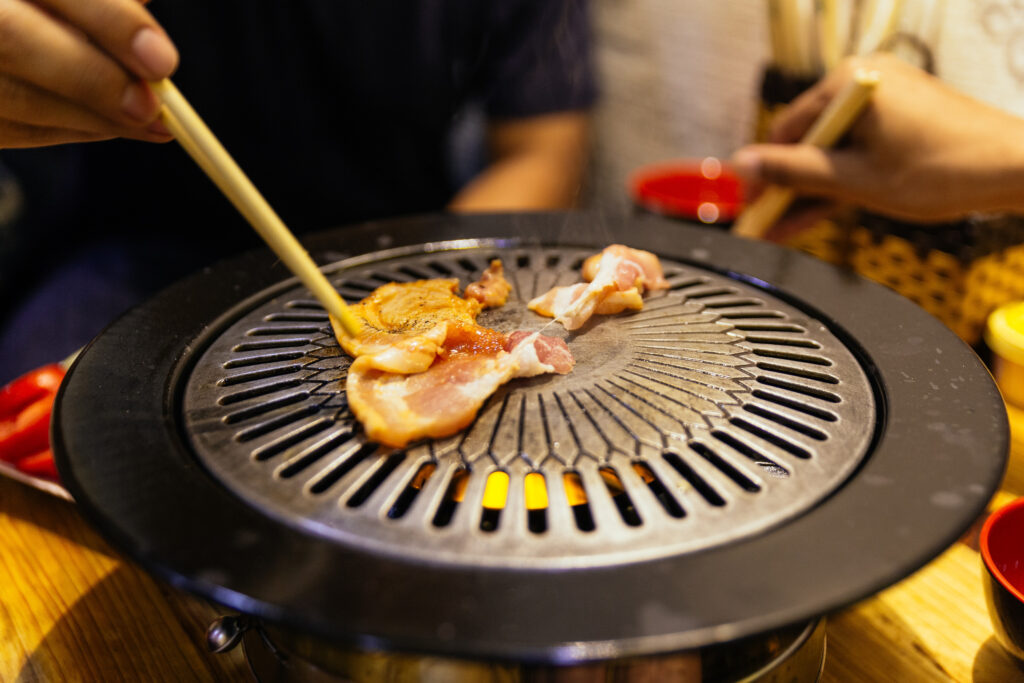
Korean BBQ turns dinner into an experience rather than a fixed meal, which makes it ideal for New Year’s Eve. Thinly sliced meats, vegetables, and mushrooms cook quickly at the table, allowing guests to control doneness and pacing. This keeps energy high and prevents the kitchen from becoming isolated from the celebration. Banchan, or small side dishes, add variety and balance through pickled, fermented, and fresh flavors. Lettuce wraps, rice, and sauces encourage mixing and matching, which keeps plates interesting throughout the night. The format supports conversation and movement, making it feel festive without formality.
2. Taco Bar with Fresh Salsas and Fillings
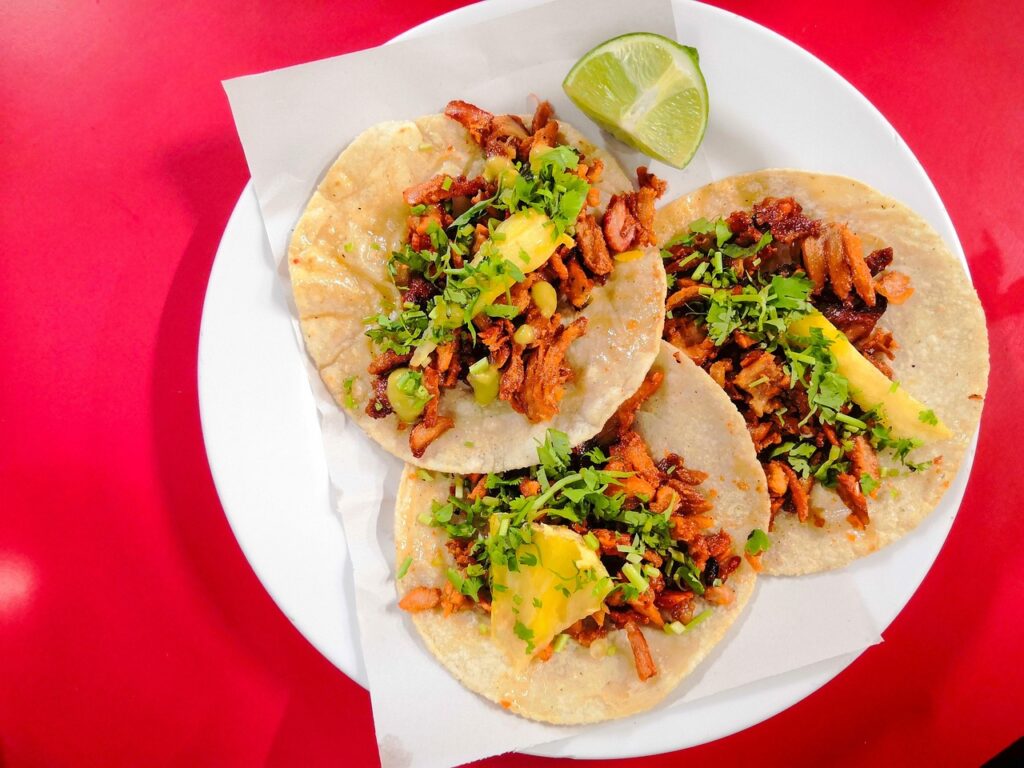
A taco bar replaces rigid structure with choice, which suits a night built around flexibility and fun. Guests can build tacos that suit their preferences using proteins, vegetables, tortillas, and toppings. Fresh salsas provide brightness and contrast, preventing the meal from feeling heavy. This setup allows hosts to prepare components ahead of time while keeping assembly interactive. Tacos also scale easily for different group sizes and appetites. The casual nature lowers pressure while still delivering bold flavors. Because people eat in small portions over time, the meal feels social rather than staged. A taco bar keeps the focus on shared enjoyment instead of formal dining.
3. Sushi Night with Rolls and Hand Rolls
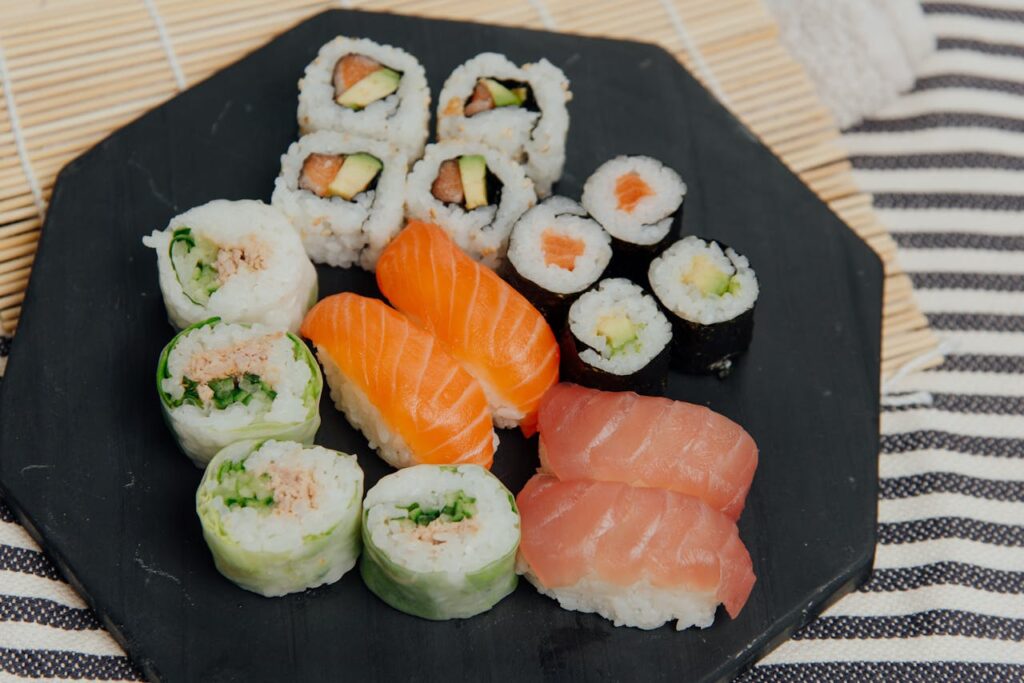
Sushi night feels special because it emphasizes freshness, precision, and restraint. Rolls and hand rolls can be assembled gradually, allowing guests to participate or watch as plates are prepared. The lightness of sushi prevents fatigue during a long evening. Rice, seafood, vegetables, and condiments offer balance without heaviness. Sushi encourages slower eating, which fits a night centered on conversation and anticipation. It also adapts well to different skill levels, from simple hand rolls to more intricate combinations. The result is a dinner that feels refined but approachable, making it a strong alternative to traditional celebratory meals.
4. Mediterranean Mezze Spread
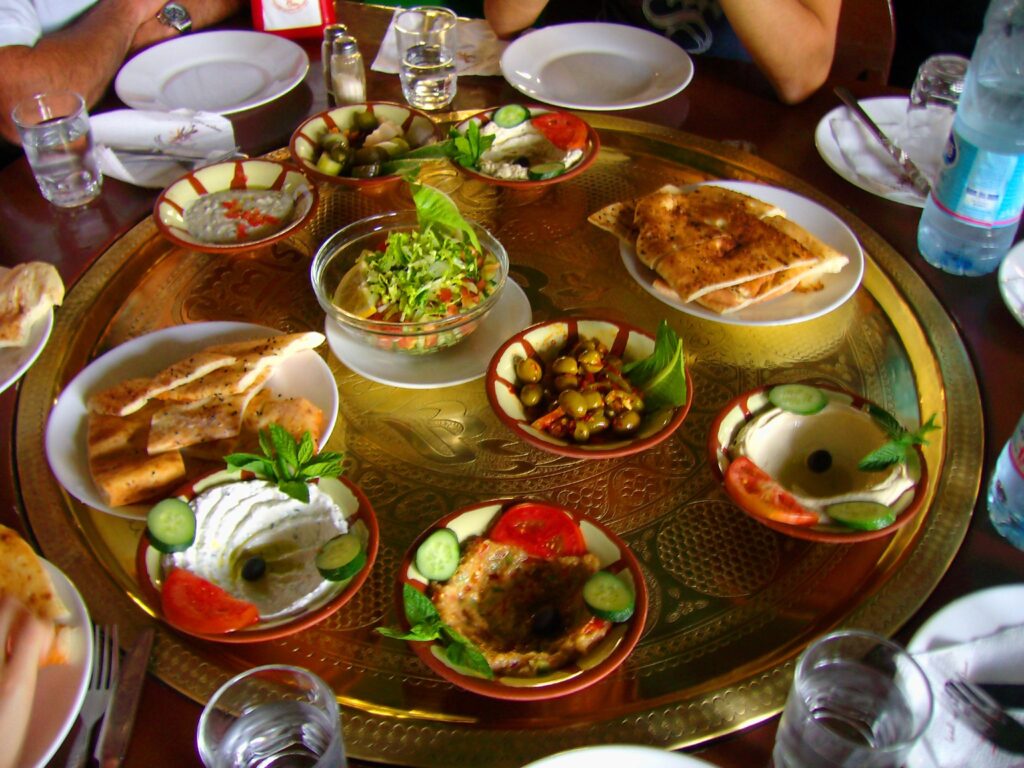
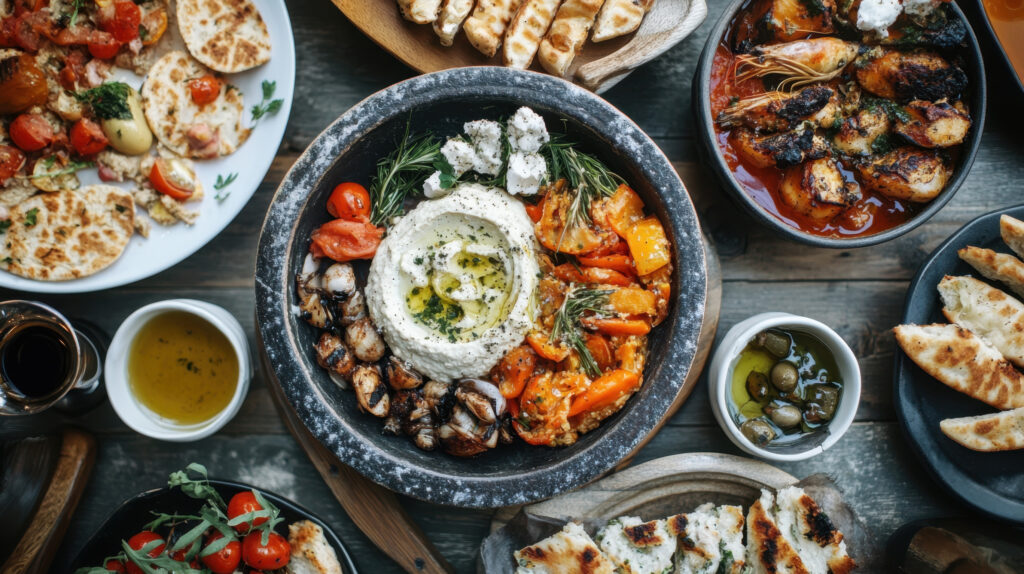
A mezze spread thrives on variety and shared plates, which makes it naturally festive. Small dishes like dips, roasted vegetables, breads, and grilled items encourage grazing rather than structured eating. This format allows guests to sample widely without committing to a single dish. The flavors emphasize olive oil, herbs, and acidity, keeping the meal balanced and refreshing. Mezze can be prepared largely in advance, reducing stress for hosts. The spread invites movement and conversation, with guests returning to the table repeatedly. It suits long evenings where eating and socializing blend seamlessly.
5. Gourmet Pizza Night with Multiple Toppings
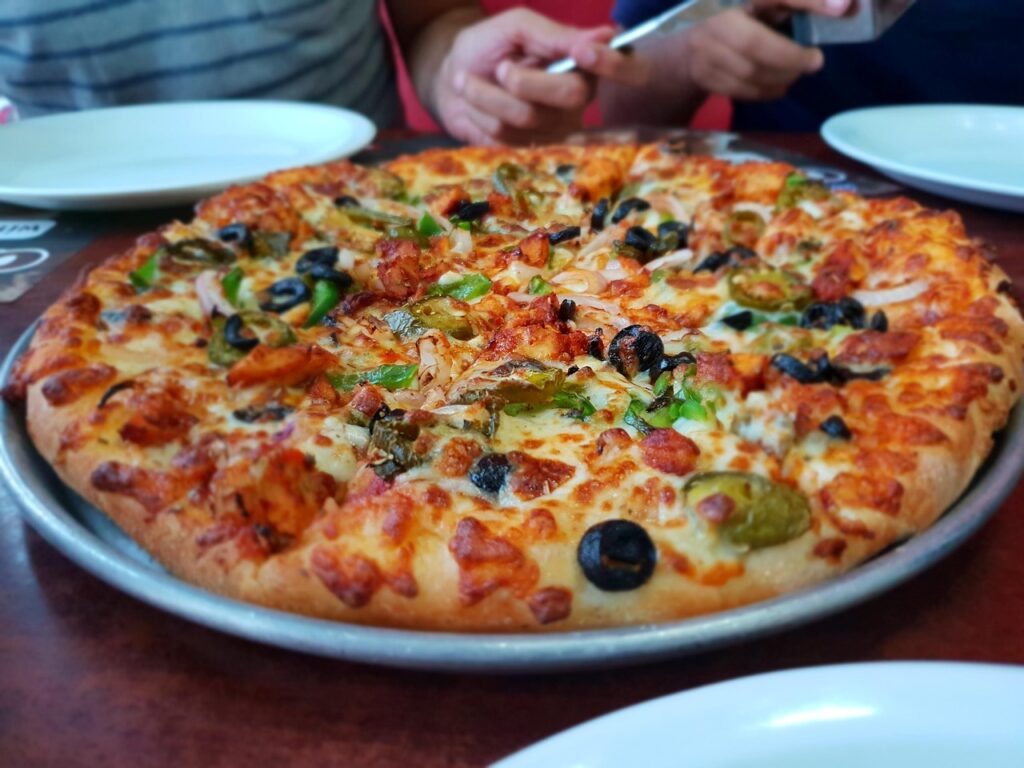
Pizza night becomes celebratory when variety and quality take center stage. Offering multiple doughs, sauces, and toppings allows guests to customize slices and try different combinations. High-heat cooking creates crisp crusts and bold flavors without complexity. Pizza appeals to all ages and dietary preferences, making it inclusive. The informal format encourages sharing and discussion about favorite flavors. Because pizzas bake quickly, they can be served in waves, keeping food fresh throughout the night. Gourmet pizza balances comfort with creativity, making it familiar yet elevated. Rotating pies also keeps guests moving and interacting rather than settling into one fixed plate.
6. Indian Street Food–Inspired Dinner
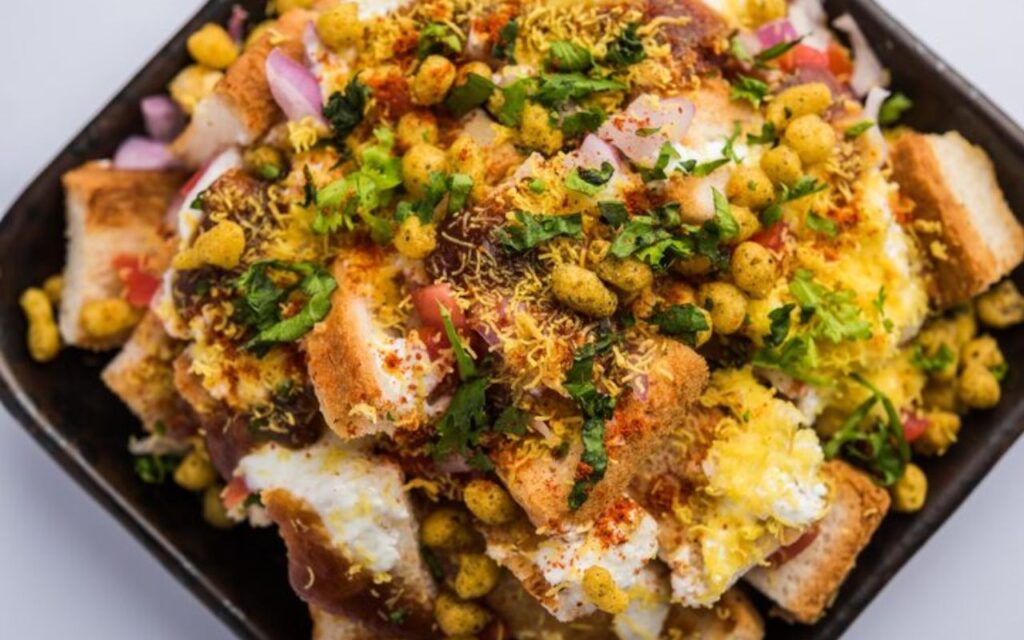
Indian street food brings bold flavor and texture through small, vibrant dishes. Items like chaat, fried snacks, and spiced vegetables encourage sampling and conversation. The variety of spices and cooking methods keeps the meal dynamic. Street food–style dining removes formality while delivering depth and warmth. Many components can be prepared ahead of time, allowing hosts to focus on assembly. The combination of crunch, spice, and acidity keeps guests engaged over time. This approach feels lively and communal, aligning well with New Year’s energy. The layered flavors create excitement without requiring a heavy sit-down meal.
7. Fondue Feast with Savory and Sweet Dips
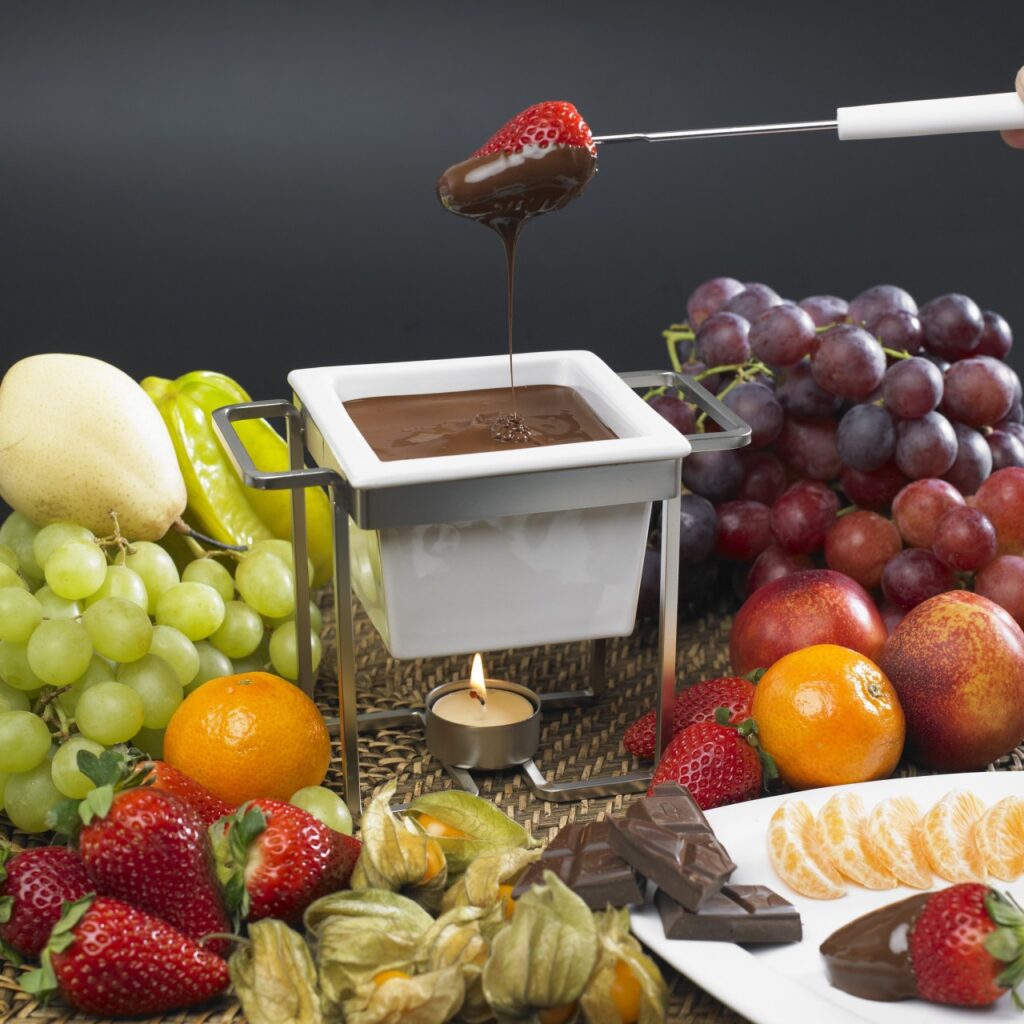
Fondue slows the pace of eating, turning dinner into an event rather than a routine meal. Savory cheese or broth followed by chocolate encourages guests to linger at the table instead of rushing through courses. Dipping foods creates interaction and a shared focal point, which naturally keeps conversation flowing. Fondue also balances richness with control, since guests choose how much and how often they dip. The steady heat keeps food consistent without constant cooking or supervision. This format encourages togetherness and works especially well for smaller, intimate gatherings. Ending with sweet fondue creates a natural transition toward midnight.
8. Middle Eastern Shawarma Platter
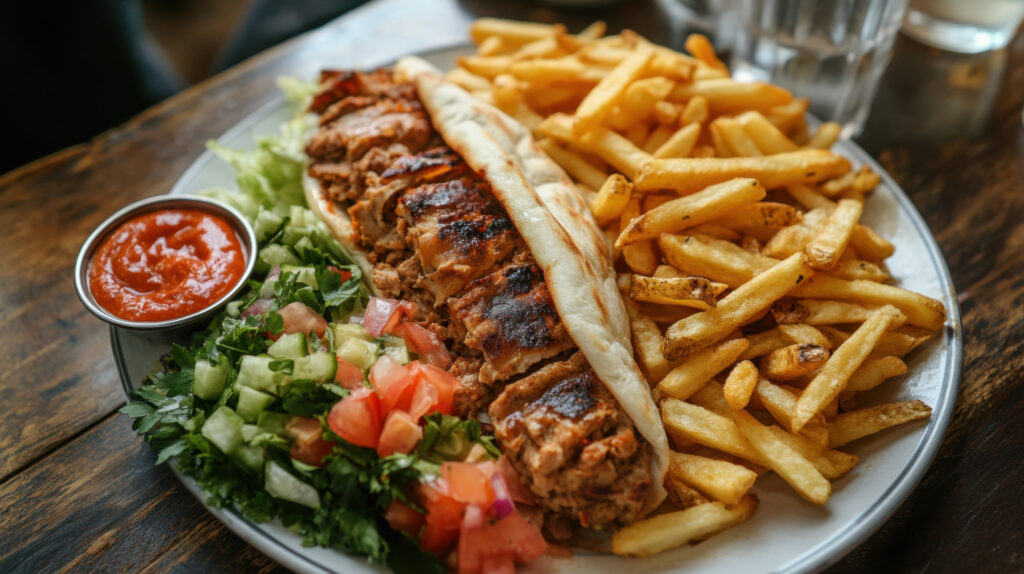
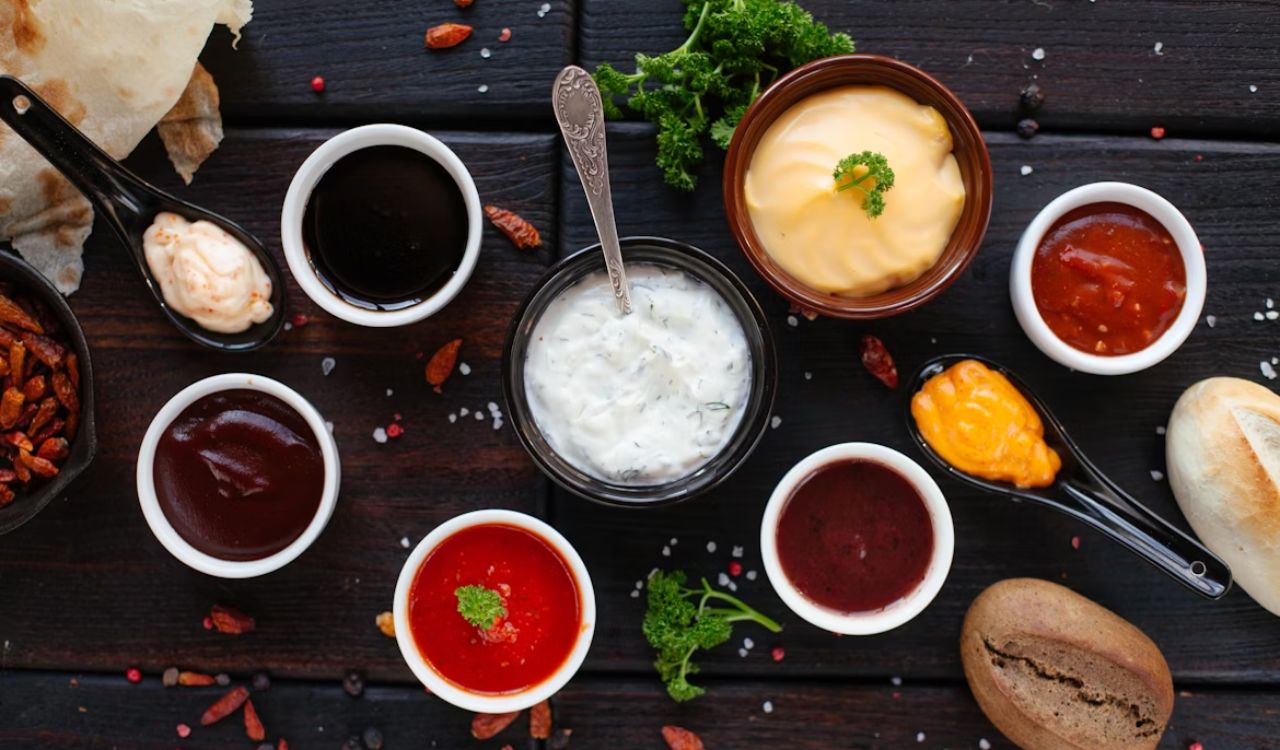
A shawarma platter centers on layered flavors and flexible assembly, making it both satisfying and social. Spiced meats or vegetables pair with flatbreads, sauces, and pickles, allowing guests to build wraps or plates to their liking. The flavors are bold yet balanced through herbs, yogurt-based sauces, and acidity. This setup supports sharing and customization without feeling chaotic. Most components can be prepared ahead of time, which reduces stress during the event. Shawarma platters feel abundant without heaviness, making them ideal for long evenings. The interactive format keeps guests engaged throughout the night.
9. Thai Curry and Rice Night
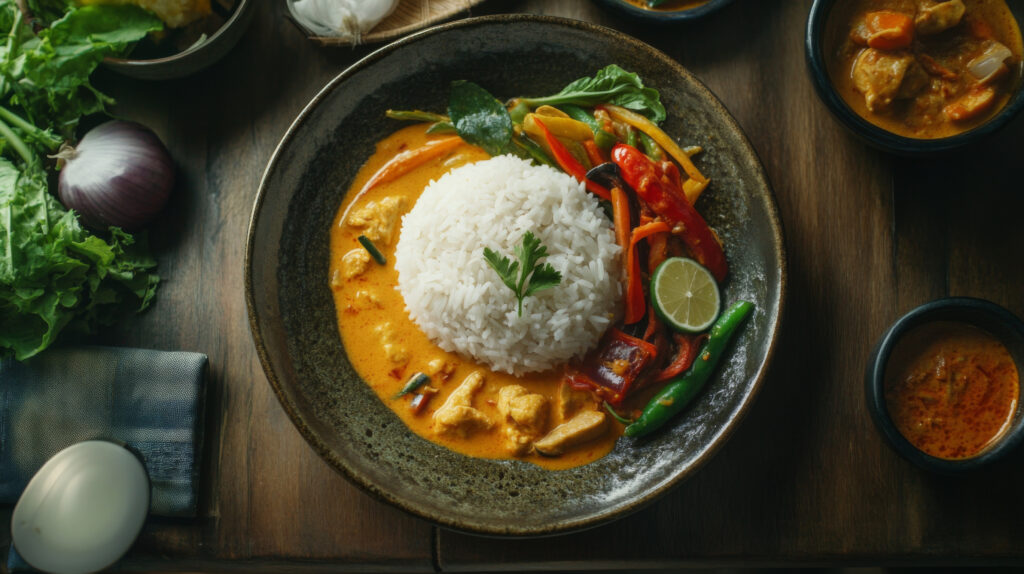
Thai curry offers warmth, aroma, and balance through a careful mix of spice, sweetness, and acidity. Serving curry alongside rice allows guests to adjust portions based on appetite and heat tolerance. The dish holds well on low heat, making timing less stressful for hosts. Curries often deepen in flavor as they sit, which benefits extended gatherings. The meal feels comforting without being overly heavy or rich. It also adapts easily to different proteins and vegetables. Thai curry night feels intentional and soothing, which suits a reflective end-of-year mood. The fragrant aromas help anchor the evening and draw guests back to the table.
10. Dim Sum–Style Dinner at Home
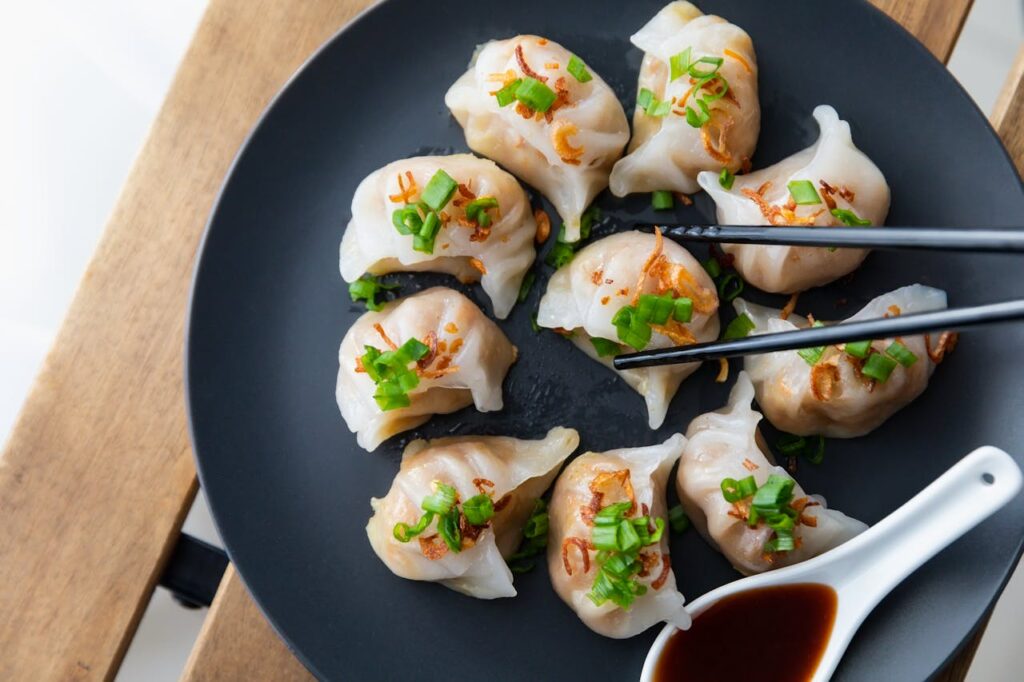
Dim sum emphasizes small portions and variety, encouraging steady eating rather than a single heavy course. Dumplings, buns, and small plates arrive gradually, keeping curiosity and interest high. This format allows hosts to combine homemade dishes with store-bought options without breaking the flow. The range of flavors and textures ensures everyone finds something they enjoy. Dim sum naturally stretches over time, which fits perfectly with a countdown-style evening. The focus remains on sharing and discovery instead of a fixed main dish. Because no one plate defines the meal, guests feel free to eat at their own pace. The steady rhythm keeps the table lively without feeling rushed.
11. Build-Your-Own Ramen Bar
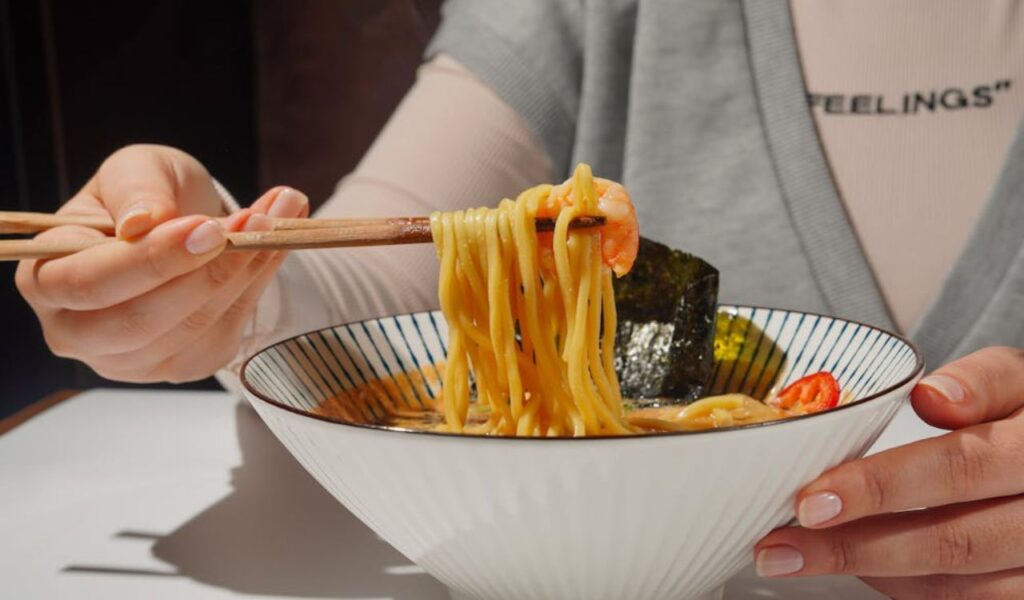
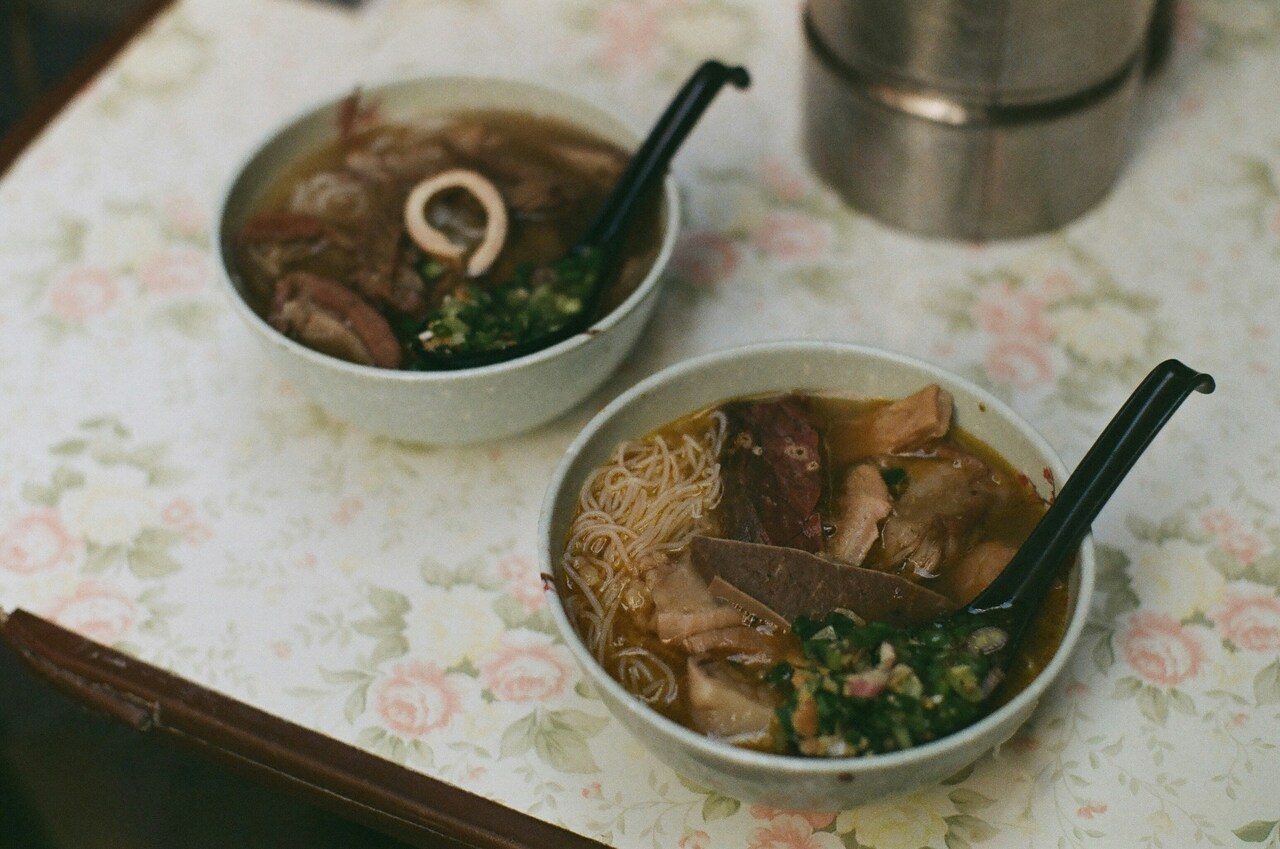
A ramen bar blends comfort with personalization, making it both cozy and engaging. Broth serves as the foundation, while noodles, proteins, and toppings let guests build bowls that suit their tastes. Assembling bowls keeps everyone involved and prevents the meal from feeling static. Ramen’s warmth and depth feel grounding at the end of a long year. Preparing toppings and broth ahead of time simplifies hosting and reduces last-minute stress. The meal unfolds slowly, making it well-suited for late-night dining. A ramen bar closes the year with warmth, flexibility, and shared comfort. It also works well for different appetites, from light bowls to hearty ones.