11 Sneaky Ways Olive Oil Brands Are Diluting Your Bottle

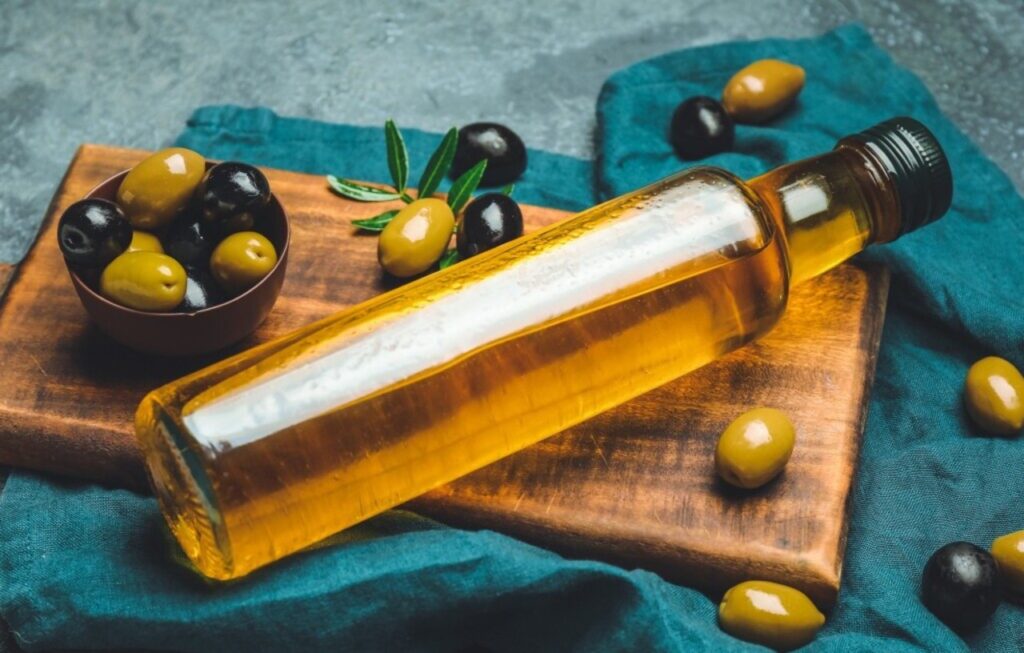
Olive oil carries a golden reputation. We drizzle it over salads, swirl it into pasta, and trust it as one of the healthiest fats in the kitchen. The label often promises purity, tradition, and Mediterranean craftsmanship in every drop.
But behind the dark glass and elegant typography, the story is not always so simple. Processing shortcuts, clever wording, and quiet blending practices can change what actually ends up in your bottle.
This guide takes a closer look at the subtle ways olive oil can be diluted without you realizing it. With a sharper eye and a few practical insights, you can choose bottles that truly deliver flavor, freshness, and value.
1. Mixing with Cheaper Refined Oils
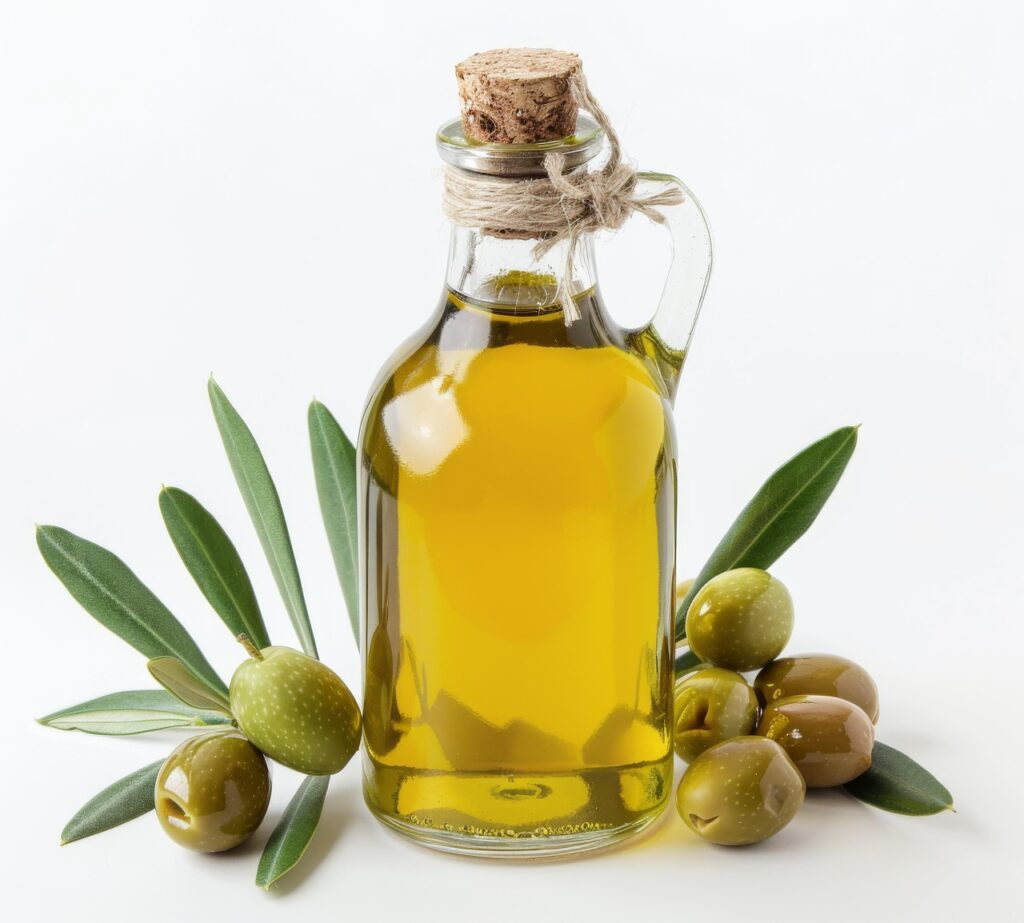
Blending high-quality extra virgin olive oil with cheaper refined olive oil or seed oils is one of the most common dilution tactics. It stretches supply and lowers production costs while keeping the label simple enough to avoid suspicion.
The problem is what gets lost. Polyphenols, aroma compounds, and the peppery bite that signal freshness are reduced when refined oils are mixed in. The oil may look identical in the bottle, but its antioxidant strength and flavor complexity decline.
Because refined oils are neutral, the blend can pass casual taste tests. Consumers often only notice the difference when the oil feels flat in salads or lacks character in finishing dishes.
2. Labeling “Pure” Olive Oil
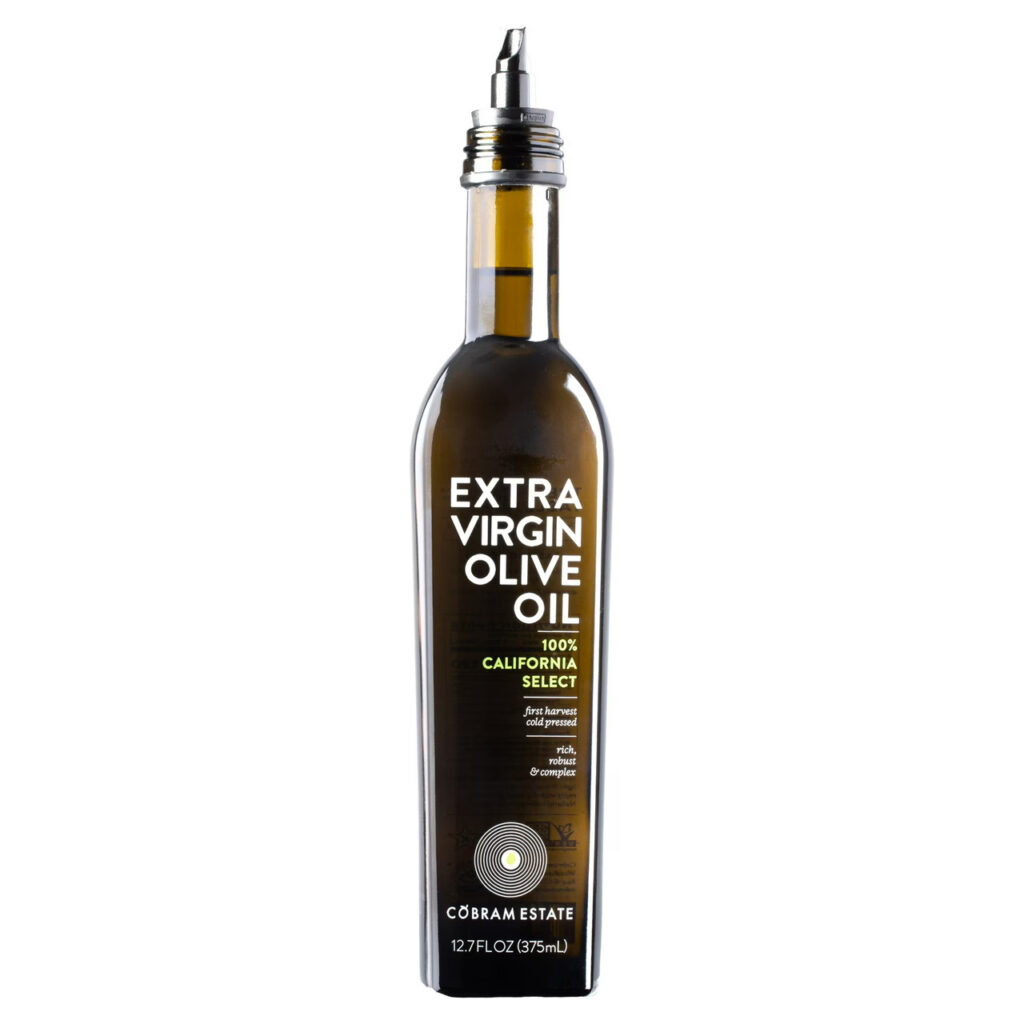
The word “pure” sounds reassuring, but in olive oil labeling it usually means refined. Most bottles marked pure olive oil contain refined oil blended with a small amount of virgin oil to restore flavor and color. While refining removes defects, it also strips away natural antioxidants and aroma compounds found in extra virgin oil.
The result is milder and more neutral. Polyphenols are reduced, and the grassy, peppery notes that signal freshness are softened. The oil may look clear and uniform, yet its nutritional value is lower than minimally processed oil.
If you expect bold aroma or a lively finish, pure olive oil can feel flat. It works for everyday cooking, but in flavor and antioxidant content, it remains below extra virgin olive oil.
3. Overusing the Term “Light” or “Extra Light”
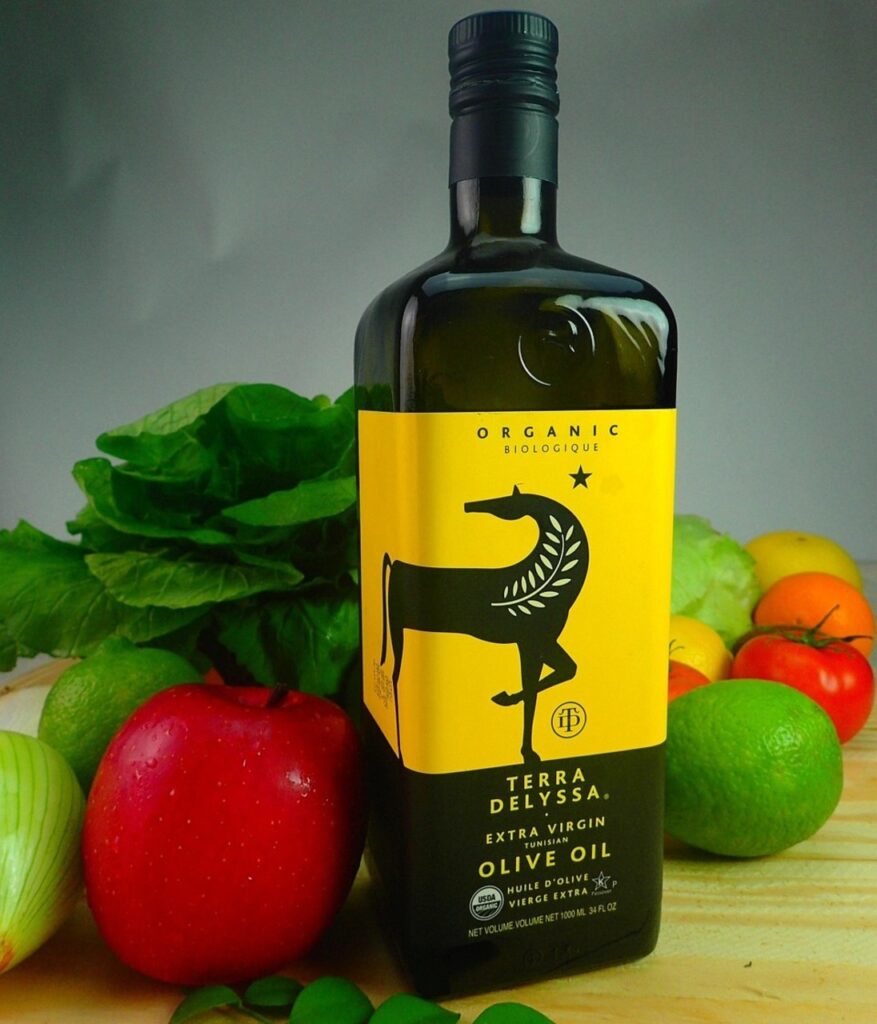
“Light” olive oil does not contain fewer calories. All olive oils provide roughly the same energy per tablespoon. The term refers to lighter taste and color, usually achieved through extensive refining.
Refining reduces bitterness, aroma, and many of the polyphenols that define extra virgin quality. The result is a neutral oil with a softer flavor profile and diminished complexity.
Because it lacks strong taste, light olive oil works well for high heat cooking where bold flavor is not desired. However, it offers fewer of the sensory and antioxidant benefits that people associate with premium, minimally processed olive oil.
4. Harvesting Overripe Olives
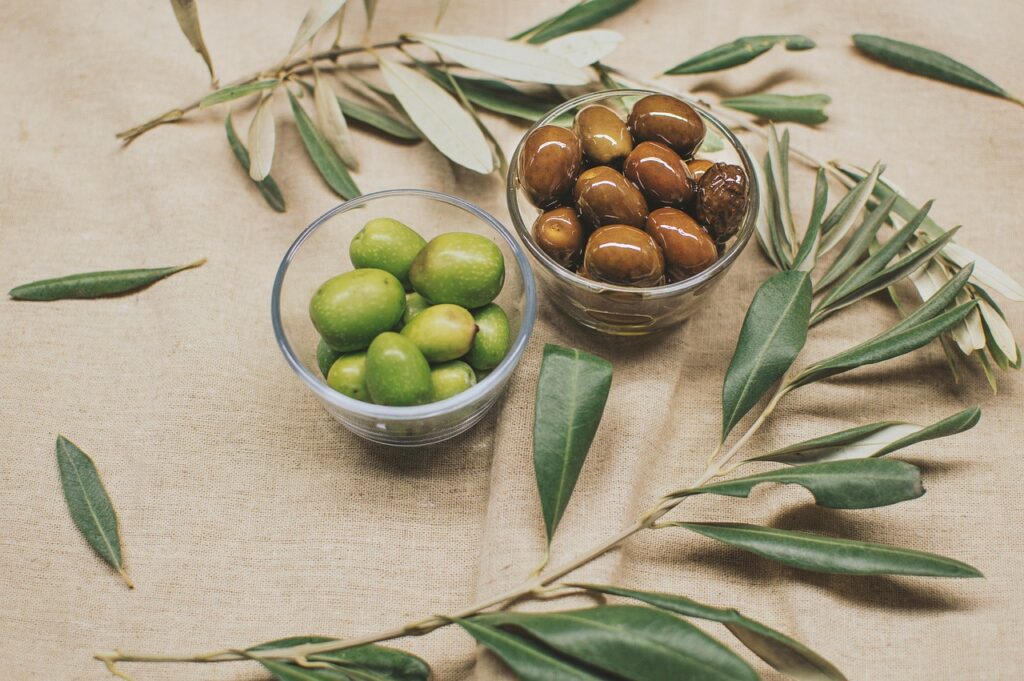
Harvest timing plays a critical role in olive oil quality. Olives picked later in the season yield more oil, which improves output, but they often contain fewer polyphenols and aromatic compounds.
Overripe fruit can also increase free acidity and reduce shelf stability. The resulting oil may taste softer and less vibrant, with diminished peppery or bitter notes that signal freshness.
Early to mid harvest oils tend to deliver brighter fruit character and greater antioxidant strength. Choosing higher yield over optimal ripeness can quietly reduce both flavor intensity and nutritional value in the finished bottle.
5. Long Storage Before Bottling
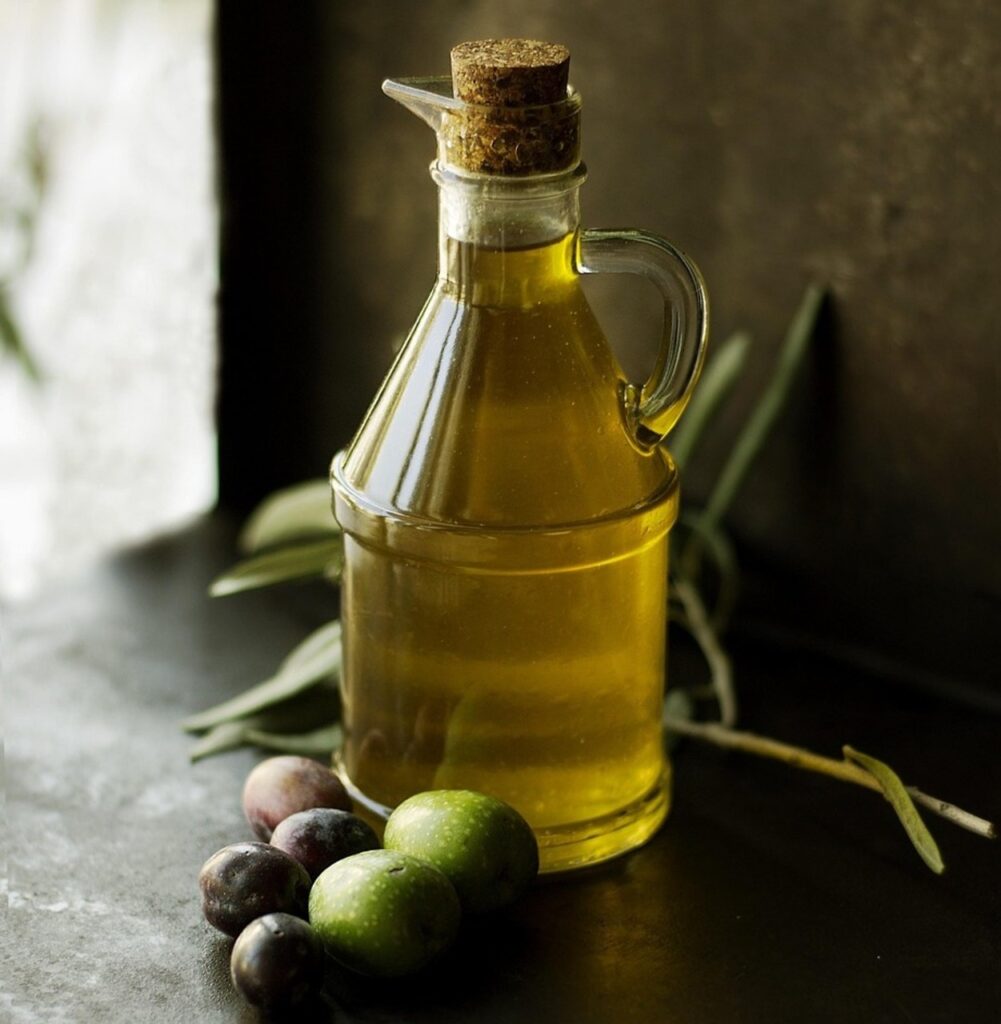
Freshness begins the moment olives are harvested. If olives sit too long before pressing, or if oil is stored for extended periods before bottling, oxidation gradually reduces antioxidants and weakens flavor intensity. Heat, light, and oxygen all accelerate this natural decline.
Even when a bottle looks new on the shelf, the oil inside may have already lost some of its brightness. Without a clearly stated harvest date, it is difficult for consumers to judge how fresh the contents truly are.
Olive oil is best enjoyed within a reasonable window after harvest. The longer it remains in tanks before bottling, the flatter and less vibrant it becomes, quietly diminishing both taste and nutritional value.
6. Vague Country of Origin Claims
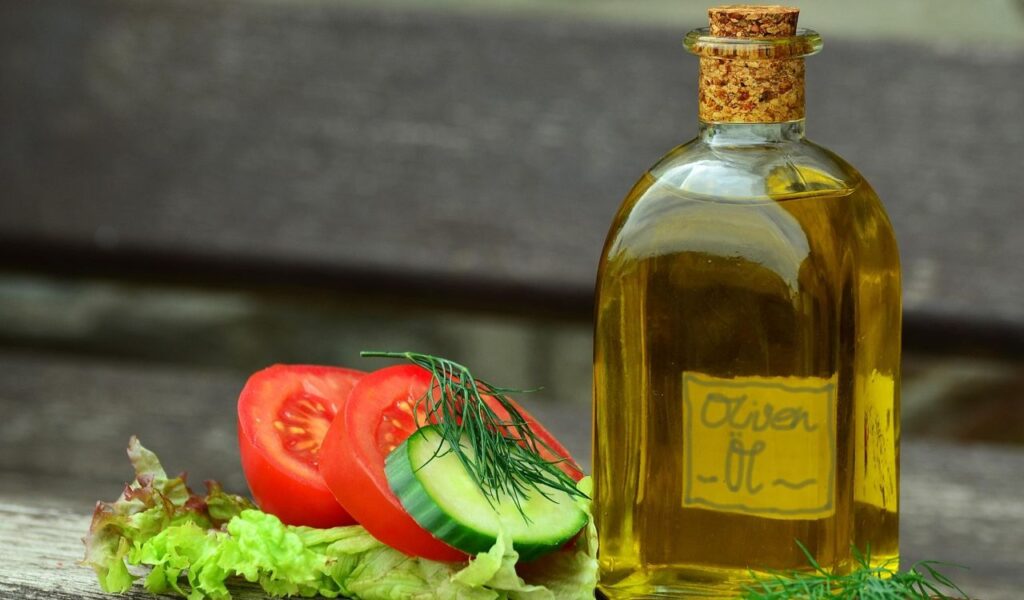
Phrases such as “packed in” or “imported from” can create the impression of a single origin, even when olives were sourced from several countries. Oil is often blended internationally and then bottled in one location.
While legal, this practice reduces transparency. Different regions have distinct olive varieties, climates, and production standards that directly affect flavor and quality.
Clear country or regional labeling allows buyers to understand what they are purchasing. Vague wording can conceal a complex supply chain, making it harder to assess freshness, consistency, and overall authenticity.
7. Filtering Out Flavor Compounds
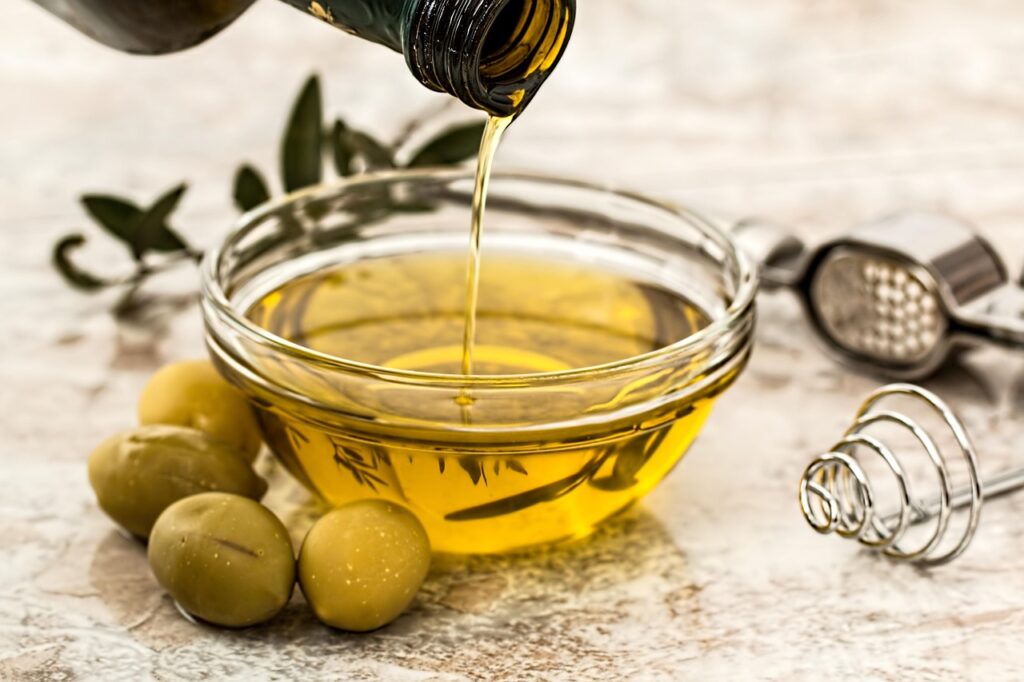
Filtration removes tiny fruit particles and moisture from freshly pressed oil, improving clarity and extending shelf stability. However, heavy filtration can also remove some volatile aroma compounds and beneficial phenolics.
Those suspended particles contribute to depth of flavor and antioxidant strength. Removing too much may produce a crystal clear oil that looks attractive but tastes less complex.
Balanced filtration protects stability while preserving character. Excessive processing favors appearance and shelf life over the vibrant aroma and layered taste associated with high quality extra virgin oil.
8. Using Old Harvest Stock
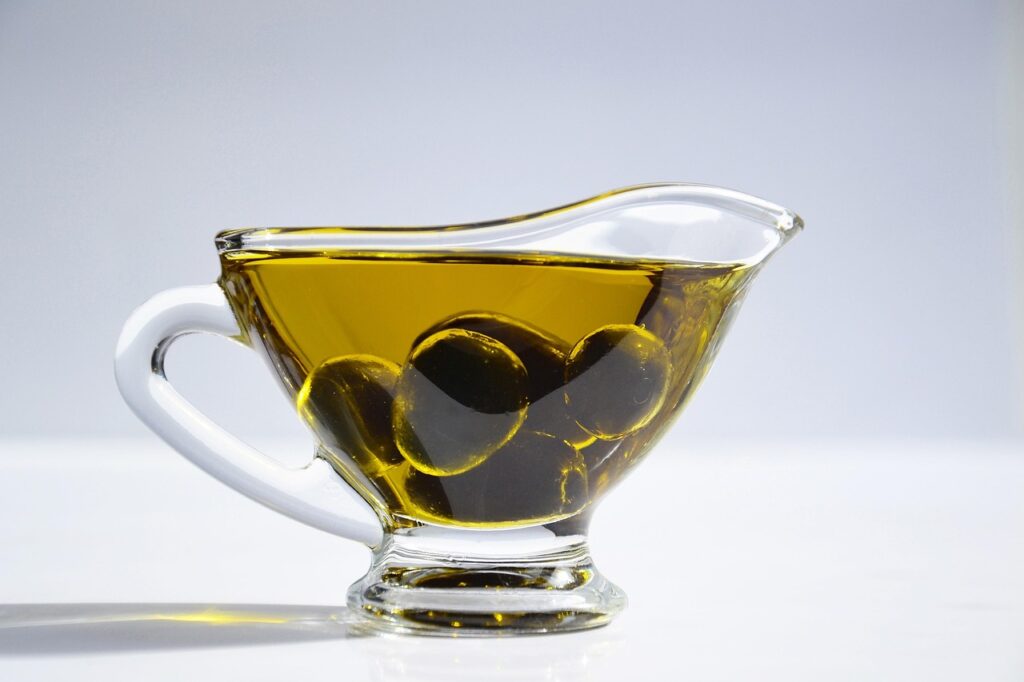
Olive oil begins to change the moment it is pressed. As months pass, natural polyphenols decline and volatile aroma compounds fade. Without a clearly printed harvest date, shoppers have little way of knowing how long the oil has been stored before bottling or shipment.
An older oil may still qualify as extra virgin under legal standards, yet its character often feels muted. The lively fruitiness, gentle bitterness, and peppery finish that signal freshness soften over time as oxidation progresses.
Fresh harvest oil delivers a brighter aroma and stronger antioxidant presence. When producers rely on aging inventory, both sensory depth and nutritional value can quietly diminish, even if the label presents the bottle as premium and newly stocked.
9. Plastic Bottles and Light Exposure
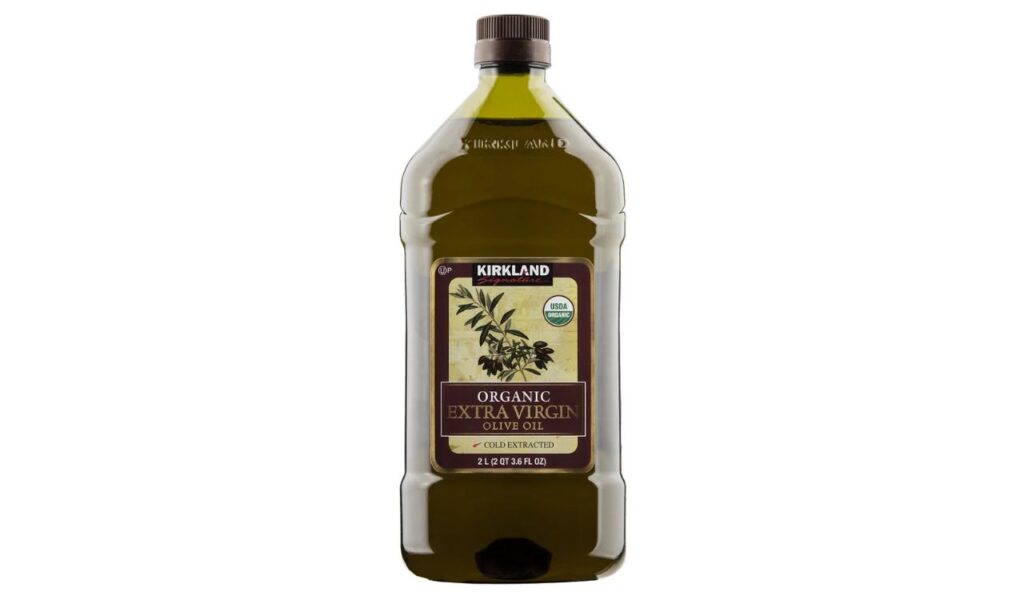
Light and oxygen are two of olive oil’s greatest threats. Clear or thin plastic bottles allow ultraviolet light to penetrate easily, accelerating oxidation and breaking down delicate phenolic compounds that contribute to stability and flavor.
As oxidation advances, aromas flatten and the oil can develop stale or slightly rancid notes. This decline may occur well before the printed best by date, especially if the bottle sits under bright store lighting.
Dark glass, tin, or opaque containers provide significantly better protection. Packaging is more than visual design. It directly influences how long an oil retains its aroma, antioxidant content, and overall freshness once it reaches your kitchen shelf.
10. Inflated Acidity and Testing Gaps
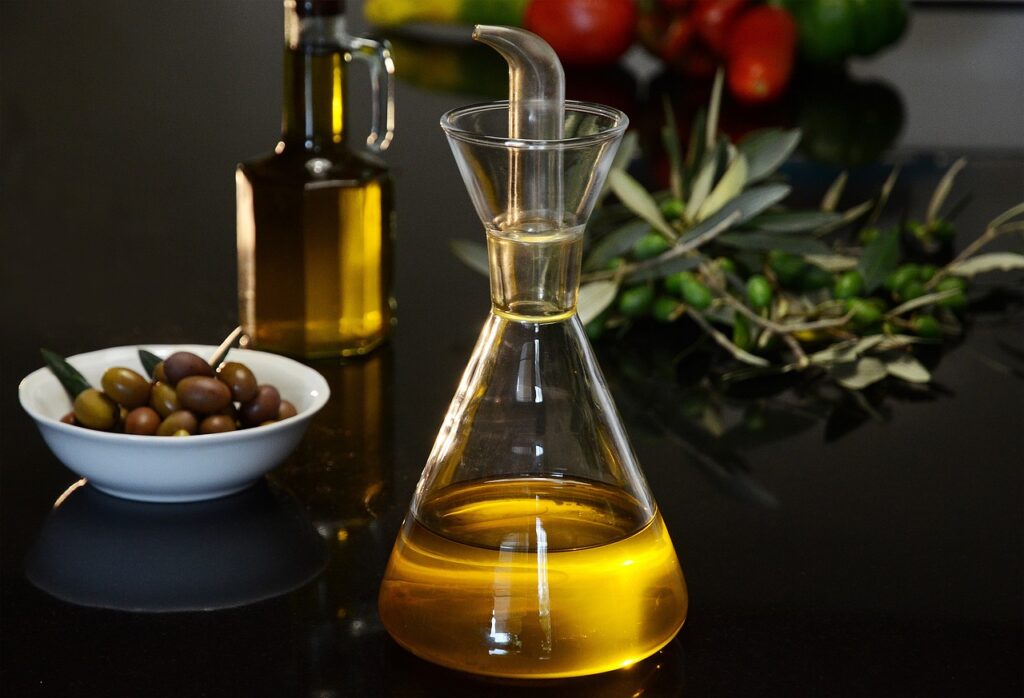
Extra virgin olive oil must meet strict limits for free acidity and pass sensory evaluation. However, testing practices and enforcement vary between regions, and not every bottle is independently verified before sale.
Some oils sit close to the maximum allowed acidity while still being labeled premium. In other cases, blending can soften minor sensory flaws that might otherwise lower the grade.
For consumers, this creates a gray area. Looking for reputable certifications, harvest details, or transparent producers reduces the risk of paying top prices for oil that only just meets baseline standards rather than exceeding them.
11. Artificial Flavor Enhancement and Deodorizing
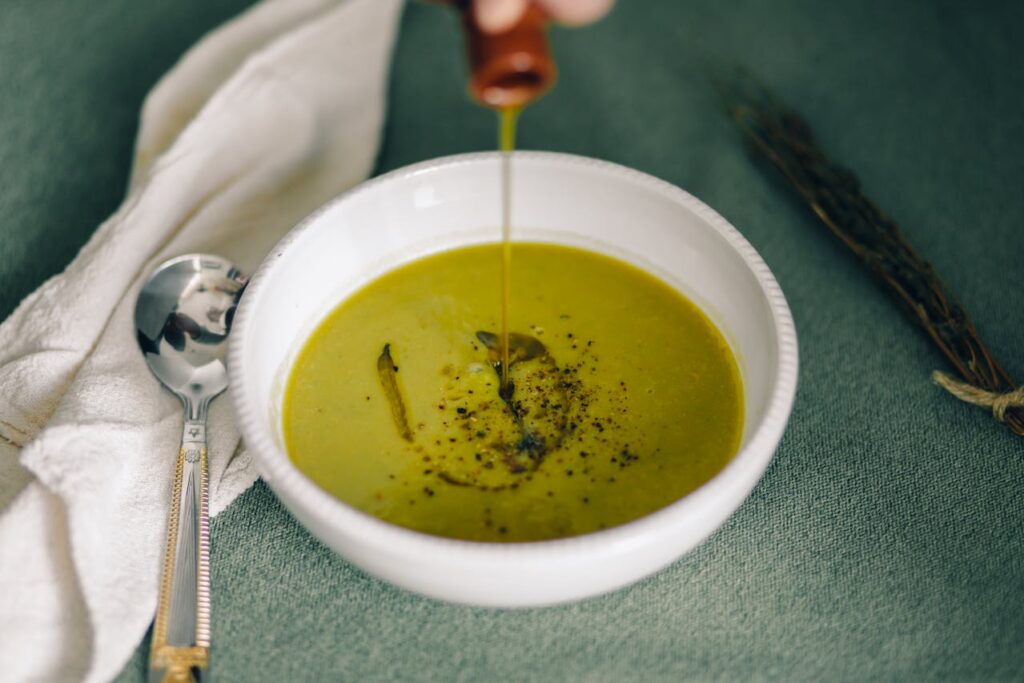
Lower grade oils sometimes undergo deodorizing to remove off odors caused by poor fruit quality or improper storage. Afterward, subtle flavor adjustments may be made to mimic the aroma of fresher oil.
While this process can mask defects, it also strips away natural complexity. Added aroma cannot replicate the layered fruitiness that develops from healthy olives processed quickly after harvest.
A true extra virgin oil should taste lively, with clear fruit notes and a gentle bitterness or peppery finish. If an oil seems unusually neutral or overly polished, heavy processing may have altered more than just unwanted smells.