
8 Old Restaurant Freebies Americans Rarely See Anymore

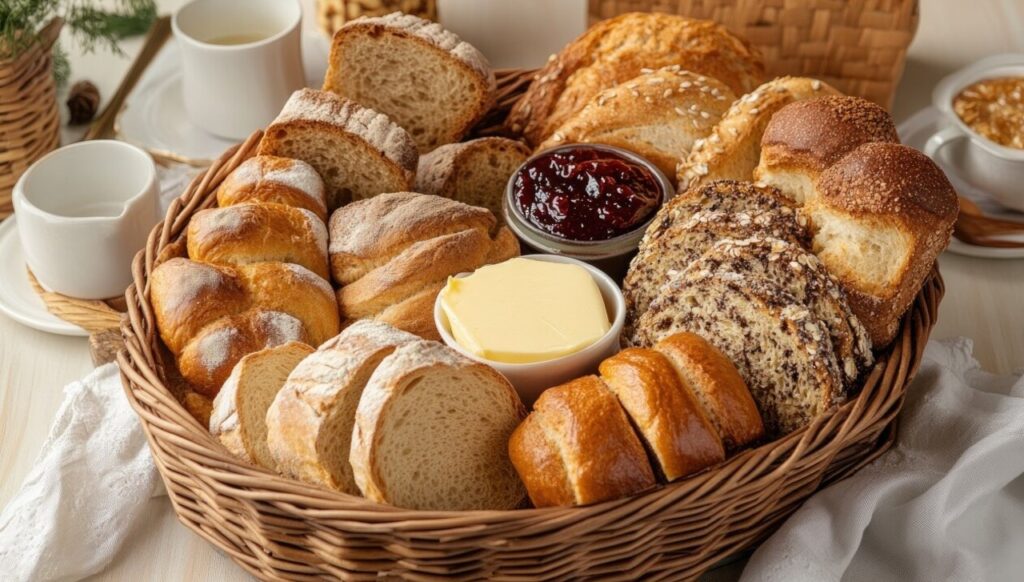
There was a time when eating out felt quietly generous. You sat down, unfolded a paper menu, and small comforts arrived without asking. A basket of bread. A bowl of chips. A mint on the way out. They were simply part of the experience, woven into how restaurants expressed care and hospitality. Over the years, rising costs, shifting habits, and tighter operations slowly erased many of these touches. What disappeared was not just free food or small items, but a style of dining that felt slower, warmer, and less transactional. This look back explores the restaurant freebies Americans once expected, how they shaped the dining experience, and why they quietly faded from the table.
1. Complimentary Bread Baskets
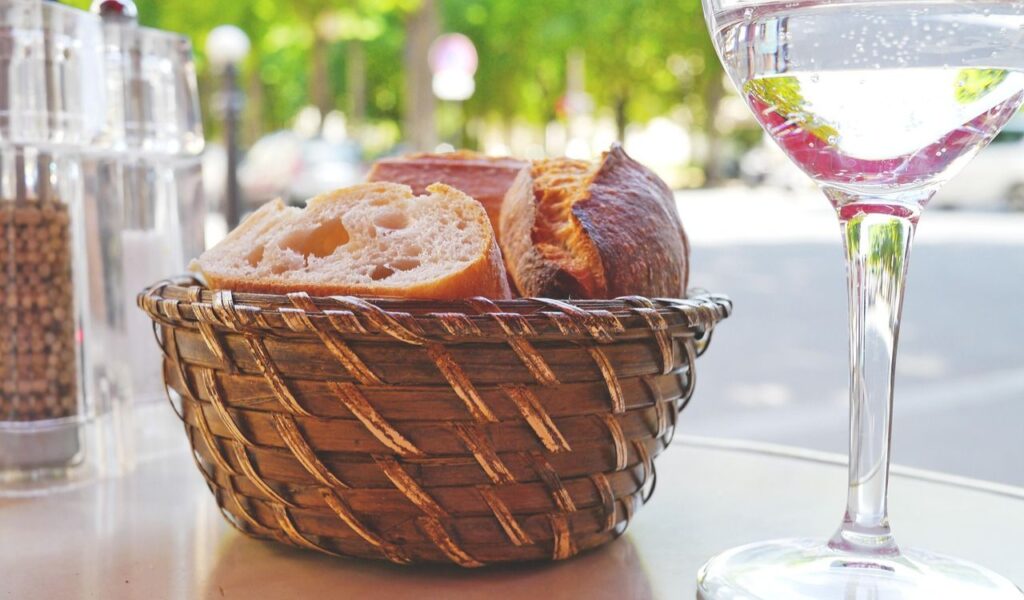
Bread used to be a quiet promise that a restaurant was happy you walked through the door. Before menus were fully read or drinks were ordered, a basket of warm rolls or sliced bread appeared as a sign of welcome. This practice grew from European dining traditions and carried over to American restaurants as a way to slow the meal and make guests comfortable. Over time, several forces worked against it. Ingredient prices rose, especially for wheat and dairy. Restaurants also noticed how much untouched bread was being thrown away each night. Labor mattered too, since baking, warming, and serving bread required extra hands.
2. Free Chips and Salsa
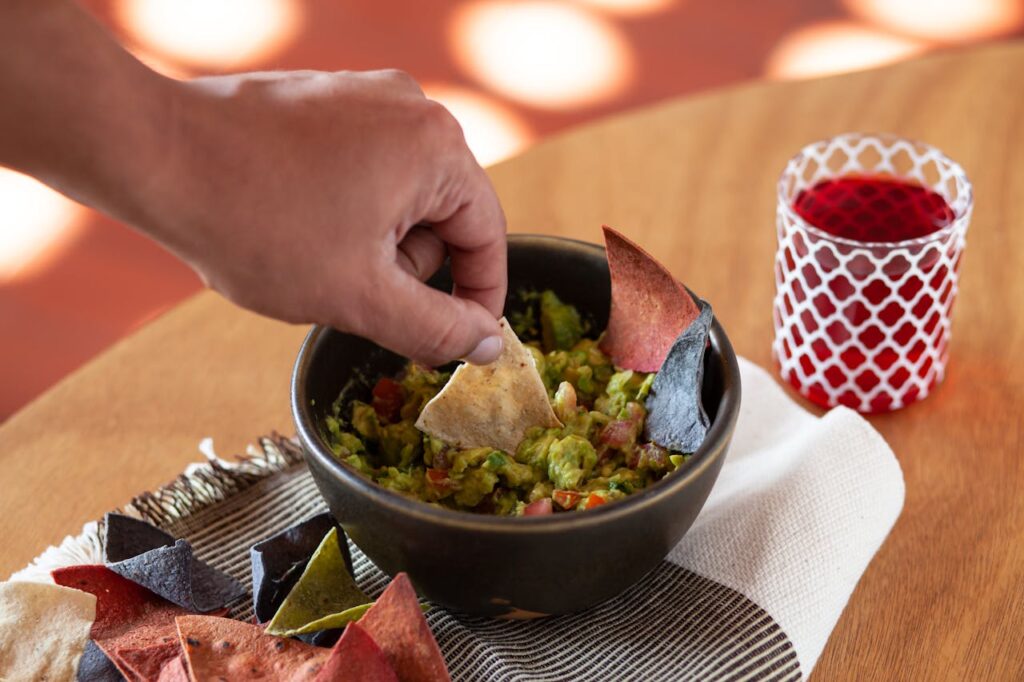
Chips and salsa once acted as an edible handshake, especially in casual Mexican restaurants. They filled the gap between sitting down and ordering, easing hunger and keeping diners patient. Corn tortillas were cheap, salsa was made in large batches, and refills felt harmless. Over time, costs added up. Corn prices fluctuate, cooking oil became more expensive, and salsa requires labor and fresh produce. Restaurants also tracked how often baskets were barely touched, then replaced anyway. Waste reduction became a serious concern. Some owners found that free chips reduced appetizer sales, which hurt profits.
3. Matchbooks with the Restaurant Logo
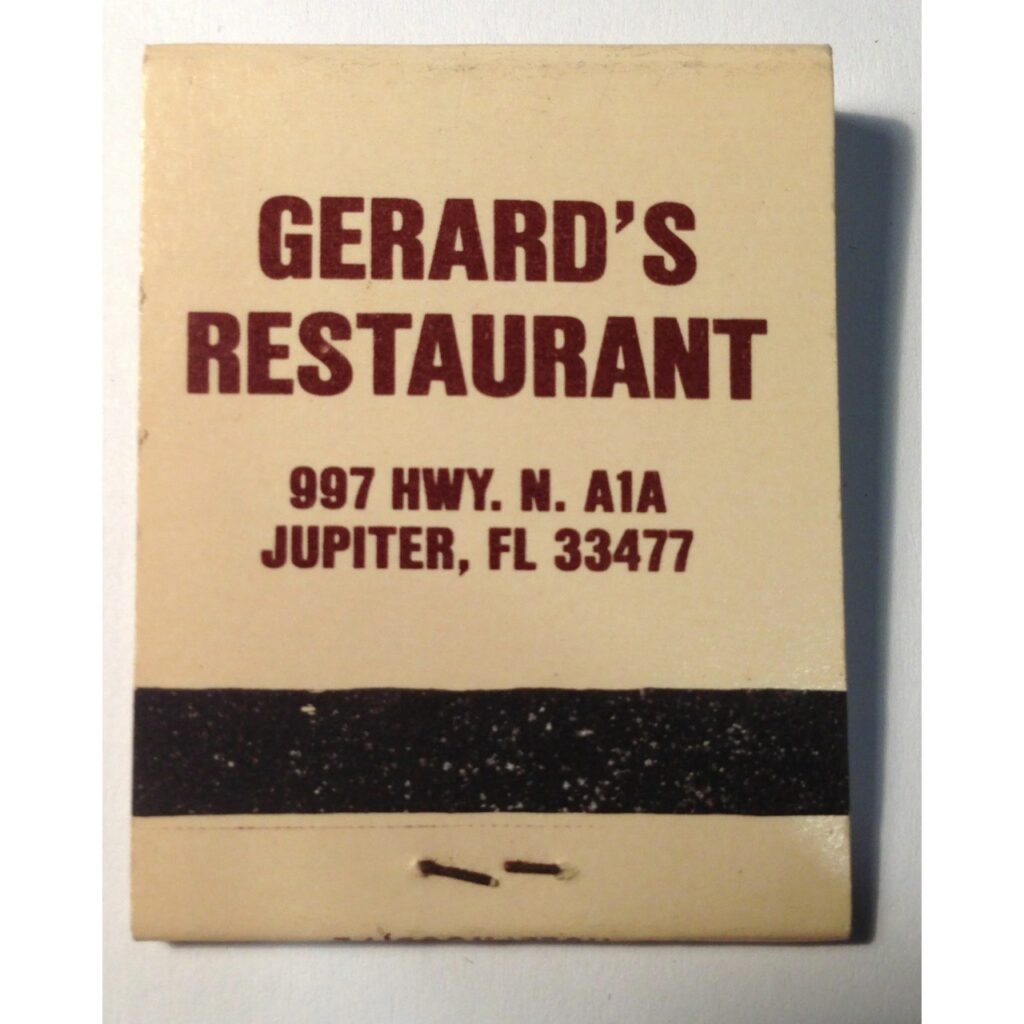
Restaurant matchbooks were small but powerful marketing tools. They fit in pockets, lived in purses, and carried a restaurant’s name into homes and cars. For decades, they were as common as napkins. Their decline followed broader cultural changes. Smoking indoors faded as health research became widely accepted and laws restricted where people could smoke. Fire safety regulations grew stricter, and insurance concerns made open flames less appealing. At the same time, digital advertising replaced physical reminders. Restaurants no longer needed matchbooks to stay memorable. While they cost little individually, they no longer served a practical purpose for most diners.
4. After-Dinner Mints
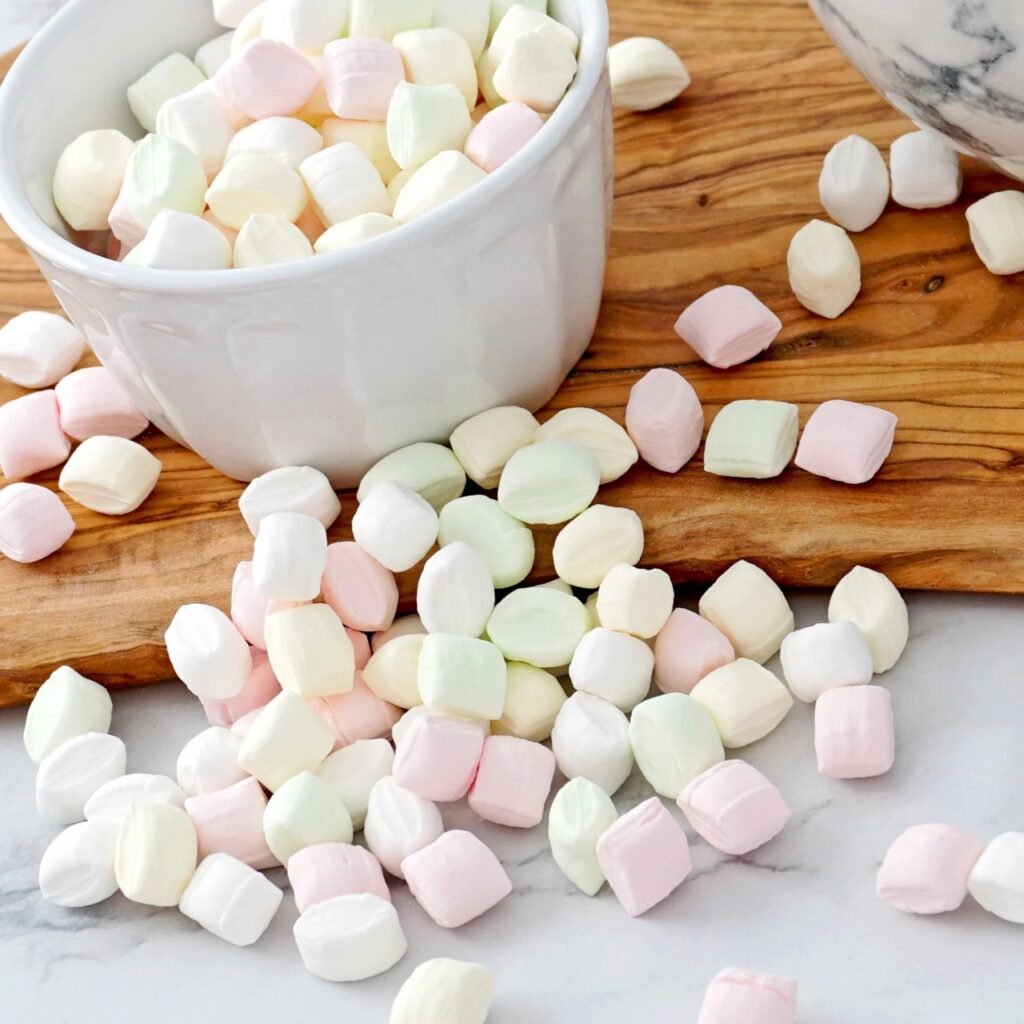
After-dinner mints were never expensive, but they carried meaning. They signaled closure and care, suggesting the restaurant thought about how guests felt after eating. Peppermint aids digestion slightly and freshens breath, which made it a logical choice. Over time, shared candy bowls became a hygiene concern. Guests reached in with bare hands, and mints sat exposed for hours. Health departments began paying closer attention to communal food items. Wrapped mints solved part of the problem but added packaging costs and waste. Many restaurants decided the gesture no longer justified the effort.
5. Complimentary Crackers or Breadsticks
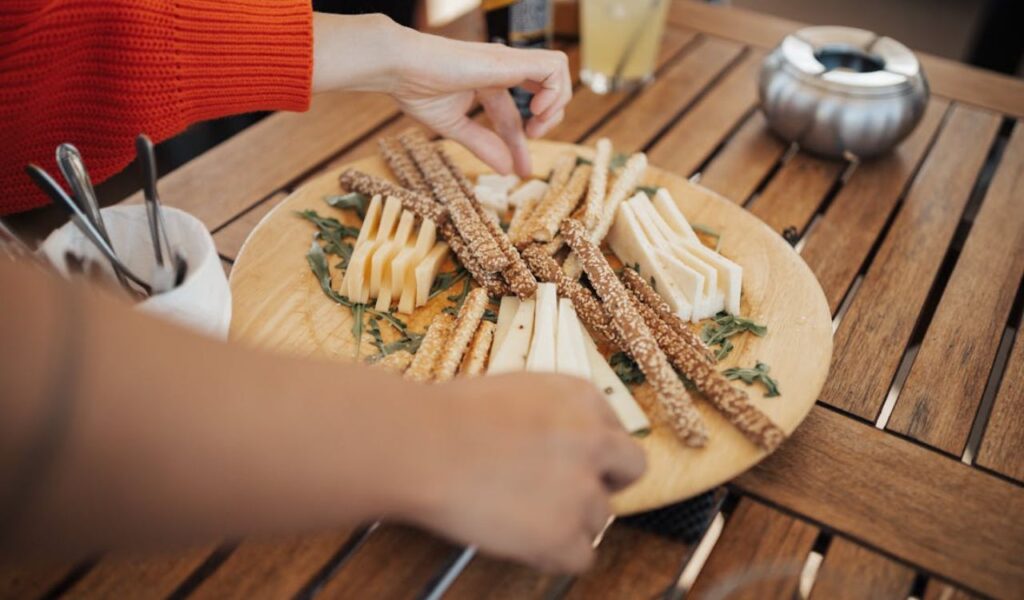
Free table snacks served a practical purpose. They kept diners calm during long waits and helped staff manage busy dining rooms. Crackers, pretzels, or breadsticks were cheap to produce and easy to portion. As dining habits changed, speed became more important than patience. Restaurants focused on faster service and shorter wait times rather than keeping guests occupied. Ingredient costs rose, and what seemed inexpensive at scale became significant across hundreds of tables per week. Some chains noticed guests filling up on free snacks and ordering less food. Gradually, these items moved onto the menu or disappeared altogether.
6. Free Refills Beyond Soft Drinks
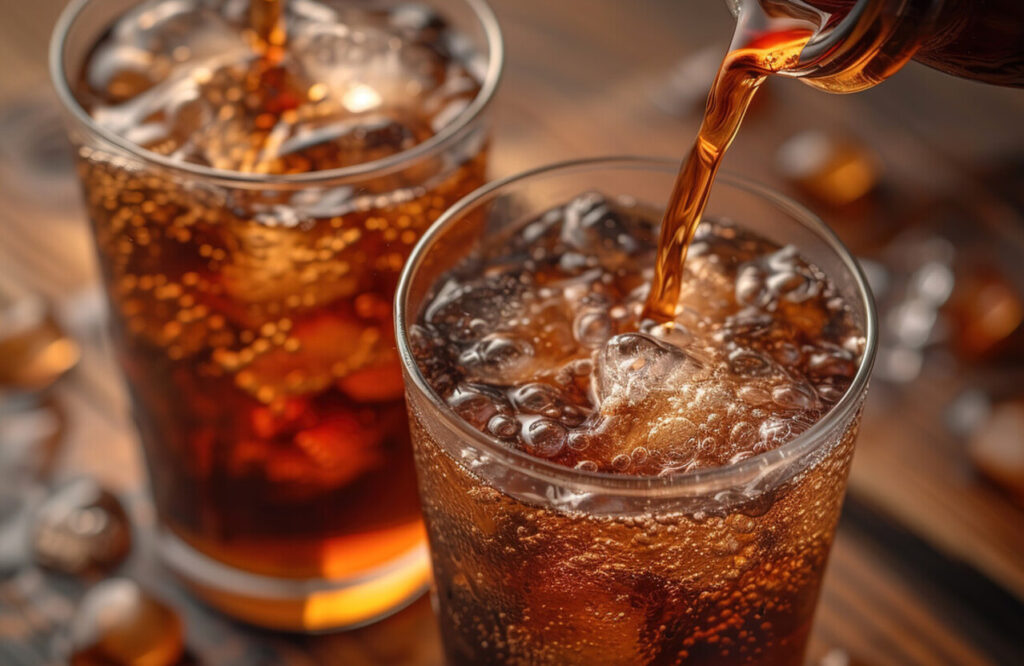
Unlimited refills are once applied broadly to coffee, tea, and flavored drinks. The idea was rooted in American abundance and customer satisfaction. Over time, drink programs became more complex. Specialty coffee, premium teas, and house-made lemonades cost more than basic soda syrup. Cups grew larger, increasing ingredient use per refill. Restaurants also began tracking how long guests stayed, realizing refills extended table time without increasing revenue. Limiting refills or charging per cup helped control both costs and turnover. While soda refills remain common due to low syrup costs, other beverages quietly lost their unlimited status. What changed was not generosity, but math.
7. Birthday Desserts Without Strings

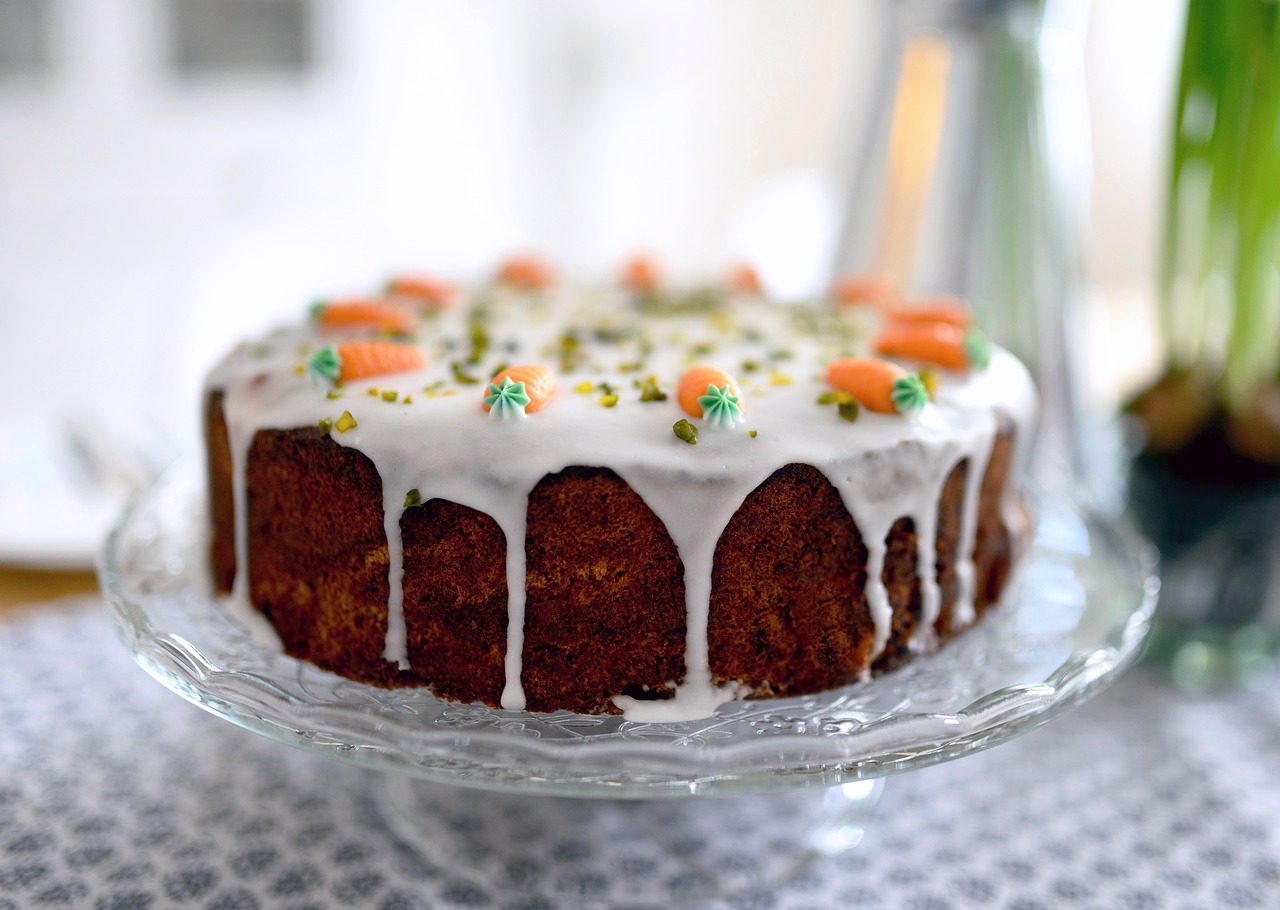
Free birthday desserts once relied on honesty and goodwill. A simple mention could bring out a candle and a slice of cake. As restaurants expanded, informal generosity became harder to manage. Chains wanted consistency across locations, and giveaways needed tracking. Marketing departments saw birthdays as data opportunities. Loyalty programs, apps, and email lists replaced spontaneous celebration. Free desserts still exist, but they are often conditional. This shift reduced abuse but also removed surprise. Celebrations became transactional, tied to sign-ups rather than moments. The dessert still tastes sweet, but the gesture feels more calculated than it once did.
8. Paper Menus You Could Take Home
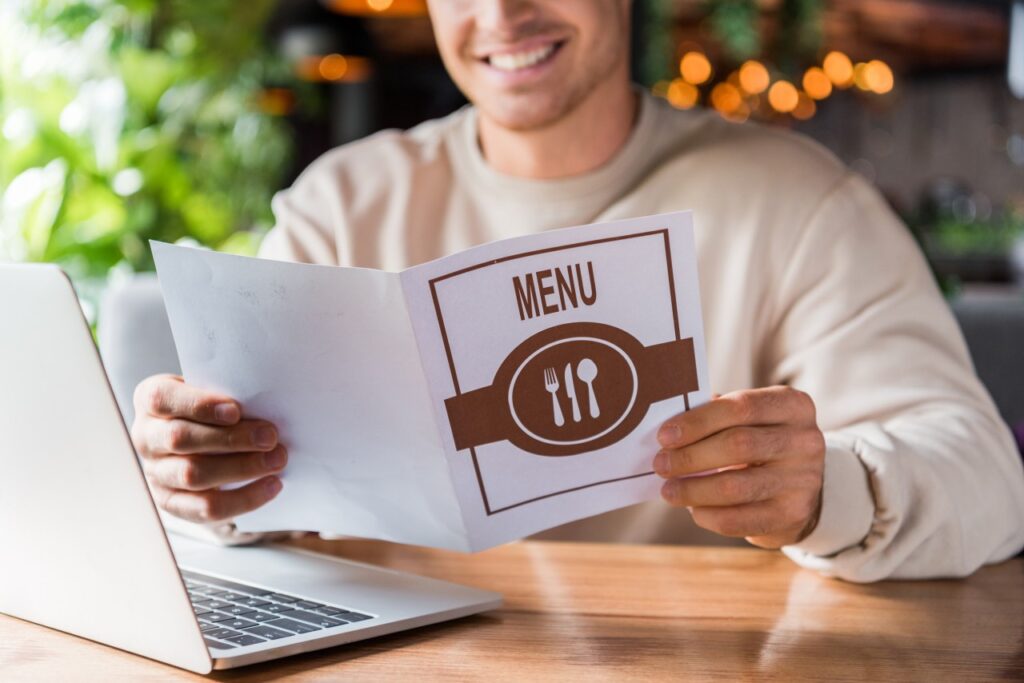
Paper menus were practical advertising tools. They lived on refrigerators and kitchen counters, reminding families where to order next. Printing was cheap, and menus rarely changed. Today, prices fluctuate often, ingredients change, and printing costs have risen. Digital menus allow instant updates without waste. QR codes also reduce contact and clutter. From a business standpoint, the shift makes sense. From a diner’s view, something was lost. Paper menus were tangible memories of meals enjoyed. Their disappearance reflects a larger move toward efficiency and flexibility, even when it means letting go of small comforts people once took for granted.