Sam’s Club Shopping Feels Different Lately and Here’s Why in 7 Ways


Something about shopping at Sam’s Club feels different lately, and regular members are starting to notice. What used to be a straightforward bulk-buying trip is evolving into something faster, more digital, and more streamlined. The changes are subtle, but they reshape how each visit unfolds.
As you move through the store, the experience feels more controlled and efficient. Technology plays a bigger role, from how items are scanned to how purchases are completed. Even the layout and flow are designed to help you shop with less friction and more speed.
These updates are not random. They reflect a larger shift in how warehouse clubs operate today. Understanding them reveals why the experience feels different and where it is heading next.
1. Shopping Starts on Your Phone Now

One of the biggest shifts inside Sam’s Club begins before you even reach the checkout. The company is steadily moving toward app-based shopping, where your phone becomes the main tool for navigating the store. From scanning items to tracking totals, much of the process now happens digitally.
This approach reduces reliance on traditional systems and speeds up the overall experience. Shoppers can check prices, manage lists, and complete purchases without waiting in long lines. It also allows the store to operate more efficiently with fewer bottlenecks.
For customers, this creates a faster and more controlled visit. The shift may take some adjustment, but it reflects a broader move toward convenience and self-directed shopping.
2. Scan and Go Is Replacing Checkout Lines
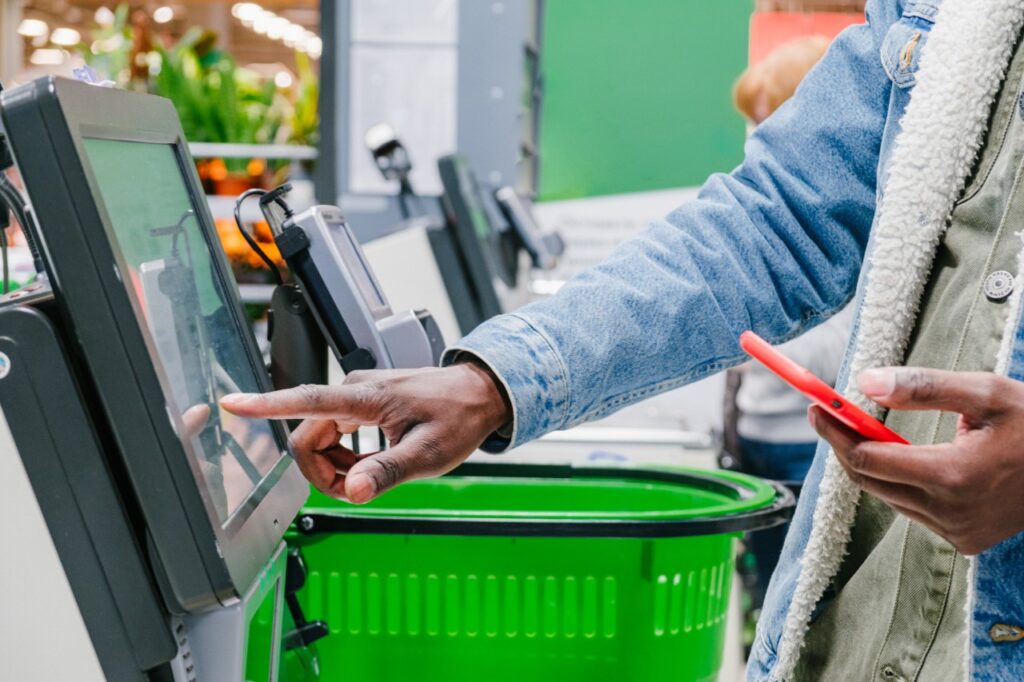
A clear sign of change is the growing use of Scan and Go. Instead of placing items on a conveyor belt, shoppers scan products as they shop using the app and pay instantly. This removes the need for traditional checkout lanes in many cases.
The benefit is simple. It saves time. There is no need to unload and reload carts or wait behind other customers. This is especially useful in a warehouse setting where purchases are often large and bulky.
For the store, it also reduces staffing pressure at registers. While exit checks still happen, the overall process feels quicker and more streamlined, changing what checkout means entirely.
3. Store Layouts Are Built for Speed
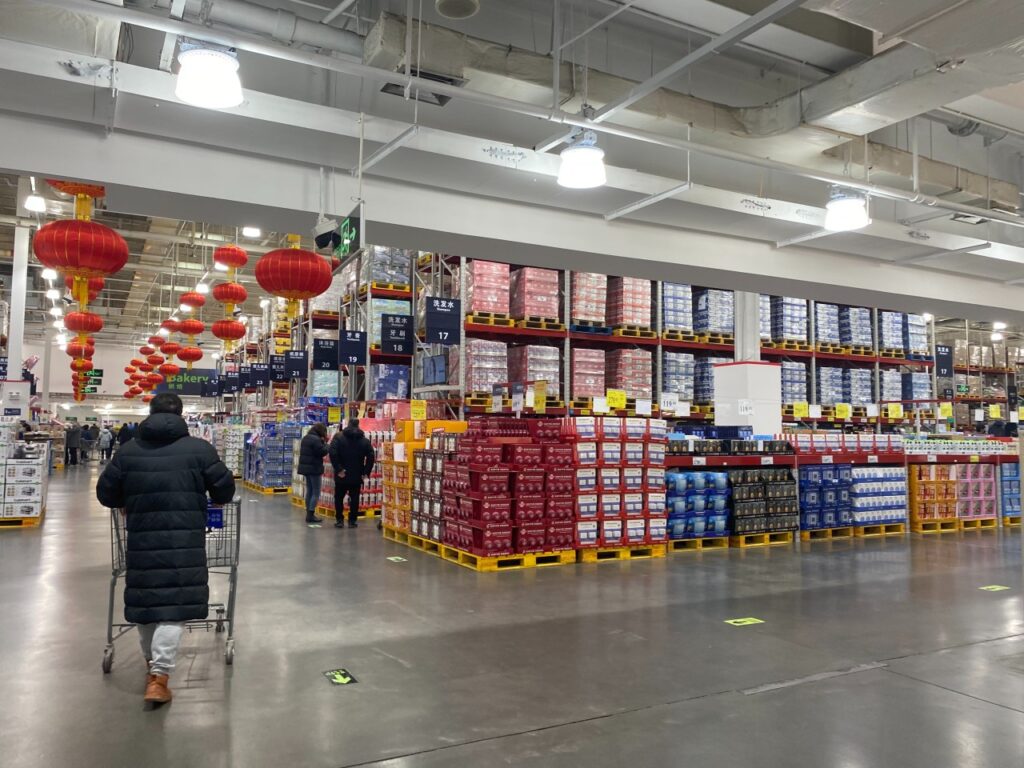
Walking through Sam’s Club today feels more structured than before. Layouts are being adjusted to support faster movement, clearer pathways, and easier access to high-demand items. The focus is less on browsing and more on efficient navigation.
Bulk shopping naturally requires space, but the newer layouts aim to reduce confusion and unnecessary backtracking. Key categories are positioned to help shoppers move through the store in a logical flow.
This design approach supports both in-store shoppers and employees fulfilling online orders. The result is an environment that prioritizes speed and function over a leisurely shopping experience.
4. Member’s Mark Is Becoming a Stronger Alternative

Private label products under the Member’s Mark brand are gaining more attention. Sam’s Club has expanded both the quality and variety of these items, positioning them as reliable alternatives to national brands.
These products are often developed with a focus on value and consistency. By controlling production and sourcing more directly, the company can offer competitive pricing while maintaining quality standards.
For shoppers, this creates more options within the store. Many customers now view Member’s Mark as a dependable choice rather than just a budget option, which strengthens the overall value of membership.
5. Automation Is Changing How Shelves Stay Stocked

Behind the scenes, automation is playing a larger role in how Sam’s Club operates. Technology monitors inventory, tracks stock levels, and helps guide restocking decisions in real time. This reduces manual work and improves accuracy across the store.
In some locations, systems quickly spot gaps on shelves and alert staff to refill items. This keeps popular products available, reduces delays, and helps shelves stay consistent throughout the day, even during busy hours.
For shoppers, the benefit is clear. A well-stocked store means fewer interruptions and a smoother trip. It creates a more reliable experience where customers can expect items to be available when needed.
6. Pickup and Delivery Are Now Central

Sam’s Club is placing stronger emphasis on curbside pickup and delivery as part of its core offering. These options let members shop without entering the store, which has become popular for both routine and bulk purchases.
Orders can be placed through the app and fulfilled quickly, often within the same day. Dedicated pickup zones, improved scheduling, and faster processing make the experience efficient for both staff and customers.
This shift changes how people interact with the store. Shopping is no longer limited to physical visits, giving members more flexibility. It supports convenience for busy schedules and makes routine shopping easier to manage.
7. Membership Benefits Are Becoming More Personalized
Membership at Sam’s Club is evolving beyond simple access to bulk pricing. The company is using purchasing data and shopping patterns to offer more targeted deals, promotions, and rewards tailored to individual members.
This means discounts and recommendations are becoming more relevant and timely. Instead of broad offers, members may see savings that align closely with their habits, preferred brands, and frequency of purchases. This improves the overall usefulness of promotions.
For customers, this adds real value to the membership. It creates a more tailored experience that feels practical rather than generic. Over time, this personalization strengthens loyalty, as members feel the benefits are designed specifically for their needs.