Prices at Whole Foods Market Feel Different for a Reason

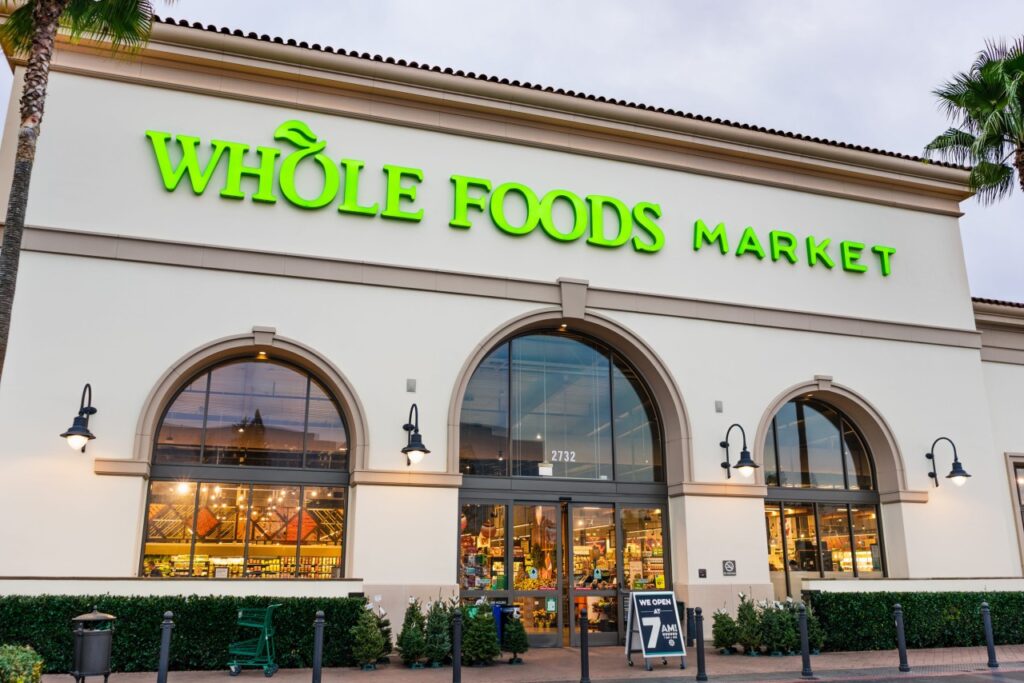
There is a reason prices at Whole Foods Market feel different the moment you walk in. It is not just about being expensive. It is about how products are chosen, sourced, and presented. Every detail, from ingredients to store design, plays a role in shaping what you pay.
As you move through the aisles, the difference becomes clearer. The focus is on quality, transparency, and carefully selected products rather than sheer volume or low pricing. This creates a shopping experience that feels more curated than conventional.
Understanding these choices helps explain the price tags. What may seem higher at first often reflects deeper standards and priorities. It is not just grocery shopping. It is a different way of defining value.
1. Quality Standards Shape What You Pay
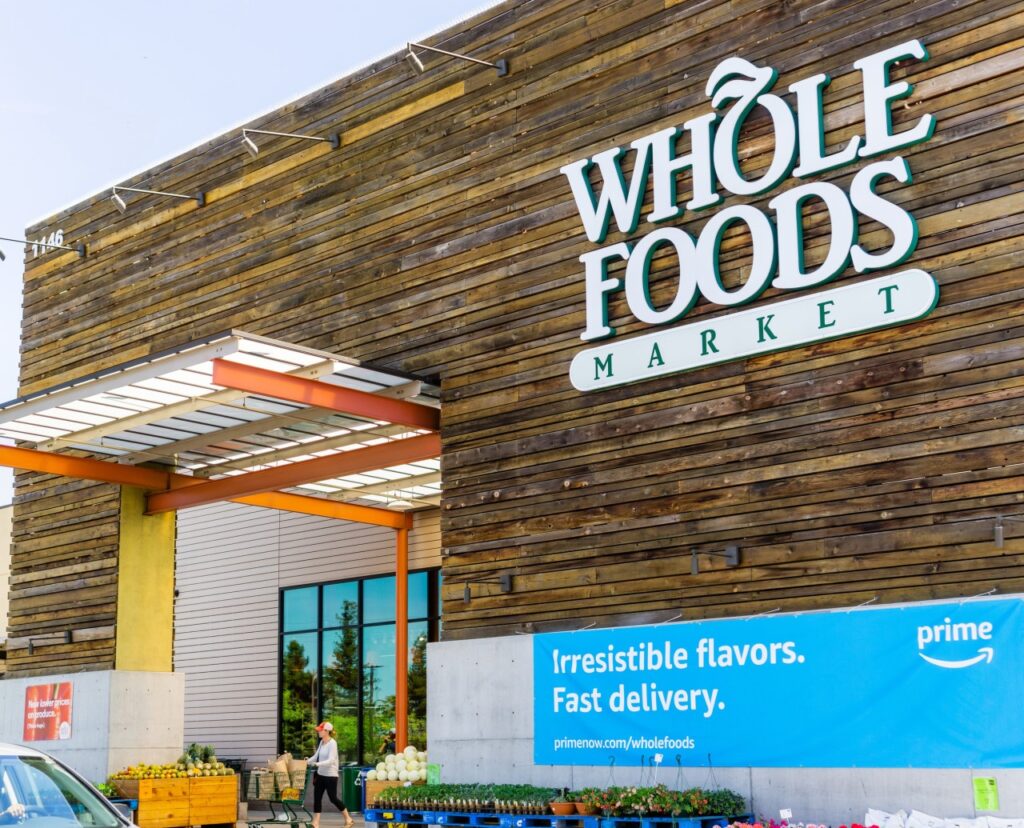
Walk into Whole Foods Market, and the pricing starts to make sense when you look at its sourcing rules. The company follows strict standards for what it allows on shelves, especially in categories like produce, meat, and packaged foods. Many items must meet organic or responsibly sourced criteria.
These standards limit what suppliers can offer. Farmers and producers often need certifications, better feed, or cleaner production methods, all of which raise costs before products even reach the store.
For shoppers, this means paying more up front. In return, they get products that meet clearly defined quality guidelines. The price reflects not just the item, but the process behind how it was made and sourced.
2. Supplier Requirements Add to Costs
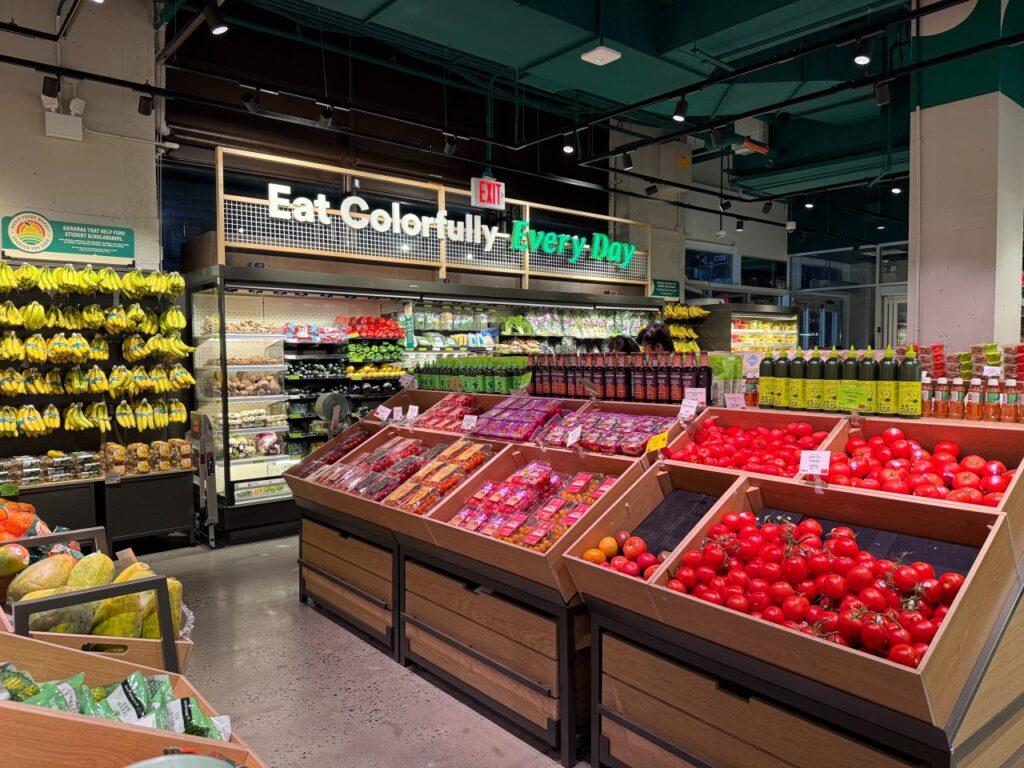
Behind every product at Whole Foods is a supplier that has met detailed requirements. These include ingredient transparency, ethical sourcing, and production practices that align with the company’s values. Meeting these expectations can be expensive for producers.
Smaller farms and specialty brands often make up a large portion of the supply chain. Unlike mass producers, they do not always benefit from large-scale efficiencies, which keeps their costs higher.
Those costs carry through to the shelf. While this supports higher-quality goods and ethical practices, it also explains why prices often feel elevated compared to conventional grocery stores.
3. Clean Labels Come at a Premium
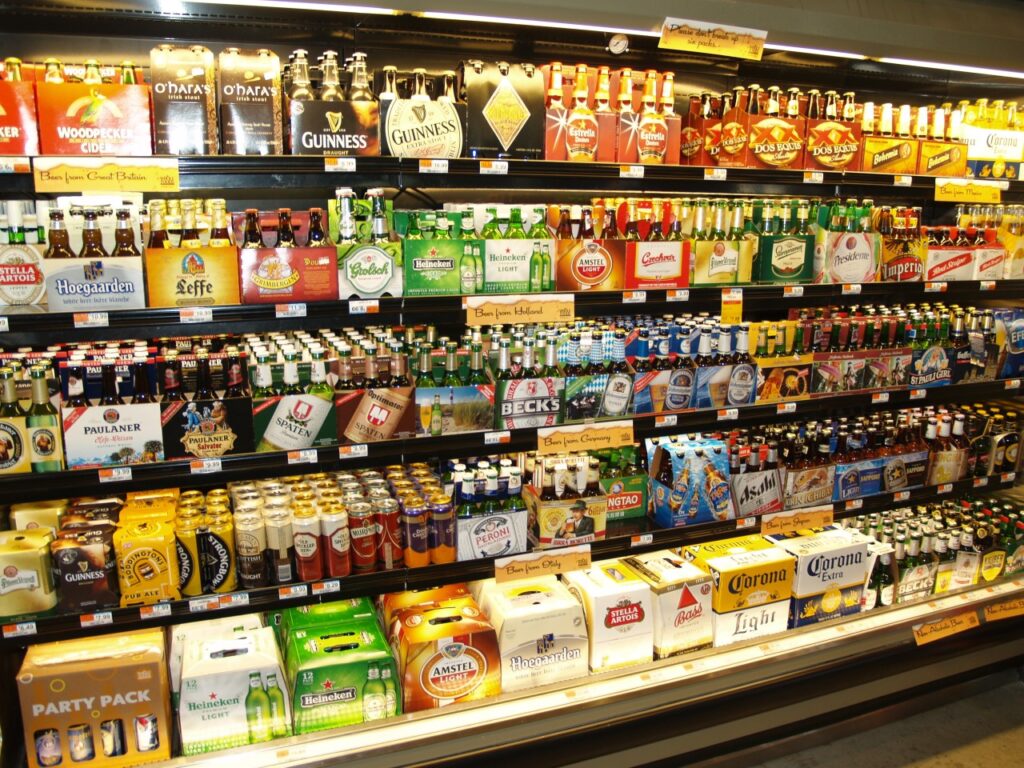
One of the defining features of Whole Foods is its focus on clean-label products. Many items avoid artificial preservatives, colors, and flavors. Ingredient lists are often shorter and easier to understand, which appeals to health-conscious shoppers.
Creating these products is not always simple. Removing additives can reduce shelf life and require more careful production and storage. This adds complexity and cost for manufacturers.
For customers, the benefit is clarity and confidence in what they are buying. The higher price reflects the effort to keep products simple and aligned with specific ingredient standards.
4. The Store Experience Is Built Into Pricing
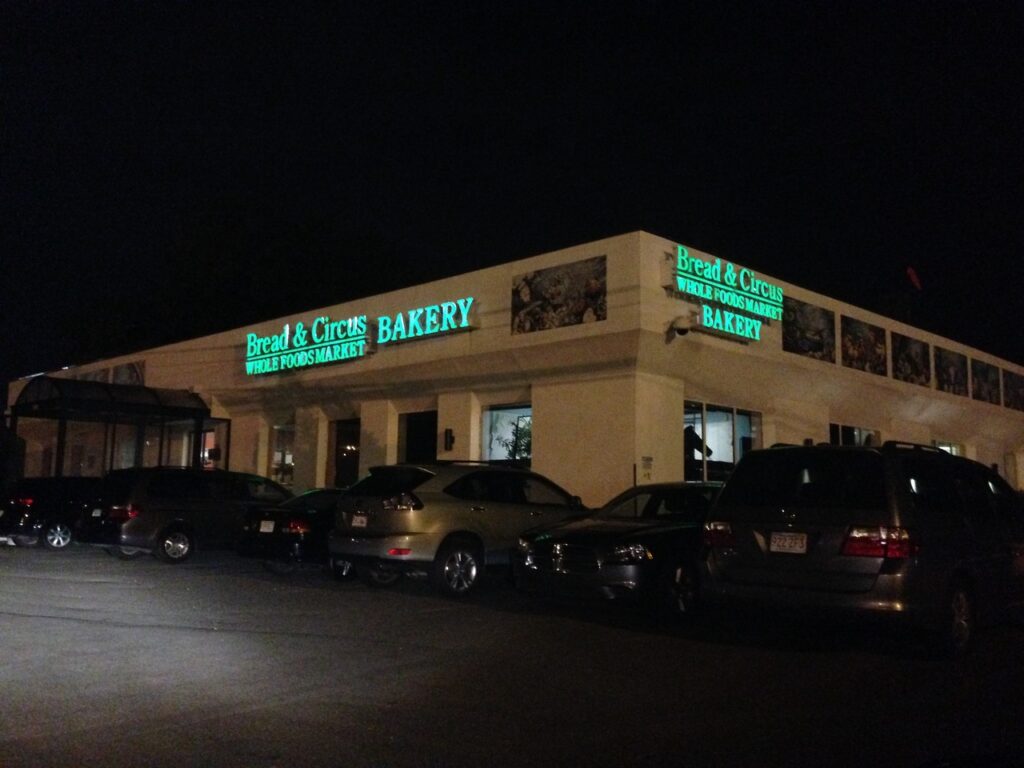
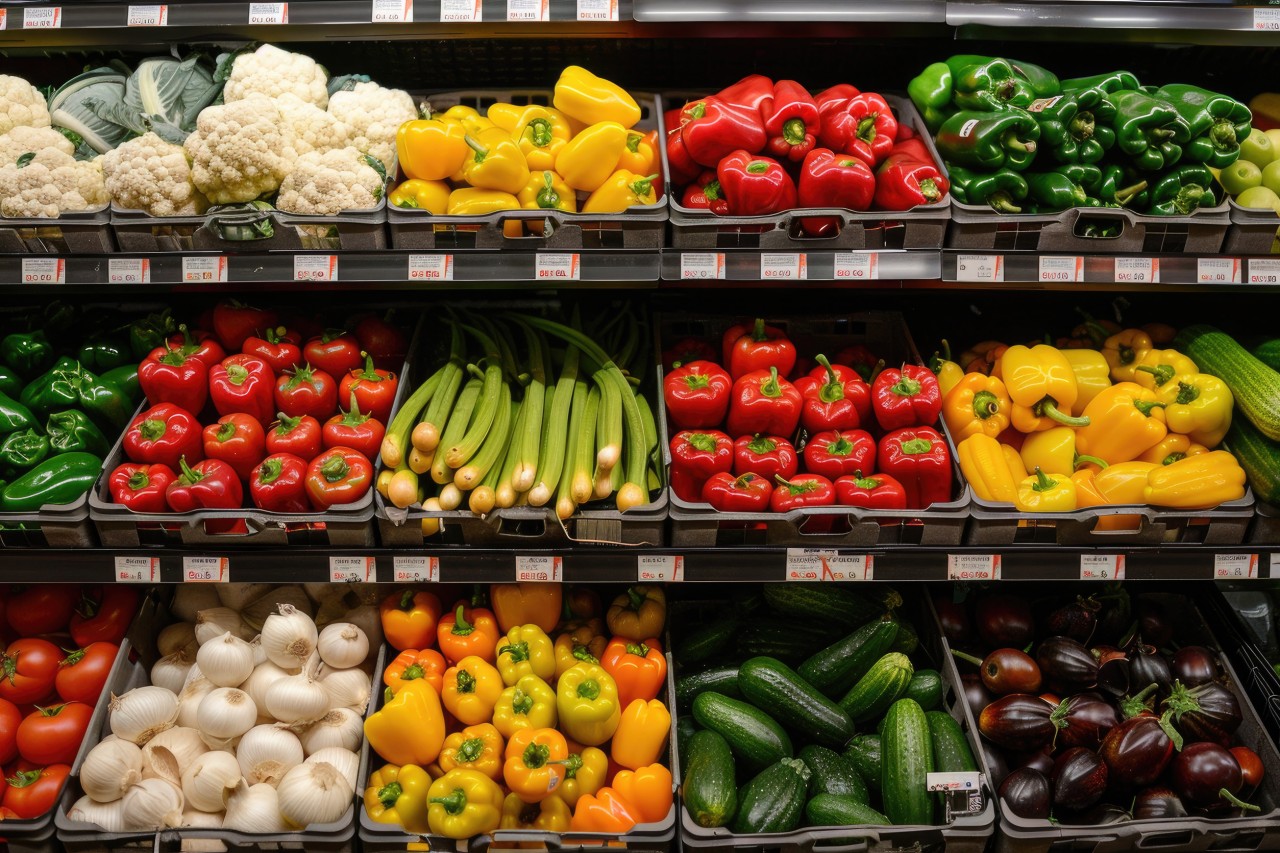
A visit to Whole Foods is designed to feel different from a typical grocery trip. Stores are often well-lit, neatly organized, and visually appealing, with sections like prepared foods, bakeries, and specialty counters receiving extra attention.
Maintaining this environment requires ongoing investment. Staff are needed to manage fresh displays, prepare food, and assist customers across departments. Store layouts are also designed to encourage exploration rather than just quick shopping.
These elements contribute to operating costs. While shoppers may not always notice each detail, the overall experience is part of what they are paying for when they shop there.
5. Smaller Sourcing Limits Bulk Savings
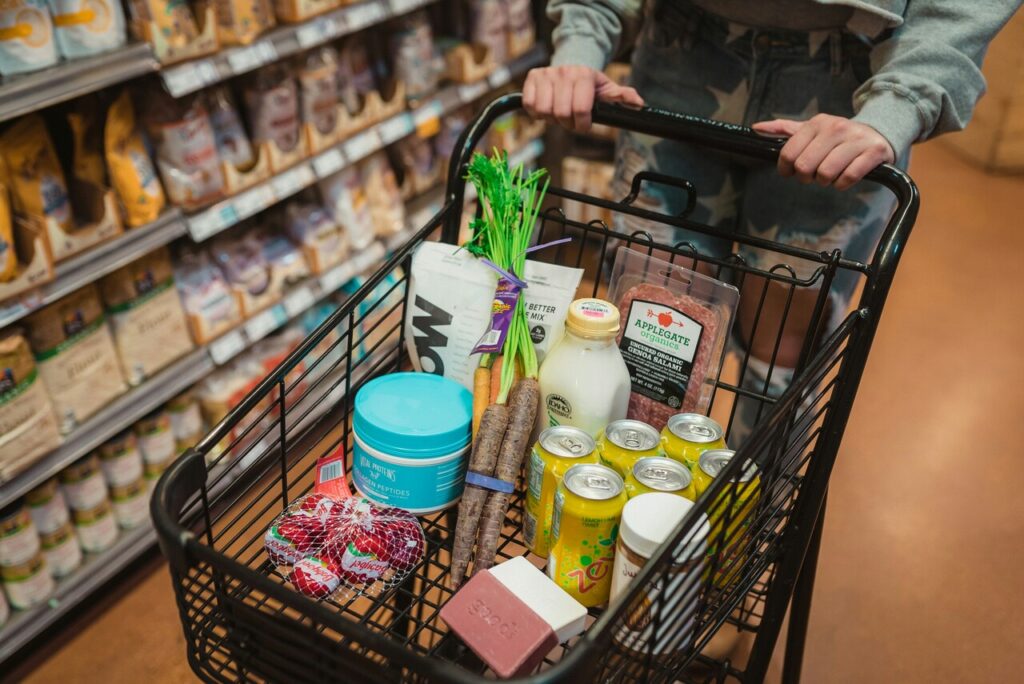
Whole Foods often works with smaller producers rather than relying entirely on large-scale suppliers. This supports product variety and allows unique items to reach shelves, but it also limits bulk purchasing advantages that larger chains depend on.
Large grocery chains can negotiate lower prices by buying in massive quantities. Smaller suppliers cannot always offer the same discounts, which keeps wholesale costs higher and reduces pricing flexibility at the store level.
As a result, prices remain elevated compared to stores that depend heavily on high-volume sourcing. The tradeoff is access to more diverse and specialized products that may not be widely available elsewhere, giving shoppers more meaningful choices.
6. Labor Investment Raises Operating Costs
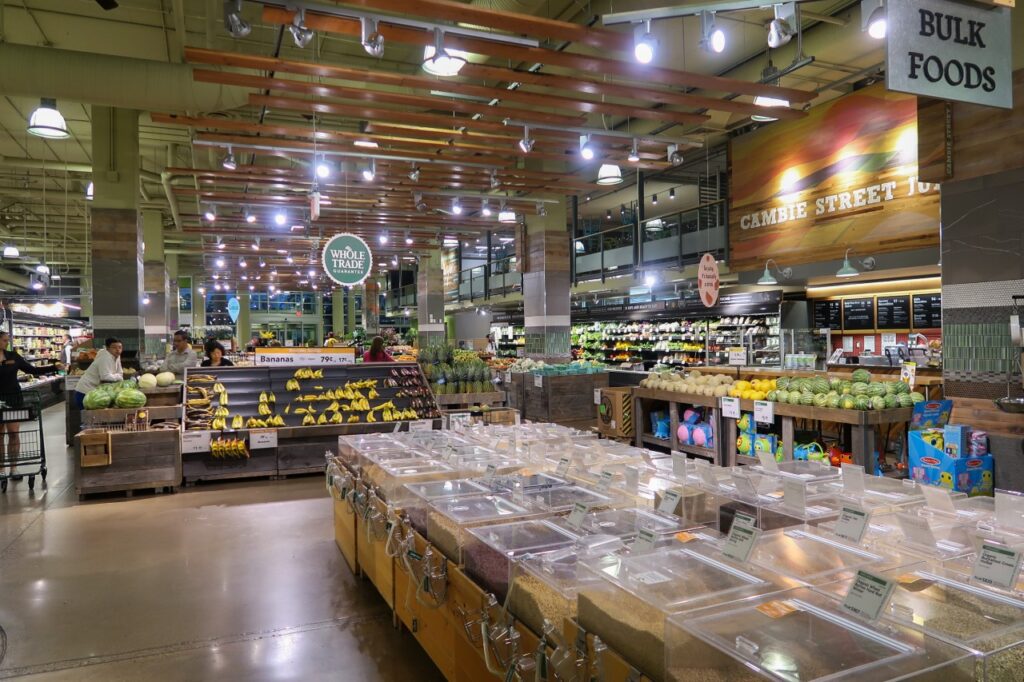
Another factor shaping prices is the company’s investment in its workforce. Whole Foods Market has historically emphasized employee training, benefits, and wages that are competitive within the retail sector. This creates a more skilled and stable workforce.
Well-trained staff is essential for managing departments like fresh foods, seafood, and prepared meals. These areas require more skill and attention than standard shelf stocking and involve direct customer interaction.
Higher labor costs contribute to overall pricing. However, they also support a smoother shopping experience, where customers can easily find assistance and expect consistent service across departments.
7. Specialty Products Drive Up the Basket

Whole Foods is known for carrying niche and specialty items that are not always found in conventional supermarkets. These include dietary-specific products, international ingredients, and unique packaged goods that cater to evolving consumer needs.
Specialty items often come from smaller brands or involve unique production methods. This naturally increases their cost compared to mass-market alternatives and limits the ability to reduce prices through scale.
For shoppers, this means a wider range of options, especially for specific diets or preferences. However, it also means the average shopping basket can be more expensive due to the nature and sourcing of the products available.
8. Premium Positioning Shapes Expectations
Whole Foods has built its identity as a premium grocery retailer, and that positioning influences how it prices products. The brand emphasizes quality, transparency, and a curated selection rather than competing primarily on price or heavy discounts.
Customers who shop there often expect a higher standard, which allows the company to maintain elevated pricing without losing its core audience. The focus is on perceived value rather than simply offering the lowest cost.
This positioning reinforces itself over time. As shoppers associate the brand with quality and trust, they become more willing to accept higher prices, understanding what they are paying for and what makes the experience different.