Why Apple Cider Vinegar Is Suddenly Showing Up in Drinks Everywhere


Apple cider vinegar used to be something you only found in salad dressings or pickling jars. Now it has expanded firmly into the world of beverages, from casual morning tonics to carefully crafted cocktail menus. Bartenders and wellness enthusiasts alike are experimenting with its bold, tangy flavor and layered acidity because it gives drinks a dimension that citrus alone cannot deliver. Drinking vinegars, shrubs, and switchels are just a few formats where apple cider vinegar brings brightness, complexity, and balance. What once felt old-fashioned or medicinal has now become modern and intentional in drinks across cafes, bars, and social feeds.
This trend has grown because people are moving away from overly sweet sodas and artificially flavored beverages. There is a growing demand for drinks that feel refreshing and purposeful without being heavy. Apple cider vinegar fits this space well because its acidity interacts naturally with fruit, herbs, and sweeteners. It adds structure to drinks instead of just sweetness. Its popularity in professional mixology mirrors its rise in home kitchens. Together, these spaces have helped normalize vinegar as a drink ingredient rather than an oddity. Consumers are increasingly open to tastes that challenge sweetness.
What Apple Cider Vinegar Is
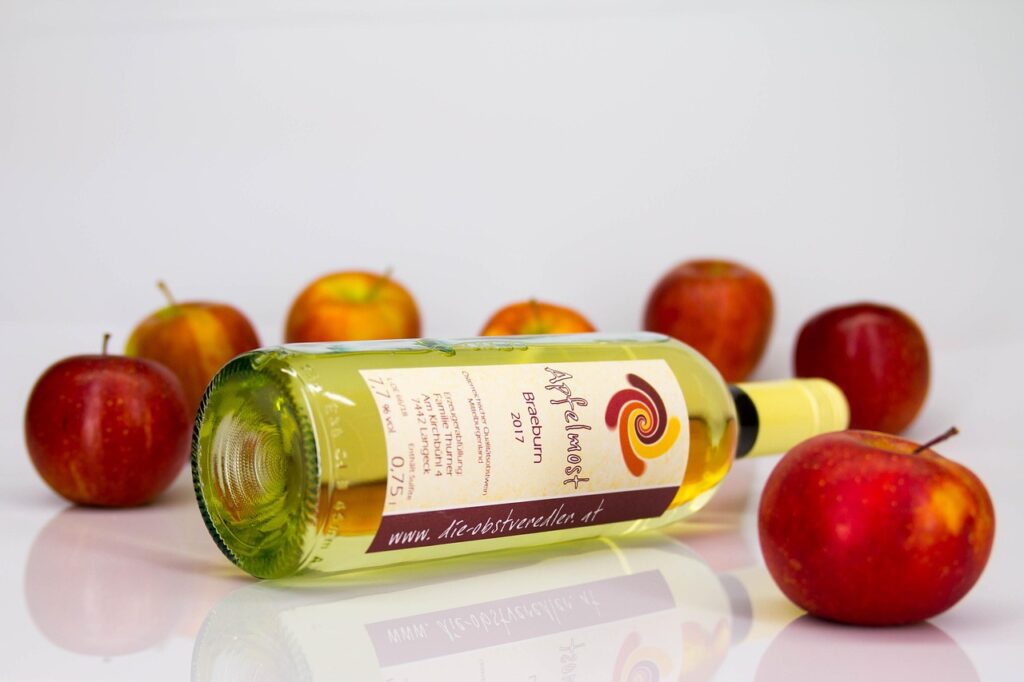
Apple cider vinegar stands apart from other vinegars due to its fermentation process and composition. It begins with crushed apples that ferment into alcohol and then further ferment into acetic acid, which creates its sharp, recognizable taste. Many traditional versions contain what is known as the “mother,” a cloudy substance made up of beneficial bacteria and enzymes. This unfiltered form is often preferred for drinking because it is perceived as more natural and less processed. The presence of the mother also signals fermentation rather than refinement. This appeals strongly to people interested in traditional food methods.
Along with acetic acid, apple cider vinegar contains trace amounts of vitamins, minerals, and plant compounds from apples. While these amounts are small, they contribute to its reputation as more than just a sour liquid. The fermentation process also creates subtle fruity notes that soften its sharpness. These characteristics make it suitable for beverages when properly diluted. Its complexity allows it to enhance flavors rather than simply add acidity. That balance is why it performs well in both wellness drinks and cocktails. When blended carefully, it can provide a structure similar to citrus without overwhelming other ingredients.
The Health Claims Behind the Trend

Apple cider vinegar’s rise in drinks is closely tied to its association with health benefits. Many people believe it supports digestion, helps regulate blood sugar, and promotes feelings of fullness. Some small studies suggest acetic acid may slow the digestion of carbohydrates and reduce post-meal blood sugar spikes. These findings have encouraged people to incorporate diluted ACV into daily routines. Online wellness communities frequently highlight these potential effects. As a result, the ingredient has gained a reputation for metabolic support. This visibility has pushed it from niche use into mainstream beverage culture.
However, experts caution that the benefits are modest and vary from person to person. Apple cider vinegar is not a cure or treatment for medical conditions. Its effects are best viewed as supportive rather than transformative. People who feel benefits often combine ACV with broader dietary and lifestyle changes. When consumed responsibly, it may complement healthy habits. Expectations remain important to keep the trend grounded in reality to avoid consequences. Excessive intake can cause irritation or enamel damage if not properly diluted. Moderation ensures the ingredient remains helpful rather than harmful.
How ACV Is Used in Drinks
Apple cider vinegar appears in drinks in many forms, ranging from simple to complex. The most common use is a diluted tonic mixed with water and a sweetener such as honey or maple syrup. These drinks are often consumed in the morning or before meals. ACV is also central to shrubs, which are fruit-based vinegar syrups combined with sugar and later mixed with water or alcohol. Shrubs offer a balanced mix of tartness and sweetness. They are popular in both home kitchens and professional bars. This format allows vinegar to act as both a preservative and a flavor-building agent. The technique also extends the shelf life of seasonal fruit flavors.
In cocktails, apple cider vinegar provides acidity without relying solely on citrus. It pairs well with spirits like whiskey, rum, and gin. The vinegar enhances herbal notes and deepens flavor without making drinks overly sour. In nonalcoholic beverages, ACV adds interest to sparkling water and fruit blends. Its versatility allows it to work across drink categories. This adaptability is a major reason for its widespread use. Bartenders value it for adding complexity while maintaining balance in layered recipes. The result is a more cohesive flavor profile that feels intentional rather than improvised.
Taste and Balancing Acidity
The sharp acidity of apple cider vinegar is both its strength and its challenge. Unlike lemon or lime juice, acetic acid offers a rounded tang with subtle apple undertones. This creates depth rather than brightness alone. However, because of its intensity, ACV must be diluted and balanced carefully. Sweeteners such as honey, fruit juice, or syrups soften the acidity and make drinks approachable. Herbs and spices also help mellow the bite. Gentle carbonation can further lift the flavor without increasing sharpness. Temperature also plays a role, with chilled drinks muting acidity more effectively.
Balance is essential for drinkability. Too much vinegar can overpower other ingredients and make drinks unpleasant. When used thoughtfully, ACV adds structure and contrast rather than harshness. This balance is what separates successful ACV drinks from ones that feel medicinal. Achieving that balance takes restraint and testing. When done correctly, the acidity feels refreshing rather than aggressive. Small adjustments in sweetness or dilution often make the difference between harmony and imbalance. Tasting incrementally helps prevent the vinegar from dominating the final drink.
Nutrition and Functional Benefits
Apple cider vinegar contains very few calories but is rich in acetic acid. Some research suggests this compound may contribute to modest improvements in blood sugar response after meals. There is also limited evidence suggesting potential support for cholesterol levels in certain populations. These effects are generally small and depend on consistent, moderate use. ACV also contains antioxidants derived from apples and fermentation. These compounds contribute to its functional appeal. The concentration of these elements varies by brand and processing method. Unfiltered versions often retain more of these naturally occurring compounds.
Despite these attributes, apple cider vinegar should not be viewed as a nutritional shortcut. It does not replace fiber, protein, or balanced meals. Its role is supplementary rather than central. When incorporated into drinks, it can add functional interest without adding sugar. This makes it appealing in wellness-focused beverages. Responsible use ensures benefits without unrealistic expectations. Excessive consumption can create digestive discomfort or enamel erosion. Moderation keeps its use practical and sustainable. Dilution and mindful timing reduce potential side effects. Long-term benefits depend on consistency within an overall balanced diet.
Potential Risks and Side Effects
Apple cider vinegar’s acidity can pose risks if consumed improperly. Undiluted vinegar can erode tooth enamel over time and irritate the throat. Some people experience digestive discomfort, nausea, or acid reflux when consuming ACV regularly. In rare cases, excessive intake has been linked to low potassium levels. Frequency and concentration both influence how the body reacts to vinegar. Paying attention to individual tolerance helps prevent unwanted side effects. Gradual introduction allows the body to adjust more comfortably. Spacing intake away from sensitive periods, such as late at night, may also reduce irritation.
People with certain health conditions should be cautious. Those taking diuretics, insulin, or medications affecting potassium levels should consult a healthcare provider. ACV should never replace prescribed treatments. Using a straw, rinsing the mouth after drinking, and limiting frequency can reduce risk. Awareness allows people to enjoy ACV safely. Reading labels and understanding serving sizes further supports responsible use. Thoughtful habits make long-term inclusion safer and more sustainable. Clear guidance helps prevent misuse driven by wellness trends rather than proper medical advice.
Expert Perspectives on the ACV Craze
Nutrition experts tend to view the apple cider vinegar trend with cautious optimism. They acknowledge its potential minor benefits but stress that scientific evidence remains limited. Dietitians often emphasize that overall diet quality matters far more than any single ingredient. ACV may support healthy habits, but cannot compensate for poor nutrition. This perspective helps temper exaggerated claims. Most professionals frame ACV as an optional addition rather than a necessity. They encourage focusing on consistent eating patterns instead of short-term fixes. This approach keeps expectations realistic and evidence-based.
Beverage professionals appreciate ACV for entirely different reasons. Mixologists value it for its ability to add depth, balance sweetness, and enhance aromatics. Its role in drinks is creative rather than medicinal. This dual interest from wellness and culinary spaces has fueled its popularity. The ingredient succeeds because it satisfies both camps. Vinegar provides a structure similar to citrus while offering a distinct profile. This allows bartenders to build complexity without relying on traditional acids. Creativity, not health claims, drives its use behind the bar. ACV also pairs well with herbs, spices, and bitters.
Cultural and Lifestyle Drivers

Apple cider vinegar’s popularity reflects broader cultural shifts toward functional foods and fermented flavors. Social media has played a major role in spreading recipes, routines, and testimonials. Influencers and wellness advocates have normalized vinegar-based drinks. This visibility encourages experimentation at home. ACV fits neatly into trends focused on gut health and mindful consumption. Visual platforms amplify before-and-after narratives and daily rituals. These stories often spread faster than scientific nuance. As a result, interest grows rapidly through exposure rather than evidence.
At the same time, interest in fermentation has grown globally. Foods like kombucha, kimchi, and kefir have paved the way for the acceptance of sour flavors. Apple cider vinegar benefits from this cultural openness. It represents both tradition and modern wellness. This combination has helped it move from niche to mainstream. Consumers have become more receptive to sharp and complex tastes. Familiarity reduces resistance to vinegar-forward drinks. This shift supports wider adoption across age groups. Younger consumers often encounter these flavors early through social media. That exposure normalizes acidity as desirable rather than challenging.
How to Incorporate ACV Drinks Safely

Safe consumption starts with proper dilution. Most recommendations suggest mixing one to two tablespoons of apple cider vinegar into a full glass of water or another beverage. Adding sweeteners or fruit further softens acidity. Drinking slowly reduces irritation. Many people prefer consuming ACV with meals rather than on an empty stomach. Food buffers acidity and improves tolerance. This approach lowers the risk of digestive discomfort. It also makes the drink feel more integrated into routine meals. Habitual pairing with food encourages consistency. It also reduces the temptation to overconsume.
Timing and frequency also matter. Daily use is not necessary to enjoy potential benefits. Listening to your body is essential. If discomfort occurs, reducing intake or stopping altogether is wise. Consulting a healthcare professional is recommended for those with medical conditions. Responsible use ensures enjoyment without harm. Personal tolerance varies significantly between individuals. Flexibility matters more than rigid schedules. Long-term use should feel supportive, not forced. Sustainability depends on comfort, not discipline. A relaxed approach helps prevent the habit from becoming stressful or counterproductive.
Common Misconceptions About ACV Drinks
One common misconception is that apple cider vinegar guarantees weight loss or cures metabolic issues. Scientific evidence does not support such dramatic claims. Any benefits are modest and vary widely. Another misunderstanding is that drinking vinegar straight is safe. In reality, undiluted vinegar increases the risk of damage to teeth and digestive tissues. Marketing language often exaggerates outcomes beyond evidence. These claims can overshadow practical guidance. Skepticism helps separate hype from utility. Education reduces reliance on anecdotal success stories. Context matters more than testimonials.
There is also confusion about product quality. Not all apple cider vinegars are the same. Raw, unfiltered varieties are often preferred for drinking, but evidence comparing their benefits remains limited. Understanding these distinctions helps people make informed choices. Clear expectations prevent misuse and disappointment. Label transparency plays a role in informed selection. Processing methods influence flavor more than function. Knowledge reduces reliance on assumptions and trends. Consumers benefit from reading beyond marketing claims. Informed choice leads to more consistent experiences.
References
- Apple Cider Vinegar- NutritionFacts.org
- How much apple cider vinegar is needed for weight loss?-NutritionFacts.org