How to Turn Broccoli into a Proper Cold Weather Soup

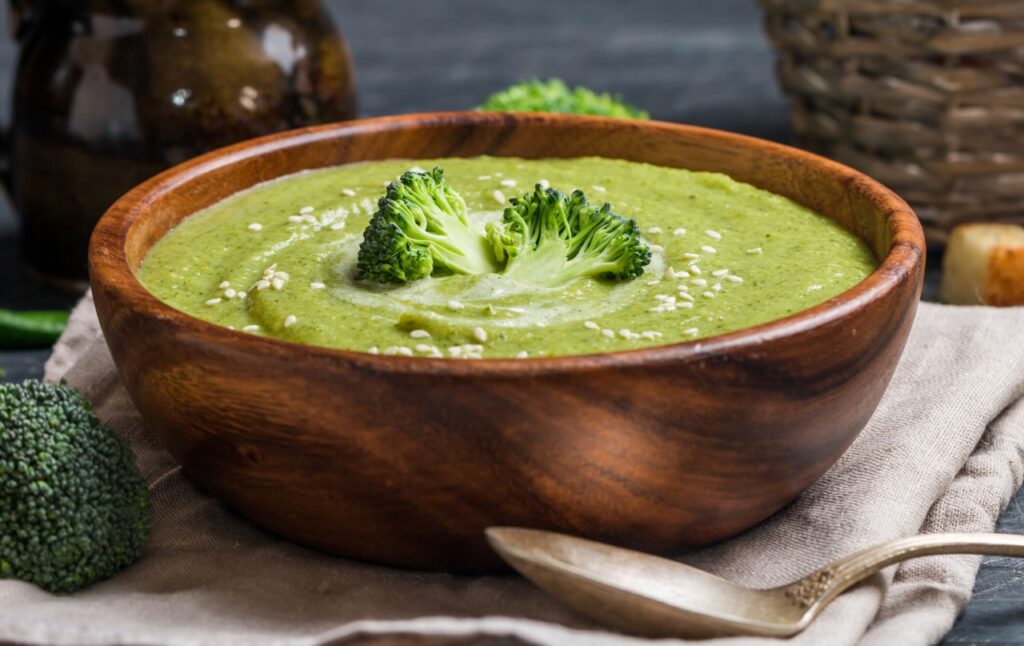
There is something deeply reassuring about a pot of soup quietly simmering as cold weather settles in. It signals warmth, patience, and the promise of comfort at the end of the day. Broccoli, often pushed to the side of the plate or quickly steamed, rarely gets credit for how well it suits this moment. When treated with care, it shifts from a supporting vegetable into the heart of the meal. Gentle heat softens its sharp edges, drawing out a subtle sweetness and a mellow depth that feels grounding. In soup form, broccoli delivers nourishment without heaviness, offering fiber, vitamins, and a satisfying body that makes it ideal for winter cooking.
What makes broccoli soup truly work is intention rather than complexity. This is not about burying the vegetable under cream or overpowering flavors, but about letting its natural character shine. Slow cooking allows broccoli to relax into the broth, while thoughtful seasoning brings balance instead of distraction. With the right texture and a patient approach, broccoli soup becomes more than practical fuel. It turns into a reliable cold-weather staple that feels both wholesome and indulgent, warming you from the inside while staying light enough to enjoy again and again. Each bowl feels familiar yet comforting, making it easy to return to on even the coldest days.
Why Broccoli Belongs in Winter Soup
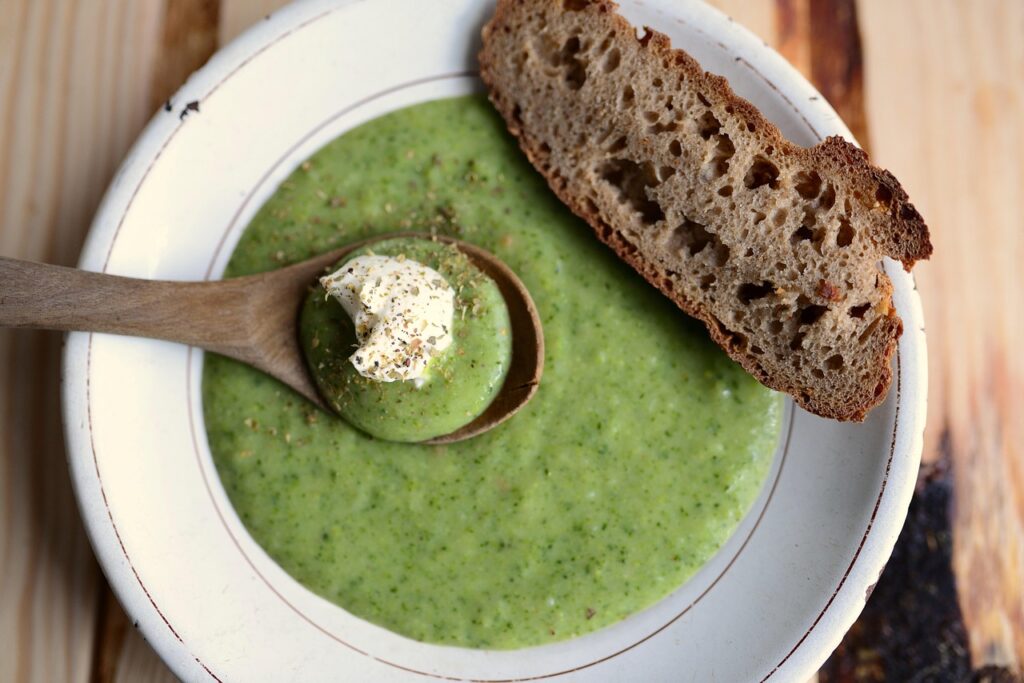
Broccoli earns its place in winter soup because it delivers comfort without heaviness, something many cold-weather meals struggle to achieve. As temperatures drop, food often becomes richer and more filling, yet broccoli offers substance while keeping the bowl balanced. When cooked slowly, its natural sweetness emerges, softened by gentle heat and rounded by savory notes. A faint bitterness remains, which actually helps prevent the soup from tasting dull or overly rich. This balance allows broccoli to anchor a soup that feels warming and complete rather than dense or tiring, making it well-suited for regular winter meals that still feel nourishing and satisfying.
Nutritionally, broccoli becomes even more valuable during colder months when the body craves support and steady energy. It contains vitamin C, vitamin K, and fiber that remain intact with careful simmering. Unlike tender greens that break down and lose character, broccoli holds its shape while becoming tender, adding body and texture to the soup. Fiber slows digestion, helping warmth linger after eating. Cooking also transforms broccoli’s sharper raw flavor into something softer and deeper. Paired with aromatics and broth, it becomes comforting and familiar, turning a simple vegetable into a winter staple rather than a seasonal afterthought.
Ingredients That Make It Comforting
A comforting winter broccoli soup begins with smart ingredient choices rather than a crowded shopping list. Broccoli itself does most of the work, provided it is handled well. Fresh broccoli with compact florets and sturdy stems delivers clean flavor and a vibrant green color, but frozen broccoli is a dependable option when fresh is limited. Frozen florets are typically harvested at peak ripeness, which helps preserve nutrients and taste. The key factor is timing. Broccoli added too early can lose its brightness and become dull, while properly timed cooking allows it to soften without turning muddy, creating a soup that feels fresh yet deeply comforting.
Aromatics and liquid form the quiet backbone of the soup, shaping how warming it feels. Onions, leeks, or shallots bring natural sweetness when cooked gently, while garlic adds depth without taking over. These ingredients should soften slowly, releasing flavor without browning too quickly. The liquid base then defines the soup’s character. Vegetable stock keeps the focus light and clean, while chicken stock adds subtle richness. Even water can work when aromatics are strong. Ingredients like potatoes, white beans, or cauliflower add body, thickening the soup naturally and making it feel hearty without relying on heavy cream.
Building Flavor the Right Way

Flavor in broccoli soup develops through patience and restraint rather than force. The foundation begins with aromatics cooked slowly over gentle heat, allowing onions, leeks, or shallots to soften and release their natural sweetness without browning. This step creates a savory base that feels rounded instead of sharp. When rushed, aromatics can turn harsh, leaving bitterness that lingers no matter how long the soup simmers. Gentle cooking gives flavors time to unfold, forming a quiet depth that supports broccoli instead of competing with it. This early attention to detail sets the tone for a soup that feels balanced, warming, and thoughtfully made rather than hurried.
Broccoli should enter the pot only after the base has fully developed. Adding it too soon dulls its color and flattens its flavor, while careful timing allows it to soften without losing freshness. Both florets and stems deserve attention, as peeled and chopped stems add body and prevent waste. Seasoning works best in layers, starting with light salting to draw out moisture, then adjusting near the end. This approach avoids over-salting as liquid reduces. A small touch of acidity just before serving brightens the soup, lifting flavors and keeping the final bowl comforting yet lively. This final adjustment helps the soup taste complete rather than heavy, especially on colder days.
Achieving the Ideal Texture
Texture is what separates an average broccoli soup from one that feels truly comforting in cold weather. A good winter soup should feel smooth and warming without tipping into heaviness or stiffness. Broccoli alone can be watery when blended, which is why supportive ingredients matter. Potatoes, white beans, or even cauliflower add natural thickness once cooked and blended, creating a creamy feel without relying on flour or large amounts of dairy. This approach keeps the soup filling but not cloying. The goal is a texture that feels rich on the spoon yet light in the stomach, allowing the soup to comfort without overwhelming the palate.
How the soup is blended plays a major role in achieving that balance. An immersion blender offers control and helps preserve the soup’s color by limiting air exposure, making it easier to stop before the texture turns pasty. Countertop blenders create a finer finish but must be used carefully, as over-blending can release too much starch and make the soup gluey. Blending in short bursts often works best. If the soup feels thin, simmering uncovered helps reduce liquid. If it thickens too much, warm stock restores balance. Gentle reheating prevents graininess and keeps the soup smooth. Handled this way, the texture stays consistent from the first bowl to the last.
Serving, Storing, and Reheating
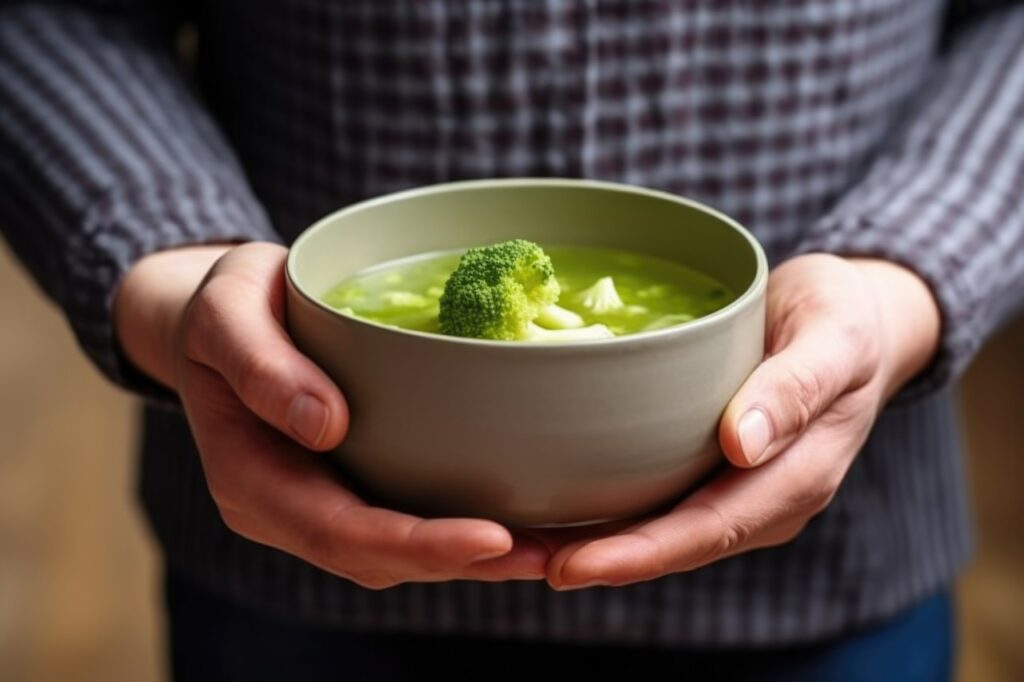
Serving broccoli soup is less about decoration and more about balance. Simple finishing touches can quietly elevate the bowl without masking the vegetable’s natural flavor. A drizzle of olive oil adds richness and aroma, while yogurt or cream brings a gentle contrast. Fresh herbs sharpen the overall taste and keep the soup from feeling flat. Texture also matters. Toasted seeds, nuts, or croutons introduce a soft crunch that breaks up the smoothness, making each spoonful more engaging. These additions are restrained but purposeful, helping the soup feel complete and thoughtfully prepared rather than unfinished or overly plain.
Broccoli soup fits easily into a make-ahead routine, which makes it especially useful during colder months. It keeps well in the refrigerator for several days and often improves with time as flavors settle and deepen. For longer storage, freezing works best before any dairy is added, which prevents separation later. Reheating should always be gentle, using low heat and frequent stirring to protect both texture and flavor. A small splash of stock or water restores consistency if needed. Handled with care, the soup stays smooth, comforting, and reliable whenever warmth is needed most. This makes it a practical choice for busy days when a nourishing meal needs to be ready with minimal effort.
Reference
- Amazing Immune Boosting Creamy Broccoli Soup – italianfoodforever.com
- 81 warming soup recipes for cosy winter lunches – olivemagazine.com