
9 Popular Street Foods That Raise Hygiene

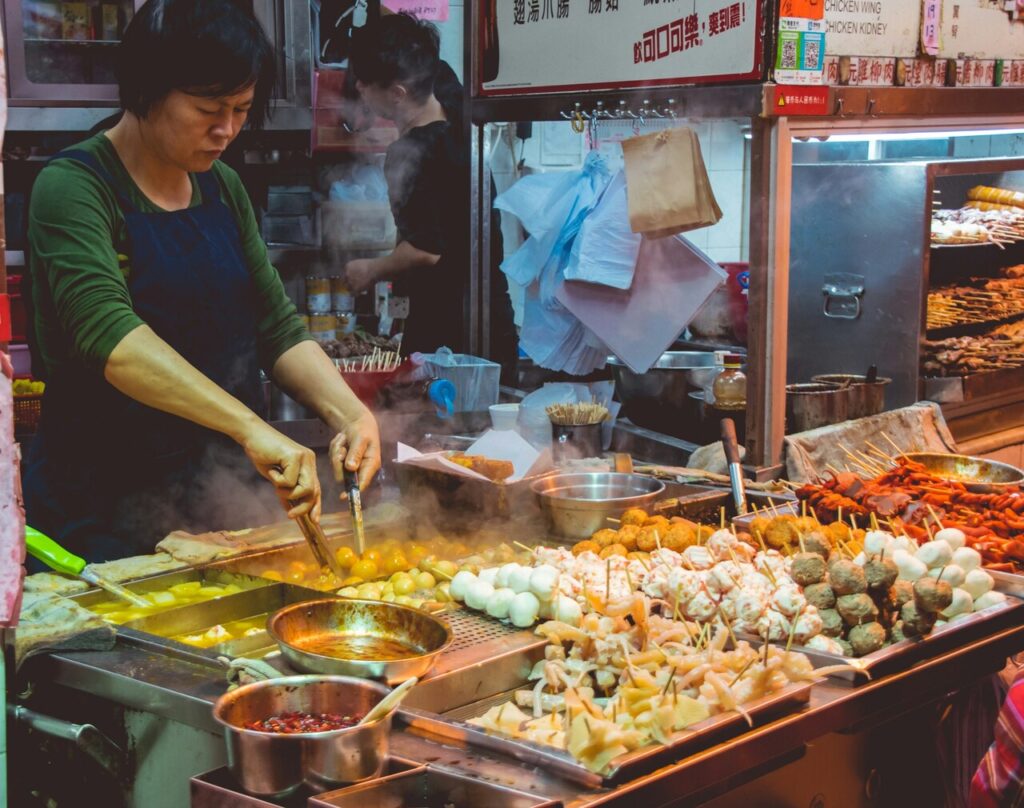
Street food reflects culture, convenience, and flavor, but it also exposes how easily hygiene can slip outside controlled kitchens. Many popular snacks are prepared in open environments where water quality, temperature control, and hand hygiene vary widely. Repeated handling, long holding times, and exposure to dust and insects can turn everyday favorites into potential health risks. Understanding how these foods are made and served helps explain why certain street staples are more frequently linked to hygiene concerns than others, even when they appear freshly prepared and widely loved.
1. Pani Puri / Golgappa / Puchka
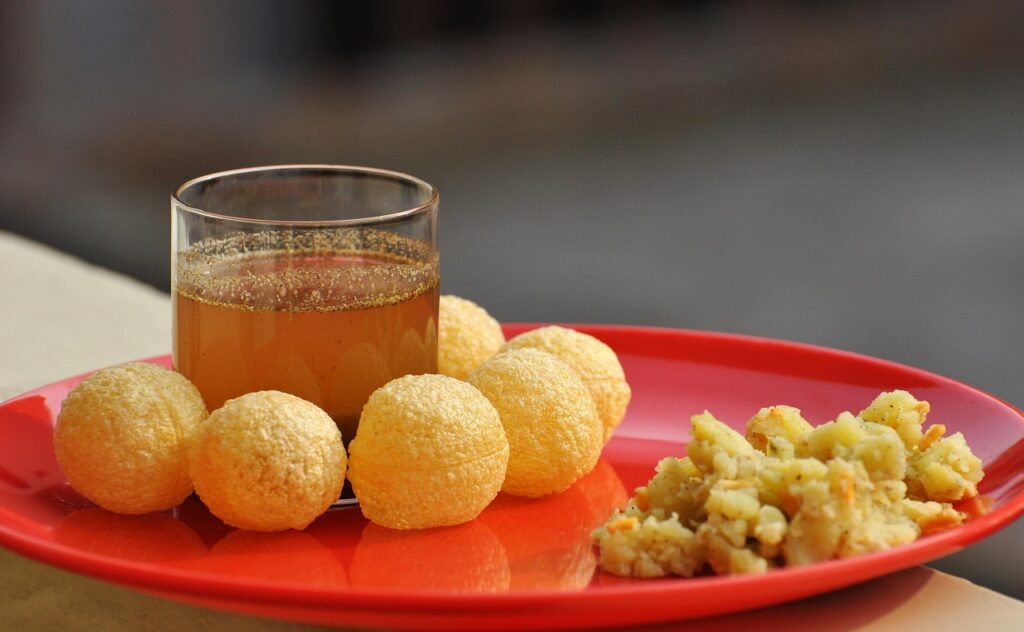
Pani puri and its regional names are beloved for their tangy taste and crunchy shell, but their very preparation sets up conditions that can compromise hygiene. Street vendors commonly prepare the flavored water and fillings in bulk, storing them in open containers where contaminants can easily enter. These microbes thrive when ingredients are handled repeatedly with bare hands or stored at ambient temperatures without refrigeration. Because the water is a key ingredient, any impurity in it directly enters the final dish, increasing the chance of foodborne illness. The combination of street dust, flies, and insufficient sanitation infrastructure around many vending sites only amplifies this concern.
2. Chaat
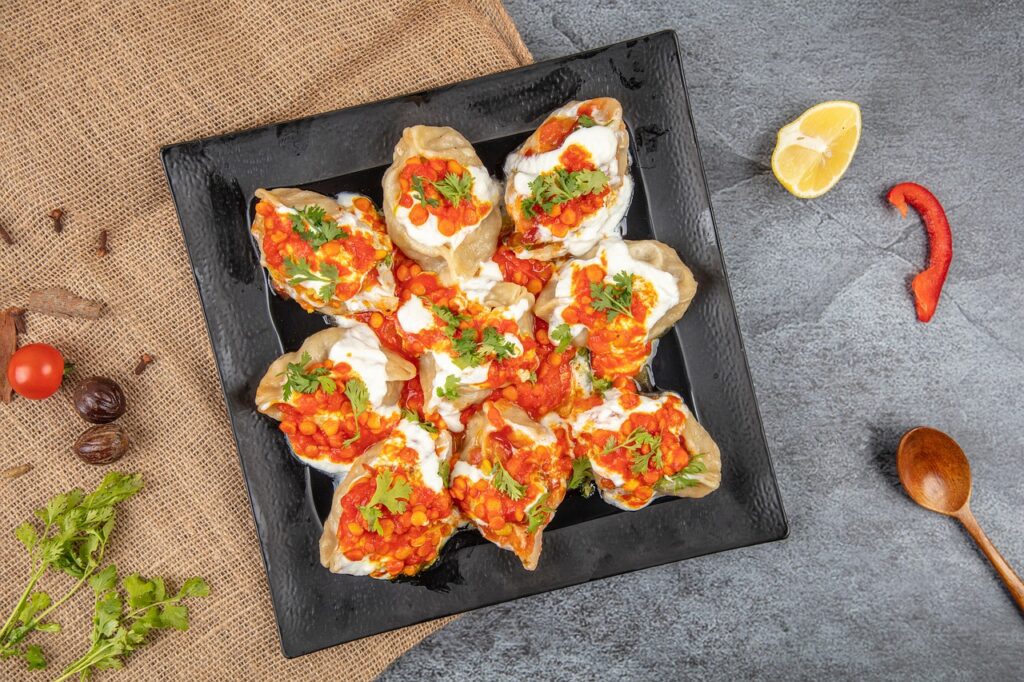
Chaat is an umbrella term for a variety of mixed savory snacks that layer ingredients like fried dough, potatoes, chickpeas, chutneys, and spices. Each element is often prepared separately and then assembled just before serving, which means many hands and utensils touch the food in open environments that lack basic sanitation. These risks stem from several factors, including prolonged exposure of cooked foods to the air, handling by vendors without adequate handwashing, and the use of uncooked toppings like raw onions or coriander that may carry microbes. Open-air service also exposes chaat to dust, vehicle exhaust, and flies.
3. Samosas
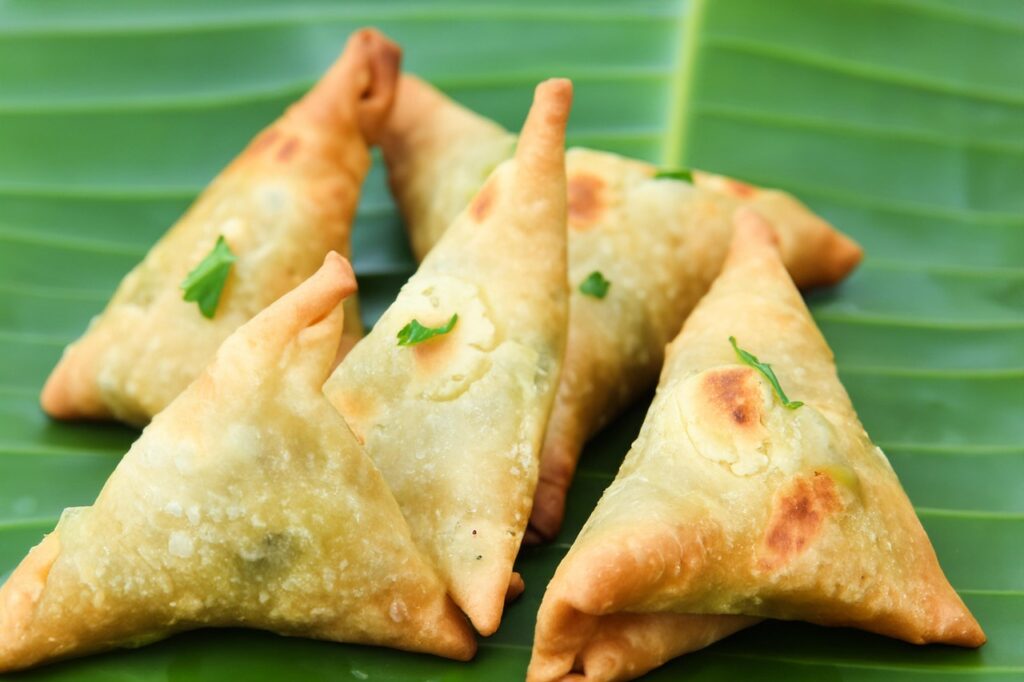
Samosas are deep-fried pastries usually filled with a spiced potato blend, peas, or sometimes meat. While frying takes care of the initial microbial load, the post-fry handling and storage often undermine those benefits. Vendors usually cook large batches ahead of busy crowds and let samosas sit uncovered at ambient temperature for hours. In this window, bacteria can colonize the food surface, especially on fillings that cool slowly. Samosas are also frequently touched repeatedly during display and serving, which increases the chance of cross-contamination if proper hand hygiene is lacking. The reusing of oil further poses quality and safety concerns.
4. Vada Pav
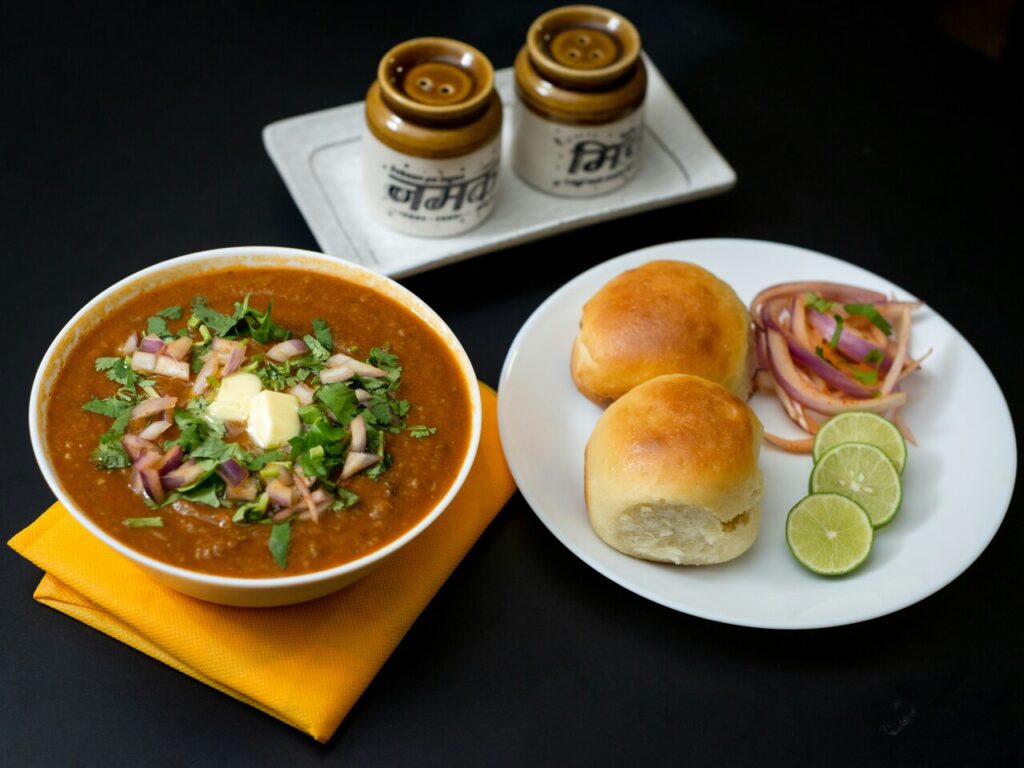
Vada pav is a popular street sandwich composed of a deep-fried potato fritter stuffed in a bun with chutneys and spices. The safety questions arise mainly from where and how the fritters and sauces are held before service. Pre-fried fritters are often left uncovered and can be repeatedly touched during serving, exposing them to dust and possible contamination. Chutneys, which are often made hours in advance and kept at room temperature, add another layer of risk if the water used in their preparation was not properly treated. Street vendors may lack adequate access to clean water, shade, or protected storage, which increases the chance of pathogens on food surfaces.
5. Aloo Tikki
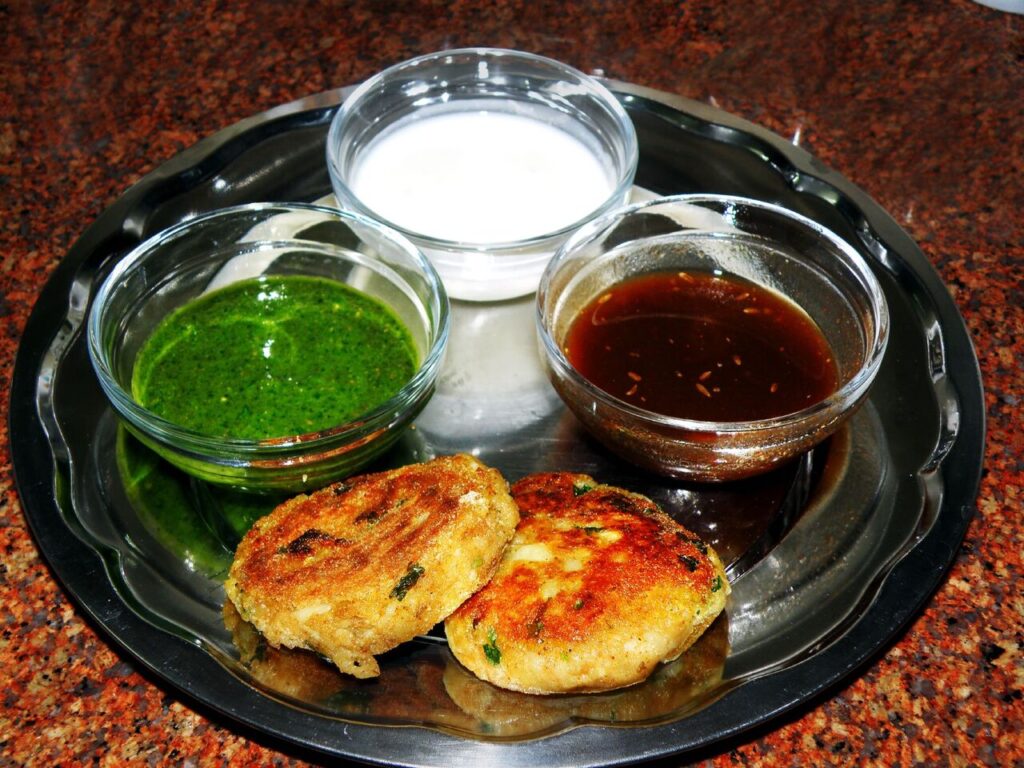
Aloo tikki is a spiced potato patty that is shallow-fried and often served with chutneys. The hygiene challenge with aloo tikki lies in its handling and storage during service. Vendors may prepare multiple batches in advance and hold them at ambient temperatures while selling throughout the day, creating an environment conducive to bacterial growth. Raw and cooked ingredients are frequently handled with the same utensils or hands, and without frequent handwashing, contamination easily spreads. The chutneys and yogurt accompaniments are also at risk if they are prepared long before consumption and exposed to heat, insects, or dust.
6. Momos
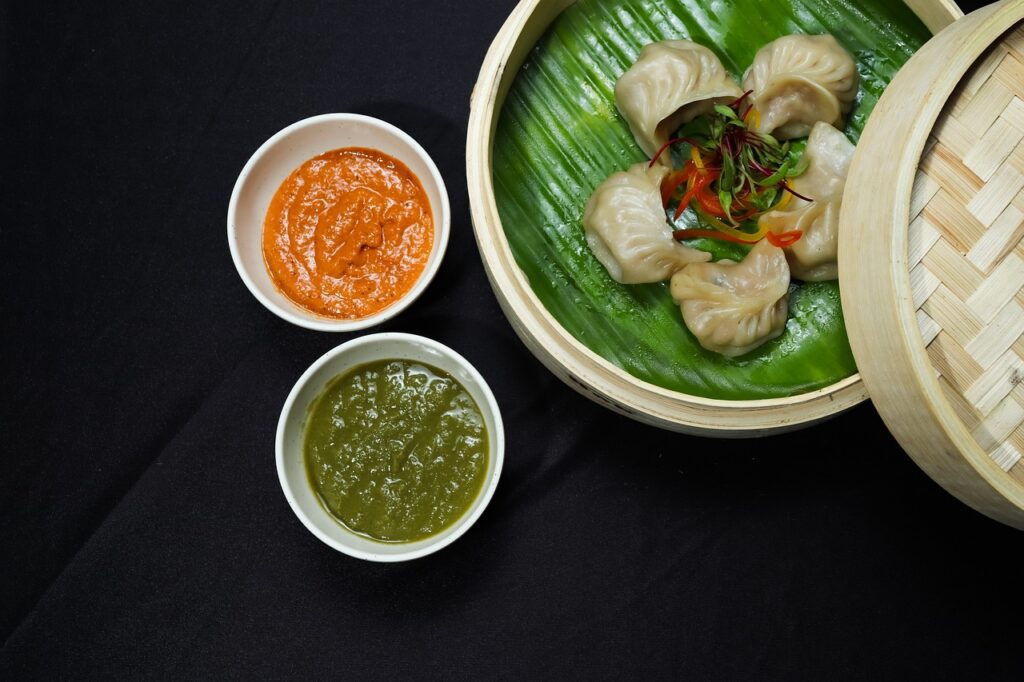
Momos are steamed dumplings filled with meat or vegetables, and while the initial steaming process should kill many microbes, other steps can reintroduce contamination. Filling ingredients like ground meat or vegetables are handled extensively before cooking, and in street settings without adequate refrigeration, those fillings can sit at unsafe temperatures before preparation. Vendors often reuse the same utensils and trays without thorough cleaning, and wrappers can be exposed to dust. Because momos are served immediately after steaming, any contamination acquired during preparation or handling remains on the finished product.
7. Pakoras and Bhajis
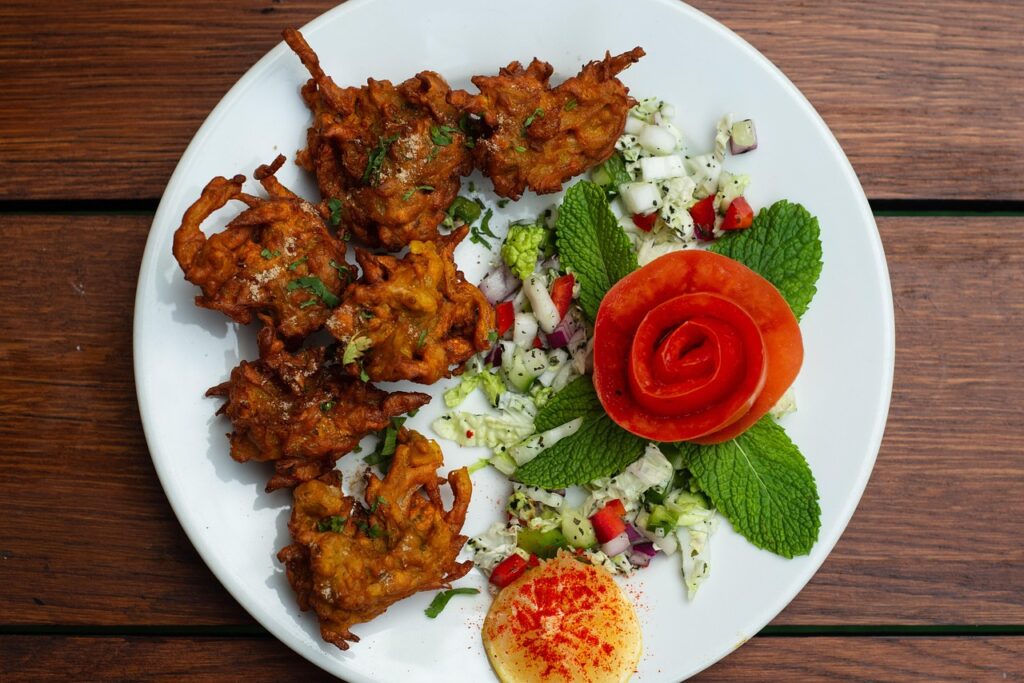
Pakoras and bhajis are popular fried street snacks made by dipping vegetables in batter and frying them. Although frying should kill bacteria present initially, the surrounding hygiene practices matter greatly. Street vendors often reuse frying oil, which can break down and lose its ability to neutralize microbes effectively. Once cooked, these snacks are usually held in open baskets or trays where airborne contaminants, dust, and insects can settle. Multiple hand contacts during serving further increase the potential for cross-contamination. The freshly fried appearance can mask exposure that happens afterward.
8. Sugary Beverages and Chilled Juices
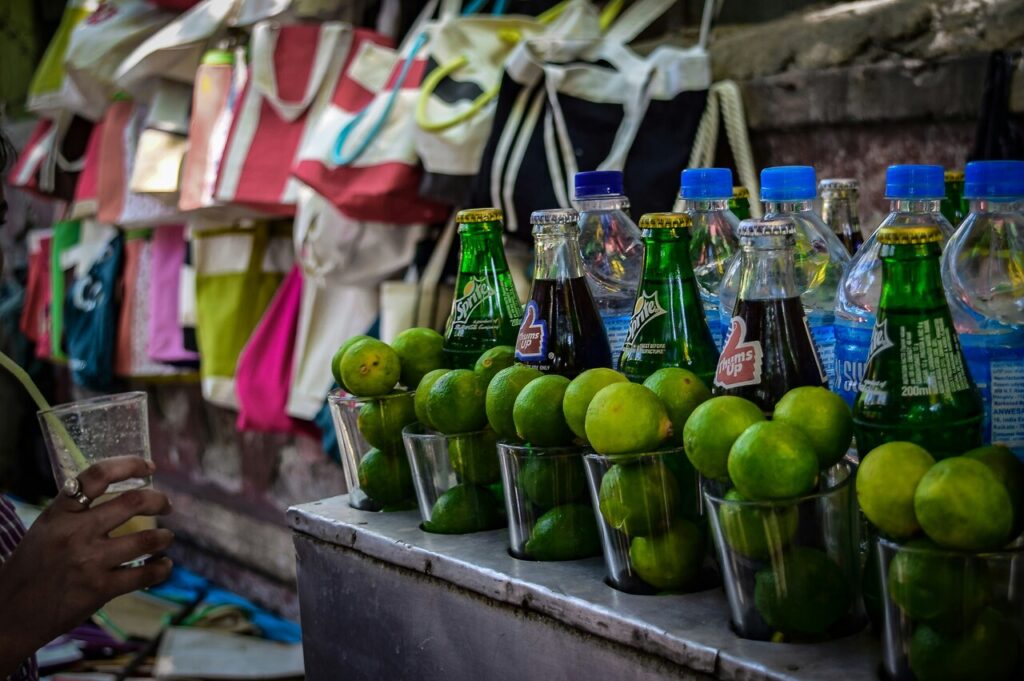
Sugary beverages and chilled fruit juices are among the most refreshing street treats, especially in hot weather. But their safety hinges on the quality of water and ice used in preparation. Vendors often make juice with water or ice of uncertain purity, and open containers are prone to contamination from dust, insects, and unclean utensils. Without refrigeration, juices can quickly become prone to bacteria. Ice made from untreated water adds another hazard. Because these beverages are consumed without any further cooking, any contamination present remains in the drink. This makes the risk higher than with foods that are heated before serving.
9. Dahi Bhalla
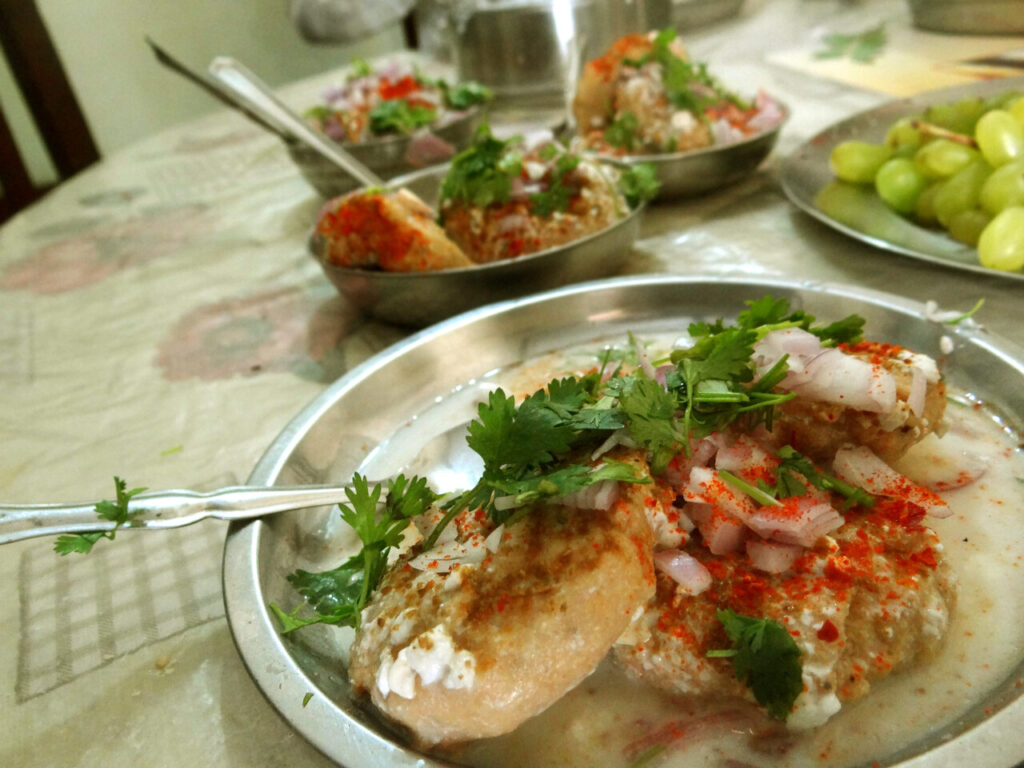
Dahi bhalla and similar yogurt-based snacks are creamy and appealing, but dairy products are particularly sensitive to contamination when handled in street environments. Yogurt needs to be kept at safe temperatures to prevent harmful bacterial growth, yet vendors often keep it at ambient temperature. The lentil dumplings and toppings are handled repeatedly with bare hands, increasing the risk of microbial transfer. Chutneys and other cold toppings can be held uncovered for long hours. Because these foods are ready to eat without further cooking, any microbial load present at the time of serving remains in the dish.