10 Spicy Dishes Passed Down Through Generations of Home Cooks

Spice has always been more than heat. In home kitchens around the world, it is a form of memory, preservation, and identity passed carefully from one generation to the next. Long before written recipes, cooks learned how chilies, peppers, and warming spices could transform simple ingredients into meals that comfort, energize, and bring people together. These dishes were shaped by climate, availability, and necessity, but they endured because they tasted right and felt familiar. The heat in these recipes is intentional, controlled, and deeply tied to tradition. Each one reflects how families learned to balance fire with patience, technique, and care.
1. Vindaloo
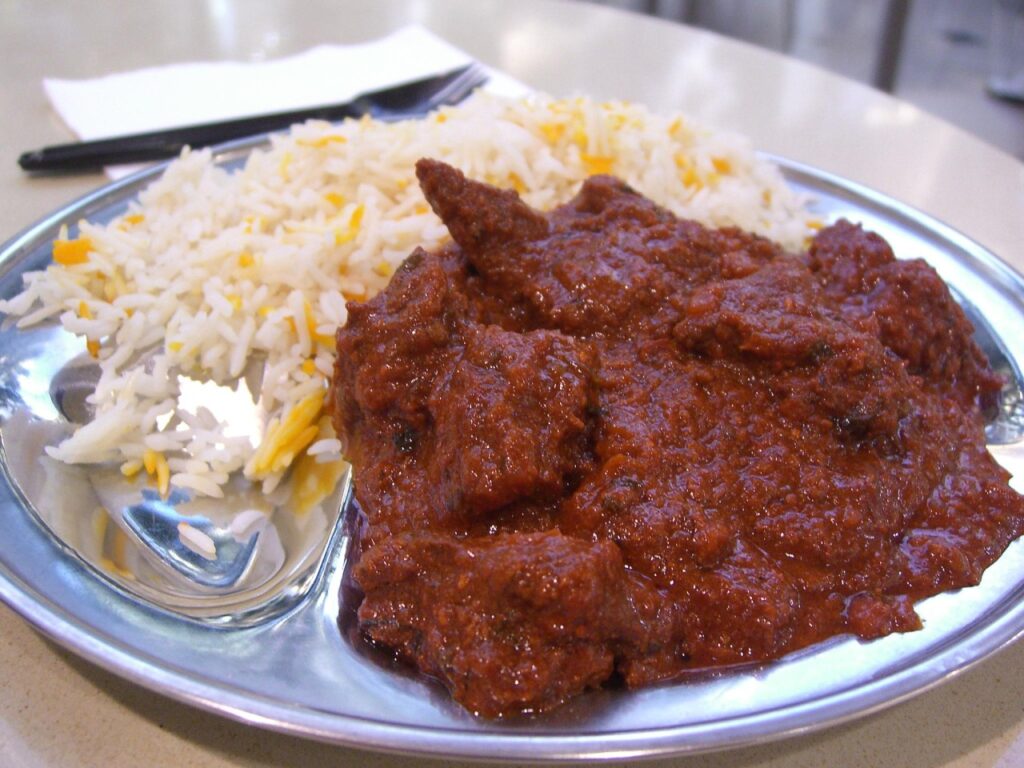
Vindaloo is often misunderstood as simply a dish meant to be as hot as possible, but its roots are far more balanced and practical. Originating in Goa, it evolved from a Portuguese method of preserving meat with wine and garlic. Over generations, local cooks replaced wine with vinegar and added dried chilies, creating heat alongside acidity. That acidity is essential because it tenderizes meat and preserves it in warm climates. Traditional vindaloo is not creamy and does not rely on sugar. It is sharp, spicy, and deeply savory, with heat that builds rather than overwhelms. Home cooks pass it down because it teaches control.
2. Sichuan Mapo Tofu
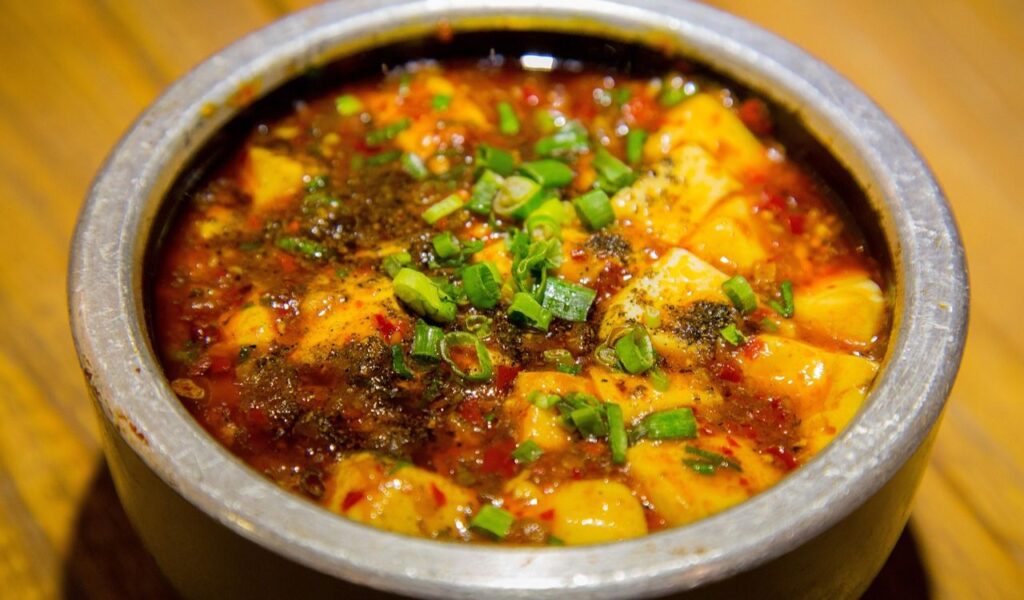
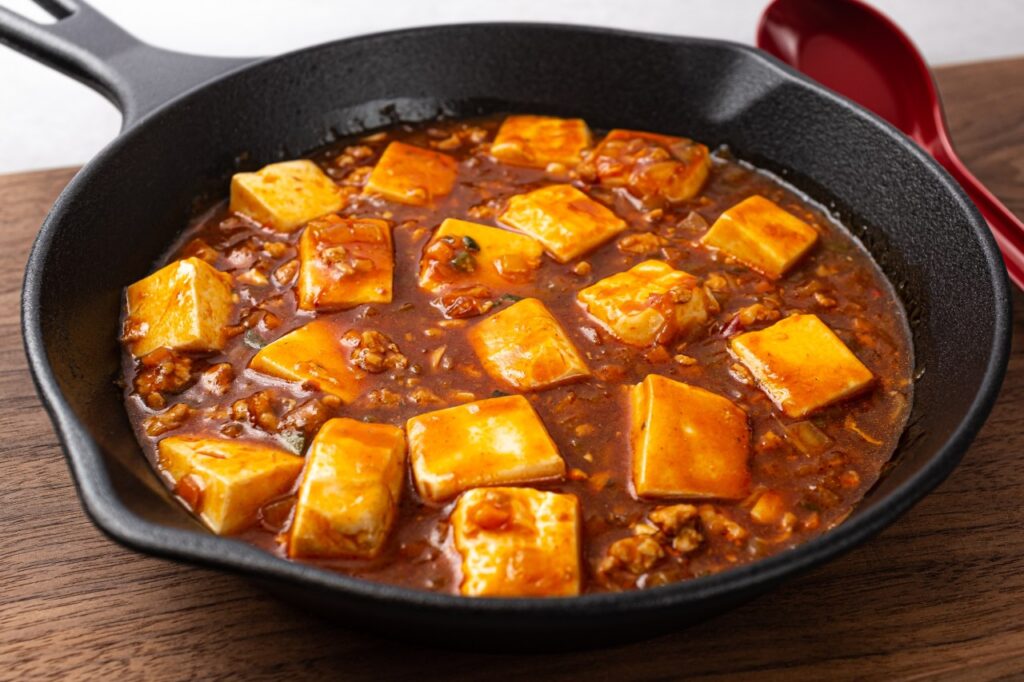
Mapo tofu proves that spice can be layered rather than loud. This dish relies on the unique combination of dried chilies and Sichuan peppercorns, which create heat alongside a numbing sensation. That contrast allows the dish to stay intense without becoming exhausting. Passed down through generations of home cooks, mapo tofu balances soft tofu with minced meat and fermented bean paste, creating depth rather than sharpness alone. The oil carries flavor while the tofu absorbs it, turning a humble ingredient into a centerpiece. Spice here is functional. It stimulates appetite and enhances aroma. Home cooks learn early that timing matters.
3. Jamaican Jerk Chicken
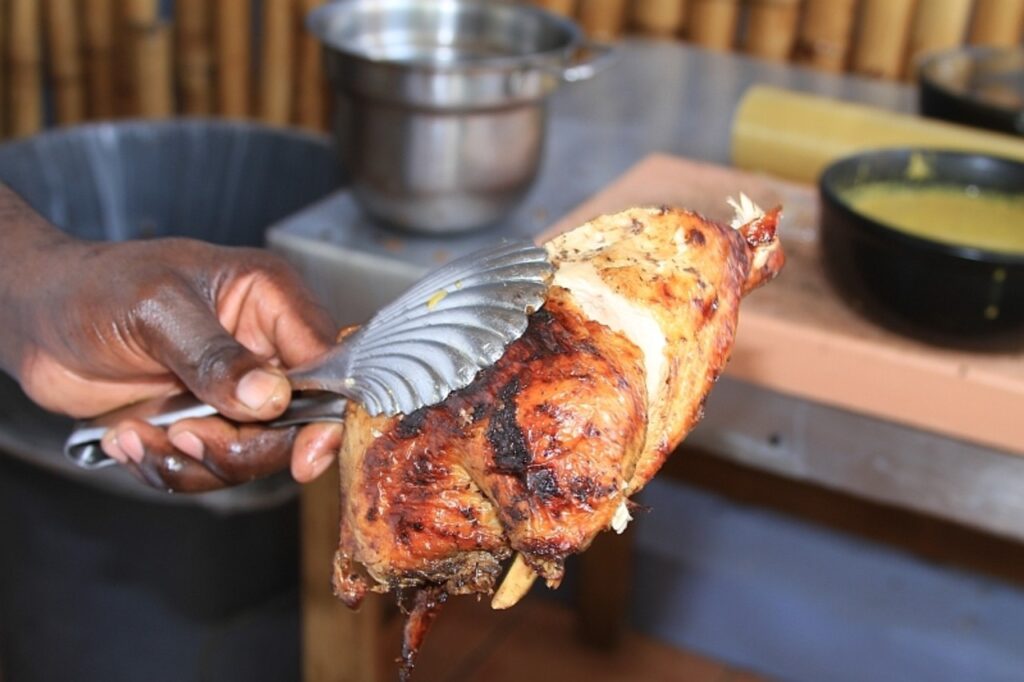
Jerk chicken is built on patience and technique, not just heat. Its spice comes from Scotch bonnet peppers, but the heat is anchored by allspice, thyme, and slow cooking. Traditionally cooked over wood or charcoal, jerk seasoning penetrates the meat over time rather than sitting on the surface. This method was passed down as a way to preserve and flavor meat while cooking outdoors. The spice level is bold, but it is never isolated. Smoke, fat, and herbs soften the burn. Home cooks understand that marination matters more than sheer pepper quantity. Jerk chicken survives generations because it is adaptable.
4. Thai Green Curry
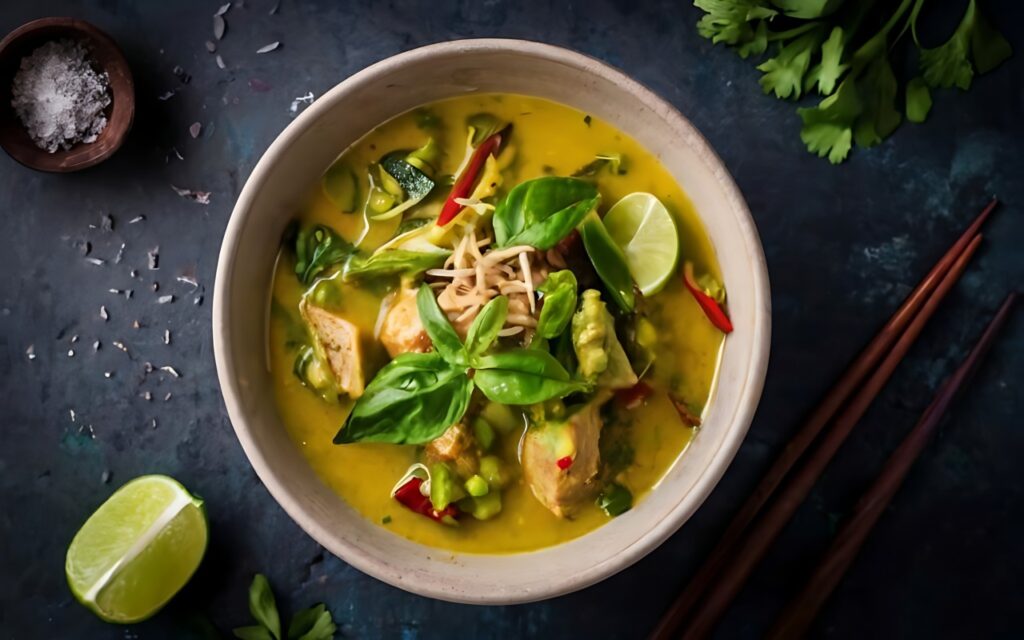
Thai green curry shows how fresh chilies create heat that feels bright instead of aggressive. The curry paste is traditionally made by hand, blending green chilies with garlic, lemongrass, galangal, and herbs. This process has been passed down in home kitchens where balance is taught early. Coconut milk tempers heat while carrying aroma, allowing spice to spread evenly rather than spike. Green curry is meant to be fragrant first and spicy second. Heat wakes up the palate without dominating it. Home cooks learn that curry is about rhythm. Paste first, aromatics next, and coconut milk added. The result is heat that feels comforting and familiar, which explains why this dish remains a staple.
5. Mexican Chile Colorado
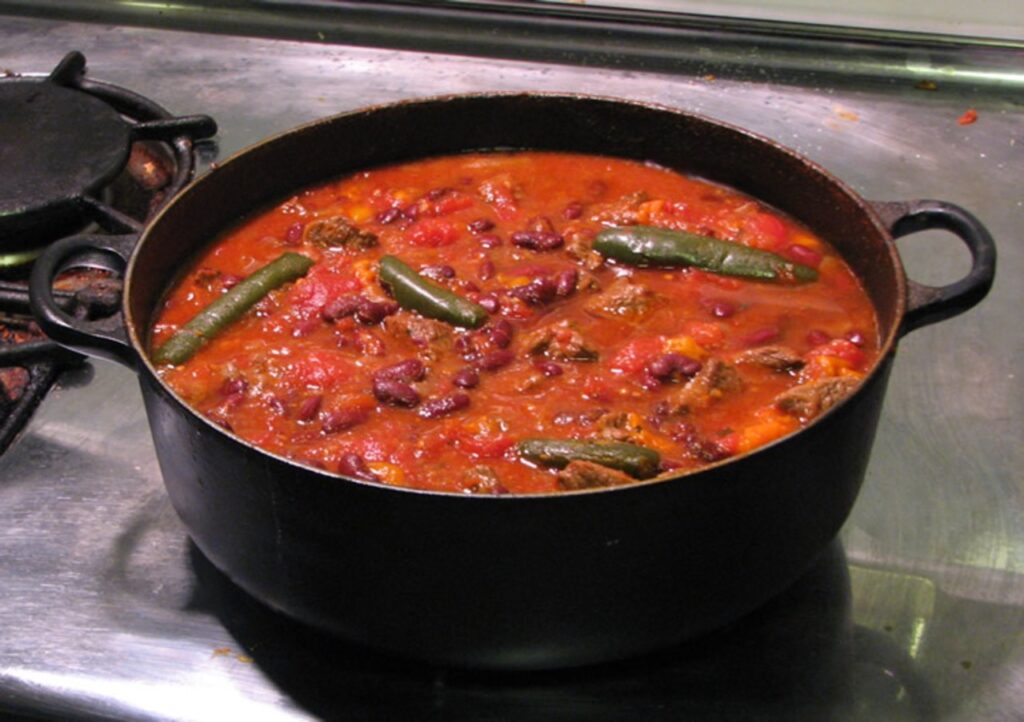
Chile Colorado is not about overwhelming heat but about deep chili flavor. Passed down through family kitchens, it relies on dried red chilies rehydrated and blended into a sauce. The heat is warm and steady, not sharp. Slow simmering allows the sauce to thicken naturally while coating the meat evenly. This dish reflects how Mexican home cooks use chilies as structure, not garnish. Each variety contributes color, aroma, and mild heat rather than pure fire. Chile Colorado teaches that spice can be grounding. It builds warmth that lingers without exhausting the palate. Generations preserve this dish because it turns preserved ingredients into comfort food.
6. Korean Kimchi Jjigae
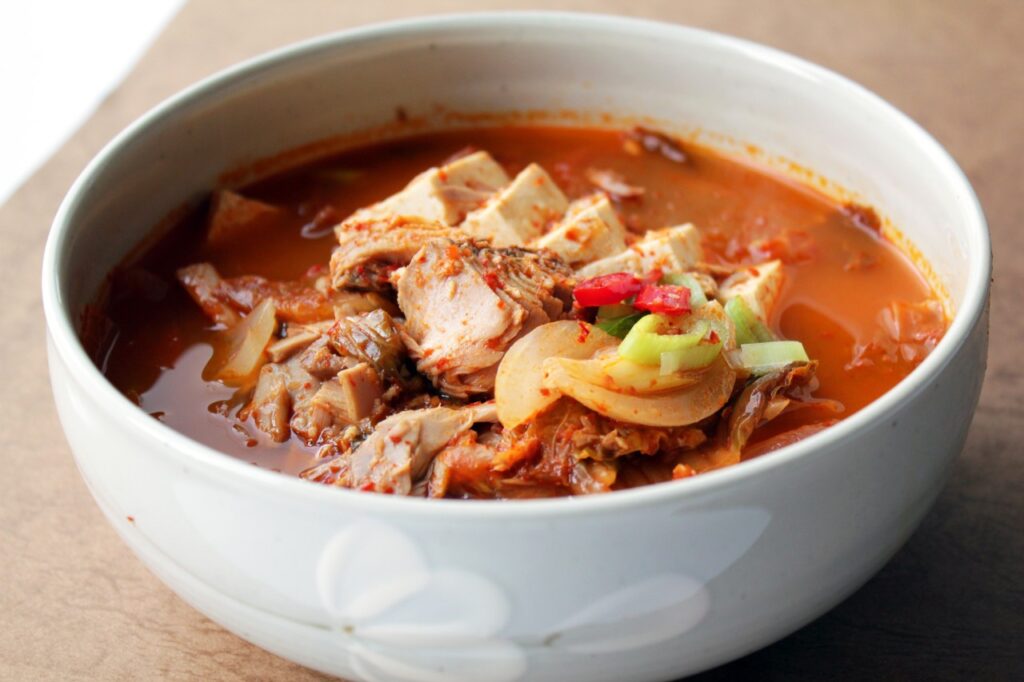
Kimchi jjigae exists because fermentation and spice work best together. Over time, fermented kimchi becomes more sour and complex, making it ideal for stews. Chili paste and flakes add heat, but the real power comes from the balance between acidity, fat, and spice. Home cooks pass this dish down because it teaches resourcefulness. Older kimchi is not wasted but transformed. The spice wakes up the stew while anchoring it in familiarity. Kimchi jjigae is eaten repeatedly, not sparingly. That endurance comes from heat that comforts rather than punishes. It warms the body, supports digestion, and turns simple pantry items into something deeply satisfying.
7. Ethiopian Doro Wat
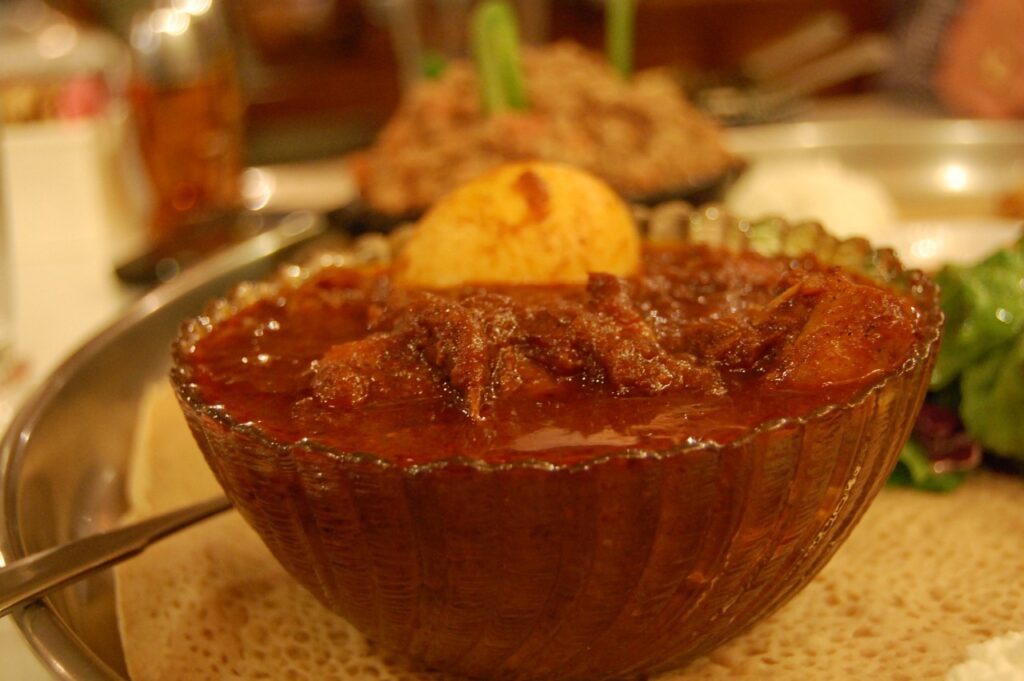
Doro wat is a lesson in slow heat. The dish relies on berbere, a spice blend layered with chili, garlic, and warming spices. Heat builds gradually as onions cook down for hours, creating a thick base that carries spice evenly. This technique has been passed down carefully, as rushing ruins the balance. The spice is bold, but it is supported by fat and long cooking. Hard-boiled eggs absorb the sauce, turning heat into richness. Doro wat is not meant to shock. It is meant to sustain. Families preserve this dish because it reflects patience, celebration, and control over spice rather than excess. Each bite rewards time, care, and respect for tradition.
8. Italian Arrabbiata Sauce
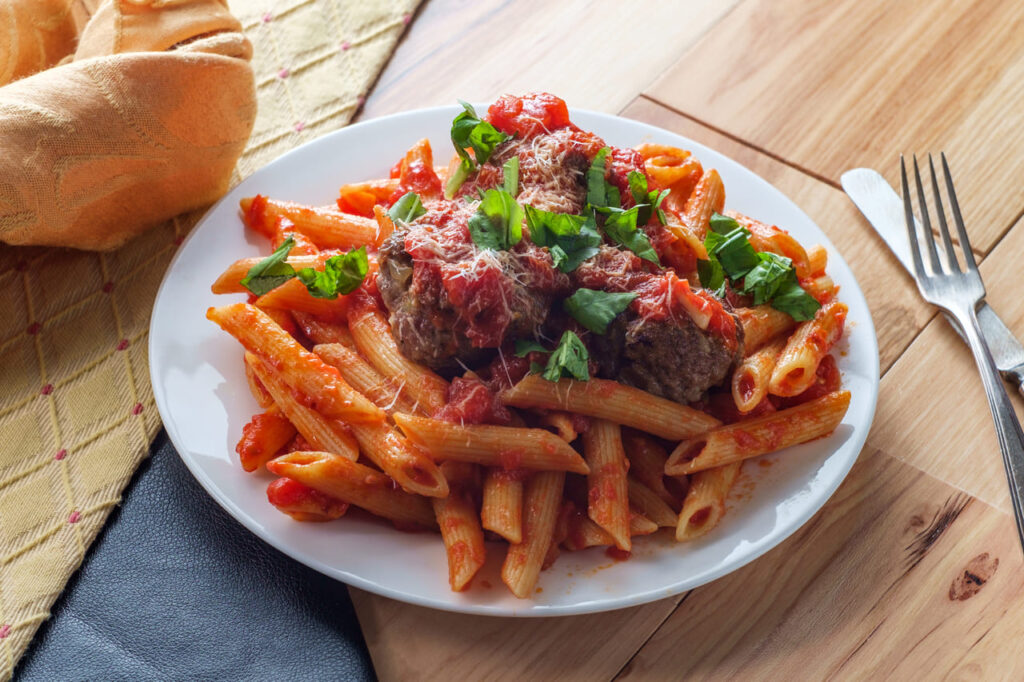
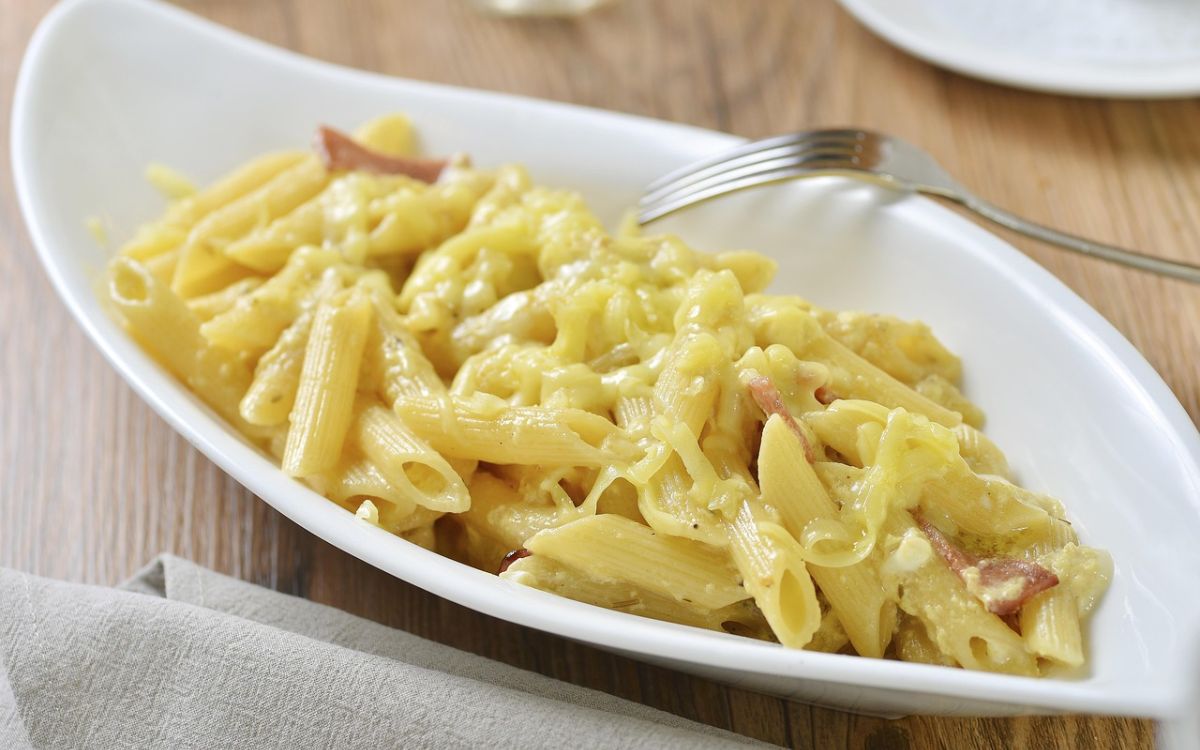
Arrabbiata means angry, but the heat is deliberate and clean. Passed down through Italian home kitchens, it uses dried red chilies infused into olive oil. Garlic and tomatoes soften the spice, creating warmth without bitterness. Arrabbiata teaches that spice does not require complexity. Timing matters more than quantity. Chilies bloom briefly, never burning, then fade into the sauce. This method allows heat to enhance sweetness rather than fight it. Home cooks value arrabbiata because it is reliable. It delivers consistent warmth and flavor using pantry staples. Its survival across generations proves that restrained spice can be just as satisfying as intense heat.
9. Nigerian Pepper Soup
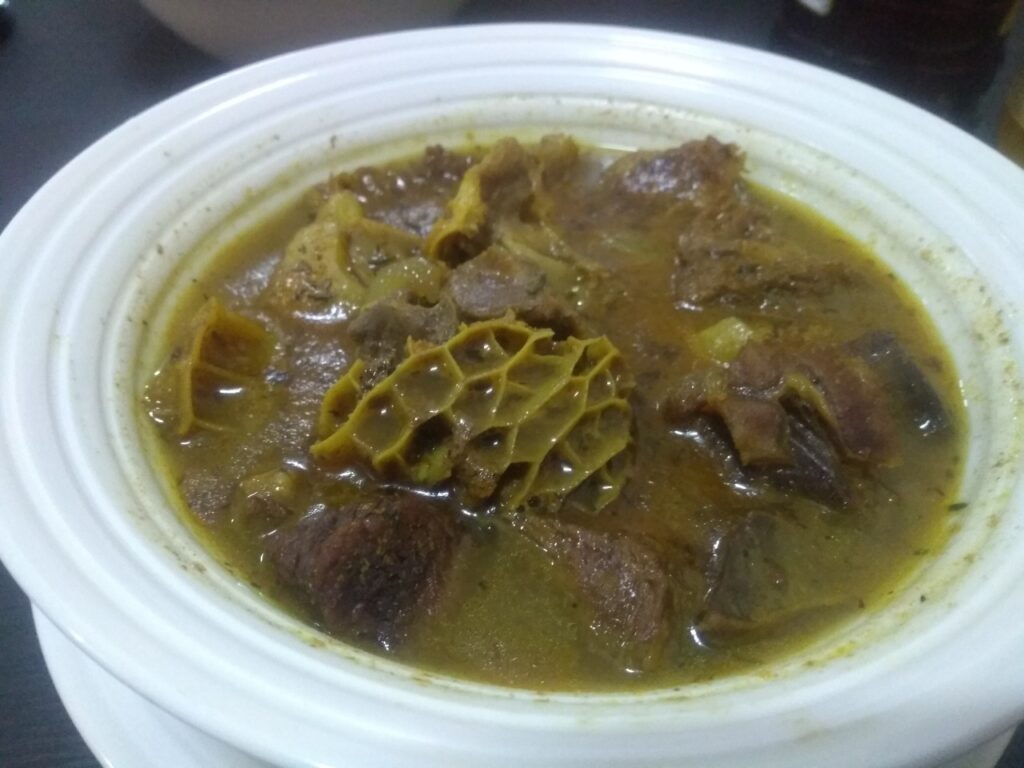
Pepper soup is not subtle, but it is purposeful. Built around native spices and hot peppers, it delivers heat meant to stimulate appetite and warmth. Passed down in Nigerian households, it is often served during gatherings or recovery because of its invigorating qualities. The broth stays light while spice remains dominant, allowing heat to move quickly across the palate. Pepper soup teaches clarity. There is no hiding behind richness or starch. Each spice is meant to be felt. Home cooks learn to balance sharp heat with aromatic depth. Its generational staying power comes from how directly it connects spice to comfort and vitality.
10. Indonesian Sambal Goreng
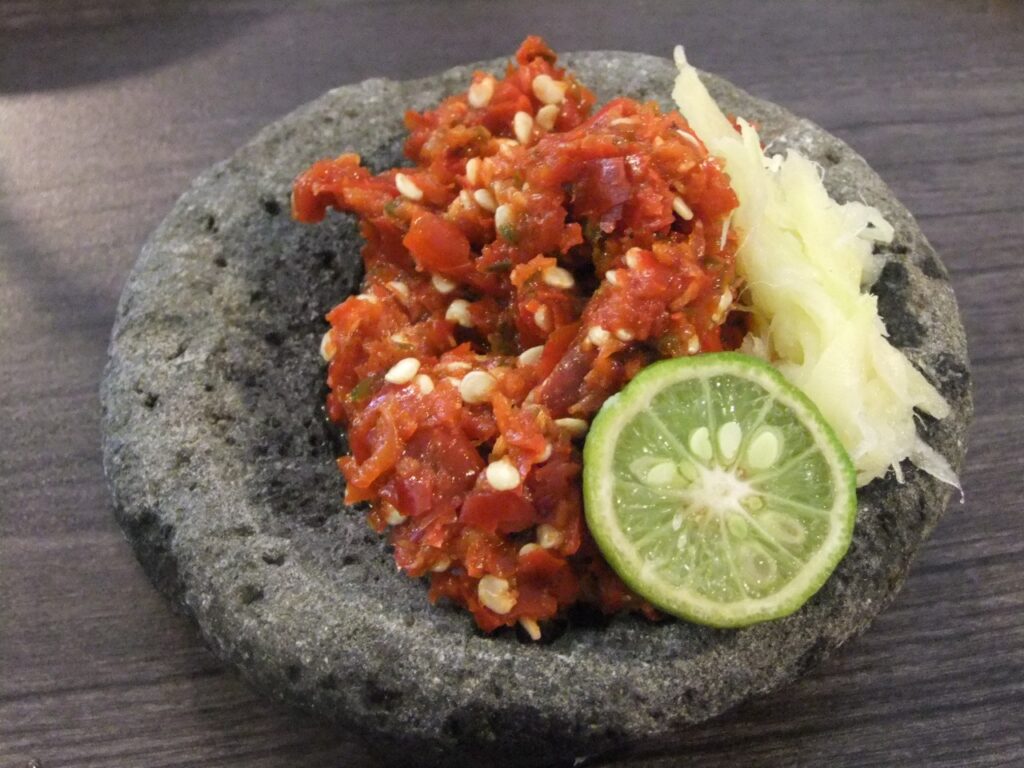
Sambal goreng shows how chili paste can anchor a meal rather than sit on the side. Passed down through home kitchens, it combines chilies with aromatics and slow cooking to create controlled heat. Coconut milk or palm sugar often softens intensity, creating balance. Sambal goreng varies by household, but the method remains consistent. Spice is cooked gently, never rushed, allowing flavors to meld. This dish survives generations because it adapts. Heat levels change, ingredients shift, but the respect for chili as a core ingredient stays the same. It demonstrates how spice becomes tradition when treated as structure rather than excess.