Why Costco Bakery Muffins Get Returned More Than You’d Expect

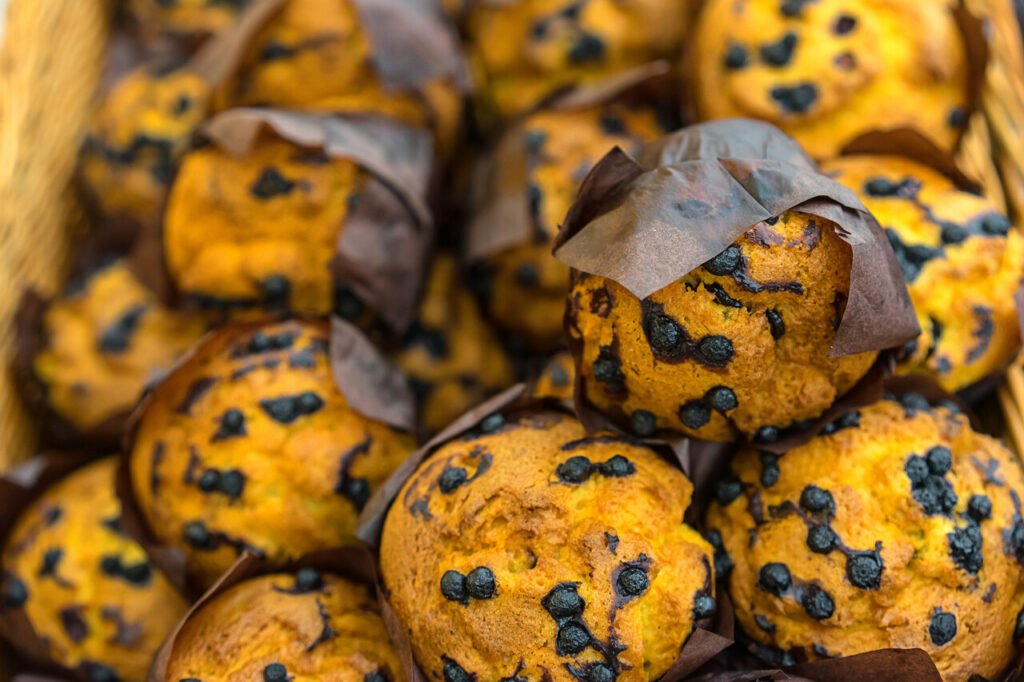
Costco’s bakery muffins look like a guaranteed win at first glance. They’re massive, attractively priced, and stacked high in the bakery case, promising days of sweet snacking for just a few dollars. Yet behind their popularity sits a surprising reality: these muffins get returned more often than many shoppers would expect. The reasons aren’t about freshness or safety. They come down to expectations, texture, sweetness, and how large-scale baking behaves when it meets individual taste. Once you understand how Costco produces these muffins and how customers judge them, the return pattern starts to make a lot more sense.
The Costco Muffin Phenomenon
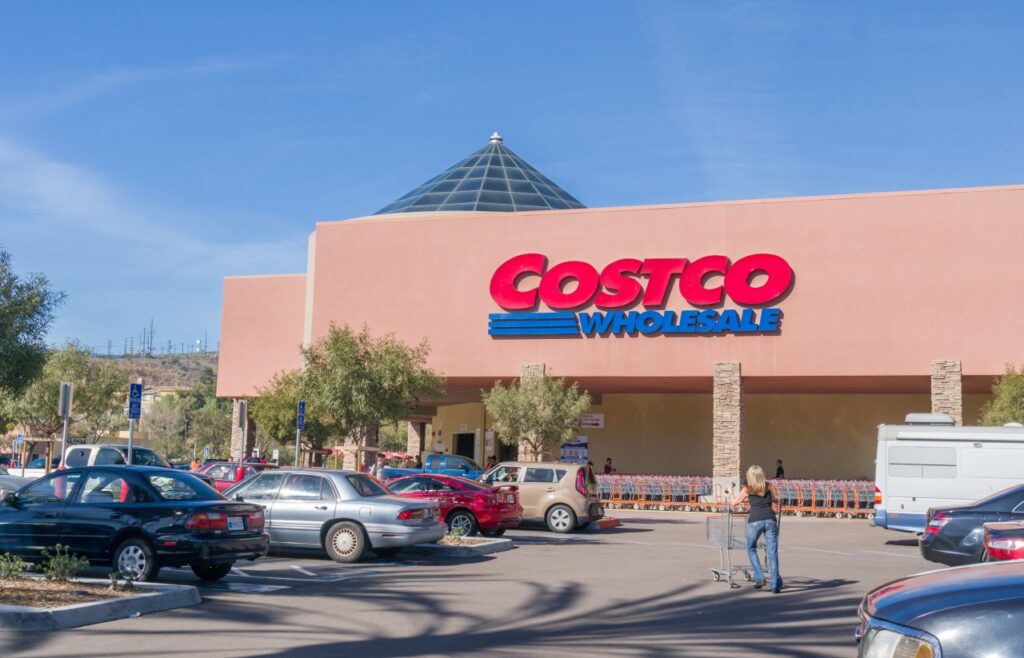
Costco’s bakery muffins are hard to miss. Nestled alongside towering cakes, oversized cookies, and its signature sheet-cake slices, the jumbo vanilla and chocolate chip muffins grab attention because of their sheer size and color. These aren’t dainty pastries; they’re almost comically large, each one enough for two breakfasts or a week’s worth of snacking for a hungry kid. Their presence in a store known for bulk value and low per-unit price only amplifies curiosity. Shoppers see them as an indulgent, high-value treat, a kind of reward for buying cases of paper towels or bulk berries. It’s this bold combination of size, price, and display that makes these muffins a cultural phenomenon in and of themselves. Members line up to try them, post photos on social media, and often use them as a conversational lens through which they judge Costco’s entire bakery.
Yet the very things that make these muffins stand out also contribute to an unusual return pattern. Their oversized appearance creates expectations that aren’t just about taste but about texture, sweetness, and overall experience. Because they are so big and suggestive of value, customers feel empowered to hold them to high standards, not just that they’re edible, but that they are excellent. When a muffin doesn’t deliver the sensory experience the customer hoped for, that disconnect between expectation and reality triggers dissatisfaction more easily than it might with a run-of-the-mill pastry. It’s this intersection of high anticipation and everyday bakery production that is at the heart of why returns happen more than you might expect.
What Customers Love and What They Question
For many Costco shoppers, the muffins deliver exactly what they want: sweet, cake-like indulgence with plenty of chocolate chips, a moist crumb, and a big portion size. At their best, these muffins taste like a cross between a rich cupcake and a soft coffee cake, appealing to people who enjoy a sweet breakfast or a dessert-like snack without stepping into the bakery aisle at a specialty shop. The price point also permits people to treat themselves without guilt because a single muffin often costs less than a coffee shop equivalent. All of these factors combine to make the muffins a hit for many members.
But they are also polarizing. Some customers describe the same sweetness as cloying, the texture as overly dense, or the chocolate chip distribution as uneven. Others find the exterior too cakey or the interior too heavy when expectations were for a lighter, fluffier crumb. These moisture and density concerns show up repeatedly in customer feedback and online discussions. Because the flavor and texture profile is so distinctive, it does not align with everyone’s idea of a “good muffin.” What is rich and satisfying to one person is too sweet and heavy to another. And when a shopper’s expectation, shaped by the muffin’s size and price, isn’t met, dissatisfaction turns into a return, especially given Costco’s famously generous return policy.
How Costco’s Bakery System Works
Understanding why these muffins get returned at a noticeable rate also requires knowing a bit about how Costco’s bakery operates. Unlike small bakeries that might bake to order or in small batches, Costco produces its muffins and other bakery items at scale. Large industrial ovens, standardized recipes, and high-volume output create consistency for most products, but they also mean that small variations in mixing, baking time, or ingredient ratios are magnified in each batch. When you’re making hundreds or thousands of muffins to sit on display across dozens of warehouses, even slight inconsistencies can lead to noticeable shifts in texture or moisture.
Costco’s model is a high-throughput one designed to balance quality with efficiency. That means there is less room for artisanal tweaking and more reliance on broad appeal recipes and production methods. Real-world conditions, like variations in humidity, flour absorption, or oven temperatures, can change how a batch turns out from day to day. What is baked in Minneapolis might end up a touch different than what’s on the shelf in another state. For regular Costco shoppers, these differences can feel stark because the muffins are so uniform in appearance. When someone buys a muffin that seems off compared to their prior experience, that discrepancy is noticeable enough to drive complaints and returns.
Taste and Texture Under Scrutiny
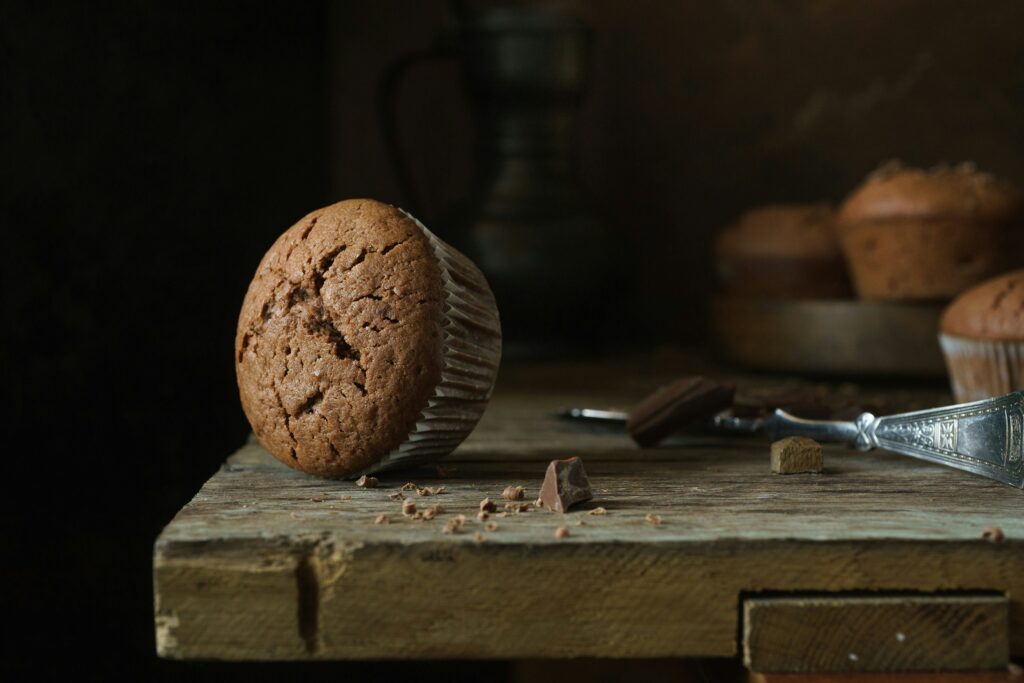
Taste and texture are central to how people judge these muffins because they are so boldly presented. The ideal profile many customers expect is a light but not dry crumb with plenty of moist interior, a hint of vanilla in the background, and just enough chocolate chips to punctuate each bite without overwhelming it. When the balance is right, the muffin feels indulgent and satisfying, like a small celebration hidden inside bakery paper. But when the crumb feels dense or the moisture distribution uneven, the same muffin can feel heavy, gluey, or overly sweet. These are not subtle critiques; they go straight to the heart of what defines quality in a cake-like pastry.
Texture, in particular, is a fault line for customer opinion. Muffins that are too firm or too soft in particular spots can make the eating experience inconsistent, bite to bite. Because Costco sells these muffins in such large sizes, the interior often cools unevenly, and pockets of moisture can form that lead to soggy or dry sections. The muffins’ surface may appear golden and inviting, while the interior fails to meet expectations. With a product so large, differences in texture are more apparent than they might be in a smaller muffin or cupcake. For picky eaters or people sensitive to mouthfeel, these inconsistencies are enough to prompt a return, even if the muffin is technically edible.
Returns Culture at Costco
Costco’s return policy is famously generous, possibly the most lenient of any major retailer in the United States. Members are accustomed to bringing items back for a full refund if the product does not meet their expectations, whether it’s electronics, clothing, or bakery goods. This culture of easy returns influences how customers approach borderline products like muffins. If a member buys a bakery item and finds it less than satisfying, the low barrier to returning it, a quick stop at the service desk, and a simple explanation make it a practical choice rather than a hassle. That structural ease feeds into why these bakery items get returned at a higher rate than you might expect.
But this dynamic isn’t necessarily a problem for Costco. Rather, the return policy serves as a quality safety valve, allowing customers to trust that if something isn’t right, they’re not stuck with it. From a business perspective, this policy enhances overall member satisfaction and reinforces confidence in experimentation. Shoppers might be more willing to try an oversized muffin if they know they can return it easily. At the same time, bakery managers pay close attention to return patterns because they are direct feedback on product consistency and appeal. Returns data can inform recipe tweaks, batch timing, ingredient sourcing, and display strategies to better align production with customer preferences over time.
References
- Why Costco Bakery Muffins Are Frequently Returned – foodrepublic.com
- The Often-Returned Costco Bakery Item You’ll Want To Reconsider Buying – chowhound.com
- Costco Brought Back A Popular Bakery Item—And We Like The New Version Even More – southernliving.com