11 Snacks That Help You Recover After a Night Out

A long night out can leave your body dehydrated, drained, and out of balance, even if the memories were worth it. Alcohol affects hydration, blood sugar, digestion, and key nutrients, which is why the morning after often feels harder than expected. The right snacks can make a real difference by gently replenishing electrolytes, restoring energy, and supporting your stomach without overwhelming it. These recovery-friendly foods focus on what your body actually needs, helping you feel steady, clear-headed, and comfortable as you ease back into the day. They also help prevent energy crashes and lingering nausea as your body resets.
1. Banana with Peanut Butter
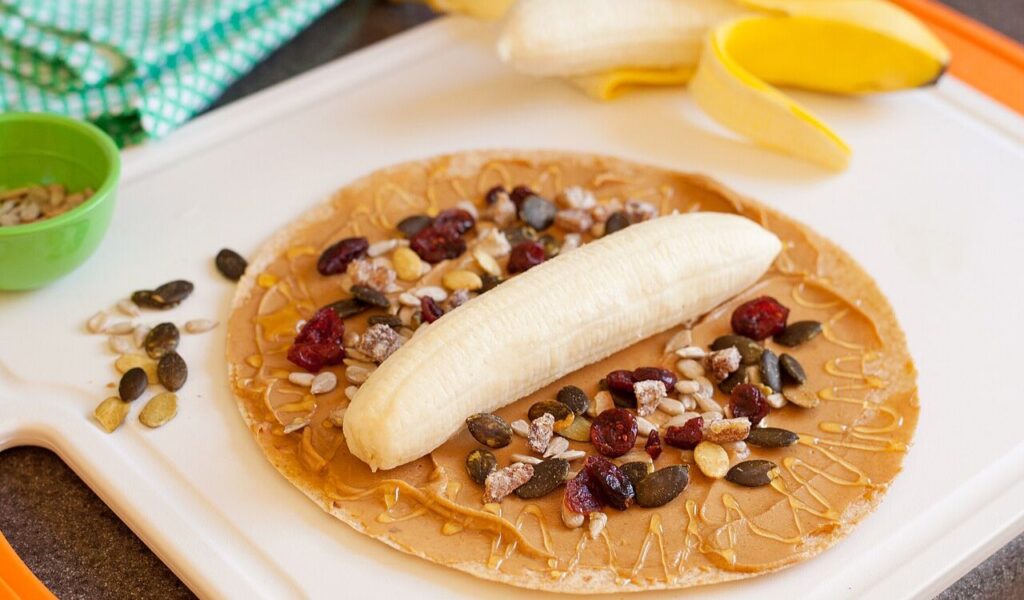
Few recovery snacks work as quietly and effectively as a banana paired with peanut butter. After a night of drinking, your body is often low on potassium, a mineral that alcohol depletes through increased urination. Bananas help replenish that loss while being gentle on a sensitive stomach. Peanut butter adds healthy fats and protein, which slow digestion and help stabilize blood sugar levels that may have dipped overnight. This combination also provides magnesium and vitamin B6, both linked to reduced fatigue and nausea. The natural sweetness is easy to tolerate when appetite is low, and the soft texture makes it one of the easiest foods to eat when you feel worn down.
2. Greek Yogurt with Honey
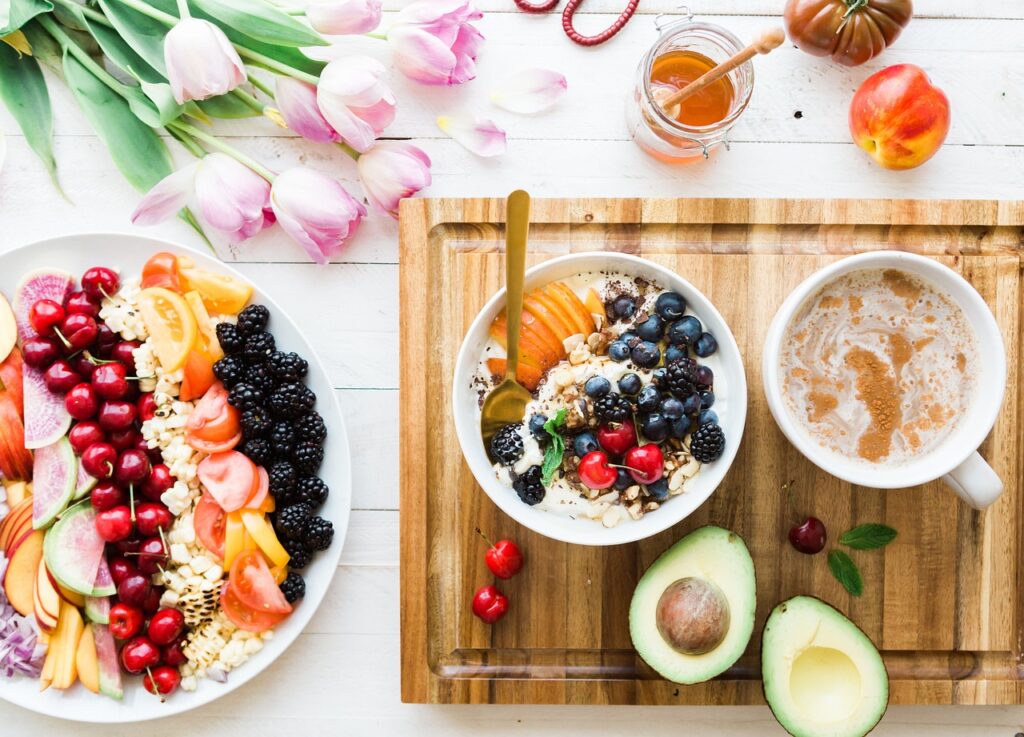
Greek yogurt offers a rare mix of hydration support, protein, and gut-friendly nutrients when your system feels off. Alcohol can irritate the stomach lining and disrupt digestion, and the probiotics in yogurt help restore healthy gut bacteria. Greek yogurt is especially useful because it contains more protein than regular yogurt, which supports muscle repair and keeps energy levels steady. A drizzle of honey adds natural sugars to replenish glycogen stores without overwhelming the stomach. Honey also has mild anti-inflammatory properties that may help ease irritation. This snack feels light yet nourishing, making it ideal when heavier foods feel unappealing but your body still needs fuel.
3. Scrambled Eggs on Toast
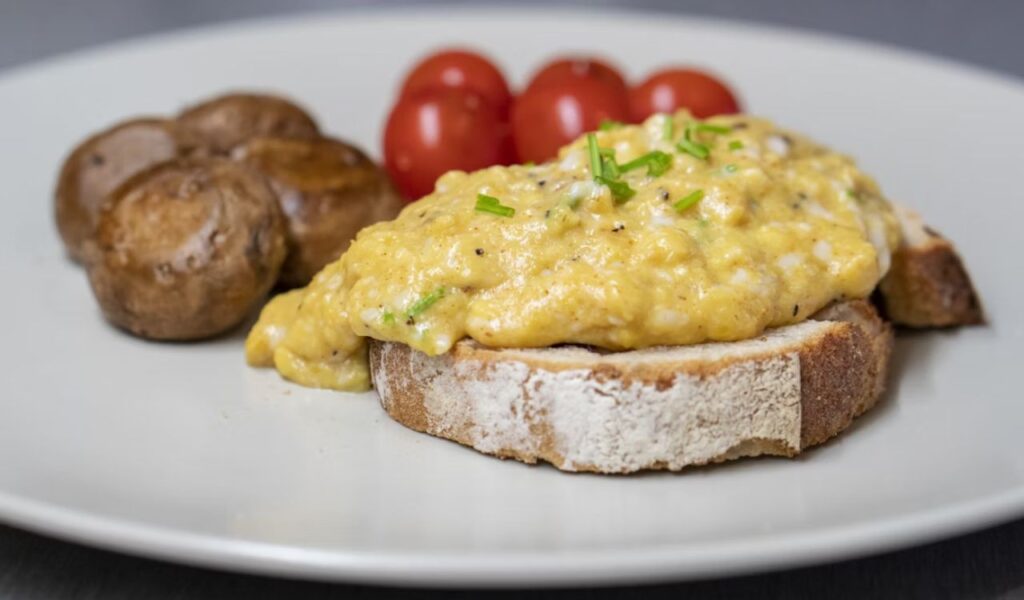
Eggs are one of the most practical recovery foods you can eat the morning after a night out. They contain cysteine, an amino acid that helps your body break down acetaldehyde, a toxic byproduct of alcohol metabolism linked to headaches and nausea. Scrambled eggs are easy to digest and provide high-quality protein, B vitamins, and healthy fats. Toast adds simple carbohydrates that help restore depleted energy stores and settle the stomach. Together, they form a balanced snack that supports liver function, stabilizes blood sugar, and helps you feel grounded again. This combination is filling without being heavy, which is exactly what recovery calls for.
4. Oatmeal with Berries
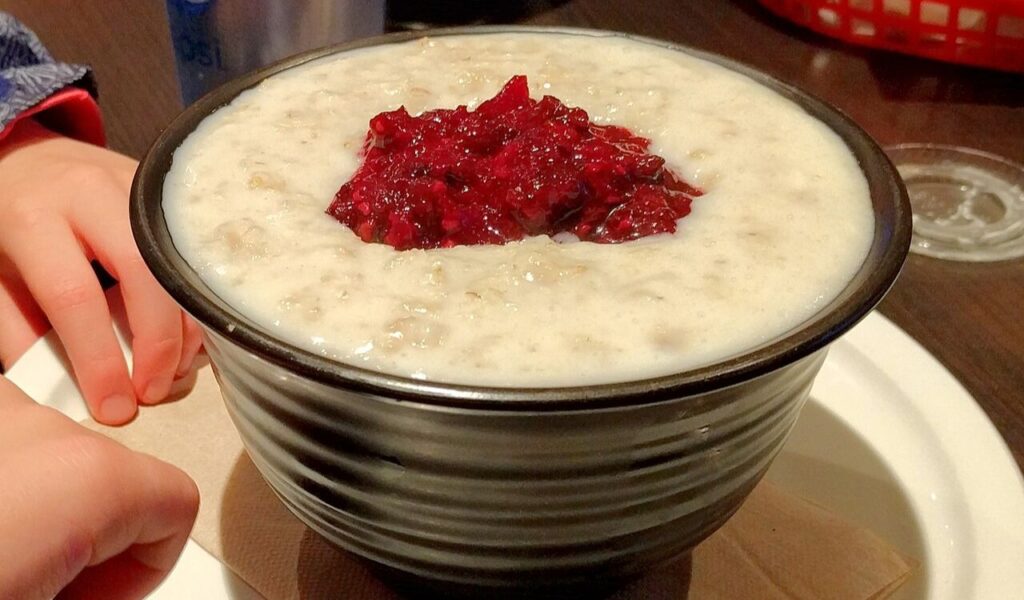
Oatmeal is a quiet recovery hero because it works gently while delivering steady energy. Alcohol often causes blood sugar swings, and oats provide complex carbohydrates that release glucose slowly. This helps reduce shakiness, fatigue, and brain fog. Oatmeal is also rich in fiber, which supports digestion after alcohol slows gut movement. Adding berries brings antioxidants like vitamin C and polyphenols that help counter oxidative stress caused by alcohol. Berries also add natural sweetness without refined sugar spikes. Warm oatmeal is easy on the stomach and hydrating when prepared with milk or water, making it a comforting and functional choice during recovery.
5. Avocado Toast
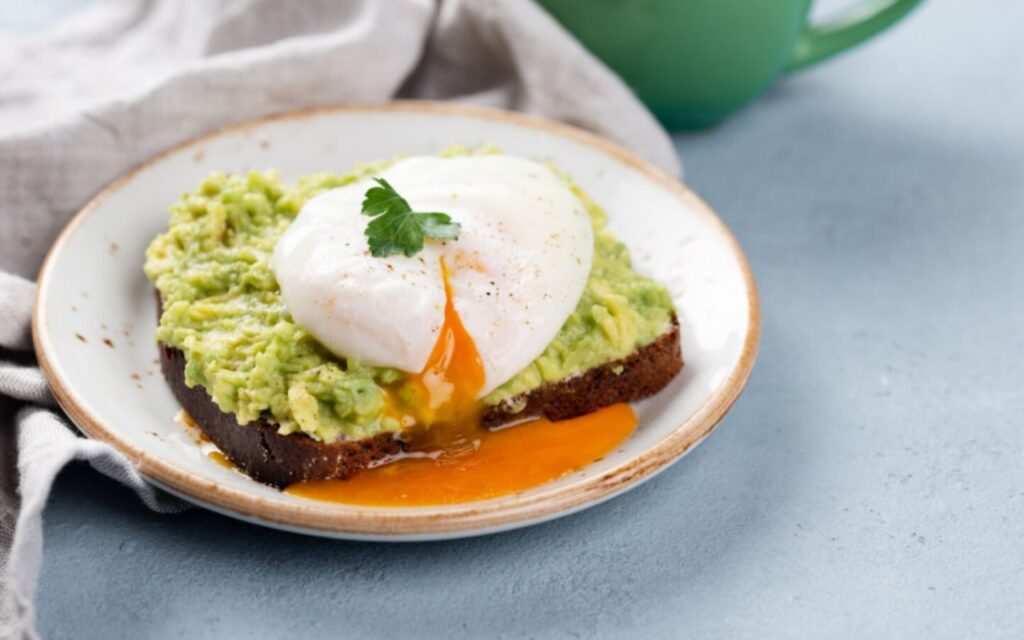
Avocado toast supports recovery by focusing on hydration balance and nutrient replenishment. Avocados are rich in potassium and magnesium, two electrolytes often depleted by alcohol. These minerals play a role in muscle function, nerve signaling, and headache prevention. The healthy fats in avocado help reduce inflammation and slow digestion, keeping energy levels steady. Toast provides carbohydrates that help restore glycogen levels. This snack is especially helpful if you feel lightheaded or drained rather than nauseous. It is satisfying without feeling greasy and gives your body the building blocks it needs to regain balance.
6. Bone Broth or Clear Soup
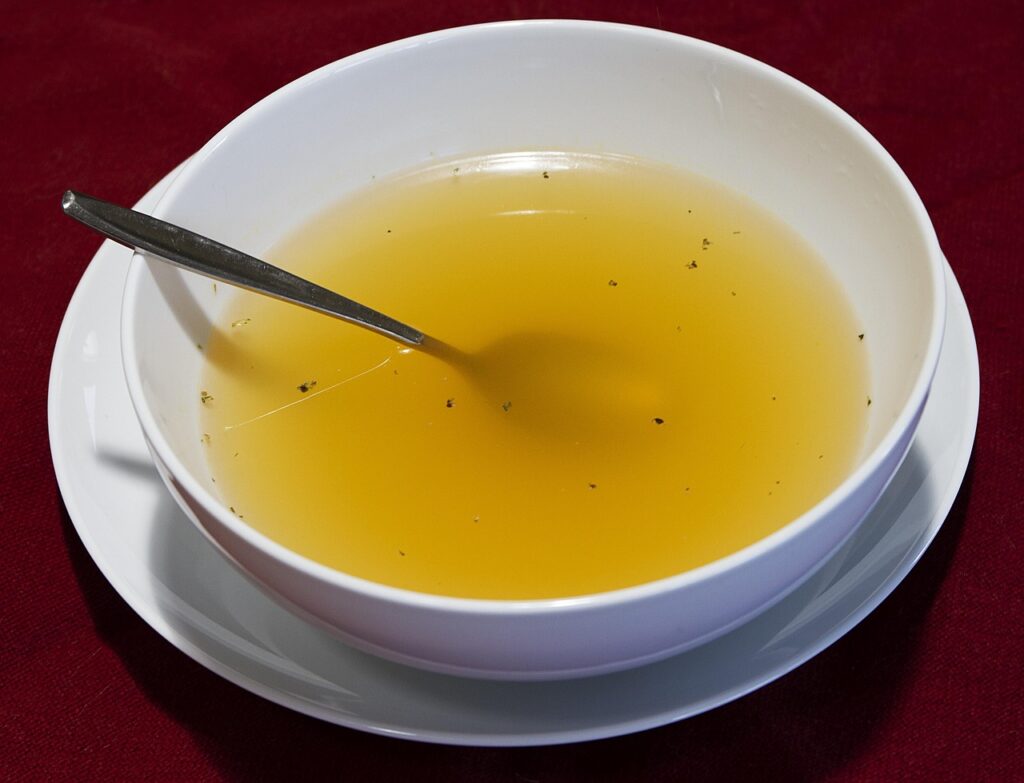
When dehydration and nausea hit hard, bone broth or clear soup can feel like relief in a bowl. These liquids provide sodium and fluids, which help restore electrolyte balance and support hydration. Bone broth also contains amino acids like glycine, which may support liver function and calm the nervous system. Warm liquids are easier to tolerate than solid foods when appetite is low and can help reduce stomach discomfort. Soup also encourages slow sipping, which helps prevent further nausea. This option is especially useful when chewing feels like too much effort but your body still needs nourishment.
7. Smoothie with Spinach and Fruit
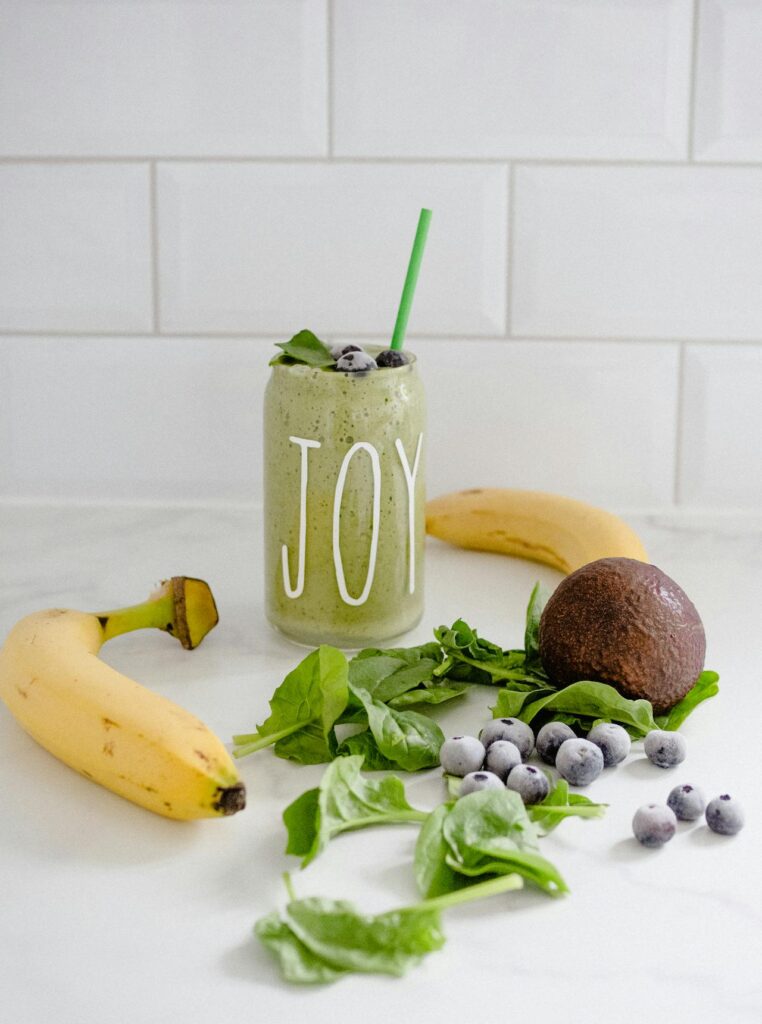
A well-balanced smoothie can deliver hydration, vitamins, and minerals in one easy step. Alcohol depletes vitamin C, folate, and magnesium, all of which can be replenished with fruits and leafy greens like spinach. Spinach adds iron and folate without overpowering flavor, while fruits like berries or mango provide antioxidants and natural sugars. Blending ingredients makes them easier to digest and absorb, especially when your stomach feels sensitive. Adding liquid such as water, coconut water, or milk increases hydration. Smoothies are flexible and customizable, making them ideal when solid foods feel unappealing.
8. Cottage Cheese with Pineapple
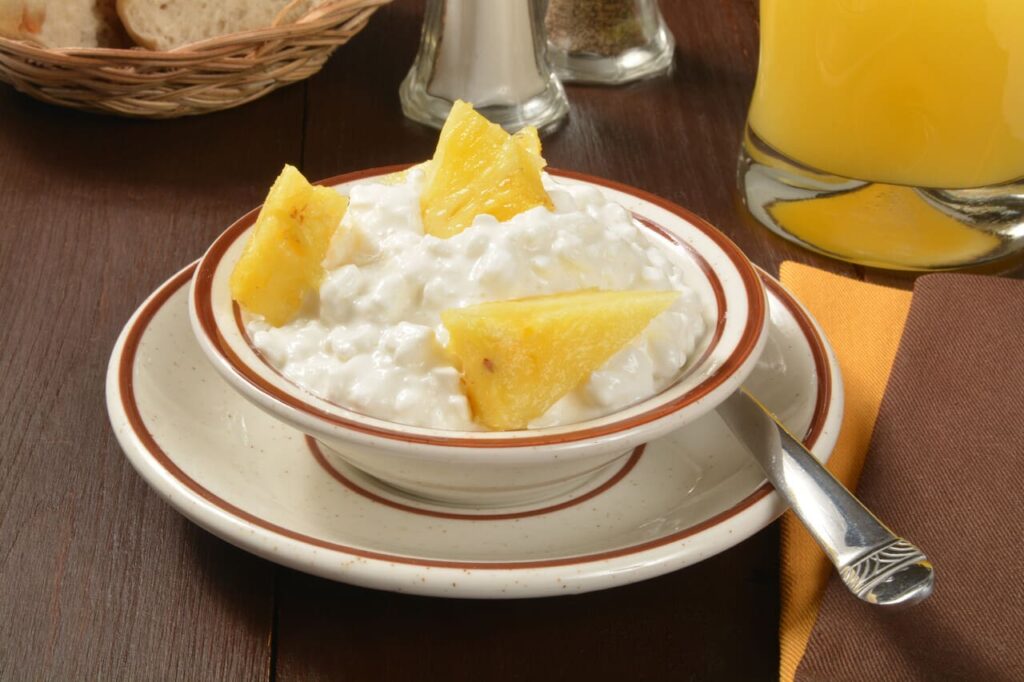
Cottage cheese offers a mild, protein-rich option that supports recovery without heaviness. Its high protein content helps stabilize blood sugar and supports muscle repair after dehydration-related fatigue. Cottage cheese also contains B vitamins that support energy metabolism, which alcohol can disrupt. Pineapple adds natural sugars to replenish glycogen and contains bromelain, an enzyme that may support digestion and reduce inflammation. The contrast of creamy and refreshing textures makes this snack easy to eat even when appetite is low. It delivers nourishment without overwhelming the senses.
9. Salted Crackers with Hummus
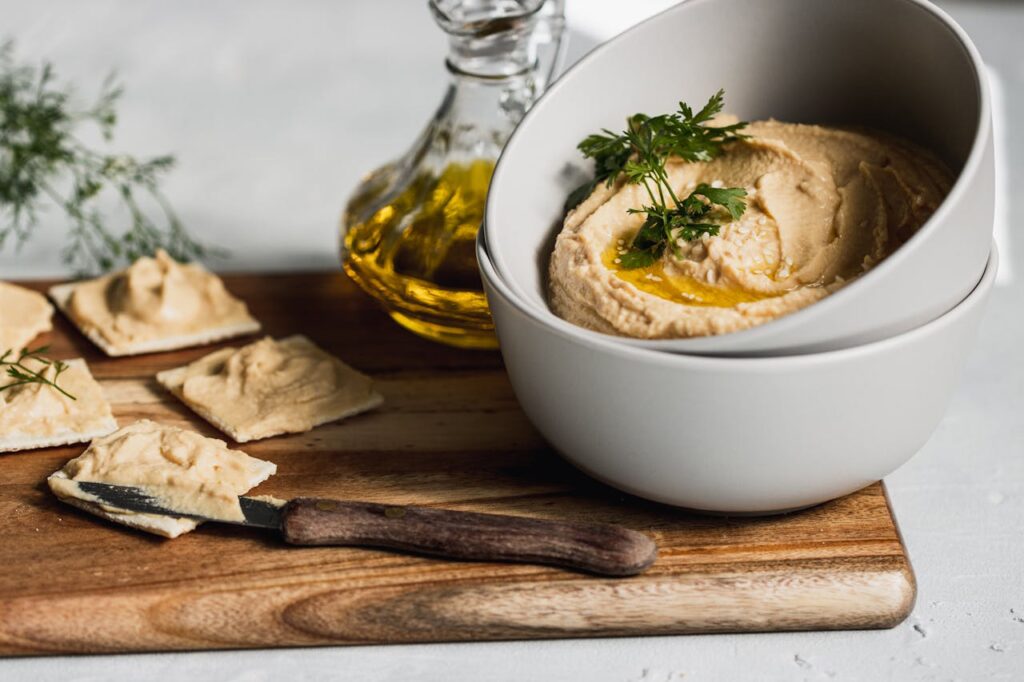
Salted crackers help address one of the most common post-drinking issues: low sodium levels. Alcohol increases fluid loss, which can dilute electrolytes and contribute to headaches and dizziness. Crackers provide simple carbohydrates that are easy to digest and settle the stomach. Hummus adds protein, fiber, and healthy fats, along with magnesium and iron. This combination helps restore energy while avoiding greasy or heavy foods that can worsen nausea. It is especially useful if you feel weak, lightheaded, or mildly queasy rather than hungry. The balance of salt and nutrients makes it easy to tolerate during early recovery.
10. Watermelon Slices
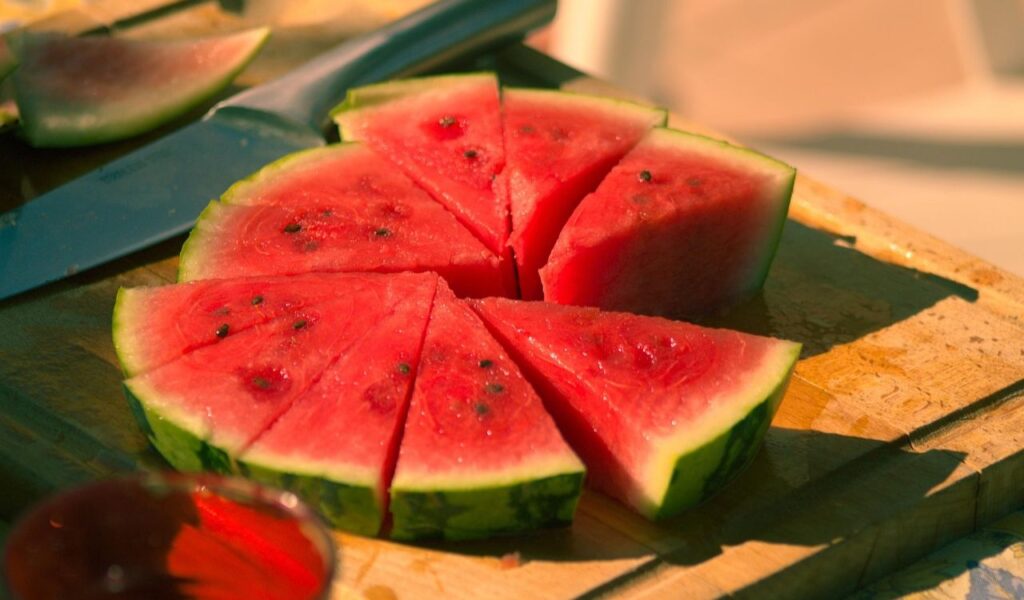
Watermelon is one of the most hydration-friendly snacks you can eat after a night out. With over 90 percent water content, it helps replenish fluids without feeling heavy. Watermelon also provides small amounts of potassium and vitamin C, supporting electrolyte balance and immune function. Its natural sweetness is gentle on the stomach and can feel refreshing when nausea is present. Because it is easy to chew and digest, watermelon works well early in recovery when appetite is minimal. It supports hydration while easing you back into eating solid foods. The cooling texture can also feel soothing when your body feels overheated or dry.
11. Peanut Butter and Jelly Sandwich
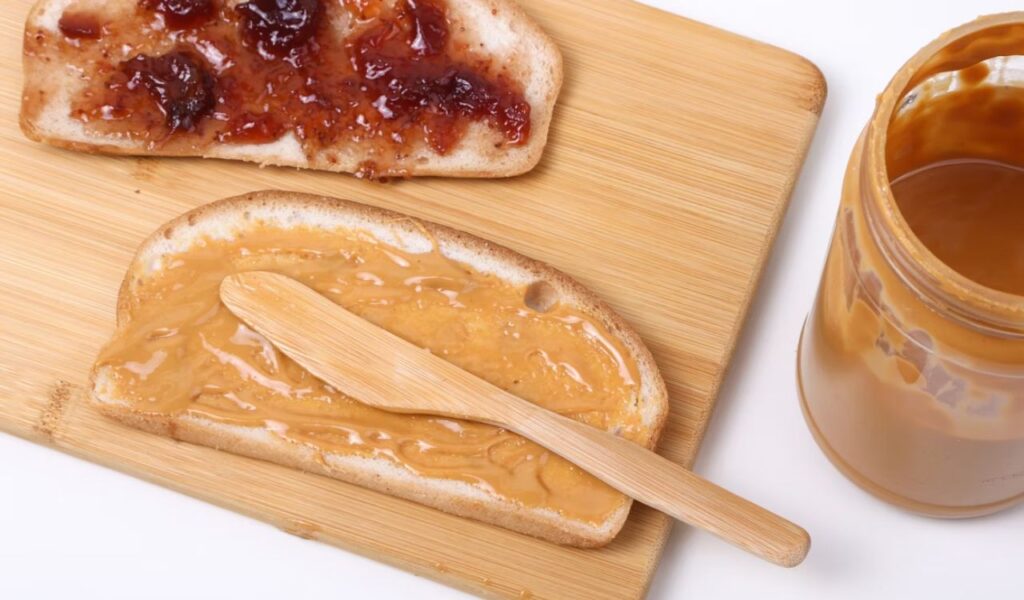
A peanut butter and jelly sandwich works because it delivers comfort and balance in a familiar form. Peanut butter provides protein and fats that slow digestion and keep blood sugar stable. Jelly offers quick carbohydrates that help restore energy levels after alcohol disrupts glucose regulation. Bread is easy to digest and soothing to the stomach. This snack is especially helpful when mental fatigue and sluggishness linger. It may not feel fancy, but its mix of nutrients supports steady recovery and helps you feel functional again without overwhelming your system. The familiar taste can also make eating easier when appetite is low.