11 Things You Should Never Buy at Aldi


Aldi has earned a loyal following for its low prices and no-frills shopping experience, and many of its food items truly deliver impressive value. But even the most budget-friendly store has weak spots, especially when it comes to freshness, sourcing, and consistency. Knowing which items to skip can help you shop smarter, waste less food, and spend your money where it actually makes a difference. This list focuses on food items that often disappoint, not because Aldi is a bad store, but because these particular products tend to underperform compared to similar options at other grocery retailers.
1. Fresh Seafood

Buying seafood is always about timing, handling, and turnover, and this is where Aldi can fall short. Many Aldi locations receive seafood deliveries less frequently than full-service grocery stores, which affects freshness. The selection is also limited, meaning fish may sit longer in refrigerated cases. Texture issues such as excessive moisture, dull color, or mild odor are common red flags that shoppers report. While frozen seafood at Aldi can be reliable, fresh fish and shellfish are riskier purchases. Seafood is highly perishable and sensitive to temperature changes, and stores with dedicated seafood counters typically maintain better quality control.
2. Pre-Cut Fruits and Vegetables
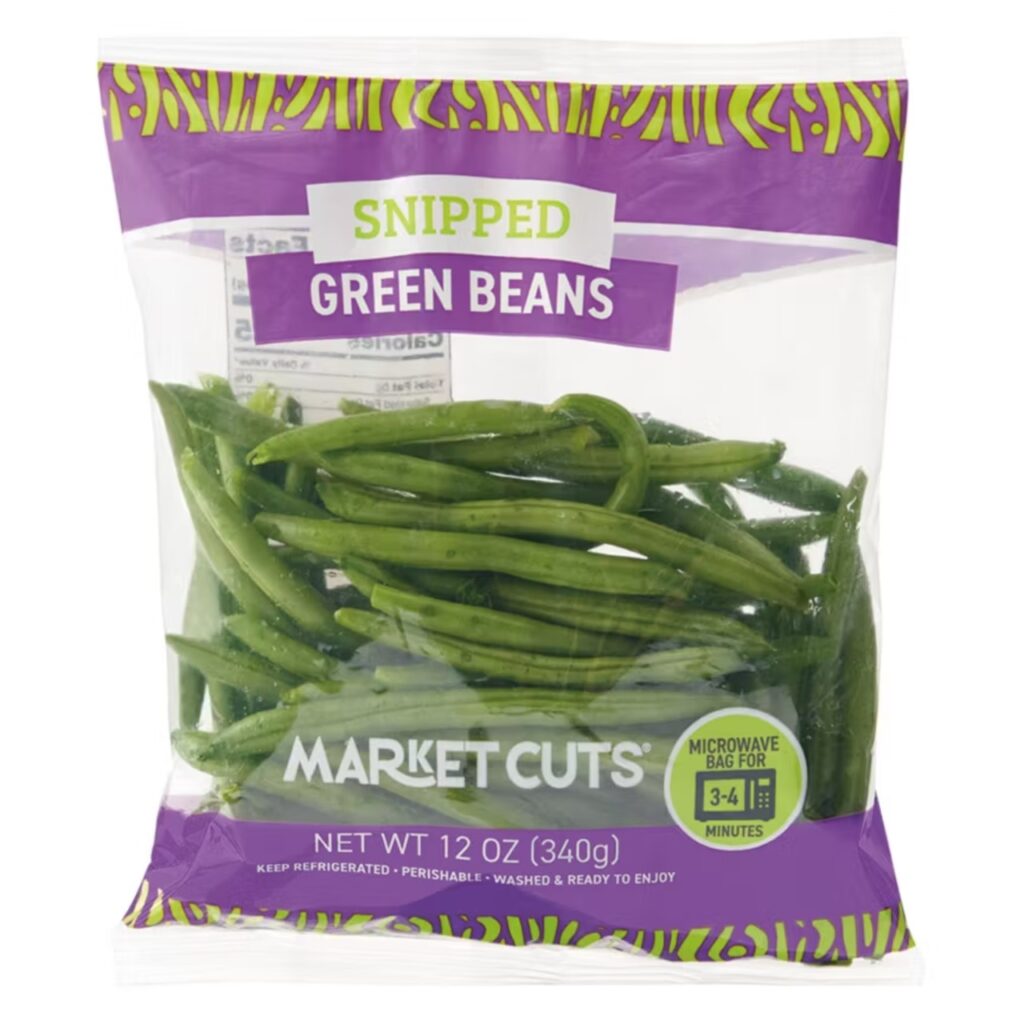
Pre-cut produce trades convenience for quality, and Aldi’s versions often show why. Once fruits and vegetables are peeled or sliced, they lose moisture and nutrients quickly. Aldi’s pre-cut items are usually packaged off-site and shipped long distances, shortening their usable life by the time they reach shelves. Shoppers frequently notice browning, excess liquid, or mushy textures soon after opening. These items also cost more per pound than whole produce, eliminating Aldi’s usual value advantage. Whole fruits and vegetables at Aldi can be excellent buys, but the pre-cut versions spoil faster and offer less flavor. Cutting produce at home results in fresher food and better value.
3. Pre-Made Pasta Sauces
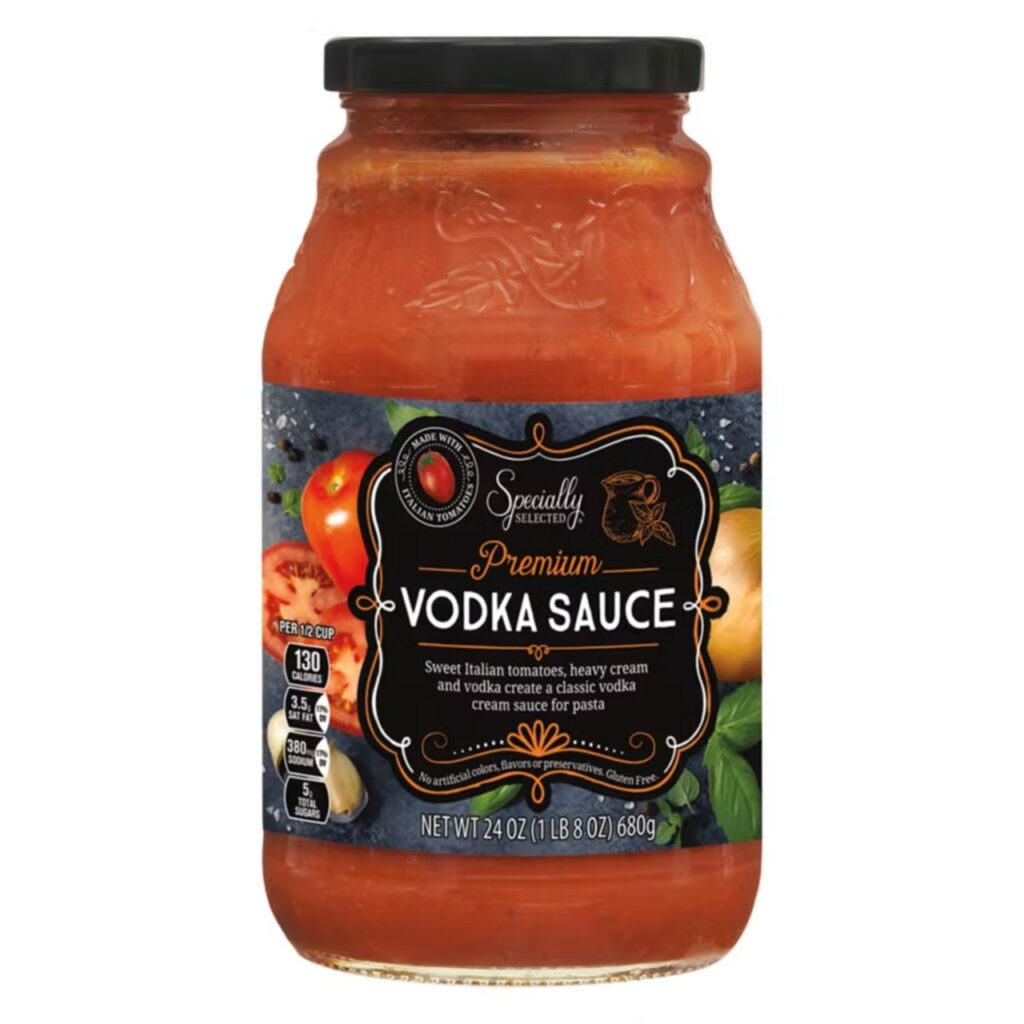
Pre-made pasta sauces are convenient, but Aldi’s selection can be inconsistent in flavor and texture. Some sauces taste overly acidic, while others rely heavily on salt and sugar to boost flavor. Ingredient lists may include fillers that dilute the richness of tomatoes and herbs. Once heated, sauces can separate or feel watery, especially when paired with high-quality pasta. While Aldi’s canned tomatoes are excellent for cooking, making a simple sauce at home often delivers better taste and control for very little extra cost. Even basic homemade sauces allow you to adjust seasoning and achieve a fresher, more balanced result.
4. Sugary Breakfast Cereals
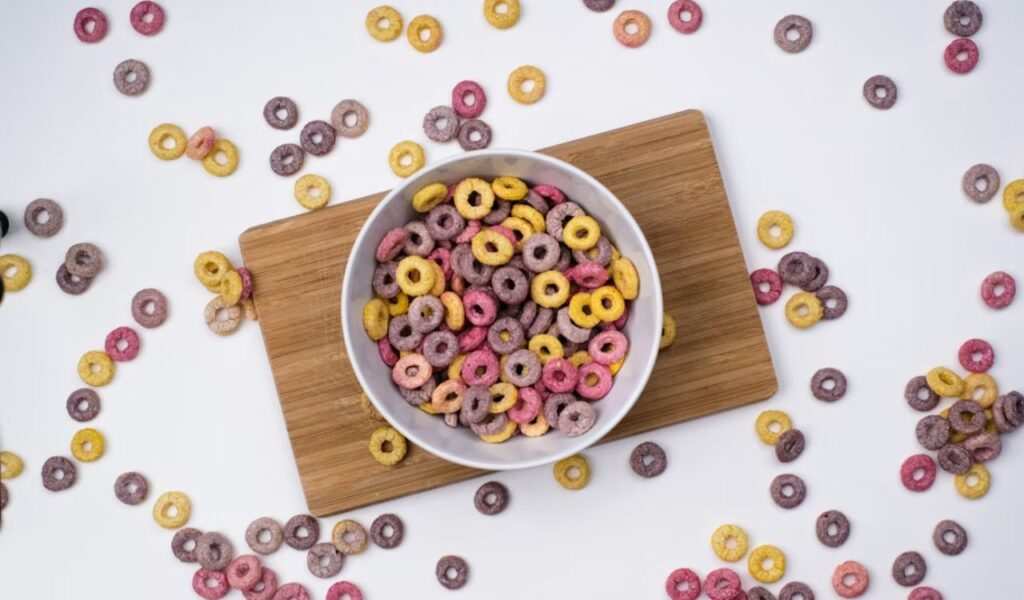
Bright packaging and low prices make Aldi’s sugary cereals appealing, especially for families, but the nutrition often falls short. Many varieties are high in added sugar and refined carbohydrates while offering little fiber or protein. This leads to quick energy spikes followed by crashes, especially for children. Texture can also turn stale faster once opened, suggesting shorter freshness windows. While Aldi carries some solid whole-grain options, the sweeter cereals rarely offer good value beyond the initial price. Choosing plain oats or lower-sugar cereals usually provides better nutrition and longer-lasting satisfaction.
5. Specialty Cheeses
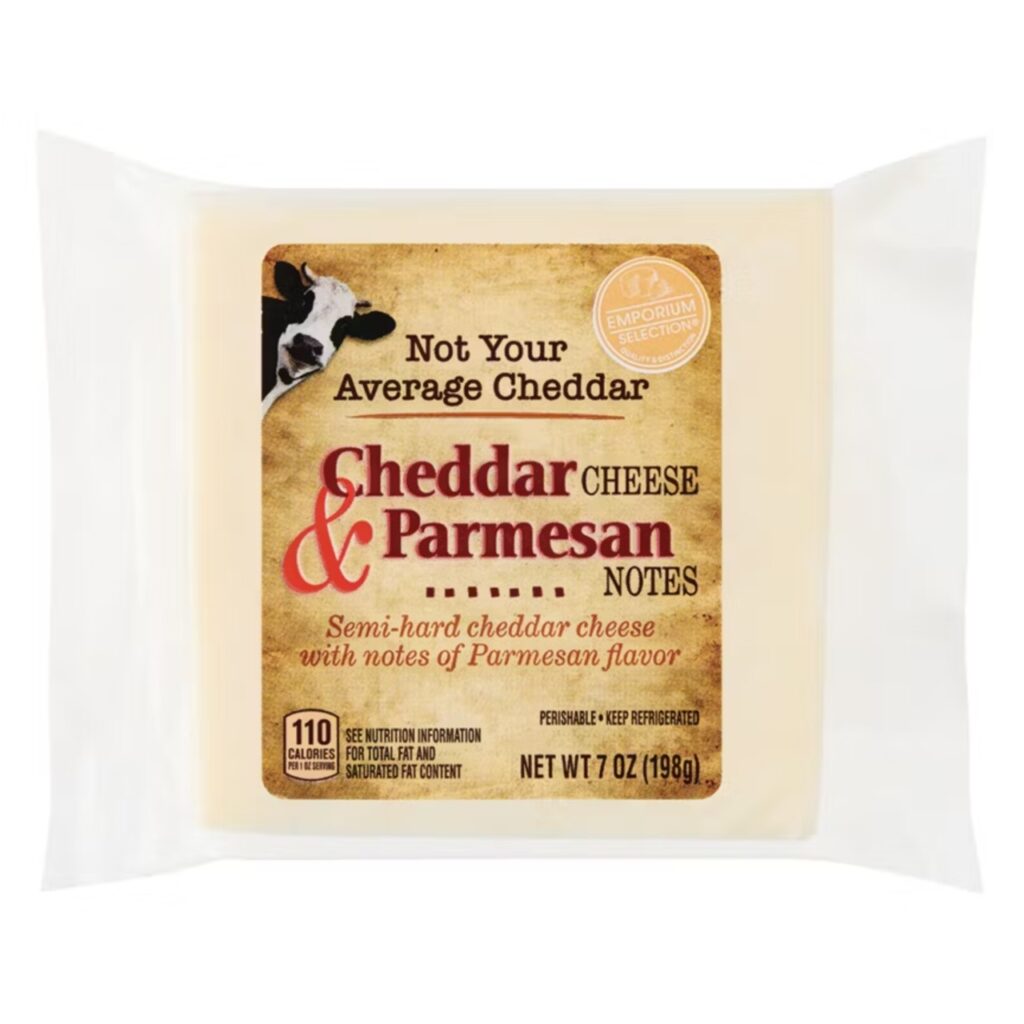
Aldi’s everyday cheeses are solid, but specialty cheeses can be disappointing. Items labeled as artisanal or imported are often mass-produced versions designed to look premium without delivering depth of flavor. Aging times may be shorter, and textures can feel rubbery or overly dry. While the price seems attractive, specialty cheese shops and warehouse stores often sell higher-quality options at similar or even better values. Aldi cheeses are best when used for melting or casual snacking, not when the cheese is meant to be the centerpiece of a dish. When flavor and authenticity matter, these cheeses often fall short of expectations.
6. Flavored Yogurts

Flavored yogurts may seem like a healthy snack, but many Aldi varieties contain more sugar than expected. Fruit flavors are often created with syrups or concentrates rather than real fruit, affecting both taste and nutritional quality. Some cups also have thinner textures and less protein compared to yogurts from brands that specialize in dairy. Portion sizes can be misleading, making it easy to consume excess sugar without realizing it. Plain yogurt with fresh fruit added at home is often fresher, more filling, and better aligned with health goals. It also allows you to control sweetness and avoid unnecessary additives.
7. Salad Kits and Bagged Greens
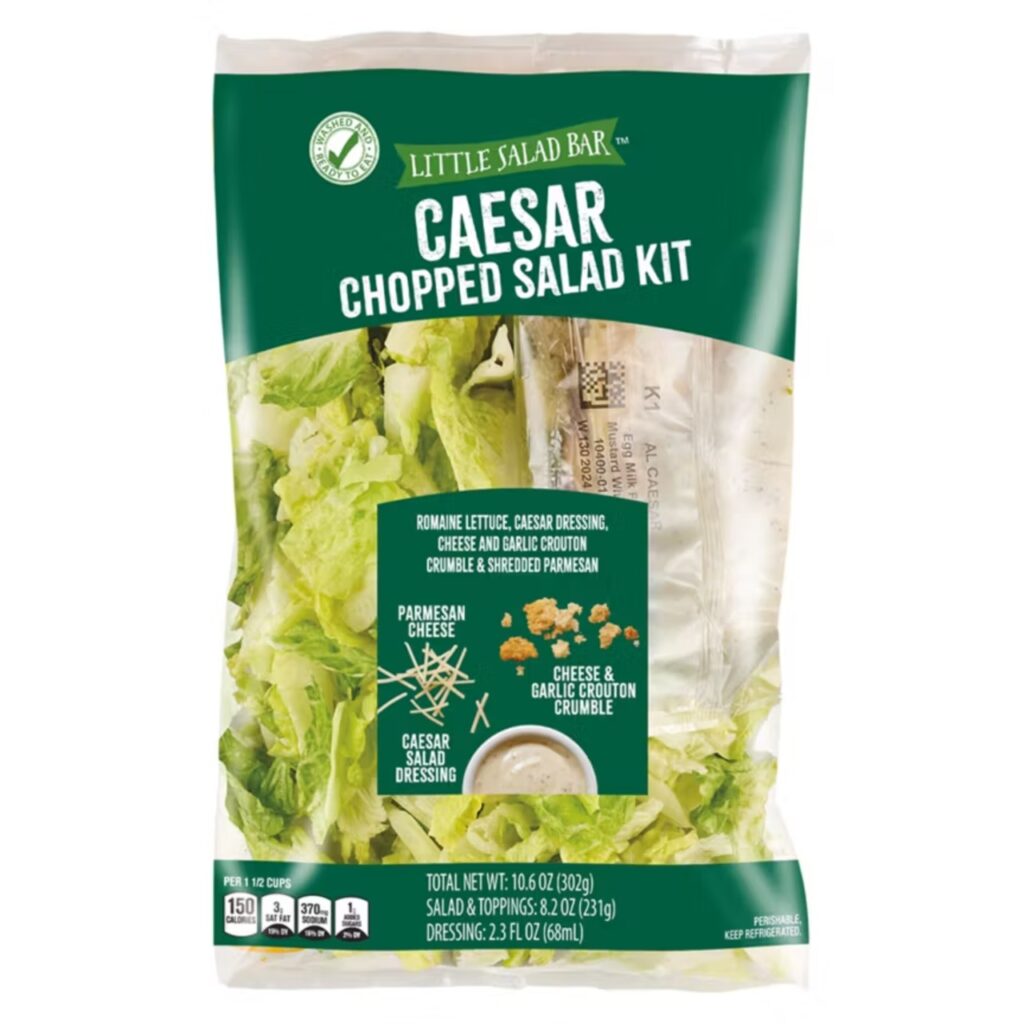
Bagged salads seem convenient, but Aldi’s versions often spoil faster than expected. Limited turnover and long transport times contribute to soggy leaves and slimy textures shortly after opening. Even when within the expiration date, greens may lack crunch and freshness. Salad kits also include dressing and toppings that may not suit every taste, reducing flexibility. Whole lettuce heads and loose greens usually stay fresh longer and cost less per serving. For shoppers who value freshness and texture, assembling salads from whole ingredients remains the better choice. It also allows better control over portion size and ingredient quality.
8. Frozen Diet or “Healthy” Meals
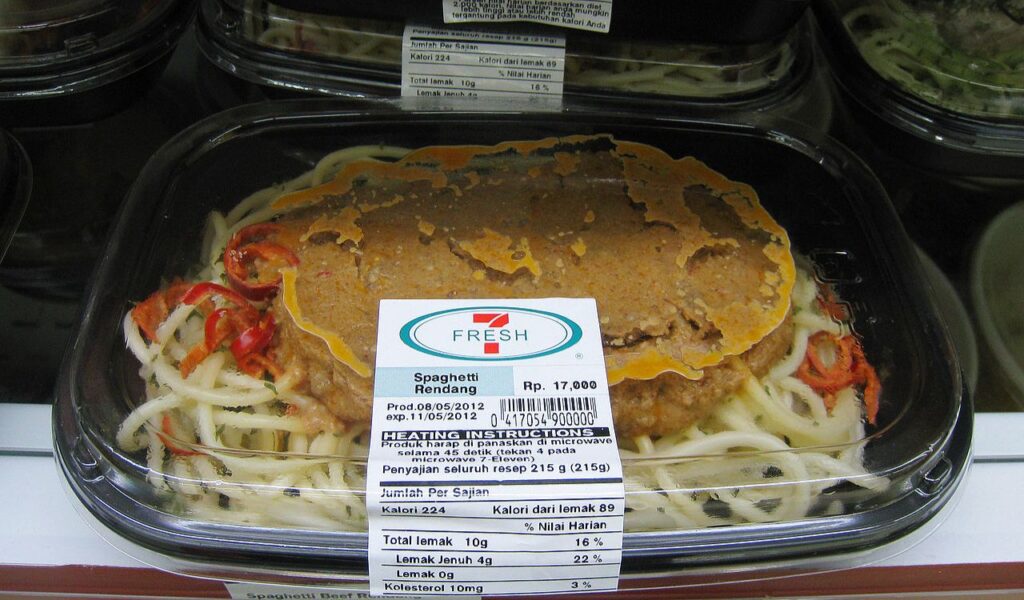
Frozen meals marketed as healthy often rely on buzzwords rather than balanced nutrition. Aldi’s options frequently contain high sodium levels and small protein portions, which can leave meals unsatisfying. Vegetables may turn mushy after heating, and sauces can dominate flavor. While convenient, these meals rarely deliver the nutrition or taste promised on the packaging. Aldi’s frozen section is strong overall, but these niche health meals often underperform compared to cooking simple frozen vegetables and proteins separately. Preparing basic frozen ingredients also allows more control over seasoning and nutrition.
9. Flavored Coffee Creamers
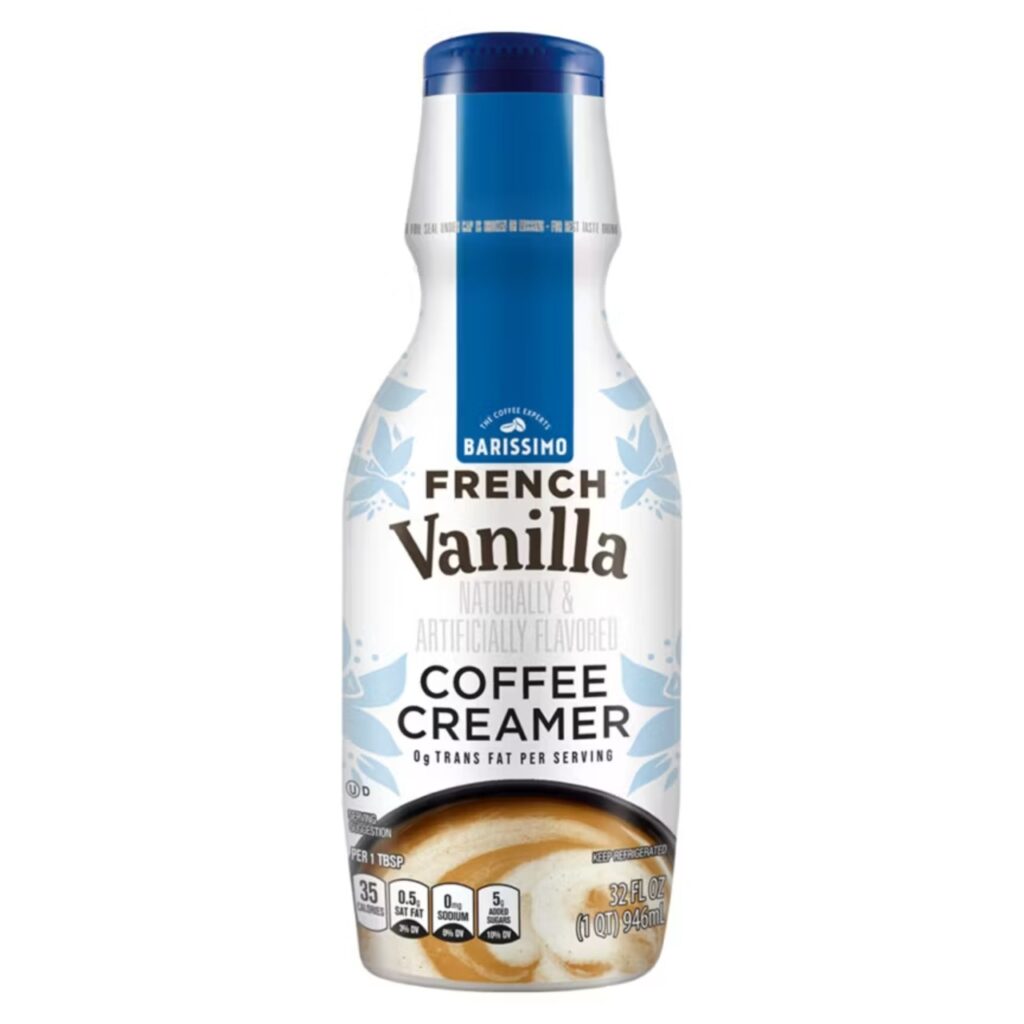
Flavored coffee creamers can seem like an easy way to upgrade your morning cup, but Aldi’s versions often disappoint on both taste and ingredients. Many rely heavily on artificial flavors, added sugars, and oils that overpower the coffee rather than complement it. Texture can feel thin or oddly slick, and separation after opening is a common issue. Compared to dairy-based creamers or simple milk alternatives from other stores, the flavor payoff is weak. When coffee is a daily ritual, small quality differences become noticeable fast. Making your own flavored creamer or buying higher-quality options usually delivers better taste and consistency.
10. Large Cuts of Premium Meat
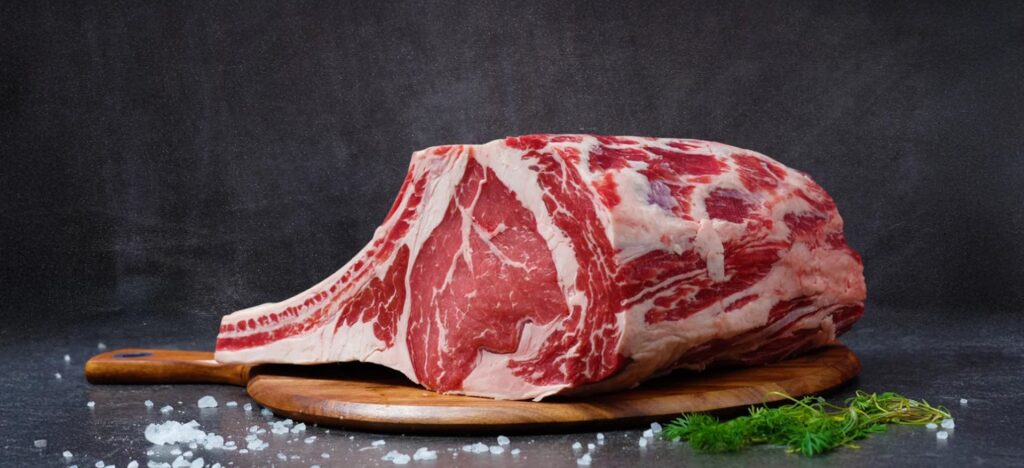
Aldi’s everyday meat prices are competitive, but premium cuts are less reliable. Limited grading options and inconsistent marbling affect tenderness and flavor. Because Aldi lacks in-store butchers, customization and quality checks are minimal. Larger cuts such as roasts or thick steaks require precise sourcing to perform well, and Aldi’s supply chain is not always optimized for this. Specialty butchers and warehouse stores generally offer better consistency and value for premium meat purchases. These stores also provide clearer grading information and better handling practices. When investing in an expensive cut, predictability matters more than a slightly lower price.
11. Bakery Cakes for Special Occasions
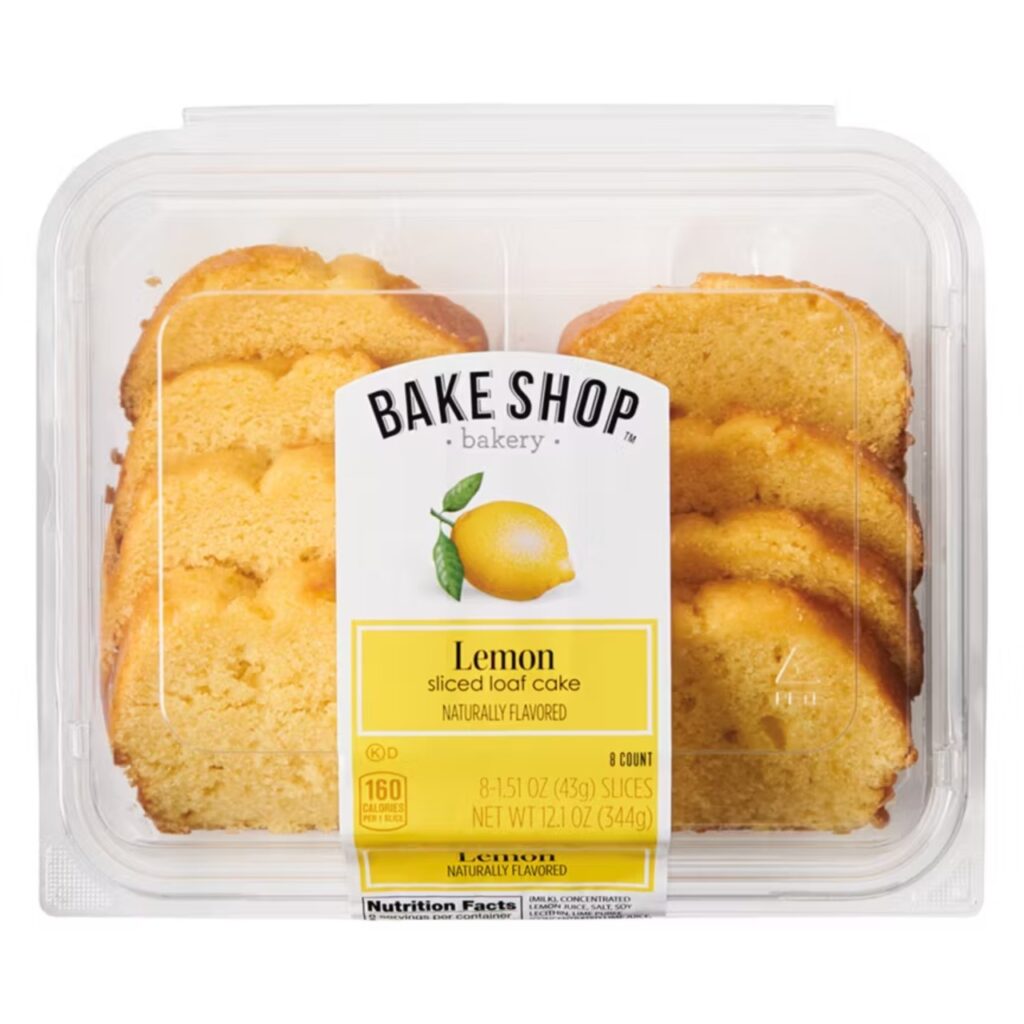
Aldi bakery cakes are affordable, but they are not designed for celebrations where presentation and taste matter most. Many are frozen and thawed, which affects texture and moisture. Frosting can be overly sweet, and cake layers may feel dense or dry. Customization options are also limited, making them less suitable for birthdays or events. While fine for casual desserts, special occasions usually call for bakeries that prioritize freshness, decoration, and flavor balance. Professional bakeries also allow flavor adjustments and portion sizing. That flexibility often makes the higher cost worthwhile for meaningful celebrations.