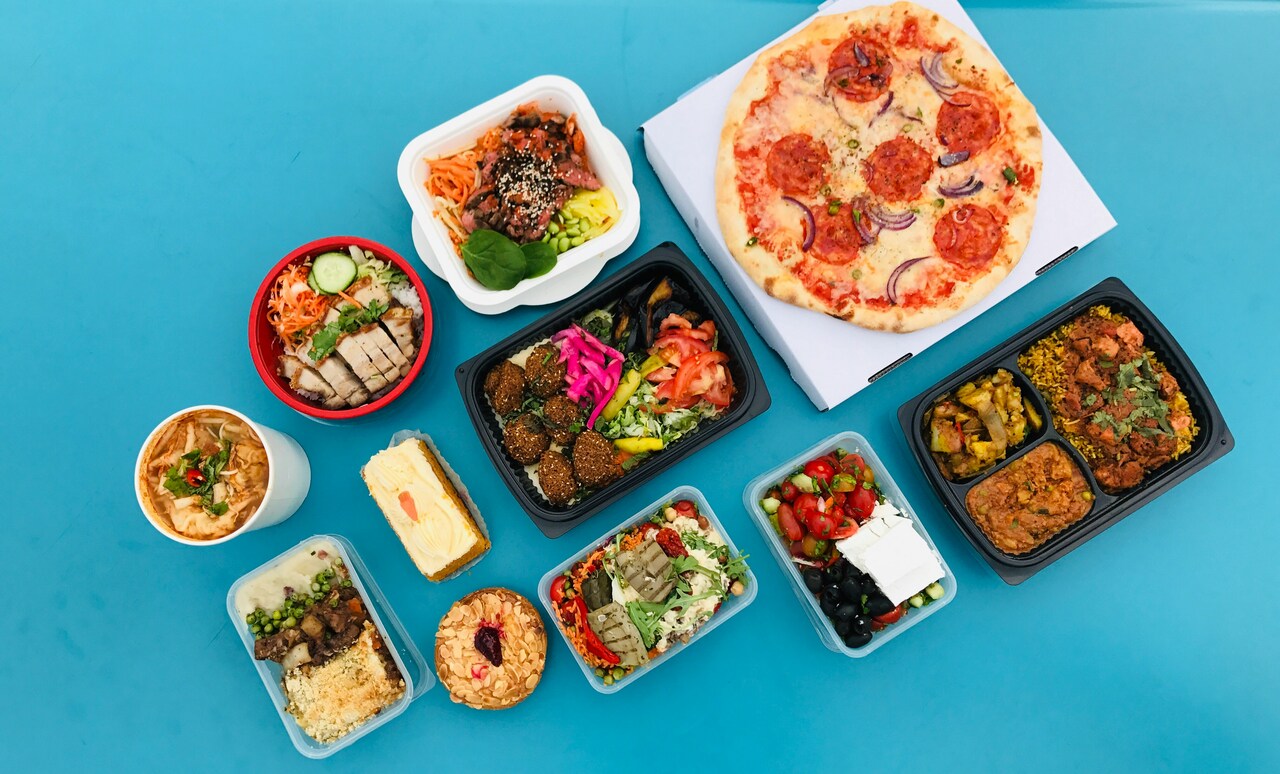
The Subtle Shift That Made Comfort Food Feel Less Comforting


Comfort food has long promised warmth, familiarity, and emotional relief, yet many people now find those same dishes less satisfying than they remember. Changes in eating habits, rising stress, evolving food culture, and constant availability have reshaped how comfort meals are experienced. Foods once tied to family traditions and special moments now appear in everyday routines, often consumed quickly or distractedly. Understanding these subtle shifts reveals why familiar comfort foods sometimes fail to deliver the emotional comfort they once did.
The Changing Meaning of Comfort Food
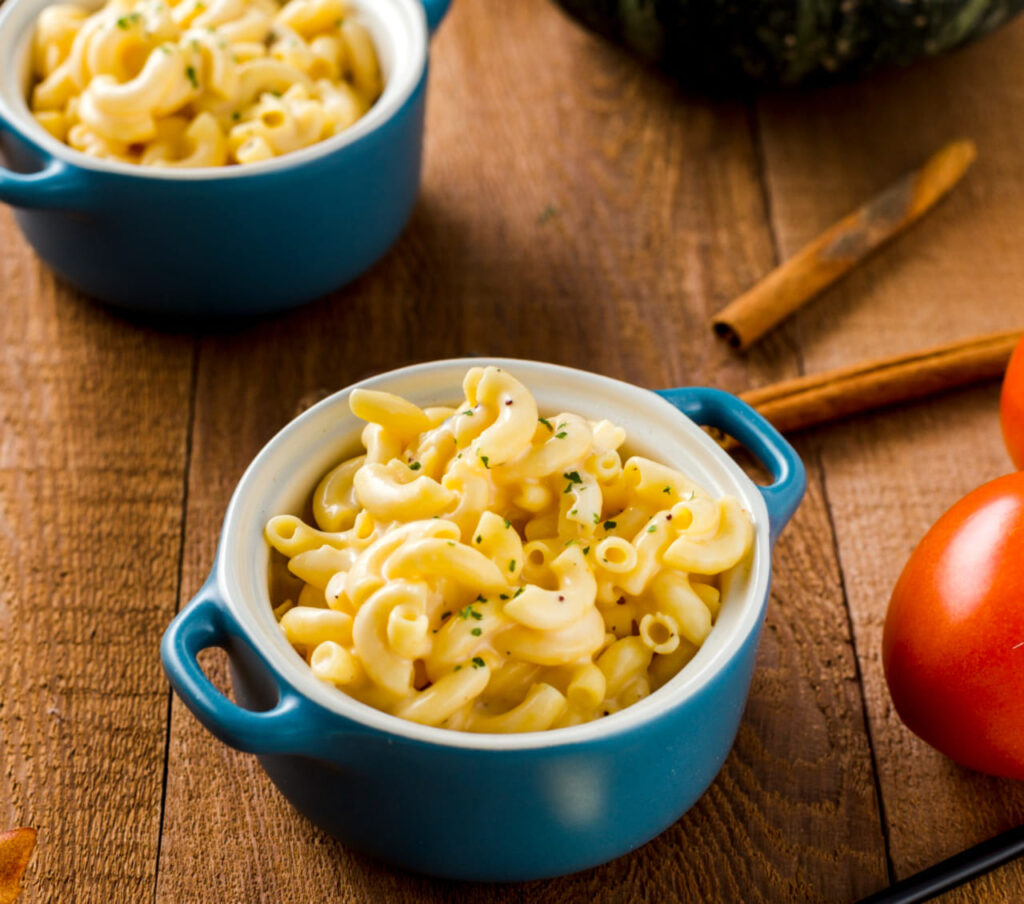
There was a time when comfort food was synonymous with warmth, familiarity, and emotional ease. A bowl of chicken soup or a plate of macaroni and cheese was more than just ingredients on a dish. These foods carried meaning, anchored in family gatherings, traditions shared across generations, and sensory memories that tied food directly to emotional comfort. Today, many people report that those same foods no longer provide the same emotional respite, leaving them unsatisfied or even paradoxically emptier than before. The shift is subtle, rooted not just in what is eaten, but in how and why it is eaten.
Part of this change lies in the expectations we carry into meals today. In the past, comfort food was rare in daily life, associated with holidays and meaningful occasions. The scarcity lent power to the experience. Today, however, familiar comfort foods are often available at every meal, across grocery aisles, on fast casual menus, and even in ready-to-heat formats. When something is constantly available, its emotional value can diminish. The brain begins to take these foods for granted, interpreting them less as treasures and more as routine fuel. As a result, people report that the emotional uplift once tied to comfort foods feels muted or insufficient.
What comfort food means emotionally has also broadened over time. It is no longer just about warm family memories but about immediate stress relief or self care. That shift intertwines comfort food with emotional regulation rather than tradition, and that change alters how satisfaction is experienced. When short-term emotional relief becomes the primary motivation, the sensory experience may feel hollow because it is not anchored in deeper emotional contexts that once gave meaning to these flavors. Food becomes a quick emotional solution rather than part of shared experiences. The absence of communal eating further weakens comfort associations.
Mindset and Eating Experience
Eating is as much a psychological activity as it is a physical fuel. The mindset brought to a meal profoundly shapes how that meal feels and tastes. When someone eats with joy, connection, and presence, food often feels more satisfying. Conversely, when food is consumed with stress, distraction, or guilt, the sensory experience can be blunted or fragmented. Comfort food has increasingly become a coping mechanism for emotional stress rather than simple nourishment, and this evolution affects how people feel after eating. Meals eaten under pressure rarely deliver the same satisfaction as relaxed dining.
Emotional eating translates stress, sadness, or boredom into food choices that momentarily soothe but often leave lingering dissatisfaction. When comfort food is eaten primarily to regulate emotion, the body and brain do not register the experience as nourishment or pleasure in the same way they do when the same foods are eaten in relaxed social settings. This difference helps explain why the same dish can feel comforting in one circumstance and disappointing in another. Research in psychology highlights how mood and attention influence both the taste perception and memory of eating experiences.
This deeper interplay between psychology and food becomes more pronounced in modern life, where distractions like screens, multitasking, and time pressure fragment attention during meals. When people rush through meals, the brain does not fully encode the sensory experience. As a result, even rich, flavorful foods can feel empty or less gratifying. Mindset matters, and the emotional context of eating shapes how comfort foods are experienced more than many people realize. Fast-paced lifestyles shorten meal breaks across workplaces. Constant notifications compete for attention while eating. Slower meals help restore awareness and enjoyment of flavors.
Cultural and Generational Shifts
Comfort food is deeply tied to cultural context and generational experience. For older generations, comfort food was often home-cooked and linked to family rituals. Meals were layered with memories of gatherings and shared routines. Today, global mobility and evolving family structures mean people form comfort food identities in more diverse ways. Some traditions have faded while new influences replace them. Emotional connections to food become broader but sometimes less specific. Cultural change reshapes how comfort is defined at the table. Migration patterns alter family cooking traditions.
Younger generations may associate comfort foods with different traditions or less anchored rituals. For some, comfort food comes from diverse culinary influences rather than one childhood kitchen. This diversity enriches cuisine but diffuses emotional specificity once inherent in comfort eating. When comfort food is shaped by broader influences, its emotional texture becomes more fluid. Food traditions shift as families relocate or mix cultural backgrounds. Children grow up with varied dishes rather than singular traditions. Emotional associations spread across many food experiences instead of a single familiar dish.
Globalization and exposure to different food traditions change expectations as well. People may crave foods from many cultures that once felt exotic but now feel familiar. Emotional resonance becomes shared across culinary experiences rather than concentrated in one tradition. Comfort food evolves alongside expanding tastes and experiences. Travel and migration introduce flavors into everyday routines. Restaurants bring global dishes into neighborhood dining. Exposure broadens comfort definitions beyond childhood meals. Culinary curiosity encourages experimentation at home. International cuisines influence comfort eating habits.
Health Narratives and Food Guilt

Diet culture and health messaging increasingly influence eating experiences. Foods once enjoyed without hesitation are now judged through nutritional lenses. Words like indulgent or cheat meal create emotional tension around comfort eating. Many people struggle between enjoyment and internalized dietary rules. Comfort food often triggers guilt instead of relaxation. Food decisions now carry moral weight for many diners. Conversations about health frequently accompany meal choices. Social pressure around wellness reshapes how meals are perceived. Health trends constantly redefine acceptable eating habits.
This emotional conflict changes how satisfaction is experienced. When eating prompts thoughts about calories or health consequences, enjoyment diminishes. Emotional warmth tied to traditional foods becomes tangled with anxiety or self-criticism. Repeated guilt weakens the emotional comfort previously associated with certain dishes. Restrictive thinking disrupts natural pleasure responses. Emotional tension interferes with sensory enjoyment. People often struggle to relax while eating beloved foods. Self-monitoring distracts from enjoyment. Stress responses override pleasure signals. Comfort becomes associated with worry instead of relaxation.
The freedom versus shame dynamic reshapes neural reward responses. Pleasure signals are muted when eating feels restricted or judged. Stress responses override enjoyment pathways in the brain. Foods once associated with happiness may feel emotionally complicated instead. Removing shame helps restore enjoyment. Accepting occasional indulgence reduces emotional conflict. Balanced attitudes help reconnect pleasure with nourishment. Acceptance encourages healthier emotional eating patterns. Enjoyment returns when judgment decreases. Reframing food as nourishment rather than a moral choice eases internal tension around eating.
Availability and Routine
Comfort food once felt special because it appeared occasionally rather than daily. Today, these foods are widely available across menus and packaged formats. Constant availability changes how the brain values these foods. What once felt exciting becomes routine consumption. Emotional anticipation fades with repetition. Familiar dishes lose novelty when eaten frequently. Routine eating removes the anticipation that once amplified enjoyment. Accessibility makes comfort foods ordinary rather than celebratory. Convenience replaces ritual preparation. Ready access eliminates waiting or planning.
Routine consumption also affects reward pathways. Novelty drives pleasure responses, while repetition lowers excitement. Comfort foods eaten regularly activate weaker reward responses. Familiarity becomes expectation rather than pleasure. People then search for stronger flavors or larger portions to compensate. Anticipation fades when foods become predictable. Emotional satisfaction declines with repetition. Changing routines can help restore enjoyment. Predictable meals lose emotional intensity. Seeking variety becomes necessary for satisfaction. Culinary creativity restores novelty.
Availability also alters perceived effort and value. Foods that once required preparation now appear ready-made. Ritual cooking steps disappear, removing emotional buildup. The experience becomes transactional rather than meaningful. Emotional depth fades when preparation rituals vanish. Cooking processes once built anticipation and connection. Ready-made foods skip emotional investment stages. Effort often enhances appreciation of meals. Quick meals reduce connection to cooking traditions. Preparation rituals strengthen emotional satisfaction. Convenience solves time pressures but often reduces emotional engagement with food.
Stress, Anxiety, and Comfort Eating

Stress hormones influence cravings toward sugary and fatty foods. Historically, energy-dense foods supported survival during scarcity. Modern abundance makes those cravings less beneficial. Stress-driven eating often feels comforting initially but unsatisfying later. Relief fades quickly, leaving emotional discomfort behind. Chronic stress increases reliance on quick food comforts. Emotional satisfaction decreases with repeated stress eating. Physical fatigue often accompanies emotional eating cycles. Stress often triggers impulsive eating decisions. Emotional exhaustion weakens satisfaction responses. Comfort foods lose their soothing impact over time.
Emotional regulation through food provides only temporary relief. Comfort foods calm nerves briefly but fail to resolve deeper stress sources. Blood sugar fluctuations may worsen mood afterward. Cycles of craving and disappointment repeat. Emotional eating gradually feels ineffective. People seek stronger flavors to recreate comfort. Disappointment grows when food fails to soothe emotions. Temporary comfort leads to long-term dissatisfaction. Emotional eating rarely addresses root stress causes. Frustration builds when eating fails to provide relief. Recognizing emotional triggers helps break repetitive eating patterns.
Chronic anxiety also dampens reward systems in the brain. Pleasure responses weaken under constant stress. Comfort foods lose emotional effectiveness. Eating becomes a habit rather than an enjoyment. Long-term stress reshapes pleasure expectations. Emotional resilience affects food enjoyment. Recovery requires addressing underlying stress patterns. Therapy and stress reduction help restore pleasure responses. Emotional support improves eating experiences. Lifestyle adjustments strengthen emotional satisfaction. Improving mental well-being often restores enjoyment in everyday routines. Food satisfaction grows when emotional pressure decreases.
Social Media and Performance Eating

Social media influences how food is chosen and shared. Visually impressive meals gain attention online. Comfort food becomes something to display rather than simply enjoy. Presentation sometimes outweighs taste. Eating experiences shift toward performance. Meals become photo opportunities. Personal enjoyment competes with online approval. Visual appeal often guides food choices. Posting food becomes part of social interaction. Validation through engagement influences dining decisions. Eating sometimes pauses for photography. Enjoyment increases when attention returns to taste rather than presentation.
Performance-oriented eating alters attention during meals. Focus moves from flavor to appearance. Emotional satisfaction weakens when validation becomes external. Traditional comfort foods feel less exciting next to trendy creations. Online comparisons shape expectations before eating begins. Constant exposure to new trends raises novelty expectations. Familiar foods seem less exciting in comparison. Visual perfection often outweighs taste preferences. Meals become curated experiences rather than spontaneous enjoyment. Online culture shapes dining behavior. Reclaiming private enjoyment reduces comparison pressure.
Continuous exposure to new food trends also conditions expectations. People expect novelty instead of familiarity. Traditional dishes may feel boring. Comfort food evolves toward elaborate versions. Emotional simplicity fades amid constant reinvention. Trend cycles change quickly online. Classic comfort foods struggle to compete with novelty. Rapid trend turnover shortens food popularity cycles. Familiar dishes feel outdated quickly. Reinvention becomes necessary to sustain attention. Balancing novelty with tradition preserves emotional connection to food. Rediscovering classics often brings unexpected comfort.
Reclaiming True Comfort Food

Reconnecting with comfort food begins with mindful eating. Attention to flavor, texture, and atmosphere restores enjoyment. Meals shared with others strengthen emotional bonds. Cooking with intention rebuilds positive associations. Slowing down helps sensory experiences register fully. Shared meals deepen emotional satisfaction. Preparation rituals reconnect food with memory. Intentional dining enhances pleasure. Conversation improves emotional warmth. Family meals rebuild shared traditions. Mindfulness transforms routine meals into meaningful pauses. Connection grows when meals become shared experiences again.
Letting go of guilt allows pleasure to return. Comfort foods can exist within balanced diets. Removing moral judgment restores enjoyment pathways. Positive attention amplifies satisfaction. Psychological acceptance improves emotional responses. Balanced perspectives reduce anxiety around eating. Food becomes nourishment rather than conflict. Emotional freedom strengthens satisfaction responses. Acceptance supports healthier relationships with food. Enjoyment grows when judgment disappears. Compassion toward eating habits fosters long-term balance. Satisfaction increases when meals are enjoyed without fear or shame.
Finally, intentional traditions restore comfort food’s meaning. Family recipes and shared meals build emotional depth. Cultural dishes reconnect people with identity and memory. Emotional presence during meals strengthens satisfaction. Comfort food regains emotional warmth when shared. Ritual and memory reinforce satisfaction. Meaningful dining restores food’s comforting role. New traditions help sustain comfort across generations. Shared cooking strengthens emotional connections. Meals regain meaning through intentional experiences. Passing traditions forward keeps food emotionally alive. Shared memories ensure comfort foods remain meaningful over time.