When Did Restaurant Meals Start Feeling Less Special Than the Price Suggests

Dining out once felt like a genuine treat, but many people now leave restaurants wondering why the experience doesn’t match the price they just paid. Rising ingredient and labor costs, changing service standards, and shifting eating habits have all reshaped how meals feel. As restaurant visits became routine rather than occasional, expectations evolved while prices climbed steadily. Understanding how dining culture, inflation, and competition interact helps explain why restaurant meals today often feel less memorable than they once did.
The Sense of Value Lost
There was a time when eating out felt like a treat, a deliberate shift from the routines of home cooking and everyday life. Today, many diners walk into restaurants with a different mindset. Instead of looking forward to an experience, they weigh every bite against the bill that follows. The experience may be familiar, the food predictable, and the service functional rather than exceptional. That contrast between expectation and reality is at the heart of why restaurant meals can feel less special than the price implies. Rising menu prices have made diners more critical of every detail they encounter.
Value is a blend of pleasure and cost, and when either side feels lacking, dissatisfaction grows. People today often sense that their money buys them less excitement, less discovery, and less delight on the plate or in service. Memories of restaurant meals in the past, including the excitement of new flavors or attentive service, accentuate how ordinary today’s meals can seem in comparison. For many diners, the loss of that special feeling is less about one bad dish and more about accumulated experience. When outings lose that edge of enjoyment, price becomes a glaring reminder of what seems missing.
Beyond nostalgia, this sense of loss reflects broader shifts in how people eat. Once, dining out was occasional and marked by special events like celebrations or rare nights away from home cooking. Over time, restaurant visits expanded into regular weekly habits. As frequency increased, the symbolic value of a meal out diminished. When a ritual becomes routine, its emotional weight is lighter. Diners still enjoy food, but they may no longer associate price with the same degree of wonder or delight. That evolving mindset reshapes how restaurants and their patrons view the meal experience and its worth.
The Evolution of Dining Frequency
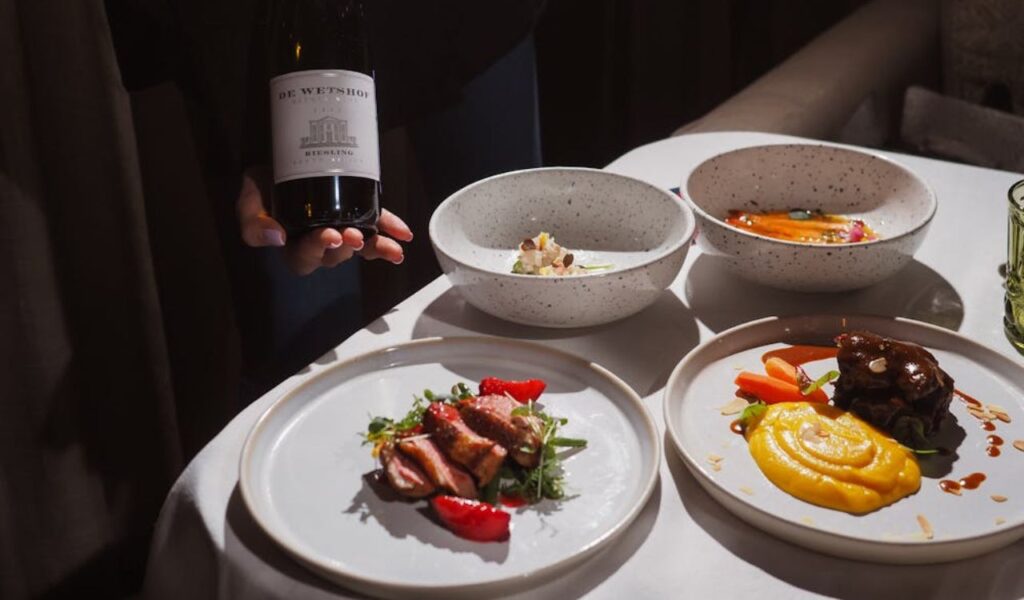
Restaurant dining patterns have shifted noticeably over the past couple of decades. Fifteen years ago, going out to eat was significantly less common than it is now. Families and individuals ate at home more frequently, and eating out was reserved for weekends or special nights. As lifestyle patterns changed and dual-income households became more common, convenience became a driving force. Fast casual and quick service restaurants made eating out easier and more affordable, encouraging people to make dining out a regular part of life rather than an occasional treat. Busy work schedules have further encouraged reliance on prepared meals.
At the same time, the rise of delivery services, food apps, and digital menus brought restaurants seamlessly into daily routines. Italian night, sushi night, and taco evenings became part of weekly habits. The cultural meaning of dining out shifted. What was once a departure from the ordinary became another routine errand, similar to grocery shopping or grabbing coffee. This increasing frequency of dining experiences has gradually shifted how people perceive their value. Instead of a rare indulgence, a restaurant meal can feel like another task on the calendar. Convenience sometimes replaces excitement as the main reason to order food.
There is also a generational aspect to this shift. Younger diners who have grown up with dining out as a norm may judge restaurant quality differently than older generations who remember it as an event. For many families, eating out has become a convenient choice to save time around work, school, and extracurricular commitments. The convenience of restaurant meals now coexists with rising prices, creating a tension between habit and value. As people revisit why they choose to dine out, they often find the experience less notable than it used to be. Budget considerations increasingly influence how often families dine out.
Inflation and Rising Restaurant Costs
Inflation in the restaurant sector has outpaced many other consumer categories in recent years, and this has a direct impact on how meals feel relative to their price. Food inflation, in particular, has hit restaurant menus hard as the cost of ingredients like meat, dairy, produce, and grains has climbed. Operators are squeezed from multiple directions, including higher wholesale food prices, rising labor costs, and increased overhead for rent, utilities, and supplies. To remain profitable, these added costs are passed on to diners through higher menu prices. Customers increasingly notice price jumps even at familiar establishments.
For many customers, the rising bill at the end of a meal is not matched by a proportional rise in quality or satisfaction. Higher prices raise expectations, but when delivery does not feel different, diners may perceive prices as unjustified. Inflation shapes not just the numeric cost of a meal but the emotional experience of paying for it. What once felt reasonably priced now feels expensive for what is received. Diners often compare current prices to past experiences when deciding value. Ingredient substitutions sometimes go unnoticed until flavor changes become clear. Sticker shock sometimes discourages repeat visits even when food quality remains stable.
Pressure from inflation also influences decisions restaurants make about portion sizes, ingredient quality, and menu complexity. To maintain margins, some establishments reduce portions quietly, switch to cheaper ingredients, or simplify complex dishes. These subtle changes may not be visible on the menu description, but they affect the dining experience. Customers feel that something has changed even as the price reflects rising costs. This disconnect between price and perceived quality is central to why many meals feel less special today. Small cost adjustments accumulate and alter customer satisfaction over time.
Ingredient Quality vs Price Growth

Restaurants today face intense cost pressures from sourcing ingredients. Supply chain disruptions, climate impacts on agriculture, and volatility in commodity markets make high-quality ingredients more expensive and harder to secure consistently. Many independent restaurants that once prided themselves on local sourcing and seasonal menus find themselves balancing rising supplier costs with the need to keep prices competitive. The result is often a shift toward more standardized ingredients or broader use of cost-saving alternatives. Seasonal variety sometimes decreases when sourcing becomes unpredictable.
When diners pay premium prices and do not taste a corresponding difference in the food’s quality, the meal feels less valuable. For example, a steak plate that once featured a particular cut from a local farm may now use a more generic substitute to control costs. The description on the menu might remain similar, but the texture or flavor may be muted compared to past expectations. These small changes accumulate in diners’ minds and lead to a sense that meals feel less special. Repeat customers notice subtle quality differences over time. Comparisons with previous visits influence overall satisfaction.
Restaurants also respond to cost pressures by adjusting portions or simplifying plating. A dish that once featured multiple complementary elements may be pared down to its core protein and a single side to keep costs manageable. Although these adjustments make economic sense for operators, they can dilute perceived value for customers. Diners often internalize these shifts as a decline in quality rather than an economic necessity, reinforcing the feeling that price no longer matches experience. Reducing presentation detail sometimes makes meals appear less impressive. Visual appeal plays a significant role in dining satisfaction.
Service Expectations and Experience
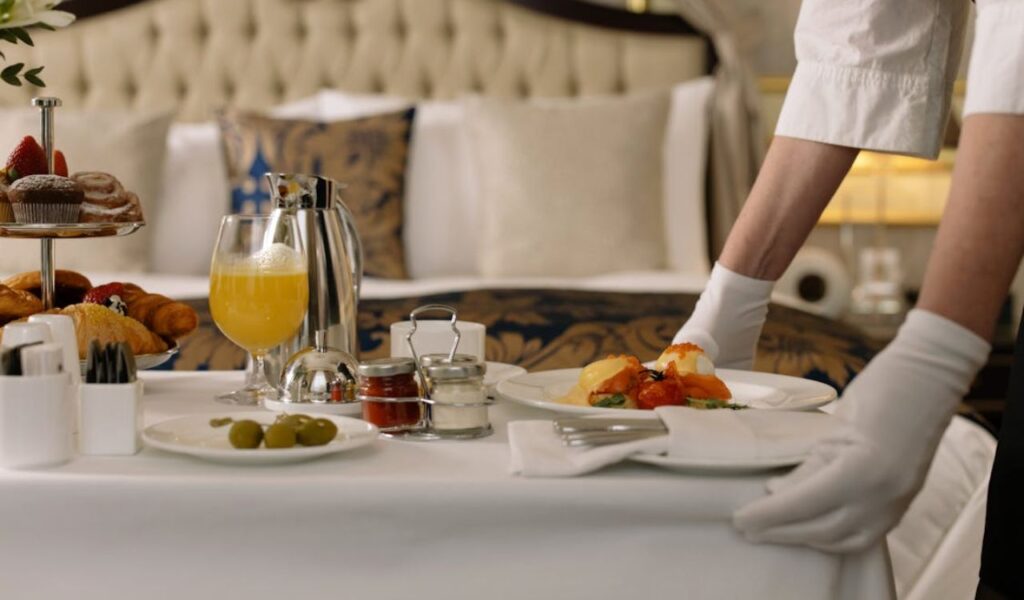
Service quality is a central part of the restaurant experience, and changes in labor dynamics have reshaped what diners encounter at the table. In previous decades, dining out often included attentive, polished service that felt personalized and gracious. With staffing shortages, higher labor costs, and increased turnover, many restaurants now operate with smaller teams or rely on less experienced staff. The result can be a service that feels rushed, inconsistent, or transactional rather than warm and memorable. Employees often juggle multiple responsibilities simultaneously. High turnover makes it harder to maintain consistent service standards.
When service no longer feels special, the entire dining experience changes. Diners unconsciously judge meals not only on the food but on how they are treated. A warm welcome and attentive pacing boost perceived value. When these elements are missing, it makes the cost feel less justified. Patrons may leave feeling they could have had a similar meal at home for less expense. Positive service memories often matter more than individual dishes. Personalized interactions significantly influence customer loyalty. Staff who anticipate needs without being intrusive often leave the strongest impressions.
The pressure to move tables quickly also influences service pace. Restaurants striving to maintain revenue per seating may rush interactions, sending dishes out rapidly, and encouraging faster turnover. This approach improves efficiency but diminishes the leisurely experience many associate with special meals. Without that feeling of attention, diners may feel like they are fulfilling a routine obligation rather than enjoying an elevated experience. Faster dining reduces time for conversation and enjoyment. Many guests miss slower-paced meals that once defined dining out. Balanced pacing helps restaurants maintain revenue without sacrificing guest satisfaction.
Restaurant Competition and Market Pressure
Competition in the restaurant industry looks very different than it did two decades ago. Chains, fast casual concepts, and limited service models have proliferated, offering reliable food at predictable prices and speeds. These dining formats attract diners with convenience and familiarity. They create an expectation that meals should come quickly and cost within a comfortable range. Sit-down restaurants must justify higher prices while competing against efficient casual options. Customers now compare value across many dining formats before choosing. Convenience often outweighs atmosphere in decision-making.
The rise of fast casual has also shifted consumer comparisons. Diners who can have flavorful meals quickly at moderate prices may visit traditional restaurants only for special occasions. This reduces the frequency of higher priced outings and increases scrutiny when meals cost more. Patrons often measure sit down quality against well executed casual options. When a premium meal does not clearly exceed expectations, disappointment follows. Casual dining standards influence how premium experiences are judged. Diners now expect quality, speed, and value simultaneously rather than accepting tradeoffs.
Competition also affects menu creativity. Some establishments pursue innovation but risk alienating diners seeking comfort foods. Others stick to safe menus that lack distinction. In either case, differentiation becomes harder, and meals risk feeling generic. Diners increasingly ask whether the premium for a traditional restaurant experience truly delivers uniqueness. When the answer feels uncertain, the idea grows that meals feel less special than their price suggests. Menu repetition across chains reduces excitement. Unique culinary identities become harder to sustain. Restaurants must balance creativity with familiarity to maintain loyal followings.
Cultural Shifts Around Dining
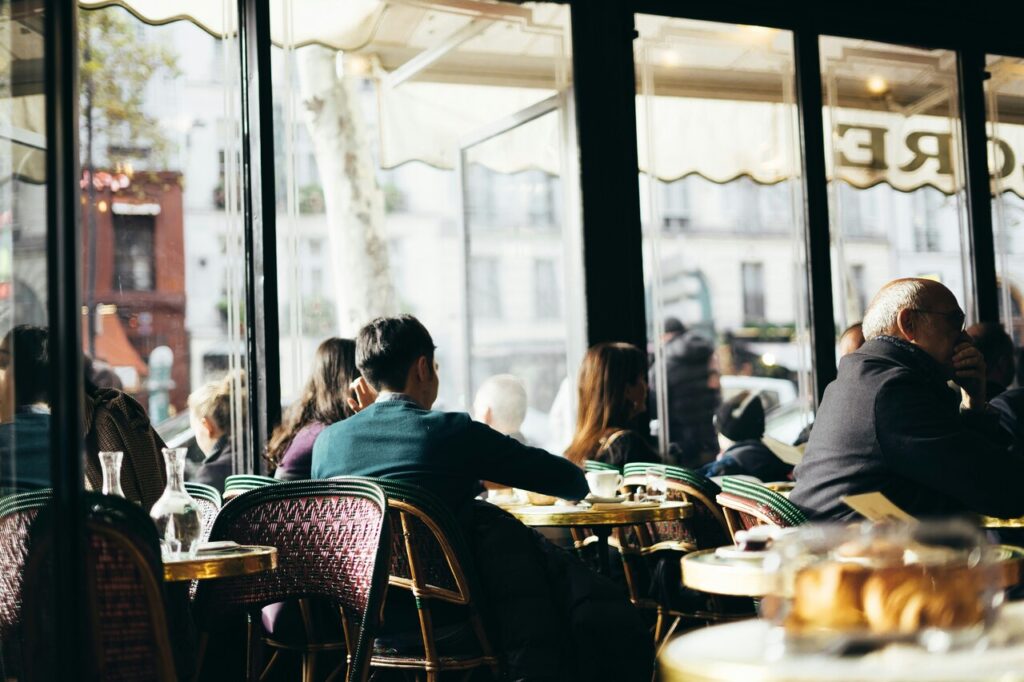
Cultural attitudes toward dining out have changed significantly. Interest in home cooking has resurged due to health awareness and culinary curiosity. Cooking shows and social media recipes inspire people to prepare diverse meals at home. As home cooking improves, restaurants must work harder to impress diners. Meals prepared at home sometimes rival restaurant quality at a lower cost. This narrows the experiential gap between home and restaurant dining. Ingredient access has also expanded, allowing home cooks to experiment with global flavors more easily. Restaurants now compete not only on taste but on overall experience and convenience.
Social media also shapes expectations. Perfectly styled dishes online create idealized standards. When actual meals fall short of these images, disappointment follows. The contrast between expectation and reality becomes sharper. Diners evaluate presentation as much as taste. Online food culture influences perceptions long before a meal begins. Visual appeal now plays an outsized role in satisfaction. Restaurants increasingly design dishes with photography in mind as well as flavor. Online reviews and shared images can shape restaurant reputations before guests even visit. Viral trends can also raise expectations beyond what kitchens can realistically deliver.
Another cultural shift is the distinction between everyday meals and celebrations. With more food options available, people reserve restaurants for meaningful events. This raises expectations for uniqueness and enjoyment. When experiences feel ordinary, disappointment grows. Restaurants must now compete with both home cooking and diverse dining alternatives. Occasional visits carry heavier emotional expectations. Special occasions demand memorable experiences. Guests often seek storytelling, ambiance, and service that match the importance of their events. Dining out now carries greater pressure to deliver lasting memories rather than routine satisfaction.
Comparing Global Dining Standards
Dining experiences differ worldwide, and comparisons influence perceptions of value. In many European settings, dining is slower and more ceremonial. Service, pacing, and atmosphere align closely with price expectations. Meals feel curated and relaxed, reinforcing perceived value. Travelers returning home often compare these experiences with domestic dining. Cultural norms influence how value is interpreted in restaurant settings. Exposure to global dining habits reshapes expectations about the pacing and service quality. Travelers often seek similar experiences locally after returning home.
Portion and presentation standards also vary globally. Some countries prioritize artistry and balance rather than quantity. Smaller portions paired with refined preparation often feel elevated. In contrast, large portions without a presentation focus may feel less sophisticated. Diners exposed to global dining sometimes expect more thoughtful presentation at home. Exposure to international dining reshapes expectations of restaurant value. Restaurants must balance portion size with the visual appeal to satisfy diverse diners. Presentation increasingly influences perceived quality alongside flavor.
Service styles differ as well. In some regions, servers guide diners through menus and pairings with care. Personalized interaction enhances the experience. In places where service is minimal or rushed, meals feel transactional. These cultural contrasts shape expectations about what restaurants should deliver. Global travel influences how diners judge experiences locally. Exposure broadens expectations of hospitality standards. Restaurants that train staff to provide thoughtful service often see stronger guest loyalty. Personalized attention helps dining feel the most memorable rather than routine.
How Restaurants Are Responding

Restaurants have begun adapting by innovating menus and redefining value. Many emphasize seasonal sourcing and chef-driven creativity. These strategies build stories around dishes, making meals feel more intentional. Tasting menus and chef experiences create memorable moments. Restaurants experiment with immersive dining formats. Unique offerings aim to restore emotional value. Partnerships with local farms and artisans also help restaurants communicate authenticity and freshness. Continual menu evolution keeps repeat guests curious and engaged. Rotating seasonal menus also helps kitchens manage ingredient quality more effectively.
Value promotions also help offset rising costs. Prix fixe menus, specials, and loyalty rewards encourage return visits. Bundled offerings allow diners to explore menus at a lower perceived cost. Restaurants that anticipate customer expectations maintain stronger loyalty. Personalization also increases satisfaction. Customized service helps guests feel appreciated. Digital ordering and loyalty tools now help restaurants tailor offers to returning customers. Flexible pricing strategies help balance affordability with operational sustainability. Transparent value messaging also helps customers feel confident about spending choices.
Finally, restaurants invest in atmosphere and hospitality training. Lighting, music, and seating comfort enhance experiences beyond food. Skilled service staff help create memorable meals. These holistic efforts reconnect price with experience. Diners rediscover enjoyment when atmosphere and service match expectations. The industry continues adjusting to evolving consumer priorities. Successful restaurants balance cost realities with experiential value. Ongoing staff training helps maintain service consistency even as teams change. Thoughtful ambiance encourages guests to linger and associate dining out with genuine relaxation.
References
Eating Out vs. Eating at Home – obesityaction.org
Dining Out Doesn’t Mean Ditching Your Diet – heart.org
Here’s How Fast Food Can Affect Your Body – clevelandclinic.org