12 Grocery Staples Shrinking in Size Again (Shrinkflation 2026 Edition)


Shrinkflation continues into 2026 as food producers reduce package sizes instead of raising prices outright. Economists note that manufacturers often resize products quietly to manage rising labor, ingredient, and transportation costs. For shoppers, this means familiar staples may look the same on shelves while containing fewer servings or ounces. Below are the everyday groceries that analysts and consumer advocates report are shrinking most noticeably this year, along with why companies are downsizing them again.
Breakfast Cereal
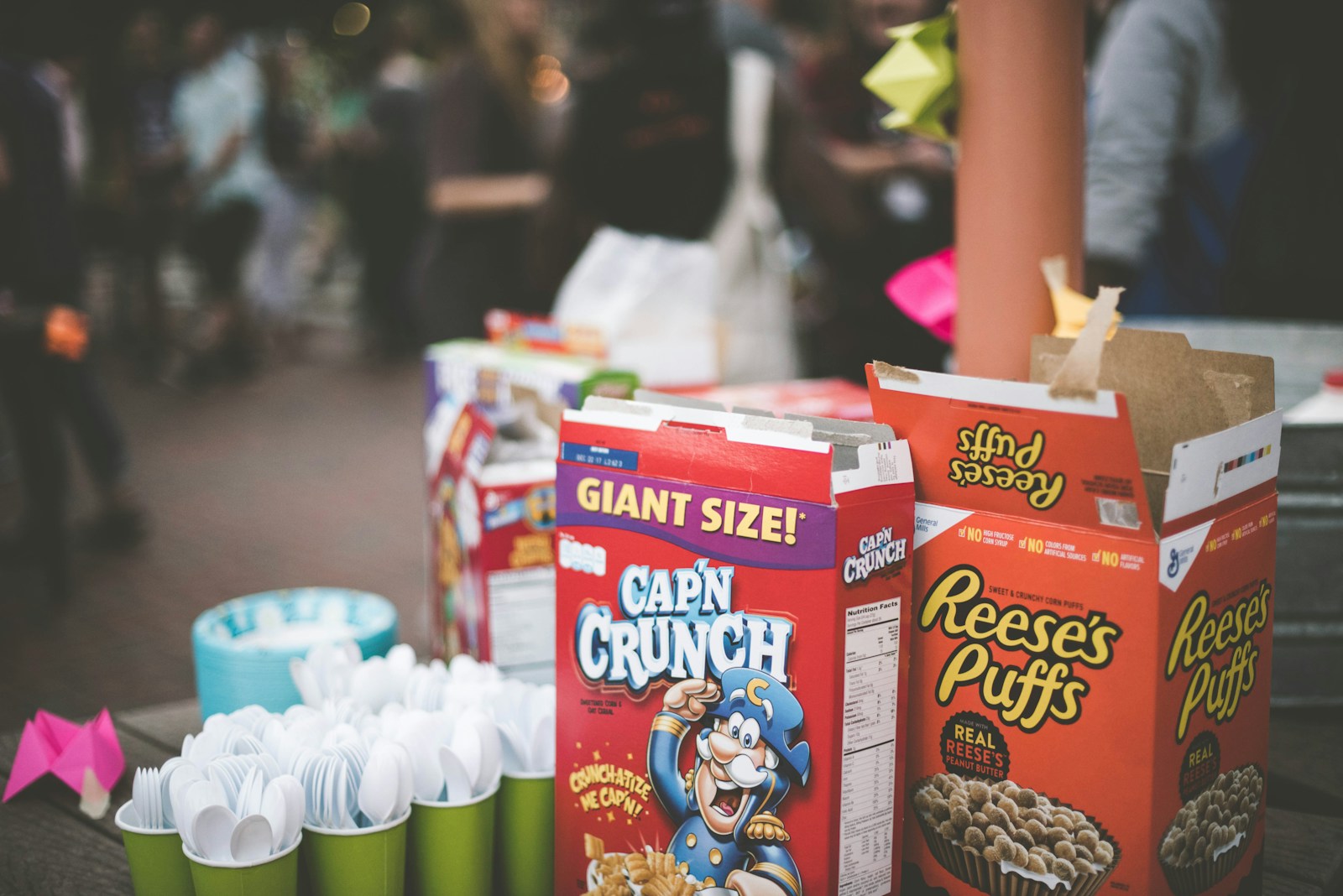
Many cereal brands have reduced box weights by one to three ounces while keeping box dimensions similar. Analysts attribute this to higher grain and sugar costs. Families relying on cereal as a breakfast staple may find boxes running out faster despite unchanged pricing. Dietitians point out that the smaller serving counts can make budgeting for weekly breakfast needs more challenging.
Coffee
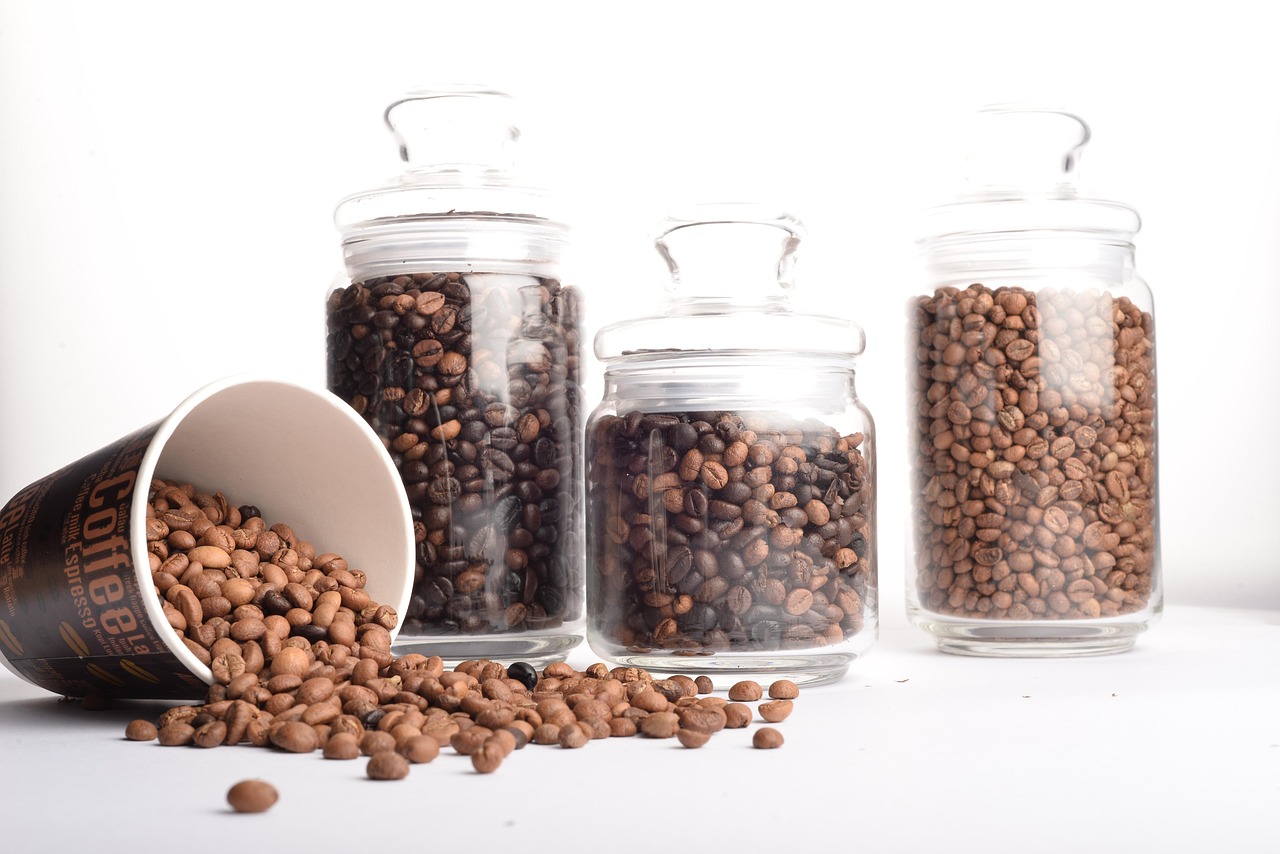
Ground coffee canisters are among the most frequently downsized items. Some major brands have reduced standard 30 ounce containers to 24 or 25 ounces in recent years, and 2026 sees another round of downsizing. Rising labor and commodity costs drive these changes. Coffee drinkers may notice fewer pots per can, leading to higher cost per serving even when shelf prices appear stable.
Snack Chips
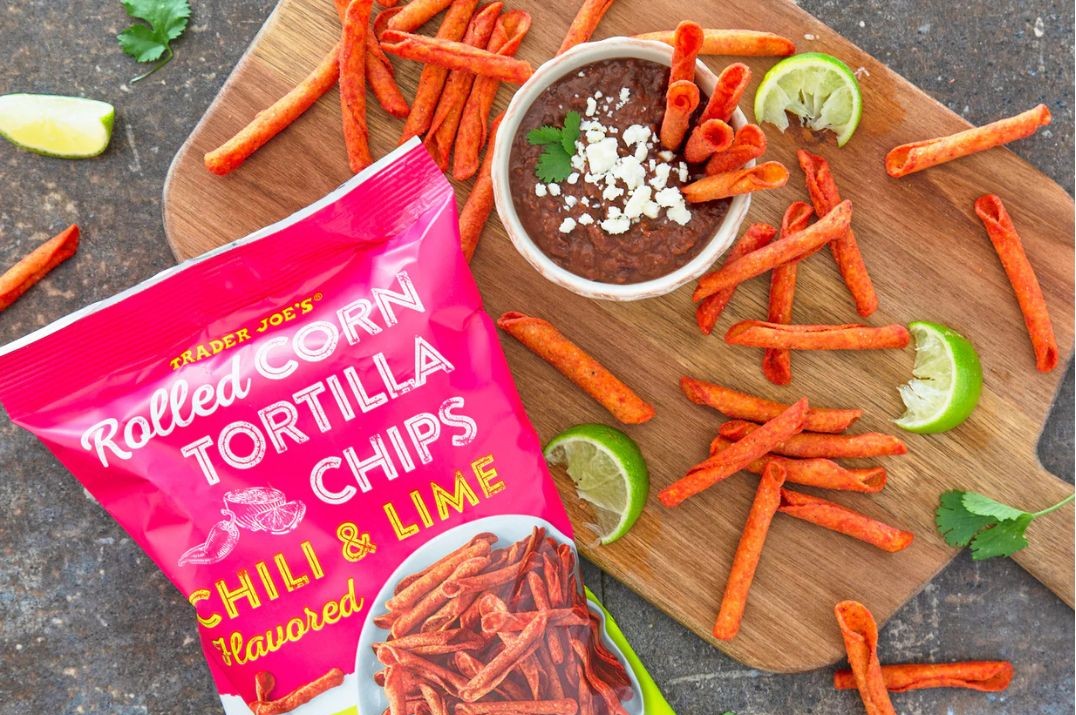
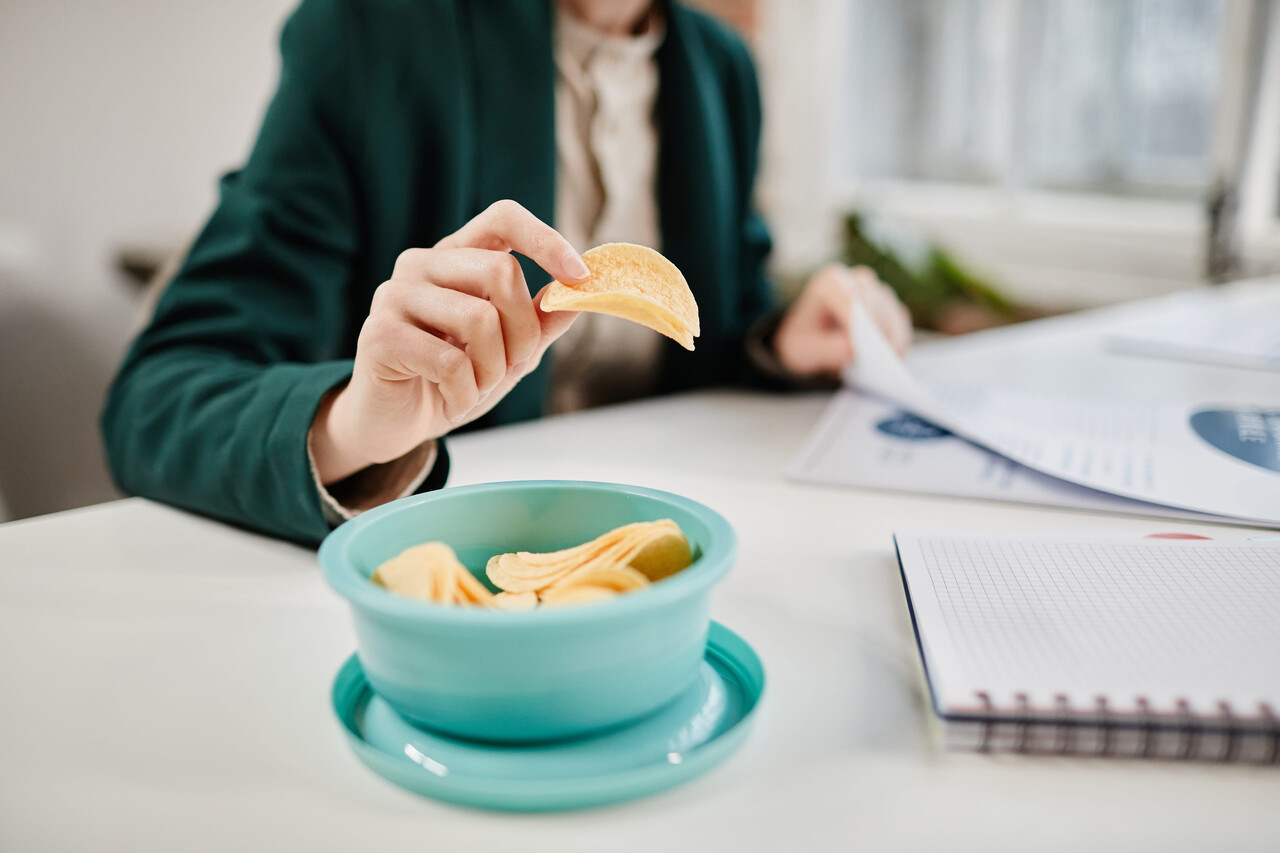
Potato chips and other snack bags are shrinking in net weight while keeping bag size nearly identical. This practice is common because packaging relies heavily on air cushioning. Industry reports note that snack producers face higher oil and potato costs, prompting small reductions such as one ounce per bag. For households, this results in quicker consumption and more frequent repurchases.
Ice Cream
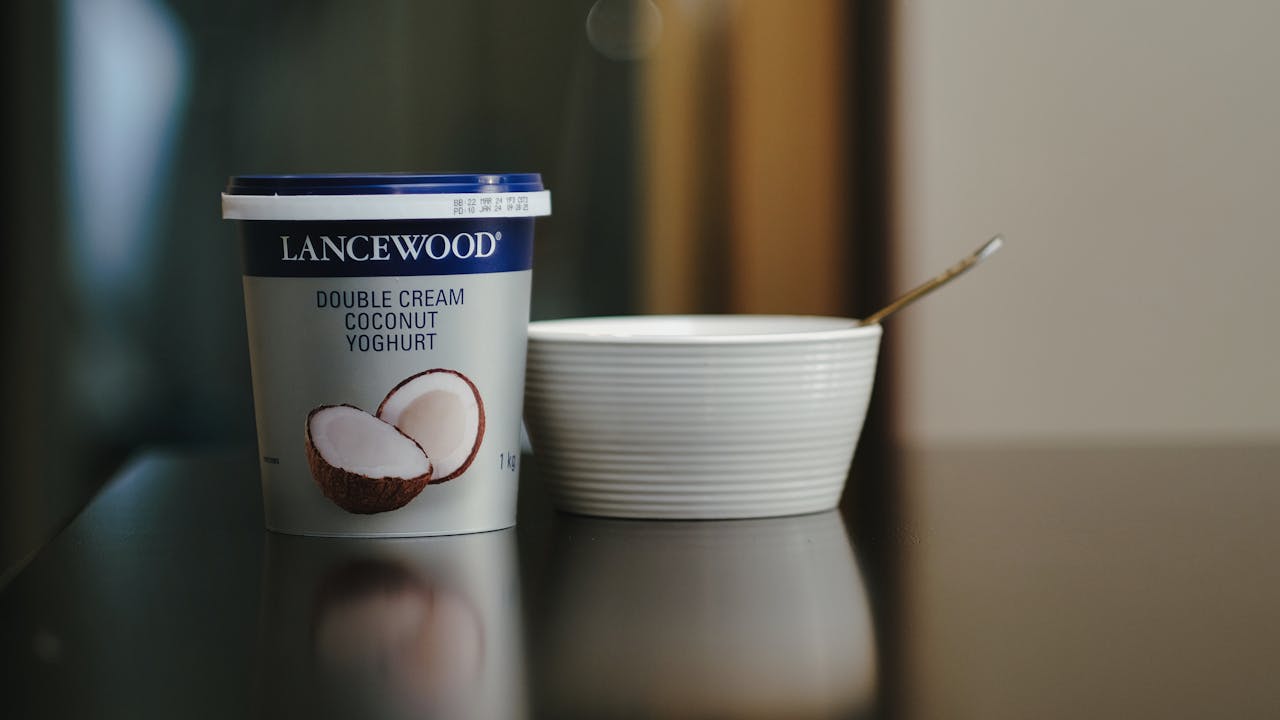
Many ice cream brands have transitioned from 64 ounce half gallons to 48 ounce containers over the past decade. In 2026 some premium and mid-range brands are reducing volumes again by a few ounces. Rising dairy and energy costs contribute to these changes. Shoppers may observe that containers look similar but hold fewer scoops, increasing cost per ounce.
Yogurt
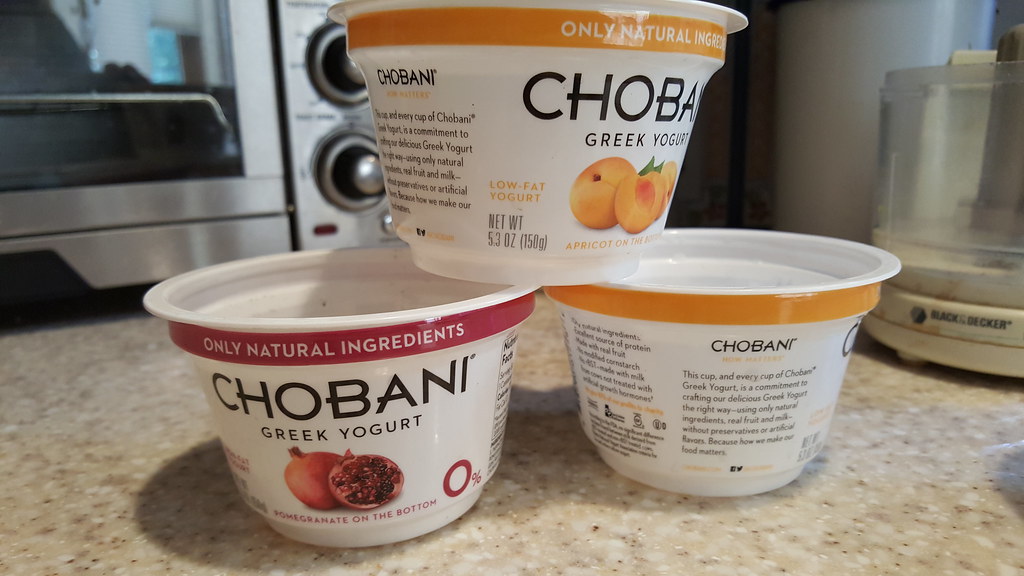
Single serve yogurt cups are seeing slight reductions, with some decreasing from six ounces to five or even four and a half. Dairy price volatility and higher packaging costs are key drivers. Nutritionists note that while the calorie difference is modest, the cost per ounce rises significantly. Families who buy yogurt for lunchboxes may feel the impact more distinctly.
Pasta
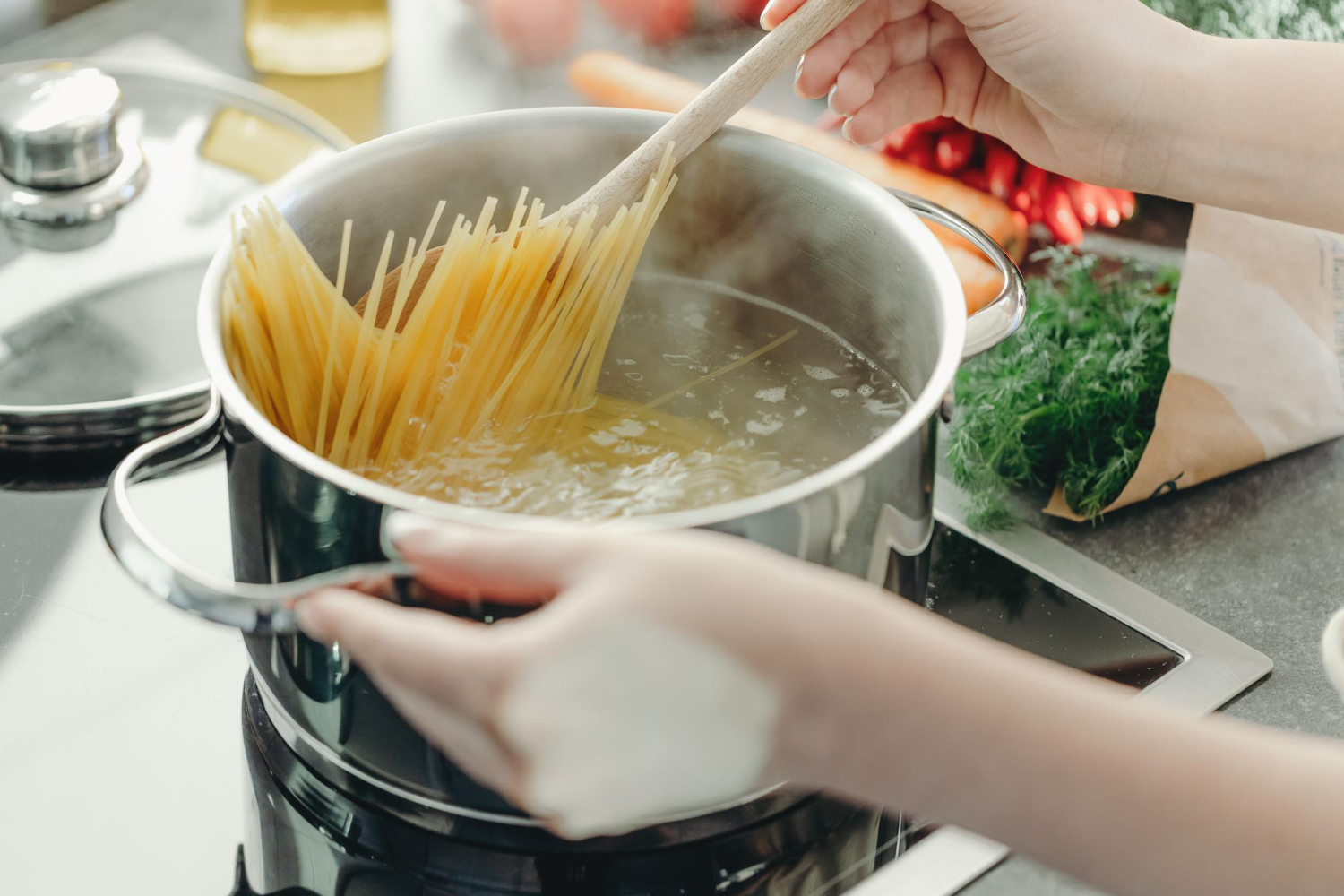
Several pasta makers have shifted from traditional 16 ounce boxes to 14 ounce or 12 ounce packages. Wheat price fluctuations and transportation costs continue to shape these reductions. This means a single box may no longer serve as many portions for larger households. Meal planning becomes more difficult when package sizes differ across brands.
Chocolate and Candy

Chocolate bars and multi-pack candies are longstanding examples of shrinkflation. In 2026, many brands are reducing bar weights by a few grams or decreasing the number of pieces per bag. Cocoa and sugar price increases push companies toward smaller sizing. Consumers may notice candy bags containing fewer servings without a corresponding drop in price.
Butter
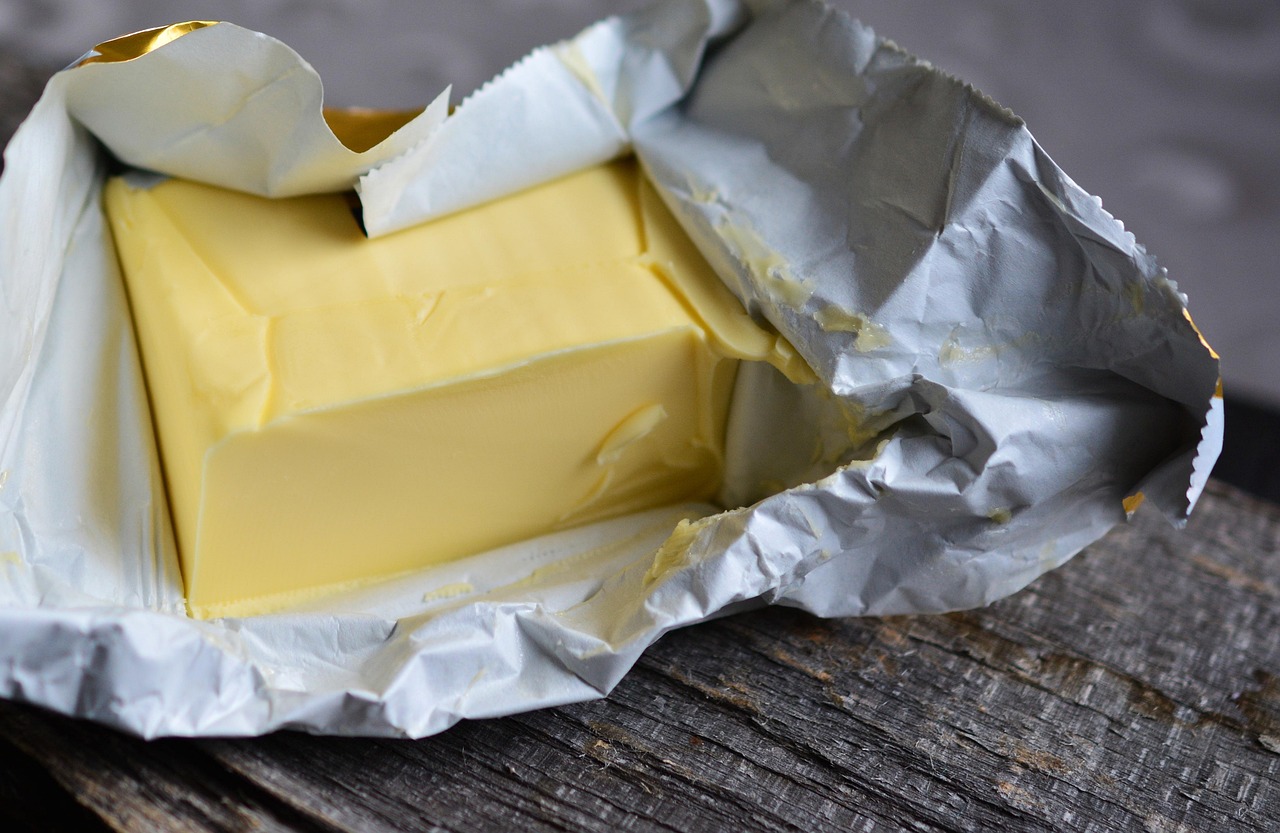
Some butter manufacturers have moved from full one pound packages to slightly lighter versions, particularly in specialty or imported varieties. Dairy market volatility plays a major role in these shifts. Although reductions are small, they can affect baking recipes that require precise measurements. Home bakers are encouraged to check labels closely.
Frozen Vegetables
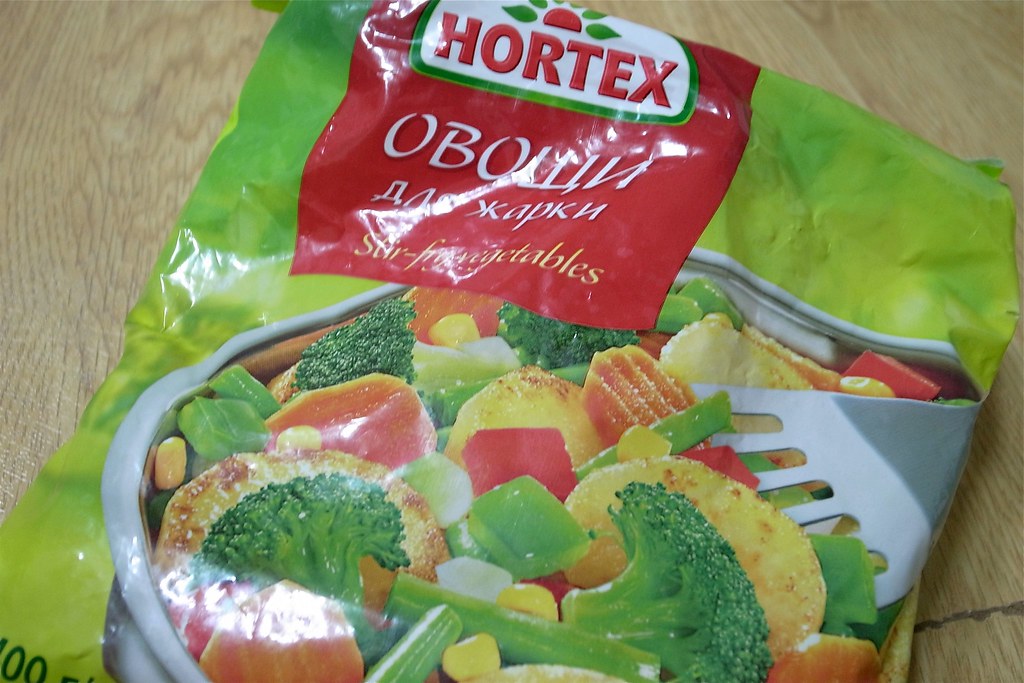
Select brands have reduced frozen vegetable bag sizes from 16 ounces to 12 or 14 ounces while maintaining similar pricing. Higher transportation and energy costs during production and freezing influence these adjustments. Shoppers may find they need to purchase multiple bags for recipe quantities that once required only one.
Peanut Butter
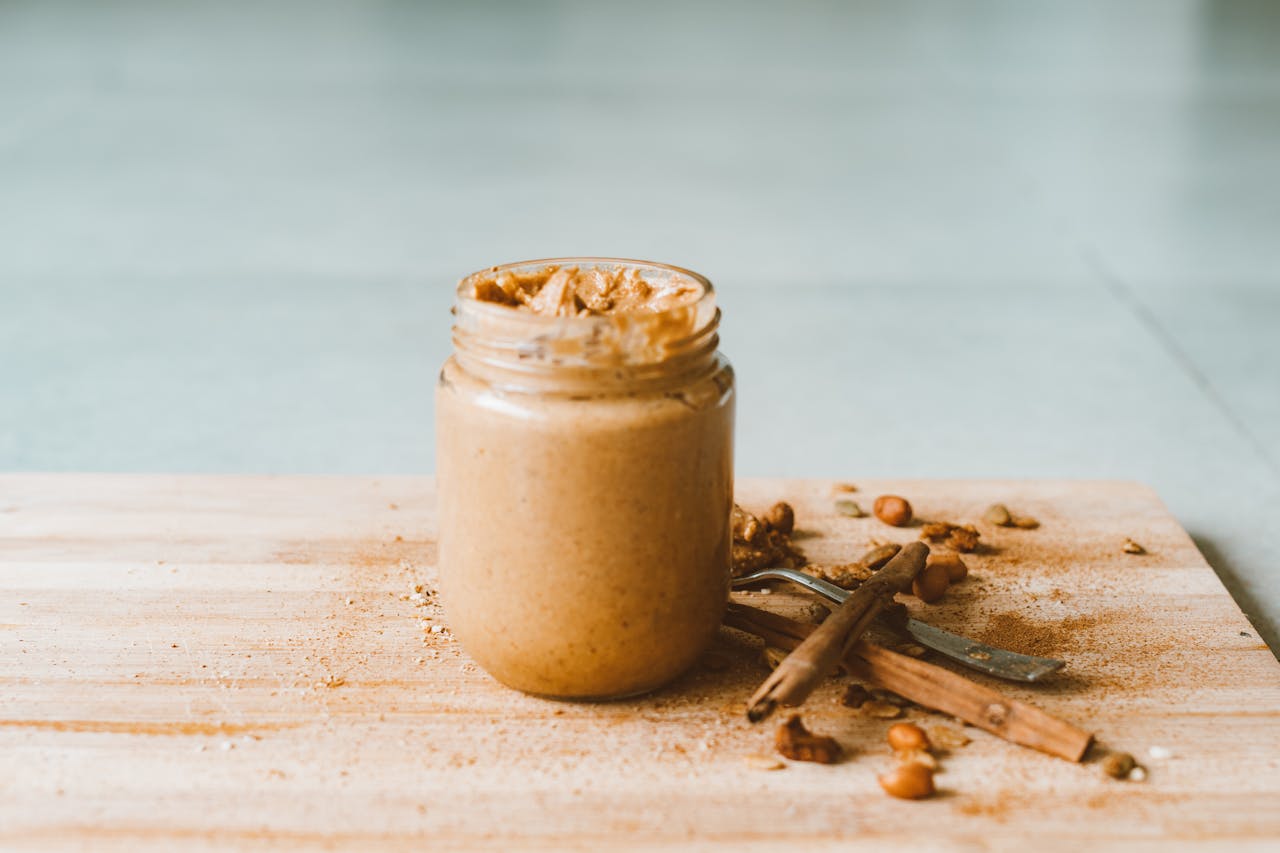
A few peanut butter brands have quietly reduced jar sizes by one to two ounces. Peanut production challenges and labor costs are cited by analysts as contributing factors. Because peanut butter is a pantry staple for many families, even small reductions lead to more frequent purchases and higher long term spending.
Orange Juice

Orange juice has been particularly affected by supply shortages linked to citrus disease and reduced harvest yields. Many producers have shrunk standard cartons or shifted to selling smaller volumes at previous price points. Economists note that orange juice will likely continue to be one of the most shrink-prone items in 2026.
Granola Bars
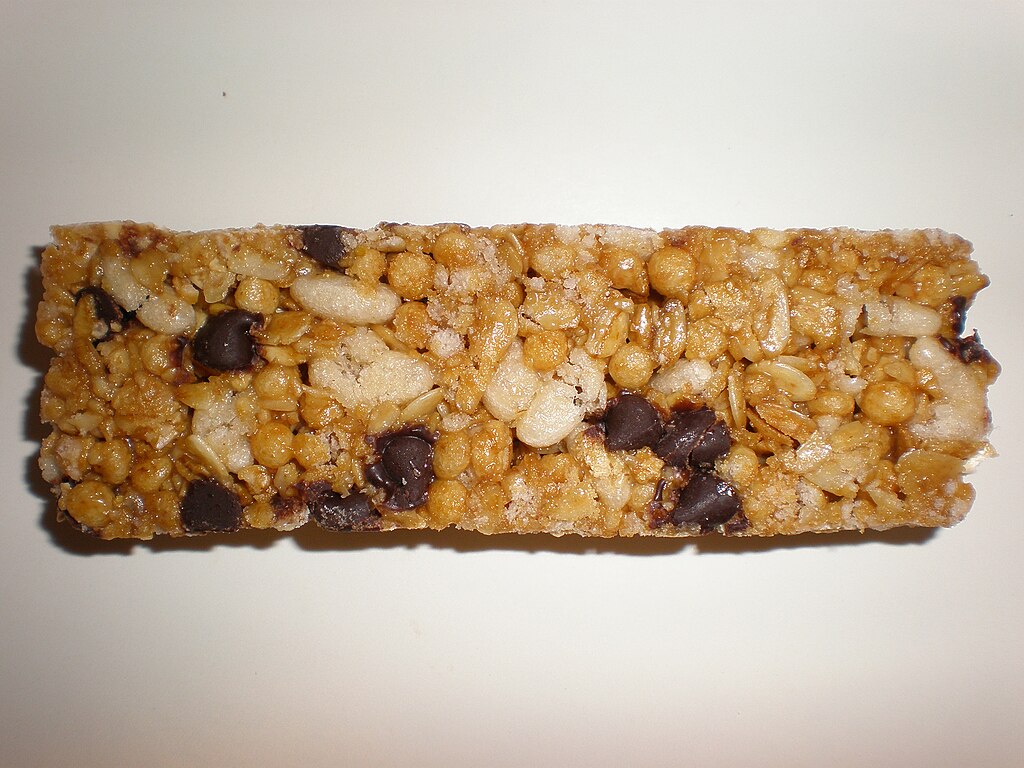
Individually wrapped granola bars are shrinking both in weight and in number per box. Some brands have reduced bar sizes while also decreasing box counts from ten to eight. Rising grain, nut and packaging costs contribute to these changes. For consumers, this means fewer snacks per pack and higher cost per serving.