Food Delivery Apps Are Quietly Changing What Americans Eat

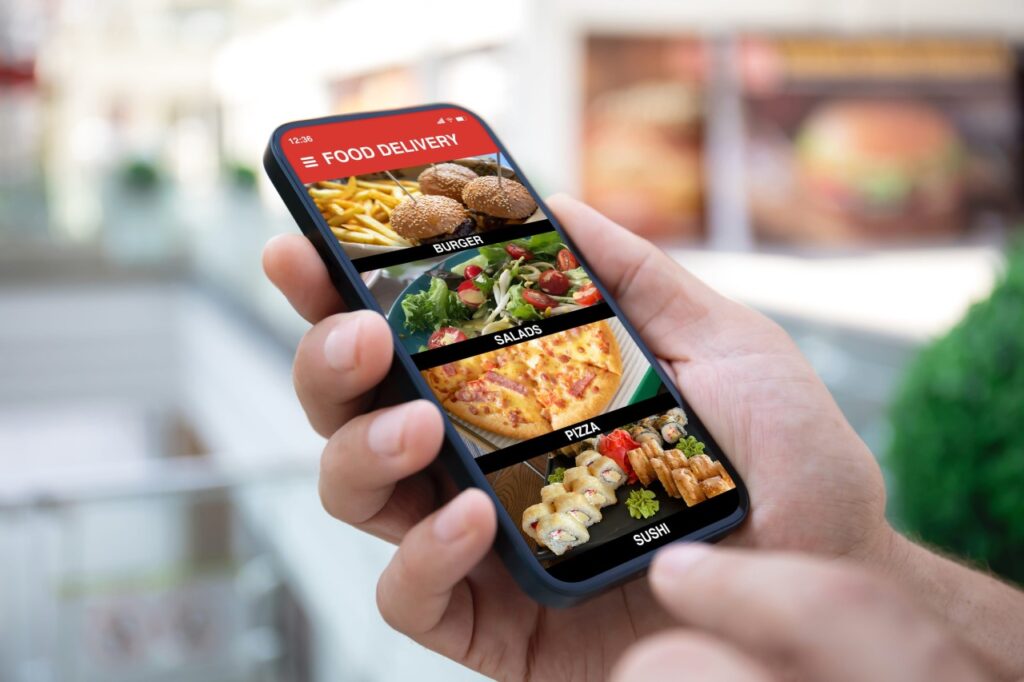
Food delivery apps have quietly slipped into the rhythm of everyday life in the United States. What once felt like an occasional convenience for busy nights or weekend cravings has gradually become a regular way many people decide what to eat. With thousands of restaurants only a few taps away on a smartphone, meals that once required planning, travel, and waiting in line can now appear at the doorstep in a surprisingly short time. This ease has changed more than just the ordering process. It has begun to reshape everyday dining habits, influencing how frequently Americans turn to restaurant meals instead of preparing food in their own kitchens.
Behind the convenience lies a deeper transformation in everyday eating behavior. The structure of delivery apps, including personalized recommendations, featured menu items, and a steady flow of discounts, quietly guides what people choose to order. Certain foods appear more prominently, encouraging users to follow cravings that might not have surfaced otherwise. Over time, these small digital nudges begin to shape broader patterns in daily food choices, restaurant menus, and even family routines. As delivery culture continues to expand, it is slowly redefining how and where Americans experience their everyday meals.
The Long-Term Impact on American Eating Habits
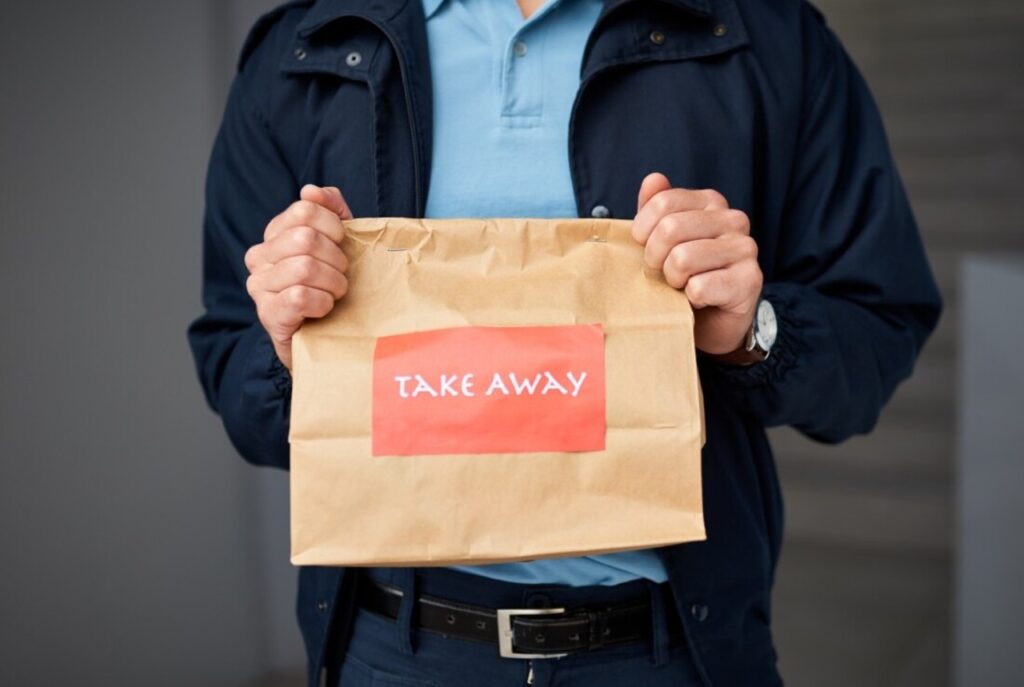
What began as a simple convenience for hectic evenings is steadily reshaping how Americans approach everyday meals. Food delivery apps have transformed restaurant food from an occasional indulgence into a routine option that fits daily life. With just a few taps on a smartphone, people can browse hundreds of nearby restaurants and have meals delivered within minutes. This level of access removes many of the steps once tied to eating out, such as driving, waiting in line, or planning. As a result, ordering food now feels almost as effortless as preparing something at home, making restaurant meals a frequent part of weekly routines.
As this convenience becomes part of everyday life, long-established food habits are gradually evolving. Many households that once relied heavily on home cooking now turn to delivery several times a week, especially after long workdays. Delivery platforms also introduce consumers to a wide range of cuisines they might not have explored otherwise, from regional specialties to international dishes. While this growing variety expands taste preferences, it also shifts attention away from traditional cooking routines. Grocery shopping patterns, cooking skills, and even shared family meals are beginning to change as more food decisions move from the kitchen to a smartphone screen.
Health Questions Surrounding the Delivery Era
The rapid rise of food delivery apps has opened a new conversation about nutrition and everyday health in the United States. Many of the most frequently ordered items on these platforms tend to be rich, satisfying foods such as burgers, fried chicken, pizza, and sugary drinks. These meals usually travel well and maintain their flavor and texture during delivery, making them reliable choices for both restaurants and customers. Delivery platforms also highlight these comfort foods through featured listings, trending sections, and limited-time promotions. Because these items appear more prominently, the visibility and convenience can quietly influence what people feel like ordering.
As restaurant meals become a more common part of weekly routines, maintaining a balanced diet can become more challenging for many households. Food prepared in restaurants often contains higher levels of sodium, fat, and added sugars compared with meals cooked at home. Portions are typically larger as well, which can lead people to eat more calories without realizing it. Even when healthier dishes are available, many customers still lean toward richer options because they feel more indulgent or appear first in the app. Over time, the frequency of these choices can gradually influence long-term eating habits and daily nutrition.
What Restaurants Must Do to Stay Competitive
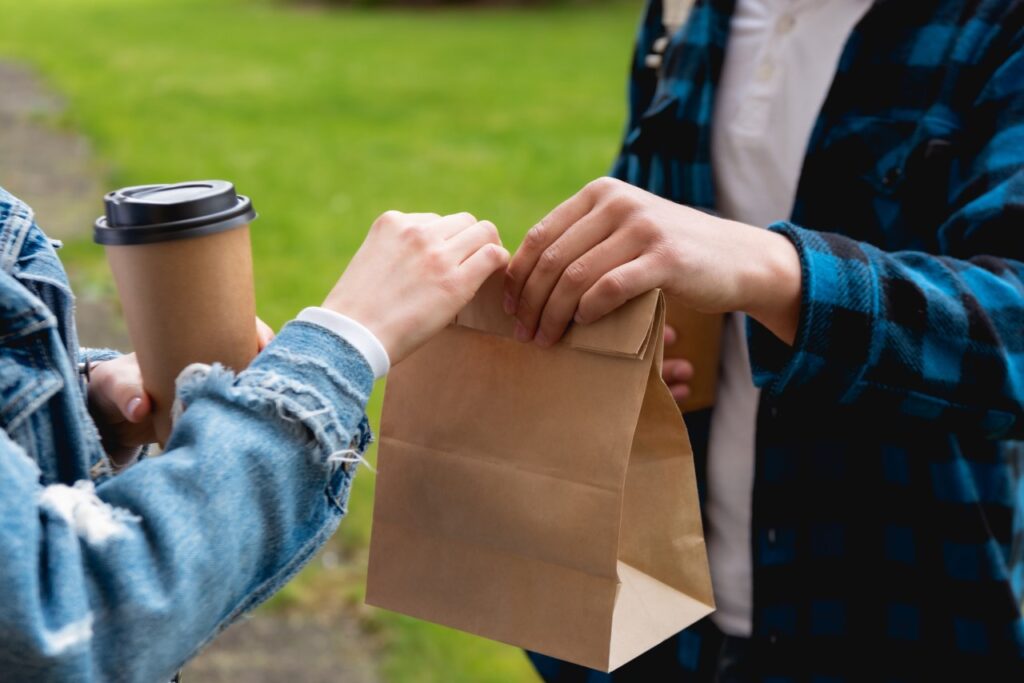
Food delivery apps have created an entirely new competitive landscape for restaurants across the United States today. Businesses are no longer competing only with the eateries located down the street, but with hundreds of options displayed within the same mobile app. When customers scroll through a delivery platform, they see dozens of cuisines and price points side by side, making visibility more important than ever. To stand out in this crowded digital marketplace, restaurants must carefully manage how their menus appear online, how quickly they prepare orders, and how consistently they deliver quality.
Restaurants are also redesigning their menus and operations specifically for delivery customers. Dishes that travel well and maintain their texture during transport are often prioritized, while delicate items that lose freshness quickly may be adjusted or removed. Packaging has become a critical part of the experience, with many businesses investing in containers that preserve temperature and presentation. In addition, restaurants increasingly rely on in-app promotions, featured placements, and delivery-only brands to capture attention. Some operate ghost kitchens that prepare food exclusively for online orders, reflecting how delivery platforms have reshaped modern restaurant strategy.
How Consumers Are Rethinking Convenience and Nutrition
Convenience may have fueled the rise of food delivery apps, but many consumers are beginning to look more closely at the nutritional value of what they order. As awareness about diet and long-term health grows, people are paying greater attention to ingredients, portion sizes, and overall balance in their meals. This shift is especially noticeable among younger adults who are comfortable using technology to search for options that align with their lifestyles. Instead of simply choosing the quickest or most indulgent meal, some users now explore lighter dishes, plant-based meals, and menus that emphasize fresh ingredients.
Delivery platforms have started responding to this growing interest in healthier eating by introducing tools that make nutritional information easier to find. Many apps now include filters for dietary preferences such as vegetarian, low-calorie, or high-protein meals, allowing users to narrow their choices more thoughtfully. Some restaurants also highlight ingredient lists or wellness-focused menu sections to attract health-conscious customers. Even with these improvements, convenience still plays a powerful role. After a long day, people often gravitate toward meals that feel satisfying and familiar, showing how the balance between ease and healthy choices continues to evolve.
The Future of App-Driven Dining in America

Food delivery technology is still evolving, and its influence on how Americans access meals is expected to grow in the coming years. Improvements in logistics, mapping systems, and route optimization are allowing delivery services to move food faster and more efficiently than before. At the same time, recommendation algorithms are becoming more advanced, learning from past orders and browsing habits to suggest meals that match individual preferences. Subscription services offering free or discounted deliveries are also encouraging people to order more frequently, turning what once felt like an occasional convenience into a regular part of everyday life.
Alongside these technological advances, the restaurant industry is experimenting with new business models built specifically for the delivery era. Ghost kitchens and delivery-only brands allow businesses to prepare food without maintaining a traditional dining room, reducing overhead while focusing entirely on online orders. Many restaurants are also forming partnerships with technology companies and delivery platforms to expand their reach to new customers. As these systems grow more sophisticated, food delivery apps may become an even stronger force in shaping daily dining habits, influencing what people eat, how often they order, and where their meals come from.